



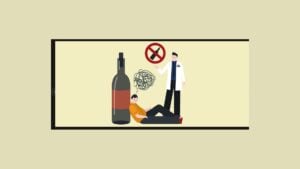
Alcohol Poisoning – Everything You Need to Know
Key Takeaways Alcohol poisoning is a life-threatening medical emergency caused by consuming a large amount of alcohol in a short period of time.Symptoms of alcohol …

Key Takeaways Alcohol poisoning is a life-threatening medical emergency caused by consuming a large amount of alcohol in a short period of time.Symptoms of alcohol …
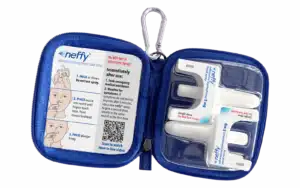
What is NEFFY®? It is a needle-free adrenaline (epinephrine) nasal spray used for the emergency first aid treatment of severe allergic reactions, including anaphylaxis. Now …
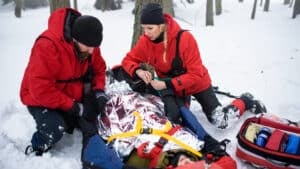
Hypothermia is a medical emergency that occurs when the body’s core temperature drops below 35°C, impairing normal function and, if untreated, causing cardiac arrest and …

Internal bleeding is bleeding that occurs inside the body when a blood vessel leaks or ruptures, causing blood loss that is not visible externally. This …
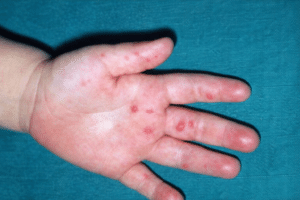
Hand foot and mouth disease (HFMD) is a common viral infection that causes a distinctive rash and blisters on the hands and feet, along with …
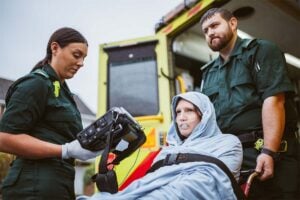
Hypovolemia is a dangerous drop in blood volume that can rapidly lead to hypovolaemic shock. It’s caused by severe bleeding, burns, vomiting, diarrhoea or dehydration. …

Epilepsy is a neurological disorder that causes recurrent, unprovoked seizures, affecting how the brain sends and receives electrical signals. Understanding epilepsy, the different types of …

A heart attack occurs when the blood flow to the heart muscle is suddenly blocked, causing damage that worsens with every passing minute. Understanding heart …

Iron deficiency (low iron) is when your body doesn’t have enough iron to make healthy red blood cells. This guide explains symptoms and causes, how …

Dehydration occurs when the body loses more fluids than you take in, leading to an imbalance that affects every system in the body. Recognising the …

Diabetes is a chronic condition that affects how the body regulates blood glucose levels, and recognising the signs of a diabetic emergency can save a …

Asthma is a chronic lung condition where the airways become inflamed and narrowed, making breathing difficult and triggering symptoms like wheezing, coughing, shortness of breath, …

Heat exhaustion occurs when your body overheats due to prolonged exposure to high temperatures, especially when combined with high humidity and strenuous physical activity. : …

Heatstroke is a life-threatening emergency that occurs when the body’s heat-regulating mechanisms fail due to prolonged exposure to high temperatures. In Australia, the risk of …

Anaphylaxis is a severe allergic reaction that can become life-threatening within minutes. Immediate first aid—including the use of an EpiPen® (epinephrine – adrenaline autoinjector)—can save …
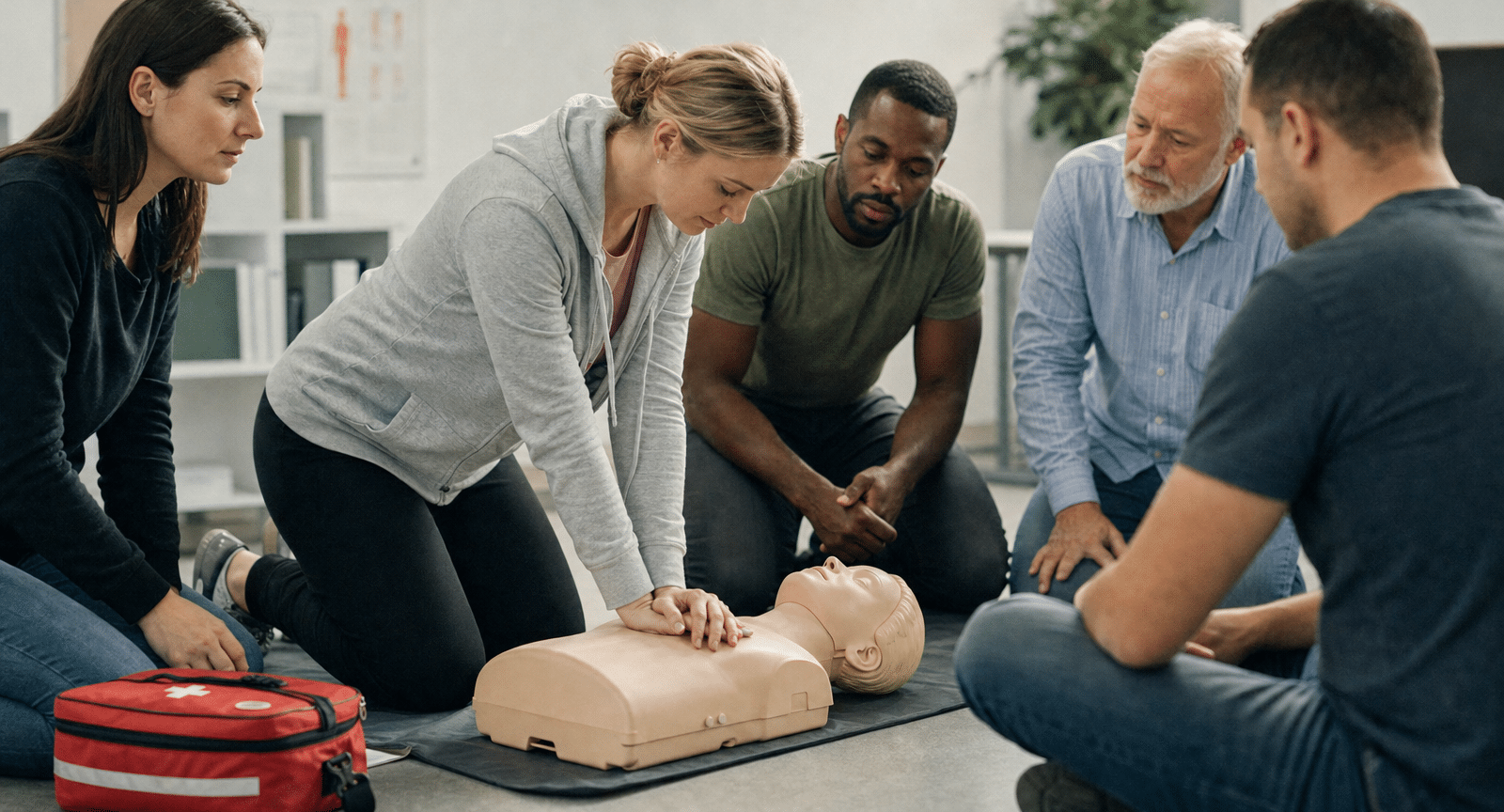
A first aid course brisbane guide comparing 2026 prices, delivery formats and inclusions across major providers. It also covers CPR costs, renewal timing, and ways workplaces can budget for staff training.

Each November, men across Australia grow a moustache for Movember to raise awareness of men’s health. One on a mate’s face is an easy way …
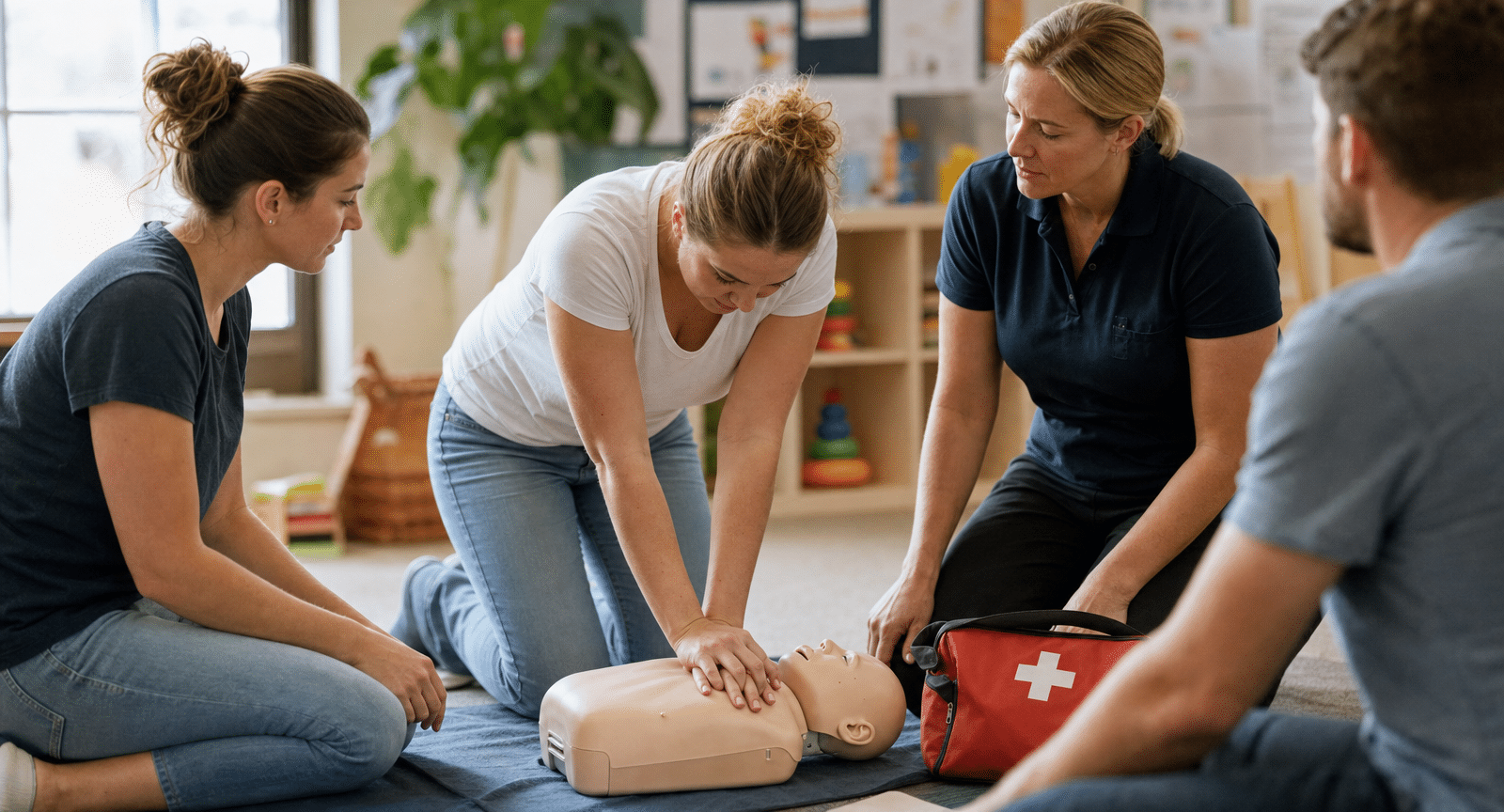
This guide explains WA childcare first aid requirements, including ACECQA-approved qualifications, CPR renewal timelines and the different rules for centre-based care, OSHC and family day care.

A 2026 national first aid course is a structured training program that teaches you the skills and knowledge required to respond confidently in a medical …
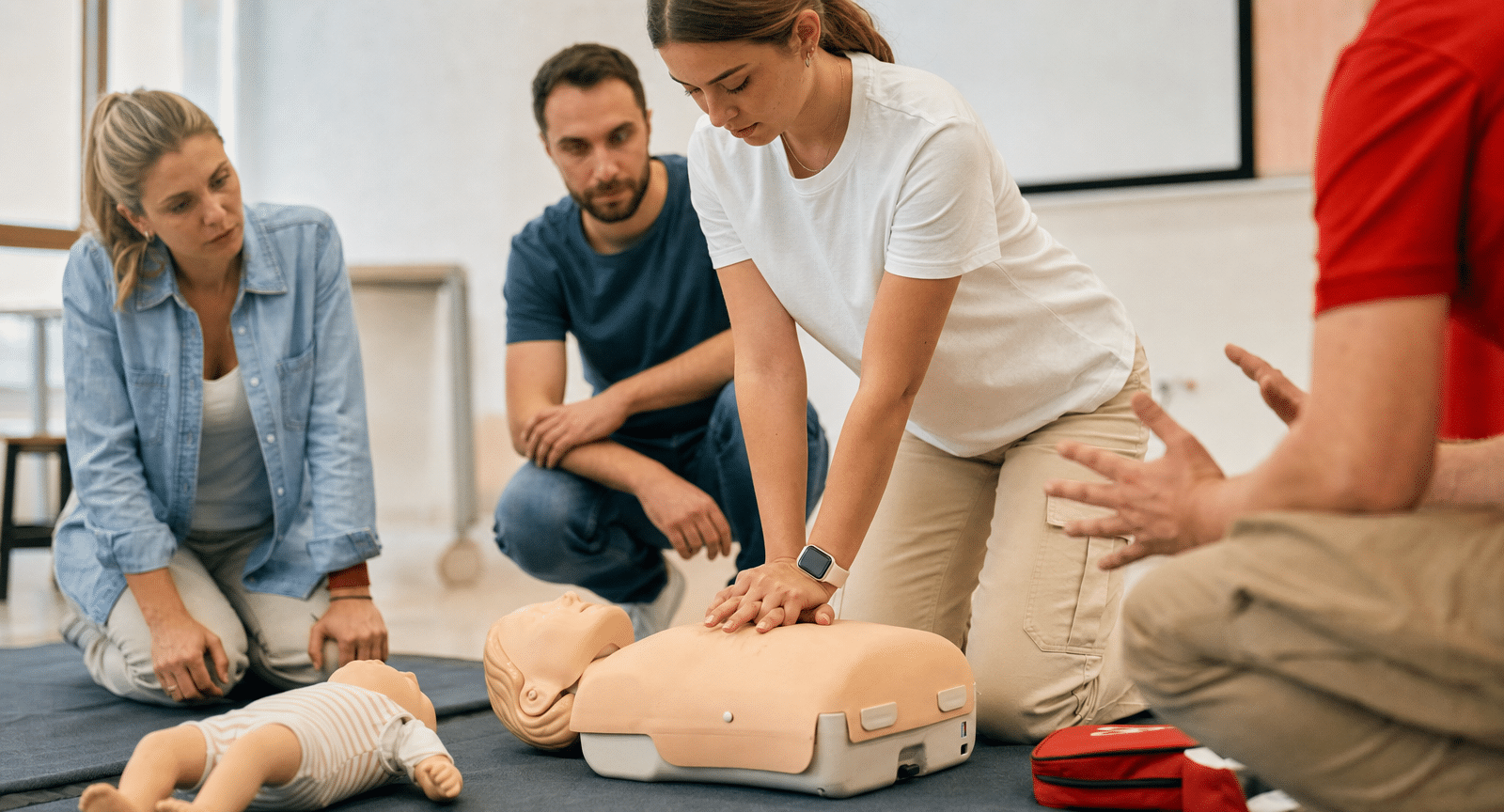
This guide explains whether can you fail a first aid course, what HLTAID009 assessment involves, and how Not Yet Competent outcomes are handled. It also covers the floor CPR task, physical limitations, and how to check a genuine certificate.
