



Sharon has 21+ years of experience as a qualified Emergency Care Nurse registered with the Australian Health Practitioner Regulation Agency (APHRA) and 12+ years as a First Aid Trainer.
She takes pride in FirstAidPro making first aid training available, comprehensive and affordable to everybody.
Hand foot and mouth disease (HFMD) is a common viral infection that causes a distinctive rash and blisters on the hands and feet, along with painful mouth sores — and it spreads easily among children and adults alike. If your child has hand foot and mouth disease, or you have been exposed yourself, understanding how to manage symptoms and prevent the spread is essential. This article covers the early signs, the best treatment for hand foot and mouth disease, how long a person remains contagious, and practical steps for protecting others at home and at school.
Knowing how to respond to illness and injury could make all the difference. Enrol in a nationally recognised first aid course with First Aid Pro and build real confidence for a real emergency.
Key Takeaways
- Hand foot and mouth disease is a common viral infection caused by the Coxsackie virus or related enteroviruses
- It primarily affects children under 10 years, but adults can get it too — often with more severe symptoms
- There is no specific cure; treatment focuses on managing symptoms such as fever, painful sores, and blisters
- HFMD is highly contagious and spreads person to person through saliva, faeces, and fluid in the blisters
- Most cases resolve within 7 to 10 days with rest, fluids, and careful personal hygiene
- Never give aspirin to children with HFMD — use paracetamol or ibuprofen instead
What Is Hand Foot and Mouth Disease?
Hand foot and mouth disease is a common childhood illness caused by a virus from the enterovirus family — most often the Coxsackie virus (particularly Coxsackievirus A16) or Enterovirus 71. It is not related to foot-and-mouth disease in cattle or other livestock; that is an entirely different infection that does not infect humans.
HFMD is a common viral infection that primarily affects children under the age of 10, though it can also affect older children and adults — particularly those with weakened immune systems or those who have not previously been exposed to the circulating strain. The disease is a common viral infection in Australian childcare centres, schools, and family homes throughout the year, with peaks typically occurring in warmer months.
Feature | Detail |
Cause | Coxsackie virus or Enterovirus |
Most affected | Children under 10 years |
Duration | 7 to 10 days |
Spread | Saliva, faeces, blister fluid |
Vaccine available | No (in Australia) |
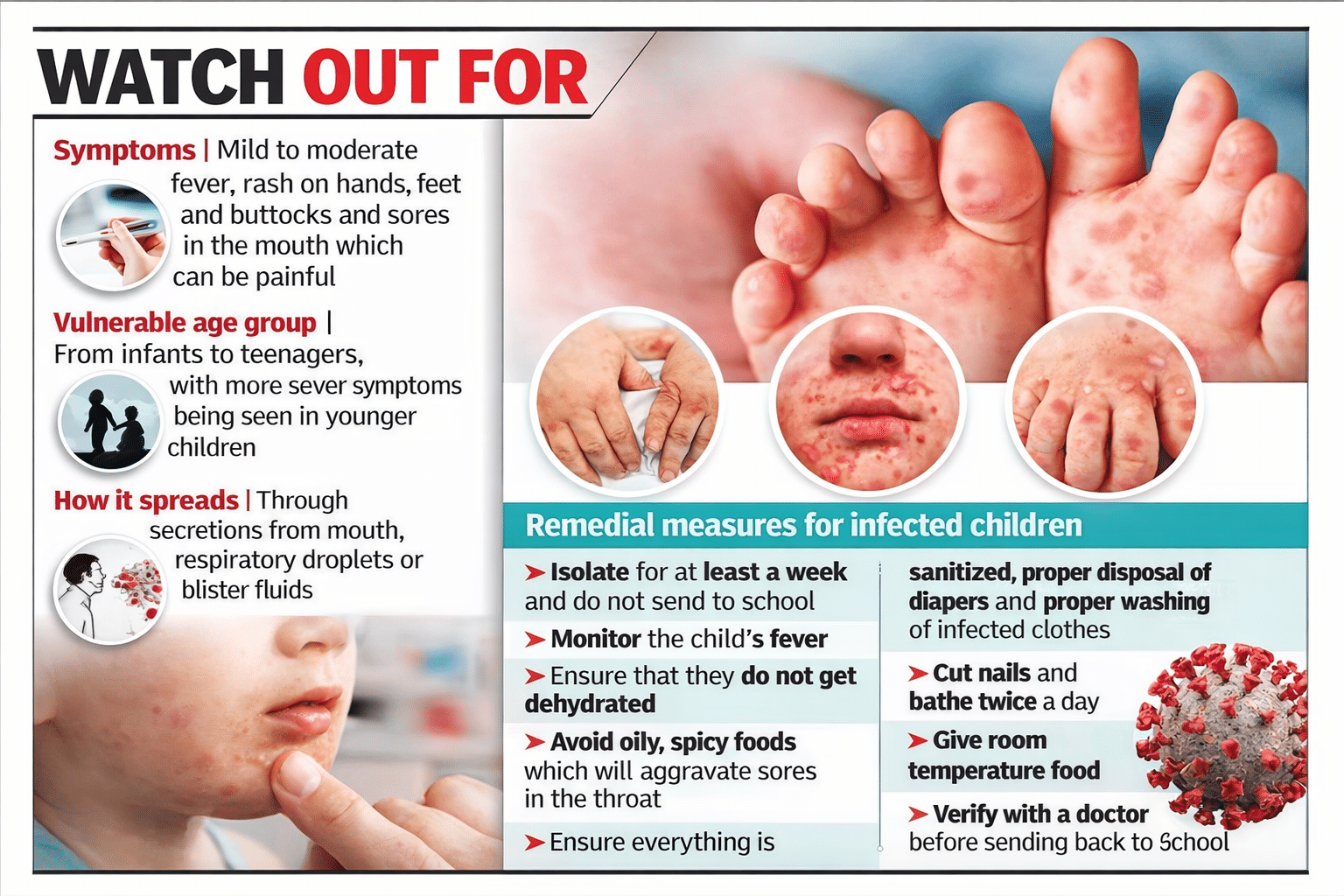
Early Signs of Hand Foot and Mouth Disease — Day by Day
Recognising the early signs of HFMD allows you to act quickly, keep a contagious child at home, and seek guidance from a health care professional if needed. Symptoms of hand foot and mouth disease tend to follow a fairly predictable pattern.
Days 1–2 — First Signs Appear Fever (often 38–39°C), sore throat, reduced appetite, and general tiredness. At this early stage, the rash has not yet appeared and HFMD is easily mistaken for a cold or mild flu.
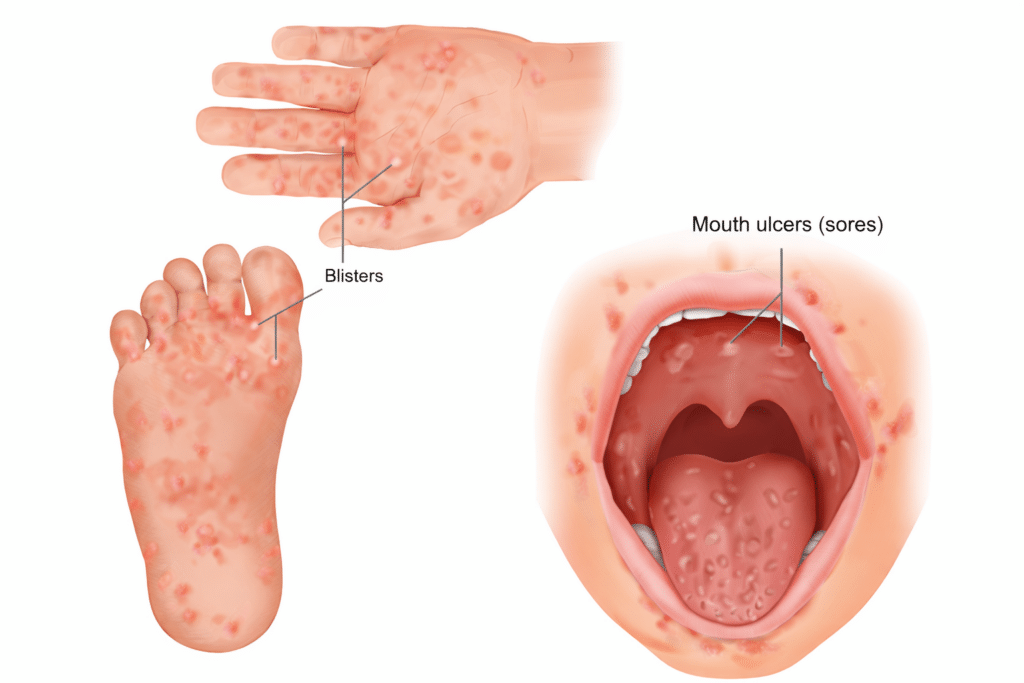
Days 2–3 — Mouth Sores Develop Painful ulcers begin to form inside the mouth — on the sides of the tongue, inner cheeks, gums, or throat. These mouth sores make eating and drinking difficult, especially for young children.
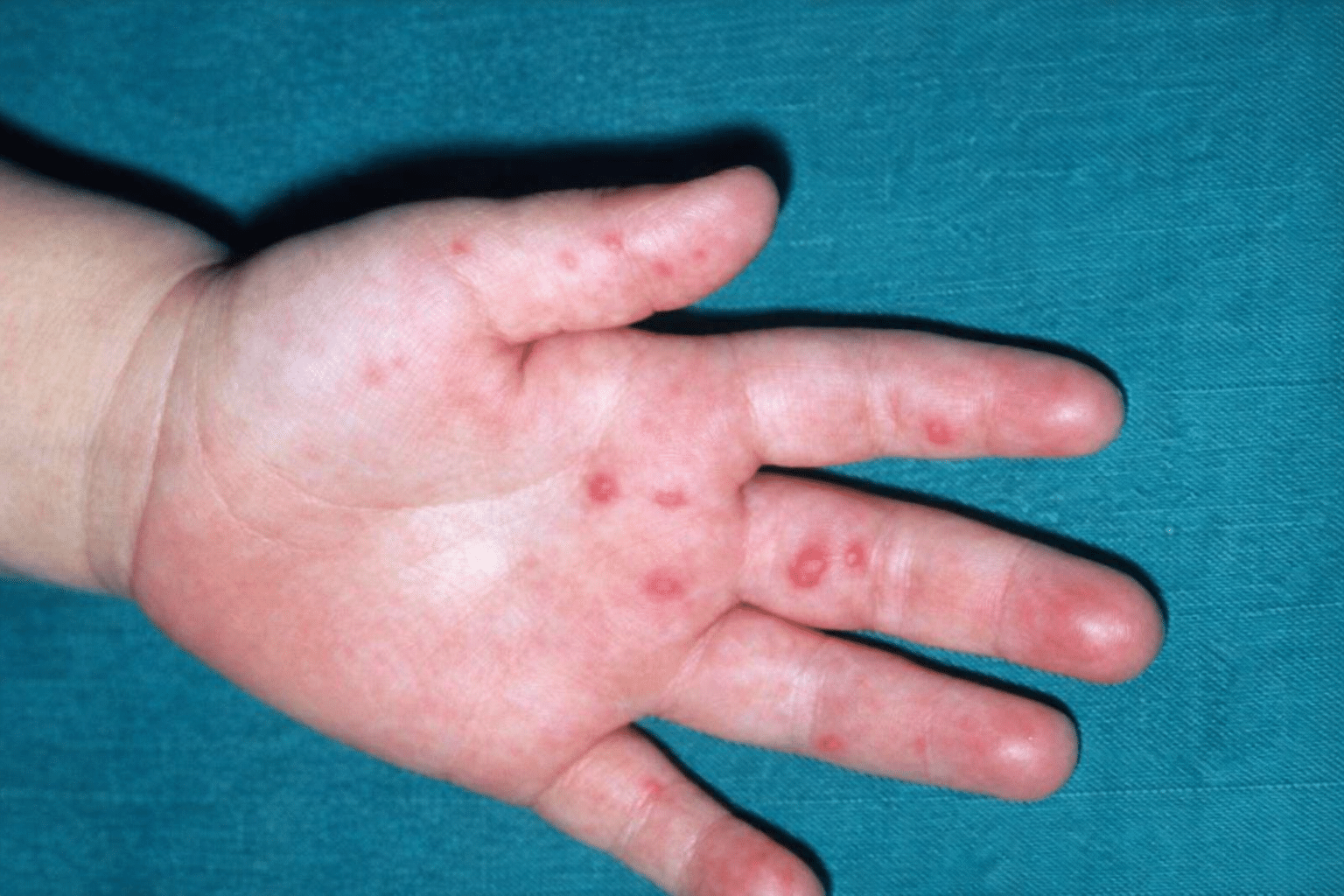
Days 3–4 — The Rash of Hand Foot and Mouth Appears The characteristic HFM rash appears — flat or raised red spots that develop into blisters on the palms of the hands, soles of the feet, and sometimes around the mouth, buttocks, or legs. The rash on the hands and feet is generally not itchy but can be sore to touch.
Days 5–7 — Peak and Early Recovery Symptoms are typically at their worst but begin to ease. Blisters start drying and the fever subsides. A child may still be contagious even as they begin feeling better.
Days 7–10 — Recovery Most children and adults recover fully within this period. In rare cases, the virus may be shed in faeces for several weeks after symptoms have resolved. Nail shedding can occasionally occur some weeks later.
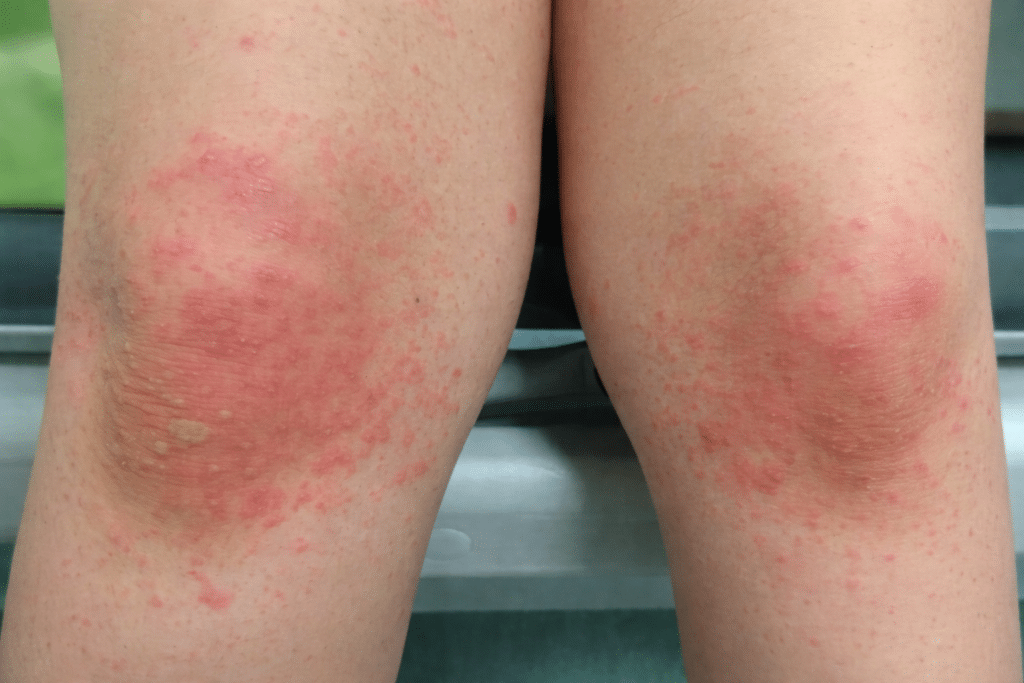
Hand Foot and Mouth Disease Symptoms in Adults
Can adults get hand foot and mouth disease? Absolutely — and this surprises many people. While foot and mouth in adults is less common than in children, the majority of adults who contract HFMD do so after close contact with an infected child. Those who have not previously been exposed to the specific enterovirus strain are particularly vulnerable.
What Is Different in Adults?
Hand and foot disease in adults often presents more intensely. Adults may experience:
- More widespread and painful blisters on the palms of the hands and soles of the feet
- Severe mouth sores that make eating and drinking very uncomfortable
- Pronounced fatigue and flu-like symptoms
- In some cases, temporary nail loss (onychomadesis) several weeks after infection
When to See a Doctor
Contact a health care professional promptly if you or your child is showing signs of:
- Dehydration — no wet nappies, sunken eyes, dry mouth, or no urination for 8+ hours
- High fever that does not respond to paracetamol or ibuprofen
- Symptoms worsening significantly after day 5
- Severe headache, neck stiffness, or confusion
⚠️ Emergency Warning: In rare cases, HFMD caused by Enterovirus 71 can lead to serious complications including inflammation of the brain (encephalitis). If a child develops a stiff neck, unusual drowsiness, rapid breathing, or seizures — call 000 immediately.
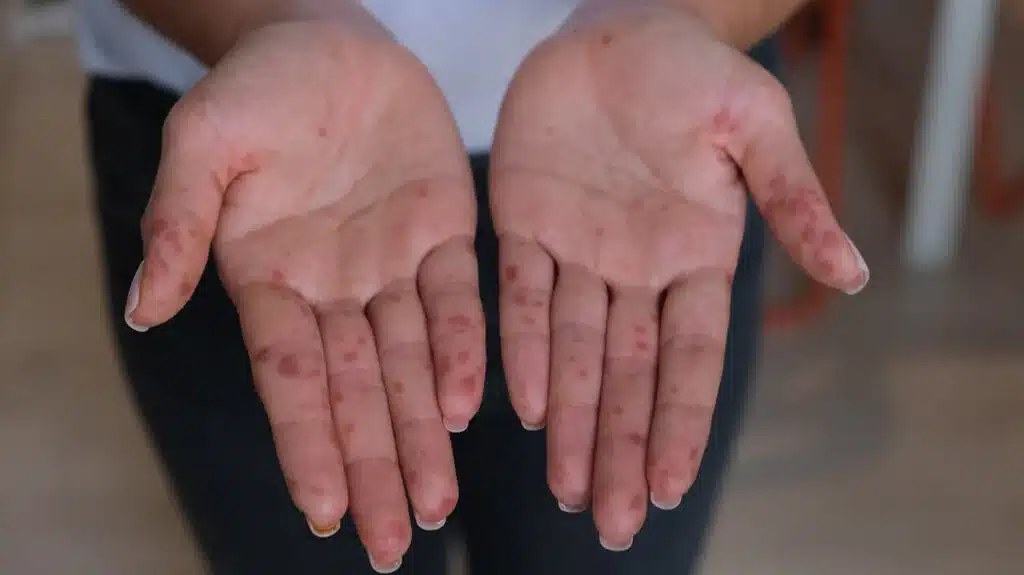
Hand Foot and Mouth Disease Treatment
There is no specific treatment or hand foot and mouth cure available. Treatment for hand foot and mouth disease focuses on relieving discomfort and preventing dehydration while the immune system clears the virus. The disease usually runs its course within 7 to 10 days without medical intervention.
What Is the Best Medicine for Hand Foot and Mouth Disease?
Symptom | Recommended Treatment | Notes |
Fever and pain | Paracetamol or ibuprofen | Follow age-appropriate dosing instructions |
Mouth sores | Topical anaesthetic gel (ask your doctor or pharmacist) | Not all gels are suitable for infants |
Dehydration | Cold water, ice blocks, diluted juice, or oral rehydration solution | Avoid acidic drinks, which worsen mouth sores |
Blisters on skin | Calamine lotion, cool compress | Do not burst blisters — the fluid is infectious |
Sore mouth or throat | Cold fluids, ice cream, soft foods, salt water gargle (adults only) | Avoid hard, crunchy, or spicy foods |
⚠️ Important: Never give aspirin to children with HFMD or any viral illness. Giving aspirin to children carries a risk of Reye’s syndrome — a rare but potentially fatal condition. Always ask your doctor or pharmacist before giving any new medication to a child.
How to Get Rid of Hand Foot and Mouth Fast
While there is no shortcut to recovery, these steps can ease a child’s symptoms and support faster healing:
- Rest — keep children and adults at home from school or work
- Stay hydrated — offer regular small sips of cool fluids
- Soft foods — yoghurt, custard, soup, and ice cream are easier to manage with a sore mouth
- Avoid popping blisters — let them resolve naturally; fluid in the blisters spreads the virus
- Cool compresses — can soothe uncomfortable blisters on the feet and hands
- Good personal hygiene — wash your hands thoroughly, especially after nappy changes
Antibiotics do not work against HFMD as it is caused by a virus, not bacteria. Antiviral medications are not routinely recommended for standard cases. There is no specific treatment — recovery depends on rest, fluids, and time.
FIRST AID PRO — ENROL NOW First aid training teaches you how to recognise warning signs, manage symptoms, and respond confidently when children or adults become suddenly unwell. Enrol in a nationally recognised course with First Aid Pro today.
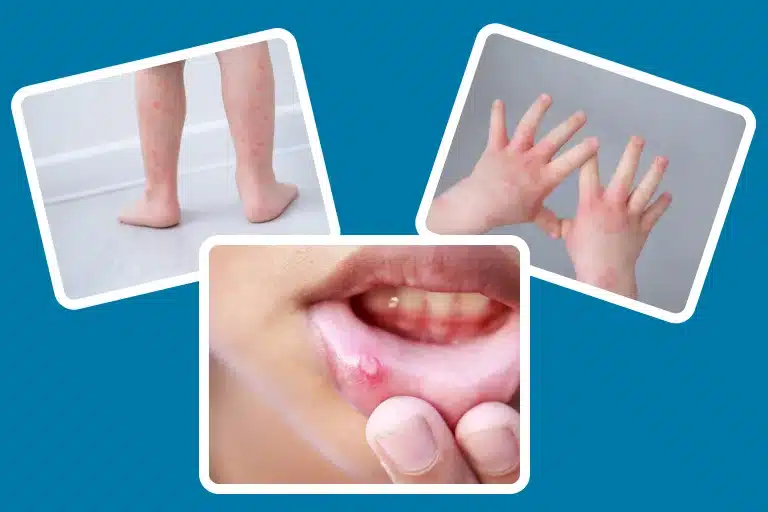
How Long Is a Person Contagious With HFMD?
HFMD is a highly contagious viral infection. Understanding the contagious window is critical for preventing the spread of the virus to others at home, school, and in the community.
Stage | Contagious? | Guidance |
Before symptoms appear (incubation 3–7 days) | Yes — mildly | Difficult to identify; maintain good hygiene at all times |
When symptoms are active | Most contagious | Stay home from school and childcare |
After blisters have dried | Lower risk | Safe to return once blisters have dried and child is well |
Weeks after recovery | Virus may remain in faeces | Continue hand washing after nappy changes and toilet use |
Australian childcare and school guidelines generally advise keeping a child home until all blisters have dried and they are well enough to participate in normal activities. Contact your local centre or school for their specific exclusion policy.
How Does Foot and Mouth Disease Spread?
Foot and mouth disease spreads efficiently in group settings. It moves from person to person through:
- Saliva — kissing, sharing cups or cutlery, or coughing and sneezing
- Faeces (poo) — particularly when changing nappies or via contaminated surfaces; the virus can remain in faeces for several weeks
- Blister fluid — direct contact with broken blisters
- Respiratory droplets — from coughing or sneezing into shared air
What Kills HFMD on Surfaces?
The enteroviruses that cause HFMD can survive on hard surfaces for several hours to several days. Hygiene is essential to prevent the spread within the home and childcare environments.
Method | Effectiveness | Notes |
Soap and water (hand washing) | High | Most effective method — wash for at least 20 seconds |
Diluted bleach (1:10 with water) | High | Effective on hard surfaces such as benchtops and toys |
TGA-approved disinfectant sprays | High | Use virucidal products on doorknobs, light switches, toilets |
Alcohol-based hand sanitiser | Moderate only | Less effective against enteroviruses than soap and water |
Dry wiping | Low | Does not adequately inactivate the virus |
Wash soiled clothing and linen promptly in hot water. Dispose of used tissues and nappies immediately and wash your hands straight afterwards. Good personal hygiene is essential to prevent the spread of this contagious disease in household and childcare settings.
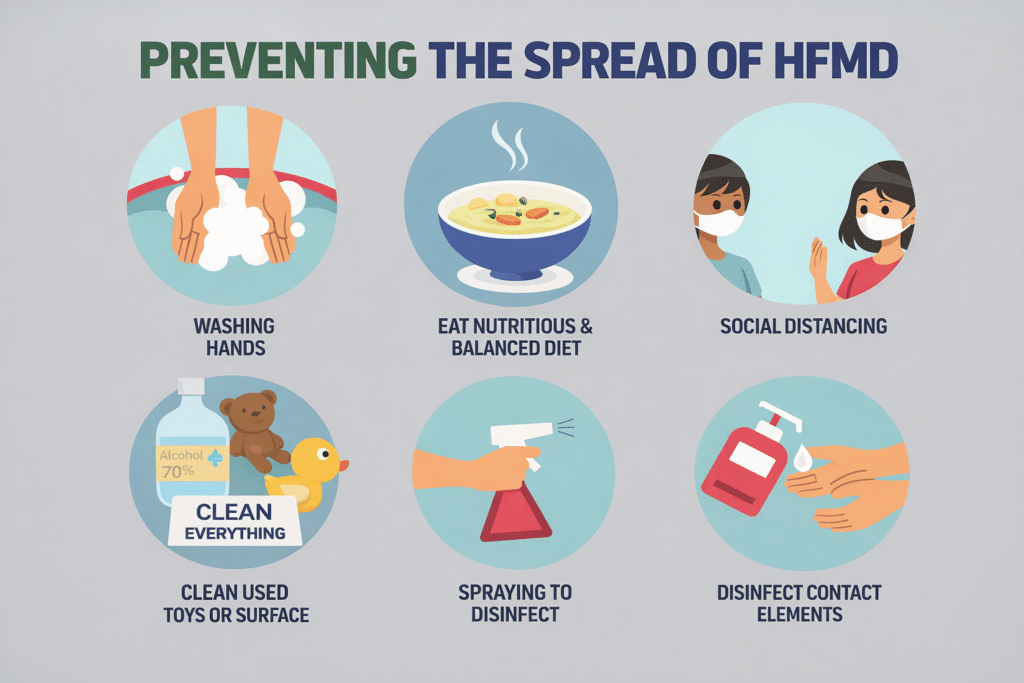
Prevention of Hand Foot and Mouth Disease
There is currently no vaccine available in Australia to prevent HFMD. Preventing hand foot and mouth disease relies entirely on personal hygiene and avoiding close contact with infected individuals.
Key steps to prevent the spread include:
- Wash your hands thoroughly with soap and water before and after eating, after using the toilet, and after contact with an infected person
- Avoid sharing cups, cutlery, towels, or toothbrushes
- Disinfect frequently touched surfaces, particularly in bathrooms and kitchens
- Keep children with HFMD at home from school or childcare until blisters have dried and they feel well
- Dispose of used tissues and nappies immediately and wash hands afterwards
- Remind children not to touch their face, mouth, or eyes during outbreaks
FIRST AID PRO — ENROL NOW From recognising the early signs of serious illness to managing emergencies at home — first aid training gives you the knowledge and confidence to act. Enrol in a nationally recognised first aid course with First Aid Pro.
KNOWLEDGE TEST — HFMD
Test your understanding of hand, foot and mouth disease with these five quick questions.
Your result
References
- Department of Health Victoria: Hand, foot and mouth disease
- Queensland Health (2024). Hand, foot and mouth disease fact sheet. health.qld.gov.au
- Better Health Channel: Hand, foot and mouth disease
- Skills Training College (STC): Hand Foot and Mouth Disease (HFMD): First Aid for Infants
Frequently Asked Questions
Can adults get hand foot and mouth disease?
Yes. While HFMD primarily affects children under 10 years, adults can and do contract it — particularly those who have not previously been exposed to the specific strain circulating at the time. Adults often experience more intense symptoms than children, including severe mouth sores and widespread blisters on the hands and feet.
What is the best treatment for hand foot and mouth disease at home?
There is no specific cure. Home treatment focuses on managing symptoms: use paracetamol or ibuprofen for fever and pain (following age-appropriate dosing instructions), offer cool fluids and soft foods, and apply calamine lotion to skin blisters. Always ask your doctor or pharmacist before giving medication to a child, and never give aspirin to children.
How long is a person contagious with HFMD?
A person is most contagious during the first week of illness, while blisters are present and fluid-filled. The virus can also be shed in faeces for several weeks after symptoms clear, so thorough hand hygiene should continue well into recovery. Children should stay home from school or childcare until all blisters have dried.
Is hand foot and mouth disease the same as foot-and-mouth disease in animals?
No — they are completely different diseases caused by entirely different viruses. Foot-and-mouth disease affects cloven-hoofed animals such as cattle and sheep and does not infect humans. Hand foot and mouth disease is caused by human enteroviruses and does not affect livestock.
When should I take my child to hospital?
Seek emergency care immediately if your child develops a stiff neck, persistent vomiting, rapid or laboured breathing, seizures, or becomes unusually drowsy or unresponsive — these may indicate serious complications such as inflammation of the brain (encephalitis). For signs of dehydration — no wet nappies, sunken eyes, or no urination for 8+ hours — contact your GP or an after-hours clinic promptly.