




Sharon has 21+ years of experience as a qualified Emergency Care Nurse registered with the Australian Health Practitioner Regulation Agency (APHRA) and 12+ years as a First Aid Trainer.
She takes pride in FirstAidPro making first aid training available, comprehensive and affordable to everybody.
Anxiety disorders are a group of mental health conditions characterised by excessive anxiety, fear, and worry that interfere with daily life. While everyone experiences anxiety from time to time — before a job interview, a big exam, or a difficult conversation — anxiety disorders are different. They are persistent, intense, and often disproportionate to the situation at hand. In Australia, anxiety disorders are the most common mental health condition, affecting approximately one in four people at some point in their lifetime. This guide explains the main types of anxiety disorders, their symptoms and causes, how anxiety is diagnosed, and how to get help.
Ready to learn how to support someone in a mental health crisis? Enrol in the nationally recognised 11379NAT Course in Initial Response to a Mental Health Crisis with First Aid Pro. Module 3 covers Anxiety, Panic & Related Conditions — giving you practical, confidence-building skills that could make a real difference.

Key Takeaways: Types of Anxiety Disorders
- Anxiety is a normal human emotion, but anxiety disorders are persistent mental health conditions that require attention and care.
- There are several types of anxiety disorders, including Generalised Anxiety Disorder, Social Anxiety Disorder, Panic Disorder, specific phobias, PTSD, OCD, Agoraphobia, and Separation Anxiety Disorder.
- Symptoms of anxiety disorders include both physical symptoms (racing heart, sweating, shortness of breath) and emotional symptoms (excessive worry, dread, avoidance).
- Anxiety disorders are highly treatable — effective treatments include Cognitive Behavioural Therapy (CBT), medication, and lifestyle strategies.
- If anxiety symptoms are interfering with your life, seeking help from a health professional is the most important step you can take.
- Mental health First aid training can equip you to support others experiencing an anxiety or panic crisis.
What Is Anxiety and Why Does It Happen?
Anxiety is a normal part of being human. It is our body’s built-in alarm system — a survival response designed to alert us to danger and prepare us to act. When we feel threatened, our brain triggers a rush of adrenaline that makes our heart beat faster, our breathing quicken, and our muscles tense. This is commonly known as the “fight or flight” response.
For most people, this response is temporary. Once the perceived threat passes, the body calms down and returns to normal. But for people with an anxiety disorder, this alarm system stays switched on — or fires off when there is no real danger at all. The excessive anxiety becomes difficult to control, causes significant distress, and may get worse over time without proper support.
Anxiety is not a sign of weakness. It is a recognised health condition with identifiable symptoms and causes, and it responds well to the right treatment.

The Main Types of Anxiety Disorders Explained
Anxiety disorders include a wide range of conditions. Below, each type of anxiety disorder is explained clearly, including what it is, its key symptoms, and what it can feel like day to day.
1. Generalised Anxiety Disorder (GAD) — The Most Common Type of Anxiety
What is it? Generalised Anxiety Disorder is characterised by chronic, excessive worry about a wide range of everyday topics — health, finances, work, family, or world events — that persists for six months or more. People with GAD often find it very hard to control their anxious thoughts, even when they know their worry is out of proportion to the situation.
Symptoms of Generalised Anxiety Disorder:
Physical Symptoms | Emotional & Behavioural Symptoms |
Muscle tension or aches | Persistent, uncontrollable worry |
Fatigue and low energy | Difficulty concentrating |
Headaches | Irritability |
Difficulty sleeping | Feeling on edge or restless |
Stomach upset | Avoiding situations that trigger anxiety |
What it feels like day to day: People with GAD often describe feeling like their brain never switches off. Even during quiet moments, the worry is there — jumping from one concern to the next. It can be exhausting, and over time it can contribute to anxiety and depression occurring together.

2. Social Anxiety Disorder — When Everyday Social Situations Feel Overwhelming
What is it? Social Anxiety Disorder (sometimes called social phobia) is an intense fear of social situations — particularly those involving scrutiny, judgement, or embarrassment. It goes well beyond shyness. People with social anxiety disorder may experience these symptoms so severely that they avoid work, school, social gatherings, or even everyday interactions like making phone calls.
Common triggers include:
- Speaking in certain social settings or public situations
- Meeting new people
- Eating or drinking in front of others
- Being watched while doing something
Key symptoms:
- Intense fear of being judged or humiliated
- Physical symptoms such as blushing, sweating, trembling, or nausea
- Avoiding social situations or enduring them with extreme distress
- Worrying for days or weeks before a social event
Social anxiety disorder may develop in childhood or adolescence and, without support, can get worse over time.

3. Panic Disorder — Understanding Panic Attacks and What Triggers Them
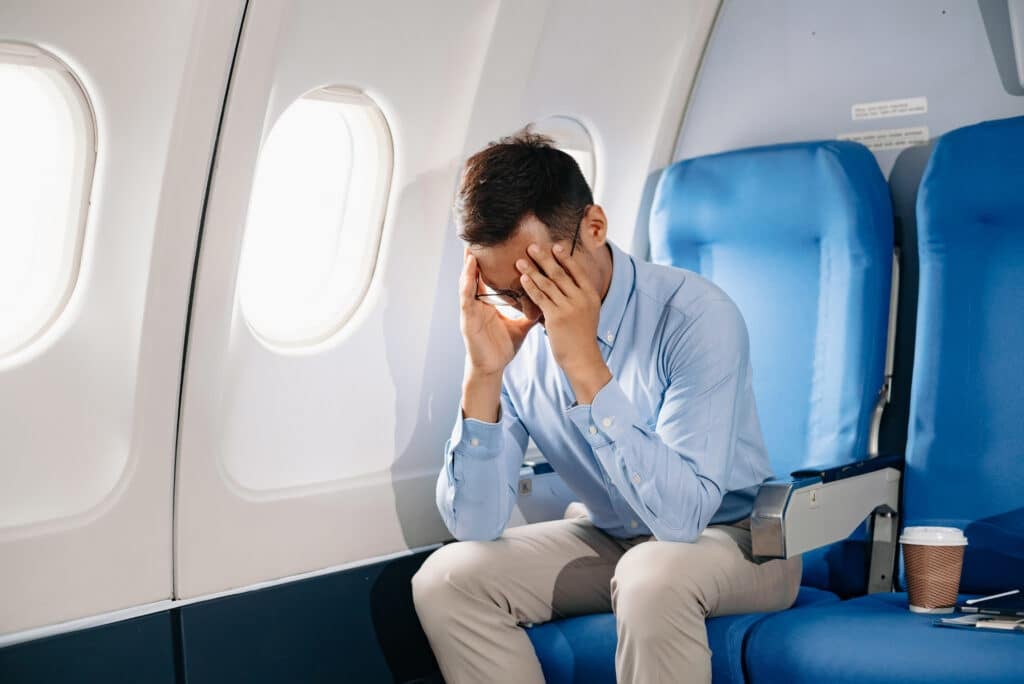
What is it? Panic Disorder is characterised by recurrent, unexpected panic attacks — sudden surges of intense fear that peak within minutes. People with panic disorder often live in fear of the next panic attack, which can lead to significant changes in their behaviour and daily life.
What happens during a panic attack?
Panic Attack Symptoms
Common signs that may occur during a panic attack. Symptoms can feel intense and frightening, but they are real, recognised, and important to respond to calmly.
Panic attacks may occur without warning and are not always linked to an obvious trigger. After an attack, many people worry intensely about when the next one will happen — a pattern known as “anticipatory anxiety.”
Important note: While panic attacks feel terrifying, they are not physically dangerous. However, they are a sign that professional support is needed.
4. Specific Phobias — The Most Recognised Anxiety Kind Explained
What is it? A specific phobia is an intense, irrational fear of a particular object or situation — one that is out of proportion to any actual danger. The person recognises the fear is excessive but feels unable to control it. Specific phobias are among the most common types of anxiety disorders.
Common Specific Phobias
Specific phobias are intense and persistent fears of particular objects or situations. Below are several well-known phobias and the fears associated with them.
Fear of spiders
Fear of heights
Fear of enclosed spaces
Fear of flying
Fear of blood or needles
Fear of dogs
People with specific phobias go to great lengths to avoid their feared object or situation, which can significantly interfere with daily life and cause health problems if medical care (such as needles or hospitals) is avoided.

5. Agoraphobia — More Than Just a Fear of Open Spaces
What is it? Agoraphobia is often misunderstood as simply a fear of open spaces, but it is more complex than that. It involves intense fear and anxiety about situations where escape might be difficult or help unavailable if a panic attack or other anxiety symptoms were to occur. People with agoraphobia often feel safe only at home.
Situations commonly avoided include:
- Public transport
- Crowded places such as shopping centres or markets
- Open spaces such as car parks
- Being outside the home alone
Agoraphobia can be severely limiting, causing some people to become completely housebound. It frequently develops as a complication of panic disorder.
6. Separation Anxiety Disorder — Not Just a Childhood Anxiety Type
What is it? While separation anxiety disorder is most commonly associated with children, it can affect adults too. It involves excessive fear or anxiety about being separated from attachment figures — such as parents, partners, or close family members — that is disproportionate to the person’s developmental stage.
Symptoms include:
- Persistent worry about losing a loved one or something bad happening to them
- Reluctance or refusal to go to school, work, or sleep away from home
- Nightmares about separation
- Physical symptoms (stomach aches, headaches) when separation occurs or is anticipated
Separation anxiety disorder is a recognised type of anxiety disorder in adults and should not be dismissed as simply being “clingy” or overly attached.

7. Obsessive-Compulsive Disorder (OCD) — A Misunderstood Type of Anxiety Disorder
What is it? OCD is characterised by unwanted, intrusive thoughts (obsessions) and repetitive behaviours or mental acts (compulsions) performed to reduce the distress caused by those thoughts. While OCD has historically been classified within anxiety disorders, current diagnostic frameworks (including the DSM-5) now categorise it separately — however, fear and anxiety remain central to the condition.
Examples of obsessions and compulsions:
Obsession | Compulsion |
Fear of contamination | Excessive hand washing |
Fear of harm coming to loved ones | Checking locks repeatedly |
Need for symmetry or order | Arranging objects precisely |
Intrusive unwanted thoughts | Mental rituals or counting |
OCD can be severely debilitating. People with OCD often feel embarrassed or ashamed of their thoughts, which can delay them seeking help. Effective treatments for OCD, including cognitive behavioural therapy (CBT) with Exposure and Response Prevention (ERP), are well established.
8. Post-Traumatic Stress Disorder (PTSD) — When Trauma Creates a Long-Term Anxiety Disorder
What is it? Post-Traumatic Stress Disorder (PTSD) can develop after a person experiences or witnesses a traumatic event — such as assault, a serious accident, natural disaster, combat, or childhood abuse. Like OCD, PTSD has its own diagnostic category in current frameworks, but excessive anxiety and fear are core features.
Key symptoms of PTSD:
- Flashbacks, nightmares, or intrusive memories of the traumatic event
- Emotional numbness or feeling detached from others
- Hypervigilance — being constantly “on alert”
- Avoiding reminders of the trauma
- Mood changes including guilt, anger, or hopelessness
- Sleep disturbances
PTSD is not a sign of weakness. It is a natural response to an abnormal situation, and with the right treatment, most people with PTSD do recover.
Want to know how to help someone experiencing anxiety or panic in a real-life situation? The 11379NAT Course in Initial Response to a Mental Health Crisis with First Aid Pro includes a dedicated module on Anxiety, Panic & Related Conditions — teaching you practical first aid skills for mental health emergencies.
What Causes Different Types of Anxiety?
Anxiety disorders don’t have a single cause. Most are the result of a combination of factors that contribute to anxiety developing over time:
- Genetics: Anxiety disorders often run in families, suggesting a hereditary component.
- Brain chemistry: Imbalances in neurotransmitters such as serotonin and dopamine can trigger anxiety disorders.
- Life experiences: Trauma, chronic stress, childhood adversity, and significant life changes can all contribute to anxiety.
- Personality: Some people are naturally more sensitive or prone to worry.
- Physical health: Certain health conditions and medications can cause anxiety symptoms as a side effect.
- Substance use: Alcohol, caffeine, and some recreational drugs can trigger anxiety or make existing symptoms worse.
It is important to understand that no one chooses to have an anxiety disorder. These conditions have real biological and psychological foundations, and they deserve the same care and attention as any other health condition.
How Are Anxiety Disorders Diagnosed?
If you think you or someone you know may have an anxiety disorder, the first step is to speak with a GP (General Practitioner). There is no single test to diagnose anxiety — instead, a health professional will:
- Ask about your symptoms, their duration, and how they are affecting your life
- Rule out any physical health problems that might be causing symptoms
- Use recognised diagnostic tools, often based on criteria from the DSM-5 (Diagnostic and Statistical Manual of Mental Disorders)
- Refer you to a mental health professional such as a psychologist or psychiatrist if needed
Early diagnosis means earlier access to effective treatments, so it is always worth speaking up.

Treatment Options for All Types of Anxiety Disorders
The good news is that anxiety disorders are among the most treatable mental health conditions. Effective treatments for anxiety disorders include:
Psychological Therapies:
- Cognitive Behavioural Therapy (CBT): The gold standard type of psychotherapy for anxiety. CBT helps you identify and change unhelpful thought patterns and behaviours that trigger anxiety disorders and maintain them.
- Exposure Therapy: A component of CBT where you gradually face feared situations in a safe, controlled way, reducing avoidance over time.
- Acceptance and Commitment Therapy (ACT): Helps you accept anxious thoughts without letting them control your behaviour.
Medication:
- Antidepressants (particularly SSRIs and SNRIs) are commonly prescribed for anxiety disorders and are effective long-term treatments.
- Benzodiazepines may be used short-term for severe anxiety but are not recommended for ongoing use due to dependence risks.
Lifestyle Strategies to Help Manage Anxiety:
- Regular physical exercise (shown to significantly help reduce anxiety symptoms)
- Mindfulness and relaxation techniques
- Limiting caffeine and alcohol
- Maintaining a regular sleep routine
- Connecting with a support group
Effective treatments for anxiety disorders work best when tailored to the individual. A mental health professional can help you find the right treatment approach for your specific type of anxiety disorder.

When to Seek Help — And Where to Find Mental Health Support in Australia
Everyone experiences anxiety from time to time, but if anxiety symptoms are persistent, distressing, or interfering with your daily life, it is time to seek help. You do not need to wait until things reach a crisis point.
Signs it is time to speak to someone:
- Anxiety has lasted more than two weeks
- It is affecting your work, relationships, or ability to carry out daily activities
- You are avoiding situations because of fear or anxiety
- You are using alcohol or other substances to cope
- You are having panic attacks or intrusive thoughts
Where to get help in Australia:
Service | Contact |
Your GP | First point of call — can refer you to mental health services |
Beyond Blue | 1300 22 4636 / beyondblue.org.au |
Lifeline | 13 11 14 / lifeline.org.au |
headspace (under 25s) | headspace.org.au |
Black Dog Institute | blackdoginstitute.org.au |
SANE Australia | 1800 187 263 / sane.org |
The Black Dog Institute is a particularly valuable Australian resource, offering evidence-based information, self-help tools, and research-backed guidance on anxiety, depression, and related mental health conditions.
Remember: seeking help is a sign of strength, not weakness. Anxiety is a health condition — and like any health condition, it deserves proper care.
Test What You've Learned
See how much you've taken in. Choose the best answer for each question, then click Check Answers.
1. What is the most common mental health condition in Australia?
2. Which of the following is NOT typically a physical symptom of a panic attack?
3. What does CBT stand for?
4. Agoraphobia is best described as:
5. Which Australian organisation focuses specifically on research and resources for depression and anxiety?
Build your mental health first aid skills with First Aid Pro. The nationally recognised 11379NAT Course in Initial Response to a Mental Health Crisis gives you the confidence and knowledge to recognise and respond to anxiety, panic, and other mental health crises — at work, at home, or in your community. Module 3 focuses specifically on Anxiety, Panic & Related Conditions.
References
- Beyond Blue. (2024). Anxiety disorders. https://www.beyondblue.org.au/mental-health/anxiety
- Australian Bureau of Statistics. (2022). National Study of Mental Health and Wellbeing.
- Black Dog Institute. (2024). Treatment for Anxiety disorders
- National Institute of Mental Health (NIMH). (2023). Anxiety disorders. https://www.nimh.nih.gov/health/topics/anxiety-disorders
- Lifeline Australia. (2024). Mental health support. https://www.lifeline.org.au
- headspace National Youth Mental Health Foundation. (2024). Anxiety. https://www.headspace.org.au
- SANE Australia. (2024). Anxiety disorders.
Frequently Asked Questions
What are the most common types of anxiety disorders?
The most common types of anxiety disorders include Generalised Anxiety Disorder (GAD), Social Anxiety Disorder, Panic Disorder, and specific phobias. In Australia, anxiety disorders affect approximately one in four people at some point in their lives, making them the most prevalent group of mental health conditions in the country.
Can you have more than one type of anxiety disorder at the same time?
Yes. It is quite common for people to be diagnosed with more than one anxiety disorder at the same time. For example, someone with Panic Disorder may also develop Agoraphobia, or a person with GAD may also experience Social Anxiety Disorder. Anxiety and depression also frequently occur together as co-existing mental health conditions.
What is the difference between normal anxiety and an anxiety disorder?
Normal anxiety is a temporary response to a specific stressor — it passes once the situation resolves. An anxiety disorder involves excessive anxiety that is persistent (lasting weeks, months, or longer), difficult to control, and significant enough to interfere with daily life. If anxiety symptoms are causing distress or affecting your ability to function, it may be a sign of an anxiety disorder worth discussing with a health professional.
Are anxiety disorders permanent?
No. Anxiety disorders are not permanent conditions for most people. With the right treatment — which may include cognitive behavioural therapy, medication, and lifestyle changes — most people experience significant improvement and many achieve full recovery. The key is seeking help early rather than waiting for symptoms to get worse.
What is the first thing I should do if I think I have an anxiety disorder?
The most important first step is to speak with your GP. They can assess your symptoms, rule out any physical health causes, and refer you to an appropriate mental health professional. In the meantime, organisations like Beyond Blue and the Black Dog Institute offer helpful online resources to help you understand what you may be experiencing.