




Sharon has 21+ years of experience as a qualified Emergency Care Nurse registered with the Australian Health Practitioner Regulation Agency (APHRA) and 12+ years as a First Aid Trainer.
She takes pride in FirstAidPro making first aid training available, comprehensive and affordable to everybody.
Every year on April 28, something quietly powerful happens. Workplaces across the globe pause — even briefly — to ask a question that should sit at the heart of every organisation: are our people truly safe here? Not just physically. Not just technically. But genuinely, holistically safe — in mind as much as in body.
World Day for Safety and Health at Work 2026 is that pause made official. And in 2026, the message is more relevant than ever. Because this year, the spotlight turns to something many of us have felt but perhaps struggled to name: the psychosocial hazards that shape our working lives in ways that are real, significant, and too often overlooked.
Whether you’re an employer, a team leader, a frontline worker, or someone who simply cares about the people around you, this is a day — and a conversation — worth showing up for.
If that question — are our people truly safe here? — is one you’re ready to answer with action, a great place to start is First Aid Pro’s nationally accredited 11379NAT Course in Initial Response to a Mental Health Crisis. It’s practical, it’s accessible, and it gives your team the confidence to respond when someone needs help most. Enrol your team today.

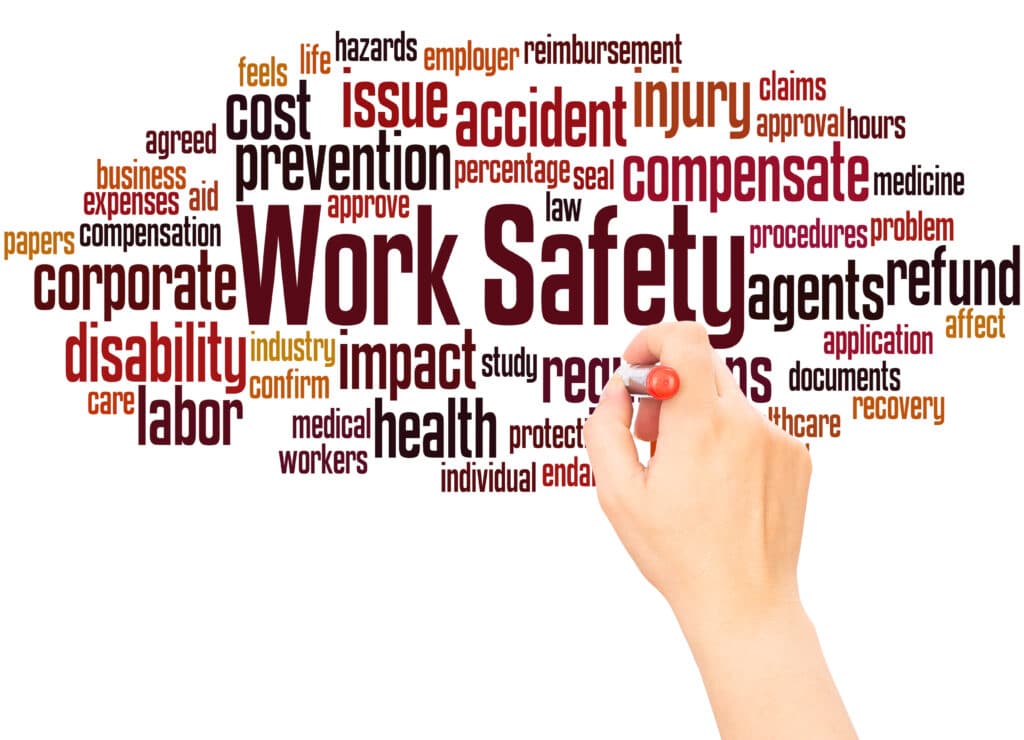
What Is World Day for Safety and Health at Work 2026?
World Day for Safety and Health at Work 2026 is an international observance held every year on 28 April, established by the International Labour Organization (ILO) — the United Nations agency responsible for setting international labour standards and promoting decent work for all.
First observed in 2003, the day was created to raise global awareness of occupational safety and health and to reduce the incidence of work-related injury, illness, and death. It draws on the energy of the international labour movement and builds on a long tradition of workers’ memorial days that have marked April 28 for decades.
In Australia, Safe Work Australia leads the charge in promoting the day nationally, encouraging employers, workers, industry bodies, and government agencies to come together and recognise the importance of safe and healthy workplaces. It is observed across industries — from construction sites and hospitals to offices, schools, and remote worksites — because the right to a safe workplace belongs to everyone, regardless of what that workplace looks like.
At its heart, World Day for Safety and Health at Work 2026 is a reminder that safety isn’t a checkbox. It’s a culture, a commitment, and a shared responsibility.
What Is the Purpose of World Day for Safety and Health at Work?
Awareness days can sometimes feel like they exist in isolation — a social media post, a morning tea, and then back to business as usual. World Day for Safety and Health at Work is designed to be something more than that.
Its purpose is to drive meaningful, lasting change — in policy, in practice, and in the way we think about our responsibilities to one another at work. Each year, the ILO chooses a theme that reflects a pressing global workplace challenge, using the day as a catalyst for research, conversation, and action at every level of the workforce.
For governments, it’s a prompt to review legislation and strategy. For employers, it’s an opportunity to audit their practices and invest in genuine improvement. For workers, it’s a moment to know their rights, speak up, and feel supported. And for all of us, it’s a chance to remember that behind every workplace statistic is a real person — someone’s parent, partner, colleague, or friend.
In Australia, this purpose is embedded in the Australian Work Health and Safety (WHS) Strategy, which sets a decade-long platform for delivering measurable WHS improvements, including on persistent and emerging issues like managing psychosocial risks. World Day gives that strategy a human face — and a calendar moment that keeps the conversation alive.
The purpose, in short, is not just to acknowledge the problem. It’s to move us all, together, toward the solution.

What Is the Theme of World Day for Safety and Health at Work 2026?
This year’s theme, set by the ILO, is one that many workers will immediately recognise — even if they haven’t always had the language for it:
Ensuring a healthy psychosocial working environment for all.
So what does that actually mean?
Psychosocial hazards are hazards that arise from the design or management of work, the working environment, workplace machinery or equipment, or workplace interactions and behaviours. Unlike a wet floor or a faulty piece of equipment, these hazards can be harder to see — but they are no less real, and no less damaging.
According to Safe Work Australia, common psychosocial hazards in the workplace include:
- Job demands — workloads that are consistently unmanageable
- Low job control — little say over how or when work is done
- Poor support — feeling isolated or unsupported by management or colleagues
- Lack of role clarity — uncertainty about responsibilities and expectations
- Poor organisational change management — restructures or changes handled without adequate communication
- Inadequate reward and recognition — effort that goes unacknowledged
- Poor organisational justice — feeling that decisions are unfair or inconsistent
- Exposure to traumatic events or material — particularly relevant for first responders, healthcare, and social services
- Remote or isolated work — physical or social isolation from colleagues
- Poor physical environment — noise, temperature, overcrowding, or inadequate facilities
- Bullying and harassment — repeated, unreasonable behaviour directed at a worker
- Workplace conflict, violence and aggression — including both physical and psychological forms
What makes the 2026 theme so significant is its insistence that psychosocial hazards must be treated with the same rigour as physical, chemical, and biological hazards. They must be identified. They must be assessed. They must be effectively managed. Not minimised, not dismissed, and certainly not left for individual workers to absorb on their own.
The psychological and physical harm that can flow from unmanaged psychosocial hazards — anxiety, depression, burnout, cardiovascular disease, and more — is well-documented. And the flow-on effects for workplace safety more broadly are equally serious: when people are mentally exhausted or distressed, the risk of accidents, errors, and incidents rises significantly.
Healthy psychosocial working environments aren’t a “nice to have.” They are fundamental to safe workplaces. Full stop.
What Is a Safety Day at Work?
A safety day at work is any dedicated effort by an organisation — or a team within it — to actively promote, discuss, and improve workplace health and safety. It might look like a toolbox talk on a construction site, a lunch-and-learn session in an office, a training day for managers, or a company-wide initiative tied to a national or international observance like April 28.
For World Day for Safety and Health at Work 2026, Safe Work Australia has made it easy for organisations of every size to get involved. Co-brandable resources are available to download and use in your workplace, including:
- Posters to display in common areas
- Desktop wallpapers and video call backgrounds to keep the message visible
- Social media tiles and animated GIFs to amplify the conversation online
You’re also encouraged to share your organisation’s awareness-raising content on social media using the hashtags #WorldWHSDay2026 and #SafeDay2026 — joining a global community of workplaces standing up for safer, healthier environments.
But the most meaningful safety days go beyond the visual. They create space for honest conversation. They invite workers to share what’s working and what isn’t. They signal, clearly and sincerely, that leadership takes this seriously.
A safety day, done well, isn’t just an event. It’s a statement of values.

Why Do We Celebrate Safety Day?
“Celebrate” is an interesting word when it comes to workplace safety. Because in truth, there is still so much work to do. People are still being injured at work. People are still getting sick from their working conditions. People are still, in too many cases, going home from a shift feeling worse than when they arrived — not just physically, but mentally and emotionally.
So why do we celebrate?
We celebrate because progress deserves recognition. The global standards that now protect workers from hazardous conditions, the legislation that gives Australian workers the right to a safe workplace, the growing understanding that mental health is a workplace issue — none of this happened automatically. It was fought for, advocated for, and built over decades by people who refused to accept that harm was simply the cost of doing business.
We celebrate because recognition builds momentum. When organisations mark this day — genuinely, not performatively — they send a message to their people: you matter here. Your safety matters. Your mental health matters. And that message, repeated and reinforced, starts to shift culture.
And we celebrate because collective action works. One employer making changes is meaningful. An entire industry raising standards is transformative. World Day gives us a shared focal point — a moment to align, to recommit, and to take the next step forward together.
April 28 is not a finish line. It is, every year, a fresh starting point.

How Can I Help Improve Safety at Work?
This might be the most important question on this list — because the answer belongs to all of us.
Improving workplace safety isn’t only the domain of WHS managers or HR departments. Every person in a workplace has a role to play. Here’s where to start.
If you’re a worker: Know your rights. Understand that you have the right to refuse unsafe work. Speak up when something doesn’t feel right — whether that’s a physical hazard or a pattern of behaviour that’s affecting your team’s wellbeing. Look out for your colleagues. Check in with the person who seems quieter than usual. Sometimes the most powerful safety intervention is a simple, sincere: “Are you okay?”
If you’re a manager or team leader: Take the psychosocial hazard list seriously. Conduct genuine risk assessments — not just for physical dangers, but for the design and culture of work itself. Are your team’s workloads reasonable? Is there psychological safety to raise concerns? Are people adequately recognised and supported? These aren’t soft questions. They are operational ones, with real consequences for performance, retention, and safety outcomes.
If you’re an employer or business owner: Invest in training. Invest in culture. And invest in the people who are positioned to respond when things go wrong. Because even in the healthiest workplaces, mental health crises can and do occur — and being prepared matters.
This is where First Aid Pro’s 11379NAT Course in Initial Response to a Mental Health Crisis becomes one of the most practical steps any workplace can take in 2026.
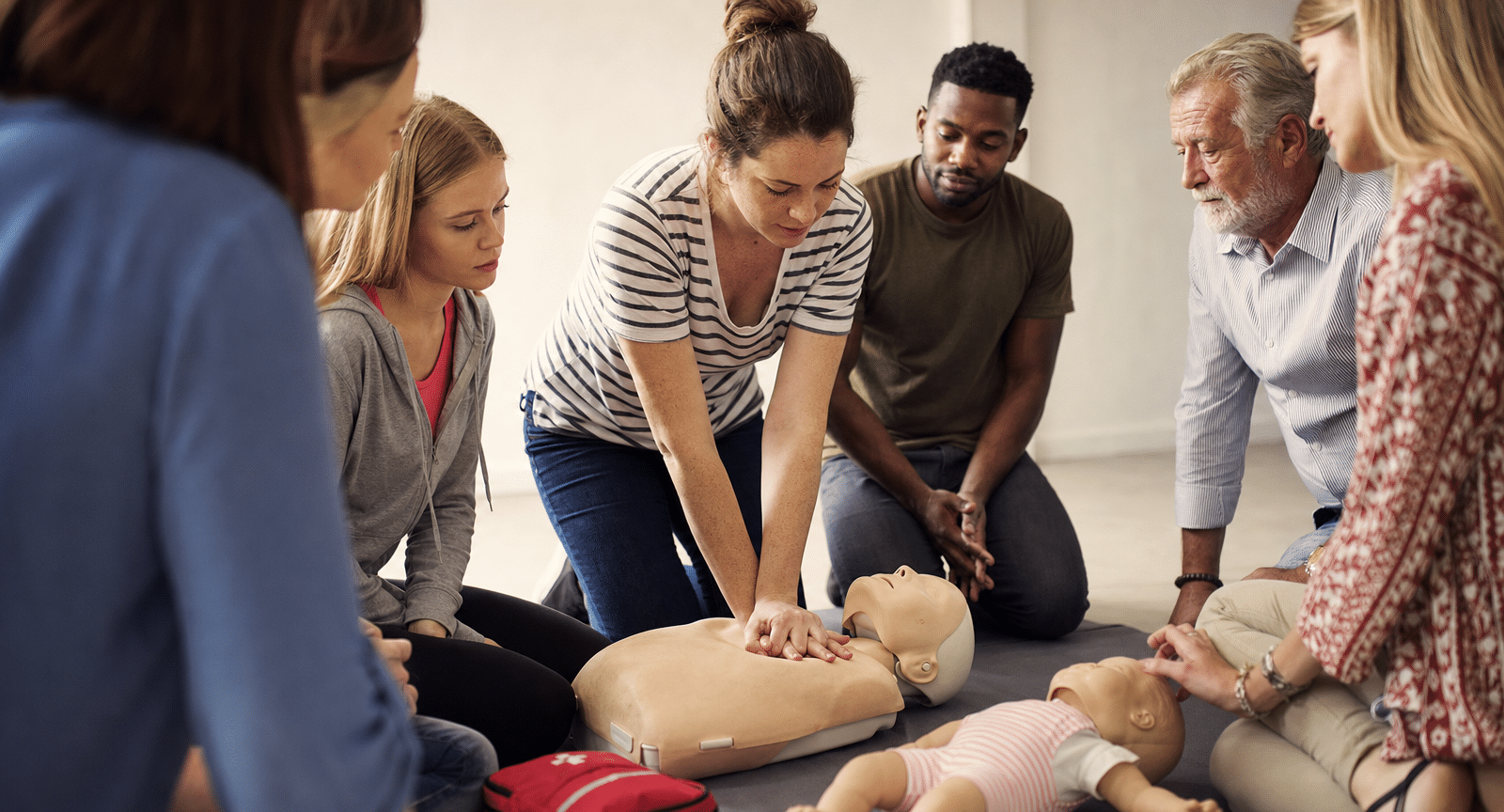
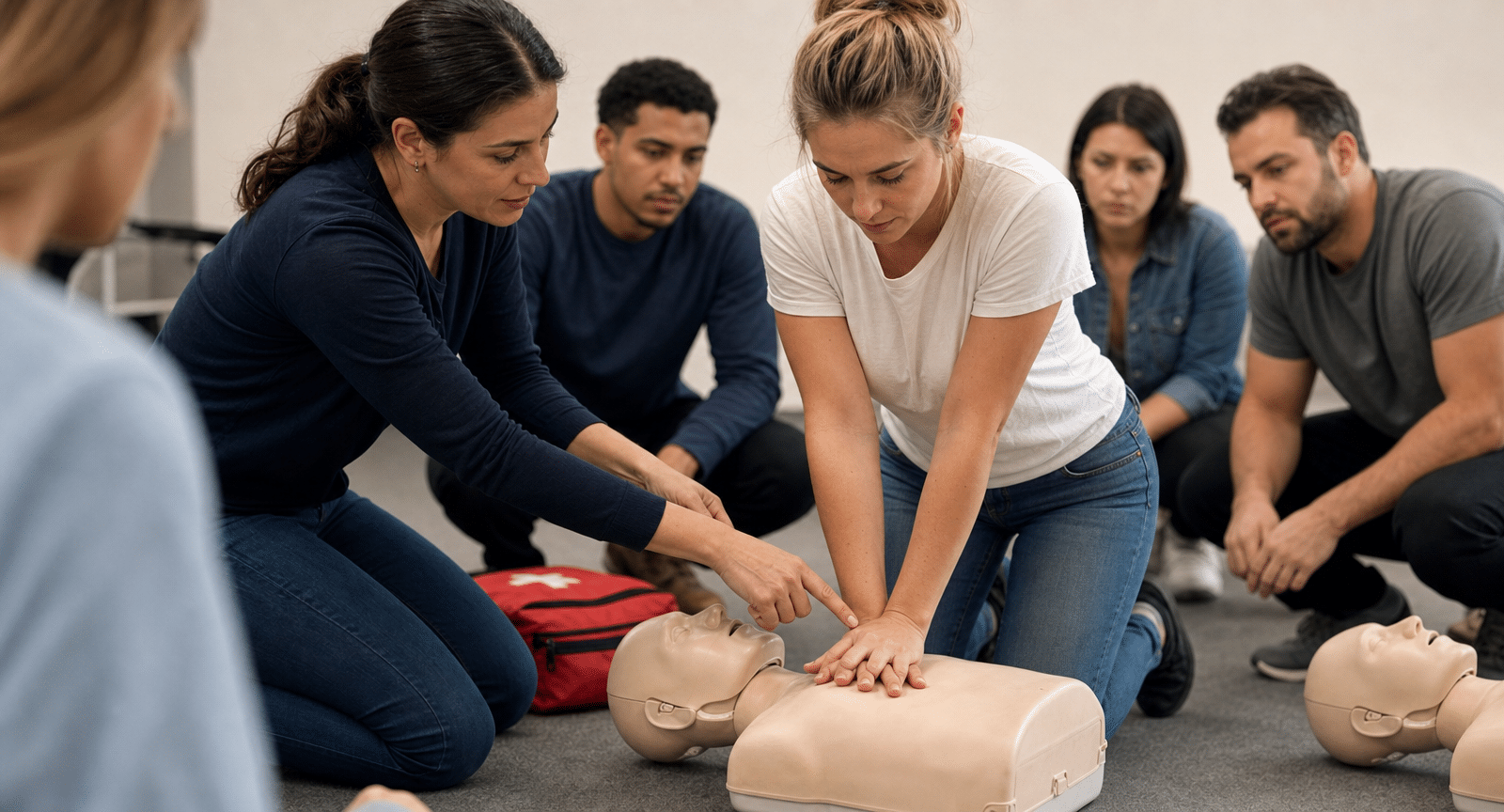
This nationally recognised qualification equips participants with the knowledge and skills to recognise the signs of a mental health crisis, provide an initial response, and support someone until professional help is available. It’s not about turning workers into therapists. It’s about ensuring that when a colleague is in distress, the people around them know what to do — and feel confident doing it.
In a year when the global conversation around workplace safety is explicitly focused on psychosocial health, this training isn’t just relevant. It’s essential. Mental health first aid sits alongside physical first aid as a fundamental workplace competency — and just as we wouldn’t operate a worksite without someone trained to respond to a physical injury, we should not operate any workplace without someone trained to respond to a mental health crisis.
Whether you’re in healthcare, education, retail, construction, hospitality, or any other industry, the 11379NAT course from First Aid Pro offers a clear, compassionate, and evidence-based framework for responding to mental health emergencies. It is a tangible, meaningful way to honour the spirit of World Day for Safety and Health at Work — not just on April 28, but every day of the year.
A Final Word
April 28 will come and go, as it does every year. But the workplaces that take it seriously — the ones that use it as a genuine prompt for reflection, conversation, and action — carry something forward from that day that outlasts the social media posts and the downloaded posters.
They carry a culture of care.
The 2026 theme asks us to look honestly at the psychosocial dimensions of our working environments — the pressures, the dynamics, the moments of disconnection or distress that too often go unaddressed. It asks us to treat psychological safety with the same non-negotiable seriousness we give to physical safety. And it asks us, collectively, to do better.
That’s a challenge worth accepting. Not just on April 28. But every time we show up to work.
Ready to take action this World Day? Explore First Aid Pro’s 11379NAT Course in Initial Response to a Mental Health Crisis and give your team the skills to respond when it matters most. Visit firstaidpro.com.au to discover more options.
#WorldWHSDay2026 #SafeDay2026
Related Reading
- International Labour Organization (ILO) World Day for Safety and Health at Work 2026 https://www.ilo.org/topics-and-sectors/safety-and-health-work/world-day-safety-and-health-work-2026
- United Nations (UN) World Day for Safety and Health at Work — UN Observances https://www.un.org/en/observances/work-safety-day
- Safe Work Australia Psychosocial Hazards and Mental Health https://www.safeworkaustralia.gov.au/safety-topic/managing-health-and-safety/mental-health/psychosocial-hazards
- Safe Work Australia 2026 World Day for Safety and Health at Work https://www.safeworkaustralia.gov.au (main Safe Work Australia site — direct campaign page)
- First Aid Pro Australia: 11379NAT vs Mental Health First Aid Course: Accredited Crisis Response Training Explained