




Sharon has 21+ years of experience as a qualified Emergency Care Nurse registered with the Australian Health Practitioner Regulation Agency (APHRA) and 12+ years as a First Aid Trainer.
She takes pride in FirstAidPro making first aid training available, comprehensive and affordable to everybody.
World Bee Day is celebrated every year on 20 May to raise awareness about the importance of bees, pollination, food security and bee conservation. In Australia, bees play a critical role in agriculture and biodiversity, but understanding bee safety, bee sting first aid and anaphylaxis is equally important for families, workplaces and outdoor communities.
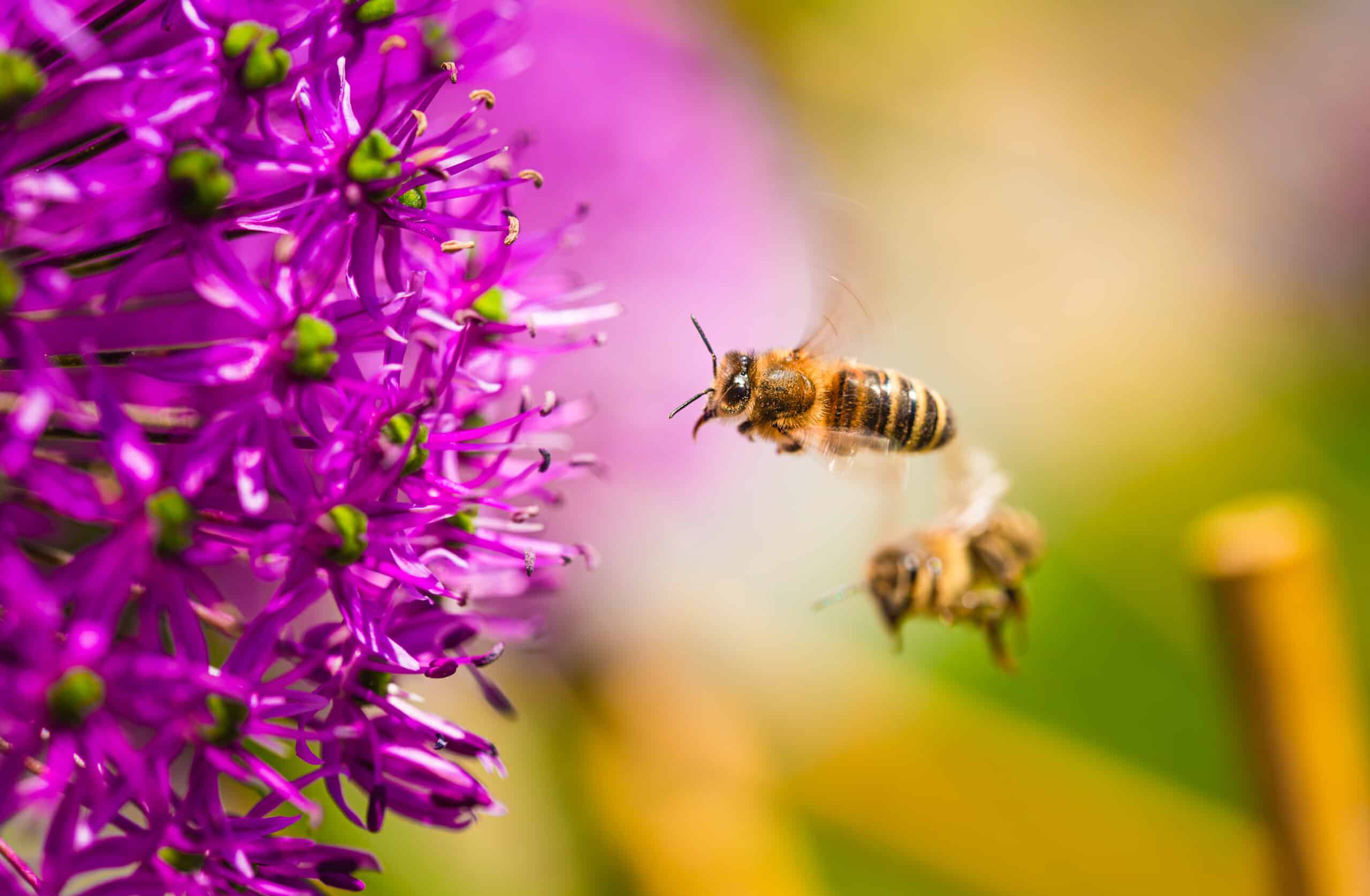
Bees are some of the hardest-working creatures on Earth. They pollinate crops, support ecosystems and contribute billions of dollars to agriculture worldwide. Yet despite their importance, bees are often misunderstood. Many Australians grow up with a healthy respect for bees, but also a fair amount of fear — especially when it comes to stings, swarms and allergic reactions.
That balance between appreciation and caution is exactly why World Bee Day matters. It is a chance to recognise the value of bees while also learning how to stay safe around them and respond correctly if someone is stung.
For first aid providers, bee stings are more than just a painful nuisance. In some situations, they can trigger severe allergic reactions and life-threatening anaphylaxis. Knowing what to do in those first few minutes can make an enormous difference.
Whether you are a parent, outdoor worker, teacher, gardener, camper or simply someone who enjoys the Australian outdoors, understanding bees and basic bee sting first aid is practical knowledge worth having.
Key Takeaways About World Bee Day, Bee Safety and First Aid
- Bees are essential pollinators that support Australian agriculture and biodiversity
- World Bee Day helps raise awareness about pollinator protection
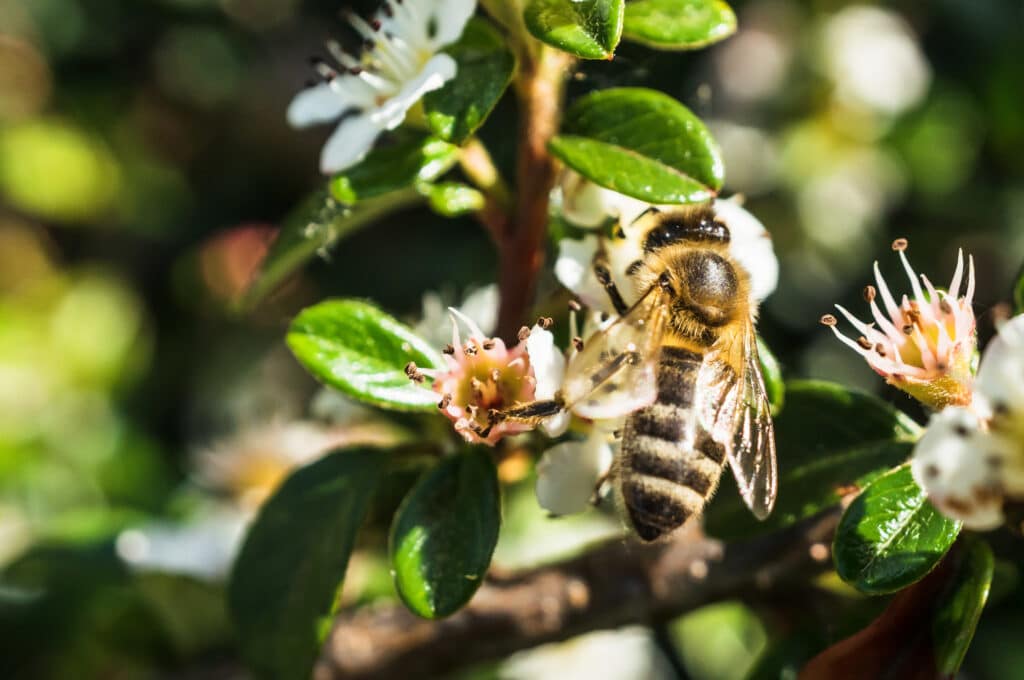
- Most bees are defensive rather than aggressive
- Calm behaviour and basic safety awareness can reduce sting risk
- Bee stings can occasionally trigger life-threatening anaphylaxis
- Understanding first aid and CPR can help Australians respond confidently during emergencies
- Protecting bees and improving emergency awareness both contribute to healthier communities
Why Is May 20 World Bee Day?
The History and Purpose of World Bee Day
World Bee Day was officially recognised by the United Nations in 2017 to highlight the global importance of bees and other pollinators. The date commemorates the birthday of Anton Janša, a pioneer of modern beekeeping from Slovenia, who was born on 20 May 1734.
The purpose of World Bee Day is not simply to celebrate bees, but to raise awareness about the growing environmental pressures facing pollinators around the world. Habitat destruction, chemical exposure, climate change and disease have all affected bee populations internationally. The day encourages governments, industries and communities to think more carefully about sustainability, biodiversity and food production.
Why Celebrate World Bee Day in Australia?
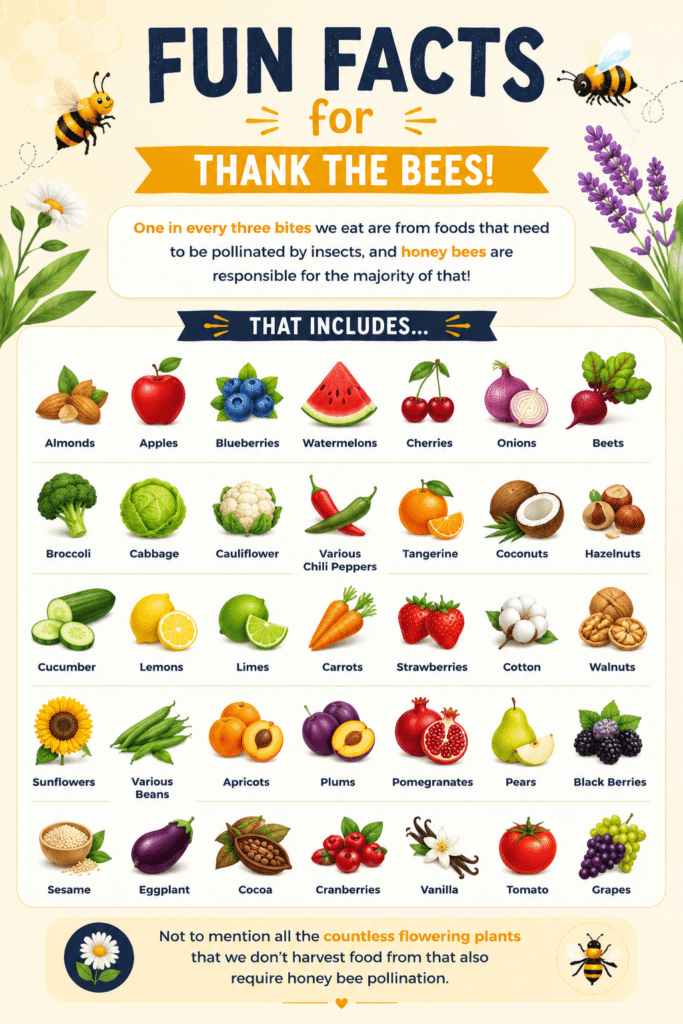
Australia has a fascinating relationship with bees. European honey bees are widely used in commercial agriculture, and Australia is also home to more than 2,000 species of native bees, including stingless social bees and many solitary species. These insects play an important role in pollinating native plants and supporting ecosystem health, while managed honey bees and other pollinators contribute significantly to the production of many crops, including almonds, avocados, berries and melons. World Bee Day is a good reminder of the importance of pollinators, environmental responsibility and being prepared to behave safely around bees outdoors.
Why Bees Matter More Than Most People Realise
It is easy to underestimate how connected modern life is to pollination. Bees contribute to food production, crop quality, native plant reproduction and biodiversity across Australia. Even livestock industries depend indirectly on pollinated feed crops and healthy ecosystems.
Healthy bee populations support healthier environments, stronger agriculture and more stable food systems. In many ways, bees are quiet workers that help hold entire ecosystems together.
Are Australian Bees Endangered? Understanding the Threats Facing Bees
Are Bees Declining in Australia?
While Australia has avoided some of the large-scale bee population collapses seen overseas, bees still face serious threats. Urban development continues to reduce natural habitats, while pesticide exposure and changing environmental conditions place additional stress on pollinator populations.
Climate fluctuations also affect flowering seasons and food availability. Hotter temperatures, drought and severe weather events can disrupt the delicate balance bees rely upon for survival.
One major concern is the Varroa mite, a parasite that attacks honey bees. Australia remained free of Varroa mites for many years, but recent detections have created significant concern within the agricultural and beekeeping sectors because of the damage these parasites have caused overseas.
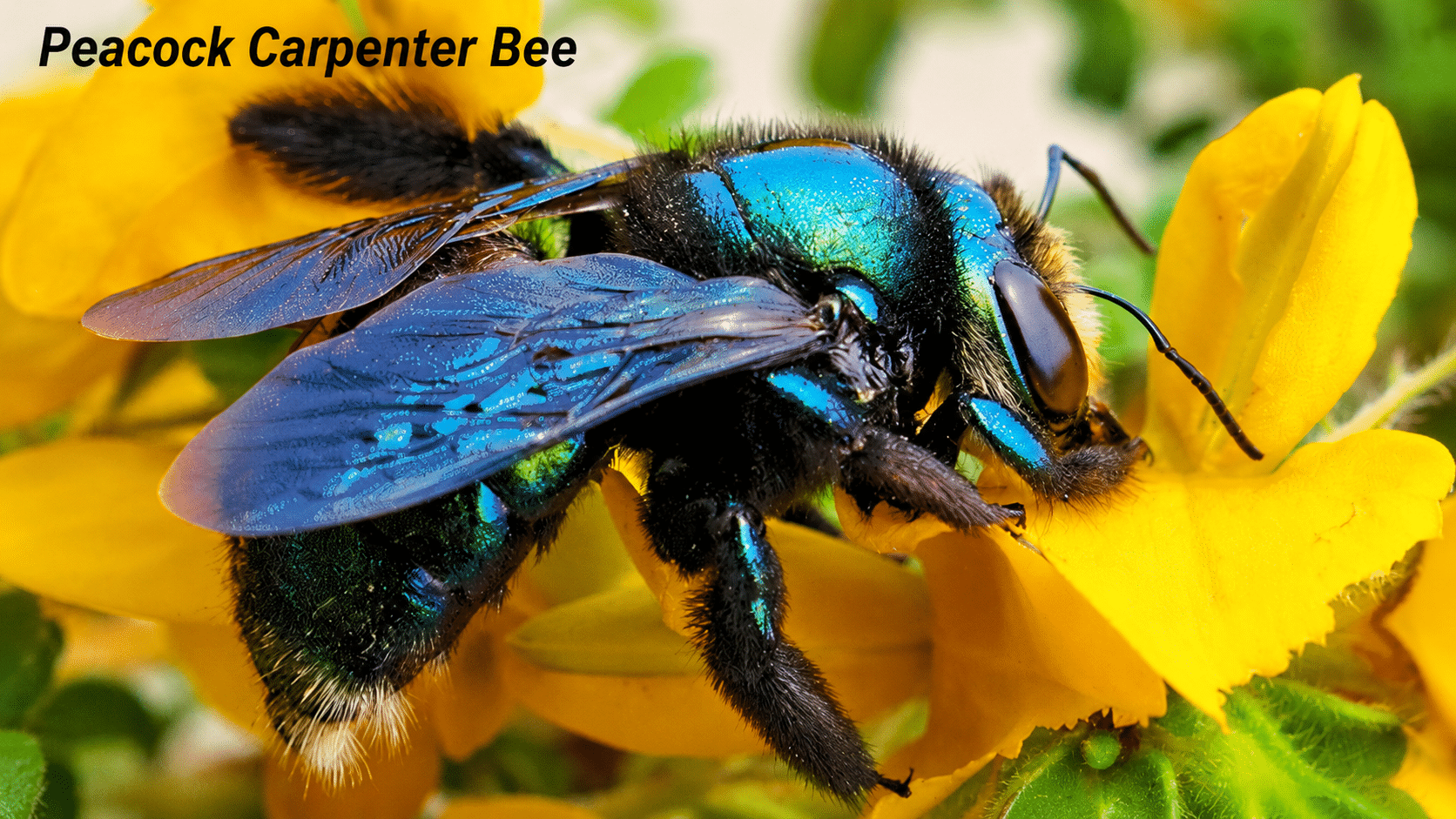
Australia’s Native Bees and Why They Need Protection
Many Australians are surprised to learn how diverse native bees actually are. Native bees come in many shapes, sizes and colours. Some are metallic green or blue, while others are so small they often go unnoticed.
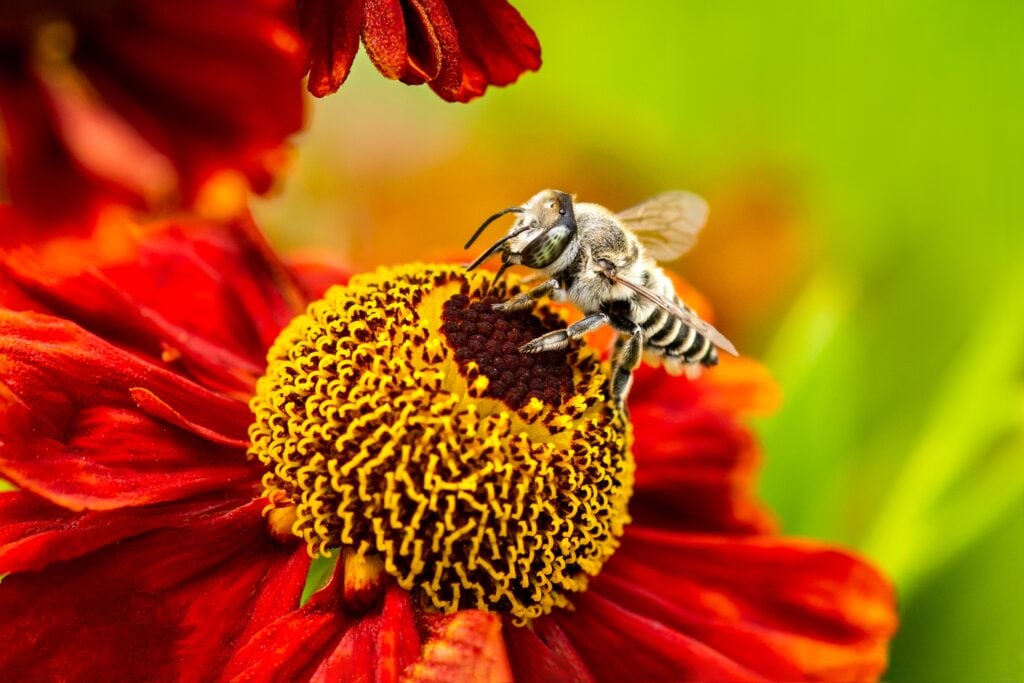
Unlike European honey bees, many native species live alone rather than in colonies. Some rarely sting at all and tend to avoid human interaction completely. Despite their small size, native bees are highly effective pollinators and play an important role in maintaining Australian ecosystems.
Protecting native bee populations is not only about environmental conservation. It is also about preserving biodiversity and ensuring future generations continue to benefit from healthy natural systems.
Simple Ways Australians Can Help Protect Bees
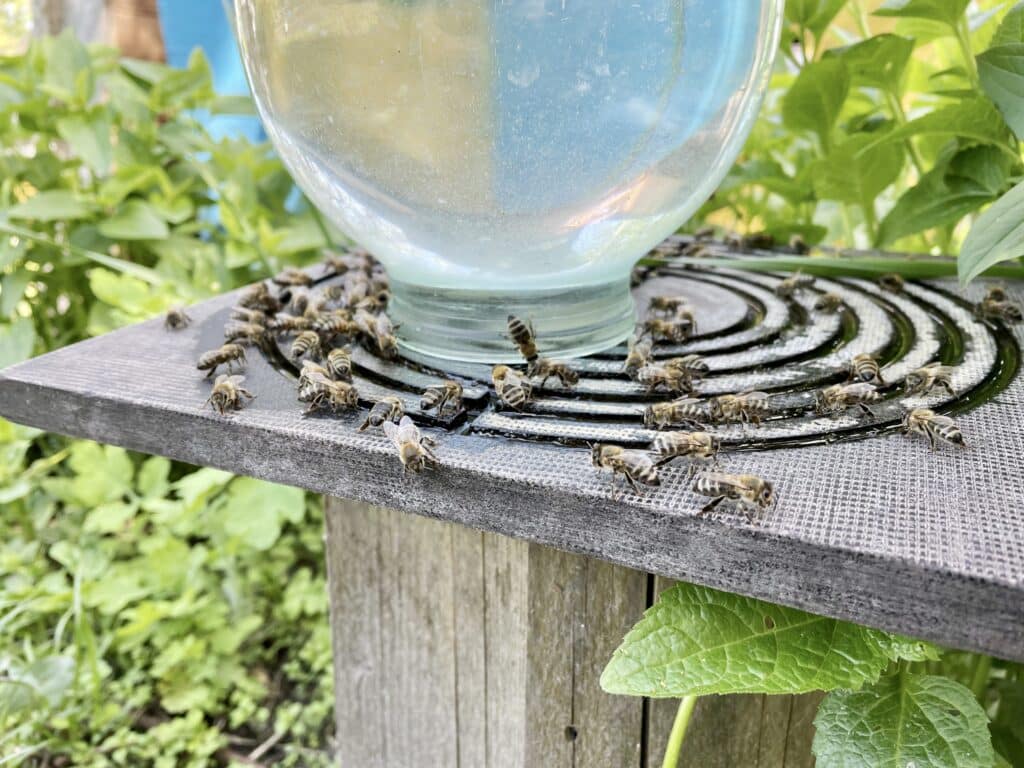
Australians can support bee populations in several practical ways. Planting native flowering species in gardens, reducing unnecessary pesticide use and providing small water sources during dry weather can all help pollinators survive.
Supporting local biodiversity also means learning to coexist safely with bees rather than reacting with fear. In many situations, bees pose very little danger when left undisturbed.
Why Shouldn’t You Wear Black Around Bee Hives? Bee Behaviour Explained
Do Bees Dislike Dark Colours?
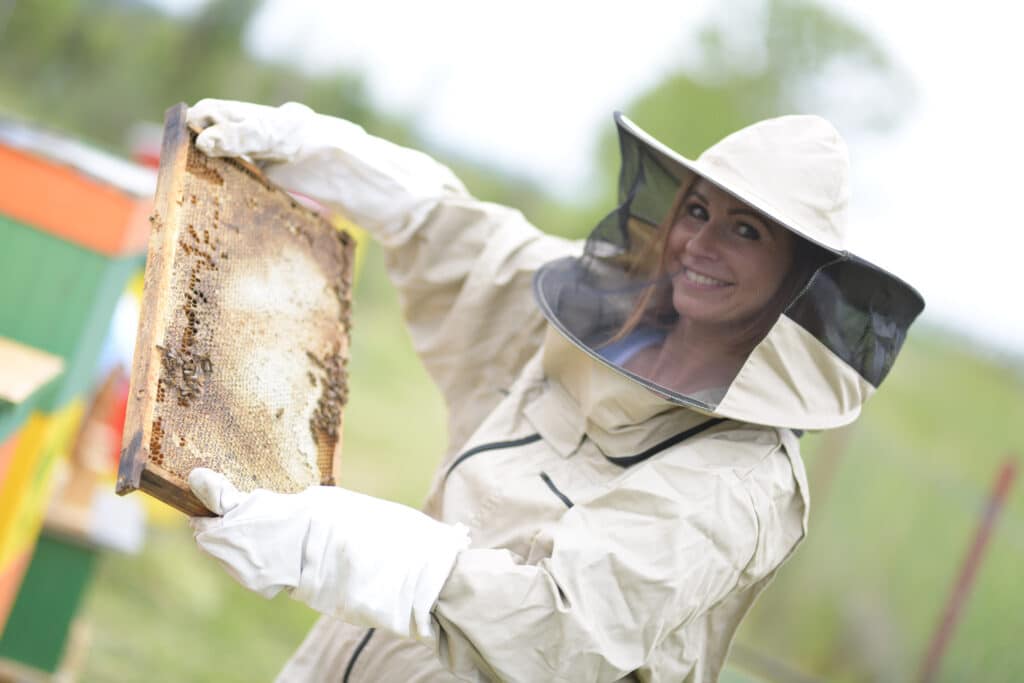
There is some truth behind the advice to avoid black clothing around bees. Researchers and beekeepers have long observed that bees may react more defensively to dark colours because many of their natural predators are dark-coloured mammals.
That is one reason professional beekeepers generally wear white or light-coloured suits. Dark, fuzzy clothing can sometimes resemble animal fur, which may increase defensive behaviour from bees protecting a hive.
Colour alone does not usually cause stings, however. Bees are far more likely to react to sudden movement, vibration, strong odours or perceived threats near their hive.
Will Bees Chase You If You Run?
Most bees are defensive rather than aggressive. In fact, honey bees often die after stinging, so they do not sting casually.
However, if bees believe their hive is under threat, they may pursue a person for a short distance. Panicked behaviour such as waving arms, yelling or swatting tends to worsen the situation.
If bees become agitated, the safest response is usually to move away steadily and calmly while seeking shelter indoors or inside a vehicle if possible.
What Smells Do Bees Hate Most?
Bees are highly sensitive to scent. Strong smells such as heavy perfumes, deodorants, hairsprays, petrol fumes and alcohol can sometimes disturb or irritate them.
Smoke is particularly significant in beekeeping. Beekeepers use smoke carefully because it disrupts the alarm pheromones bees use to communicate danger signals within the hive.
What Is the 3-3-3 Rule for Bees?
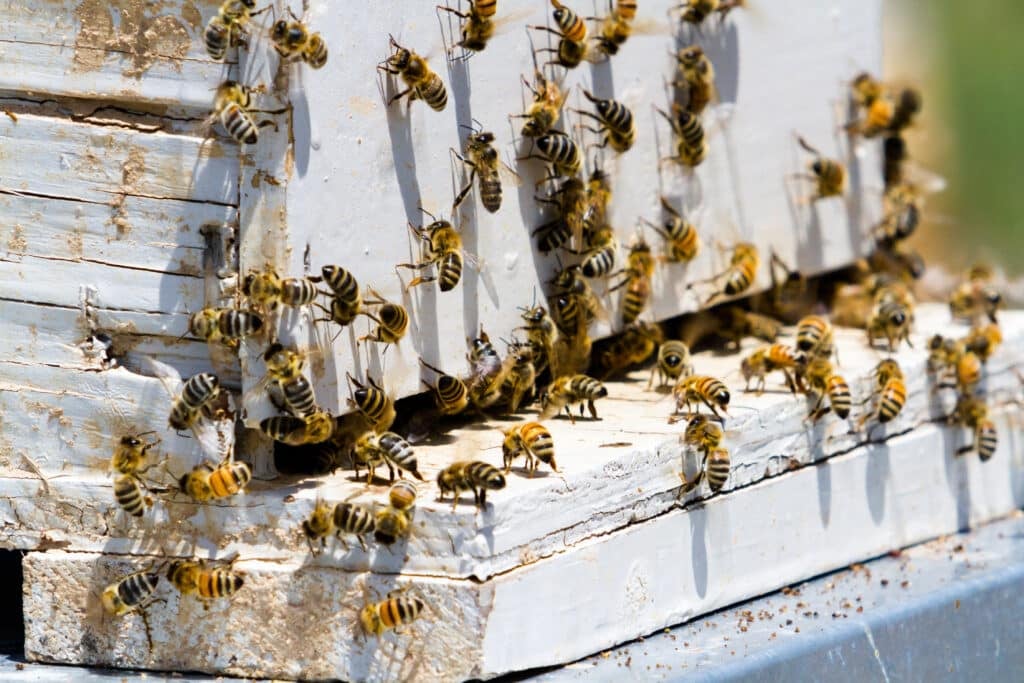
The 3-3-3 rule for bees usually refers to a beekeeping move: you can relocate a hive 3 feet or less, or 3 miles or more. The idea is that a small move is close enough for bees to reorient, while a big move is far enough that they treat the location as completely new.
Why it matters
Bees navigate using landmarks and memory, so if a hive is moved only a short distance, workers can still find it. If it is moved a long way, they perform new orientation flights and learn the new site.
The caution
The tricky zone is anything in between: bees may fly back to the old location and become lost or stressed. Some beekeepers work around this by moving the hive gradually or using reorientation methods.
In plain terms
It is a rule of thumb, not a hard law. It is best understood as a practical guide for moving hives safely rather than a literal scientific formula.
What Makes Bees Happy? Understanding Bee-Friendly Environments
Flowers, Water and Safe Habitats
Like all living creatures, bees thrive when they have reliable access to food, water and shelter. Native flowering plants are particularly important because many Australian bee species evolved alongside them over thousands of years.
A healthy garden filled with diverse flowering plants can provide valuable food sources for pollinators throughout the year. Even small suburban backyards can contribute positively to local ecosystems.
Why Healthy Bees Benefit Everyone
Healthy bee populations support agriculture, biodiversity and environmental stability. Pollination affects many foods Australians rely upon every day, from fruit and vegetables through to nuts and seeds.
The benefits extend well beyond farming. Strong pollinator populations help sustain forests, native vegetation and natural habitats that support countless other species.
What Is a Bee’s Worst Enemy?
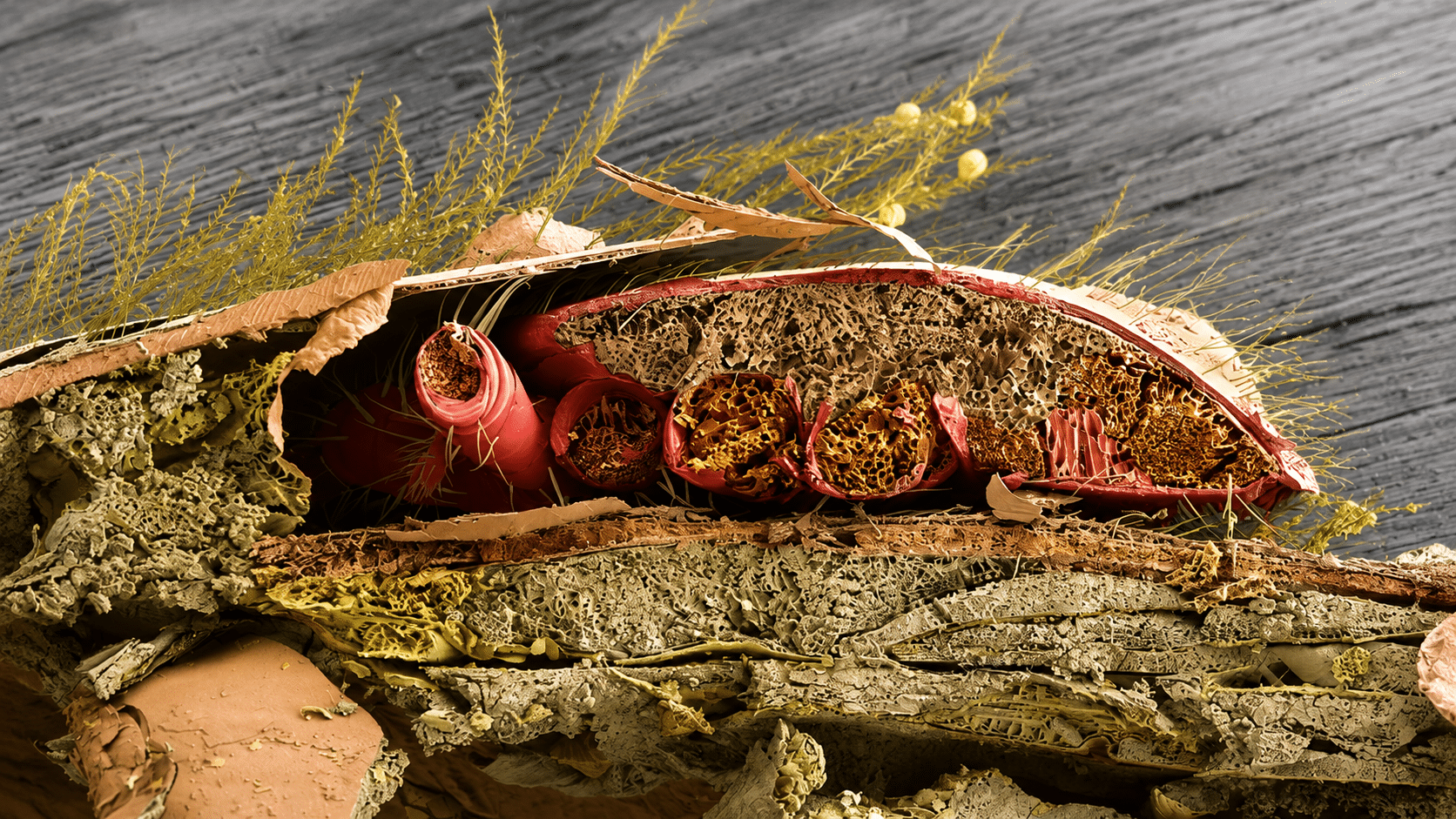
A bee’s worst “enemy” depends on the context, but for honey‑bee colonies the Varroa mite is widely regarded as the single biggest threat worldwide.
The biggest enemy: Varroa mites
- Varroa destructor is a parasitic mite that attaches to honey‑bee adults and broods, feeding on their fat body tissue and transmitting viruses such as deformed‑wing virus.
- Unmanaged infestations can collapse entire colonies, and Varroa is considered one of the main drivers of honey‑bee population declines.
Other major enemies
- Predators and pests: Hornets, wasps, ants, hive beetles, and some birds and mammals (like bears and skunks) attack bees or hives, especially in the wild or in poorly managed apiaries.
- Human‑caused threats: Pesticides, habitat loss, and climate change are increasingly seen as major enemies because they weaken whole bee populations, not just individual hives.
So while animals like hornets or bears are dramatic bee killers, the “worst enemy” in terms of overall impact on bee health is usually the Varroa mite.
Bee Sting First Aid in Australia: What To Do After a Bee Sting
Common Bee Sting Symptoms
Most bee stings cause immediate pain, redness and local swelling. In many cases, symptoms improve naturally within a few hours or days.
Some people may experience larger local reactions involving more significant swelling and discomfort. Others may develop allergic reactions that require urgent medical attention.
What Is the Correct First Aid for a Bee Sting?
Basic bee sting first aid in Australia focuses on reducing venom exposure, relieving pain and monitoring for allergic symptoms.
If someone is stung:
- Move away from the area safely
- Remove the stinger quickly if present
- Wash the area gently
- Apply a cold pack wrapped in cloth
- Observe for worsening symptoms
Cold packs can help reduce swelling and discomfort. Scratching the sting area should be avoided because it may worsen irritation or increase infection risk.
Should You Remove a Bee Stinger Immediately?
Yes. If a stinger remains embedded in the skin, it should be removed as quickly as possible.
Older advice sometimes focused heavily on the exact removal technique, but current first aid guidance places greater importance on speed. The main priority is minimising the amount of venom entering the body.
The stinger may be scraped away, flicked away or removed carefully with fingers or tweezers.

When Should You Seek Medical Help for a Bee Sting?
Medical assessment may be necessary if swelling becomes severe, symptoms spread rapidly or multiple stings occur. Stings inside the mouth or throat are especially dangerous because swelling can affect breathing.
Children, older adults and people with known allergies may require closer monitoring after a sting.
Any breathing difficulty following a bee sting should be treated as a medical emergency.
Bee Sting First Aid Tips for Parents, Schools and Outdoor Workers
Bee stings commonly occur in parks, school grounds, sporting fields, campsites and outdoor workplaces. Simple precautions can significantly reduce risk.
Wearing enclosed footwear outdoors, checking drink containers before sipping and teaching children not to panic around bees are all practical safety habits.
Schools and workplaces should also ensure first aid kits are properly maintained and staff understand emergency procedures for allergic reactions and anaphylaxis.
Knowing how to respond confidently in emergencies is one reason many Australians complete nationally recognised first aid training through First Aid Pro.
Anaphylaxis and Bee Stings: When a Sting Becomes a Medical Emergency
What Is Anaphylaxis?
Anaphylaxis is a severe and potentially life-threatening allergic reaction that can develop rapidly after exposure to an allergen. Bee venom is one of the most common triggers of anaphylaxis in Australia.
Unlike a mild allergic reaction, anaphylaxis can affect multiple body systems simultaneously and may become fatal without urgent treatment.
Signs and Symptoms of Bee Sting Anaphylaxis
Symptoms may include:
- difficulty breathing
- wheezing
- throat or tongue swelling
- difficulty speaking
- persistent coughing
- dizziness
- collapse
Children experiencing anaphylaxis may appear pale, floppy or unusually distressed.Symptoms can worsen quickly, which is why early recognition matters so much.
What To Do During an Anaphylactic Reaction
If anaphylaxis is suspected:
- Call 000 immediately
- Use an EpiPen or adrenaline auto-injector if available
- Follow DRSABCD first aid principles
- Monitor airway and breathing
- Keep the person lying flat if possible
The person should not be encouraged to stand or walk unnecessarily, as sudden movement may worsen the reaction.
If breathing stops or becomes abnormal, CPR may become necessary while waiting for emergency services.

Why First Aid Training Matters in Allergic Emergencies
Many people feel uncertain during severe allergic emergencies because symptoms can escalate very quickly. First aid training provides practical knowledge and confidence that can help people respond calmly under pressure.
Learning how to recognise anaphylaxis, administer an EpiPen and follow DRSABCD principles can make a life-saving difference in homes, schools, workplaces and community settings.
Completing accredited CPR and first aid training through First Aid Pro gives Australians hands-on experience responding to emergencies, including allergic reactions and anaphylaxis.

How To Stay Safe Around Bees Without Harming Them
What To Do If Bees Approach You
If a bee approaches, the best response is usually the simplest one: remain calm. Bees are often investigating smells or searching for food rather than attempting to sting people.
Moving slowly and avoiding sudden movements helps reduce the chance of provoking defensive behaviour. Swatting at bees is one of the most common mistakes people make.
Safe Outdoor Habits Around Bees
Simple outdoor habits can reduce sting risk significantly:
- wear enclosed shoes outdoors
- avoid strong fragrances near hives
- keep food covered outside
- inspect drink cans before drinking
- supervise young children around flowering areas
Outdoor workers should also understand workplace emergency procedures and allergy management plans.
When To Call a Professional Beekeeper
Bee swarms and hives near homes, childcare centres, schools or workplaces should be assessed professionally rather than handled by untrained people.
Professional beekeepers can often relocate hives safely without harming the bees. This approach protects both public safety and pollinator populations.
Protecting Bees and Protecting Each Other
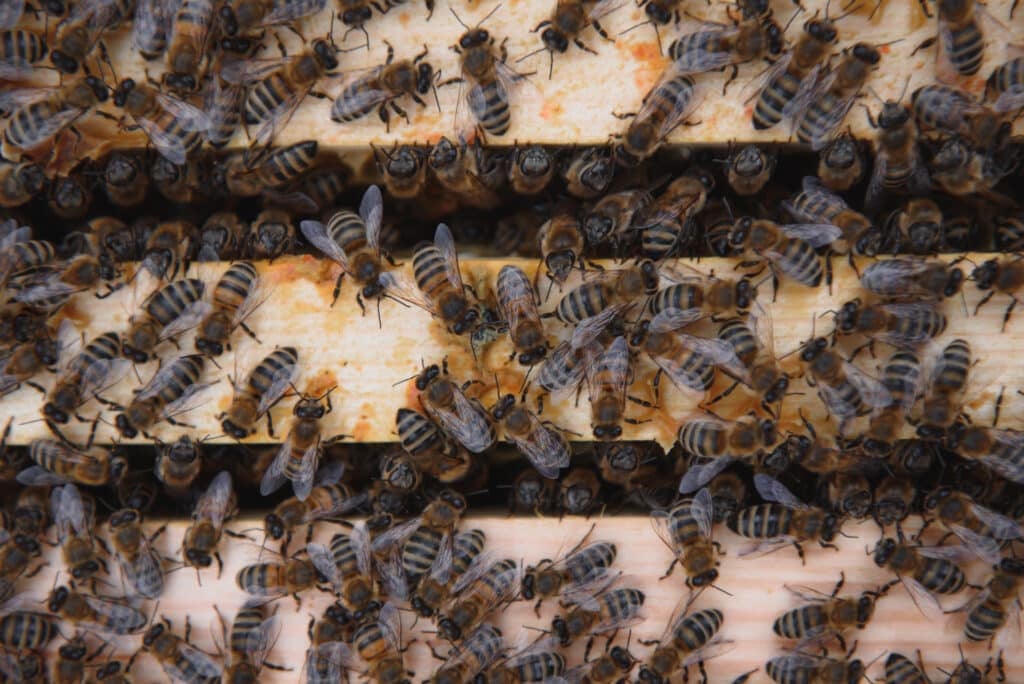
Bees are small creatures with an enormous impact on Australian life. They help pollinate crops, sustain ecosystems and support biodiversity across the country. At the same time, bee stings and allergic reactions remain genuine health risks that Australians should understand and prepare for.
World Bee Day is not simply about celebrating bees. It is also about learning how to coexist safely and responsibly with the natural world around us.
Whether it means planting more native flowers, teaching children not to panic around bees or learning how to recognise anaphylaxis, small actions can make a meaningful difference.
First aid knowledge is part of that responsibility. Knowing how to respond during a bee sting emergency may one day help protect a friend, colleague, family member or stranger.
To build practical emergency response skills and gain nationally recognised certification, explore accredited CPR and first aid courses through First Aid Pro today.
Related Reading
- WHEEN BEE Foundation: Australian Native Bees
- World Bee Day 20th May – Australia website
- Australian Department of Agriculture. Fisheries and Forestry: Honey Bees
Frequently Asked Questions
Why is May 20 World Bee Day?
World Bee Day is held on 20 May to raise awareness about the importance of bees, pollination and pollinator conservation. The date honours Anton Janša, a pioneer of modern beekeeping.
Why do bees dislike black clothing?
Bees may react more defensively to dark colours because many natural predators are dark-coloured mammals. Dark fuzzy fabrics may also resemble animal fur.
Will a bee chase me if I run away?
Bees may pursue people briefly if they believe their hive is threatened. Calmly moving away is generally safer than panicking or swatting.
What smell do bees hate most?
Bees can react strongly to smoke, strong perfumes, deodorants and chemical odours.
What should I do immediately after a bee sting?
Move away safely, remove the stinger quickly if present, wash the area, apply a cold pack and monitor for allergic symptoms.
When is a bee sting dangerous?
Bee stings become dangerous when they trigger breathing difficulties, throat swelling, collapse or signs of anaphylaxis.