



Sharon has 21+ years of experience as a qualified Emergency Care Nurse registered with the Australian Health Practitioner Regulation Agency (APHRA) and 12+ years as a First Aid Trainer.
She takes pride in FirstAidPro making first aid training available, comprehensive and affordable to everybody.
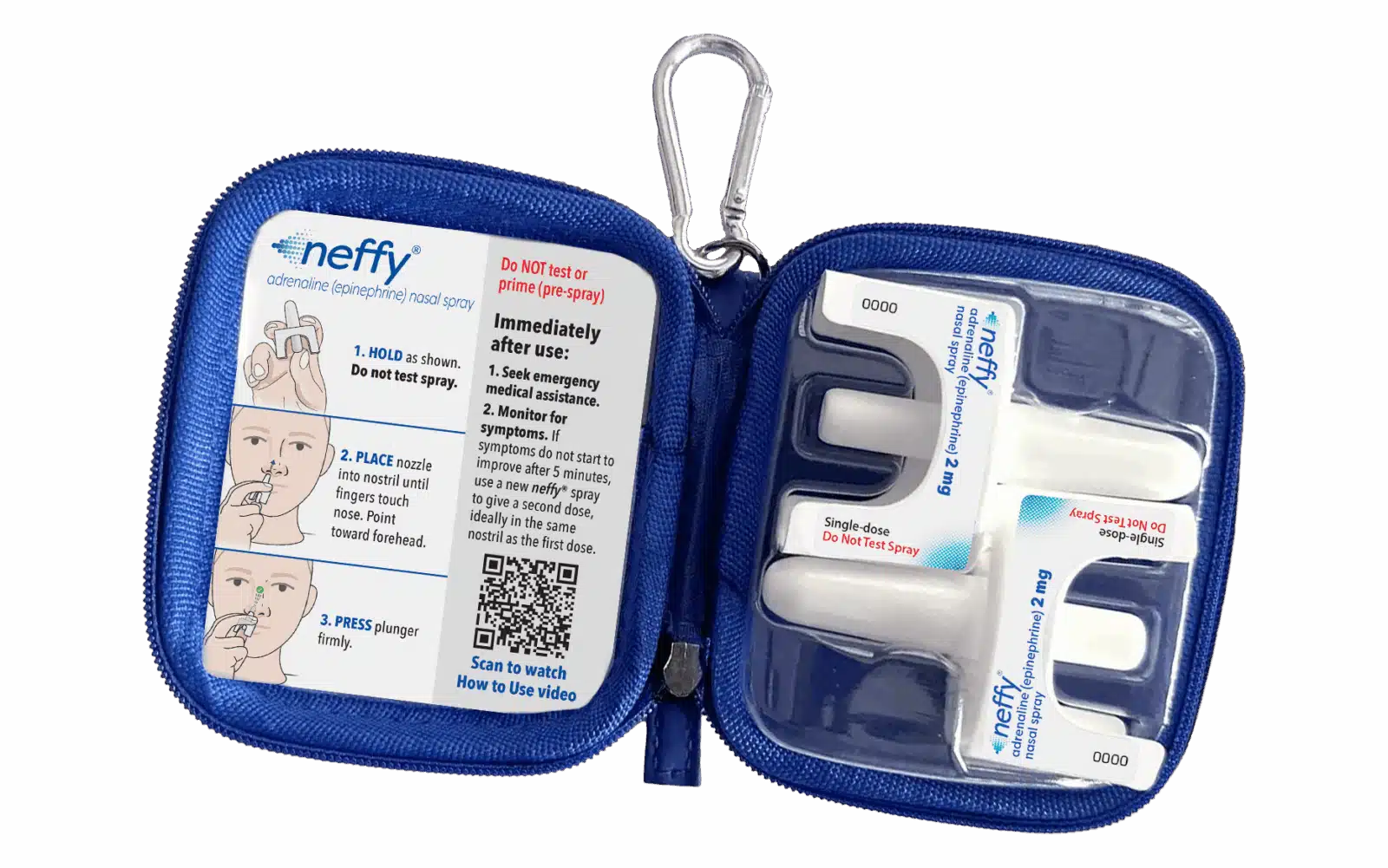
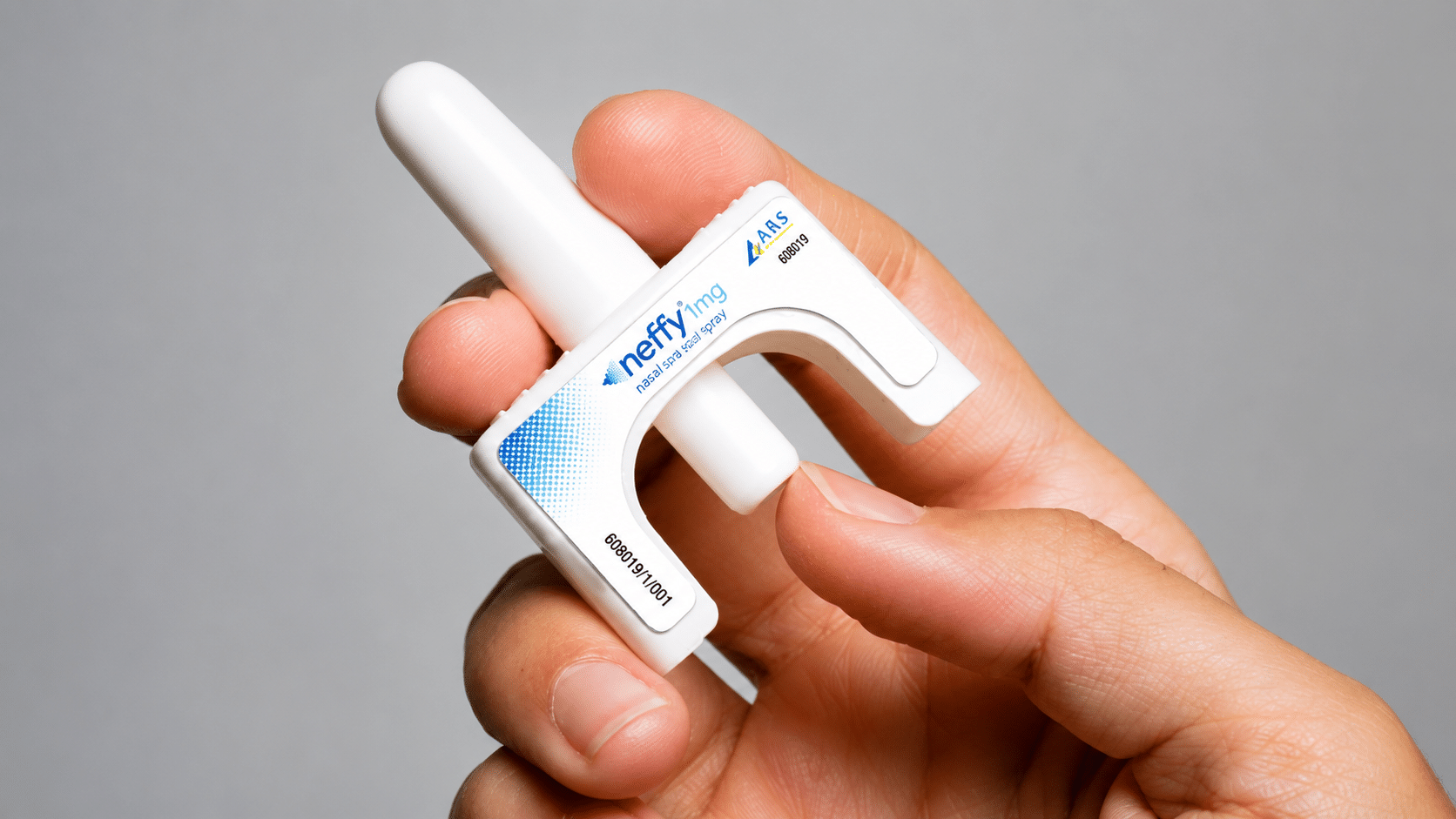
What is NEFFY®? It is a needle-free adrenaline (epinephrine) nasal spray used for the emergency first aid treatment of severe allergic reactions, including anaphylaxis. Now available in Australia, NEFFY® delivers adrenaline through the nose rather than by injection, providing another treatment option alongside adrenaline auto-injectors such as EpiPen®. It is approved for adults and children aged four years and over who weigh at least 15 kg, with the appropriate dose determined by body weight. (SAQHC)
For Australians living with severe allergies, this represents a significant change. Adrenaline devices have traditionally meant injections. NEFFY® introduces a different route of administration while delivering the same life-saving medicine used as the first-line treatment for anaphylaxis.
The arrival of NEFFY® does not change the most important rule in an anaphylactic emergency: adrenaline should be given without delay when anaphylaxis is recognised. (Allergy Australia)
5 Key Takeaways
- NEFFY® is an adrenaline nasal spray for the emergency treatment of severe allergic reactions, including anaphylaxis.
- NEFFY® is needle-free, with a single dose delivered into one nostril.
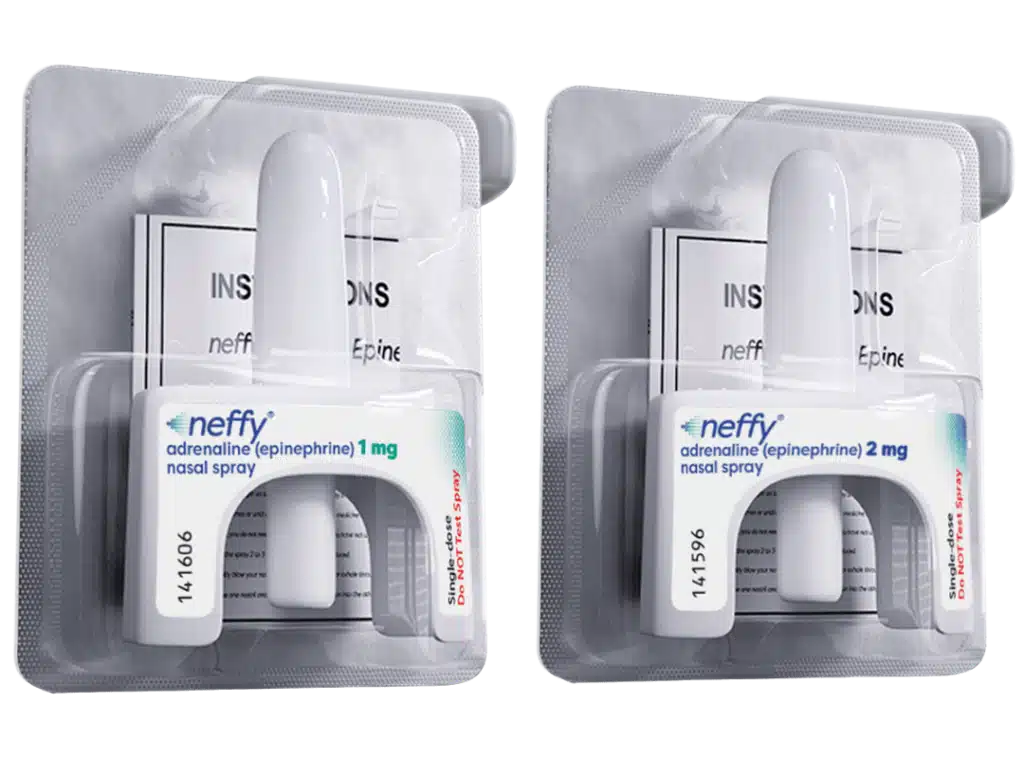
- Two strengths are available: 1 mg for eligible children weighing 15 kg to less than 30 kg, and 2 mg for people weighing 30 kg or more.
- NEFFY® and EpiPen® contain the same active medicine but use different delivery methods and doses.
- Anaphylaxis remains a medical emergency. Give adrenaline promptly and seek emergency medical assistance.
What Is NEFFY®?
NEFFY® contains adrenaline, also known as epinephrine. It is intended for the emergency treatment of severe allergic reactions, including anaphylaxis, in people with a history or recognised risk of these reactions.
Unlike an adrenaline auto-injector, NEFFY® does not have a needle. Instead, the medicine is sprayed into a nostril, where adrenaline is absorbed through the nasal tissues.
The Therapeutic Goods Administration (TGA) registered both the 1 mg and 2 mg NEFFY® products on the Australian Register of Therapeutic Goods on 8 December 2025. (Therapeutic Goods Administration (TGA))
NEFFY® was subsequently listed on the Pharmaceutical Benefits Scheme (PBS) from 1 July 2026. ASCIA now includes the nasal spray in its Australian adrenaline device guidance alongside EpiPen®, Jext® and Anapen®. (Allergy Australia)
This means Australians at risk of anaphylaxis now have a needle-free adrenaline delivery option to discuss with their doctor, allergy specialist or pharmacist.
Why Is Adrenaline Used for Anaphylaxis?
Anaphylaxis is the most severe form of allergic reaction and can become life-threatening very quickly. Possible triggers include foods, insect stings, medicines and other allergens.
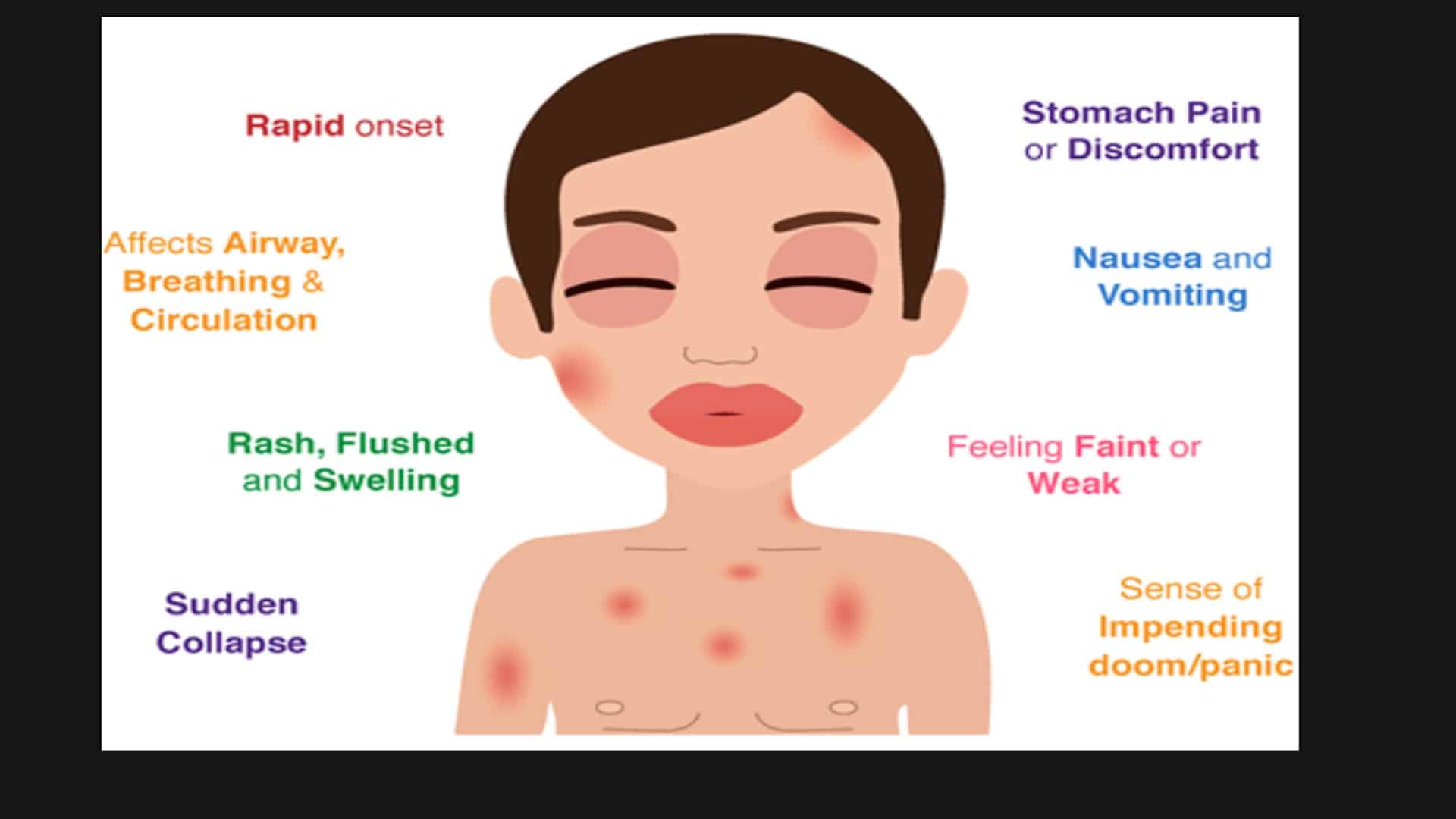
Warning signs can include difficult or noisy breathing, swelling of the tongue, swelling or tightness in the throat, wheezing or persistent coughing, difficulty speaking, dizziness or collapse. Young children may become pale and floppy. (SAQHC)
Adrenaline works rapidly on the cardiovascular and respiratory systems. Among its effects, it helps support blood pressure and heart function, improve breathing and reduce tissue swelling.
This is why antihistamines are not a substitute for adrenaline when someone is experiencing anaphylaxis.
ASCIA states that anaphylaxis should always be treated as a medical emergency and that delayed adrenaline treatment can result in fatal anaphylaxis.
Knowing how to recognise this transition from an allergic reaction to a potentially life-threatening emergency is particularly important for parents, teachers and childcare educators. Completing a nationally recognised HLTAID012 Provide First Aid in an education and care setting course with First Aid Pro can help educators develop practical skills for recognising and responding to anaphylaxis and other emergencies involving children.
Who Can Use NEFFY®?
Australian guidance divides NEFFY® dosing according to weight, with an additional age requirement applying to the lower-dose product.
NEFFY® 1 mg is intended for children aged four years and over who weigh from 15 kg to less than 30 kg.
NEFFY® 2 mg is intended for children and adults weighing 30 kg or more.
NEFFY® is not approved in Australia for children younger than four years. Registration studies did not include children under four, and its safety and efficacy have not been established for that age group. (Allergy & Anaphylaxis Australia)
Importantly, the weight recommendations for NEFFY® are not identical to those for adrenaline injectors. A person should therefore use the device and dose recommended for them rather than assuming that the dosing rules for one adrenaline device automatically apply to another. (Allergy & Anaphylaxis Australia)
How Do You Use NEFFY®?
The device has been designed to make administration relatively straightforward, but anyone prescribed NEFFY® — and people who may need to administer it on their behalf — should learn how to use it before an emergency occurs.
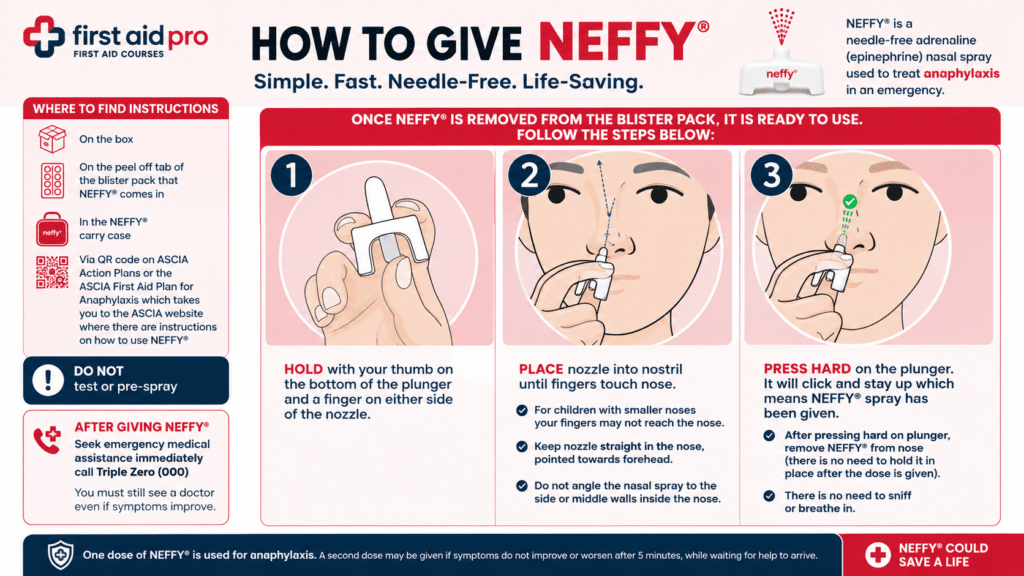
NEFFY® should not be tested, primed or pre-sprayed because each device contains only one dose. (SAQHC)
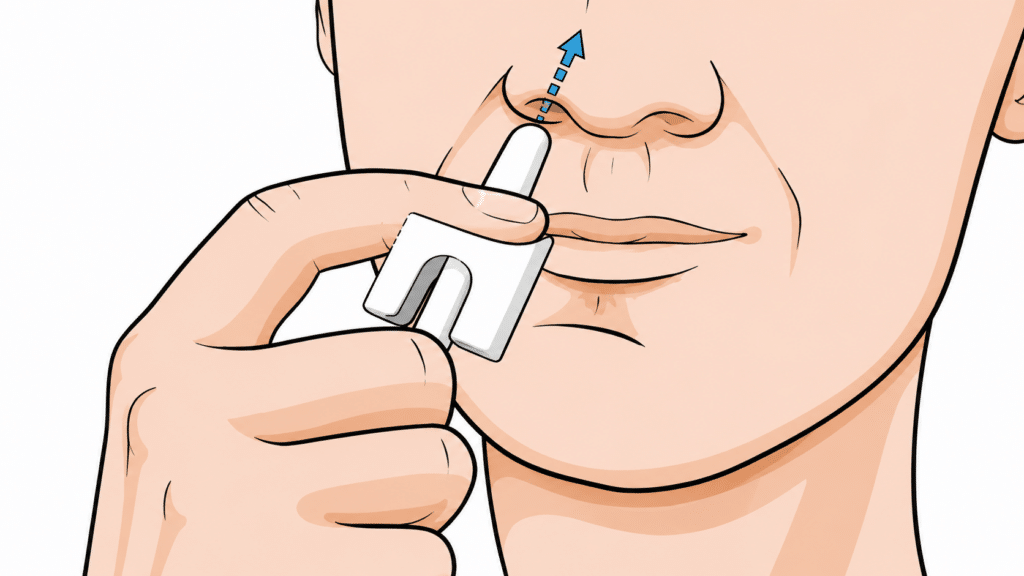
To administer the device, hold it with your thumb on the bottom of the plunger and a finger on either side of the nozzle. Insert the nozzle into one nostril, keeping it straight and pointing towards the forehead, then press firmly on the plunger. A click is heard and the plunger remains in its changed position, indicating that the dose has been delivered.
There is no need for the person to sniff or deliberately breathe the medicine in. (Allergy & Anaphylaxis Australia)
After adrenaline has been given, seek emergency medical assistance immediately. Further assessment, observation or treatment may be necessary even if the person appears to improve. (SAQHC)
What Happens if One Dose of NEFFY® Isn't Enough?
Sometimes one dose of adrenaline does not produce an adequate response.
Australian consumer information advises that if symptoms do not start improving after five minutes, a new NEFFY® device should be used to administer a second dose, ideally into the same nostril as the first.
ASCIA guidance also states that further adrenaline may be given if there is no response after five minutes. The second dose does not necessarily have to be delivered using the same type of device; for example, an adrenaline injector may be used following an initial NEFFY® dose if appropriate and available. (Allergy Australia)
People prescribed NEFFY® are advised to have two doses available because each nasal spray is single-use.
NEFFY® vs EpiPen®: Dosage, Effectiveness and How They Compare
The obvious question for many Australians is whether NEFFY® is simply a needle-free version of an EpiPen®.
The answer is both yes and no.
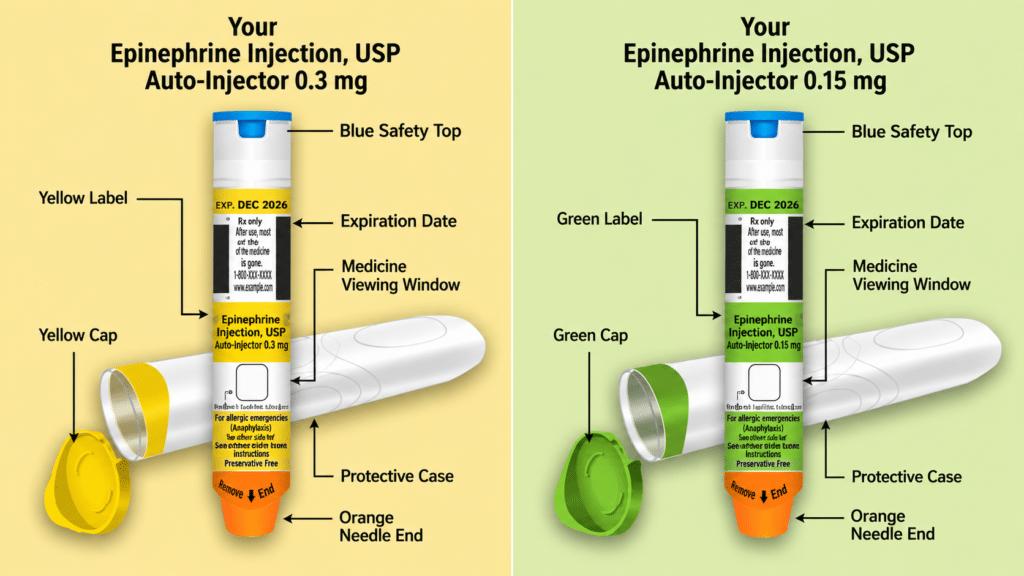
Both contain adrenaline and both are designed to provide emergency treatment for anaphylaxis. However, the medicine reaches the body by different routes.
Feature | NEFFY® | EpiPen® |
Active medicine | Adrenaline (epinephrine) | Adrenaline (epinephrine) |
Delivery | Nasal spray | Intramuscular auto-injector |
Administration site | Nostril | Outer mid-thigh |
Lower strength | 1 mg | EpiPen® Jr 150 micrograms |
Higher strength | 2 mg | EpiPen® 300 micrograms |
Needle | No | Yes |
Single-use | Yes | Yes |
Used for anaphylaxis | Yes | Yes |
EpiPen® has a long history of use in Australia. The 300 microgram EpiPen® was first entered on the ARTG in 1993, while NEFFY® represents a much newer approach to adrenaline delivery. (Therapeutic Goods Administration (TGA))
The choice of device should not simply come down to which one appears easier to use. ASCIA recommends that adrenaline device prescribing considers clinical judgement, appropriate training and the preferences of the patient or carer.
Why Does NEFFY® Contain More Adrenaline Than an EpiPen®?
At first glance, the numbers can look surprising.
An EpiPen® delivers 300 micrograms, or 0.3 mg, of adrenaline, while the higher-dose NEFFY® contains 2 mg. EpiPen® Jr delivers 150 micrograms, compared with 1 mg in the lower-dose NEFFY®.
That does not mean someone receiving NEFFY® is simply receiving many times the effective dose of an EpiPen®.
The medicines use different routes into the body. EpiPen® injects adrenaline into muscle, while NEFFY® delivers it across the nasal mucosa. Absorption and bioavailability differ according to the route of administration, so the number printed on one device cannot be compared milligram-for-milligram with the number printed on another.
For first aiders, the practical message is simple: use the correct device and strength for the person according to their medical advice and action plan.
Is NEFFY® as Effective as EpiPen®?
This question requires more care than a simple yes or no.
Researchers cannot ethically conduct conventional clinical trials in which people are deliberately allowed to develop potentially fatal anaphylaxis and then randomly assigned different treatments simply to see which performs better.
Consequently, much of the evidence supporting NEFFY® has examined pharmacokinetics — how adrenaline is absorbed and moves through the body — and pharmacodynamics, including physiological responses such as changes in blood pressure and heart rate.
In a Phase 1 crossover study involving 59 healthy adults, researchers compared NEFFY® 2 mg with EpiPen® 0.3 mg and a 0.3 mg manual intramuscular adrenaline injection. The pharmacokinetic profile of NEFFY® fell within the range produced by the approved injection methods, while the study also measured expected pharmacodynamic responses.
Paediatric research has also examined 1 mg and 2 mg NEFFY® doses according to children’s weight. A 2025 study involving 42 paediatric allergy patients found adrenaline concentrations following the weight-based nasal doses that the researchers considered consistent with safe and effective exposure. (PubMed)
This evidence contributed to the regulatory assessment supporting NEFFY® as an emergency treatment for severe allergic reactions.
However, it is better to say that NEFFY® is an approved alternative method of delivering adrenaline than to make a sweeping claim that NEFFY® and EpiPen® are identical in every respect.
They are different devices with different administration routes, doses and instructions.

Does NEFFY® Replace EpiPen®?
No. NEFFY® adds another option rather than making adrenaline auto-injectors obsolete. In 2026, ASCIA lists several adrenaline devices approved for Australian use, including EpiPen®, Jext®, Anapen® and NEFFY®. (Allergy Australia)
For some people, a nasal spray may be particularly appealing because it removes the needle from the process. Fear or hesitation around injections can be a genuine issue when adrenaline needs to be given quickly.
The TGA’s scheduling decision specifically noted that intranasal adrenaline offers a non-invasive delivery option and may improve accessibility, including for people with needle phobia. The decision also stated that introducing intranasal formulations would not affect the continued availability of auto-injectors. (Therapeutic Goods Administration (TGA))
What matters most is that a person at risk has an appropriate adrenaline device available and that they — and those around them — know how and when to use it.
Why Training Still Matters With a Needle-Free Device
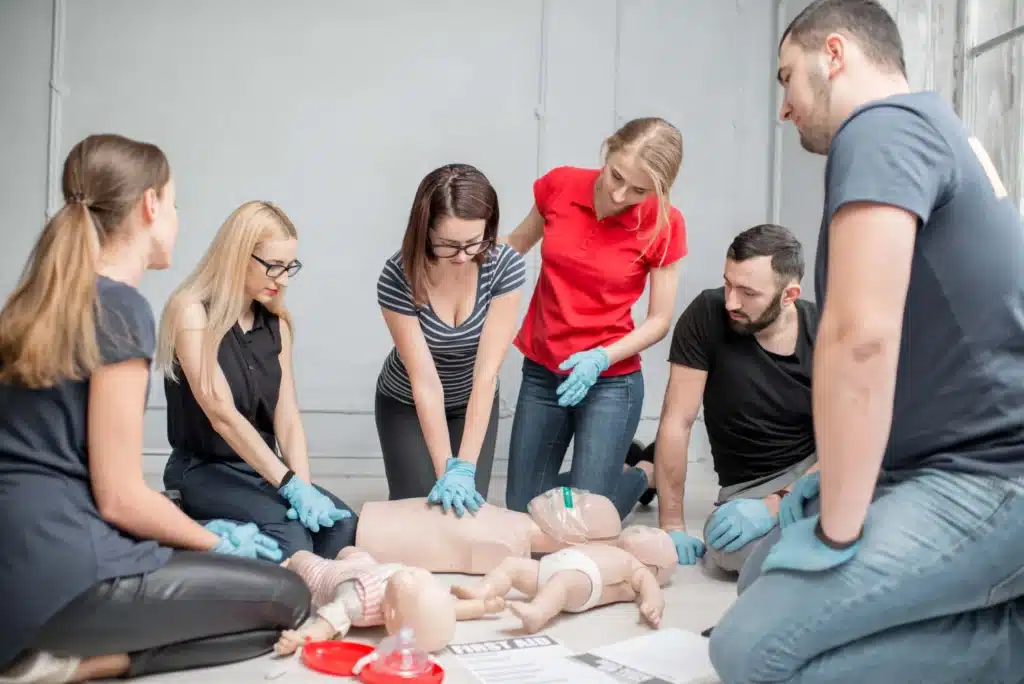
Removing the needle does not remove the need for preparation.
In a genuine anaphylactic emergency, the difficult part is often not pressing a button or plunger. It is recognising what is happening, deciding to act and giving adrenaline promptly.
This is especially important in childcare and education settings, where the person having the reaction may be too young, frightened or unwell to manage their own treatment.
Educators may need to recognise anaphylaxis, locate the child’s medication and ASCIA Action Plan, administer the appropriate adrenaline device, call Triple Zero (000), position and monitor the child appropriately and continue providing care until paramedics arrive.
Australian allergy guidance for schools and children’s education and care services was updated in 2026, including changes recognising the broader range of adrenaline devices now available. (Allergy Australia)
For educators and childcare workers, nationally recognised Childcare First Aid training with First Aid Pro provides practical preparation for emergencies such as anaphylaxis. Knowing the steps before an emergency is very different from trying to work them out while a child is struggling to breathe.
What Are the Side Effects of NEFFY®?
Like other adrenaline treatments, NEFFY® can cause side effects.
Australian Consumer Medicine Information lists effects including headache, anxiety, tremor, a fast or noticeable heartbeat, nasal discomfort, throat irritation, runny nose, nasal pain and congestion. (SAQHC)
Pooled clinical safety data found that the most frequently reported reactions after two 2 mg doses included throat irritation, headache, nasal discomfort and feeling jittery. The reported adverse reactions in those clinical studies were not serious. (SAQHC)
These possible effects need to be considered in the context of what the medicine is treating. Anaphylaxis can be fatal, and the Australian CMI makes clear that NEFFY® is a life-saving emergency treatment that should not be withheld from someone considered to need it. (SAQHC)
Can NEFFY® Be Used With a Blocked Nose?
Interestingly, Australian Consumer Medicine Information states that NEFFY® can still be used if the person has a cold or congested nose. (SAQHC)
People who have nasal polyps or a history of nasal injury or surgery should discuss this with their doctor or pharmacist so their individual circumstances can be considered.
Again, an emergency is not the time to start weighing up these questions. Anyone prescribed an adrenaline device should discuss its correct use with their healthcare professional beforehand.
How Should NEFFY® Be Stored?
NEFFY® should generally be stored below 25°C. Australian consumer information also states that if the device is accidentally frozen, it should be allowed to thaw for at least one hour before use and that freezing does not affect its shelf life. (SAQHC)
The expiry date should always be checked.
According to Allergy & Anaphylaxis Australia, NEFFY® 1 mg has a shelf life of 24 months from manufacture, while NEFFY® 2 mg has a shelf life of 30 months from manufacture. (Allergy & Anaphylaxis Australia)
As with any emergency medicine, checking expiry dates should become routine rather than something discovered during an emergency.
Is NEFFY® Available on the PBS?
Yes. Both NEFFY® 1 mg and 2 mg became available on the PBS from 1 July 2026. (Allergy Australia)
The Australian Government described NEFFY® at the time of its PBS listing as a new form of adrenaline for emergency treatment of acute severe allergic reactions in eligible children and adults at significant risk of anaphylaxis. (Health, Disability and Ageing Dept)
People considering NEFFY® should discuss their individual eligibility, appropriate dose and access arrangements with their doctor or pharmacist rather than changing adrenaline devices without professional advice.
What NEFFY® Means for Anaphylaxis First Aid in Australia
NEFFY® is important because it expands the choices available to Australians at risk of anaphylaxis.
For decades, community adrenaline delivery has been closely associated with the auto-injector. The arrival of an approved nasal formulation changes that picture.
Yet the fundamentals of anaphylaxis first aid have not changed.
Recognise the emergency. Give adrenaline promptly. Follow the person’s ASCIA Action Plan where available. Call Triple Zero (000). Give further adrenaline when indicated and continue monitoring the person until professional medical help takes over.
A new device can make treatment more accessible, but confidence comes from knowing what to do with it.
For childcare workers, teachers and others responsible for children, that preparation is especially valuable. First Aid Pro’s nationally recognised Childcare First Aid course, HLTAID012 Provide First Aid in an education and care setting, covers first aid responses relevant to education and care environments, including anaphylaxis. Practical training helps turn written instructions into skills that can be used when every minute matters.
NEFFY® may look very different from the adrenaline devices Australians have known for decades. The principle behind it, however, could not be more familiar: when anaphylaxis occurs, early recognition and prompt adrenaline can save a life.
Related Reading
- Allergy Australia – Anaphylaxis
Australian Commission on Safety and Quality in Health Care – Neffy
Allergy and Anaphylaxis Australia – neffy® frequently asked questions (FAQ)
Allergy and Anaphylaxis Australia – Neffy
ASCIA – New adrenaline devices on the PBS, new videos and updated ASCIA anaphylaxis guidelines
Frequently Asked Questions
What is NEFFY® used for?
NEFFY® is an adrenaline nasal spray used for the emergency treatment of severe allergic reactions, including anaphylaxis. It delivers adrenaline through the nose rather than through an injection. (SAQHC)
Is NEFFY® available in Australia?
Yes. NEFFY® 1 mg and 2 mg are TGA registered in Australia and have been available through the PBS since 1 July 2026. (Allergy Australia)
Is NEFFY® better than an EpiPen®?
Neither device should simply be described as universally “better”. Both deliver adrenaline for severe allergic reactions but use different administration methods. The appropriate device depends on factors including the person’s weight, clinical circumstances, professional advice, training and patient or carer preference. (Allergy Australia)
Can children use NEFFY®?
Yes. NEFFY® 1 mg can be used in children aged four years and over weighing 15 kg to less than 30 kg. NEFFY® 2 mg is used for people weighing 30 kg or more. NEFFY® is not approved for children under four years of age. (Allergy & Anaphylaxis Australia)
Do you still call an ambulance after using NEFFY®?
Yes. Anaphylaxis is a medical emergency. Australian Consumer Medicine Information instructs people to seek emergency medical assistance immediately after NEFFY® is used because further monitoring or treatment may be required. (SAQHC)