



Sharon has 21+ years of experience as a qualified Emergency Care Nurse registered with the Australian Health Practitioner Regulation Agency (APHRA) and 12+ years as a First Aid Trainer.
She takes pride in FirstAidPro making first aid training available, comprehensive and affordable to everybody.
National Water Safety Day is observed across Australia on 1 December, marking the first day of summer and reminding Australians how to prevent drowning and respond to water emergencies. Essential drowning first aid includes recognising the warning signs, calling Triple Zero (000), following the DRSABCD action plan and performing CPR with rescue breaths when someone is unresponsive and not breathing normally.
Whether you’re supervising children around a backyard pool, visiting the beach or working at a holiday venue, knowing what to do in those first critical minutes could save a life.
Key Takeaways
- National Water Safety Day falls on 1 December, encouraging Australians to prevent drowning as summer begins.
- Drowning is often quiet, with victims sometimes unable to shout, wave or attract attention.
- Call 000 immediately when someone is drowning or has suffered a serious water-related emergency.
- Use DRSABCD and commence CPR if a rescued person is unresponsive and not breathing normally.
- CPR and first aid training save valuable time, helping families and workers respond confidently until emergency services arrive.
Why National Water Safety Day Matters in Australia
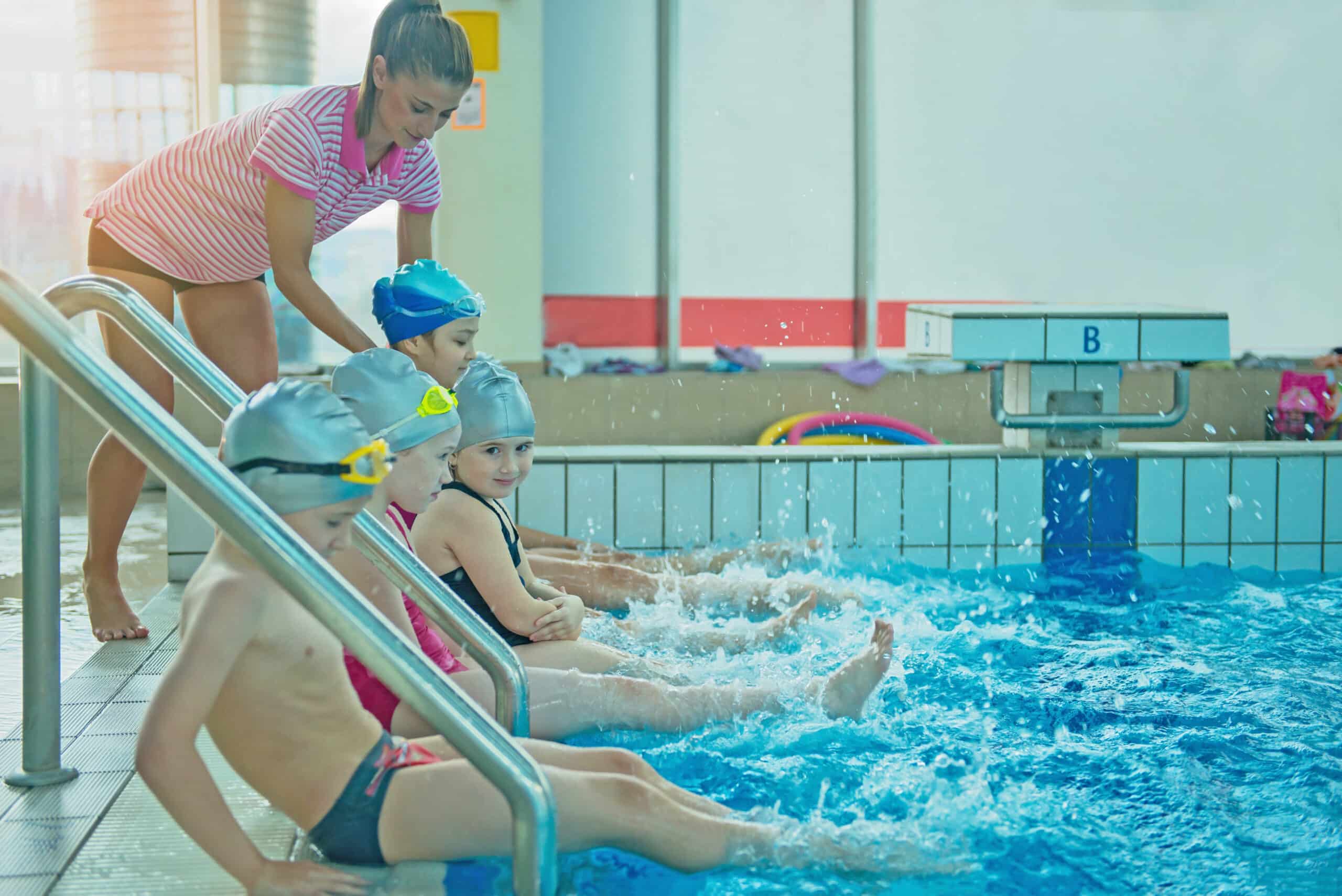
Australia’s beaches, swimming pools, rivers and lakes are central to our summer lifestyle. Unfortunately, enjoying the water also carries risks that can become life-threatening within minutes.
National Water Safety Day was established in 2020 with support from the Australian Government, Royal Life Saving Australia and Surf Life Saving Australia. Its purpose is to encourage safer decisions around water, improve public awareness and promote practical lifesaving skills.
The need remains significant
According to the National Drowning Report 2026, Australia recorded 313 drowning deaths during 2025–26. Although lower than the previous year’s 357 deaths, the figure remained 10% above the ten-year average.
Drowning is not limited to inexperienced swimmers or young children. Adults can encounter difficulties through unexpected currents, fatigue, alcohol consumption or underlying medical conditions.
National Water Safety Day encourages Australians to think beyond swimming ability. Supervision, safe rescue techniques and first aid knowledge are equally important.
How to Recognise Someone Who Is Drowning
Drowning rarely looks like it does in films. A person struggling to breathe may be physically unable to shout for help or wave their arms.
Instead, their movements may be brief, confused or almost impossible to notice from a distance.
Common Warning Signs of Drowning
Someone experiencing difficulty in the water may display one or more of these warning signs:
Their head remains low in the water, with their mouth repeatedly dipping below the surface.
They appear to be climbing an invisible ladder or struggling to keep their head above water.
They remain unusually upright without making effective swimming movements.
They struggle to move towards safety despite appearing to paddle.
They suddenly become quiet, motionless or disappear beneath the surface.
When Silence Is a Warning Sign
A child who was previously splashing and playing but suddenly becomes silent deserves immediate attention.
Not everyone who is drowning displays obvious distress. Some people become submerged without attracting attention.
Constant Adult Supervision Is Essential
At home, constant adult supervision is essential, particularly around swimming pools, spas and other accessible water.
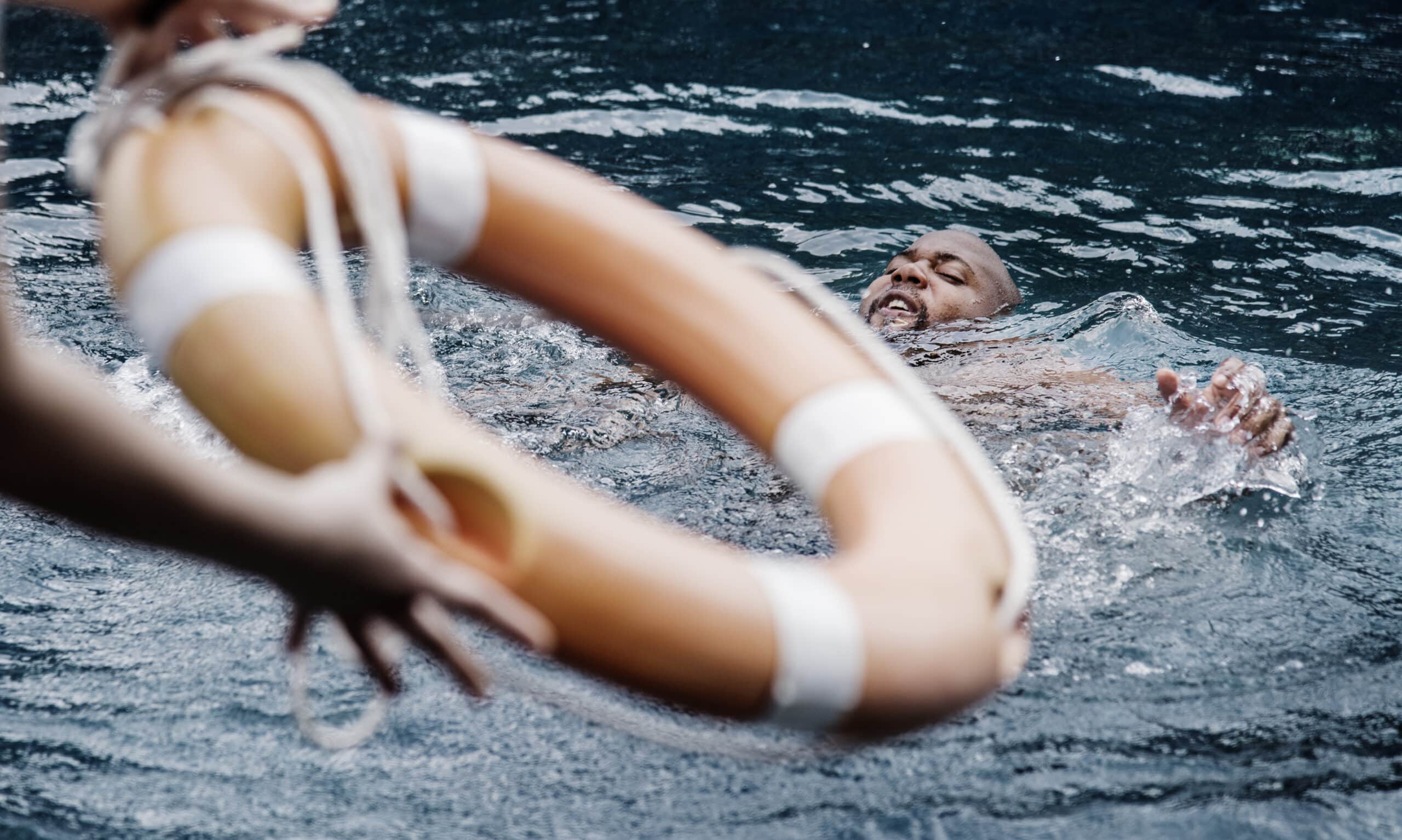
What Should You Do When Someone Is Drowning?
Recognising an emergency is only the beginning. Your next decisions must protect both the casualty and anyone attempting to help.
The Australian and New Zealand Committee on Resuscitation (ANZCOR) recommends removing a drowning person from the water as quickly as possible, provided this can be done safely.
Call Triple Zero (000) and Request Help
Immediately alert a lifeguard, lifesaver or another responsible adult.
Call 000 and request an ambulance. Explain the location, what happened, whether the person is conscious and whether they are breathing normally.
At beaches or remote waterways, provide nearby landmarks or identifiable access points.
Follow the emergency operator’s instructions.
Attempt a Safe Rescue
An untrained person entering dangerous water can quickly become another casualty. Where possible, rescue from land or a stable craft. Extend a rescue pole, throw a flotation device or use another suitable object to help the person stay afloat.
Only enter the water when it is safe and you have appropriate rescue skills and flotation support. Once the person is safely removed, assess their condition immediately.
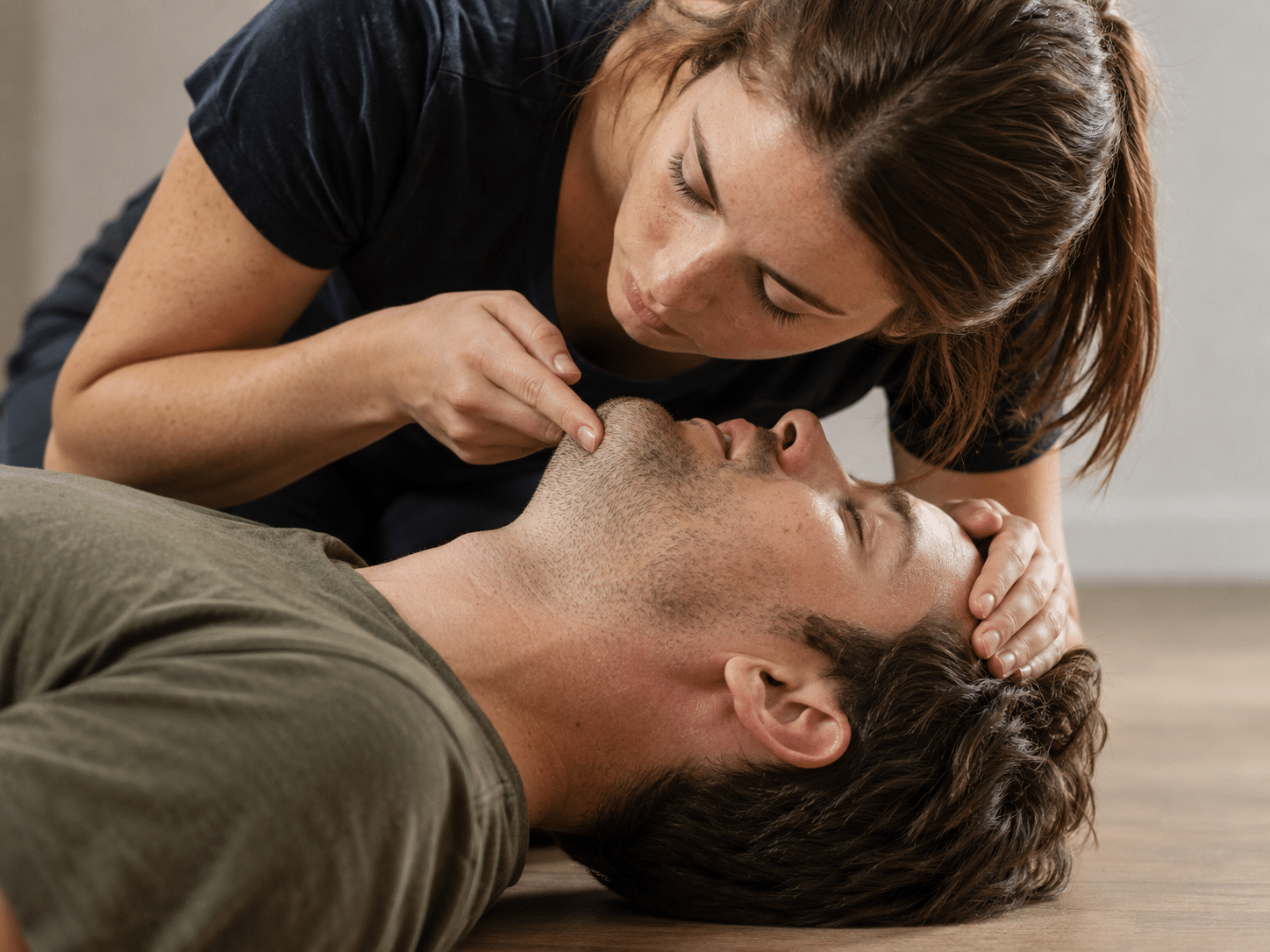
DRSABCD: First Aid for a Drowning Casualty
The DRSABCD action plan provides a structured approach to assessing emergencies and beginning lifesaving treatment.
It is particularly important after drowning because oxygen deprivation can rapidly affect the brain and heart.
Danger
Check for hazards before approaching the casualty.
Around water, potential dangers include slippery surfaces, waves, electrical equipment, moving boats and unstable pool edges.
Move the person to a safe location where first aid can be provided.
Response
Check whether the person responds when you speak loudly and gently squeeze their shoulders.
An unresponsive casualty requires immediate assessment and emergency assistance.
Send for Help
Call Triple Zero (000) or direct another person to contact emergency services.
Ask someone to obtain an automated external defibrillator (AED) if one is available.
Airway
Position the unresponsive casualty on their back and open their airway using appropriate head-tilt and chin-lift techniques.
If vomit, sand or other material visibly obstructs the airway, briefly turn the person onto their side to allow it to clear.
Avoid unnecessary delays.
Breathing
Check for normal breathing for no more than ten seconds.
Occasional gasping or irregular, ineffective breaths are not normal breathing.
If the person is unresponsive and not breathing normally, commence CPR immediately.
CPR
Begin cardiopulmonary resuscitation, incorporating rescue breaths.
Drowning commonly causes cardiac arrest through oxygen deprivation, making rescue breathing especially important.
Defibrillation
Apply an AED as soon as one becomes available, following its spoken instructions.
Do not delay CPR while waiting for the device.
Critical Drowning Emergency Reminder
Drowning usually involves oxygen deprivation. Rescue breaths are therefore especially important when providing CPR to an unresponsive person who is not breathing normally.
Follow Australian Resuscitation Guidance
These actions reflect Australian resuscitation guidance for responding to an unresponsive drowning casualty. Follow your current CPR training and emergency operator instructions.
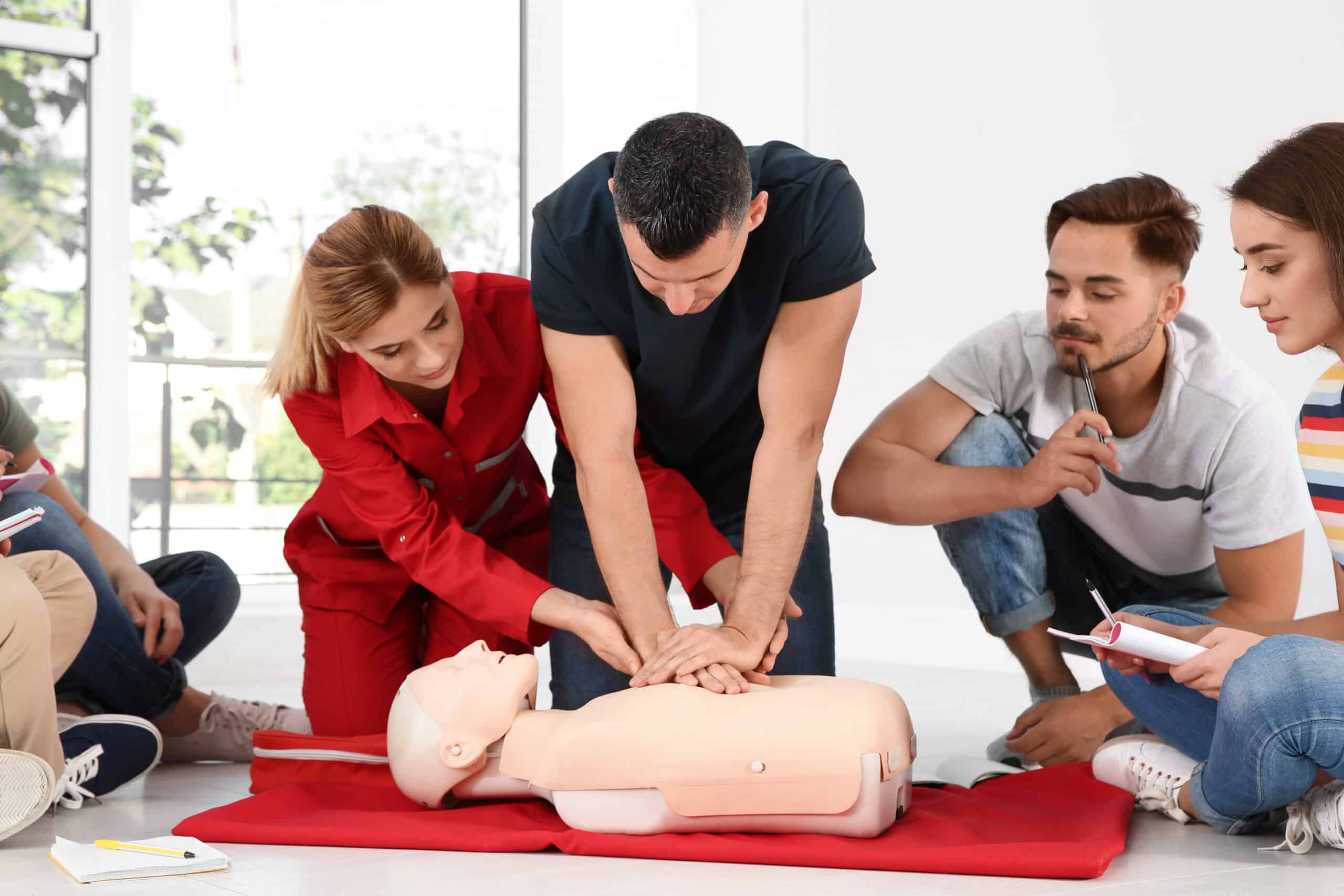
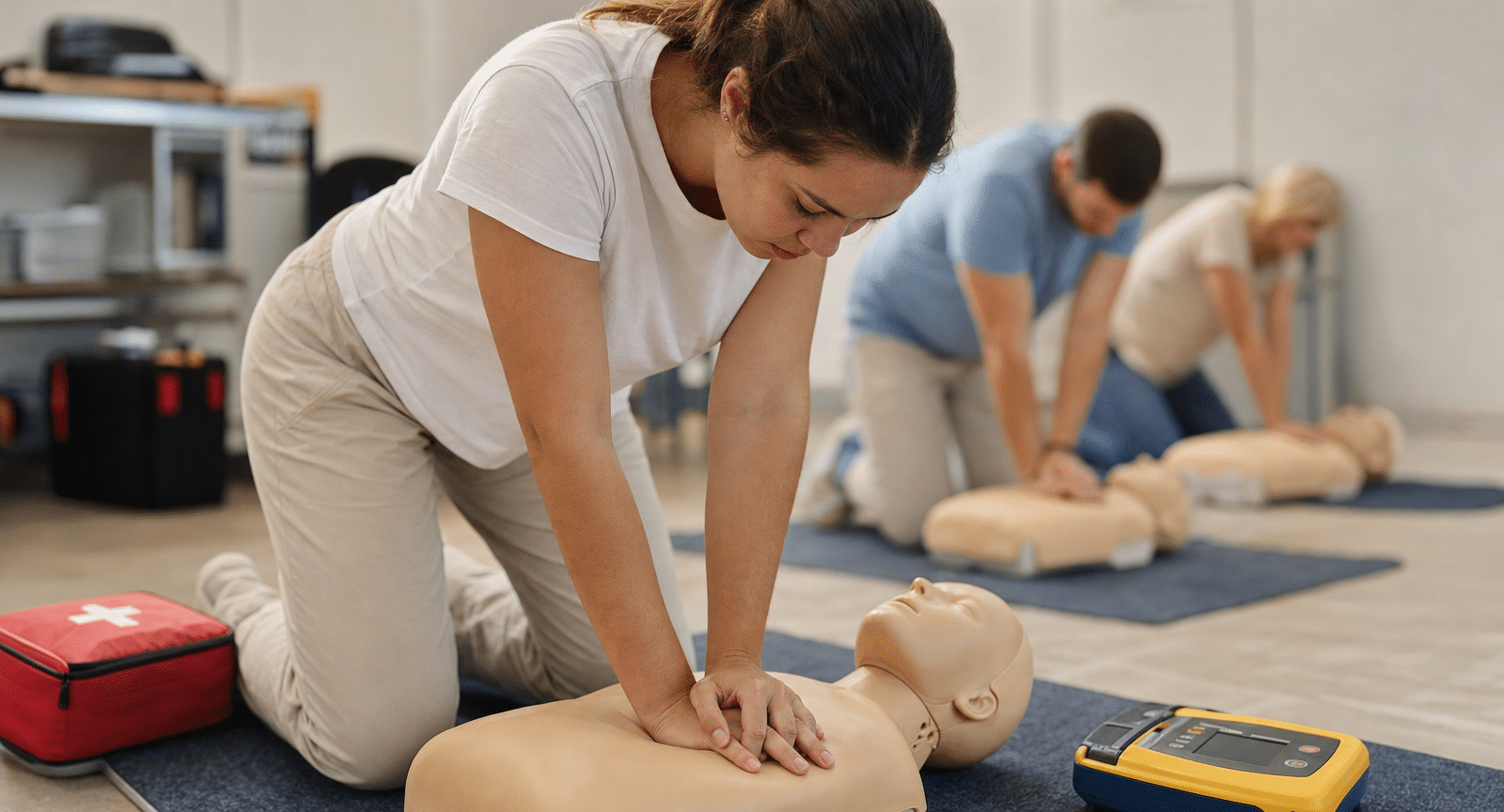
Knowing DRSABCD is valuable, but practising the techniques is equally important. FirstAidPro’s nationally recognised HLTAID009 Provide Cardiopulmonary Resuscitation course teaches essential CPR techniques, emergency assessment and AED operation.
How to Perform CPR After Drowning
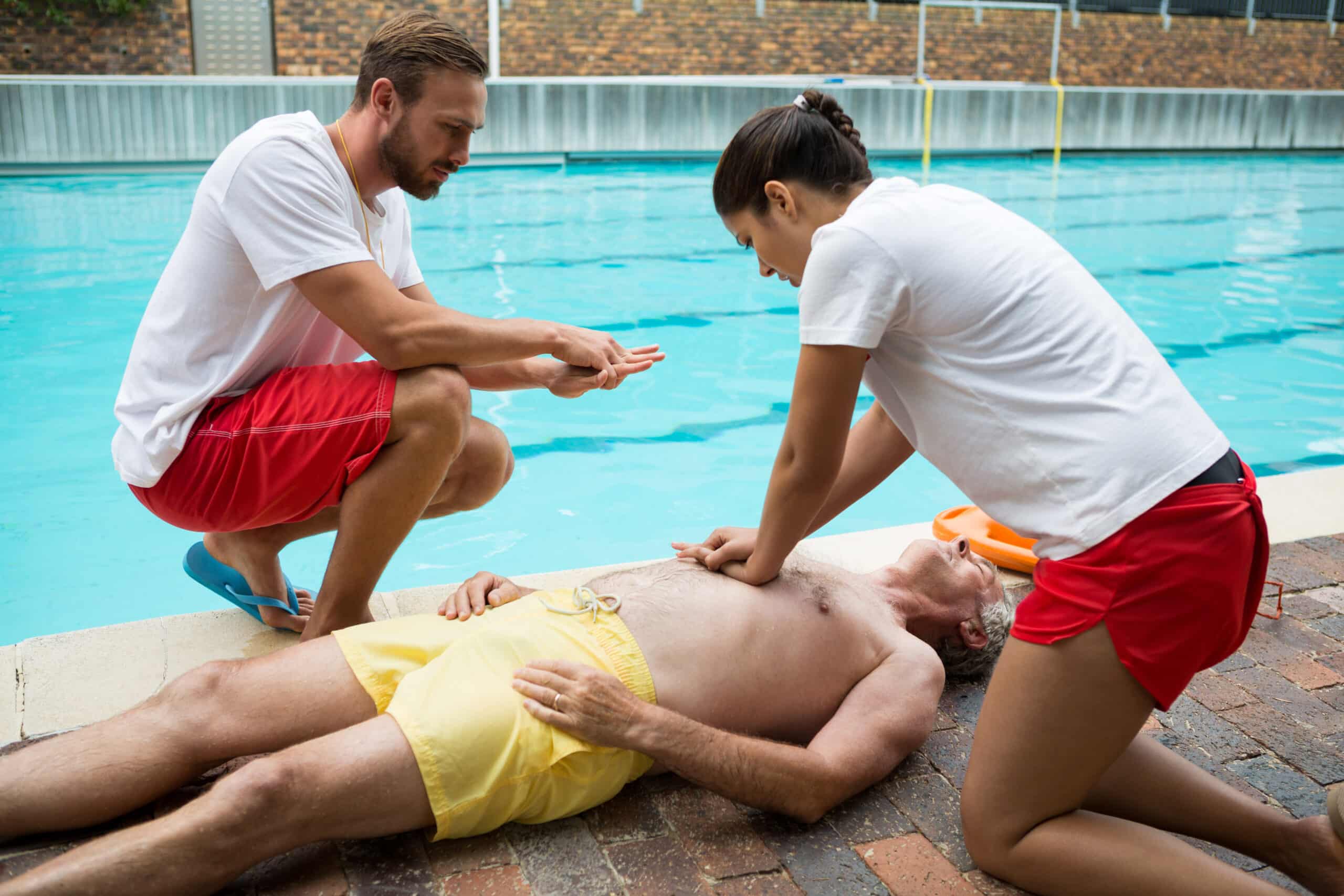
When someone has been rescued from the water and is unresponsive and not breathing normally, immediate CPR offers their best chance of survival.
Unlike some other causes of cardiac arrest, drowning usually begins with a shortage of oxygen.
For this reason, ANZCOR emphasises the importance of rescue breaths alongside chest compressions.
Begin CPR With Rescue Breaths
1. Give Initial Rescue Breaths
If the casualty remains unresponsive and is not breathing normally, proceed with chest compressions.
Trained rescuers should follow their current resuscitation training and emergency operator instructions.
2. Follow the CPR Compression-to-Breath Ratio
Once compressions begin, continue CPR using the standard ratio of 30 chest compressions followed by two rescue breaths.
3. Use the Correct Adult Compression Depth
Allow the chest to recoil fully between compressions.
4. Maintain the Correct Compression Rate
Maintain a consistent rhythm while allowing the chest to recoil between compressions.
5. Adjust CPR for Children and Infants
For children and infants, use age-appropriate compression techniques and depths taught during accredited CPR training.
What If You Cannot Provide Rescue Breaths?
If you cannot provide rescue breaths, perform chest compressions rather than doing nothing.
However, compression-only CPR is less suitable for drowning emergencies because it does not directly address oxygen deprivation.
6. Continue CPR Until Help Arrives
Continue resuscitation until emergency personnel take over, the person begins breathing normally, or you cannot safely continue.

Using an AED After Drowning
An AED can identify certain dangerous heart rhythms and deliver an electrical shock when appropriate.
Dry the casualty’s chest where possible before attaching the pads, then follow the device’s instructions.
An AED may not recommend a shock following drowning, but it remains an important part of the emergency response.
Never delay CPR or rescue breaths while waiting for an AED.
Why Medical Assessment Is Essential After Drowning
A person who survives a drowning incident may initially appear to recover completely. They might cough, regain normal breathing and insist they feel well enough to continue swimming.
However, drowning can cause lung injury and complications that are not immediately apparent. ANZCOR recommends medical assessment for everyone involved in a drowning incident, even when symptoms appear minor or the person seems to have recovered.
If someone has required rescue or treatment following drowning, call 000 and arrange appropriate medical care.
While awaiting assistance, monitor their breathing, responsiveness and general condition. If an unresponsive person is breathing normally, maintain an open airway and position them appropriately, including on their side when necessary.
If normal breathing stops, commence CPR immediately. Never assume that coughing up water means the danger has passed.
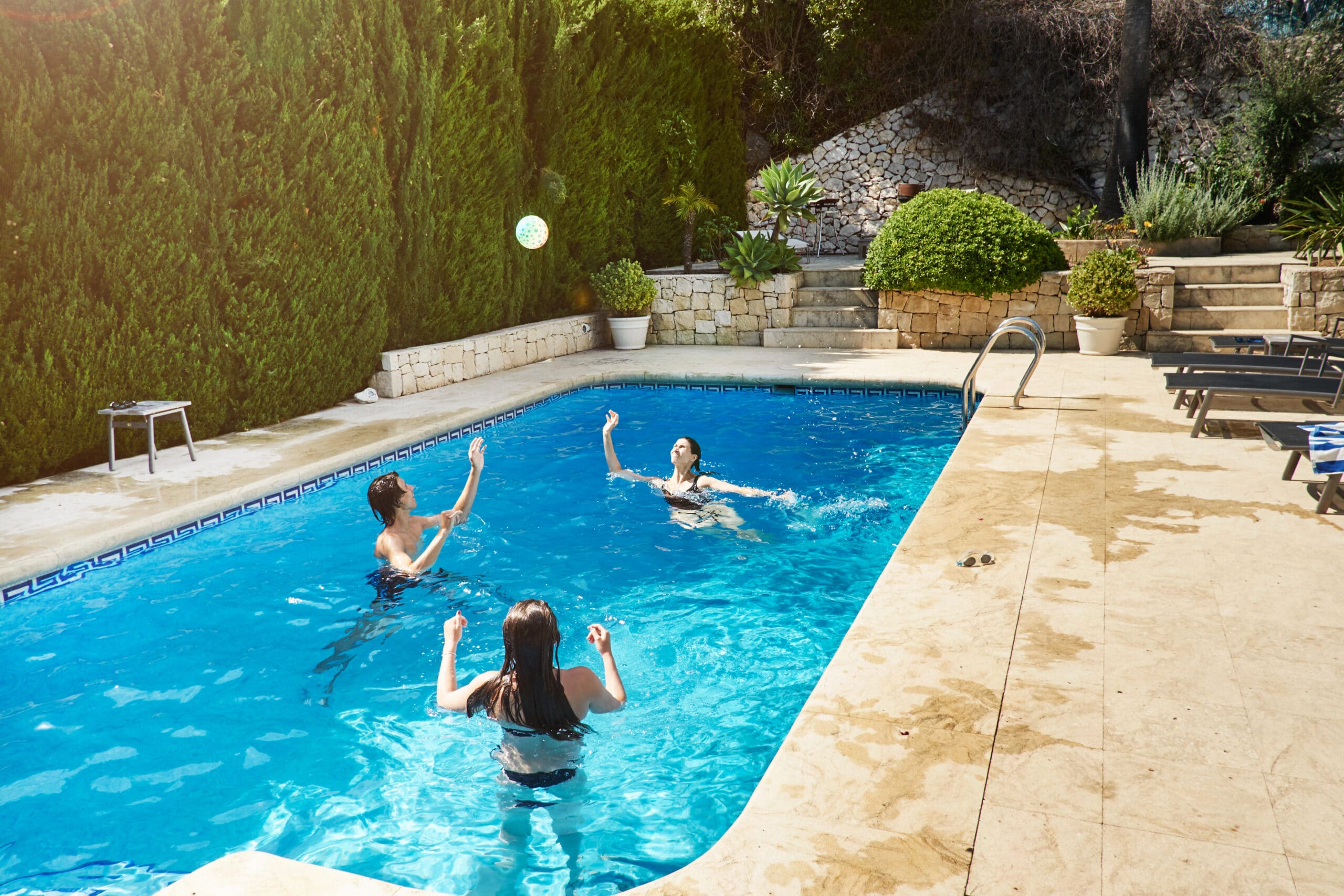
Drowning Risks Around Australian Homes and Workplaces
Drowning prevention is a shared responsibility, extending beyond beaches and public swimming pools.
01 Backyard Swimming Pools and Family Homes
Important Risk: Young children can drown in surprisingly small amounts of water.
Pools, spas, bathtubs and portable paddling pools all require careful supervision.
Prevention Measures: Parents and carers should maintain constant, close supervision, ensure pool barriers meet applicable requirements and prevent children accessing water unsupervised.
Knowing infant and child CPR provides an additional safeguard, but never replaces supervision.
02 Beaches, Rivers and Inland Waterways
Important Risk: Open water introduces hazards such as rip currents, submerged obstacles, sudden changes in depth and unpredictable conditions.
Safer Swimming: Choose patrolled beaches, swim between the red and yellow flags and avoid swimming alone.
When boating or participating in suitable water activities, wear an appropriately fitted lifejacket.
Alcohol and recreational drugs can impair judgement, coordination and the ability to respond to danger.
03 Holiday Venues and Aquatic Workplaces
Hotels, resorts, caravan parks, aquatic centres and recreational facilities may have employees working near swimming pools or waterways.
Employer Responsibilities: Employers should assess water-related hazards and establish appropriate emergency procedures, rescue equipment, supervision arrangements and first aid coverage.
Workers should understand how to raise the alarm, contact emergency services and locate an AED.
Nationally recognised first aid training helps staff respond to emergencies while waiting for professional assistance.
Water Safety Is Everyone's Responsibility
Active supervision, recognising hazards, appropriate safety equipment and first aid preparedness all contribute to reducing drowning risks at home, in public waterways and at work.
For workplaces seeking broader emergency response skills, FirstAidPro offers the HLTAID011 Provide First Aid course, covering CPR alongside common injuries and medical emergencies.
Why CPR Training Matters Before Summer Begins
During a drowning emergency, there may be little time to work out what to do. CPR training gives people an opportunity to practise emergency assessment, chest compressions, rescue breaths and AED operation under professional instruction. It also helps participants recognise when resuscitation is required and how to coordinate assistance.
Safe Work Australia’s model first aid guidance recommends refreshing CPR skills annually and general first aid training every three years. These are recommended refresher intervals rather than automatic expiry dates for nationally recognised statements of attainment.
Whether you’re a parent, swimming instructor, hospitality worker or regular beachgoer, practical training can make a meaningful difference.
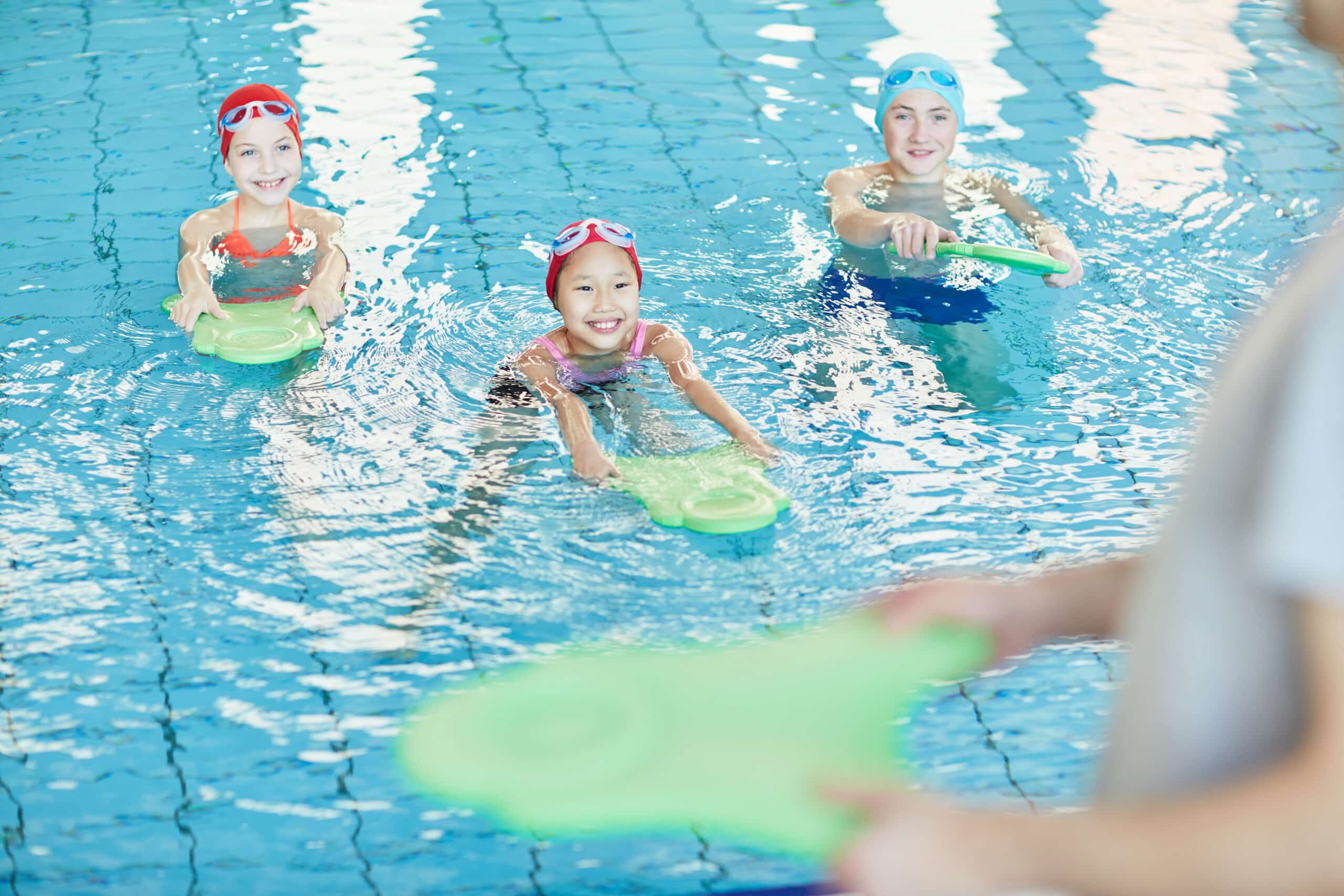
Make Water Safety a Priority This National Water Safety Day
National Water Safety Day is an opportunity to review household safety measures, discuss emergency procedures and refresh lifesaving skills before summer activities begin.
Preventing drowning must always remain the first priority. However, knowing how to recognise an emergency, call 000 and perform CPR provides another important layer of protection.
FirstAidPro delivers nationally recognised CPR and first aid training across Australia, helping individuals and workplaces develop practical emergency response skills.
Before your next summer holiday, pool gathering or workplace activity, consider enrolling in a CPR course or Provide First Aid course with FirstAidPro.
The skills you learn could one day help save someone you care about.
Related Reading
- Royal Life Saving Australia – National Water Safety Day
- Royal Life Saving Australia – National Drowning Report 2026
- ANZCOR – Guideline 9.3.2: Resuscitation in Drowning
- Healthdirect Australia – How to Perform CPR
- Healthdirect Australia – Water Safety for Babies and Children
- Australian Sports Commission – National Water Safety Day
FAQs
When is National Water Safety Day in Australia?
National Water Safety Day is observed annually on 1 December, the first day of Australian summer. It promotes drowning prevention, water safety awareness, supervision and lifesaving skills.
What is the first thing you should do when someone is drowning?
Raise the alarm, call 000 and arrange a safe rescue. Avoid entering dangerous water without appropriate training or rescue equipment. Once the person is safely removed, assess their responsiveness and breathing.
Should you perform CPR on someone who has drowned?
Yes, if the person is unresponsive and not breathing normally. Drowning-related CPR should include rescue breaths because oxygen deprivation is usually the underlying cause of cardiac arrest.
Can someone experience complications after being rescued from drowning?
Yes. Lung injuries and breathing difficulties can develop or worsen after rescue. Anyone involved in a drowning incident should receive medical assessment, even if they initially appear well.
Which first aid course is best for drowning emergencies?
HLTAID009 Provide Cardiopulmonary Resuscitation teaches CPR and AED skills. HLTAID011 Provide First Aid includes CPR alongside broader emergency response training. Both are useful for people who regularly spend time around water.