




Sharon has 21+ years of experience as a qualified Emergency Care Nurse registered with the Australian Health Practitioner Regulation Agency (APHRA) and 12+ years as a First Aid Trainer.
She takes pride in FirstAidPro making first aid training available, comprehensive and affordable to everybody.
International Day of People with Disability (IDPwD), observed on 3 December 2026, recognises the rights, achievements and contributions of people with disability while promoting greater inclusion across Australian communities. This year’s theme, ‘The CRPD at 20: Building on Progress, Advancing the Future’, marks 20 years since the adoption of the United Nations Convention on the Rights of Persons with Disabilities. It also provides an opportunity to examine the vital role of disability support workers and the training pathways available to Australians considering a career in individual support.
Working in disability support involves much more than assisting with everyday activities. It means respecting individual choices, supporting independence and helping people participate in their communities on their own terms. For those considering a career in the sector, understanding disability rights is an important first step towards becoming a capable, respectful and effective support worker.
Key Takeaways
- IDPwD 2026 takes place on 3 December, recognising 20 years of the Convention on the Rights of Persons with Disabilities.
- The CRPD promotes equality, independence, dignity and participation for people with disability.
- Individual support workers assist people with daily activities while respecting their choices, preferences and personal goals.
- Disability support careers may involve nationally recognised qualifications, practical experience and specialised skills training.
- NDIS High Intensity Support Skills Training helps workers develop capabilities for supporting participants with complex health and personal care requirements.
International Day of People with Disability 2026: Understanding the Theme
International Day of People with Disability has been observed internationally since 1992. In Australia, the occasion brings together individuals, workplaces, community organisations and government agencies to promote disability inclusion and challenge the barriers that prevent equal participation.
The 2026 theme commemorates the 20th anniversary of the United Nations Convention on the Rights of Persons with Disabilities (CRPD), adopted in December 2006.
The Convention represented an important change in how disability is understood internationally. Rather than treating people with disability primarily as recipients of care or assistance, it established a human rights framework recognising their autonomy, dignity and equal standing in society.
Australia ratified the Convention in 2008, committing to advancing its principles through legislation, policies and public services.
Twenty years after its adoption, the 2026 theme encourages reflection on improvements in accessibility, employment, education and community participation, while acknowledging that discrimination and exclusion remain significant challenges.
For disability support workers, these principles have direct implications for everyday practice
What Does the CRPD Mean for Disability Support Workers?
The CRPD recognises that people with disability have the same fundamental rights and freedoms as everyone else.
Importantly, these rights extend beyond access to essential services. They include making personal decisions, maintaining relationships, participating in employment and education, and choosing how and where to live.
Supporting Choice, Control and Independence
For an individual support worker, respecting these rights means recognising that the person receiving support remains central to decisions affecting their life. A worker might assist someone with preparing meals, attending appointments or managing daily routines. However, the individual’s preferences should guide how that assistance is provided. For example, supporting someone to prepare their preferred meal, rather than automatically choosing what they should eat, reinforces personal autonomy.
Similarly, assisting a participant to attend a community activity they have selected supports meaningful participation rather than simply completing a scheduled task.
Moving Beyond Traditional Models of Care
The CRPD encourages a rights-based approach in which disability support focuses on removing barriers and enabling participation. This requires workers to recognise individual strengths, communicate respectfully and avoid unnecessary restrictions.
It also means understanding that people with disability have different experiences, capabilities and aspirations. Effective disability support is therefore not about taking control of someone’s life. It is about providing appropriate assistance while respecting their right to direct it.

What Does an Individual Support Worker Do?
Supporting everyday living, independence, personal choice and community participation.
An individual support worker assists people who require support with daily activities, personal care, community participation or independent living.
In Australia, disability support workers may work in private homes, supported accommodation, community settings or services funded through the National Disability Insurance Scheme (NDIS).
Responsibilities depend on the person's needs, preferences, individual support plan and the worker's qualifications and authorised duties.
Everyday Responsibilities of a Disability Support Worker
Common responsibilities may include:
Some positions involve supporting people with complex health-related needs. These activities require additional skills, appropriate supervision and clear authorisation.
Professional responsibility: The NDIS Quality and Safeguards Commission emphasises that disability support workers must understand their responsibilities, work within their capabilities and deliver services safely and respectfully.
Why Individual Support Workers Matter to the NDIS
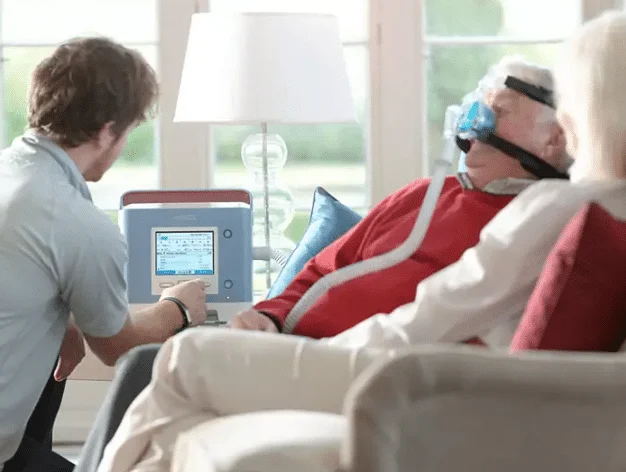
The National Disability Insurance Scheme provides funding for eligible Australians with permanent and significant disability to access reasonable and necessary supports. Individual support workers play an important role in helping participants use these supports to pursue their personal goals.
For one participant, this might involve assistance with household activities and personal care. For another, it could mean travelling to work, attending education or participating in sport and community events.
Although these activities may appear routine, their importance should not be underestimated. Reliable, respectful support can contribute to greater independence, social connection and personal confidence.
The NDIS places considerable emphasis on participant choice and control. Consequently, workers must understand that the person receiving support has their own preferences, priorities and expectations.
This relationship requires trust, professional boundaries and consistent communication.
For Australians considering disability support work, FirstAidPro’s NDIS High Intensity Support Skills Training provides an opportunity to explore specialised skills relevant to supporting participants with more complex daily care requirements. Training should always be matched to the worker’s role and the participant’s individual needs.

Working in Disability Support: Essential Skills and Personal Qualities
A successful disability support career requires a combination of practical knowledge, interpersonal skills and professional judgement.
Communication is particularly important. Workers must listen carefully, recognise different communication preferences and allow people sufficient time to express their needs.
Patience, reliability and adaptability are equally valuable, particularly when supporting individuals whose circumstances or daily requirements change.
Workers must also understand confidentiality, infection prevention, safe manual handling and professional boundaries.
The NDIS Code of Conduct establishes expectations for safe, ethical and respectful service delivery. These obligations apply to workers and providers delivering NDIS services, including those who are not registered with the NDIS Commission.
How to Start a Career in Individual Support in Australia
There is no single pathway into disability support work. Entry requirements vary depending on the employer, position and services being delivered.
Some employers provide structured workplace induction and supervised training. Others prefer applicants who already hold relevant vocational qualifications or have experience in community services.
Certificate III in Individual Support
The nationally recognised CHC33021 Certificate III in Individual Support is a common qualification for people entering disability support and aged care. It develops foundational knowledge in person-centred support, communication, workplace safety, independence and wellbeing.
The qualification includes at least 120 hours of required workplace experience, providing opportunities to apply learning in appropriate care environments. Prospective students should choose a registered training organisation offering this qualification.
Workplace Screening and Induction
Depending on the position, workers may need an NDIS Worker Screening Check, particularly when undertaking risk-assessed roles with registered providers.
Employers may also require first aid training, CPR skills, infection control knowledge and completion of relevant induction activities.
The NDIS Commission provides a Worker Orientation Module, Quality, Safety and You, explaining workers’ responsibilities under the NDIS Code of Conduct.

NDIS High Intensity Support Skills Training with FirstAidPro
Some disability support positions involve complex personal care activities requiring specialised knowledge and practical capabilities. The NDIS Quality and Safeguards Commission identifies several high intensity support activities, including complex bowel care, enteral feeding, urinary catheter support, tracheostomy support and other health-related procedures.
These activities require careful attention to individual support plans, clinical instructions, risk management and worker competence.
FirstAidPro offers NDIS High Intensity Support Skills Training for disability support workers and organisations seeking to develop relevant specialist capabilities. Training options include instructor-led online sessions, face-to-face courses and private workplace arrangements.
Participants who successfully complete individual modules receive a Certificate of Completion. These courses provide specialised professional development; they should not be confused with a nationally recognised Certificate III qualification or independent clinical authorisation.
Importantly, completing a training module does not automatically authorise someone to perform every high intensity support activity. Workers must have the appropriate participant-specific training, assessed competence, supervision and authorisation for their duties.
For existing disability support workers looking to develop additional capabilities, explore FirstAidPro’s NDIS High Intensity Support Skills courses and select training appropriate to your responsibilities and career goals.

Building a Career That Supports Independence and Dignity
International Day of People with Disability reminds Australians that inclusion requires more than recognition on a single date. For disability support workers, the principles behind the CRPD become meaningful through everyday actions: listening carefully, respecting personal decisions, maintaining professional standards and providing assistance without unnecessarily limiting independence.
A career in individual support can offer opportunities to develop lasting professional relationships, acquire specialist skills and contribute to more accessible communities. However, meaningful disability support depends on more than good intentions. Appropriate training, accountability and ongoing professional development are essential.
As Australia recognises International Day of People with Disability on 3 December 2026, prospective and existing support workers have an opportunity to consider how their own knowledge and practice can advance the rights and independence of people with disability.
Explore FirstAidPro’s NDIS High Intensity Support Skills Training to learn more about specialised training options and take the next step in your disability support career.
Related Reading
- International Day of People with Disability – United Nations 2026 Theme
- United Nations – Advancing the Inclusion and Rights of Persons with Disabilities
- NDIS Quality and Safeguards Commission – NDIS Code of Conduct
- NDIS Commission – High Intensity Health-Related Support Work
- Australian Government Training Register – CHC33021 Certificate III in Individual Support
FAQs
What is the theme for International Day of People with Disability 2026?
The 2026 theme is ‘The CRPD at 20: Building on Progress, Advancing the Future’. It recognises 20 years of the United Nations Convention on the Rights of Persons with Disabilities and encourages continued progress towards equality and inclusion.
What qualifications do you need to become a disability support worker?
Requirements vary between positions and employers. CHC33021 Certificate III in Individual Support is a common nationally recognised qualification, while some roles require additional training, experience or worker screening.
What does an individual support worker do?
An individual support worker assists people with daily living, personal care, mobility, household activities and community participation. Responsibilities depend on the person’s preferences, support plan and the worker’s training and authorised duties.
What is NDIS High Intensity Support Skills Training?
NDIS High Intensity Support Skills Training develops knowledge and practical capabilities for workers supporting participants with complex personal care or health-related needs. Training should align with the NDIS Commission’s relevant skills descriptors and participant-specific requirements.
Can you work in disability support without previous experience?
Yes. Some entry-level disability support positions accept applicants without previous industry experience and provide supervised induction. However, employers may require qualifications, screening checks or specific training depending on the position.