



Sharon has 21+ years of experience as a qualified Emergency Care Nurse registered with the Australian Health Practitioner Regulation Agency (APHRA) and 12+ years as a First Aid Trainer.
She takes pride in FirstAidPro making first aid training available, comprehensive and affordable to everybody.
Internal bleeding is bleeding that occurs inside the body when a blood vessel leaks or ruptures, causing blood loss that is not visible externally. This type of bleed can quickly become life-threatening if not recognised and treated, making it essential to understand the symptoms of internal bleeding, causes, and first aid response in an Australian context.
Key Takeaways
- Internal bleeding (internal haemorrhage) happens when blood leaks inside the body from a damaged blood vessel
- It may not always be visible, making it harder to detect than external bleeding
- Internal bleeding signs include pain, dizziness, weakness, and low blood pressure
- Severe internal bleeding is a medical emergency that requires calling 000 immediately
- First aid focuses on monitoring, keeping the person still, and preventing shock

What Is an Internal Bleed? Understanding Internal Bleeding Inside the Body
An internal bleed occurs when blood escapes from a damaged blood vessel and accumulates inside tissues, organs, or body cavities. Unlike external bleeding, where blood is visible, internal bleeding is often hidden and can be harder to diagnose.
Internal bleeding vs external bleeding
Feature | Internal Bleeding | External Bleeding |
Visibility | Hidden inside the body | Visible blood loss |
Detection | Based on symptoms and imaging | Easily seen |
Risk level | Can be life-threatening | Depends on severity |
Internal bleeding is often more dangerous because blood loss continues unnoticed, and the source of the bleeding may not be obvious.
Why Internal Bleeding Is a Medical Emergency
Internal bleeding is a medical emergency because ongoing blood loss can reduce oxygen delivery to vital organs. This can lead to shock, organ failure, or death if not treated quickly.
- Blood leaks reduce circulating blood volume
- This leads to low blood pressure and poor blood flow
- Organs such as the brain, heart, and kidneys can be affected
👉 Internal bleeding is a serious and potentially life-threatening condition that requires immediate medical attention.
Enrol in a nationally recognised first aid course with First Aid Pro to learn how to respond confidently to emergencies, including bleeding, shock, and trauma
Common Causes of Internal Bleeding
Internal bleeding can happen after trauma, as a result of serious medical conditions, or because of underlying risk factors that make bleeding more likely or more severe.
Trauma and injury
- Car accidents
- Falls
- Sports injuries
- Blunt force trauma to the abdomen or chest
Medical causes of internal bleeding
- Gastrointestinal bleeding, such as stomach or duodenum ulcers
- Ruptured aneurysm
- Ectopic pregnancy
- Severe infections
Risk factors for internal bleeding
- Blood thinning medications
- Bleeding disorders
- Liver disease
- High blood pressure
Important: Internal bleeding may also occur without obvious trauma, especially in people with underlying health conditions. That is why unexplained pain, weakness, dizziness, fainting, or signs of shock should always be taken seriously.
Signs and Symptoms of Internal Bleeding You Must Know
Recognising the signs and symptoms of internal bleeding early is critical.
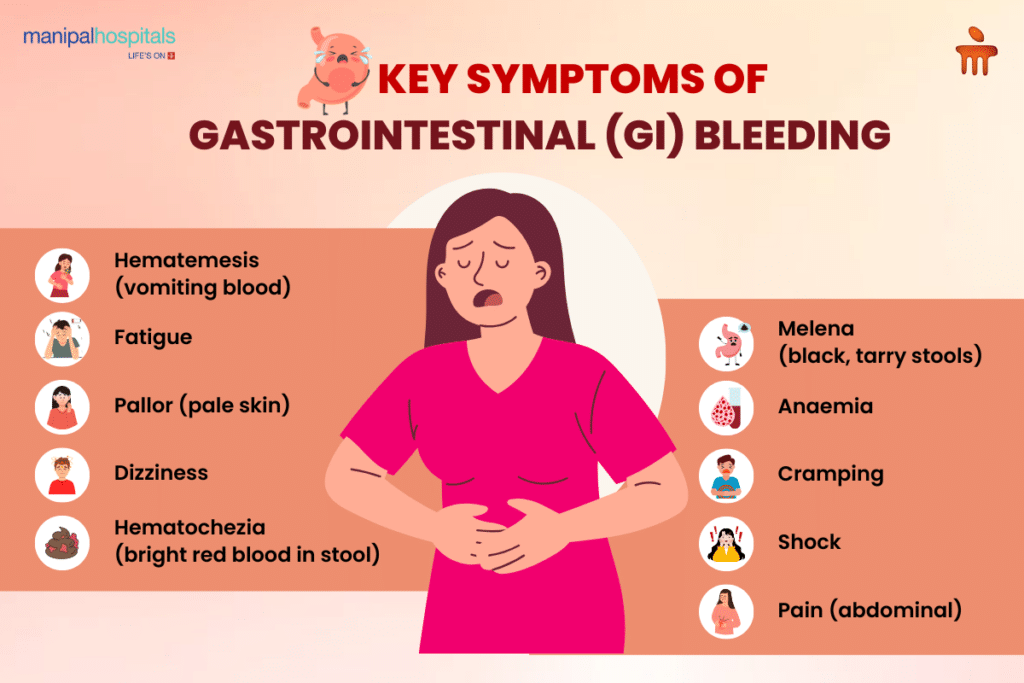
General symptoms of internal bleeding
- Weakness or fatigue
- Dizziness or fainting
- Pale, cool, clammy skin
- Rapid pulse
- Shortness of breath
Specific internal bleeding signs by location
Location | Symptoms |
Brain (bleeding in the brain) | Headache, confusion, loss of consciousness |
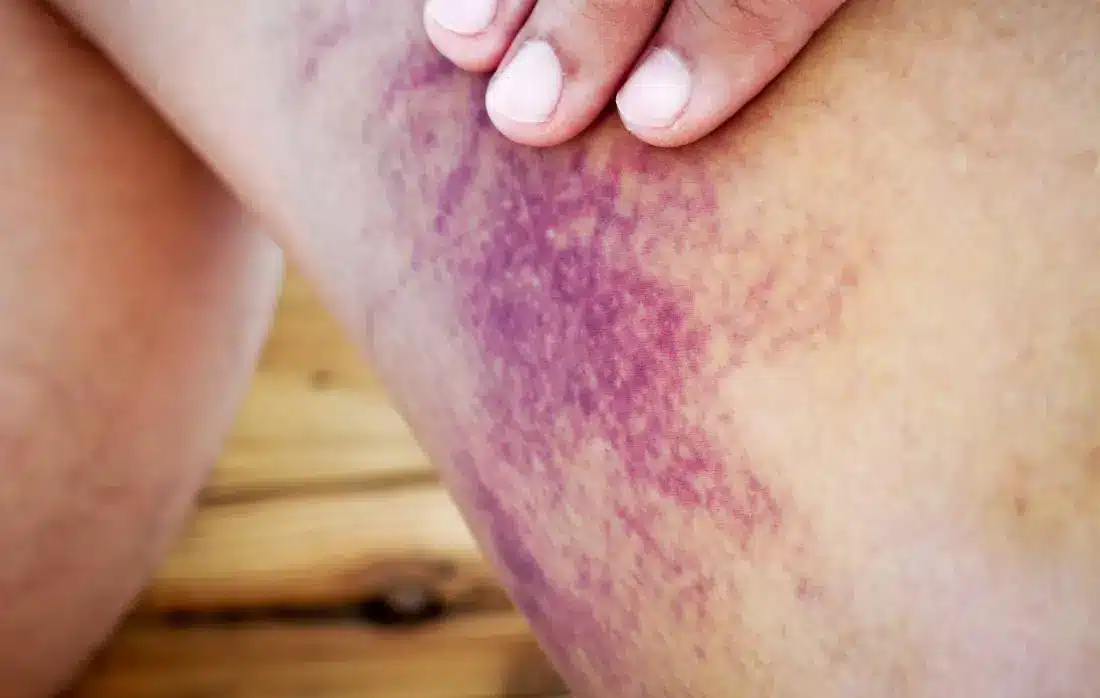
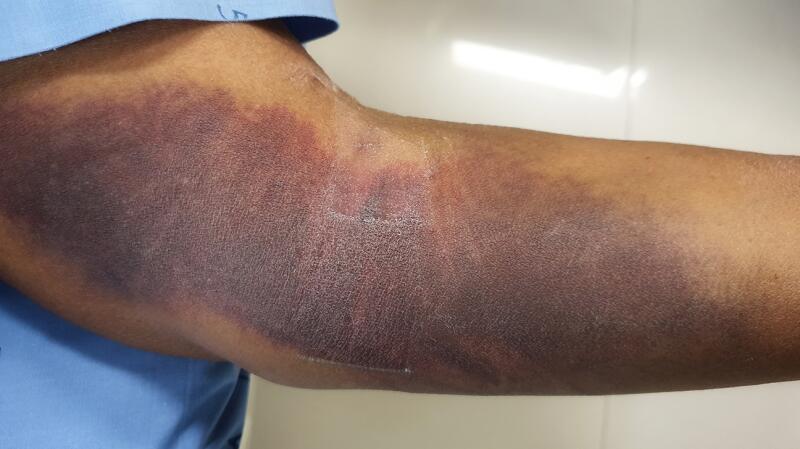
Abdomen | Pain, swelling, bruise or rigidity |
Chest | Chest pain, breathing difficulty |
Gastrointestinal | Vomiting blood, black stools |
Severe internal bleeding symptoms
- Loss of consciousness
- Severe abdominal pain
- Signs of shock
- Severe symptoms such as collapsing or confusion
⚠️ Internal bleeding doesn’t always present clearly—some cases of internal bleeding develop gradually.
How Do You Know If You Are Bleeding Internally?
Internal bleeding is often suspected from a person’s symptoms and the situation, especially after trauma, a fall, a crash, or sudden severe illness.
Early signs
- Mild dizziness
- Minor pain
- Feeling unwell
Late signs (danger)
- Confusion
- Fainting
- Rapid breathing
- Severe blood loss
👉 If internal bleeding is suspected, treat it as a medical emergency and call 000.
Types of Internal Bleeding
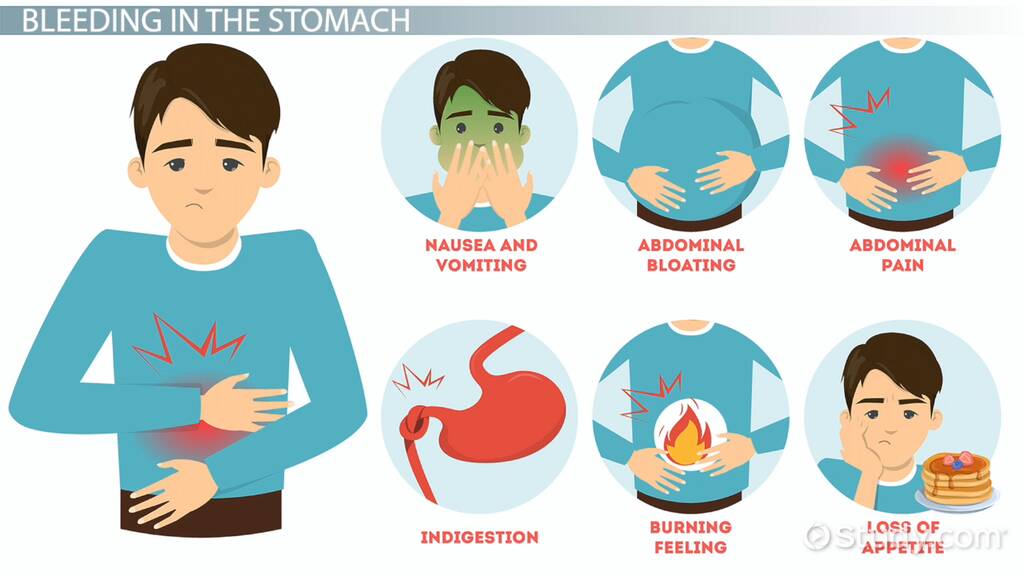
Gastrointestinal internal bleeding
- Common type of visible internal bleeding (e.g. black stools)
- Often linked to ulcer or digestive conditions
Bleeding in the brain (intracranial haemorrhage)
- Caused by head injury or stroke
- Can lead to permanent brain damage
Abdominal internal bleeding
- Often due to trauma or organ damage
- May cause swelling and pain
Chest internal bleeding
- Can affect lungs and heart function
Example
After a major fall, someone may look “okay” at first but later develop increasing abdominal pain, dizziness, and fainting. That combination can signal internal bleeding and needs urgent assessment.
What Happens When You Bleed Internally?
When a blood vessel ruptures:
- Blood leaks into tissues
- Oxygen supply is reduced
- The body compensates by increasing heart rate
If bleeding continues:
- Blood loss leads to hypovolaemic shock
- Organs may fail
- Internal bleeding can lead to death
👉 Internal bleeding can quickly become life-threatening without treatment.
First Aid for Internal Bleeding – What to Do
If internal bleeding is suspected, act quickly, keep the person as still as possible, and get urgent medical help.
Step-by-step first aid response
- Follow DRSABCD
- Call 000 immediately
- Keep the person still
- Lay them flat, unless they are having breathing difficulty
- Monitor breathing and response
What NOT to do
- Do not give food or drink
- Do not move them unnecessarily
- Do not ignore symptoms
Important: Internal bleeding can become life-threatening very quickly. Even when the person seems alert at first, their condition can worsen without warning.
Diagnosis: How Doctors Diagnose Bleeding Internally
Physical examination and medical history
Doctors assess:
- Symptoms
- Medical history
- Signs of shock
Imaging used to diagnose internal bleeding
Imaging Type | Purpose |
CT scan | Detect bleeding in organs or brain |
Ultrasound | Identify abdominal bleeding |
X-ray | Check for fractures or chest injuries |
Doctors may also use blood tests to assess blood loss and organ function.
Treatment for Internal Bleeding
Treatment for internal bleeding depends on the cause, the amount of bleeding, and where it is happening inside the body.
Possible hospital treatments
- Surgery to stop the bleeding
- Blood transfusions
- Medication to stabilise blood pressure
- Stopping the source of the bleeding
- Repairing damaged blood vessels
- Treating underlying conditions, such as an ulcer
👉 Treatment for internal bleeding depends on how severe the bleeding is and the location.
Complications of Severe Internal Bleeding
If untreated, internal bleeding can lead to:
- Shock
- Organ failure
- Long-term disability
- Death
👉 Internal bleeding is critical and requires immediate medical care.
Can Internal Bleeding Heal on Its Own?
Minor internal bleeding
- Small bruises or muscle bleeds may resolve naturally
Severe internal bleeding
- Requires urgent treatment
- Bleeding may continue and worsen
👉 Internal bleeding without treatment can be dangerous—even if symptoms seem mild.
Preventing Internal Bleeding
While not every case can be prevented, practical safety habits can reduce the risk of serious injury and medical complications linked to internal bleeding.
Practical safety tips
- Wear protective gear in sports
- Follow workplace safety procedures
- Manage chronic conditions
- Avoid unnecessary risk-taking
Tip: Preventing internal bleeding is not only about avoiding accidents. Managing health conditions, taking medicines safely, and seeking medical advice when symptoms appear can also make a real difference.
Knowledge Quiz — How Much Do You Know?
Test your understanding of internal bleeding with this quick quiz.
Conclusion: Why Recognising Internal Bleeding Saves Lives
Internal bleeding is a serious and potentially life-threatening condition that often occurs without visible warning. Understanding the symptoms of internal bleeding, recognising risk factors, and responding quickly can make the difference between life and death.
Internal bleeding is often hidden, but its impact can be severe. Acting early, calling emergency services, and providing appropriate first aid are critical steps in saving lives.
Take Action – Learn First Aid Today
Be prepared for emergencies when it matters most.
👉 Enrol in a nationally recognised first aid course with First Aid Pro and gain the skills to identify and treat bleeding and other critical conditions.
References
- Healthdirect Australia – Gastrointestinal bleeding
- Cleveland Clinic: Internal Bleeding Signs, Symptoms & Treatment
- Better Health Channel (Victoria) – Bleeding
- Healthline: Internal Bleeding: Causes, Treatments, and More
Frequently Asked Questions
What are the first internal bleeding signs?
Early signs include dizziness, weakness, pain, and pale skin.
Can you bleed internally without visible symptoms?
Yes. Internal bleeding doesn’t always show obvious signs early.
How long can internal bleeding go unnoticed?
It depends on severity—some cases develop slowly, others rapidly.
What should you do if someone is bleeding internally?
Call 000, keep them still, and monitor breathing.
Is internal bleeding always life-threatening?
Not always, but it should always be treated as serious.