




Sharon has 21+ years of experience as a qualified Emergency Care Nurse registered with the Australian Health Practitioner Regulation Agency (APHRA) and 12+ years as a First Aid Trainer.
She takes pride in FirstAidPro making first aid training available, comprehensive and affordable to everybody.
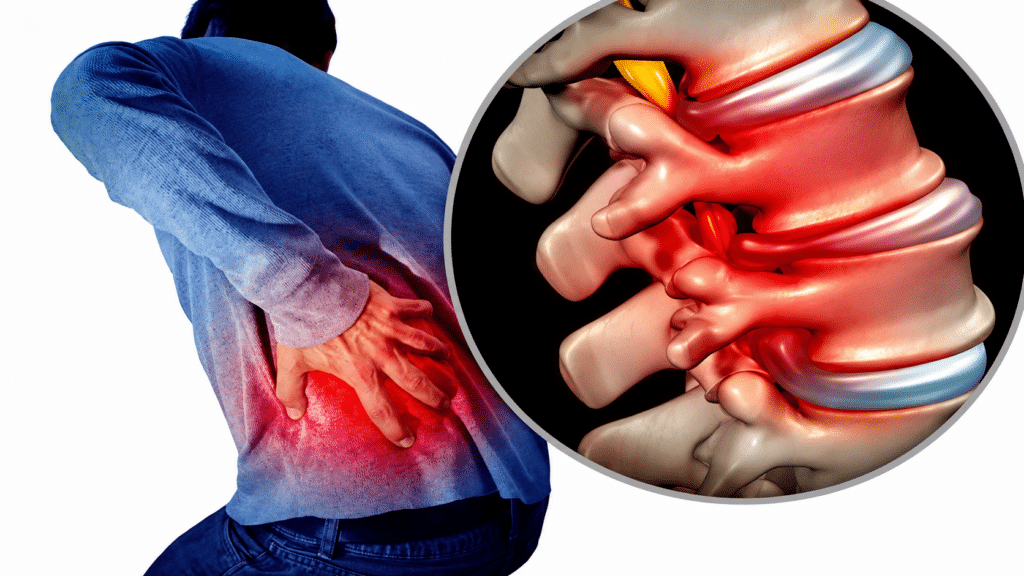
National Pain Week 2026 highlights the importance of preventing chronic pain before it develops. Many cases of persistent pain begin with seemingly minor workplace injuries such as repeated strains, poor manual handling or awkward postures that are left unmanaged over time. Early work health and safety (WHS) practices, prompt intervention and effective manual handling training can help reduce injury risk, protect mental wellbeing and prevent short-term discomfort from becoming long-term chronic pain.
Key Takeaways
- Small, repeated workplace strains can develop into persistent chronic pain if left unmanaged.
- Chronic pain involves changes in the nervous system as well as the original injury, making early intervention especially important.
- Safe manual handling, good ergonomics and prompt reporting of discomfort help reduce the risk of long-term musculoskeletal injuries.
- Chronic pain can significantly affect mental health, sleep, work performance and overall quality of life.
- Nationally accredited manual handling training helps workers and employers build safer habits that protect health well beyond the workplace.
Why National Pain Week Matters
National Pain Week shines a spotlight on a health issue that often remains invisible. Unlike a broken bone or a visible wound, chronic pain cannot always be seen. Many people continue going to work, caring for their families and fulfilling everyday responsibilities while managing ongoing pain that affects almost every aspect of their lives.
Pain Australia estimates that chronic pain affects around one in five Australians, making it one of the country’s most common health conditions. Beyond the physical symptoms, persistent pain is associated with sleep disturbances, fatigue, anxiety, depression, social isolation and reduced participation in work and community life.
For employers, chronic pain also has significant workplace implications. Workers experiencing ongoing pain may require modified duties, additional support or extended periods away from work. Businesses may experience reduced productivity, increased workers’ compensation costs and the loss of experienced staff whose injuries could potentially have been prevented through earlier intervention.
National Pain Week reminds us that preventing pain is every bit as important as treating it.
When a Small Injury Doesn't Stay Small
Many workplace injuries begin with a simple strain — but repeated stress, poor recovery and unchanged work practices can allow discomfort to become daily pain.
Warehouse Work
A warehouse worker lifts a heavy box with poor technique.
Healthcare Support
A healthcare worker repeatedly assists clients without appropriate manual handling strategies.
Office Work
An office employee spends months working at an incorrectly adjusted workstation.
Trade Work
A tradie performs the same overhead task hundreds of times each week.
Many people push through discomfort, assuming the pain will disappear once work slows down or after a weekend of rest. Sometimes it does. Sometimes it doesn't.
Repeated Stress Builds Up
Repeated stress on muscles, tendons, ligaments and joints can gradually overwhelm the body's ability to recover.
Movement Patterns Change
Without appropriate treatment or changes to work practices, inflammation may persist and the body may begin compensating in ways that place extra stress on surrounding tissues.
Occasional Soreness Becomes Daily Pain
Before long, what began as occasional soreness can become daily pain.
The Progression Is Gradual
This progression rarely happens overnight. It develops through weeks or months of repeated loading, inadequate recovery and continued exposure to the same workplace hazards.
Small injuries deserve early attention — because prevention is far easier than managing chronic pain later.

Chronic Pain Is More Than an Injury That Lasts Longer
Persistent pain is not always a sign that tissue damage is still occurring. Modern pain science shows the nervous system can play a major role.
Many people believe chronic pain simply means an injury has failed to heal. In reality, the story is often more complex.
Tissues May Heal
Muscles, tendons and ligaments often heal within weeks or months, depending on the severity of the injury.
Pain May Continue
Some people continue experiencing pain long after normal tissue healing has occurred.
The Nervous System Matters
The answer often lies within how the nervous system processes and responds to pain signals.
How Pain Is Produced
Pain is not produced solely by damaged tissue. It is created by the brain after receiving information from nerves throughout the body.
This sophisticated system is designed to protect us from harm by encouraging us to avoid situations that may cause injury. Most of the time, it works remarkably well.
However, following repeated injury or ongoing stress, the nervous system itself can become increasingly sensitive.
Chronic pain is real — but it may involve a protective nervous system that has become overactive, not simply an injury that has failed to heal.
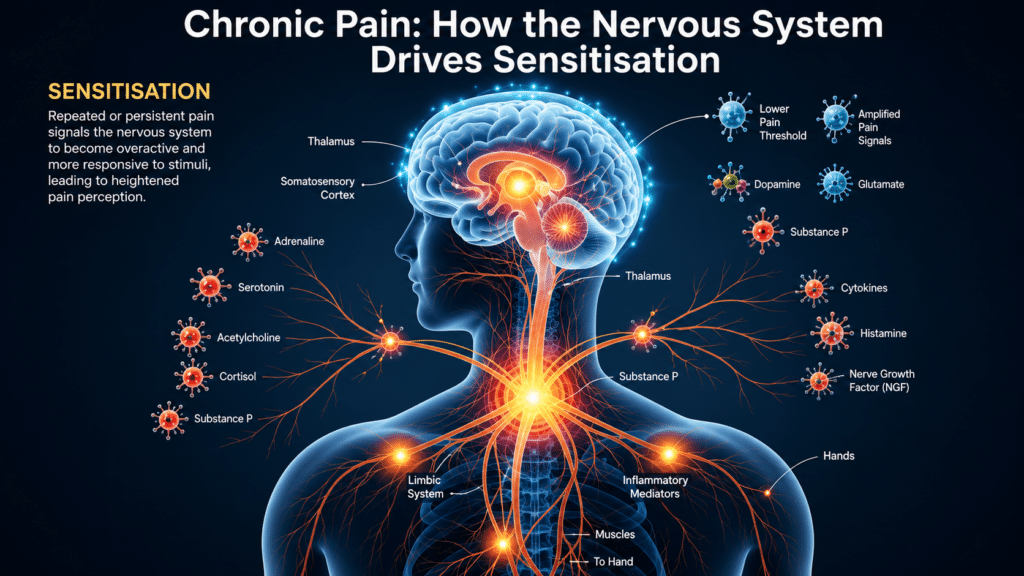
Understanding Nervous System Sensitisation
Imagine a home smoke alarm. Initially, it activates only when there is genuine smoke. Over time, however, suppose the alarm became so sensitive that it sounded every time someone made toast or boiled a kettle.
The alarm is still trying to protect the home. It’s simply become overprotective.
Persistent pain can develop in a similar way.
Repeated injuries, ongoing inflammation, emotional stress and repeated exposure to painful movements may increase the sensitivity of the nervous system. This process, often referred to as nervous system sensitisation, means that pain signals become amplified even when the original injury has largely recovered.
Movements that were once comfortable may begin feeling painful. Light pressure may feel surprisingly tender. Activities that previously caused only mild discomfort may trigger significant pain.
This does not mean the pain is imagined. Nor does it mean the person is exaggerating.
The pain is very real. It simply reflects changes in how the nervous system processes information rather than continuing damage occurring within the injured tissues themselves.
Understanding this distinction is important because it shifts the focus from simply treating an injury to preventing the cycle from developing in the first place.
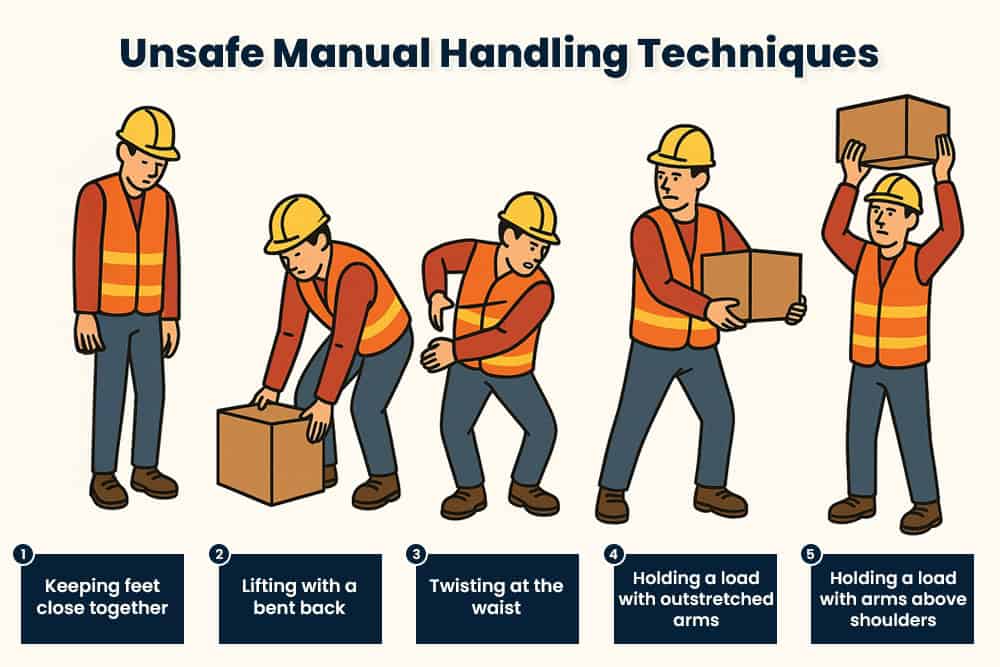
Why Early Intervention Makes Such a Difference
One of the strongest messages emerging from modern workplace health research is that early intervention matters.
Ignoring pain rarely makes it disappear. In fact, continuing to perform the same hazardous task without addressing its underlying cause may increase the likelihood that pain becomes persistent.
Early intervention doesn’t necessarily require complex medical treatment. Often it begins with recognising that pain is a warning sign rather than an inconvenience to be worked through.
That might involve:
- reporting symptoms early
- modifying work tasks
- reviewing manual handling techniques
- improving workstation ergonomics
- seeking appropriate medical advice
- allowing adequate recovery before symptoms become established.
The earlier these adjustments occur, the greater the opportunity to prevent temporary pain from becoming an ongoing condition.
Unfortunately, workplace culture sometimes discourages this approach. Many workers worry about appearing weak. Others don’t want to inconvenience colleagues or supervisors. Some assume soreness is simply “part of the job.”
These attitudes can unintentionally delay treatment until the problem becomes much more difficult to manage.
Healthy workplaces encourage the opposite response. Workers should feel confident reporting discomfort early, knowing that preventing injuries benefits everyone.
The Hidden Link Between Chronic Pain and Mental Health
Pain affects far more than muscles and joints. Persistent pain can influence sleep, confidence, concentration, independence and emotional wellbeing.
Anyone who has experienced persistent pain understands how exhausting it can become. Over time, everyday challenges can begin affecting emotional wellbeing.
Interrupted Sleep
Ongoing pain can make it harder to fall asleep, stay asleep and wake feeling rested.
Reduced Mobility
Movement may become limited, making work, exercise and daily activities more difficult.
Difficulty Concentrating
Persistent discomfort can drain attention and make it harder to focus throughout the day.
Loss of Independence
People may need help with tasks they previously managed comfortably on their own.
Frustration
Everyday activities can feel harder than they used to, creating stress and discouragement.
Emotional Strain
Research consistently shows strong links between chronic pain, anxiety and depression.
The Relationship Works Both Ways
Living with ongoing pain can increase stress, reduce confidence and make it harder to participate in work, exercise and social activities that support good mental health.
Chronic Pain Is Not “All in Someone's Head”
This connection does not suggest that chronic pain is imagined. Rather, it reflects the close relationship between the brain, nervous system and body.
Physical health and mental health continually influence one another. This understanding has transformed the way persistent pain is managed.
Modern healthcare increasingly recognises that recovery often means supporting the whole person — not just treating the original injury.

Workplaces Play a Bigger Role Than Many People Realise
When people think about preventing chronic pain, they often picture physiotherapists, pain specialists or rehabilitation clinics. While these professionals play an essential role, prevention frequently starts much earlier.
It starts in the workplace.
- Every safe lift.
- Every ergonomic workstation adjustment.
- Every risk assessment.
- Every conversation encouraging a worker to report discomfort early.
- Every supervisor who supports safe work practices rather than rushing a task.
Collectively, these seemingly small actions reduce repeated strain on the body before injuries have the opportunity to become persistent.
This is precisely why good work health and safety practices should never be viewed simply as regulatory obligations. They are practical strategies for protecting people from injuries that can affect every aspect of their lives long after the workday has ended.
One of the most effective ways to build this culture is through high-quality manual handling training. Workers who understand how to identify hazards, assess risks and apply safe lifting, carrying, pushing and pulling techniques are better equipped to protect both themselves and the people around them.
Nationally accredited manual handling training doesn’t eliminate every workplace risk, but it provides practical skills that help reduce unnecessary strain before small problems become much bigger ones.
After all, the best treatment for chronic pain is preventing the injury that started the journey in the first place.
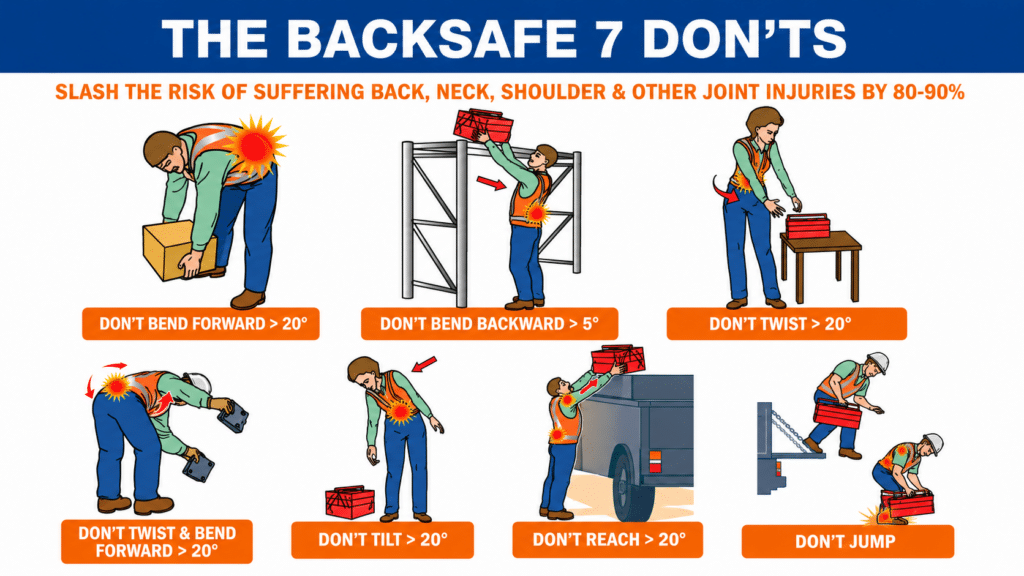
Manual Handling Is More Than Lifting Correctly
When people hear the term manual handling, they often picture someone lifting a heavy box. In reality, manual handling is much broader than that.
It includes virtually any workplace activity that requires a person to lift, lower, push, pull, carry, hold, restrain or move an object, person or animal. It also encompasses repetitive movements, awkward postures, sustained force and prolonged static positions—all of which can place considerable strain on the body over time.
This is why manual handling injuries occur across almost every industry, not just construction and warehousing.
- Healthcare workers assist patients with mobility.
- Childcare educators regularly lift children and equipment.
- Retail employees unpack deliveries and replenish shelves.
- Office workers spend hours at poorly configured workstations.
- Tradespeople work overhead, kneel for extended periods and repeatedly handle heavy tools and materials.
Although these tasks look very different, they all expose the body to cumulative physical demands that can contribute to musculoskeletal injury if appropriate controls are not in place.
Importantly, many manual handling injuries don’t result from a single event. They develop gradually through hundreds—or even thousands—of small movements repeated over days, weeks and years.
That’s why prevention requires more than simply telling workers to “lift with your legs.”
Looking Beyond the Individual
Workplace injuries are not only about how one worker lifts or moves. Good WHS looks at the task, the environment, the equipment and the systems around the person.
For many years, workplace injuries were often viewed as the responsibility of the individual worker. If someone hurt their back, the assumption was that they had lifted incorrectly.
Today’s WHS View
Every workplace has a duty to identify hazards, assess risks and implement practical control measures that reduce the likelihood of injury occurring in the first place.
Is the task designed appropriately?
Can heavy loads be reduced or broken into smaller components?
Are mechanical lifting aids available?
Is enough space provided to work safely?
Are workstations adjusted correctly?
Are repetitive tasks rotated between workers?
Have employees received appropriate training?
Manual Handling Becomes a Shared Responsibility
When employers and employees work together, the result is not only fewer injuries but healthier, more confident and more productive workplaces.
Small Changes Often Deliver the Biggest Results
Preventing chronic pain doesn’t always require expensive equipment or major workplace redesign.
Often, relatively simple improvements can significantly reduce physical strain.
Examples include:
- storing frequently used items between knee and shoulder height
- using trolleys or lifting equipment whenever practical
- reducing unnecessary twisting while lifting
- adjusting desk, chair and monitor heights
- scheduling regular movement breaks during repetitive tasks
- rotating physically demanding duties
- encouraging early reporting of discomfort rather than waiting for symptoms to worsen.
These practical adjustments may appear modest, but over months and years they reduce the cumulative loading placed on muscles, joints and connective tissues.
Think of them as small investments that help protect long-term health.
Building a Workplace Culture That Supports Early Reporting
One of the greatest barriers to preventing chronic pain is silence. A safer workplace encourages people to speak up before small problems become complex injuries.
Many workers continue working despite increasing discomfort because they don't want to let the team down, fear being perceived as incapable or assume pain is simply part of the job.
Team Pressure
Workers may push through pain because they don't want to let colleagues down.
Fear of Judgement
Some worry they will be seen as incapable if they report discomfort early.
Normalising Pain
Others assume discomfort is simply part of the job and wait too long to speak up.
Safety Culture Changes the Conversation
A workplace that values safety encourages people to speak up early.
Supervisors should feel comfortable asking workers how they're coping physically, particularly after introducing new equipment, changing workflows or increasing workloads.
Likewise, employees should know that reporting discomfort isn't complaining — it's contributing to a safer workplace.
What Supervisors Can Do
Check in with workers, take concerns seriously and respond early when tasks, equipment or workloads change.
What Workers Should Know
Reporting discomfort early helps prevent injuries from becoming more serious and supports a safer workplace for everyone.
Why Early Reporting Matters
When workers know their concerns will be taken seriously rather than dismissed, they're far more likely to seek help while an injury is still manageable.
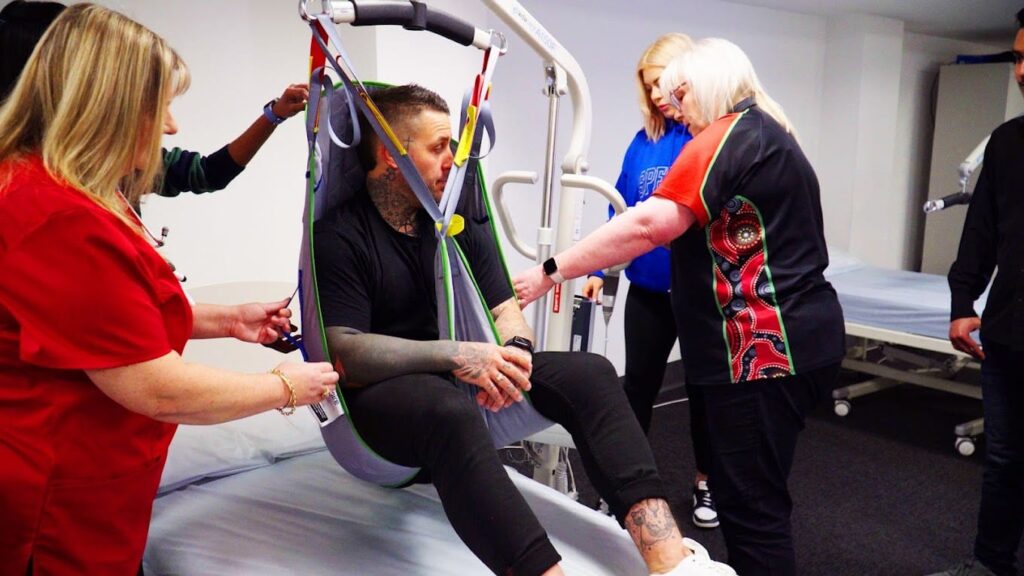
Why Education Is One of the Most Effective Preventive Tools
Knowledge changes behaviour. Many workplace injuries occur not because people intentionally ignore safety procedures, but because they haven’t been shown safer alternatives.
High-quality WHS education gives workers the confidence to recognise hazards, understand why injuries occur and make informed decisions during everyday tasks.
Effective manual handling training goes well beyond demonstrating lifting techniques.
Participants learn how to:
- identify manual handling hazards before beginning a task
- assess risk factors such as load, posture, force and repetition
- apply practical strategies to reduce physical strain
- use mechanical aids safely and appropriately
- communicate risks with supervisors and colleagues
- contribute to safer workplace practices.
These skills are valuable across almost every occupation because manual handling is part of everyday work, regardless of industry.
Perhaps most importantly, training helps workers recognise that prevention begins long before an injury occurs.
Investing in Prevention Benefits Everyone
Preventing workplace injuries is often discussed in terms of compliance, but good WHS protects far more than a workplace checklist.
Meeting WHS obligations is essential, but the benefits of preventing injury extend well beyond satisfying legal requirements.
For Workers
Preventing injury means maintaining mobility, independence, income and quality of life.
For Employers
Fewer injuries contribute to lower absenteeism, improved morale, greater productivity and reduced workers' compensation costs.
For Families
Preventing chronic pain means parents can continue playing with their children, enjoy recreational activities and participate fully in everyday life.
For Communities
Healthier workplaces reduce pressure on healthcare services and support a stronger workforce.
An Important Truth
Good workplace safety isn't simply about avoiding harm. It's about helping people remain healthy enough to enjoy life both inside and outside work.
Prevention protects workers, supports businesses, strengthens families and benefits the wider community.

National Pain Week Is a Reminder to Act Early
National Pain Week encourages Australians to think differently about persistent pain. Rather than accepting chronic pain as an unavoidable consequence of physically demanding work, it reminds us that many injuries can be prevented through education, early intervention and supportive workplace practices.
No one plans to develop chronic pain.
It often begins with a task performed countless times before.
- A lift.
- A twist.
- An awkward reach.
- A repetitive movement.
- A workstation that’s “good enough.”
These seemingly ordinary moments accumulate over time. Addressing them early is far easier than attempting to reverse months—or years—of persistent pain.
Whether you’re an employer reviewing workplace safety, a supervisor supporting your team or a worker wanting to protect your own long-term health, every positive change matters.

Build Safer Habits Before Pain Becomes the Problem
Manual handling isn’t about eliminating every physical task from the workplace. It’s about performing necessary tasks more safely, recognising hazards earlier and reducing unnecessary strain wherever possible.
The skills learned through nationally accredited manual handling training provide practical techniques that workers can apply immediately across a wide range of workplaces. More importantly, they encourage a proactive mindset—one that recognises that preventing injury is always preferable to recovering from one.
At First Aid Pro, our nationally recognised manual handling training equips participants with practical knowledge to identify risks, apply safe handling techniques and contribute to safer workplaces. Whether you’re beginning a new role, refreshing existing skills or helping build a stronger workplace safety culture, quality training is an investment in your long-term health and wellbeing.
During National Pain Week, it’s worth asking a simple question:
Could one small change made today help prevent years of unnecessary pain tomorrow?
For many workplaces, the answer is yes. And that change often starts with education.
Related Reading
Pain Australia – National Pain Week & Chronic Pain Resources
https://www.painaustralia.org.au/- Safe Work Australia – Hazardous Manual Tasks
- Comcare – Body Stressing Prevention – Team Talk information sheet
- Healthdirect – Chronic Pain
- Comcare – The impact of psychosocial hazards on musculoskeletal disorders
FAQs
What is considered chronic pain?
Chronic pain is generally defined as pain that continues for longer than three months or persists beyond the expected healing time of an injury. It may be constant or intermittent and can affect physical, emotional and social wellbeing.
Can poor manual handling really lead to chronic pain?
Yes. Repeated lifting, awkward postures, forceful movements and repetitive tasks can place ongoing stress on muscles, tendons and joints. Without early intervention, these injuries may contribute to persistent pain and increased nervous system sensitivity.
How does chronic pain affect mental health?
Living with ongoing pain can interfere with sleep, work, exercise and social activities. Over time, this may increase the risk of anxiety, depression, stress and reduced quality of life. Equally, poor mental health can make pain feel more intense, highlighting the close relationship between physical and psychological wellbeing.
Who should complete manual handling training?
Manual handling training is beneficial for workers in healthcare, aged care, disability support, construction, warehousing, retail, childcare, hospitality, manufacturing, logistics, office environments and many other industries where lifting, carrying, pushing, pulling or repetitive movements are part of everyday work.
Why is early intervention so important after a workplace strain injury?
Early reporting and management allow workplace hazards to be addressed before minor injuries become more serious. Prompt action can reduce recovery time, support better long-term outcomes and lower the risk of developing persistent chronic pain.