




Sharon has 21+ years of experience as a qualified Emergency Care Nurse registered with the Australian Health Practitioner Regulation Agency (APHRA) and 12+ years as a First Aid Trainer.
She takes pride in FirstAidPro making first aid training available, comprehensive and affordable to everybody.
Every year on 15 July, World Youth Skills Day highlights the importance of equipping young people with the knowledge, capabilities, and confidence needed to succeed in a rapidly changing world. Established by the United Nations in 2014, the day recognises the critical role that skills development plays in employment, entrepreneurship, community participation, and lifelong learning.
As technology continues to reshape workplaces and industries, World Youth Skills Day 2026 offers an opportunity to reflect on the practical skills that help young Australians adapt, contribute, and thrive both professionally and personally.
The world of work is changing at a pace few could have imagined even a decade ago. Artificial intelligence, automation, digital technologies, and evolving workforce expectations are transforming industries across Australia and around the globe. While these developments create exciting opportunities, they also raise important questions about how young people can prepare for careers that may look very different from those of previous generations.
This year’s World Youth Skills Day theme, “Skills for a Shared Future”, recognises that future success will depend not only on technical knowledge but also on the ability to communicate effectively, solve problems, work collaboratively, demonstrate resilience, and respond confidently to real-world challenges.
For young people entering the workforce, these skills are becoming just as valuable as academic achievement.
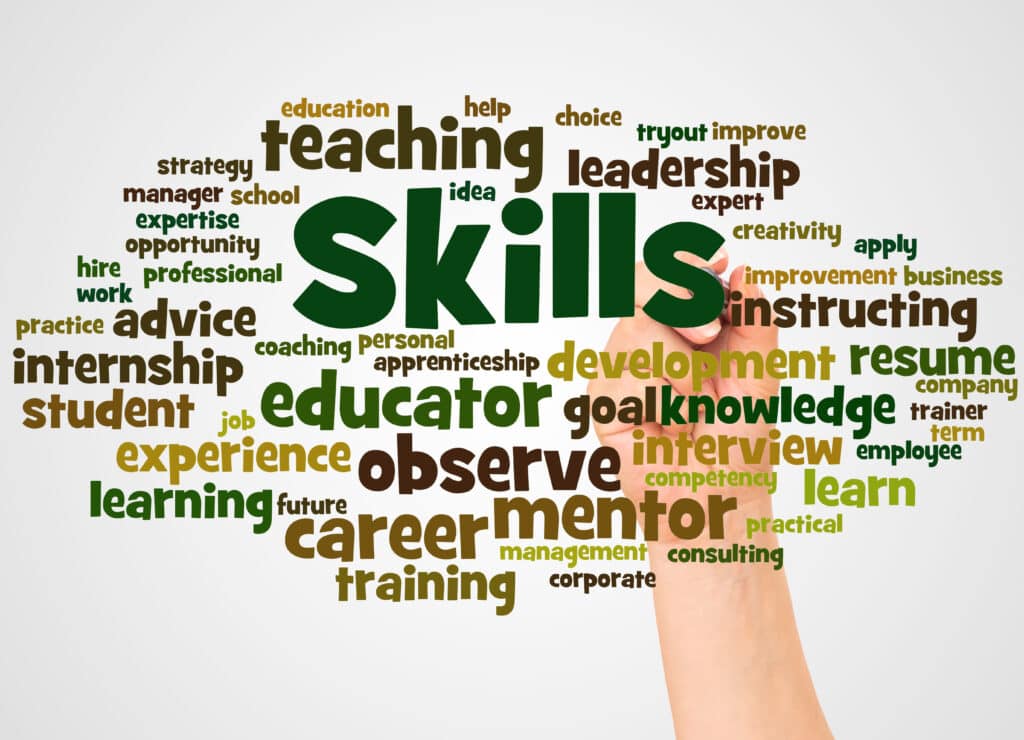
Key Takeaways
- World Youth Skills Day highlights the importance of preparing young people for employment, lifelong learning, and community participation.
- Practical skills remain highly valuable despite rapid advances in technology and artificial intelligence.
- Transferable skills such as communication, leadership, adaptability, and problem-solving support career success across many industries.
- Vocational education and nationally recognised training help build workplace readiness and professional confidence.
- Developing future-ready skills benefits individuals, employers, communities, and the broader economy.

Understanding World Youth Skills Day
World Youth Skills Day 2026 was established by the United Nations General Assembly to raise awareness of the importance of youth skills development and vocational education. The initiative brings together governments, educators, employers, training organisations, industry leaders, and young people themselves to discuss how skills can support employment opportunities, economic participation, and sustainable development.
The day also shines a spotlight on ongoing challenges facing young people worldwide. Millions remain disconnected from education, employment, or formal training pathways. At the same time, employers across many industries continue to report shortages of workers with practical, job-ready skills.
These challenges are not unique to developing nations. Australia is experiencing its own workforce transitions as industries respond to technological change, demographic shifts, evolving health needs, and new workplace expectations.
Against this backdrop, World Youth Skills Day serves as an important reminder that learning does not end at school. Developing practical capabilities throughout life remains one of the most effective ways to build confidence, create opportunities, and support long-term career success.

Why Practical Skills Are Becoming More Valuable
Much of the discussion around future employment focuses on technology. Artificial intelligence is transforming how businesses operate. Automation is streamlining processes. Digital platforms are changing how people communicate, learn, and work. Many jobs will evolve significantly over the next decade, while entirely new roles continue to emerge.
However, one of the most interesting trends is the growing recognition that practical human skills remain essential.
Technology can process information at remarkable speed, but it cannot replace empathy, judgement, leadership, communication, adaptability, or the ability to respond effectively during an unexpected situation.
These are the skills that help people navigate uncertainty, support others, and contribute positively to workplaces and communities.
Employers increasingly seek individuals who can:
- Communicate clearly
- Work effectively with others
- Think critically
- Solve problems
- Adapt to change
- Demonstrate initiative
- Remain calm under pressure
- Show responsibility and accountability
These qualities are often developed through practical experiences, workplace training, volunteering, community involvement, and vocational education.

Skills Beyond the Classroom
Formal education provides an essential foundation, but many of life’s most valuable lessons are learned through practical application.
Young people gain confidence when they are trusted with responsibility. They develop resilience when faced with challenges. They learn leadership by supporting others and making decisions in real-world situations.
This is one reason vocational education and nationally recognised training continue to play such an important role in Australia’s skills ecosystem.
Vocational learning focuses on practical outcomes. It helps participants develop capabilities that can be applied immediately in workplaces, community settings, and everyday life.
For many young Australians, vocational training provides a direct pathway into industries experiencing strong demand, including healthcare, community services, construction, disability support, hospitality, education, and workplace safety.
Importantly, vocational education does more than prepare people for a specific job. It helps build confidence, independence, problem-solving ability, and professional responsibility.
These are qualities that remain valuable regardless of how industries evolve.

The Growing Importance of Transferable Skills
The concept of transferable skills has become increasingly important in workforce planning discussions.
Transferable skills are abilities that can be applied across multiple industries and occupations. Unlike highly specialised technical knowledge that may become outdated, transferable skills remain relevant throughout a person’s career.
Examples include:
- Communication
- Teamwork
- Leadership
- Critical thinking
- Conflict resolution
- Time management
- Risk awareness
- Adaptability
- Emotional intelligence
A young person may begin their career in one industry and eventually transition into several others over their working life. Transferable skills help make these transitions easier and more successful.
This is particularly relevant in an era where technological disruption is changing the nature of work faster than ever before.
While industries may evolve, the ability to communicate effectively, support colleagues, manage challenges, and respond confidently to unexpected situations remains highly valued.
Why Practical Safety Skills Matter
Safety and emergency response skills are transferable capabilities that support confidence, responsibility and better decision-making in work and everyday life.
Recognise Risks Early
Practical safety training helps people notice hazards, assess situations and take sensible steps before small issues become serious incidents.
Follow Safe Procedures
Knowing what to do, and when to do it, supports safer workplaces and helps individuals act with greater confidence and professionalism.
Respond Under Pressure
Emergency response skills help people stay calm, communicate clearly and make informed decisions when situations are urgent or unexpected.
Support Others
These skills build the confidence to protect wellbeing, assist colleagues, and contribute to safer teams, workplaces and communities.
Valuable Across Many Industries
Beyond the Workplace
Practical safety skills can also prove valuable at home, in sporting clubs, during community activities, while travelling, or when supporting family and friends.
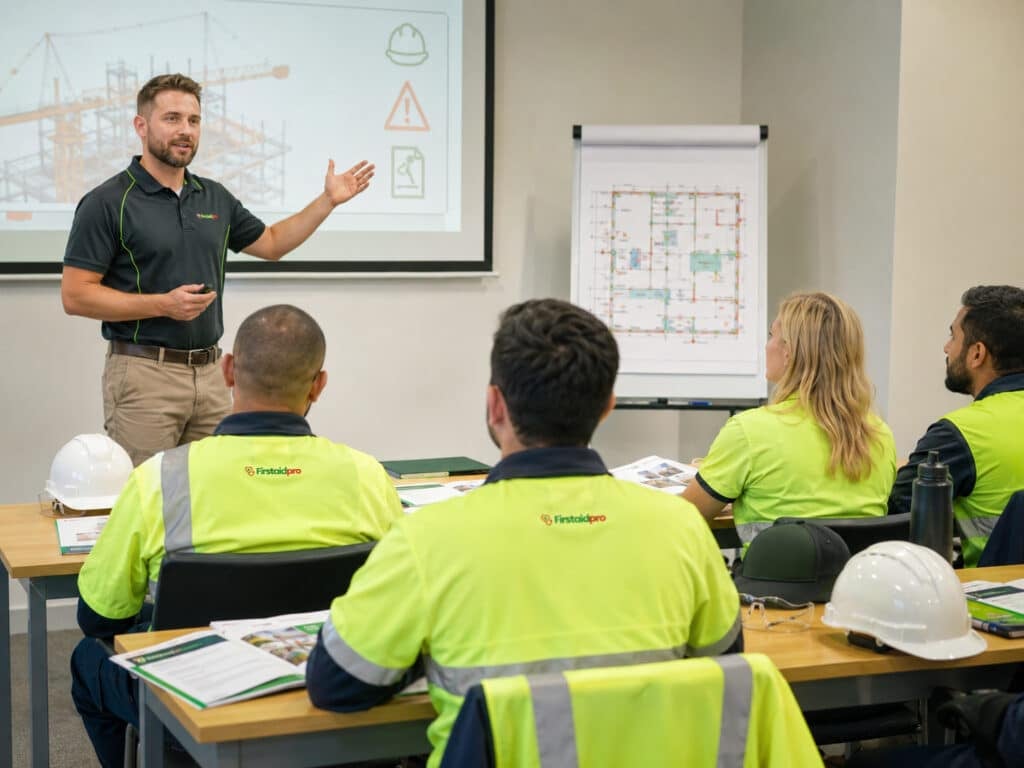
For young people considering a career in construction, one of the most valuable first steps is gaining the practical skills and safety awareness expected on Australian worksites.
A nationally accredited White Card course provides an introduction to workplace health and safety requirements, hazard identification, risk management, and safe work practices. It is also a mandatory requirement for most construction roles across Australia.
Completing a White Card course and, or First Aid training with First Aid Pro can help build confidence, demonstrate a commitment to workplace safety, and provide an important foundation for entering one of the country’s largest and most diverse industries.

Building Confidence Through Real-World Learning
Practical skills development helps young people move from knowing about work to feeling prepared for it.
Participate
Real-world learning gives young people the chance to actively practise skills rather than only study them in theory.
Practise
Repeated practical experience helps build familiarity, reduce uncertainty and strengthen decision-making.
Take Responsibility
As confidence grows, young people are more likely to take initiative, support others and contribute positively.
Become Work Ready
Practical capability helps bridge the gap between education and employment, preparing people for real workplace expectations.
What Employers Often Value
From Learning to Readiness
As industries continue to evolve, practical vocational training remains one of the most effective ways to help young people develop job-ready skills, build confidence and prepare for meaningful employment.
For young people interested in a career in aged care, disability support, community services or individual support, developing practical workplace skills can provide a valuable head start. Nationally accredited training such as NDIS High Intensity Support Skills courses and Manual Handling training can help build the knowledge, confidence and professional capability needed to work safely and effectively while supporting others.
These skills are highly valued across the care sector and can provide a strong foundation for those looking to enter one of Australia’s fastest-growing and most rewarding industries. First Aid Pro offers nationally recognised training designed to help participants develop practical, job-ready skills that can make a meaningful difference in both workplaces and people’s lives.

Supporting Australia's Growing Industries
Many of Australia’s fastest-growing sectors rely heavily on practical skills.
The healthcare sector continues to expand as Australia’s population ages and demand for services increases. Disability support services are experiencing significant growth as the National Disability Insurance Scheme continues to evolve.
Construction and infrastructure projects require workers who understand safety requirements and workplace responsibilities.
Community services organisations need skilled individuals capable of supporting vulnerable people with professionalism and care.
These industries require more than technical knowledge alone. They depend on workers who can communicate effectively, act responsibly, manage risks, and contribute positively to team environments.
Skills development plays a vital role in ensuring the workforce is prepared to meet these demands. For young people exploring career pathways, vocational training can provide a practical introduction to industries that offer meaningful work, long-term opportunities, and strong community impact.
Learning for a Lifetime
World Youth Skills Day reminds us that skills development is not just about getting a first job. It is about staying capable, adaptable and ready for change.
Adapt to Change
Continuous learning helps people keep pace with new technologies, changing workplace practices and evolving industry expectations.
Build New Capability
Developing additional competencies can strengthen confidence, improve employability and support long-term career growth.
Stay Competitive
People who actively seek new knowledge are often better positioned to navigate change and pursue new opportunities.
Ongoing Skills Development Supports Every Career Stage
A Powerful Investment
Whether someone is starting out, changing direction or building on existing experience, ongoing skills development remains one of the most practical investments they can make in their future.
Skills for a Shared Future
The 2026 theme, “Skills for a Shared Future”, highlights an important reality – the future will not be shaped by technology alone – It will be shaped by people.
Communities need individuals who can collaborate, communicate, solve problems, support one another, and respond effectively to challenges. Workplaces need employees who combine technical capability with professionalism, adaptability, and sound judgement. Societies need citizens who contribute positively and help create safer, stronger, and more inclusive communities.
Practical skills development supports all of these outcomes.
Whether learning digital competencies, workplace safety practices, community support skills, leadership abilities, or vocational qualifications, each new capability strengthens a person’s ability to contribute meaningfully to the world around them.
Creating Opportunities Through Skills Development
For many young Australians, skills development represents opportunity.
- Opportunity to gain employment.
- Opportunity to build confidence.
- Opportunity to contribute to their community.
- Opportunity to pursue meaningful careers.
- Opportunity to adapt to a changing world.
Nationally recognised training pathways continue to play an important role in helping people develop these opportunities. From workplace safety and construction-related qualifications to community services, disability support, manual handling, and emergency response training, practical education helps transform knowledge into capability.
As World Youth Skills Day 2026 reminds us, the most valuable investment we can make in the future is often an investment in people.
By supporting young people to develop practical, transferable, and future-focused skills, we help create stronger workplaces, more resilient communities, and a more capable workforce prepared for whatever challenges and opportunities lie ahead.

Celebrating World Youth Skills Day 2026
World Youth Skills Day 2026 arrives at a time when conversations about the future of work are more important than ever. While artificial intelligence, automation, and digital innovation continue to reshape industries, the importance of practical human skills remains unchanged.
Communication, adaptability, leadership, problem-solving, safety awareness, and professional responsibility continue to underpin success across virtually every sector of the economy.
For young Australians, developing these capabilities can open doors to employment, strengthen confidence, and create pathways to lifelong learning and meaningful careers.
Whether gained through tertiary education, vocational training, workplace experience, or community involvement, practical skills remain one of the most powerful tools for building a brighter future.
As we celebrate World Youth Skills Day, it is worth recognising that every new skill learned today has the potential to create opportunities tomorrow—for individuals, workplaces, and society as a whole.
Related Reading
- Jobs and Skills Australia
Access insights into Australia’s labour market, emerging industries, workforce trends, and the skills expected to be in demand across the economy.
https://www.jobsandskills.gov.au/ Australian Government – Your Career
A comprehensive careers resource providing information on occupations, training pathways, apprenticeships, vocational education, and future employment opportunities.
https://www.yourcareer.gov.au/National Careers Institute
Discover career planning tools, skills development resources, and practical guidance for lifelong learning and workforce participation in Australia.
https://www.dewr.gov.au/nci
FAQs
What is World Youth Skills Day?
World Youth Skills Day is observed annually on 15 July and was established by the United Nations to promote the importance of skills development for employment, entrepreneurship, and lifelong learning.
Why is World Youth Skills Day important?
The day raises awareness of the need to equip young people with practical and future-focused skills that support employment opportunities, economic participation, and personal development.
What are transferable skills?
Transferable skills are abilities that can be applied across different jobs and industries. Examples include communication, safe awareness, teamwork, leadership, critical thinking, adaptability, and problem-solving.
How does vocational training support career development?
Vocational training provides practical, industry-relevant skills that help individuals prepare for employment, build confidence, and gain recognised qualifications valued by employers.
What types of skills will be important in the future?
Future workplaces are expected to place increasing value on a combination of digital literacy, communication, adaptability, critical thinking, emotional intelligence, leadership, and practical workplace skills.