



Sharon has 21+ years of experience as a qualified Emergency Care Nurse registered with the Australian Health Practitioner Regulation Agency (APHRA) and 12+ years as a First Aid Trainer.
She takes pride in FirstAidPro making first aid training available, comprehensive and affordable to everybody.
Every year on 16 July, World Snake Day shines a spotlight on one of the most misunderstood animals on the planet. While Australia is home to around 172 snake species in total: roughly 140 land snakes and 32 sea snakes, most snake encounters do not result in injury.
However, when a snakebite does occur, knowing the correct first aid response can make a significant difference. Understanding the pressure immobilisation technique, recognising common mistakes, and knowing when to call Triple Zero (000) are practical skills every Australian should have.
Key Takeaways
- World Snake Day is observed on 16 July and promotes awareness of snakes and their ecological importance.
- Snakes play a valuable role in Australian ecosystems by controlling pests and supporting biodiversity.
- The pressure immobilisation technique is the recommended first aid treatment for most Australian snakebites.
- Never cut, suck, ice, wash, or apply a tourniquet to a snakebite.
- Any suspected snake bite should be treated as a medical emergency and reported to Triple Zero (000).
What Is World Snake Day?
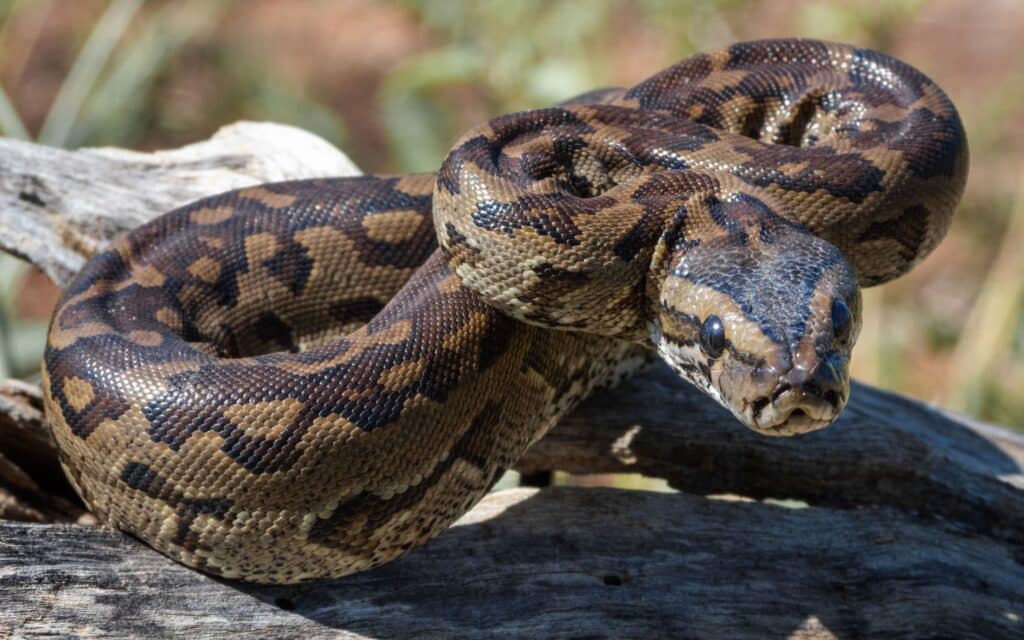
World Snake Day is observed annually on 16 July and aims to raise awareness about snakes, their importance in ecosystems, and the challenges many species face due to habitat loss, human activity, and misunderstanding.
Unlike some international observances, World Snake Day is not officially recognised by the United Nations or the World Health Organization. Nevertheless, it has become an important awareness day for wildlife organisations, conservation groups, educators, and animal advocates around the world.
For Australians, World Snake Day provides an excellent opportunity to learn more about our native snake species while also refreshing our knowledge of snakebite first aid.
Although snakes often attract fear and sensational headlines, they play a valuable role in the natural environment. Understanding their ecological importance helps create a more balanced perspective while reinforcing the need to stay prepared for the rare occasions when human-snake encounters lead to injury.
Why Snakes Matter in Australian Ecosystems
Australia is home to more than 170 species of snakes, with a remarkable diversity found across deserts, forests, grasslands, wetlands, and coastal environments. While some species possess highly potent venom, snakes are far more than just a potential hazard. They are an important part of Australia’s ecosystems.
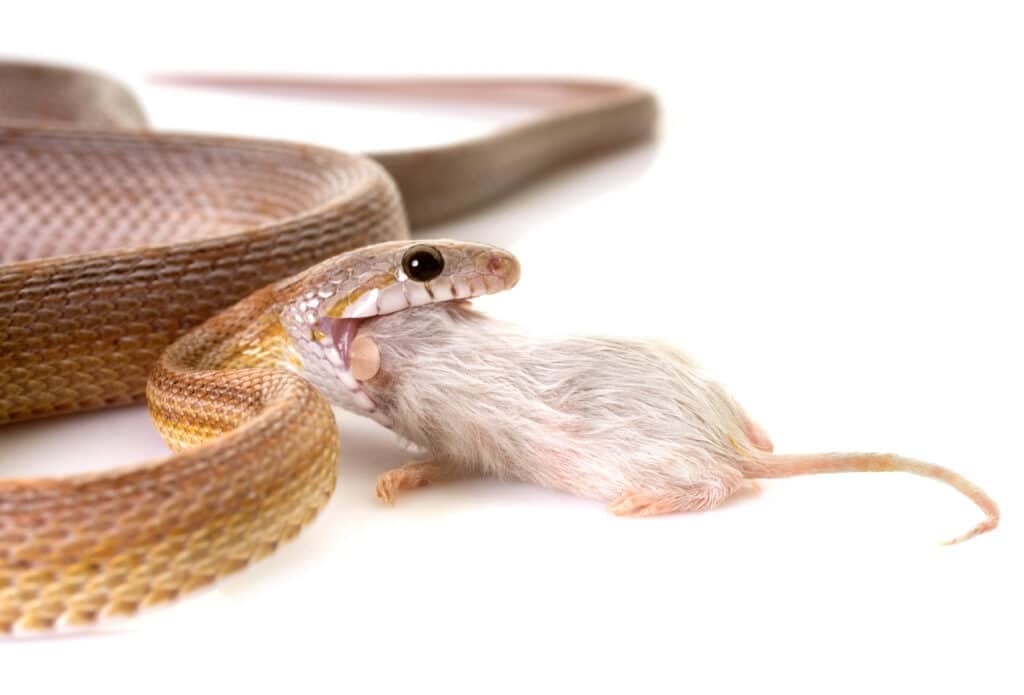
One of the most valuable roles snakes perform is natural pest control. Many species feed on rodents, mice, rats, and other small animals. By helping regulate these populations, snakes reduce pressure on crops, limit the spread of certain diseases, and contribute to ecological balance.
Snakes also occupy a crucial position within food chains. As predators, they help maintain healthy populations of prey species. At the same time, they serve as food for birds of prey, larger reptiles, and some mammals.
The removal of snakes from an ecosystem can create ripple effects that impact numerous other species.
Their presence can also indicate environmental health. Many snake species are sensitive to habitat degradation, pollution, and environmental change. Healthy snake populations often reflect healthy ecosystems.
Perhaps most importantly, snakes contribute to Australia’s rich biodiversity. They are a natural part of the landscape and have evolved alongside countless other species over Millenia.
World Snake Day encourages people to appreciate these animals for their ecological value rather than viewing them solely through the lens of fear.
That said, respect remains important. Australia is home to some of the world’s most venomous snakes, and understanding how to respond to a snakebite remains an essential life skill.
Why Australians Need Snakebite Awareness
Most snakes would prefer to avoid people, but accidental encounters can happen in many Australian environments. Knowing how snakebites occur, where risks may be higher, and why correct first aid matters can help reduce panic and improve emergency response.
Why Snakebites Happen
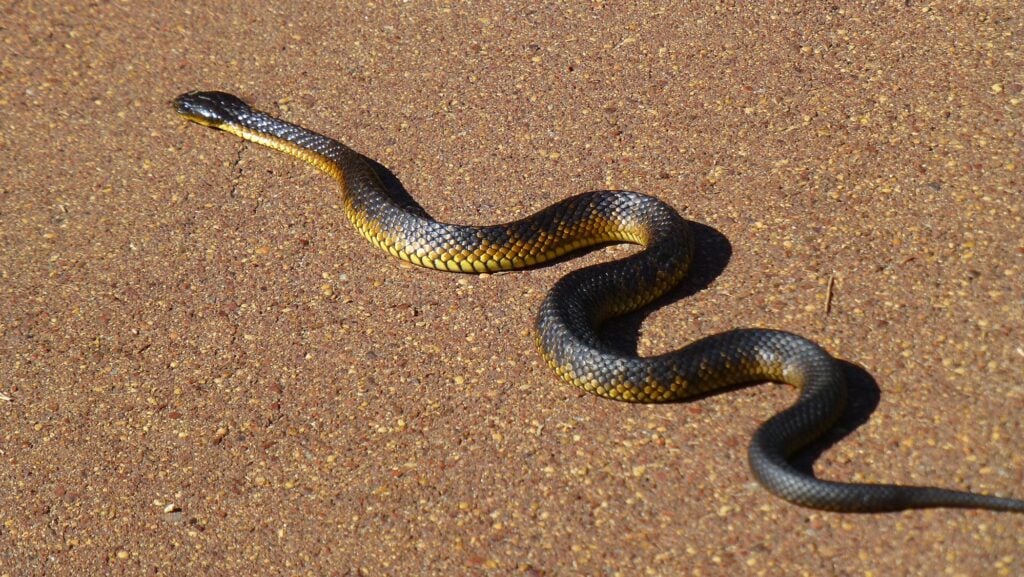
Many snakebites occur when someone accidentally steps near a snake, attempts to move it, corners it, or tries to kill it. Snakes generally bite as a defensive response when they feel threatened rather than because they are actively seeking contact with people.
Seasonal Risk
Snake activity generally increases during warmer months when reptiles become more active. However, encounters can occur at any time of year depending on local climate, weather conditions, and location.
Where Snake Encounters Can Occur
Why Education Matters
Fatal snakebites are relatively uncommon in Australia thanks to modern medical care and antivenom availability, but serious illness can still occur. Outdated snakebite myths may delay effective treatment, making prompt first aid education especially important.

How Dangerous Are Australian Snakebites?
Australia is home to several highly venomous snake species. While snakebite deaths remain relatively rare, venom can still cause serious illness and every suspected snakebite should be treated as a medical emergency.
Highly Venomous Species
Australian snakes include some of the world’s most venomous species. Risk depends on the snake, the bite, the amount of venom injected, and how quickly correct first aid and medical care are provided.
Why Outcomes Have Improved
Modern emergency medical systems, improved access to healthcare, effective antivenoms, and better public awareness have significantly improved outcomes after snakebite in Australia.
Even so, prompt first aid remains critical because symptoms may develop after a delay.
Possible Snakebite Symptoms
Symptoms vary depending on the species involved and the amount of venom injected. Some people may initially feel well, which can create a false sense of safety.
Symptoms May Not Appear Immediately
Some people initially feel well after a bite and mistakenly assume the situation is not serious. This can delay treatment and increase risk. Any suspected snakebite should be treated as a medical emergency.
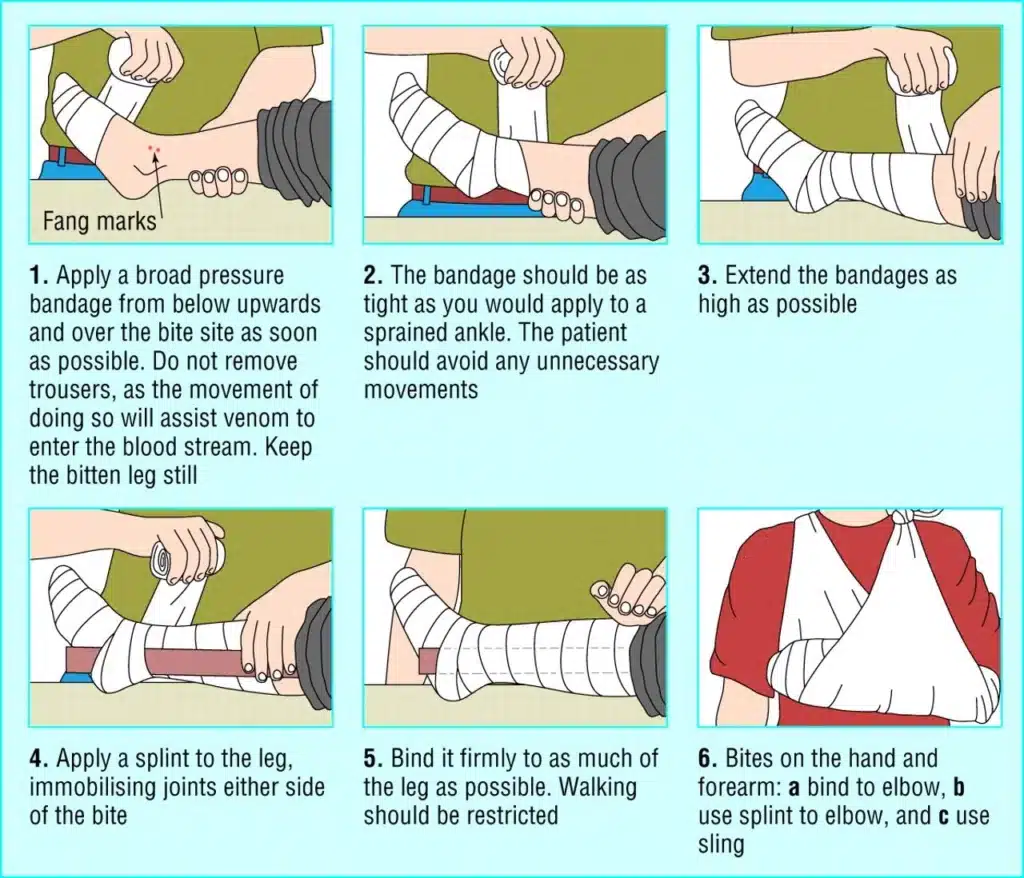
Understanding the Pressure Immobilisation Technique
The pressure immobilisation technique is regarded as the gold standard first aid treatment for most Australian snakebites. It helps slow venom movement and buys valuable time while emergency medical help is on the way.
Why It Works
Many Australian snake venoms primarily travel through the lymphatic system rather than directly entering the bloodstream. Pressure immobilisation works by slowing movement through the lymphatic vessels.
Why It Matters
By delaying venom spread, pressure immobilisation provides valuable time for professional medical treatment. Correct first aid can help stabilise the casualty until emergency services arrive.
The Basic Idea
Stay Still
Keep the casualty calm and prevent unnecessary movement.
Apply Pressure
Use a firm broad bandage over the bite and along the limb.
Immobilise
Keep the affected limb still with a splint if available.
Call 000
Seek emergency medical help and continue monitoring the casualty.
Supported by First Aid Authorities
Unlike some outdated snakebite remedies, pressure immobilisation has a strong evidence base and is supported by Australian first aid authorities. Learning this technique correctly is one of the most valuable skills covered in nationally recognised first aid training.
How To Apply the Pressure Immobilisation Technique
The process is simple but must be performed correctly.
Step 1: Keep the Person Still
Ask the casualty to remain calm and avoid unnecessary movement.
- If possible, have them lie down.
- Do not allow them to walk.
- Movement encourages venom circulation through the lymphatic system.
Step 2: Leave the Bite Site Alone
- Do not wash the bite area.
- Medical teams may use venom traces left on the skin to help identify the snake species involved.
- Leave any clothing covering the bite in place if possible.
Step 3: Apply a Pressure Bandage
Use a broad pressure bandage if available.
- Begin directly over the bite site.
- Apply firm pressure similar to that used for a sprained ankle.
- The bandage should be snug but not so tight that circulation is cut off.
- Continue bandaging the entire affected limb – For example, if the bite is on the lower leg, bandage from the foot upward to the groin if possible.
- If the bite is on an arm, bandage from the fingers upward toward the shoulder.
Step 4: Immobilise the Limb
- Once bandaging is complete, immobilise the limb using a splint if available.
- The goal is to minimise movement as much as possible.
Step 5: Wait for Emergency Services
- Keep the casualty still and reassured.
- Monitor their breathing and responsiveness.
- If they become unconscious and are not breathing normally, commence CPR and follow DRSABCD principles.
The pressure bandage should remain in place until removed by medical professionals.
Common Snake Bite First Aid Mistakes
Despite decades of public education, several snakebite myths continue to circulate. These outdated approaches can delay effective treatment and may do more harm than good.
Do Not Cut the Bite
Cutting the bite site does not remove venom. It can increase tissue damage, infection risk and bleeding.
Do Not Suck Out Venom
Popularised by movies and television, sucking venom from a bite is ineffective. It does not remove a meaningful amount of venom and can introduce infection.
Do Not Apply Ice
Ice packs or cold treatments do not neutralise venom. They may increase tissue damage and delay appropriate treatment.
Do Not Use a Tourniquet
Tourniquets can cause serious injury by restricting blood flow. A pressure immobilisation bandage is very different from a tourniquet.
Do Not Wash the Bite Site
Washing the bite area may remove valuable venom traces needed for identification and treatment.
Do Not Allow Walking
Walking or physical activity can accelerate venom movement. Keep the person still until emergency services arrive.
Do Not Catch the Snake
Trying to capture or kill a snake creates a risk of additional bites. Medical professionals do not require the snake to be brought to hospital.
When Should You Call Triple Zero?
Any suspected snakebite should be treated as a medical emergency. Call Triple Zero (000) immediately if:
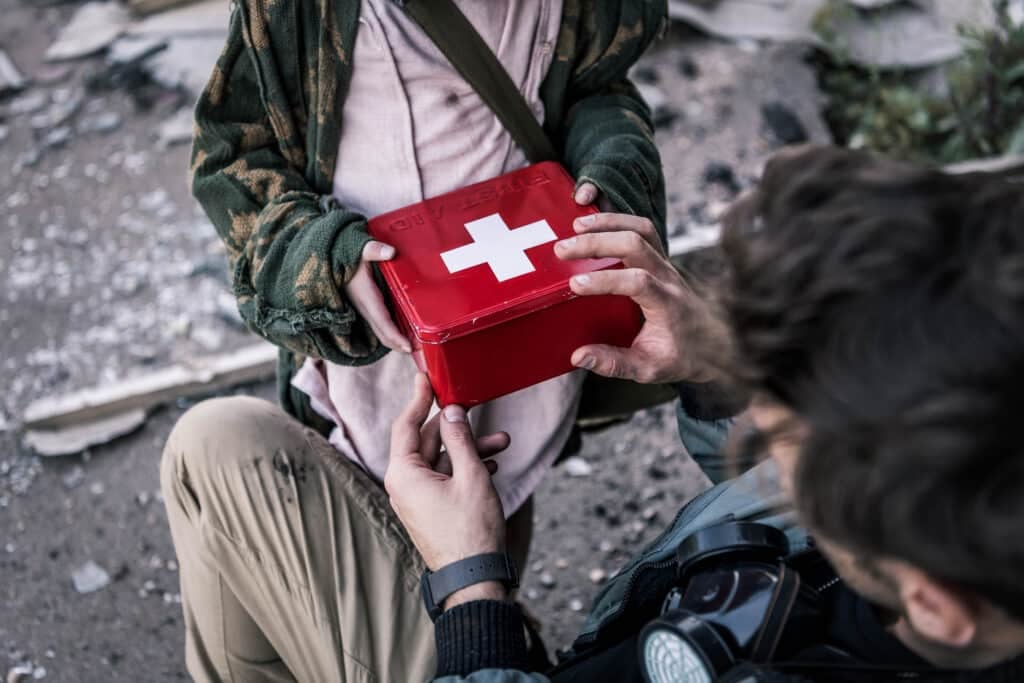
What Are the Basic Requirements of a Snake Bite First Aid Kit?
A snake bite first aid kit should contain the essential items needed to apply the pressure immobilisation technique quickly and effectively while waiting for emergency medical assistance. In Australia, this technique is the recommended first aid treatment for most venomous snakebites because it helps slow the movement of venom through the lymphatic system.
At a minimum, a snake bite first aid kit should include:
- At least two broad elastic compression bandages suitable for pressure immobilisation
- A splint to help immobilise the affected limb
- Adhesive tape or fasteners to secure bandages and splints
- A permanent marker to record the time of the bite and bandage application
- Emergency first aid instructions for snakebite management
- Disposable gloves for infection control
Many commercial snake bite kits also include bandages with built-in pressure indicators, which help users apply the correct amount of compression.
It is important to understand that a snake bite first aid kit does not contain antivenom and cannot replace professional medical treatment. Its purpose is to support the casualty, slow venom spread, and assist first aiders in managing the situation until emergency services arrive.
People who spend time bushwalking, camping, working outdoors, farming, or travelling in remote areas may benefit from carrying a dedicated snake bite first aid kit. However, the most important component is knowing how to use the equipment correctly. Learning and practising the pressure immobilisation technique through a nationally accredited first aid course can help ensure you are prepared to respond confidently if a snakebite emergency occurs.
Preventing Snake Encounters
While snakebites are relatively uncommon, simple precautions can reduce the risk of unwanted encounters outdoors and around the home.
When Outdoors
Around the Home
If You Encounter a Snake
Give it space and allow it to move away naturally. Most snakes will leave the area if left undisturbed, and attempting to move, corner, or kill a snake can increase the risk of being bitten.
Whether you spend time bushwalking, camping, working outdoors, or simply want to be prepared for unexpected situations, first aid training is one of the most valuable investments you can make.
World Snake Day Is About Awareness, Respect and Preparedness
World Snake Day offers an opportunity to look beyond common fears and recognise the important role snakes play in Australia’s natural environment.
They help maintain healthy ecosystems, control pest populations, and contribute to the biodiversity that makes Australia unique.
At the same time, snakebites remain a genuine medical emergency that requires a calm and informed response.
Knowing how to apply the pressure immobilisation technique, understanding what not to do, and calling Triple Zero (000) without delay can make a significant difference when every minute counts.
If your first aid knowledge could use a refresh, consider enrolling in a nationally accredited first aid course with First Aid Pro. Practical training provides the confidence and skills needed to respond effectively to snakebites and many other emergencies that can occur in everyday life.
Related Reading
- Australian Museum – Snakes, lizards and other reptiles
Australian Resuscitation Council – Guideline 9.4.8 Envenomation (Snakebite, Funnel-Web Spider Bite, Tick Bite and Marine Stings)
Healthdirect Australia – Snake Bites: Symptoms, First Aid and Treatment
Queensland Health – Help your child survive a snake bite
- First Aid Pro – Snake Bite First Aid 101 – How To Save A Life!
FAQs
What is the pressure immobilisation technique?
The pressure immobilisation technique involves applying a firm bandage over the bite site and the entire affected limb, followed by immobilisation with a splint or sling to slow venom movement through the lymphatic system.
Should I wash a snakebite wound?
No. The bite site should not be washed because venom traces may help medical professionals identify the type of snake involved.
Can I use a tourniquet for a snakebite?
No. Tourniquets are not recommended for snakebite first aid in Australia. A pressure immobilisation bandage should be used instead.
What should I do if I cannot identify the snake?
Treat the situation as a medical emergency, apply pressure immobilisation if appropriate, and call Triple Zero (000). Do not attempt to catch the snake.
Does every snakebite inject venom?
No. Some bites may be “dry bites” where little or no venom is injected. However, it is impossible to know this immediately, so every suspected snakebite requires urgent medical assessment.