


Sharon has 21+ years of experience as a qualified Emergency Care Nurse registered with the Australian Health Practitioner Regulation Agency (APHRA) and 12+ years as a First Aid Trainer.
She takes pride in FirstAidPro making first aid training available, comprehensive and affordable to everybody.
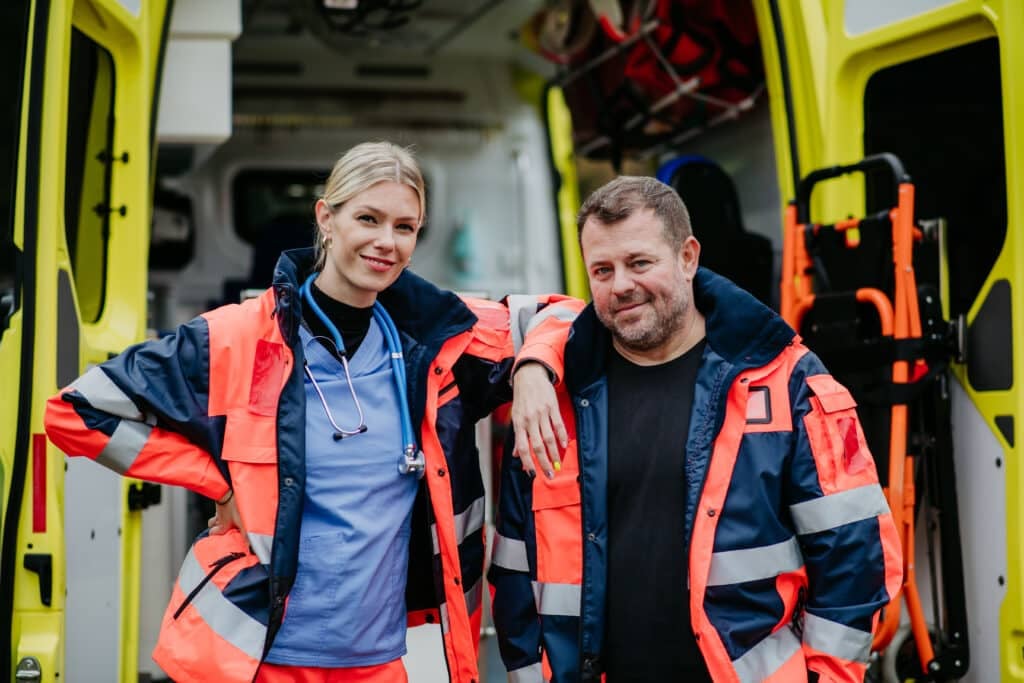
When medical emergencies happen, paramedics are often the first healthcare professionals on the scene. International Paramedics Day recognises the skill, dedication, compassion, and clinical expertise of paramedics around the world who provide critical care in some of the most challenging circumstances imaginable. Celebrated annually on 8 July, the day offers an opportunity to acknowledge the vital role paramedics play in emergency healthcare systems and the positive impact they have on countless lives every day.
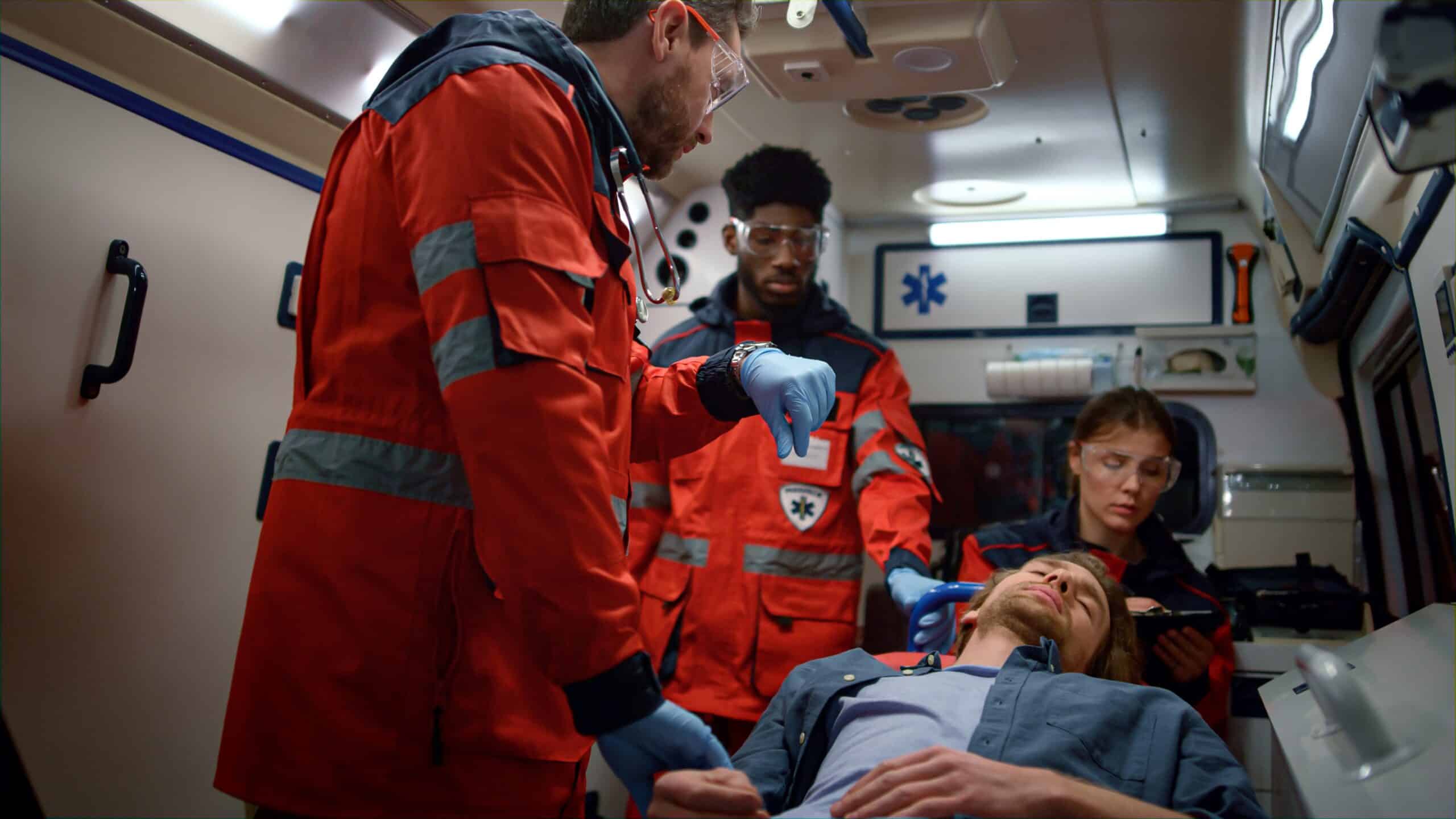
From responding to serious road trauma and cardiac arrests to managing pain, stabilising injuries, and supporting patients through moments of crisis, paramedics deliver far more than transport to hospital. They provide advanced assessment, treatment, reassurance, and life-saving interventions when every minute matters.
As International Paramedics Day approaches, it is also an ideal time to reflect on the specialised skills that underpin effective emergency care and the importance of ongoing training for healthcare professionals, emergency responders, and those working in high-risk environments.
Key Takeaways
- International Paramedics Day is celebrated annually on 8 July to recognise the contribution of paramedics worldwide.
- Modern paramedics provide advanced assessment, treatment, pain management, and life-saving care before patients reach hospital.
- Effective pain management is a critical component of quality emergency care and patient wellbeing.
- The skills demonstrated by paramedics offer valuable lessons for healthcare professionals and emergency responders across many industries.
- Nationally recognised training such as PUAEME008 Provide Pain Management helps build confidence and capability when responding to emergencies.
What Is International Paramedics Day?
International Paramedics Day is observed annually on 8 July and serves as a global celebration of the paramedic profession. The day was established to raise awareness of the important work paramedics perform while recognising their commitment to patient care, clinical excellence, and community wellbeing.
The date commemorates the birth anniversary of Dominique-Jean Larrey, the French military surgeon widely regarded as one of the pioneers of modern ambulance services and emergency medical care. His innovations in battlefield medicine helped shape many of the principles that continue to influence emergency healthcare today.
International Paramedics Day brings together ambulance services, healthcare organisations, educational institutions, governments, and communities across the world to celebrate the profession and acknowledge the unique contribution paramedics make to public health and safety.
Each year, events, educational activities, community initiatives, and social media campaigns highlight the achievements of paramedics while encouraging greater understanding of their role within modern healthcare systems.
The Evolving Role of Paramedics
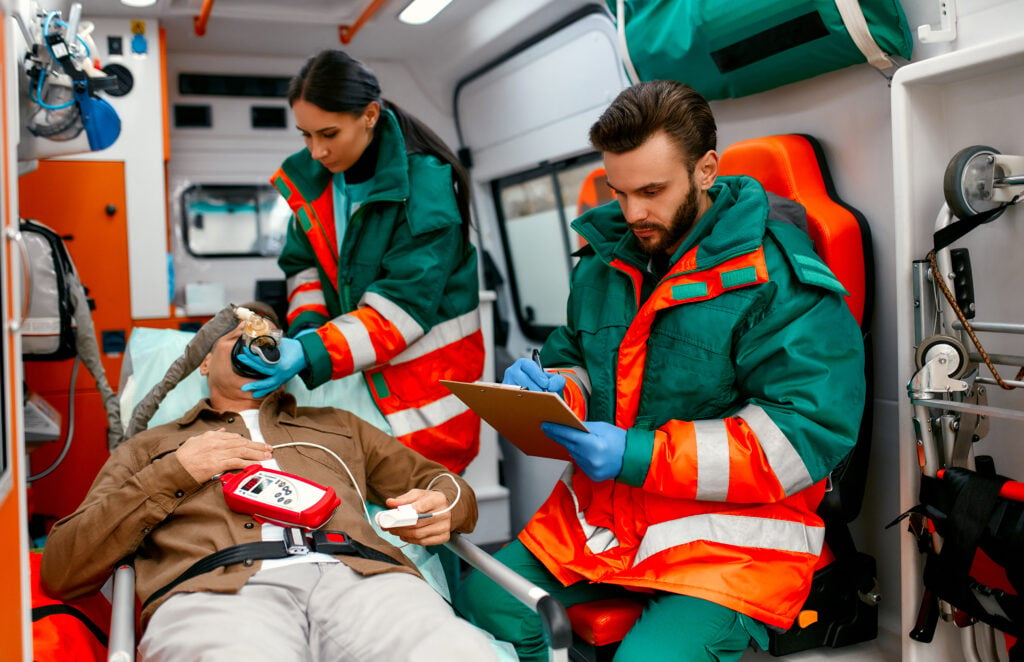
Many people still associate paramedics primarily with ambulance transport. While transporting patients remains an important aspect of their work, the modern paramedic role extends far beyond simply moving patients from one location to another.
Today’s paramedics are highly trained healthcare professionals capable of performing sophisticated assessments and delivering advanced treatments in unpredictable environments.
Depending on the situation, a paramedic may be required to:
- Assess critically ill or injured patients
- Manage airway emergencies
- Perform cardiopulmonary resuscitation (CPR)
- Use automated external defibrillators (AEDs)
- Administer medications
- Manage traumatic injuries
- Control severe bleeding
- Treat respiratory emergencies
- Support patients experiencing mental health crises
- Provide pain management interventions
- Coordinate with hospitals and emergency services
Every call presents unique challenges. Paramedics may find themselves treating patients on busy roads, in remote locations, inside homes, at sporting events, during natural disasters, or in complex industrial environments.
The ability to remain calm, make rapid decisions, and provide effective care under pressure is one of the defining characteristics of the profession.
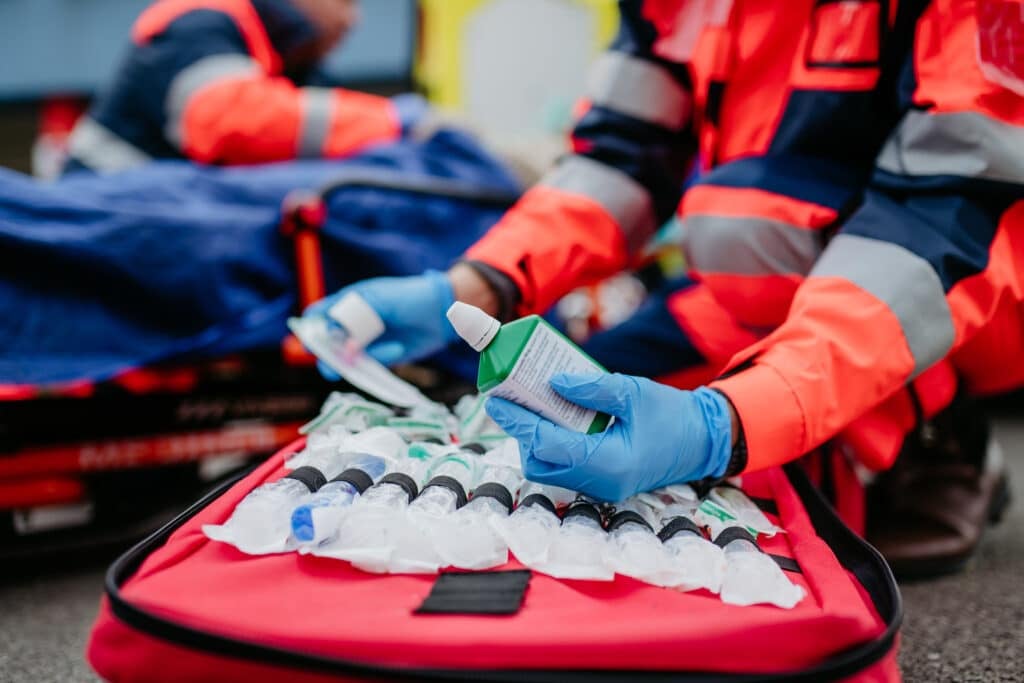
Why Paramedics Matter More Than Ever
Australia’s healthcare system relies heavily on the expertise of paramedics.
Population growth, ageing demographics, increasing rates of chronic disease, and growing community expectations have all contributed to rising demand for ambulance services nationwide.
Paramedics frequently serve as the first point of contact for individuals experiencing life-threatening conditions such as cardiac arrest, stroke, severe trauma, anaphylaxis, respiratory distress, and major medical emergencies.
In many situations, the care delivered before hospital arrival can significantly influence patient outcomes.
Early intervention may help:
- Preserve life
- Reduce complications
- Prevent deterioration
- Relieve pain and distress
- Improve recovery prospects
- Support smoother transitions to definitive care
Their work extends beyond emergency response. Paramedics also contribute to health education, preventative care initiatives, community outreach programs, and specialised healthcare services.
International Paramedics Day serves as an important reminder that healthcare often begins long before a patient reaches a hospital.
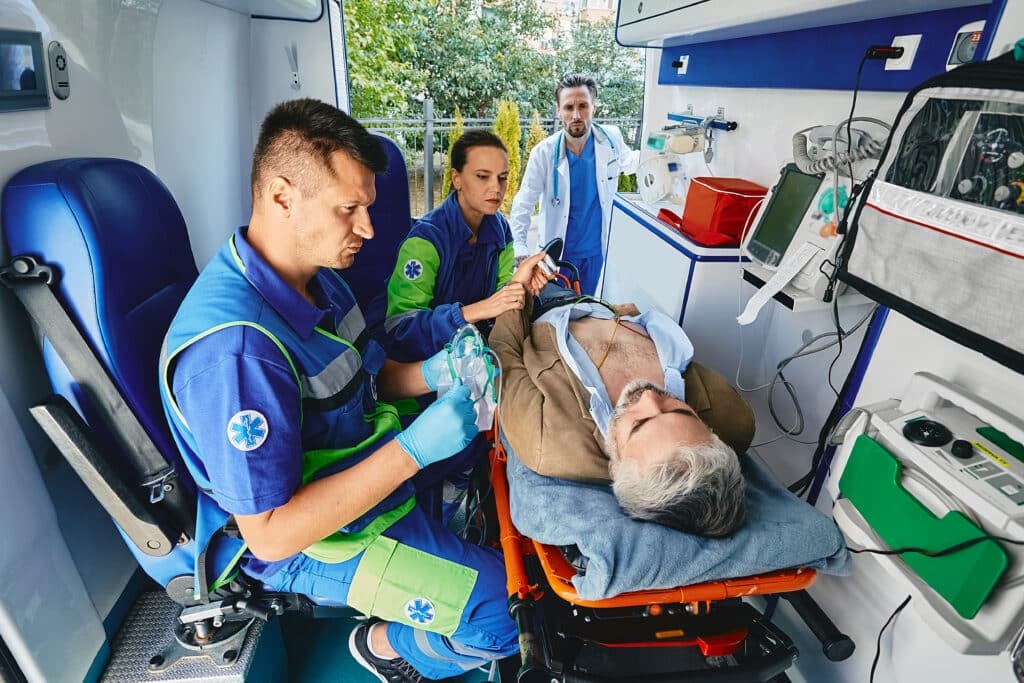
The Human Side of Emergency Care
While clinical skills are essential, paramedicine is fundamentally about people.
Behind every emergency call is a person experiencing fear, uncertainty, pain, or distress. Families may be overwhelmed. Bystanders may be frightened. Situations are often emotionally charged and unpredictable.
Paramedics must balance technical expertise with empathy and communication. A reassuring conversation, clear explanation, or calm presence can have a powerful impact during a crisis.
Many patients remember not only the treatment they received but also how the paramedic made them feel during one of the most difficult moments of their lives.
This combination of clinical competence and compassion is one of the reasons paramedics are consistently among the most trusted healthcare professionals.

Pain Management: An Essential Paramedic Skill
One of the most important aspects of emergency patient care is pain management.
Pain is often one of the first symptoms patients experience following injury, illness, or trauma. Effective pain management can improve patient comfort, reduce anxiety, assist with treatment, and support better overall outcomes.
Paramedics regularly encounter patients experiencing significant pain arising from:
- Fractures
- Burns
- Dislocations
- Soft tissue injuries
- Major trauma
- Cardiac conditions
- Medical emergencies
- Surgical complications
Assessing and managing pain requires both clinical knowledge and practical skill.
Pain is not simply a symptom to be endured. Uncontrolled pain can affect a patient’s physiological and psychological wellbeing. It may increase stress, elevate heart rate and blood pressure, interfere with assessment processes, and complicate treatment.
Modern emergency care recognises that timely pain management forms an essential component of quality patient care.
Paramedics must accurately assess pain levels, monitor patient responses, consider contraindications, administer appropriate interventions, and continually evaluate treatment effectiveness.
These responsibilities require specialised training and ongoing professional development.
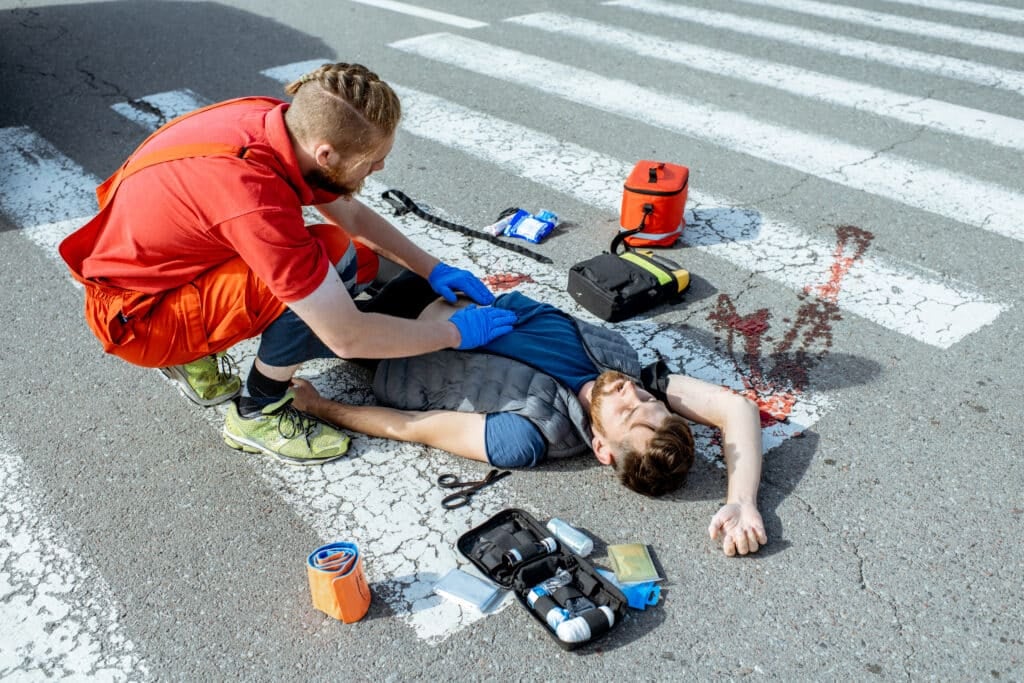
Why Pain Assessment Matters
Pain management begins with effective assessment.
Not all patients experience pain in the same way. Age, medical history, injury type, psychological factors, communication barriers, and individual tolerance levels can all influence how pain presents.
Healthcare professionals must be able to gather accurate information and interpret both verbal and non-verbal indicators.
Assessment may include evaluating:
- Pain location
- Severity
- Duration
- Onset
- Quality of pain
- Associated symptoms
- Patient history
- Response to previous interventions
Accurate assessment helps ensure appropriate treatment decisions are made while supporting patient-centred care.
For emergency responders and healthcare workers, these skills can make a meaningful difference to patient outcomes and experiences.
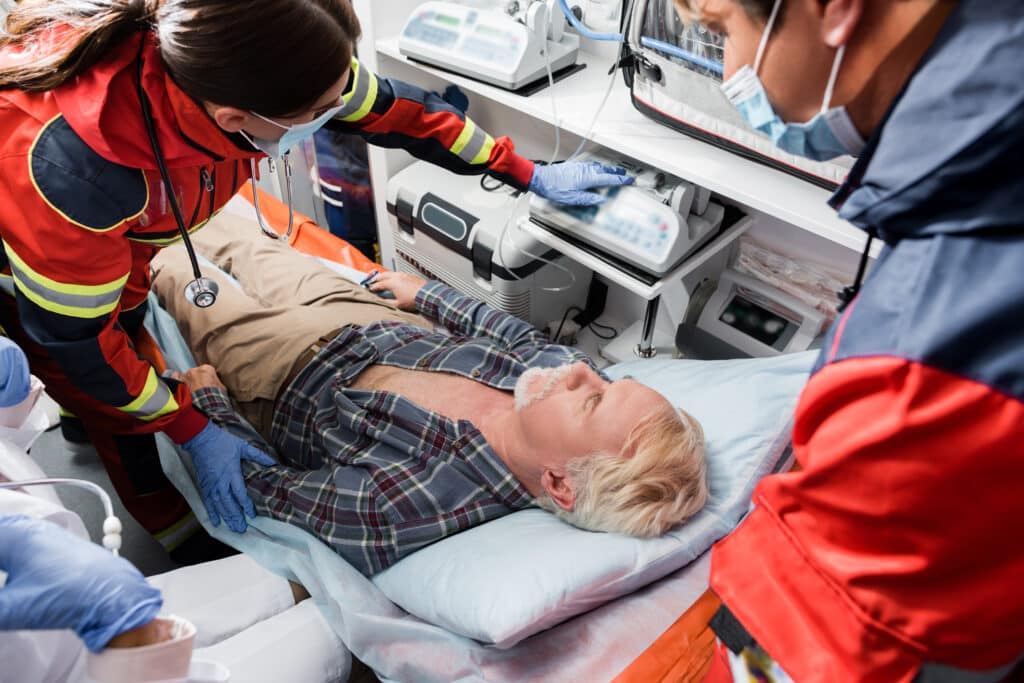
Building Advanced Pain Management Skills
The principles used by paramedics are increasingly relevant across many healthcare and emergency response settings.
Professionals working in ambulance services, event medical teams, industrial response units, remote environments, healthcare facilities, defence settings, and emergency services may all encounter situations where effective pain management is required.
This is where specialised training becomes particularly valuable.
The nationally recognised PUAEME008 Provide Pain Management course equips participants with the skills and knowledge required to assess and manage pain within their workplace scope of practice.
Participants learn how to recognise pain indicators, conduct pain assessments, implement pain management strategies, monitor patient responses, and maintain appropriate documentation.
The course is particularly relevant for individuals who provide emergency care as part of their role and require structured, evidence-based approaches to pain management.
Just as paramedics continually develop their skills throughout their careers, ongoing training helps emergency responders maintain confidence and competence when managing real-world incidents.
Learning from the Paramedic Profession
International Paramedics Day provides an opportunity for all healthcare and emergency response professionals to reflect on the qualities that define effective patient care. Paramedics demonstrate the importance of practical skill, calm judgement and human connection in high-pressure situations.
Clinical Decision-Making
Emergency situations rarely unfold exactly as expected. The ability to assess information, prioritise actions and adapt quickly is critical.
Communication
Clear communication supports teamwork, patient understanding and effective treatment during stressful and fast-moving incidents.
Compassion
Clinical excellence and human connection work together to improve patient experiences when people feel vulnerable, frightened or in pain.
Lifelong Learning
Healthcare evolves constantly. Ongoing education helps professionals remain current, capable and ready to respond with confidence.
Patient-Centred Care
Every treatment decision should focus on achieving the best possible outcome for the patient, not simply completing a clinical task.
These principles extend well beyond ambulance services and can benefit anyone involved in emergency care, workplace response, healthcare support or community first aid.
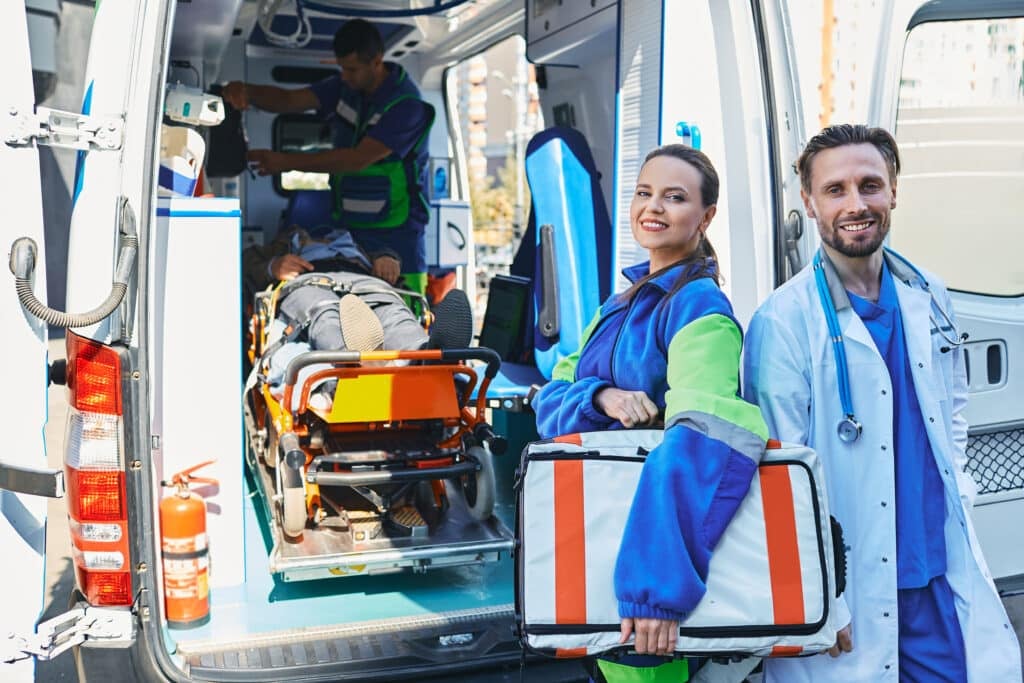
Supporting the Next Generation of Paramedics
Demand for qualified paramedics continues to grow both in Australia and internationally.
The profession offers opportunities to work in diverse environments, including metropolitan ambulance services, regional communities, remote healthcare, defence, industrial operations, event medicine, aviation medicine, and specialised emergency response teams.
Encouraging future generations to pursue careers in paramedicine helps strengthen healthcare systems and improve community resilience.
International Paramedics Day also highlights the importance of supporting paramedic wellbeing.
The profession can be physically demanding and emotionally challenging. Exposure to traumatic incidents, long shifts, high workloads, and critical decision-making responsibilities can affect mental health and wellbeing.
Recognition, support programs, education, and professional development all play an important role in maintaining a sustainable and healthy workforce.
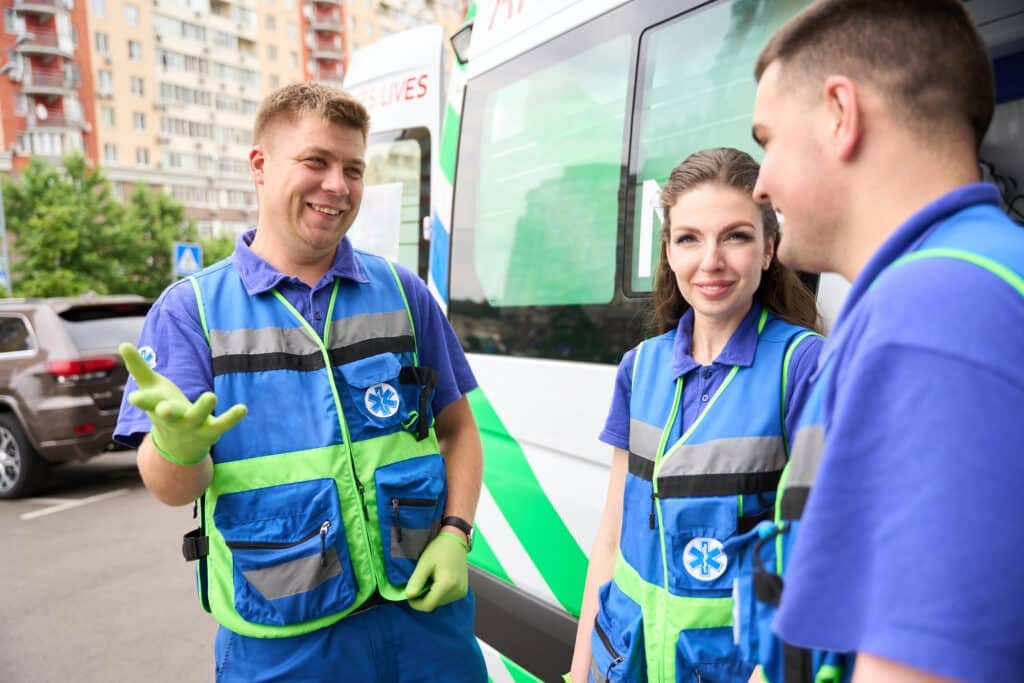
How You Can Celebrate International Paramedics Day
Recognising International Paramedics Day does not require a large event or formal ceremony.
Simple actions can help raise awareness and show appreciation for the profession.
Individuals and organisations may choose to:
- Share stories highlighting paramedic contributions
- Thank local paramedics for their service
- Promote emergency preparedness education
- Support healthcare and emergency service initiatives
- Participate in community awareness campaigns
- Encourage professional development opportunities
- Learn new emergency response skills
For workplaces involved in healthcare, emergency response, mining, industrial operations, or event management, the day can also serve as an opportunity to review training programs and ensure personnel possess the skills required to respond effectively during emergencies.
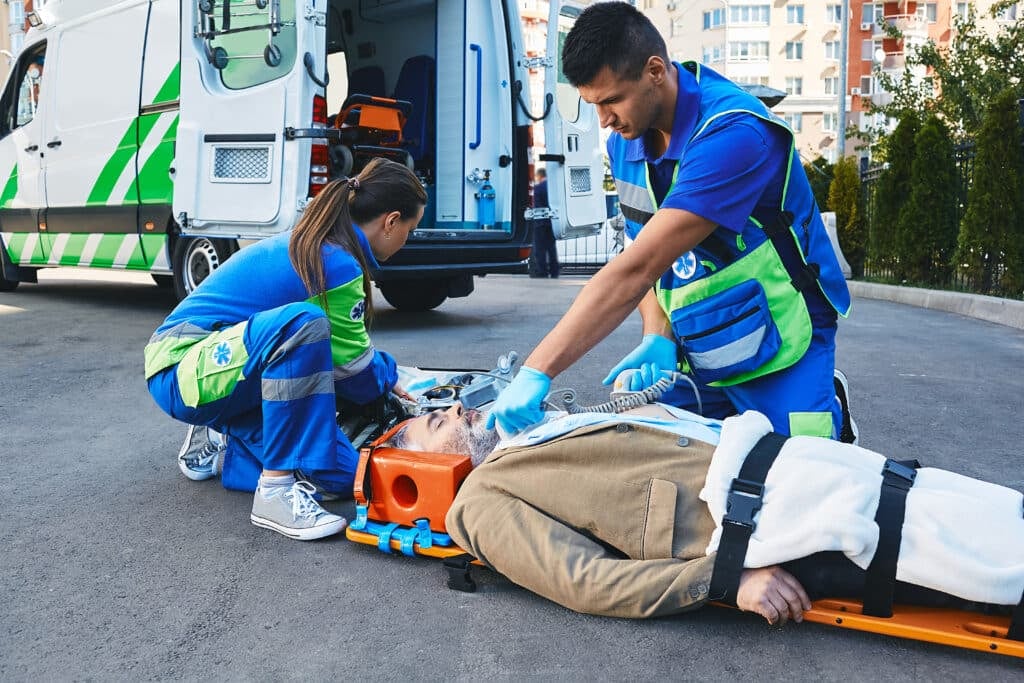
Strengthening Emergency Care Through Training
One of the lasting lessons of the paramedic profession is that preparedness matters.
The ability to respond effectively during emergencies rarely happens by chance. It is built through education, practice, experience, and continual skill development.
Whether managing a major trauma incident, supporting a patient experiencing severe discomfort, or assisting during a medical emergency, confidence comes from having the right training before the situation occurs.
For emergency responders, healthcare professionals, and personnel working in high-risk environments, nationally recognised training can provide valuable knowledge and practical capability.
The PUAEME008 Provide Pain Management course offered by First Aid Pro helps participants develop structured approaches to pain assessment and management that align with professional standards and workplace requirements.
These skills complement broader emergency response capabilities and reflect the same commitment to patient-centred care demonstrated by paramedics every day.
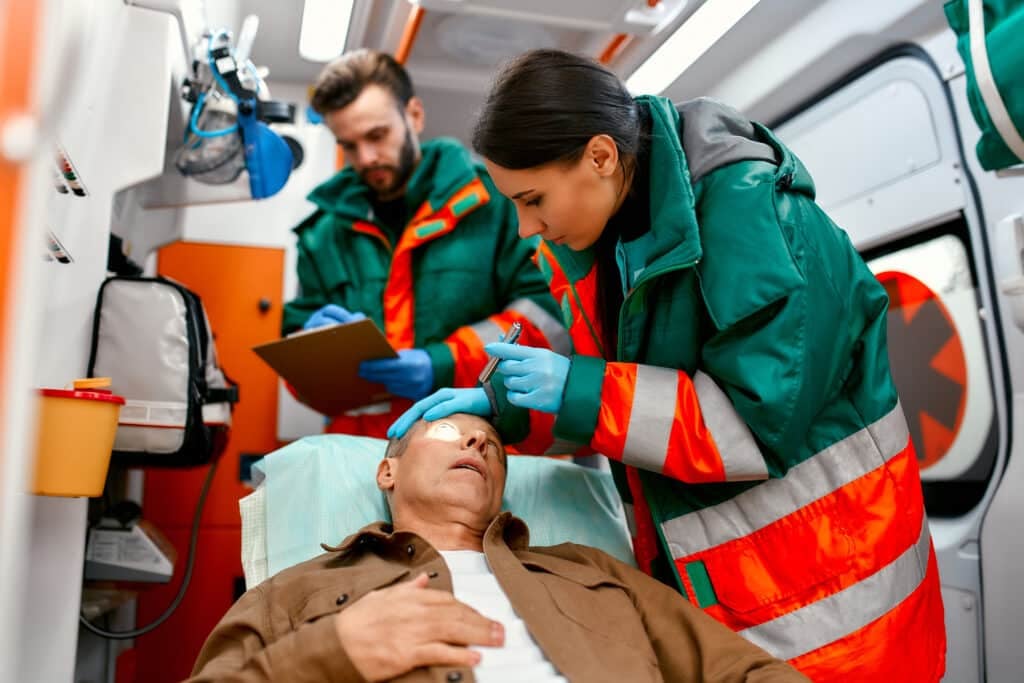
Honouring Those Who Answer the Call
International Paramedics Day is more than a date on the calendar. It is an opportunity to recognise a profession that operates at the intersection of science, skill, compassion, and service.
Paramedics step into situations most people hope never to encounter. They make critical decisions under pressure, provide comfort during moments of fear, manage pain and suffering, and deliver life-saving interventions when every second counts.
Their contribution extends far beyond emergency transport. They are clinicians, educators, advocates, problem-solvers, and trusted healthcare professionals who make a meaningful difference in communities across Australia and around the world.
As we celebrate International Paramedics Day, we honour their dedication and recognise the importance of maintaining the skills, knowledge, and training that support exceptional patient care.
For those seeking to strengthen their own emergency response capabilities, undertaking nationally recognised training such as PUAEME008 Provide Pain Management is one practical way to build the confidence and competence required when people need help most.
Related Reading
- International Paramedics Day
The official website for International Paramedics Day, including its history, mission, annual themes, and global activities. - Australasian College of Paramedicine (ACP)
Australia’s peak professional organisation representing paramedics and advancing professional standards across the profession. - Paramedicine Board of Australia
Information on professional registration, standards, codes of conduct, and the regulation of paramedics in Australia.
FAQs
When is International Paramedics Day celebrated?
International Paramedics Day is celebrated each year on 8 July to recognise and honour paramedics around the world.
Why was International Paramedics Day created?
The day was established to raise awareness of the paramedic profession and acknowledge the important role paramedics play in emergency healthcare and community safety.
What do paramedics do besides transport patients?
Paramedics assess patients, provide emergency treatment, manage pain, perform CPR, administer medications, stabilise injuries, and coordinate ongoing medical care.
Why is pain management important in emergency care?
Effective pain management can improve patient comfort, reduce distress, support treatment, and contribute to better overall patient outcomes.
Who should complete PUAEME008 Provide Pain Management?
The PUAEME008 course is suitable for emergency responders, healthcare workers, event medical personnel, industrial response teams, and others who may be required to assess and manage pain within their workplace scope of practice.