




Sharon has 21+ years of experience as a qualified Emergency Care Nurse registered with the Australian Health Practitioner Regulation Agency (APHRA) and 12+ years as a First Aid Trainer.
She takes pride in FirstAidPro making first aid training available, comprehensive and affordable to everybody.
A mouth ulcer is a small, painful sore that develops inside the mouth, on the gums, tongue, inner cheeks, or lips. Also known as aphthous ulcers or canker sores, mouth ulcers are usually harmless and heal on their own within 10 to 14 days — but they can make eating, drinking, and even speaking genuinely uncomfortable. This comprehensive guide covers the causes of mouth ulcers, how to treat mouth ulcers effectively at home, when to see a dentist or doctor, and how to prevent recurring ulcers from disrupting your daily life.
Ready to build your first aid confidence? First Aid Pro offers nationally recognised first aid courses across Australia. Whether you are a parent, carer, teacher, or health-conscious individual, the right training can make all the difference. Enrol with First Aid Pro today and be prepared for life’s unexpected moments.
Key Takeaways
- A mouth ulcer is a small, round sore that appears inside the mouth and is usually harmless
- Also known as aphthous ulcers or canker sores, they are not contagious and differ from cold sores
- Common causes include minor trauma such as accidentally biting your cheek, nutritional deficiencies, and stress
- Most ulcers heal within 10 to 14 days with simple home remedies and over-the-counter treatment
- Ulcers in the corners of the mouth may indicate angular cheilitis and require different treatment
- See a dentist or doctor if a mouth ulcer lasts longer than three weeks, recurs frequently, or is accompanied by other symptoms
What Is a Mouth Ulcer? Understanding Ulcers in the Mouth
A mouth ulcer — also known as an aphthous ulcer or canker sore — is a small lesion that forms on the soft oral tissues inside your mouth. Unlike cold sores, which are caused by the herpes simplex virus and appear around the mouth on the outer lip, mouth ulcers develop inside the mouth and are not caused by a virus. You should not confuse canker sores with cold sores, as they are entirely different conditions with different causes and treatments.
What Does a Mouth Ulcer Look Like?
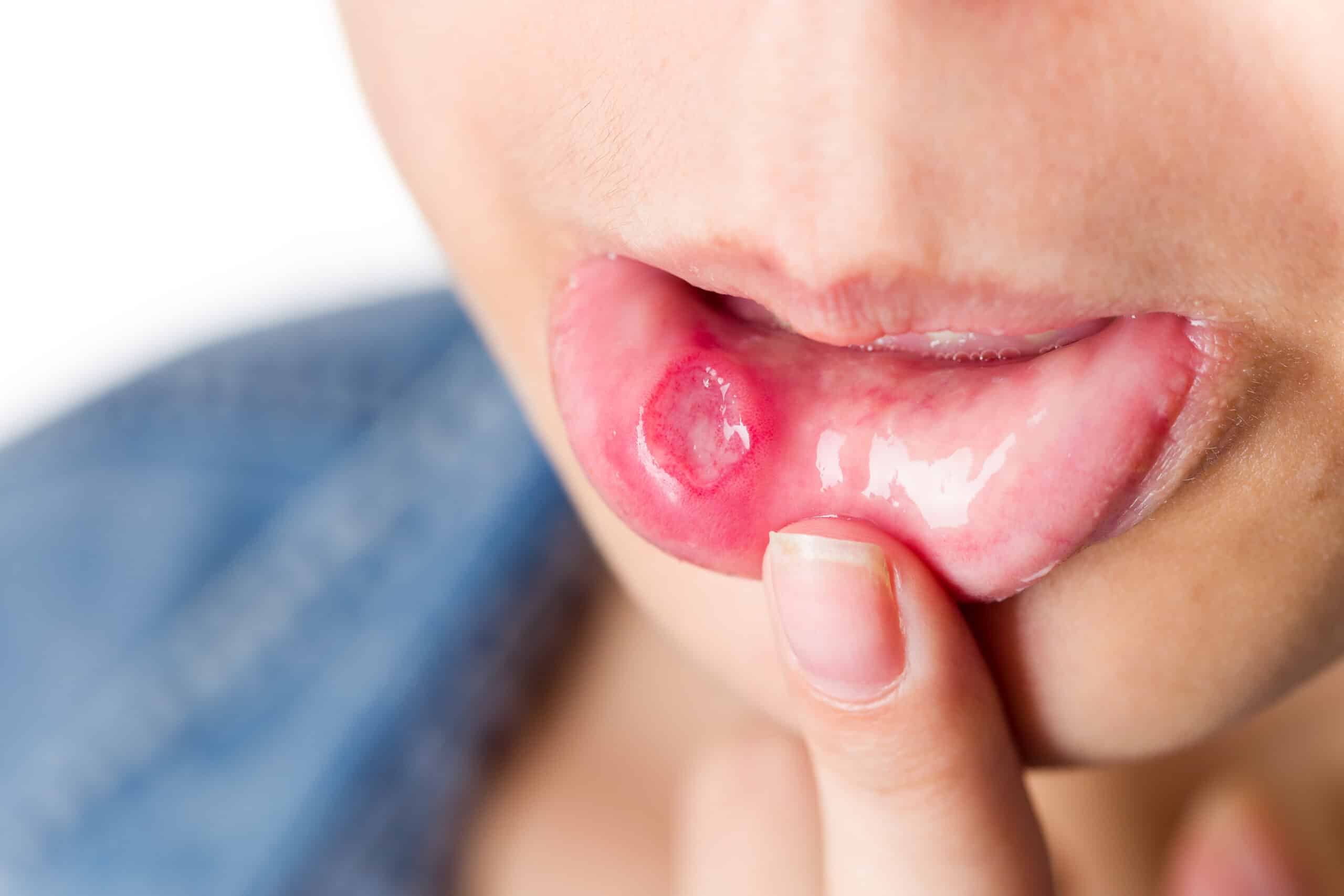
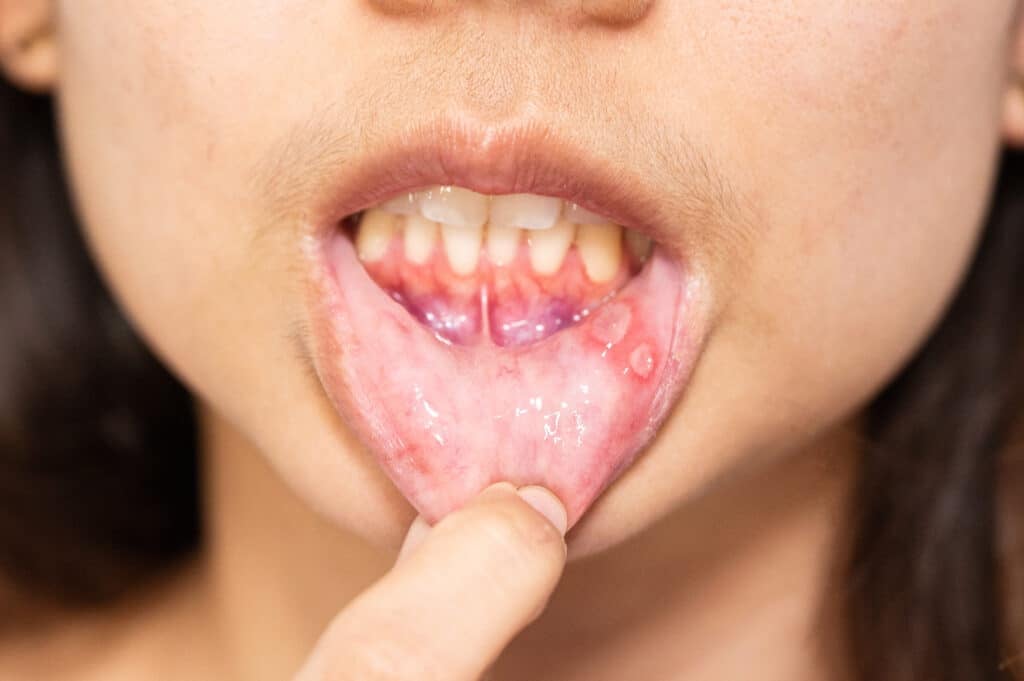
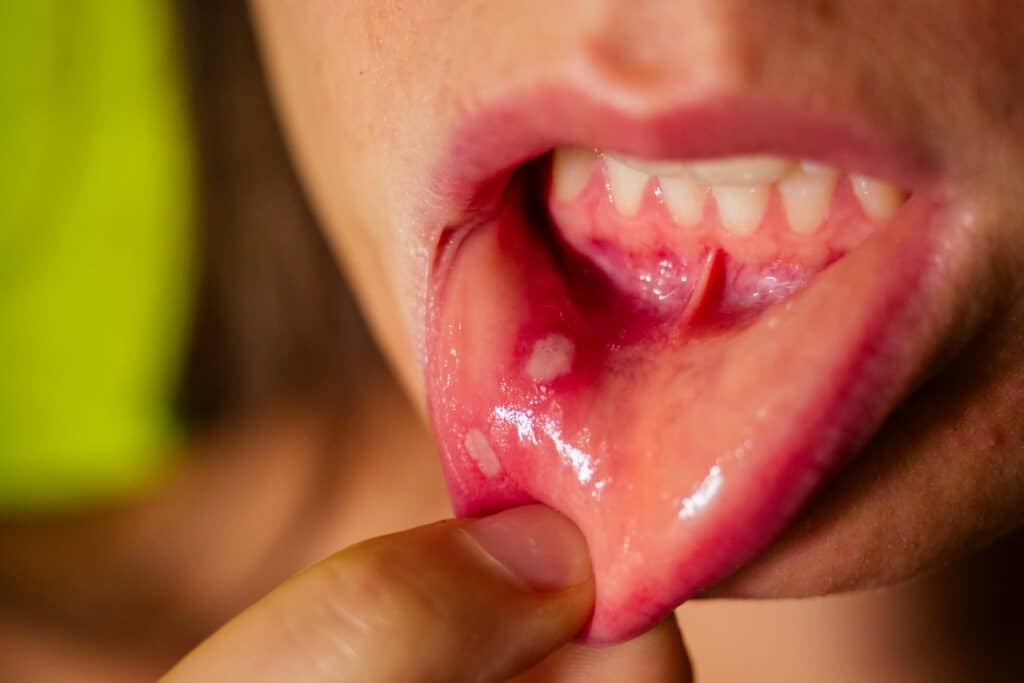
Mouth ulcers are small, oval or round sores with a white or yellowish centre surrounded by a red border. They can appear on the inner cheeks, gums, tongue, the roof of the mouth, or the inside of your cheek. Some people experience a single ulcer at a time, while others may develop several at once.
Types of Ulcers in the Mouth
Type | Size | Healing Time | Features |
Minor aphthous ulcer | Under 10mm | 7–14 days | Most common type; heals without scarring |
Major aphthous ulcer | Over 10mm | Up to 6 weeks | Deeper, more painful; may leave scarring |
Herpetiform ulcer | 1–2mm clusters | 10–14 days | Multiple small sores; not caused by herpes simplex |
Ulcer on the Lip vs. Inside the Mouth
An ulcer on the lip differs slightly from one that forms inside the mouth. Lip ulcers are more exposed to external irritants such as sunlight, dry air, and food contact, which can slow the healing process. A cold sore, by contrast, appears on the outer lip and is caused by the herpes simplex virus, making it contagious. If you are unsure whether your lip sore is a mouth ulcer or a cold sore, it is worth checking with your dentist or doctor.
What Causes Mouth Ulcers? Common Causes Explained
Understanding the causes of mouth ulcers can help you reduce how often they occur. There is rarely a single cause — most mouth ulcers result from a combination of triggers.
Minor Trauma and Physical Irritation
The most common cause of a mouth ulcer is accidentally biting your cheek or tongue. Biting your cheek during eating, wearing ill-fitting dentures or braces, or brushing your teeth too aggressively with a hard toothbrush can all damage the soft oral tissues and trigger a sore. Eating sharp or hard foods — such as crusty bread, corn chips, or hard lollies — can also cause minor mouth injuries that develop into ulcers.
Nutritional Deficiencies
Nutritional deficiencies are a well-established cause of mouth ulcers. Low levels of vitamin B12, iron, folate, and zinc have all been linked to frequent mouth ulcers. These deficiencies may result from a poor diet, restrictive eating, or underlying health conditions that affect nutrient absorption, such as coeliac disease or Crohn’s disease.
Nutrient | Deficiency Effect | Good Dietary Sources |
Vitamin B12 | Recurring ulcers, fatigue | Meat, eggs, dairy, fortified cereals |
Iron | Slow healing, anaemia | Red meat, legumes, leafy greens |
Folate | Ulcers, inflammation | Leafy greens, citrus, legumes |
Zinc | Poor wound healing | Nuts, seeds, shellfish, wholegrains |
Stress, Hormonal Changes, and Lifestyle Triggers
Psychological stress is a frequently reported trigger for mouth ulcers. Hormonal changes — particularly those related to the menstrual cycle — can also cause mouth ulcers to flare up. Fatigue, poor sleep, and a weakened immune system may all make oral tissues more vulnerable to developing a sore.

Ulcers in the Corners of the Mouth
Ulcers that appear specifically in the corners of the mouth are often a sign of angular cheilitis rather than a standard aphthous ulcer. Angular cheilitis is commonly caused by a fungal or bacterial infection, prolonged moisture around the mouth (such as from drooling), or nutritional deficiencies — particularly iron and vitamin B12. This condition requires targeted treatment and does not always respond to standard mouth ulcer treatment.
Food, Drink, and Other Triggers
Certain foods and drinks can make the pain worse or trigger a new ulcer. Acidic foods such as citrus fruits, tomatoes, and vinegar-based dressings are common culprits. Spicy foods, alcohol, and highly processed snacks can also irritate oral tissues. Some people find that toothpastes containing sodium lauryl sulphate (SLS) — a foaming agent — aggravate their mouth ulcers.
Mouth Ulcer Treatment – How to Treat Mouth Ulcers Effectively
Most mouth ulcers are harmless and will heal without medical intervention. However, there are several effective mouth ulcer treatments that can reduce pain and speed up the recovery process.
First Aid for Mouth Ulcers – Immediate Relief
The following steps provide quick relief and support the healing process:
- Rinse your mouth with warm salty water (half a teaspoon of salt in a glass of warm water) two to three times daily
- Avoid touching or picking at the ulcer
- Apply a cold compress or suck on an ice cube to reduce pain and swelling
- Eat soft, bland foods and avoid acidic foods, spicy dishes, and alcohol
- Drink through a straw if eating and drinking are particularly painful
Over-the-Counter Mouth Ulcer Treatment Options
Several over-the-counter products are available in Australian pharmacies to help manage mouth ulcers:
Product Type | How It Helps |
Antiseptic mouthwash (e.g., chlorhexidine) | Reduces bacteria and prevents secondary infection |
Topical anaesthetic gel | Temporarily numbs the area to reduce pain |
Ulcer patches or protective paste | Creates a barrier over the ulcer to protect it from irritation |
Mouth spray | Delivers antiseptic or anaesthetic directly to the sore |
Dissolve-in-mouth lozenges | Provide localised relief and can reduce inflammation |
Always follow the directions on the packaging and consult your pharmacist if you are unsure which product is most appropriate.
Natural Home Remedies for Mouth Ulcers
Several home remedies have demonstrated useful antimicrobial or anti-inflammatory properties:
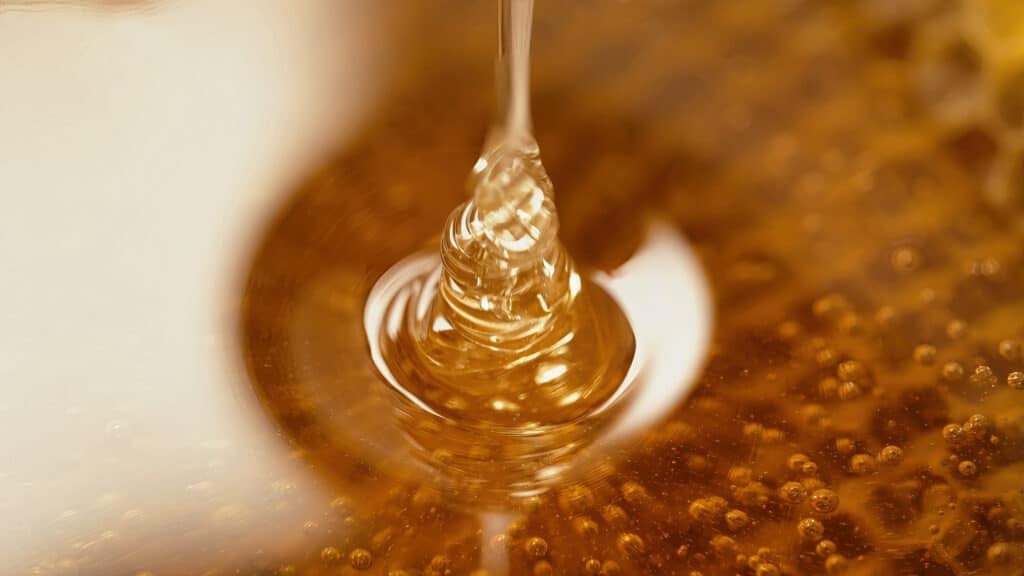
- Honey: Applied directly to the ulcer, honey has natural antimicrobial properties that may support healing
- Aloe vera gel: Dabbing pure aloe vera gel onto the sore can soothe irritation and reduce inflammation
- Chamomile tea rinse: Chamomile has mild anti-inflammatory properties; rinsing with cooled chamomile tea may provide relief
- Coconut oil: Applying a small amount of coconut oil to the ulcer may help reduce bacteria and discomfort
These home remedies work best alongside standard mouth ulcer treatment rather than as a replacement for it.
How to Treat an Ulcer on the Lip
An ulcer on the lip benefits from keeping the area clean and moisturised. Avoid prolonged sun exposure during the healing process, and use a lip balm with SPF protection to shield the skin. Avoid licking the lip, as saliva can further irritate the area.
Treating Ulcers in the Corners of the Mouth
If you have ulcers in the corners of the mouth and suspect angular cheilitis, an antifungal or antibacterial cream may be more effective than standard mouth ulcer treatment. Address any underlying nutritional deficiencies by improving your diet or taking supplements as recommended by your doctor. Keep the area clean and as dry as possible to discourage fungal growth.
Knowledge is the best first aid. First Aid Pro’s nationally recognised courses give you the practical skills to handle medical situations and injuries with confidence — including identifying when a symptom needs urgent care. Enrol with First Aid Pro today and be prepared to act when it matters most.
How Long Do Mouth Ulcers Last? Recovery and Healing Timeline
Most minor mouth ulcers heal within 10 to 14 days without treatment. Major ulcers may take up to six weeks to heal fully and can leave minor scarring. Herpetiform ulcers — despite their name, not caused by the herpes simplex virus — typically resolve within 10 to 14 days.
Signs Your Mouth Ulcer Is Getting Better
- The ulcer reduces in size and the redness fades
- Pain and tenderness decrease noticeably
- Eating and drinking become more comfortable
- The white or yellow centre gradually disappears
Why Is My Mouth Ulcer Not Healing?
If a mouth ulcer lasts longer than three weeks, is unusually large or painful, or keeps returning, this may indicate an underlying cause that needs medical attention. Ongoing irritation from dentures or braces, unaddressed nutritional deficiencies, or an underlying health condition such as inflammatory bowel disease can all prevent a sore from healing as expected.

When to See a Dentist or Doctor About a Mouth Ulcer
While mouth ulcers are usually harmless, there are specific situations where you should see your dentist or doctor promptly.
Warning Signs That Require Medical Attention
- A mouth ulcer that lasts longer than three weeks
- An unusually large or deepening lesion
- Recurring ulcers that appear three or more times per year
- A sore accompanied by fever, fatigue, or swollen lymph nodes
- Difficulty swallowing or breathing
- A painless ulcer that does not heal — this can occasionally be a sign of mouth cancer and should always be assessed by a dentist
Could It Be a Sign of Mouth Cancer?
In rare cases, a persistent, painless mouth sore may be an early sign of oral cancer. This is not a reason to panic, but it is a reason to see your dentist without delay. Early detection significantly improves outcomes. Your dentist can examine the lesion and refer you for further assessment if needed.
Mouth Ulcers in Children
Mouth ulcers are common in children, particularly due to viral infections such as hand, foot and mouth disease. If your child refuses to eat, develops a high fever, or has severe or worsening mouth sores, seek paediatric medical advice promptly. Standard mouth ulcer treatment is generally safe for older children, but always check with a pharmacist or doctor before using topical products on young children.

How to Prevent Mouth Ulcers From Recurring
Dietary Adjustments
- Eat a balanced diet rich in vitamin B12, iron, folate, and zinc
- Reduce your intake of acidic foods, spicy dishes, and processed snacks
- Stay well hydrated throughout the day
Oral Hygiene Habits
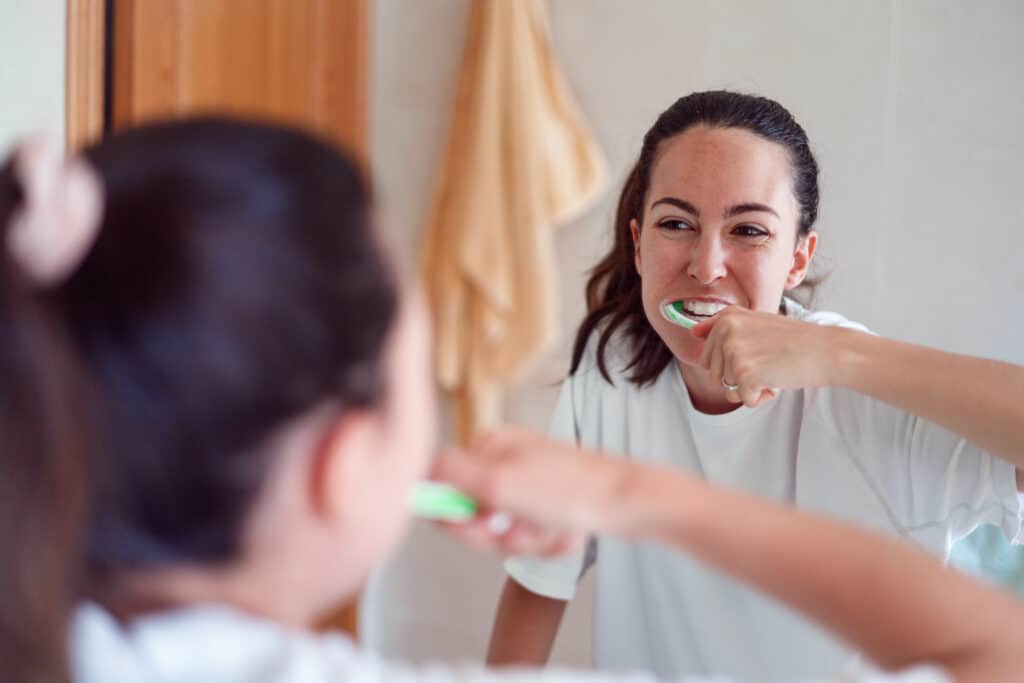
- Use a soft-bristled toothbrush to avoid irritating the gums and inner cheeks when brushing your teeth
- Switch to an SLS-free toothpaste if you experience frequent ulcers
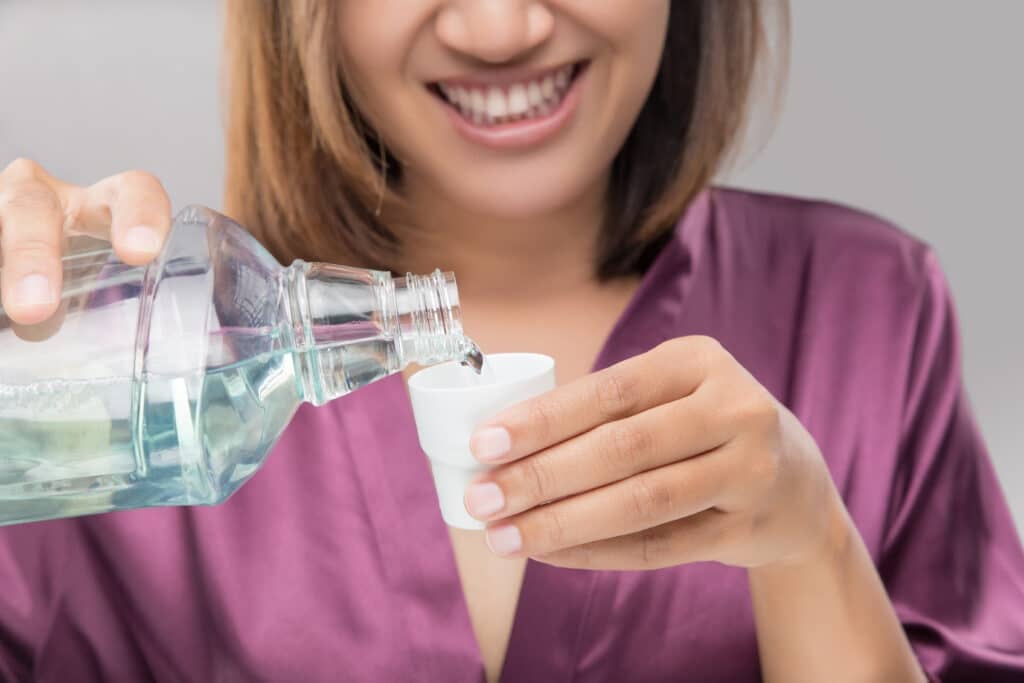
- Rinse with an alcohol-free mouthwash to maintain oral hygiene without drying out oral tissues
Stress and Lifestyle Management
- Maintain a regular sleep schedule to support immune function
- Incorporate regular exercise and stress-reduction techniques such as mindfulness or breathing exercises
- Keep a simple trigger diary to identify patterns — noting what you ate, your stress levels, and when ulcers appear can help you pinpoint personal causes
Quick Knowledge Test – How Much Do You Know About Mouth Ulcers?
Take the next step in your health and safety journey. Knowing how to respond to common health concerns — and when to seek professional help — starts with the right training. First Aid Pro’s nationally recognised first aid courses are available across Australia, offering flexible options for individuals, families, and workplaces. Enrol with First Aid Pro today and gain the confidence to act in any situation.
Related Reading
- Better Health Channel: Mouth ulcers
- Healthdirect Australia. (2024). Mouth sores and ulcers (canker sores)
- Cancer Council Australia. (2023). Mouth Health
- Brocklehurst, P., et al. (2012). Systemic interventions for recurrent aphthous stomatitis. Cochrane Database of Systematic Reviews.
- Scully, C. (2006). Aphthous ulceration. New England Journal of Medicine, 355(2), 165–172.
Frequently Asked Questions
Are mouth ulcers contagious?
No. Aphthous ulcers and canker sores are not contagious. Unlike cold sores, which are caused by the herpes simplex virus and can be passed on through direct contact, mouth ulcers cannot be transmitted from one person to another.
What is the fastest mouth ulcer treatment?
The quickest relief typically comes from rinsing your mouth with warm salty water, applying a topical anaesthetic gel, and avoiding known food and drink triggers. Over-the-counter ulcer patches that create a barrier over the ulcer can also significantly reduce discomfort while the sore heals.
Why do I keep getting ulcers in my mouth?
Recurring mouth ulcers are often linked to nutritional deficiencies — particularly low vitamin B12, iron, or folate — food sensitivities, stress, or an underlying health condition such as coeliac disease or inflammatory bowel disease. A blood test and review with your doctor can help identify the underlying cause.
Can a mouth ulcer be a sign of mouth cancer?
Most mouth ulcers are harmless and are not a sign of oral cancer. However, a painless ulcer or lesion that does not heal within three weeks should always be assessed by a dentist. Early detection of oral cancer significantly improves treatment outcomes, so it is always worth getting an unexplained sore checked promptly.
Is it safe to use over-the-counter mouth ulcer treatment during pregnancy?
Some over-the-counter products — particularly those containing lignocaine or antiseptic agents — may not be recommended during pregnancy. If you are pregnant and experiencing severe mouth ulcers, speak with your doctor or pharmacist before using any topical treatment or mouthwash to ensure it is safe for you and your baby.