



Sharon has 21+ years of experience as a qualified Emergency Care Nurse registered with the Australian Health Practitioner Regulation Agency (APHRA) and 12+ years as a First Aid Trainer.
She takes pride in FirstAidPro making first aid training available, comprehensive and affordable to everybody.
World Drowning Prevention Day is observed on 25 July each year — a date established by the United Nations General Assembly in 2021 to draw global attention to one of the most preventable causes of death on the planet.
In Australia, the timing lands squarely in the middle of winter, and that is no coincidence in its significance. While most drowning awareness campaigns focus on crowded summer beaches and backyard pools, the colder months carry their own quiet, underestimated danger. Rivers run faster, water temperatures drop sharply, and the people near those waterways — fishers, hikers, trail runners, and cold-water swimmers — are often far from help and far less prepared than they realise.
This World Drowning Prevention Day 2026, the message is clear: drowning prevention is not a seasonal responsibility. Knowing how to respond to a cold-water emergency, and being trained to act, could be the difference between a tragedy and a life saved.
Key Takeaways
- Drowning is a year-round risk in Australia — winter rivers, rock platforms, and inland waterways claim lives every year, often far from help.
- Cold water kills differently and faster than most people expect; the cold shock response can incapacitate even strong swimmers within the first 30 seconds of immersion.
- A lifejacket worn on open water and a simple float plan told to someone before you leave are the two most effective prevention habits you can build.
- Bystander action in the minutes before emergency services arrive — safe rescue, keeping the casualty horizontal, and correctly performed CPR — dramatically improves survival outcomes.
- Nationally accredited first aid training with First Aid Pro is one of the most practical steps anyone who spends time near water can take this World Drowning Prevention Day.
Why Drowning Doesn't Take a Season Off in Australia
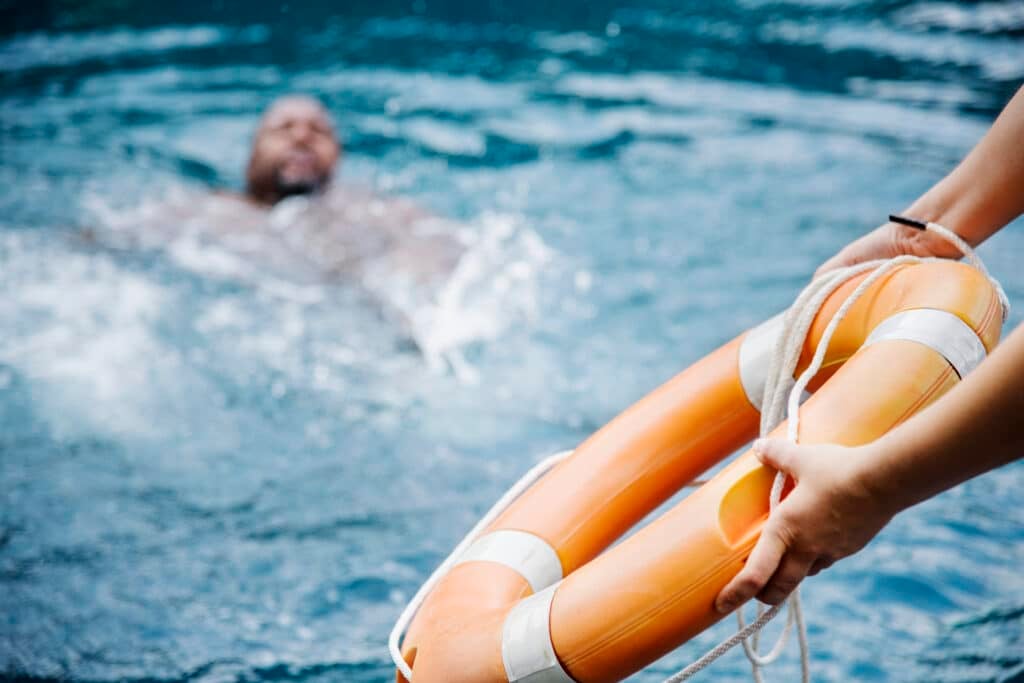
There is a persistent and dangerous myth in Australian water safety culture — that drowning is primarily a summer problem. It is the kind of assumption that makes sense on the surface. Summer brings crowded beaches, busy pools, and endless news coverage of coastal rescues. But the data tells a different story.
According to Royal Life Saving Australia’s National Drowning Report, a significant proportion of drowning fatalities in Australia occur outside the summer months. Winter waterways claim lives every year — rivers swollen from seasonal rainfall, harbour edges and rock platforms made slippery by cold and wet conditions, and ocean fishing boat trips where help is never close.
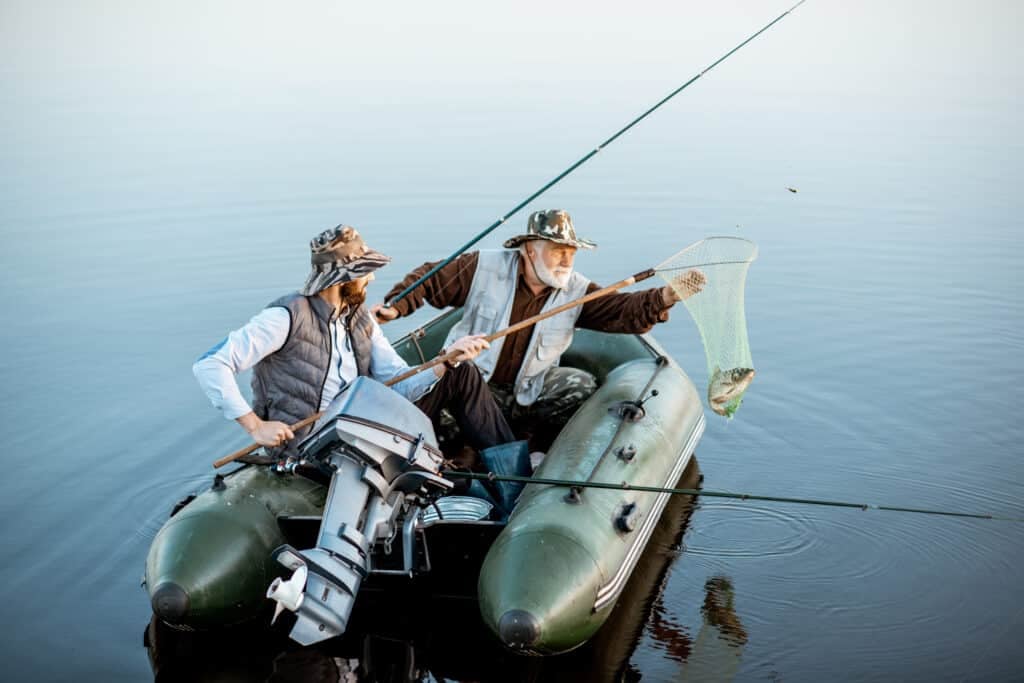
The victims are not always inexperienced. Many are confident adults — recreational fishers who know their local river well, trail walkers who have crossed that same creek a dozen times, open-water swimmers who are fit, capable, and utterly unprepared for what cold water can do to the human body in minutes.
Men aged 25 to 64 represent a disproportionately high number of winter drowning fatalities in Australia. This group tends to overestimate their ability to handle unexpected immersion, and to underestimate the speed at which cold water renders the body incapable of self-rescue.
Geography matters too. Queensland, New South Wales, and Victoria all record significant numbers of river and inland waterway drownings during the cooler months — not the beach rescues that make the evening news, but quiet, often witnessed tragedies in places that did not feel dangerous at the time.
World Drowning Prevention Day asks us to hold all of this in view, not just the headline news image of a rip current at Bondi.
The Hidden Danger: How Cold Water Kills Differently
Most people, when they imagine a drowning scenario, think of exhaustion — someone swimming too hard for too long until they simply cannot stay afloat. Cold-water drowning is different. It is faster, more physiologically violent, and far less forgiving of delays in response.
Researchers and rescue professionals describe cold-water immersion as a four-stage process, and the first stage is the one that kills people who thought they were strong enough to handle it.
The cold shock response hits immediately — within the first thirty seconds of immersion in cold water. The body experiences an involuntary gasp reflex, a sharp spike in heart rate and blood pressure, and a nearly uncontrollable urge to breathe rapidly. For someone who has just fallen from a riverbank or capsized a kayak, this is the moment they are most likely to inhale water. It happens before panic, before fatigue, before any conscious decision-making can take place. It is a pure physiological reflex, and it is responsible for a significant number of cold-water drowning deaths in people who were, by every measure, strong swimmers.
If a person survives the cold shock phase, swimming failure sets in within the next three to thirty minutes, depending on water temperature. Cold water rapidly strips heat from the muscles in the arms and legs — not the core, where vital organs are protected, but precisely the limbs needed to stay afloat. A person who entered the water feeling confident and capable may find themselves genuinely unable to coordinate their movements within minutes. They are not panicking. They are not giving up. Their muscles have simply stopped responding.
Incapacitation follows, as the body draws blood away from the extremities to protect the core. Fine motor skills disappear first, then gross motor control. At this stage, even grabbing a rope or a rescuer’s hand becomes extraordinarily difficult.
Hypothermia — the stage most people associate with cold-water danger — is actually the last to arrive. By the time the core body temperature begins to drop significantly, a person may already have drowned through one of the earlier mechanisms. This is important to understand because it changes how we think about rescue priorities. Getting someone out of cold water quickly is not just about preventing hypothermia. It is about preventing death in the first thirty minutes.
Winter Water Safety: What Australians Need to Know Before They Go
The best cold-water rescue is the one that never needs to happen. Prevention is not complicated, but it does require deliberate habits that many Australians — especially those who spend time near water for work or recreation — have not yet built.
Wearing a lifejacket on open waterways should be considered non-negotiable in winter. In warmer months, the window between falling in and getting into serious difficulty is wider. In cold water, that window collapses. A lifejacket keeps a person’s airway above the surface during the cold shock phase when voluntary swimming is nearly impossible. It is the single most effective piece of personal safety equipment for anyone on or near open water, and it only works when it is being worn — not stowed under a seat.
Telling someone your plans is equally important and costs nothing. Where are you going, what water will you be near, and when should someone expect to hear from you? This is not overcaution — it is the foundation of any sensible risk management in remote or semi-remote environments. Emergency services locate people faster when someone raises the alarm promptly, and in cold-water scenarios, time is not a resource that can be recovered.
Winter Waterway Risks to Know Before You Go
Before heading out near winter waterways, it is worth understanding these key risk factors.
Cold Water Shock
Water temperature in Australian rivers and alpine lakes can sit between 8 and 14 degrees Celsius during winter months — cold enough to trigger shock response within seconds.
Changing River Conditions
River levels and flow rates change dramatically after rainfall. A crossing that was knee-deep a week ago may now be waist-deep with powerful lateral force.
Slippery Edges and Winter Swells
Rock platforms and harbour edges are significantly more slippery in wet and cold conditions, and waves are less predictable in winter swells.
Alcohol and Cold Water
Alcohol and cold water are a genuinely lethal combination. Alcohol accelerates heat loss, impairs the physiological responses that help the body cope with cold shock, and removes the judgement that would otherwise keep someone away from the water's edge.
Fishing Alone in Remote Locations
Fishing alone in remote locations during winter represents one of the highest-risk profiles for cold-water drowning in Australia.
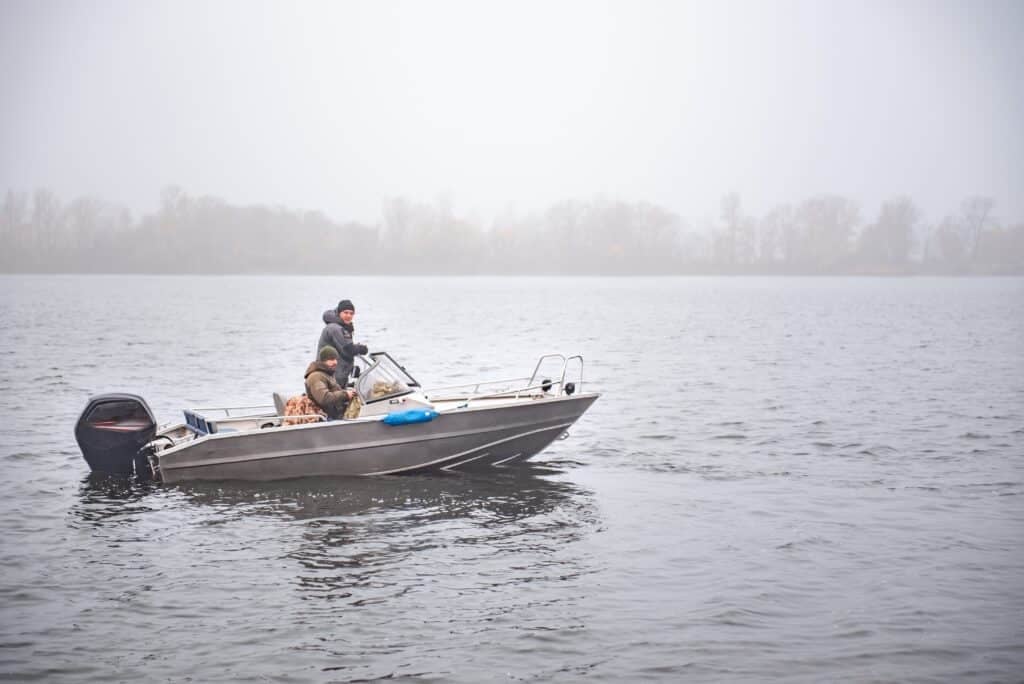
Safety reminder: winter waterways can look calm while still carrying serious cold-water, current, weather and isolation risks.
Dressing appropriately for the conditions — not for the activity — matters more than many people acknowledge. If there is any chance of entering the water, a wetsuit or drysuit provides meaningful thermal protection. For those in kayaks, canoes, or small vessels, a wetsuit worn under a lifejacket should be standard kit during the winter months, not an optional extra.
When Prevention Fails: The Role of First Aid in Cold-Water Emergencies
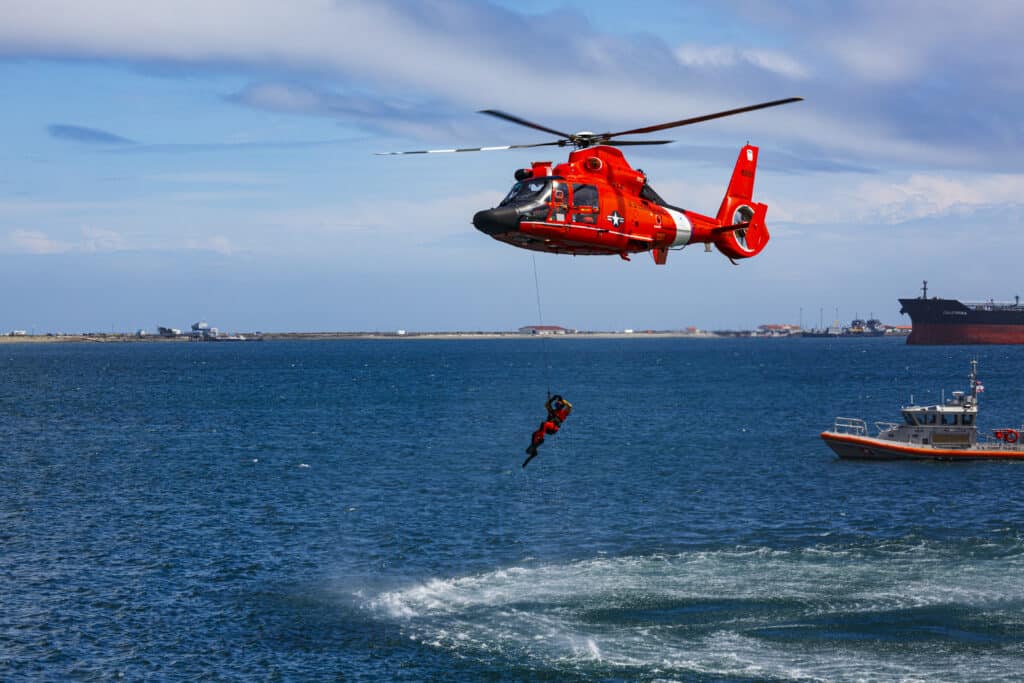
Even with every precaution in place, accidents happen. A misjudged river crossing, a moment of inattention on a wet rock, a boat that takes on water unexpectedly — the margin between a near-miss and a fatality in cold water is often measured in minutes. What bystanders and companions do in those minutes matters enormously.
The first and most critical step is calling 000 immediately. In remote areas, this may mean using a personal locator beacon, a satellite communicator, or a mobile phone from higher ground. Do not delay the call to attempt a rescue first — help can be dispatched while a rescue is underway.
Safe self-rescue and bystander rescue principles apply especially in cold water. The person in the water may be in the cold shock phase — gasping, disoriented, and unable to make coordinated swimming movements — but they are not yet beyond help. Reaching assists using branches, ropes, clothing, or anything that extends the rescuer’s reach without requiring them to enter the water are the safest first option. A rescuer who enters cold water without proper equipment may quickly become a second victim.
If someone is retrieved from cold water, the priority is removing wet clothing, insulating them from further heat loss, and keeping them horizontal. Moving a hypothermic person from horizontal to vertical can trigger a dangerous drop in blood pressure — a phenomenon called post-rescue collapse — which can be fatal even after the person has been successfully removed from the water.
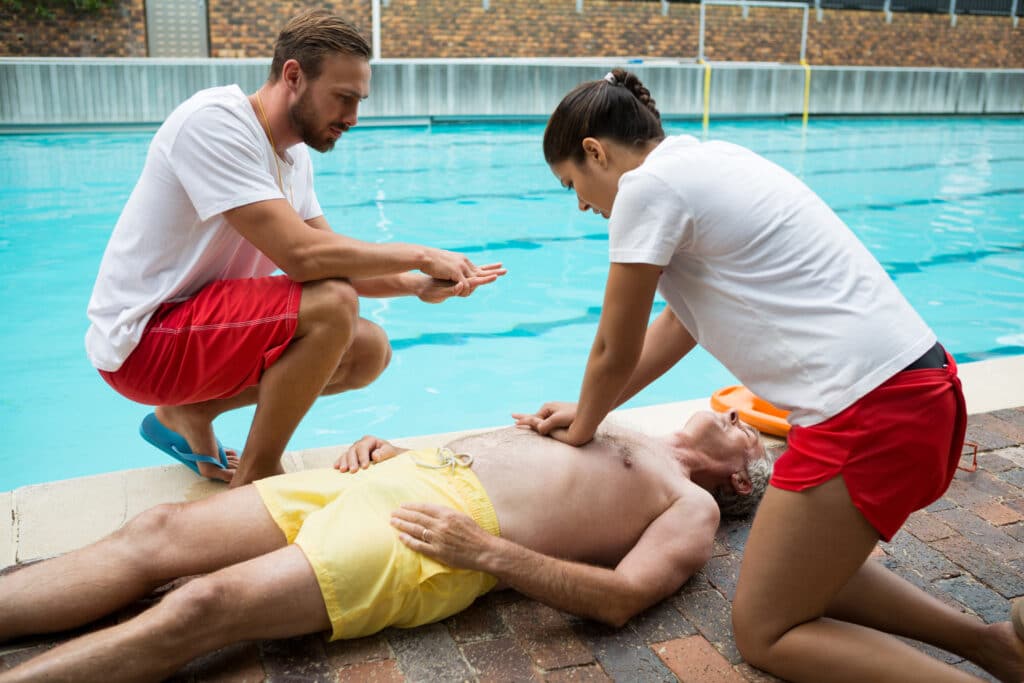
If the person is unresponsive and not breathing, CPR should begin immediately. Cold water actually provides some protective effect on the brain during cardiac arrest — there are documented cases of people surviving extended submersion in very cold water with full neurological recovery. This is why the phrase “not dead until warm and dead” exists in emergency medicine. Continue CPR until emergency services arrive, regardless of how long the person has been in the water.
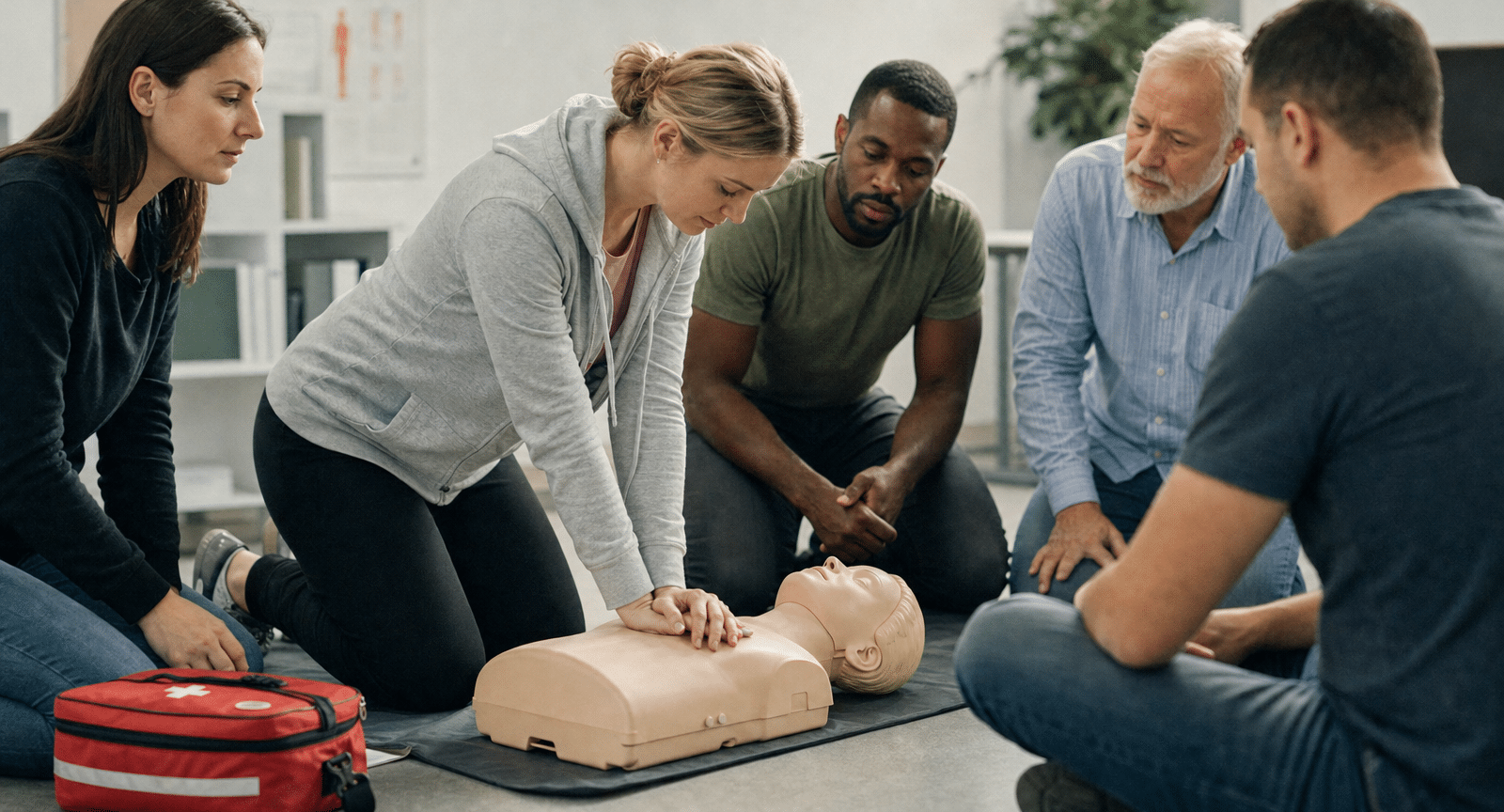
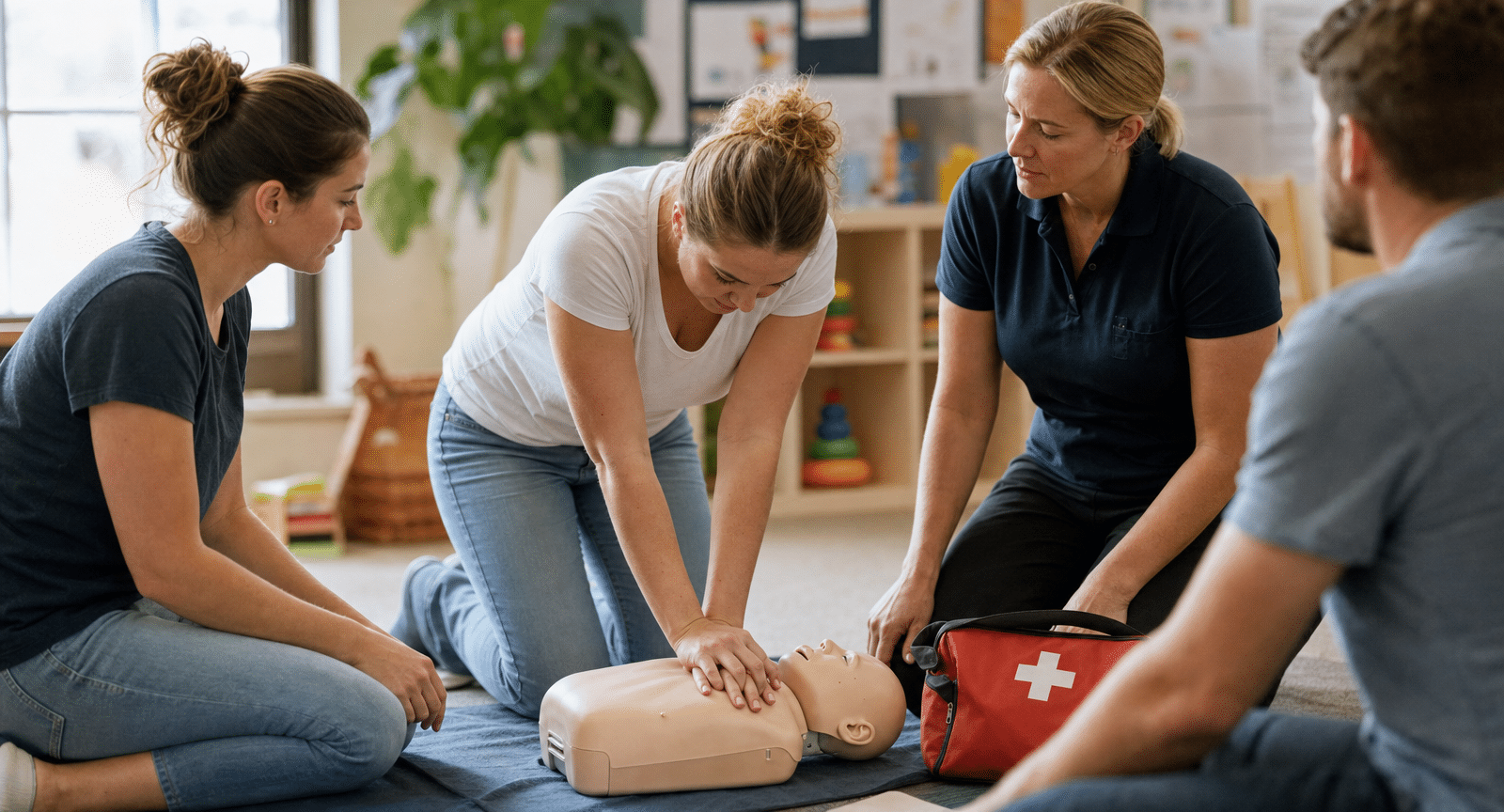
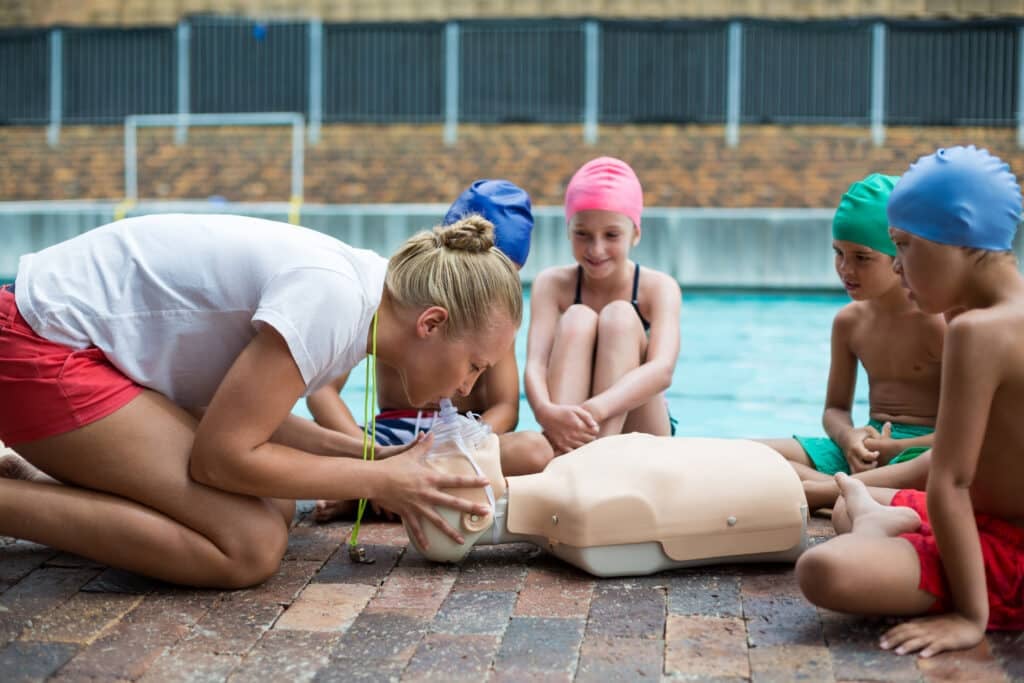
This is where first aid training becomes not just useful but genuinely life-saving. Knowing how to perform CPR correctly — with the right rate, the right depth, and the right technique — does not come from a YouTube video watched once on a phone. It comes from hands-on training, from practising on a manikin until the muscle memory is real, from understanding what you are actually doing and why.
That kind of knowledge stays with you. And in the minutes before an ambulance arrives at a remote river crossing, it is all that stands between someone surviving and not.

First Aid Training as a Year-Round Responsibility
Australians are, broadly speaking, a water-loving population. We live along the coasts, we fish the rivers, we kayak the lakes, we swim the harbour bays. Most of us live within an hour of significant open water of some kind. And yet, the percentage of Australians who hold current, nationally accredited first aid training remains far lower than the proportion who regularly spend time in or near environments where that training could save a life.
First aid training is often thought of as something for parents of young children, for workplace compliance, for lifeguards and surf club volunteers. It is not often framed as essential knowledge for the person who fishes the Snowy River every June, or the trail runner who regularly follows routes alongside alpine streams, or the family that takes a houseboat holiday on the Murray each school holidays. But it should be.
A nationally accredited first aid course with First Aid Pro covers CPR, management of unconscious casualties, and the broader framework of how to manage an emergency while help is on the way. It is practical, hands-on training delivered by qualified instructors — not a checkbox exercise, but a genuine transfer of skills that most participants describe as one of the most worthwhile few hours they have ever spent.
Refreshing your first aid certification is also worth raising here. CPR guidelines are updated periodically as new research emerges, and technique matters — incorrect depth or rate during chest compressions significantly reduces their effectiveness. If your last first aid course was more than two or three years ago, the guidelines may have changed and your muscle memory may have drifted. Renewing is quick and worthwhile.
If you spend time near water — in any season — this is one of the single most practical things you can do to protect the people around you. Enrol in a first aid course with First Aid Pro before 25 July, and mark World Drowning Prevention Day 2026 with something more meaningful than a shared post.
World Drowning Prevention Day 2026: How You Can Mark It Meaningfully
Awareness days serve a purpose, but their value depends on what people do with the awareness they generate. Sharing a graphic on social media reaches people. Actually changing behaviour saves them.
There are a few genuinely useful ways to observe World Drowning Prevention Day 2026. Check the life jackets in your boat or shed — are they correctly fitted, in good condition, and accessible? Do the people you go fishing or paddling with know what to do if someone goes in the water? Have you ever talked with your kids, your mates, or your partner about what cold-water immersion actually does to the body, and why the confident feeling of being a strong swimmer is not the protection they think it is?
And then there is the bigger step — booking a first aid course. First Aid Pro offers nationally accredited training across Australia, with courses available in major cities and regional centres. Whether you are a complete beginner or looking to refresh an expired certification, the investment is modest and the return is incalculable. You can visit First Aid Pro’s website to find a course near you and enrol ahead of World Drowning Prevention Day.
The UN chose 25 July for this observance because it is statistically one of the deadliest weeks of the year for drowning globally. In Australia, winter is very much part of that story. The cold rivers, the rain-swollen creeks, the slippery rock platforms, the fishers alone at dawn — these are not abstract risks. They are the conditions under which Australians die every year, preventably, in circumstances where a bystander with first aid training might have changed everything.
Every Season Is Water Season
Australia’s relationship with water is part of who we are — the rivers and bays and coastlines that frame so much of our recreational and working life. That relationship deserves to be a safe one, in every month of the year.
World Drowning Prevention Day is a reminder that safety is not the absence of risk. It is the presence of knowledge, preparation, and the willingness to act. Cold water does not announce itself as dangerous. It simply is. The people who understand that — who know what cold shock does to a body, who know how to keep someone alive in the minutes before help arrives, who have actually practised CPR until their hands know what to do — those are the people who change outcomes.
This 25 July, take the day seriously. Check your gear, have the conversation, and if your first aid training has lapsed — or if you have never had any — make the call. First Aid Pro’s nationally accredited courses are designed for exactly this: real skills for real emergencies, delivered by people who know what they are talking about. Book your place, and go into the next season of your outdoor life with something more valuable than good intentions.
Related Reading
- World Health Organization – World Drowning Prevention Day
- Royal Life Saving Australia – National Drowning Reports
- Royal Life Saving Australia – Risks of Cold Water
- Transport for NSW. Cold Water and Hypothermia. Available at: Cold Water and Hypothermia Safety Advice.
- Bureau of Meteorology. Cold Water Shock: Be Prepared Before Boating. Available at: Cold Water Shock and Boating Safety.
Frequently Asked Questions
What is World Drowning Prevention Day?
World Drowning Prevention Day is observed annually on 25 July to raise awareness about drowning prevention and promote practical measures that reduce drowning deaths worldwide.
Why is cold water so dangerous?
Sudden immersion in cold water can trigger cold-water shock, causing involuntary gasping, rapid breathing, panic, and loss of swimming ability, even in experienced swimmers.
What should I do if someone falls into cold water?
Call Triple Zero (000), encourage the person to stay calm, and use the Reach, Throw, Don’t Go principle whenever possible. Avoid becoming a casualty yourself.
What is hypothermia?
Hypothermia occurs when the body’s core temperature drops below normal levels. It can develop after prolonged exposure to cold water and requires prompt medical attention.
Can CPR help after a drowning incident?
Yes. Early CPR is critical when a drowning casualty is not breathing normally. Prompt intervention can significantly improve survival and recovery outcomes.