




Sharon has 21+ years of experience as a qualified Emergency Care Nurse registered with the Australian Health Practitioner Regulation Agency (APHRA) and 12+ years as a First Aid Trainer.
She takes pride in FirstAidPro making first aid training available, comprehensive and affordable to everybody.
Key Takeaways
- A tooth abscess is a pocket of pus caused by a bacterial infection inside or around a tooth — it will not resolve without dental treatment.
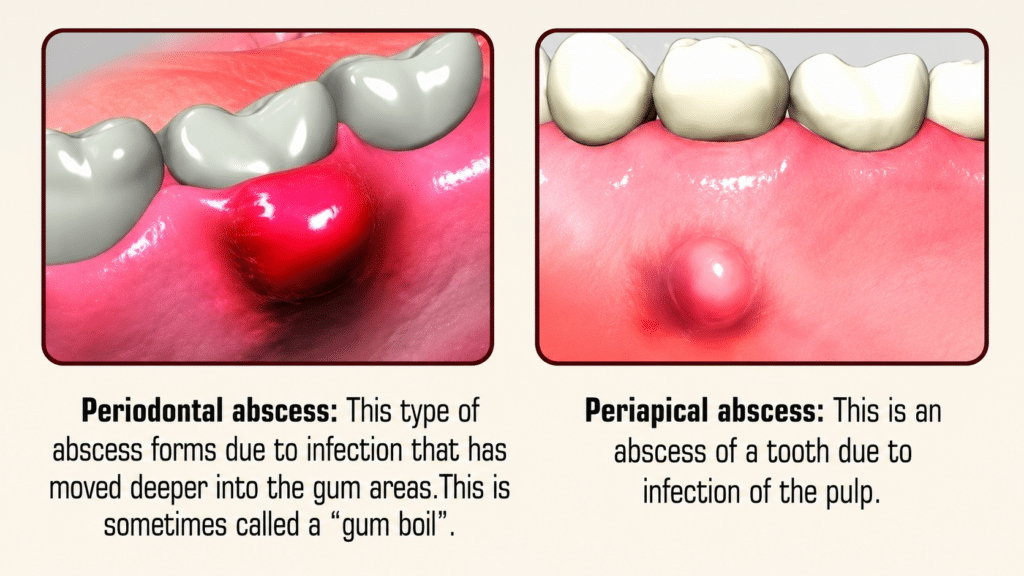
- There are two main types: a periapical abscess (at the root tip) and a periodontal abscess (in the gum tissue beside the tooth).
- Symptoms include severe, throbbing tooth pain, swelling of the face or jaw, fever, and sensitivity to heat or cold.
- A tooth abscess is a serious dental condition — if left untreated, the infection can spread to the jaw, neck, or brain.
- First aid measures can temporarily relieve pain but are not a substitute for professional dental treatment.
- Regular dental check-ups are the most effective way to prevent an abscess from forming.
What Is a Tooth Abscess?
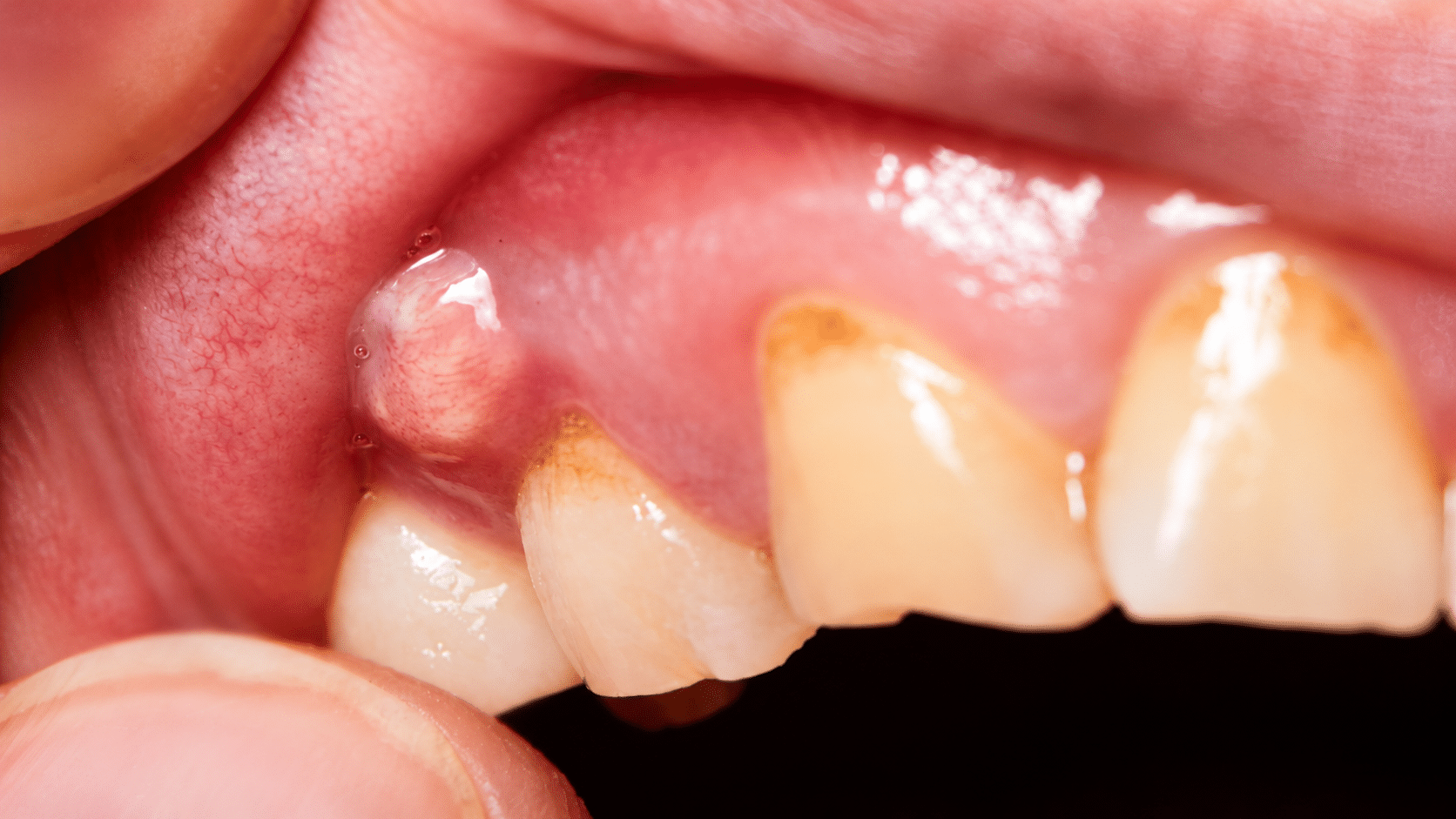
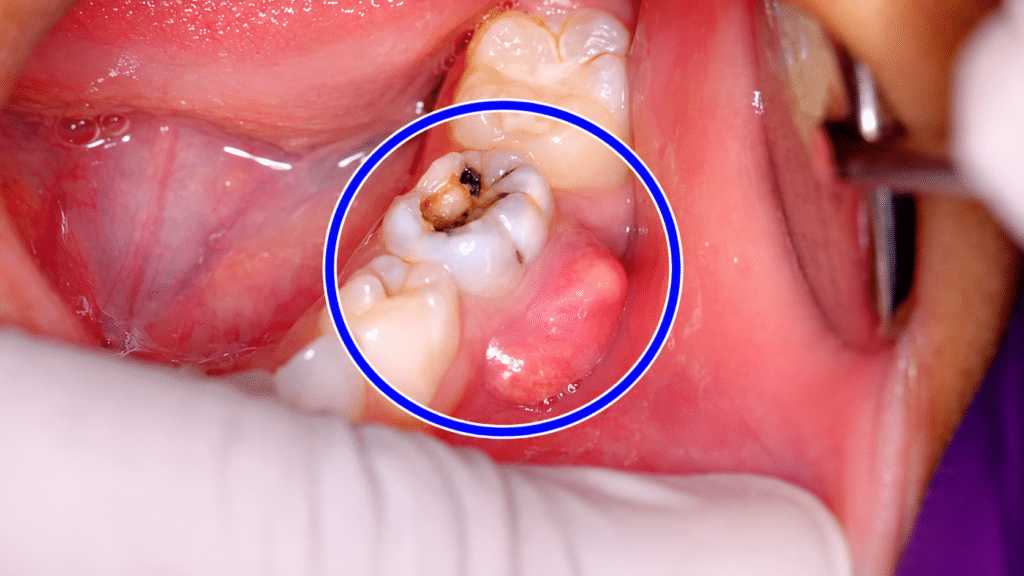
A tooth abscess is a painful pocket of pus that forms as the result of a bacterial infection, either inside a tooth or in the surrounding gum and bone tissue. It is one of the most common — and most serious — dental emergencies, and it requires prompt professional treatment to prevent the infection from spreading beyond the affected tooth.
Dental abscesses do not go away on their own. Without treatment, an abscess can cause severe complications, including the spread of infection to the jaw, neck, or in rare but documented cases, the brain. Understanding the signs and symptoms, the stages of a tooth abscess, and what to do if you suspect you have one could make a significant difference to your health outcome.
🩺 Act Early — Get First Aid Trained Knowing how to recognise and respond to a health emergency is a valuable life skill. First Aid Pro offers nationally recognised first aid courses across Australia. Enrol today and be prepared for any emergency.
The Two Main Types of Dental Abscess
Not every dental abscess is the same. The location of the abscess and the structures of the tooth involved will determine both the symptoms and the treatment approach.
Type | Location | Common Cause |
Periapical Abscess | Tip of the tooth root | Untreated tooth decay, cracked tooth, dental trauma |
Periodontal Abscess | Gum tissue beside the tooth | Advanced gum disease, foreign body in the gum |
Gingival Abscess | Gum surface only | Debris or foreign object trapped in the gums |
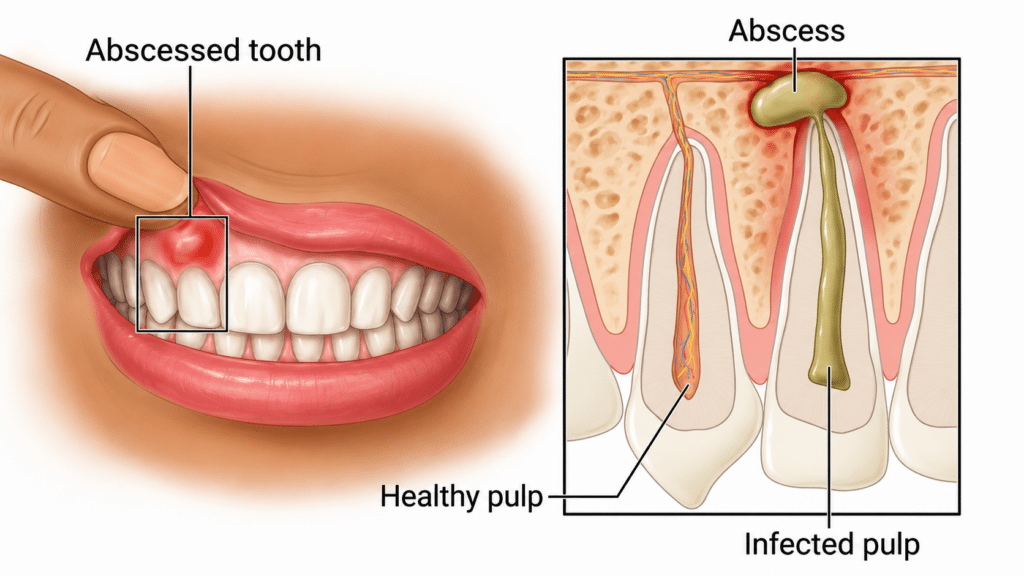
A periapical abscess is the most common type. It occurs when bacteria invade the innermost part of the tooth — the pulp — which is the soft tissue that contains blood vessels and nerves. Once bacteria reach the pulp, the infection travels down through the root of the tooth and collects at the tip of the tooth root, forming a pocket of pus.
A periodontal abscess occurs in the gum tissue and bone alongside a tooth, most often as a complication of periodontal (gum) disease. While both types share similar symptoms, a periodontal abscess tends to cause more localised swelling of the gum itself, rather than deep, radiating jaw pain.

How a Tooth Abscess Forms — Abscess Stages Explained
Understanding the tooth abscess stages helps explain why early treatment is so important. The formation of an abscess follows a predictable progression:
Stage 1 — Enamel Decay A crack in the tooth or untreated tooth decay allows bacteria to penetrate the outer layer of the tooth.
Stage 2 — Dentine Involvement Bacteria move deeper into the tooth, reaching the dentine beneath the enamel. Tooth sensitivity and mild discomfort may begin.
Stage 3 — Pulp Infection Bacteria invade the pulp of the tooth, causing inflammation and infection. This is typically when significant tooth pain begins.
Stage 4 — Abscess Formation The infection travels to the tip of the tooth root (periapical abscess) or the surrounding gum tissue (periodontal abscess). A pocket of pus forms, and symptoms become severe.
Stage 5 — Spreading Infection If the abscess is left untreated, the infection can spread beyond the tooth to the jaw, neck, and surrounding tissues. This is a medical emergency.
Signs and Symptoms of a Tooth Abscess
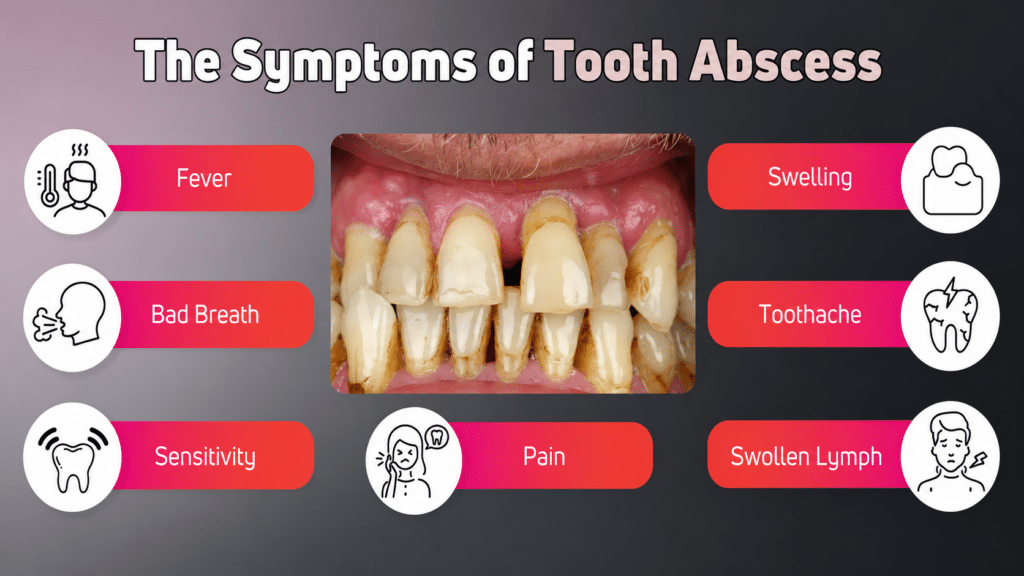
The symptoms of a tooth abscess are usually difficult to ignore. The most characteristic sign is a severe, persistent, throbbing toothache — one that may radiate into the jaw, neck, or ear. Other common symptoms of a dental abscess include:
- Sharp sensitivity to hot and cold foods or drinks
- Pain when biting or chewing
- Swelling of the face, cheek, or jaw
- Swollen, tender lymph nodes under the jaw or in the neck
- Fever and a general feeling of being unwell
- A sudden rush of foul-tasting, foul-smelling fluid in the mouth (which may indicate the abscess has ruptured)
- Difficulty swallowing or breathing (this requires immediate emergency care)
⚠️ Important: If you experience difficulty breathing or swallowing alongside dental pain and swelling, call 000 immediately. This may indicate the infection is spreading to the airway — a life-threatening complication.
When Is a Tooth Abscess a Dental Emergency?
A tooth abscess becomes an emergency when:
Warning Sign | Action Required |
Facial swelling spreading to the eye or neck | Go to hospital emergency immediately |
Difficulty breathing or swallowing | Call 000 |
High fever (above 38.5°C) with dental pain | Seek urgent medical care |
Abscess ruptures — sudden foul taste in mouth | See a dentist as soon as possible |
Severe, uncontrolled pain | Contact an emergency dentist |
What Causes a Tooth Abscess?
A tooth abscess happens when bacteria gain entry to the pulp or surrounding structures of the tooth. The most common causes include:
Untreated Tooth Decay This is the leading cause. When tooth decay is not treated, bacteria gradually work their way through the enamel and dentine to reach the pulp of the tooth. Once inside the tooth, bacteria multiply rapidly, causing the pulp to become infected and die.
A Crack or Injury to a Tooth A crack in the tooth, a chip, or an injury to a tooth can expose the inner layers to bacteria, even without visible decay. Trauma that damages the tooth internally can also cause the pulp to die, creating conditions that allow bacteria to thrive.
Periodontal (Gum) Disease Advanced gum disease creates deep pockets between the gum and tooth where bacteria can accumulate and cause an infection. A periodontal abscess occurs when these pockets become infected and a pocket of pus forms within the gum tissue.
Failed or Damaged Dental Work In some cases, an abscess can occur around a tooth that has previously had root canal treatment or a crown, particularly if the seal is compromised and bacteria re-enter the tooth.

Tooth Abscess First Aid — What to Do Before You See a Dentist
If you suspect you have an abscessed tooth, you should see a dentist as soon as possible — ideally the same day. While waiting for your appointment, the following first aid measures may help manage discomfort:
- Rinse with warm salt water — dissolve half a teaspoon of salt in a glass of warm water and rinse gently for 30 seconds. This can help reduce inflammation and keep the area clean.
- Take over-the-counter pain relief — ibuprofen (if not contraindicated) is often more effective than paracetamol for dental pain, as it also reduces inflammation. Always follow the directions on the packaging.
- Apply a cold compress — hold a wrapped ice pack against the outside of your cheek for up to 20 minutes at a time to reduce swelling.
- Avoid very hot or cold foods and drinks — these can intensify pain.
- Sleep with your head slightly elevated — this may help reduce throbbing by lowering blood pressure to the area.
What NOT to Do If You Have a Dental Abscess
- Do not place aspirin directly against the gum — this can cause a chemical burn to the tissue.
- Do not attempt to drain the abscess yourself — this can introduce more bacteria and worsen the infection.
- Do not ignore the symptoms hoping they will resolve — an untreated abscess will not get better on its own and can become life-threatening.
🩺 Be Ready for Health Emergencies First aid training equips you with the skills to respond calmly and effectively in a medical emergency. First Aid Pro provides nationally recognised first aid courses across Australia.
How Is a Tooth Abscess Treated?
The goal of dental treatment for an abscess is to eliminate the infection, relieve pain, and — where possible — save the tooth. The treatment options depend on the severity of the infection and the condition of the affected tooth.
Treatment | When It Is Used |
Drainage of the abscess | The dentist makes a small incision to drain the pus and relieve pressure |
Root canal treatment | Used to save the tooth — the infected pulp is removed, the canals are cleaned, and the tooth is sealed |
Antibiotics | Prescribed when the infection has spread, or the patient has a weakened immune system — antibiotics alone will not treat the abscess |
Tooth extraction | In cases where the tooth cannot be saved, removing the tooth allows drainage and resolution of the infection |
Root canal treatment is often the preferred option where the tooth structure is still sound, as it allows the dentist to save your tooth. After the procedure, the tooth is typically restored with a crown to protect it from further damage.
It is important to understand that antibiotics alone are not sufficient to treat a tooth abscess. The primary treatment is always draining the abscess — antibiotics support this process but cannot resolve a localised pocket of pus on their own.

Complications of an Untreated Tooth Abscess
Leaving a tooth abscess untreated is genuinely dangerous. An untreated abscess does not simply cause ongoing discomfort — it carries a risk of serious, potentially fatal complications.
Ludwig’s Angina A rapidly spreading bacterial infection of the floor of the mouth and neck, which can compromise the airway. This is a life-threatening emergency.
Cavernous Sinus Thrombosis In rare cases, the infection can spread to the venous sinuses of the brain, causing a blood clot that is extremely difficult to treat.
Sepsis When bacteria from a dental abscess enter the bloodstream, they can trigger sepsis — a systemic inflammatory response that can lead to organ failure and death.
Osteomyelitis A bacterial infection of the jaw bone that can develop from a chronic, untreated tooth abscess.
These complications are uncommon but are well documented in the medical literature. They reinforce why every dental abscess should be treated promptly by a qualified dental professional.

How to Prevent a Tooth Abscess
Most dental abscesses are preventable. Consistent oral hygiene habits and regular dental check-ups are the most effective tools for reducing your risk of developing an abscess.
Daily Habits That Reduce Your Risk
- Brush your teeth twice daily with fluoride toothpaste
- Floss at least once a day to remove plaque from between teeth
- Limit sugary foods and drinks, which increase the risk of tooth decay
- Do not smoke — smoking significantly increases the risk of gum disease and dental infection
- Wear a mouthguard during contact sport to protect against tooth trauma
Regular Dental Check-Ups The Australian Dental Association recommends that most adults see their dentist every six to twelve months for a routine check-up and clean. Early identification of tooth decay, cracked teeth, and gum disease means problems can be treated before they develop into a painful — and costly — abscess.
Knowledge Test — How Much Do You Know About Tooth Abscesses?
Test your understanding with this short quiz.
Question 1: Which of the following is the most common cause of a periapical abscess?
Question 2: Which symptom requires you to call 000 immediately?
Question 3: What is the primary treatment goal for a tooth abscess?
Question 4: What does a periodontal abscess affect?
Question 5: Which of the following is NOT a recommended first aid measure for a tooth abscess?
🩺 Get First Aid Certified Today The best time to learn first aid is before you need it. First Aid Pro delivers nationally recognised first aid courses across Australia — face-to-face, online, and blended delivery options available.
Related Reading
- Healthdirect Australia. Tooth abscess – Australian Government Department of Health.
- Better Health Channel. Tooth Abscess. Victorian Government Department of Health.
- Mayo Clinic. Tooth Abscess — Symptoms and Causes.
- Australian Dental Association. Infection Prevention and Control Guidelines
- Royal Australian College of General Practitioners – Dental abscess: A potential cause of death and morbidity
Frequently Asked Questions
Can a tooth abscess go away on its own?
No. A tooth abscess will not resolve without professional dental treatment. While an abscess may appear to improve temporarily — particularly if it ruptures and drains — the underlying bacterial infection remains active. Without treatment, the infection will continue to spread and can cause serious, life-threatening complications. Always see a dentist as soon as possible if you suspect you have an abscess.
How long can a tooth abscess go untreated safely?
There is no safe period for leaving a tooth abscess untreated. The infection can spread rapidly, and in some cases, complications such as Ludwig’s angina or sepsis can develop within days. If you cannot see your regular dentist, attend an emergency dental clinic or hospital emergency department — do not wait.
Will antibiotics cure a tooth abscess?
Antibiotics alone will not cure a tooth abscess. They may reduce the spread of infection and help manage systemic symptoms such as fever, but they cannot drain the pocket of pus or treat the underlying cause. Your dentist will always combine antibiotics — when appropriate — with a physical treatment such as drainage, root canal treatment, or tooth extraction.
What is the difference between a periapical abscess and a periodontal abscess?
A periapical abscess forms at the tip of the tooth root, usually as a result of untreated tooth decay or a crack in the tooth that allows bacteria inside the tooth. A periodontal abscess forms in the gum tissue beside the tooth, typically as a complication of gum disease. Both are serious and require prompt treatment, but they may present slightly differently and require different treatment approaches.
How can I tell if a tooth abscess has spread?
Signs that the infection may be spreading beyond the tooth include: fever above 38°C, swelling of the face or neck that is worsening, difficulty opening the mouth, difficulty swallowing, or difficulty breathing. Any of these symptoms — particularly difficulty breathing or swallowing — require immediate emergency care. Call 000 or go directly to your nearest hospital emergency department.