



Sharon has 21+ years of experience as a qualified Emergency Care Nurse registered with the Australian Health Practitioner Regulation Agency (APHRA) and 12+ years as a First Aid Trainer.
She takes pride in FirstAidPro making first aid training available, comprehensive and affordable to everybody.
Every year, hundreds of Australians lose their lives to drowning, and many more experience life-changing injuries after being deprived of oxygen. World Drowning Prevention Day 2026 is a reminder that most drowning incidents can be prevented and that knowing how to respond in the first critical minutes can mean the difference between life and death.
Understanding water safety, recognising the signs of drowning, and learning CPR are practical skills that equip everyday Australians to act confidently when seconds matter most.
Australia has one of the world’s strongest aquatic cultures. From backyard pools and surf beaches to rivers, lakes and dams, water is woven into our lifestyle. We swim, fish, paddle, boat and holiday around it. Yet the same environments that bring enjoyment can also present significant risks.
While prevention remains the most effective strategy, no amount of planning can eliminate every emergency. When a drowning incident does occur, immediate first aid—particularly early CPR—can dramatically improve the chances of survival.
World Drowning Prevention Day provides an opportunity not only to think about staying safe around water but also to develop the skills that allow ordinary people to become extraordinary first responders.
Key Takeaways
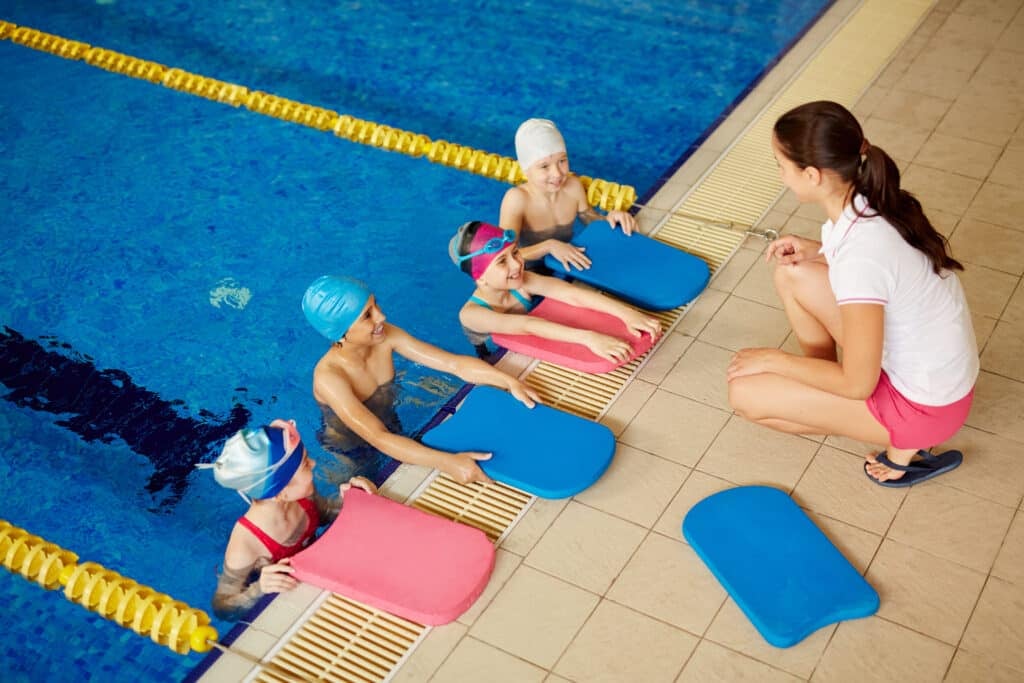
- World Drowning Prevention Day, held annually on 25 July, promotes practical action to reduce preventable drowning deaths.
- Most drowning incidents can be prevented through supervision, water safety awareness, lifejacket use and sensible decision-making.
- Drowning is primarily an oxygen deprivation emergency, making early CPR with rescue breaths especially important.
- Immediate bystander CPR significantly improves survival while waiting for emergency medical services.
- Nationally accredited CPR and First Aid training equips everyday Australians with the confidence and practical skills to respond when every second counts.
What Is World Drowning Prevention Day?
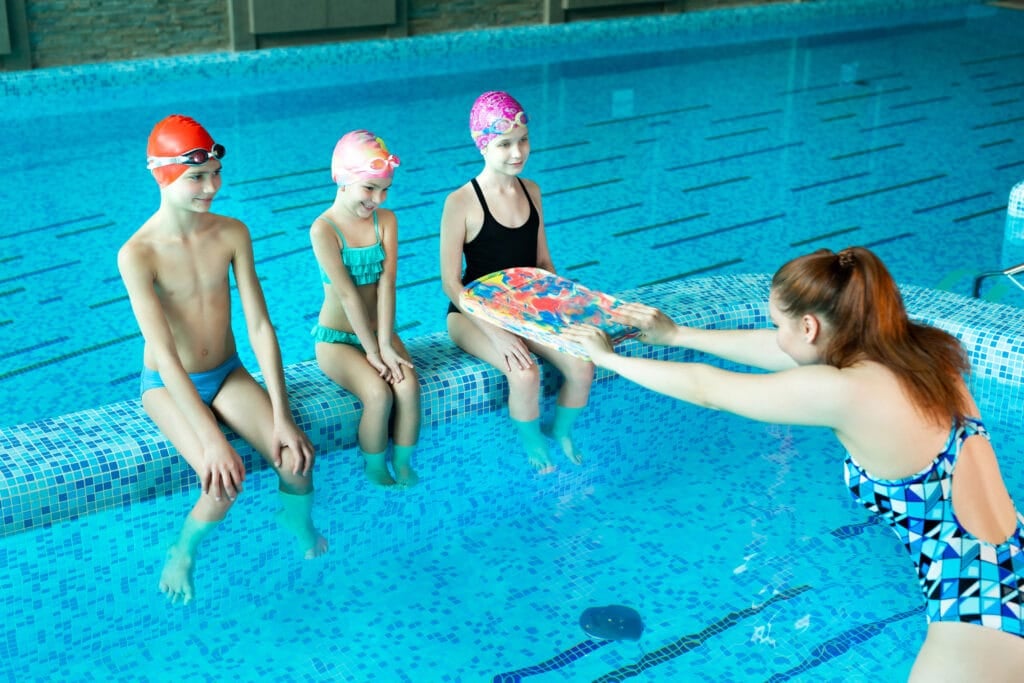
World Drowning Prevention Day is observed each year on 25 July following its establishment by the United Nations General Assembly in 2021. The day recognises drowning as one of the world’s leading causes of preventable death and encourages governments, organisations, communities and individuals to take practical action to reduce drowning.
Globally, hundreds of thousands of people drown each year, making it a significant public health issue rather than simply a series of isolated accidents.
In Australia, drowning prevention has long been a national priority. Organisations including Royal Life Saving Australia, Surf Life Saving Australia and state emergency services work tirelessly to educate the public, improve safety standards and encourage people to learn lifesaving skills.
World Drowning Prevention Day complements these efforts by reminding everyone that preventing drowning starts even before anyone enters the water.
Why Drowning Remains a Serious Risk in Australia
Australia’s climate and lifestyle naturally draw people towards the water.
Many Australians spend weekends boating, surfing, kayaking, fishing, swimming or simply relaxing beside pools and waterways. Visitors from overseas are similarly attracted to our beaches and coastal destinations.
While most aquatic activities end safely, drowning incidents continue to occur in surprising circumstances.
People often associate drowning with rough surf or dramatic rescues, yet many fatalities happen in calm conditions, close to shore, or even at home.
Common locations include:
- Backyard swimming pools
- Beaches
- Rivers and creeks
- Lakes and dams
- Harbours and marinas
- Floodwaters
- Bathtubs
- Water tanks and farm dams
Every environment presents different hazards, but they all share one common factor: once breathing stops, time becomes critically important.
Drowning Can Happen Faster Than Most People Realise
One of the biggest misconceptions about drowning comes from television and movies.
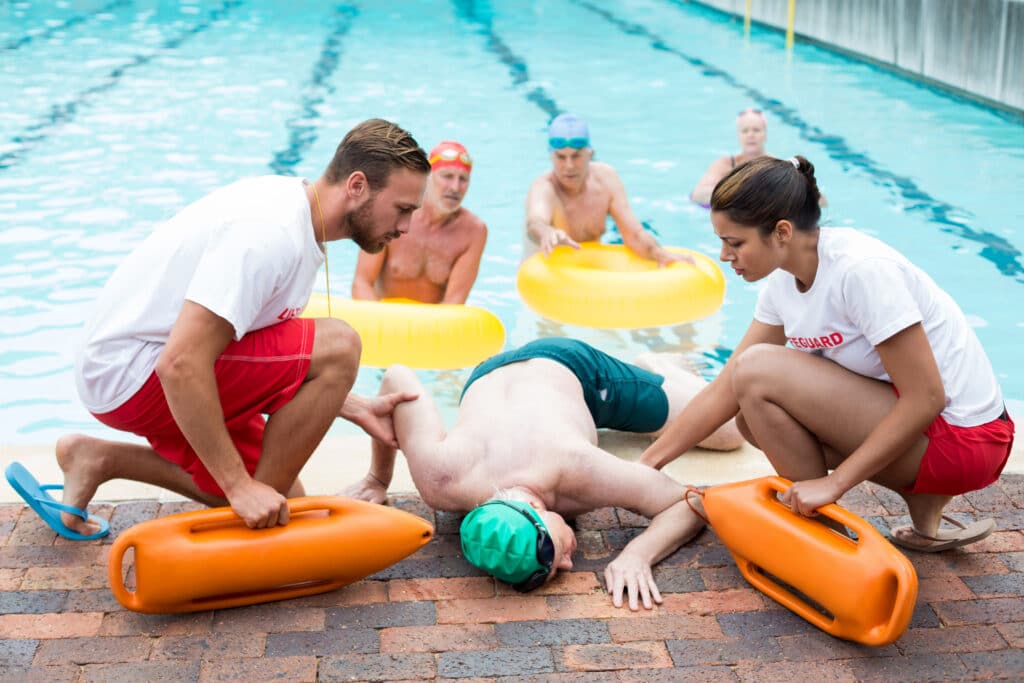
Real drowning is often quiet. A person struggling to breathe usually cannot shout for help because every effort is directed towards getting enough air. They may remain vertical in the water, make ineffective arm movements, or simply slip beneath the surface without attracting attention.
Children are particularly vulnerable because they can disappear silently within moments.
Adults are not immune either. Medical events, exhaustion, alcohol, strong currents, cold water, poor swimming ability and unexpected falls can all lead to drowning emergencies.
Understanding these realities reinforces why active supervision remains one of the most effective prevention strategies.
Who Is Most at Risk?
Drowning affects Australians of every age, although the circumstances differ considerably.
Young Children
Young children remain particularly vulnerable around home swimming pools and other small bodies of water because curiosity often outweighs their understanding of danger.
Older Adults
Older adults may face increased risks due to reduced mobility, underlying medical conditions or falls near water.
Teenagers and Young Adults
Teenagers and young adults frequently encounter risks associated with overconfidence, alcohol consumption or attempting dangerous water activities.
Boaters, Fishers and Paddlers
People boating, fishing or paddling may unexpectedly enter the water through changing weather conditions, vessel instability or slips.
Visitors to Australian Waterways
Visitors unfamiliar with Australian waterways may underestimate surf conditions, rip currents or inland water hazards.
Everyone Near Water
Regardless of age or experience, no one is completely immune from drowning risk.
Drowning risk changes with age, activity, location and experience — but awareness, supervision and first aid readiness help protect every group.
Prevention Begins Before Anyone Enters the Water
Most drowning incidents result from a combination of circumstances rather than a single mistake. Fortunately, simple precautions can significantly reduce the risk.
Constant Supervision
Supervise children continuously around pools, beaches, rivers and any body of water. Active supervision remains one of the most effective drowning prevention measures.
Learn to Swim
Develop swimming ability and continue building water confidence throughout life. Stronger skills improve safety in a wide range of aquatic environments.
Wear a Lifejacket
Always wear a correctly fitted lifejacket when boating, kayaking, fishing or participating in other watercraft activities.
Choose Patrolled Beaches
Swim between the red and yellow flags where lifesavers monitor conditions and can respond quickly if assistance is needed.
Avoid Alcohol and Drugs
Alcohol and drugs impair judgement, balance and reaction time, increasing the likelihood of drowning incidents.
Check Conditions
Review weather forecasts, tides, currents and water conditions before entering the water or heading out on a boat.
Never Swim Alone
Always swim with others whenever possible so help is available immediately if an emergency occurs.
Respect Warnings
Pay attention to warning signs, local advice and safety instructions. They exist to help protect everyone enjoying the water.
Small Decisions Save Lives
Most drowning emergencies are preventable. Making safe choices before entering the water greatly reduces the likelihood of an incident and helps ensure everyone returns home safely.
When Prevention Fails: The Drowning Chain of Survival
Despite the best precautions, emergencies still happen.
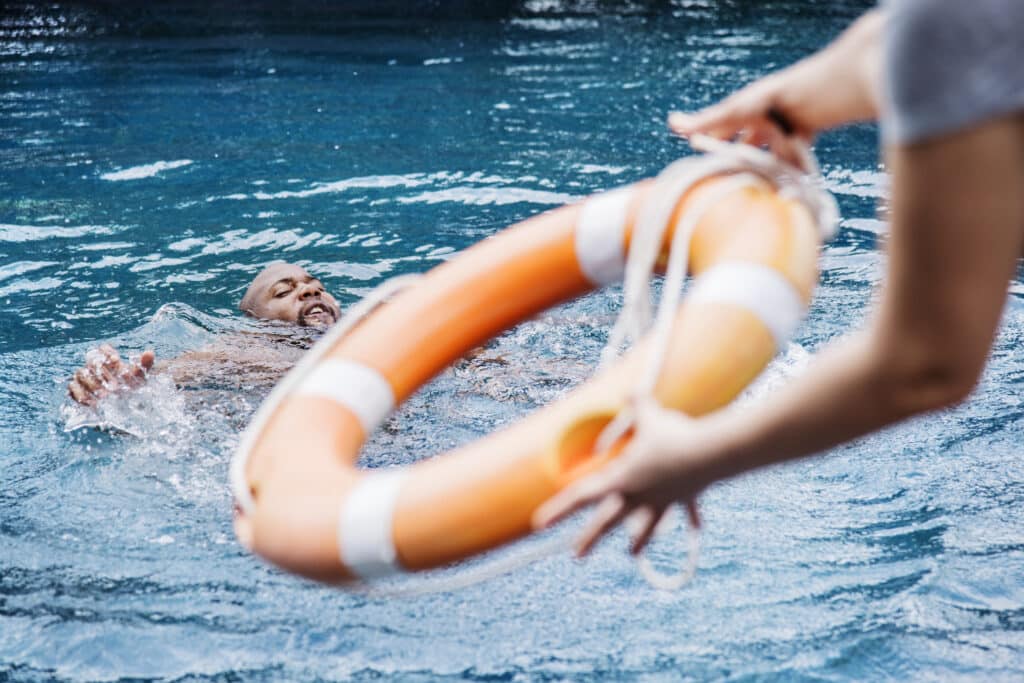
International water safety organisations promote the Drowning Chain of Survival, a framework that highlights the actions most likely to save lives.
The chain begins long before CPR.
It includes:
- Prevent drowning through education and safe behaviours.
- Recognise a person in trouble early.
- Provide flotation or safe rescue where possible.
- Remove the person from the water safely.
- Begin first aid and CPR immediately.
- Ensure advanced medical care is available as quickly as possible.
Each link strengthens the next – If any step is delayed, the person’s chance of survival decreases.
Why Drowning Is Different from Other Cardiac Arrests
Many people learn CPR without fully understanding why drowning requires a slightly different emphasis.
Most Adult Cardiac Arrests
In many adult cardiac arrests, the primary problem begins with the heart. CPR helps circulate blood and maintain vital organ function until advanced help arrives.
Drowning Emergencies
In drowning, the primary problem is almost always oxygen deprivation. The casualty does not simply need blood circulating — they need oxygen returned to their body as quickly as possible.
How Oxygen Deprivation Leads to Cardiac Arrest
Water enters the airway or breathing becomes impossible.
Oxygen levels fall rapidly throughout the body.
The brain and heart become deprived of oxygen.
Cardiac arrest may occur if oxygen is not restored quickly.
Why Rescue Breaths Matter
This difference explains why rescue breaths play such an important role in drowning resuscitation. Chest compressions circulate blood, but rescue breaths help return oxygen to the body when it is needed most.
Seconds Can Save a Life: Why Early CPR Matters
In drowning emergencies, the first few minutes are often the most important. Immediate bystander action can help protect the brain, heart and chances of recovery.
Oxygen Loss Becomes Critical Quickly
Brain cells begin suffering damage within minutes when deprived of oxygen. Every minute without effective CPR reduces the likelihood of survival.
Immediate Action
Nearby bystanders often bridge the gap before paramedics arrive by starting CPR as soon as the casualty is safely removed from the water.
Effective CPR
Chest compressions help maintain blood circulation, while rescue breaths help deliver oxygen when the body needs it most.
Better Outcomes
Research consistently shows that early CPR significantly improves outcomes following drowning.
Why the First Few Minutes Matter
Beginning CPR immediately helps maintain blood circulation while delivering oxygen through rescue breaths.
Even when emergency services are only minutes away, those first few minutes can strongly influence recovery.
Early CPR supports the brain and heart until advanced medical care arrives.
The willingness of an ordinary person to begin CPR can profoundly influence someone’s chance of survival.
Ordinary People Can Make the Difference
In a drowning emergency, action taken before paramedics arrive can be lifesaving. Early CPR gives the casualty the best possible chance while help is on the way.
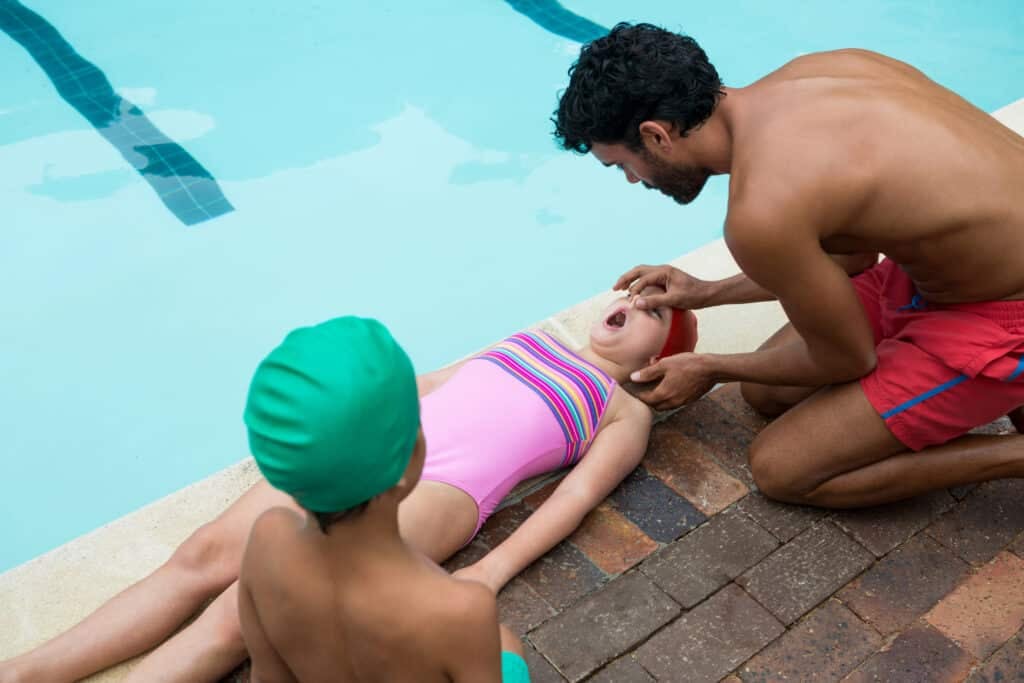
Rescue Breaths Are Especially Important in Drowning
Compression-only CPR can still be better than doing nothing, but drowning emergencies require a stronger focus on restoring oxygen.
Drowning Is an Oxygen Emergency
Because oxygen deprivation is the underlying cause, current Australian Resuscitation Council guidance recommends providing both chest compressions and rescue breaths whenever possible during drowning resuscitation.
Chest Compressions
Chest compressions help circulate oxygenated blood throughout the body, supporting the brain, heart and other vital organs until advanced medical care arrives.
Rescue Breaths
Rescue breaths introduce oxygen into the lungs, helping address the oxygen deprivation that makes drowning different from many adult cardiac arrests.
Why Both Skills Work Together
Rescue breaths help return oxygen to the lungs.
Chest compressions help move oxygenated blood through the body.
Together, they give the casualty the greatest opportunity for survival.
Training Builds Confidence
Learning these skills during accredited CPR training allows people to respond confidently rather than hesitating during a drowning emergency.
What To Do If Someone Has Been Pulled From the Water
Once the person has been safely removed from the water and there is no ongoing danger, immediate assessment becomes critical.
Follow the DRSABCD Action Plan:
Danger – Ensure the scene is safe.
Response – Check whether the person responds.
Send for help – Call Triple Zero (000) or ask someone else to call.
Airway – Open and clear the airway if necessary.
Breathing – Look for normal breathing.
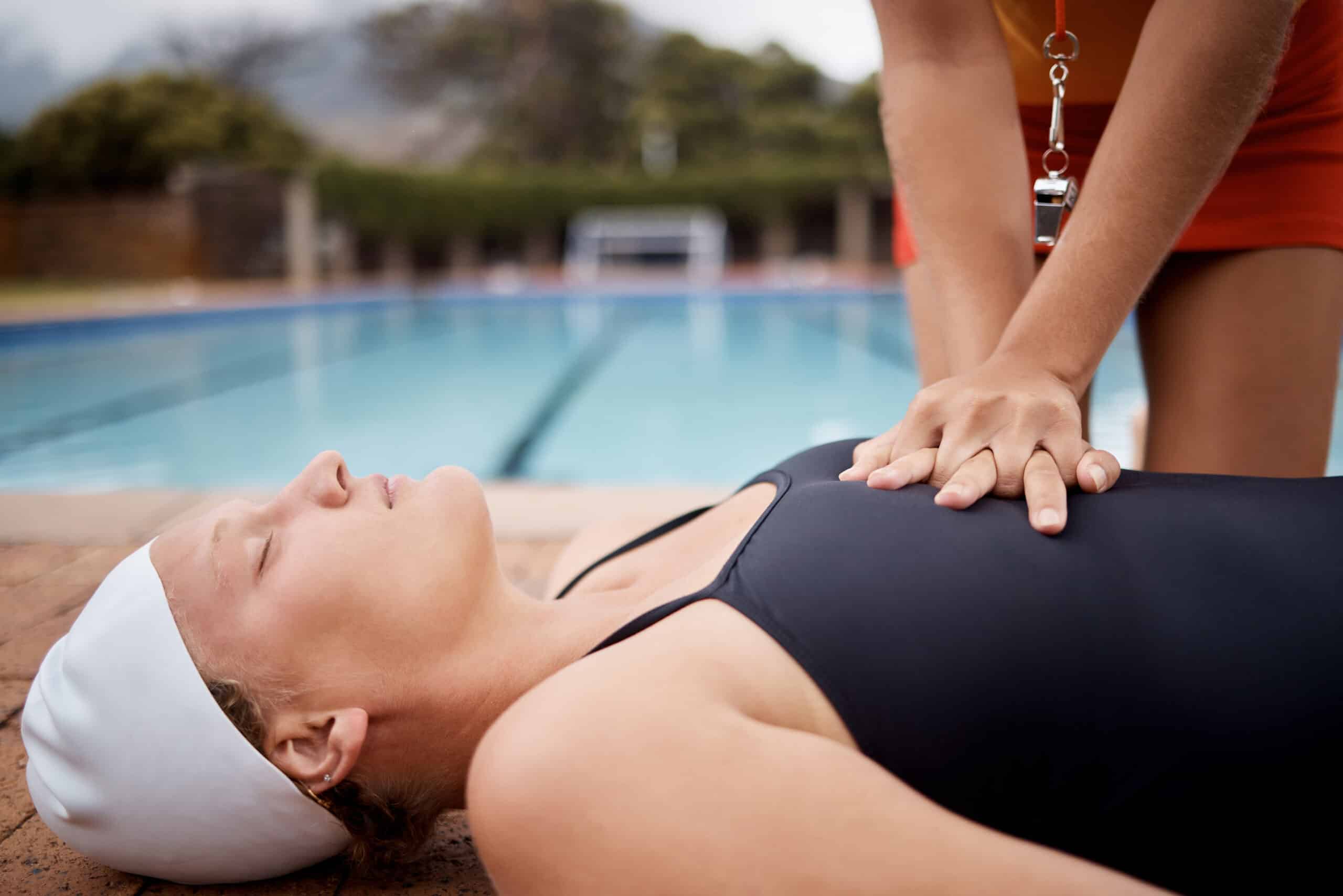
If the person is not breathing normally, commence CPR immediately using chest compressions and rescue breaths according to current Australian guidelines while someone retrieves an AED if available.
Continue until:
- The person begins breathing normally.
- Qualified medical assistance takes over.
- You become physically unable to continue.
- The scene becomes unsafe.
Even people who recover should always receive urgent medical assessment, as complications can develop after the incident.

Can an AED Be Used After Drowning?
An Automated External Defibrillator (AED) can still play an important role following drowning-related cardiac arrest.
If an AED is available:
- Dry the person’s chest quickly.
- Attach the pads as instructed.
- Follow the device’s voice prompts.
- Resume CPR immediately whenever instructed.
Modern AEDs analyse the heart rhythm automatically and only advise a shock if one is needed.
Knowing how to combine CPR with AED use is a key component of nationally accredited CPR training.
Children and Drowning Emergencies
Children require constant supervision because drowning can occur silently and rapidly.
Backyard pools remain one of the highest-risk environments for young children. Parents, grandparents, carers and educators should understand that barriers such as pool fencing reduce risk but never replace active supervision.
If a child is pulled from the water unconscious and not breathing normally, immediate CPR becomes essential. Children often respond well to prompt oxygenation and resuscitation when intervention occurs quickly.
This highlights why CPR training is valuable for anyone responsible for caring for children, not just healthcare professionals.
Recovery Doesn't End Once Breathing Returns
Successfully restoring breathing is only the beginning. Anyone involved in a drowning incident requires medical assessment.
Medical Assessment Still Matters
Even if someone seems alert and feels well afterwards, they should be assessed by healthcare professionals after a drowning incident.
Breathing May Return
Successfully restoring breathing is an important step, but it does not mean the person is completely out of danger.
Complications Can Develop
Water entering the lungs can cause ongoing breathing difficulties, inflammation and delayed complications that may not appear immediately.
Professional Care Is Needed
Healthcare professionals can assess breathing, oxygen levels and any hidden risks after the incident.
Never Assume the Danger Has Passed
After any drowning incident, medical assessment is essential — even when the person appears to recover quickly.
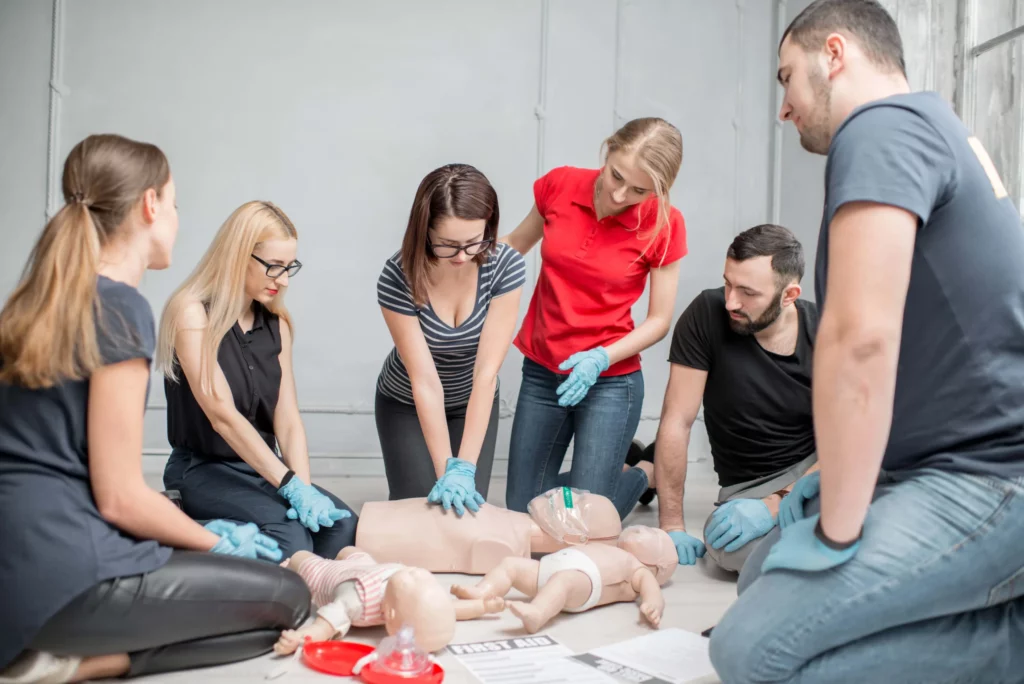
Confidence Comes From Preparation
Many people worry they would panic during an emergency. That concern is understandable.
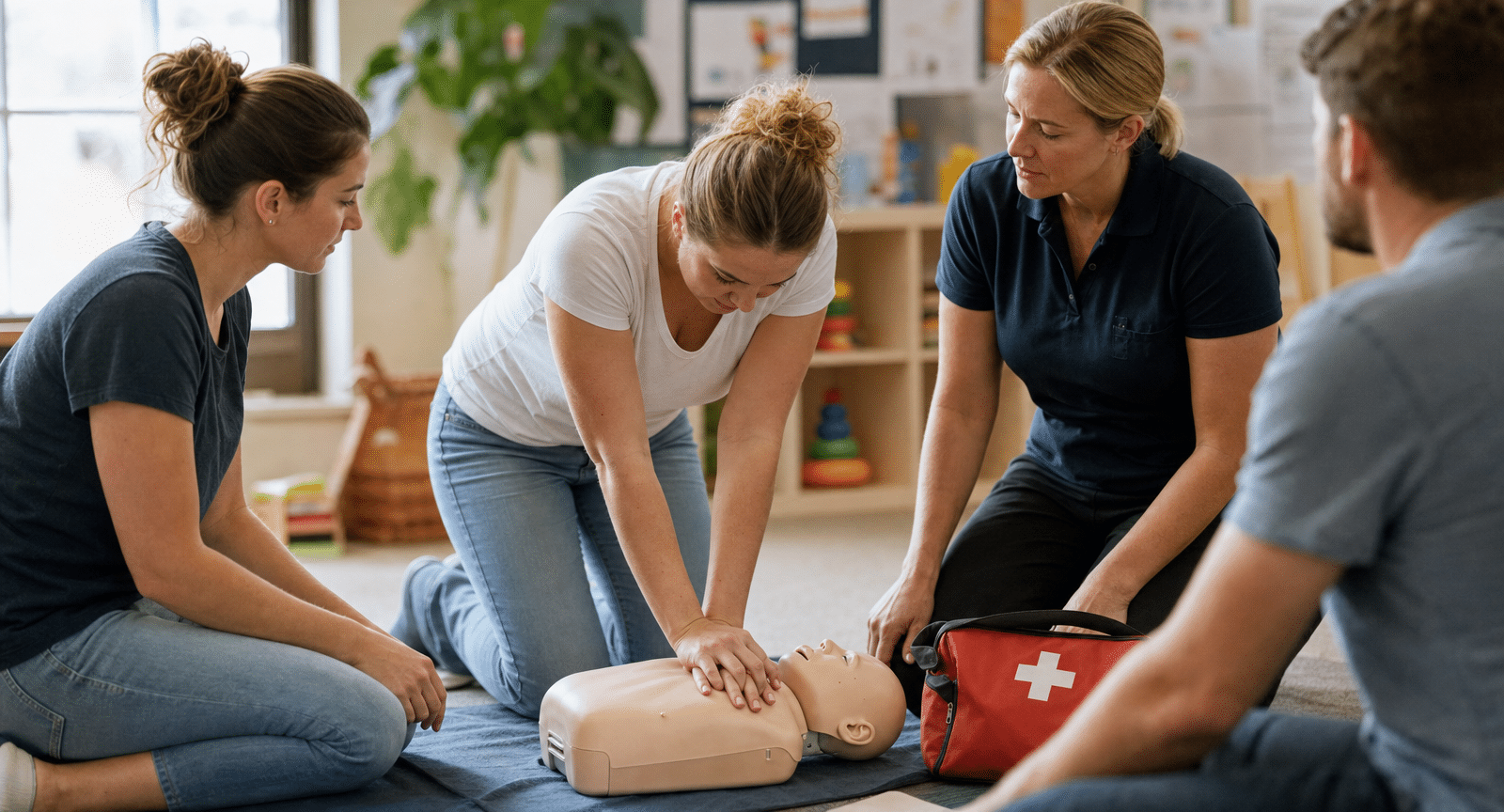
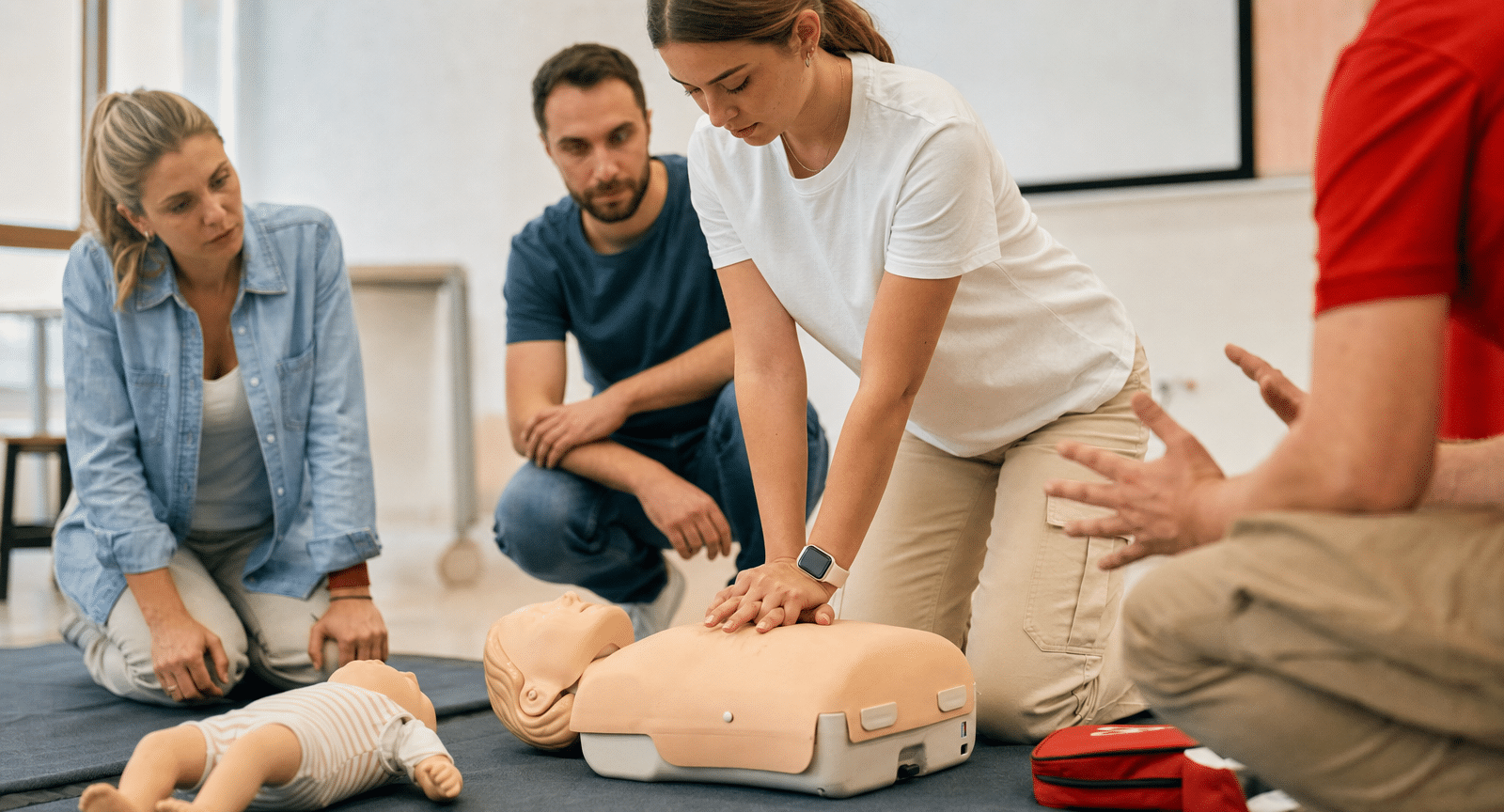
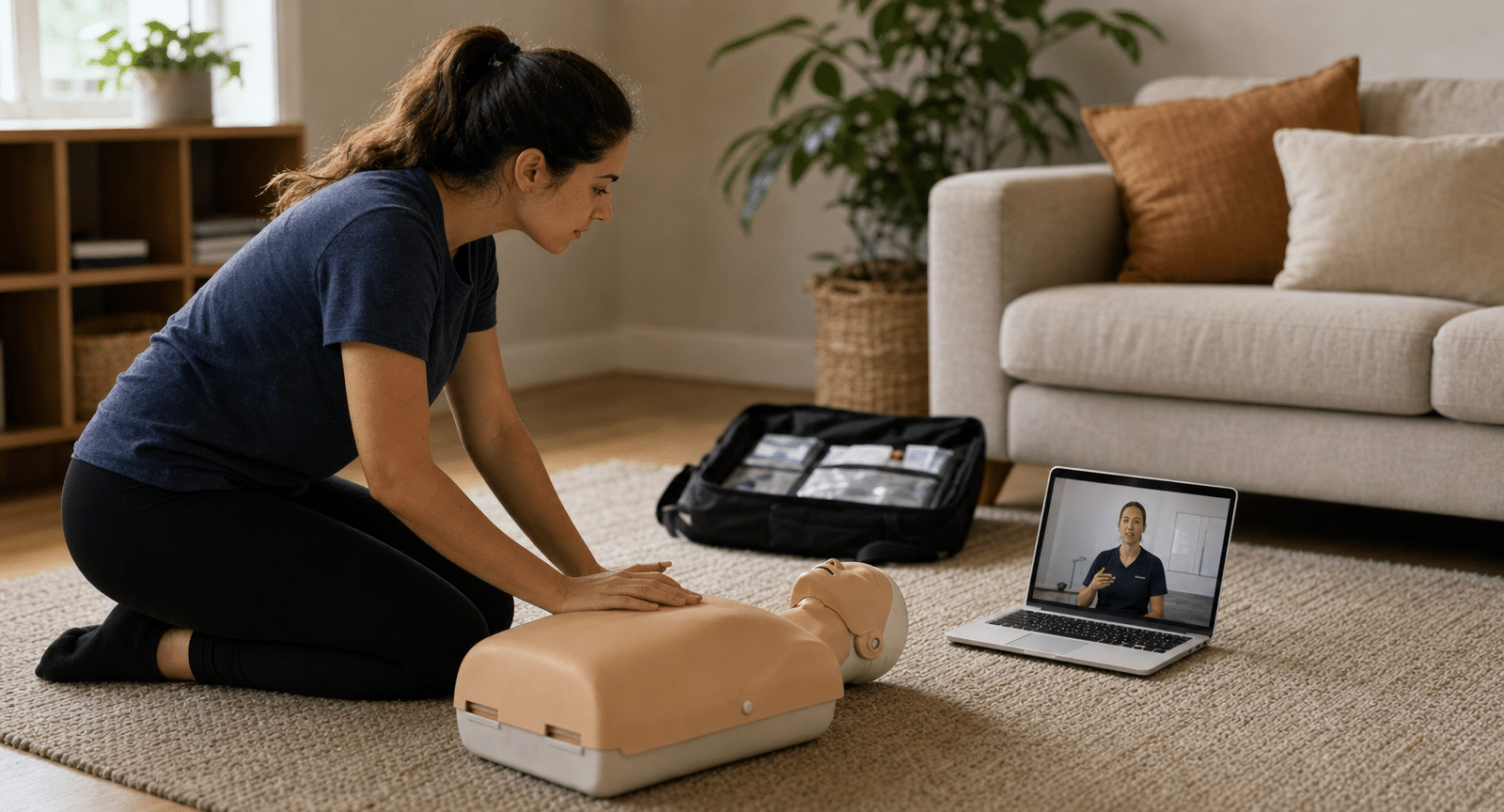
Fortunately, confidence is something that can be learned. Practical CPR training allows participants to rehearse emergency scenarios, practise chest compressions, deliver rescue breaths correctly and learn how to use an AED.
Instead of wondering what to do, trained first aiders have a structured process they can follow under pressure.
World Drowning Prevention Day serves as an excellent reminder that learning CPR is not simply another qualification—it is a practical life skill that may one day save a family member, friend, colleague or complete stranger.
Every Australian Can Help Prevent Drowning
Reducing drowning deaths is not solely the responsibility of lifeguards or emergency services.
Drowning prevention is a shared responsibility. Everyday choices made by families, friends, workplaces, schools and communities can help keep people safer around water.
Parents
Parents supervise children closely around pools, beaches, rivers, dams and other water environments.
Friends
Friends look after one another, especially when swimming, boating, fishing or spending time near open water.
Boaters
Boaters wear lifejackets and make safe decisions before heading out onto the water.
Communities
Communities support swimming education and encourage safer habits around local waterways.
Employers
Employers promote first aid training so more people are prepared to respond during emergencies.
Teachers
Teachers educate children about water safety and help build awareness from an early age.
Small Actions Create Safer Communities
Together, these everyday actions help reduce drowning risk and protect Australians around water.
Learning CPR strengthens that community response by ensuring more Australians are ready to act when emergencies occur.

Learning CPR Is an Investment in Someone Else's Future
Most people who complete a CPR course hope they will never need to use it. Yet every year, ordinary Australians save lives because they recognised an emergency, stayed calm and applied the skills they had practised.
World Drowning Prevention Day reminds us that prevention is always the first goal. But when prevention fails, knowledge becomes the next line of defence. By learning CPR and first aid, you are preparing yourself to help during one of the most time-critical medical emergencies anyone can experience.
Whether you’re a parent, teacher, sports coach, tradie, retiree, student or simply someone who enjoys Australia’s waterways, nationally accredited CPR and first aid training provides practical skills that could one day make all the difference.
If it’s been some time since you last updated your qualifications—or you’ve never completed accredited CPR training—consider enrolling in a nationally accredited CPR or First Aid course with First Aid Pro. The confidence gained through realistic, hands-on training may one day help you protect the life of someone who matters most.
Related Reading
- Royal Life Saving Australia – National Drowning Reports
- Royal Life Saving Australia – Drowning Prevention
https://www.royallifesaving.com.au - Australian Resuscitation Council (ARC) – Guideline 8 – Cardiopulmonary Resuscitation (CPR)
- World Health Organization (WHO) – Drowning Prevention
- Surf Life Saving Australia – Beach Safety
https://beachsafe.org.au - First Aid Pro – Nationally Accredited CPR and First Aid Training
FAQs
When is World Drowning Prevention Day?
World Drowning Prevention Day is observed every year on 25 July following its establishment by the United Nations in 2021.
Why are rescue breaths important after drowning?
Unlike many adult cardiac arrests, drowning usually results from oxygen deprivation. Rescue breaths help restore oxygen while chest compressions circulate oxygenated blood throughout the body.
Should I perform CPR if someone has been rescued from the water?
Yes. If the person is not breathing normally after being removed safely from the water, commence CPR immediately following the DRSABCD Action Plan while someone calls Triple Zero (000).
Can an AED be used on someone who has drowned?
Yes. Dry the casualty’s chest before attaching the AED pads and follow the device’s voice prompts while continuing CPR as instructed.
Where can I learn drowning first aid and CPR?
Completing a nationally accredited CPR or First Aid course with First Aid Pro provides practical, hands-on training in CPR, AED use, emergency response and managing drowning and other life-threatening emergencies.