



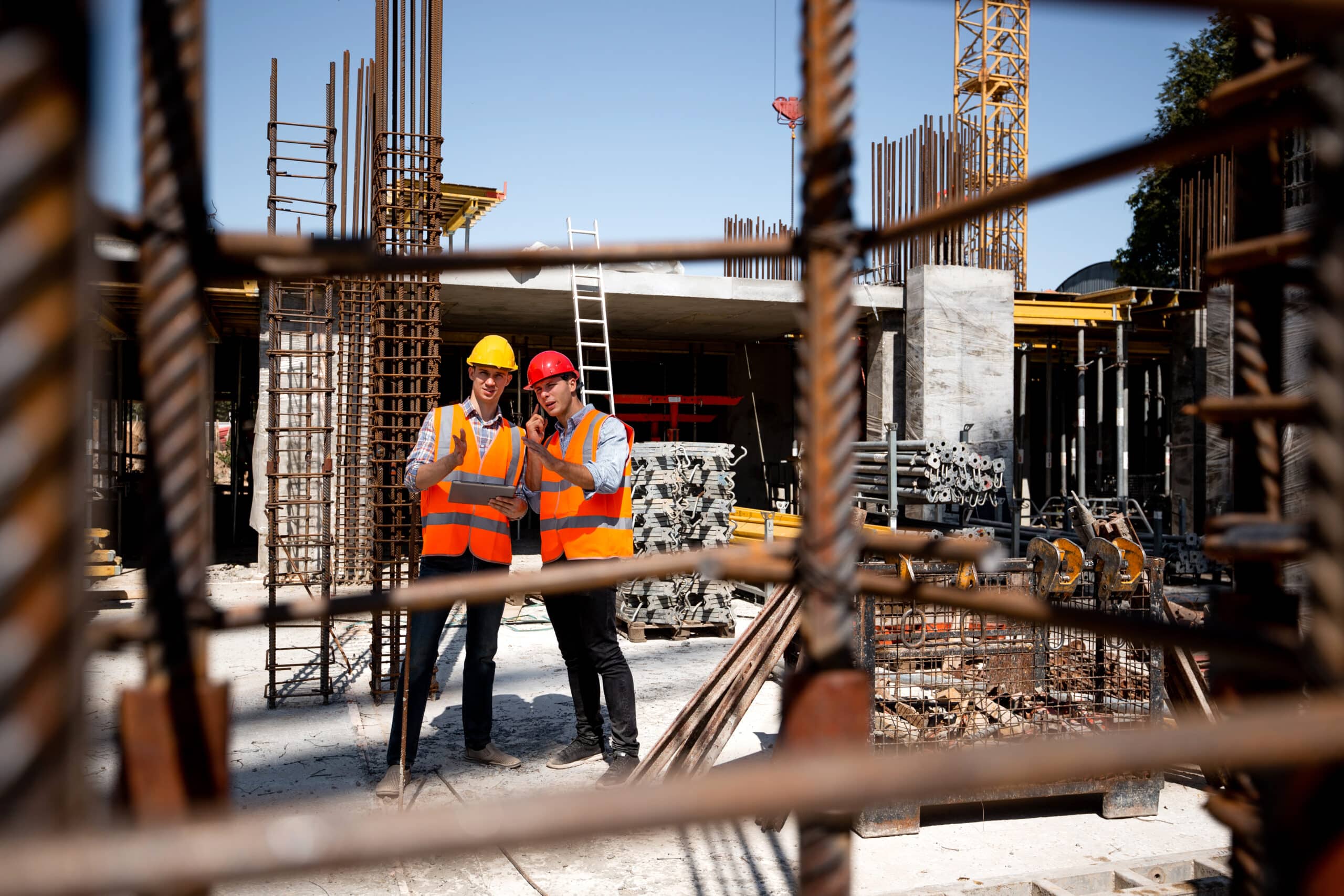

Sharon has 21+ years of experience as a qualified Emergency Care Nurse registered with the Australian Health Practitioner Regulation Agency (APHRA) and 12+ years as a First Aid Trainer.
She takes pride in FirstAidPro making first aid training available, comprehensive and affordable to everybody.
A White Card is your entry ticket to construction work in Australia—without one, you can’t legally set foot to work on an active building site. Officially known as the General Construction Induction Card, it proves you’ve completed basic safety training in hazard identification, WHS legislation, and emergency procedures.
The good news? Getting certified takes just one day, and the card opens doors to dozens of job types across construction and related industries. This guide covers the top roles you can access with a White Card, including no-experience positions, typical pay rates, and how to get certified quickly in SA, QLD, and NT.
Key takeaways
- A White Card (officially called a General Construction Induction Card) is the mandatory safety credential for anyone working on or regularly accessing construction sites in Australia.
- Common roles requiring a White Card include tradespeople, labourers, site managers, surveyors, delivery drivers performing site work, and building inspectors.
- Several White Card jobs suit beginners with no prior experience, and many offer on-the-job training.
- Your nationally recognised White Card is valid across all Australian states and territories.
- You can complete White Card training in a single day through a SafeWork-approved provider.

What is a White Card and why do you need one
A White Card is legally required to work on or regularly access operational construction sites anywhere in Australia. The card proves you’ve completed basic Work Health and Safety (WHS) training to recognise hazards and prevent injuries on site.
You get the card after completing CPCWHS1001 Prepare to Work Safely in the Construction Industry—a nationally accredited unit that takes about six hours. Without it, you can’t legally step onto an active construction site as a worker, supervisor, or certain types of visitor.
The White Card covers four main areas:
- WHS legislation awareness: Your rights and responsibilities under Australian workplace safety laws
- Hazard identification and risk control: Spotting dangers and taking steps to reduce them
- Safe use of PPE: Selecting and wearing the right personal protective equipment
- Emergency procedures: What to do when something goes wrong on site
Which Jobs Legally Require a White Card in Australia?
If you're carrying out construction work in Australia, you'll need a valid White Card before setting foot on site. The requirement applies to workers, supervisors, apprentices, and anyone who regularly accesses operational construction zones.
Tradespeople
Carpenters, plumbers, electricians, bricklayers, painters, and other trades working on active construction sites.
Labourers and Apprentices
Entry-level workers, trade assistants, and apprentices who perform practical duties on construction sites.
Site Managers and Supervisors
Foremen, project managers, and site supervisors who oversee work or regularly access operational construction areas.
Plant and Machinery Operators
Workers operating heavy machinery, earthmoving equipment, forklifts, or other plant on construction sites.
Scaffolders, Riggers and Demolition Workers
High-risk construction workers involved in access systems, load movement, structural removal, or demolition work.
Building Inspectors and Surveyors
Professionals who need to enter active worksites to inspect, measure, assess, or certify construction activity.
Delivery Drivers Performing Site Work
Drivers who go beyond a brief drop-off and perform tasks such as unloading, moving materials, or entering the work zone.
Are There Any Exemptions?
There are limited exemptions. A courier making a quick delivery at the site gate, without entering the work zone or performing any tasks, may not require a White Card.
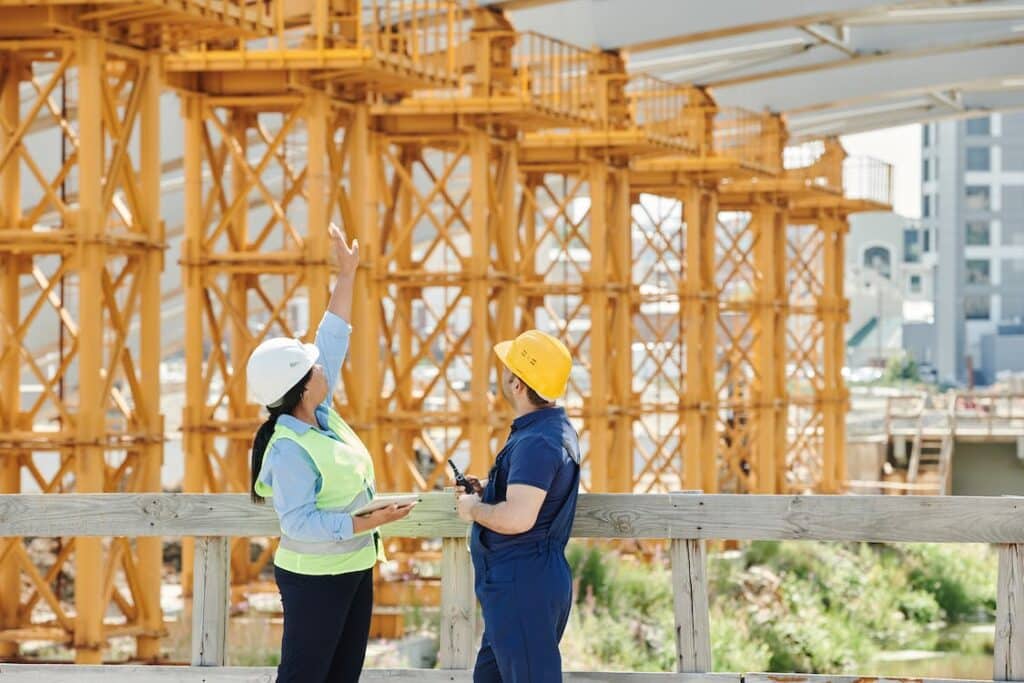
Top 10 Jobs You Can Get with a White Card
So what jobs can you actually land once you've got your White Card? The list is broader than you might expect. While the card is your entry ticket, many roles also offer pathways to further qualifications and higher pay.
Construction labourer
This is often the starting point for people entering construction. As a labourer, you'll handle materials, prepare sites, assist tradespeople, and perform general duties. It's physically demanding, but it's also one of the most accessible entry-level roles—many employers provide on-the-job training.
Apprentice carpenter
Carpenters build frameworks, install fixtures, and read technical plans. If you're starting an apprenticeship, your White Card is required from day one. The trade offers strong long-term career prospects.
Apprentice electrician
Electrical apprentices work on wiring, installations, and maintenance across construction sites. Your White Card is separate from electrical licensing—you'll need both to work legally. Electrical work is in high demand across residential, commercial, and industrial sectors.
Apprentice plumber
Plumbers install and maintain pipe systems, drainage, and water supply infrastructure. Like other trades, the White Card is mandatory before you can access any construction site.
Concreter and bricklayer
Concreters pour slabs and foundations, while bricklayers construct walls using bricks and blocks. Both roles are physically demanding but offer strong ongoing demand as Australia's construction sector continues to grow.
Scaffolder and rigger
Scaffolders erect temporary platforms for workers to access heights safely. Riggers move heavy loads using cranes and hoists. Both are classified as high-risk work, meaning you'll need additional licences beyond your White Card—but the card remains your baseline requirement.
Demolition and asbestos removal worker
Demolition workers deconstruct buildings and structures safely. If asbestos is involved, additional licensing and specialised training are mandatory. The White Card covers your general construction induction, while asbestos-specific credentials address hazardous material handling.
Traffic controller on construction sites
Traffic controllers manage vehicle and pedestrian movement around worksites. The role is often combined with a Traffic Management (TM) ticket. It's a popular entry point for people who prefer outdoor work without heavy lifting.
Site supervisor and project manager
Even if your role is primarily office-based, you'll need a White Card if you visit active construction sites. Supervisors and project managers oversee crews, coordinate schedules, and ensure work meets safety and quality standards.
Plant and machinery operator
Operating excavators, loaders, forklifts, and other heavy machinery on construction sites requires your White Card as the baseline credential. You'll then add machine-specific tickets depending on the equipment you operate.

No Experience White Card Jobs That Pay Well
Several White Card jobs don't require prior construction experience—and they often pay competitive hourly rates. Many provide on-the-job training, making them ideal for career changers or school leavers.
Trainee soil and laboratory technician
Soil testers collect and analyse samples from construction and development sites. The work involves site visits where a White Card is mandatory, but the role focuses on testing rather than traditional construction tasks.
Water meter technician
Meter technicians install, read, and swap utility meters at construction and civil sites. The role combines technical work with site access requirements.
Linemarking labourer
Linemarkers paint road markings, carpark lines, and safety zones on roadworks and construction projects. It's outdoor work that falls under construction WHS requirements.
Cemetery and grounds labourer
Digging, landscaping, and maintenance work at cemeteries and public grounds often falls under construction codes. The White Card opens doors to steady work in outdoor environments.
Conveyor belt splicer trainee
In mining and industrial settings adjacent to construction, conveyor belt splicers maintain and repair belt systems. Trainee positions often provide full training while requiring the White Card for site access.
How much do White Card jobs pay in Australia
Pay rates for White Card jobs vary depending on your role, experience level, location, and employer. Entry-level positions typically offer competitive hourly rates, while qualified tradespeople and supervisors command higher salaries.
Job Type | Experience Level | Typical Pay Range |
|---|---|---|
Labourer | Entry-level | $28–$40 per hour |
Traffic controller | Entry-level with TM ticket | $30–$45 per hour |
Tradesperson | Apprentice to qualified | Increases with qualification |
Plant operator | Licensed | $35–$55 per hour |
Site supervisor | Experienced | $80,000–$120,000+ annually |
Rates fluctuate based on state, project type, and market demand. Job boards like Seek and Indeed provide up-to-date salary information for specific roles in your area.

Industries Beyond Construction That Require a White Card
Your White Card isn't limited to traditional building sites. Several adjacent industries require the same construction induction credential.
Mining, oil and gas
Many resource sites require construction induction as a baseline safety credential. If you're working on infrastructure within mining operations or oil and gas facilities, your White Card is typically mandatory.
Civil infrastructure and roadworks
Bridges, tunnels, highways, and rail projects all fall under construction WHS regulations. Workers on civil infrastructure projects need valid White Cards regardless of their specific trade.
Event and film set construction
Temporary structures for concerts, festivals, sporting events, and film productions often trigger construction WHS requirements. Stage builders, riggers, and set constructors typically need White Cards.
Warehousing and industrial maintenance
Some maintenance, fit-out, and renovation work in warehouses and industrial facilities falls under construction codes. If your work involves structural changes or construction-related tasks, the White Card may be required.
What you learn in a White Card course
The CPCWHS1001 course covers the safety knowledge you’ll use before stepping onto any construction site. While it’s completed in a single day, the content is practical and directly applicable.
During training, you’ll cover:
- Hazard identification: Recognising dangers before they cause harm
- Risk assessment: Evaluating and controlling workplace risks
- PPE selection: Choosing the right gear for each task
- Safety signage: Understanding what signs mean and how to respond
- Emergency procedures: Evacuations, incident reporting, and communication
- Manual handling basics: Protecting your body during physical work
- Working at heights awareness: Understanding height-related risks
Face-to-face courses deliver content through practical, hands-on training rather than online modules alone. You’ll work through real scenarios with experienced trainers who understand construction site realities.
Tip: Pairing your White Card with a first aid qualification (HLTAID011) can make you more employable. Many employers value workers who can respond to site emergencies.

How to get a White Card fast in SA, QLD and NT
Getting your White Card is straightforward when you choose the right training provider. The process typically takes just one day from enrolment to certification.
- Choose a SafeWork-approved RTO: Look for providers with strong reputations and face-to-face delivery options
- Complete the one-day CPCWHS1001 course: Training covers all required content in approximately six hours
- Receive your nationally recognised White Card: Same-day card issuance is available in SA, with other states typically processing within a few business days
FirstAidPro delivers White Card training at multiple venues across SA, QLD, and NT. The course is fully face-to-face with no online component.
Ready to start your construction career? Book your White Card course today.
Related Reading
- Seek Australia – Construction Jobs
https://www.seek.com.au/construction-jobs - Safe Work Australia – General Construction Induction Training (White Card)
- Training.gov.au – CPCWHS1001 Prepare to Work Safely in the Construction Industry
https://training.gov.au/training/details/CPCWHS1001 - WorkSafe Queensland – White Card Information
https://www.worksafe.qld.gov.au/ - SafeWork SA – Construction Safety and White Card Requirements
https://www.safework.sa.gov.au/
FAQs
How long does a White Card last in Australia?
Your White Card does not expire and remains valid for life unless cancelled due to serious safety breaches. However, some employers and sites may request refresher training after several years, particularly if WHS regulations have changed since your original certification.
Is an Australian White Card valid in every state and territory?
Yes. A White Card issued in any Australian state or territory is recognised nationwide. Whether you complete training in South Australia, Queensland, or the Northern Territory, you can work on construction sites anywhere in Australia without retraining.
Can you get a White Card if you are under 18 years old?
Yes. You can obtain a White Card from age 14 in most states, making the qualification accessible for school leavers and young apprentices entering the industry. Some training providers may have their own age policies, so check before enrolling.
Do site visitors and delivery drivers need a White Card?
Brief visitors and delivery drivers who don’t perform any construction work are generally exempt. However, if you’re carrying out tasks on site—even simple ones like unloading materials in the work zone—you’ll typically need a valid White Card. When in doubt, check with the site manager.
What other safety tickets can you pair with a White Card?
Depending on your target role, useful add-on qualifications include first aid (HLTAID011), traffic control, forklift licence, working at heights, and confined spaces. Stacking multiple credentials improves employability and often leads to higher pay rates.