




Sharon has 21+ years of experience as a qualified Emergency Care Nurse registered with the Australian Health Practitioner Regulation Agency (APHRA) and 12+ years as a First Aid Trainer.
She takes pride in FirstAidPro making first aid training available, comprehensive and affordable to everybody.
Tradies National Health Month 2026 is a national awareness campaign held throughout August to encourage Australia’s tradies to take better care of their physical and mental health. While conversations often focus on preventing injuries, every tradie should also know what to do when an emergency happens on site. Whether it’s a serious fall, a deep laceration, heat exhaustion or a workmate who suddenly collapses, first aid knowledge can make a critical difference while waiting for emergency services to arrive.
Construction sites, workshops and industrial workplaces are built around managing risk. Personal protective equipment, safe work procedures and toolbox talks all play an important role. Yet even on the safest worksite, accidents still happen. Knowing how to respond calmly and confidently can help reduce the severity of an injury, improve recovery and, in some situations, save a life.
As Tradies National Health Month reminds us each August, looking after yourself and your mates isn’t just about preventing injuries. It’s also about being prepared when things don’t go to plan.
Why Tradies National Health Month 2026 Matters
Since its launch by the Australian Physiotherapy Association in 2012, Tradies National Health Month has highlighted the unique health challenges faced by Australia’s trade workers. Construction, electrical, plumbing, roofing, landscaping, mechanical and manufacturing trades all place significant demands on the body, often involving heavy lifting, repetitive movements, awkward postures, working at heights and exposure to harsh environmental conditions.
Research indicates that more than 90 % of tradies experience work-related pain or injuries each year, with around 76% saying that ongoing pain has a significant impact on their daily lives.
The 2026 campaign theme, “Wear the Conversation”, expands this focus by encouraging tradies to wear blue throughout August as a visible reminder to check in with one another about mental health. Developed in partnership with Lifeline, the campaign aims to make conversations about wellbeing as normal as discussions about site safety.
The message is simple: strong workplaces are built by people who look after each other.
While mental health deserves greater attention, physical injuries remain an everyday reality across Australian worksites. Understanding the most common emergencies and knowing how to respond with correct first aid are valuable skills every tradie should have. The same applies to recognising when a workmate may be struggling emotionally. Just as first aid training prepares you to respond to physical emergencies, Mental Health First Aid training equips you with practical skills to recognise the signs of common mental health problems, start supportive conversations and guide someone towards appropriate help.
Tradies National Health Month is an ideal time to strengthen both skill sets by completing an accredited Provide First Aid or Mental Health First Aid course with First Aid Pro, helping you protect not only the physical safety of your team, but their wellbeing as well.
Why Construction Sites Remain High-Risk Workplaces
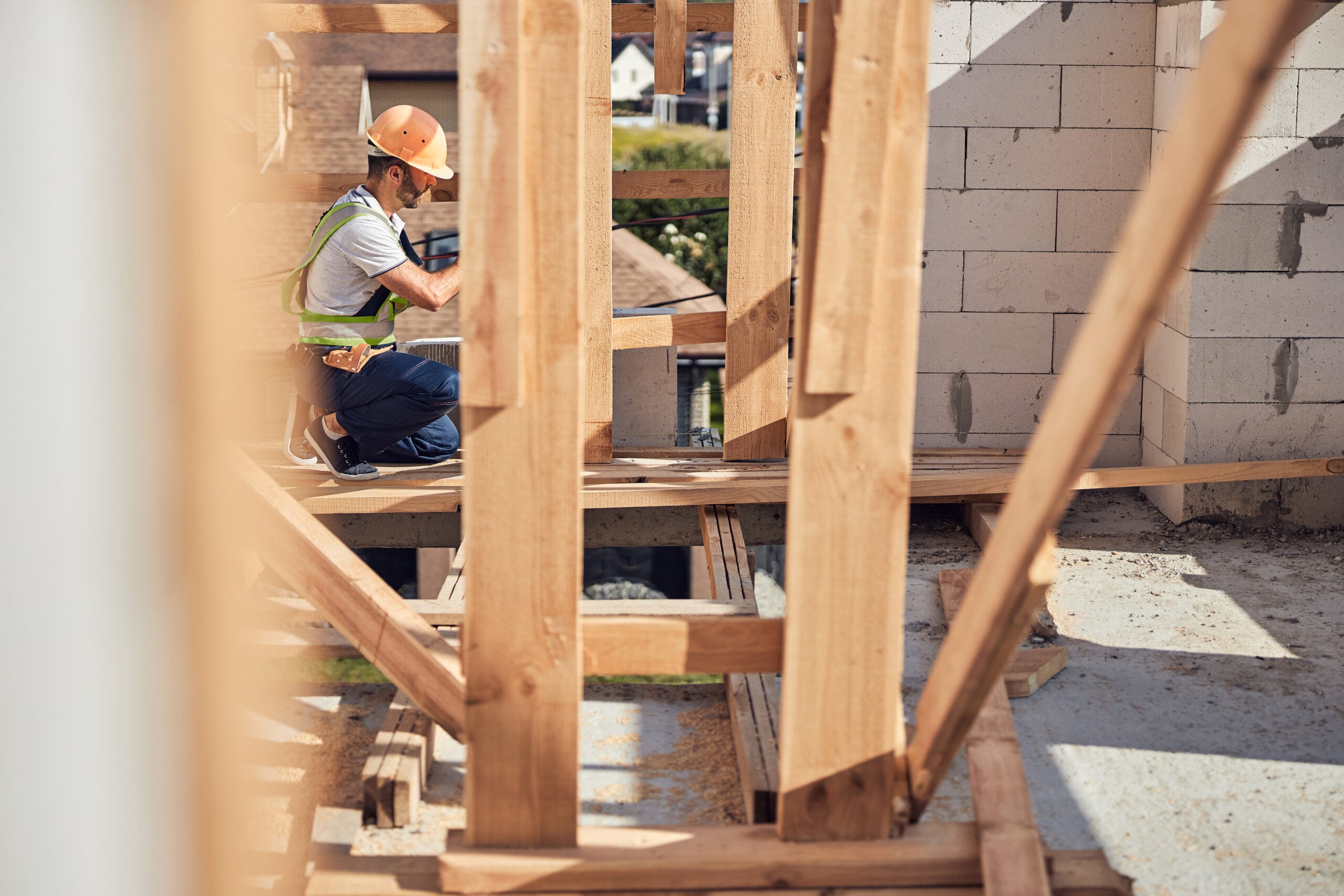
Despite improvements in workplace safety over recent decades, construction and trade occupations continue to record high rates of workplace injuries.
Tradies regularly work around:
- ladders and scaffolding
- heavy machinery
- power tools
- electrical equipment
- moving vehicles
- hazardous substances
- extreme heat
- confined spaces
- uneven surfaces.
Many jobs also involve physically demanding manual tasks that place continual stress on the back, shoulders and knees. Fatigue, rushing to meet deadlines and changing weather conditions can further increase the likelihood of injury.
Safe Work Australia promotes a risk management approach that combines hazard identification, safe work procedures, appropriate personal protective equipment and effective emergency preparedness. First aid training forms an important part of that preparedness because no amount of planning can eliminate every risk.
The Most Common Injuries Tradies Experience
Every trade has its own hazards, but several injuries occur across almost every type of Australian worksite.
Falls
Falls are a major cause of serious injury, particularly when working on roofs, ladders, scaffolding or elevated platforms.
Cuts and Lacerations
Hand tools, grinders, saws, sheet metal and broken materials can cause deep wounds and significant bleeding.
Back Strains
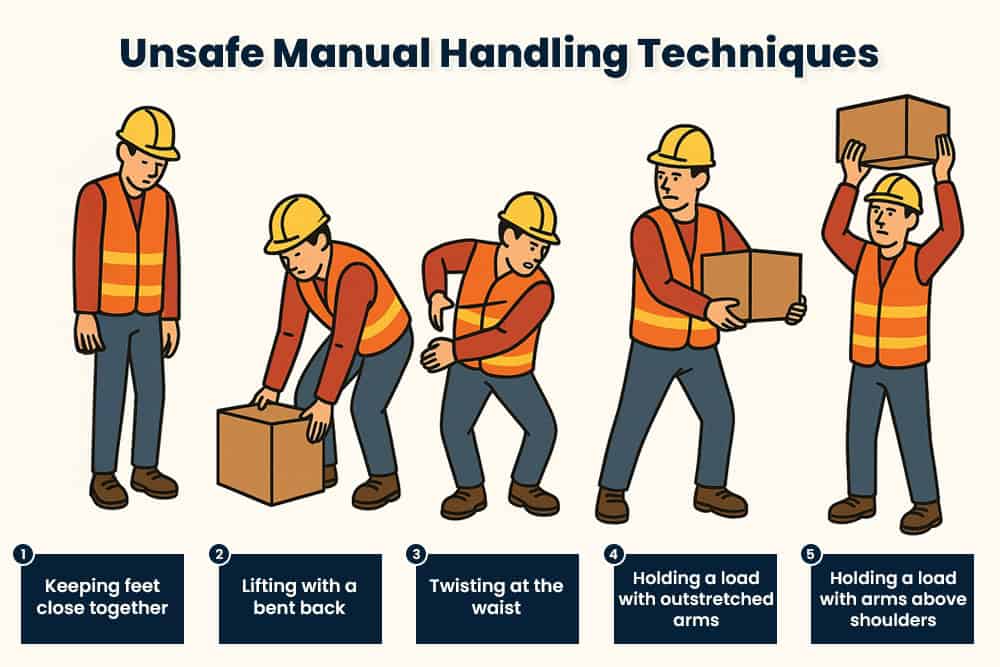
Heavy lifting, repetitive bending and awkward manual handling can lead to back strains and other musculoskeletal injuries.
Heat and Dehydration
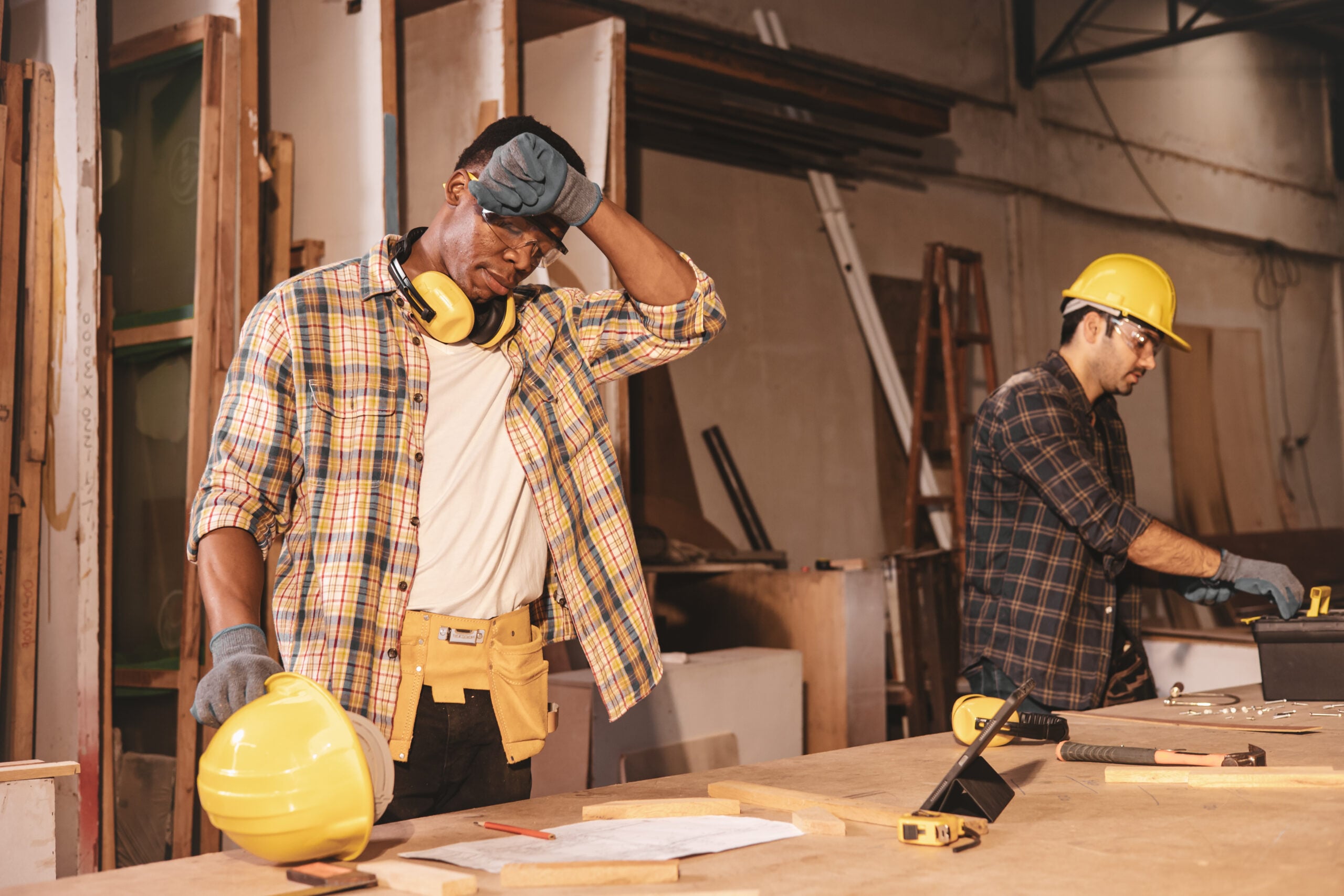
Long hours outdoors can cause dehydration, heat exhaustion and, in severe cases, life-threatening heat stroke.
Eye Injuries
Dust, chemicals, flying debris and metal fragments can damage the eyes in seconds and may have lasting consequences.
Serious Worksite Trauma
Electrical incidents, crush injuries and burns may be less common, but they often require rapid first aid and urgent medical assessment.
Knowing how to respond during the first critical minutes can help protect an injured workmate until professional medical assistance arrives.
On-Site First Aid Every Tradie Should Know
Falls
A fall from height should always be treated seriously, even if the injured person insists they feel fine. Internal injuries, spinal injuries and head trauma are not always immediately obvious.
If someone has fallen:
- Make the area safe before approaching.
- Call Triple Zero (000) if the fall involved significant height or the person is unconscious, confused or unable to move.
- Avoid moving the casualty unless they are in immediate danger.
- Monitor their breathing and level of consciousness.
- Begin CPR if required, following the DRSABCD action plan.
Even relatively minor falls can result in fractures, concussion or internal bleeding, making medical assessment important.
Cuts and Lacerations
Sharp tools and building materials make cuts one of the most common worksite injuries.
For most bleeding wounds:
Apply firm direct pressure using a clean dressing or cloth. Elevate the injured limb if appropriate and maintain pressure until bleeding stops. Once controlled, clean and dress the wound to reduce the risk of infection.
If bleeding is severe, cannot be controlled with pressure or blood is spurting from the wound, call Triple Zero immediately and continue applying pressure while waiting for paramedics.
Back Strains and Manual Handling Injuries
Back pain is almost accepted as part of the job by many tradies, but ignoring injuries can lead to chronic problems.
If someone experiences a sudden strain while lifting:
Stop work immediately and avoid further lifting or twisting. Encourage the injured person to rest in a comfortable position and seek medical assessment if pain is severe, persistent or accompanied by numbness, weakness or loss of bladder or bowel control.
Early treatment often prevents a relatively minor injury from becoming a long-term problem.
Preventing back injuries is always better than treating them after they occur. Learning safe lifting techniques, effective manual handling practices and ways to reduce strain can significantly lower the risk of workplace injuries. If your role regularly involves lifting, carrying or moving heavy materials, completing an accredited Manual Handling course with First Aid Pro is a practical investment in your long-term health, helping you work more safely while protecting both yourself and your workmates.

Heat Exhaustion and Dehydration
Working outdoors in Australia’s climate places tradies at genuine risk of heat-related illness.
Early signs include heavy sweating, dizziness, headache, muscle cramps, fatigue, nausea and excessive thirst.
If heat exhaustion is suspected:
Move the person to a cool shaded area, loosen unnecessary clothing, encourage small sips of cool water if fully conscious and use cool wet towels or airflow to reduce body temperature.
If symptoms worsen, the person becomes confused, stops sweating or loses consciousness, heat stroke may be developing. This is a medical emergency requiring immediate treatment and an urgent call to Triple Zero.
When Someone Collapses on Site
Few situations are more confronting than watching a workmate suddenly collapse. Whether the cause is cardiac arrest, electrocution, heat stroke or another medical emergency, taking immediate action can dramatically improve the person's chances of survival.
Follow the Australian Resuscitation Council's DRSABCD action plan.
Danger
Make sure the area is safe before approaching the casualty.
Response
Check whether the person responds to your voice or gentle touch.
Send for Help
Call Triple Zero (000), or direct another person to make the call.
Airway
Open the airway and check that it is clear.
Breathing
Check for normal breathing. If breathing is absent or abnormal, begin CPR.
CPR
Begin chest compressions immediately and continue until help takes over.
Defibrillation
Apply an AED as soon as one becomes available and follow its prompts.
AEDs Save Lives
Many construction sites now have automated external defibrillators. Modern AEDs provide clear voice prompts that guide rescuers through each step while emergency services are on the way.
Build Confidence Before an Emergency Happens
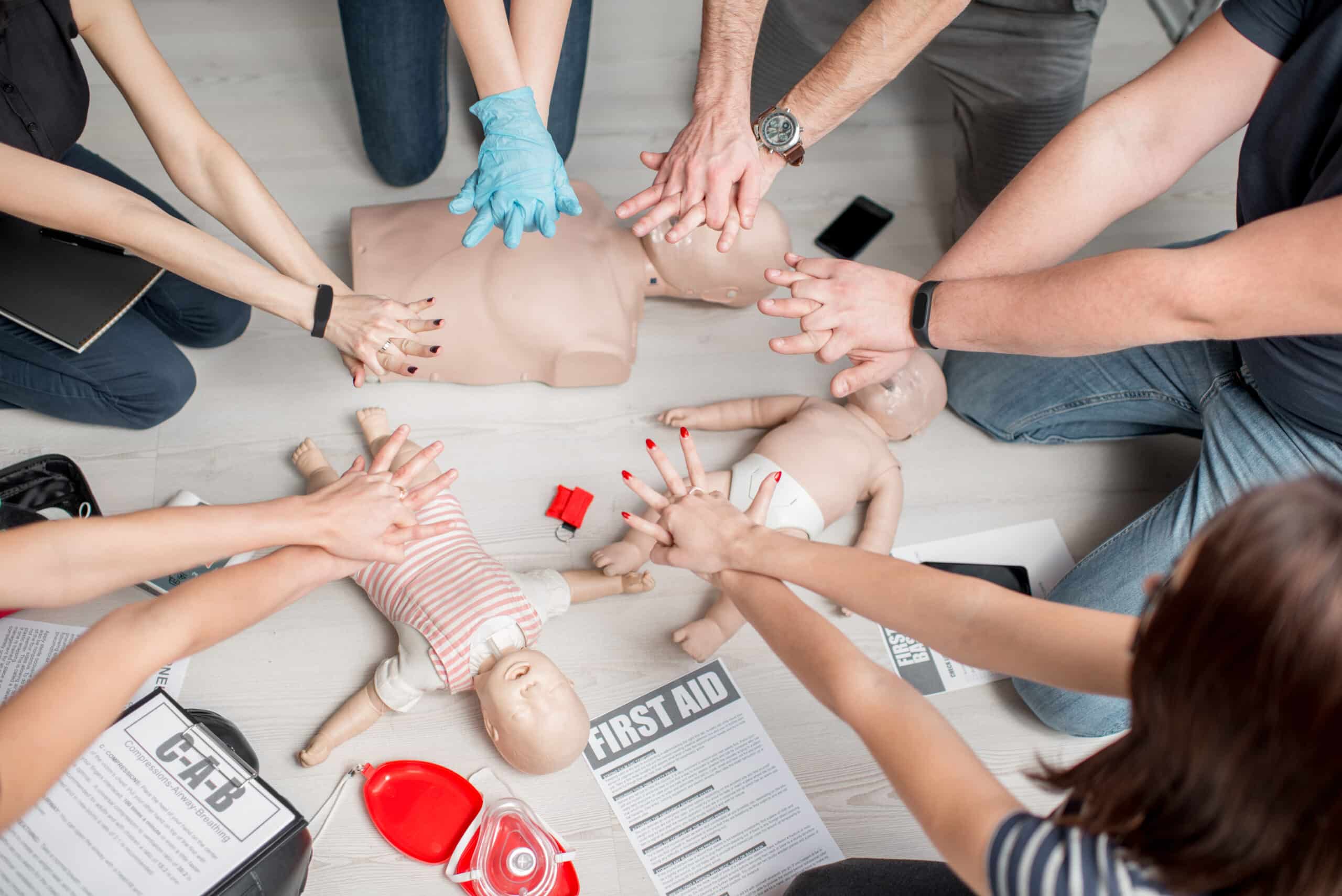
CPR, AED use and emergency response are practical skills that are best learned through hands-on training. An accredited first aid course with First Aid Pro gives tradies the opportunity to practise these skills and prepare for the emergencies that can happen on site.
Enrol in an Accredited First Aid Course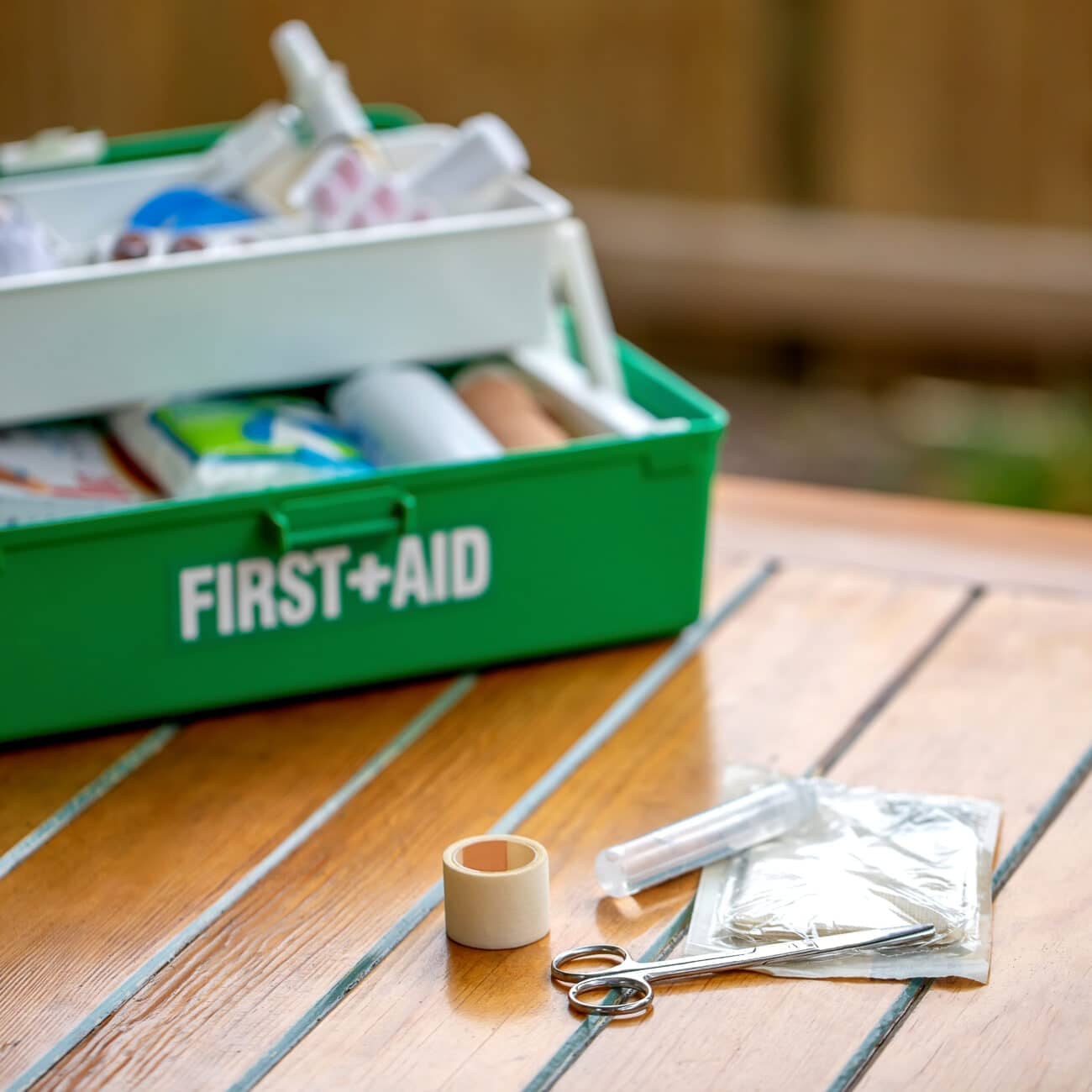
What Should Be in Every Tradie's Ute First Aid Kit?
A practical ute kit should cover the most likely on-site problems while remaining compact, accessible and able to withstand hot, dusty Australian working conditions.
Every Ute Kit Should Cover the “Big Four”
Core Wound Care
These supplies cover common cuts, grazes and moderate bleeding.
- ✓ Assorted tough adhesive dressing strips.
- ✓ Small and medium low-adherent sterile dressings.
- ✓ Combine dressing pads for heavier bleeding.
- ✓ Sterile gauze swabs for cleaning and padding.
- ✓ Hypoallergenic paper tape.
- ✓ Conforming bandages in several widths.
- ✓ Crepe and elastic support bandages.
- ✓ Safety pins for securing dressings or slings.
Bleeding and Trauma
Higher-risk cutting, grinding and machinery work may require greater trauma capability.
- ✓ Medium and large sterile wound dressings.
- ✓ Extra combine pads for absorbing blood.
- ✓ At least two triangular bandages.
- ✓ An instant cold pack for strains and soft-tissue injuries.
Burn Supplies
Burns may result from welding, grinding, chemicals, hot materials or heated equipment.
- ✓ Multiple burn hydrogel sachets.
- ✓ Low-adherent dressings for covering cooled burns.
- ✓ An emergency thermal or shock blanket.
Eye and Chemical Exposure
Dust, metal fragments, chemicals and liquid splashes can cause serious eye injuries.
- ✓ At least two sterile eye pads.
- ✓ Sterile saline ampoules for eye and wound irrigation.
- ✓ A larger eyewash bottle where greater flushing volume may be needed.
Infection Control
- ✓ Alcohol-free cleansing wipes.
- ✓ Skin-safe antiseptic spray or solution.
- ✓ Several pairs of non-latex nitrile gloves.
- ✓ Press-seal bags for contaminated waste.
- ✓ Ointments only where permitted by workplace policy.
CPR and Emergency Information
- ✓ A disposable CPR face shield or barrier.
- ✓ A clear first aid quick-reference guide.
- ✓ Emergency contact details for the site and office.
- ✓ Poisons Information Centre: 13 11 26.
Tools and Accessories
- ✓ Sharp and blunt stainless steel scissors.
- ✓ Splinter forceps or tweezers.
- ✓ Disposable splinter probes.
- ✓ A small notebook and pencil.
- ✓ A contents checklist and restock record.
Match the Kit to the Work
Additional supplies may be needed depending on the worksite and hazards.
- ✓ Snake bite compression bandages for outdoor work.
- ✓ Extra burn dressings for welding and hot work.
- ✓ Additional eyewash for chemical or mechanical work.
- ✓ A vehicle fire extinguisher and high-visibility vest.
Packaging and Vehicle Storage Matter
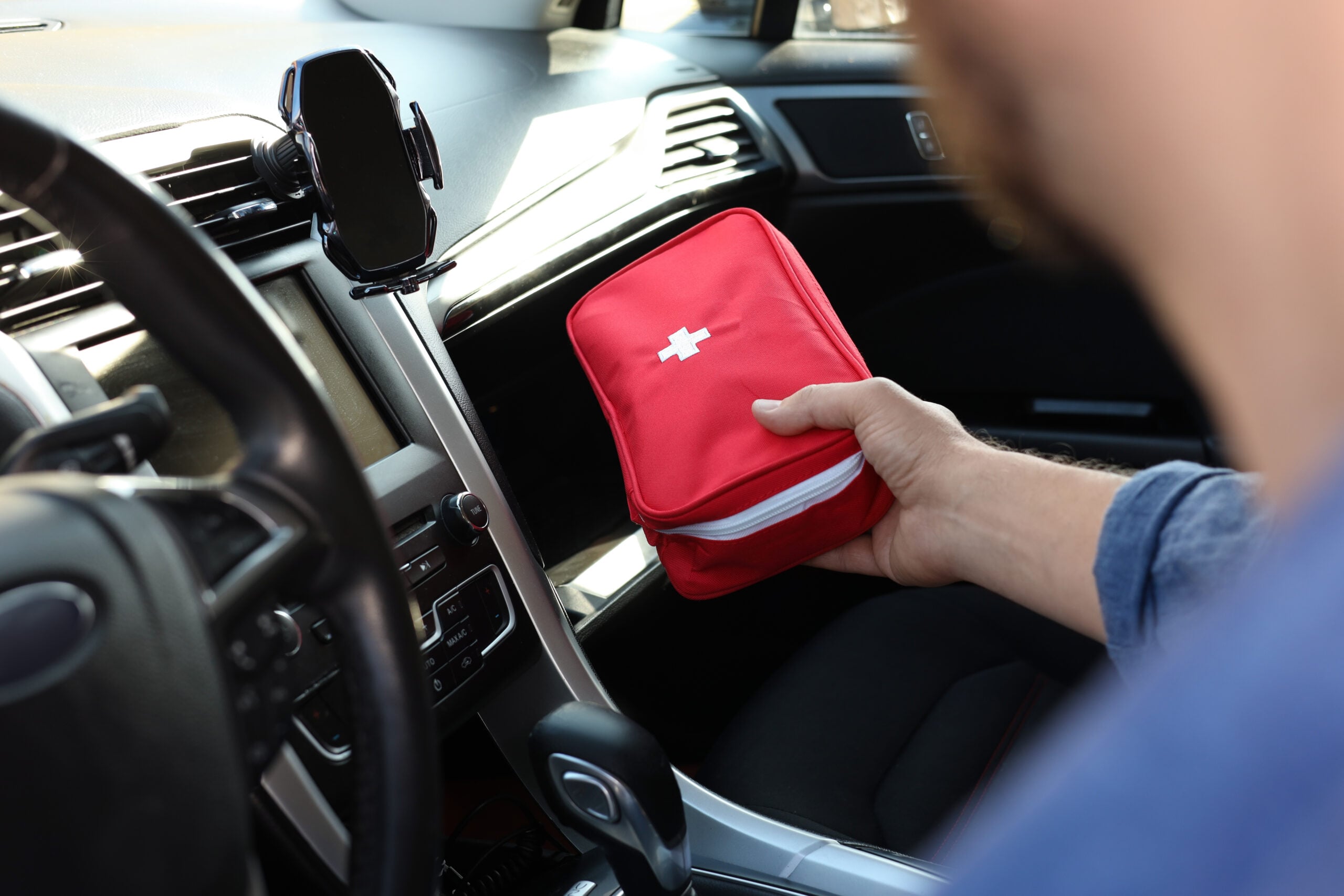
Choose a tough soft pack or hard case with a weather-resistant closure. It should be clearly labelled, easy to identify and protected from dust, heat and moisture.
Keep it in the glovebox, centre console, behind the seat or in a dedicated storage compartment where it will not become buried beneath tools.
Inspect and Restock It Regularly
Replace expired products, replenish used supplies and ensure everyone knows where the kit is stored. A first aid kit is only useful when it is complete, accessible and ready for an emergency.
Looking After More Than Physical Injuries
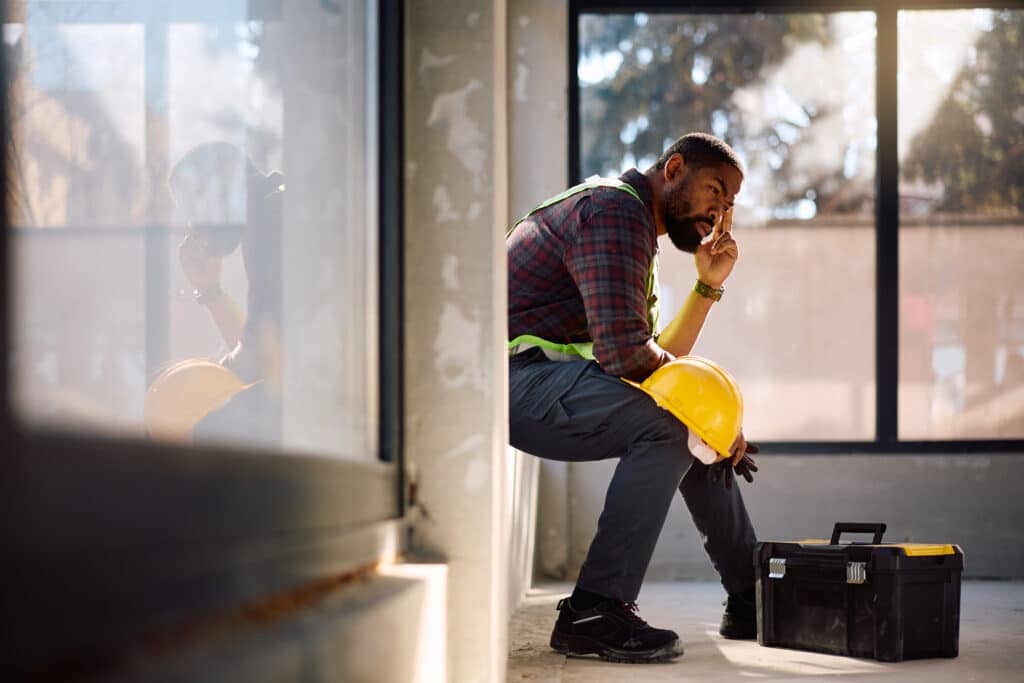
Tradies National Health Month is increasingly recognised for shining a light on mental health.
Long hours, financial pressures, physically demanding work, changing job sites and the expectation to simply “push through” can all affect mental wellbeing.
The 2026 Wear the Conversation campaign encourages tradies to start simple conversations that may help someone struggling in silence.
Checking in with a mate doesn’t require special qualifications. Asking how someone is travelling, noticing changes in behaviour and listening without judgement can make an enormous difference.
Just as workplaces invest in physical safety training, many organisations are now recognising the value of Mental Health First Aid training. These courses teach participants how to identify the early signs of common mental health problems, approach conversations confidently and guide colleagues towards appropriate professional support.
Physical first aid helps someone through a medical emergency. Mental Health First Aid helps someone through a psychological one.
Both are valuable workplace skills.
Why Accredited First Aid Training is Vital
First aid knowledge fades over time.
In an emergency, confidence comes from practising the skills, not simply remembering what you once read online.
Accredited first aid training allows tradies to develop practical experience managing bleeding, burns, fractures, choking, unconscious casualties, cardiac arrest and many other emergencies that may occur on site.
Courses are delivered against nationally recognised standards and provide hands-on practice using CPR manikins and automated external defibrillators.
Many employers actively encourage or require workers to maintain current first aid qualifications because rapid intervention can significantly improve outcomes before emergency services arrive.
Tradies National Health Month is an ideal reminder to check whether your own training is current. If it’s been several years since you last completed a first aid course, or you’ve never undertaken Mental Health First Aid training, August provides the perfect opportunity to refresh your skills.

Looking After Yourself Means Looking After Your Mates
As Tradies, you build Australia’s homes, schools, hospitals, roads and infrastructure. You solve problems every day and take pride in getting the job done properly.
Looking after your health deserves the same commitment.
Tradies National Health Month 2026 is more than an awareness campaign. It’s a reminder that every worker has a role in creating safer, healthier workplaces where physical safety and mental wellbeing are treated with equal importance.
Whether that means wearing blue to support Wear the Conversation, checking in with a workmate, carrying a properly stocked first aid kit or updating your emergency response skills, small actions can have a lasting impact.
One day, the first aid knowledge you gain today could be the reason a workmate makes it home safely.
If you’re ready to build that confidence, consider enrolling in an accredited Provide First Aid (HLTAID011) course or Mental Health First Aid training with First Aid Pro. You’ll gain practical, nationally recognised skills that can make a genuine difference both on the worksite and beyond.
Related Reading
- Safe Work Australia – Construction
First Aid Pro – White Card Certificate Explained: What It Is, How It Works …
Awareness Days.com – Tradies National Health Month 2026
Australian Physiotherapy Association – Tradies National Health Month
FAQs
What is Tradies National Health Month?
Tradies National Health Month is an Australian awareness campaign held every August to promote the physical and mental health of tradespeople. It encourages safer work practices, early intervention and open conversations about wellbeing.
What is the theme for Tradies National Health Month 2026?
The 2026 theme is “Wear the Conversation”, encouraging tradies to wear blue and start conversations about mental health with their workmates.
What are the most common injuries on construction sites?
Common injuries include falls, cuts and lacerations, back strains, eye injuries, burns, electrical injuries, heat exhaustion and dehydration.
What should every tradie keep in a first aid kit?
A well-stocked kit should include dressings, bandages, saline eye wash, gloves, antiseptic wipes, trauma shears, adhesive tape, a CPR face shield and other supplies appropriate to the work environment.
Why should tradies complete accredited first aid training?
Accredited training provides practical, hands-on skills to manage workplace emergencies such as severe bleeding, cardiac arrest, burns, fractures and heat-related illness, helping workers respond confidently until professional medical help arrives.