




Sharon has 21+ years of experience as a qualified Emergency Care Nurse registered with the Australian Health Practitioner Regulation Agency (APHRA) and 12+ years as a First Aid Trainer.
She takes pride in FirstAidPro making first aid training available, comprehensive and affordable to everybody.
World Diabetes Day, observed every year on 14 November, raises awareness of diabetes, its symptoms, treatment and the importance of accessible healthcare. In Australia, approximately 1.3 million adults live with diabetes, making education, early diagnosis and effective management essential. For people living with disability, managing diabetes may also involve additional challenges, including the need for assistance with insulin injections, blood glucose monitoring and everyday health decisions. According to the World Health Organization, understanding these needs helps families, carers and disability support workers provide safer, more respectful and individualised support.
Key Takeaways
- World Diabetes Day is held on 14 November, encouraging greater awareness, early diagnosis and better access to diabetes care.
- Around 1.3 million Australian adults live with diabetes, a condition that requires ongoing management to reduce the risk of complications.
- Insulin is essential for people with type 1 diabetes and may also be required by people with type 2 diabetes.
- Subcutaneous injections are a common method of administering insulin, making safe injection practices particularly important for people who need assistance.
- NDIS participants requiring diabetes-related support deserve individualised care, delivered by appropriately trained workers who understand their responsibilities.
What Is World Diabetes Day and Why Does It Matter?
World Diabetes Day is an international health awareness campaign established in 1991 by the International Diabetes Federation and the World Health Organization (WHO).
The date, 14 November, commemorates the birthday of Sir Frederick Banting, who, alongside Charles Best and other researchers, contributed to the discovery of insulin in 1921.
That discovery transformed diabetes treatment.
Before insulin became available, a diagnosis of type 1 diabetes was frequently fatal. Today, insulin therapy enables millions of people to manage their condition and lead active, fulfilling lives.
However, diabetes remains a substantial global health challenge.
The WHO’s theme for World Diabetes Day 2026 is “Early action on diabetes”, highlighting the importance of recognising symptoms, obtaining an early diagnosis, accessing appropriate treatment and reducing stigma.
The campaign also draws attention to the millions of people worldwide who are living with diabetes without knowing they have the condition. World Health Organization.
In Australia, World Diabetes Day provides an opportunity to consider something that can easily be overlooked: diabetes management is not simply about taking medication or avoiding certain foods. It involves understanding a complex condition, recognising changes in health, making informed decisions and ensuring people receive appropriate support when they need it.
For somebody who also lives with a disability, these responsibilities may involve additional assistance from family members, healthcare professionals or disability support workers.
That makes diabetes awareness particularly relevant to Australia’s disability support sector.
Understanding Diabetes: More Than High Blood Sugar
Diabetes is a chronic health condition that affects how the body regulates glucose, commonly called blood sugar.
Glucose provides energy for the body’s cells. Much of it comes from the carbohydrates we eat, although the liver also produces and releases glucose.
To move glucose from the bloodstream into many of the body’s cells, we rely on a hormone called insulin.
Insulin is produced by specialised cells in the pancreas. When the body cannot produce sufficient insulin, or cannot use insulin effectively, glucose can accumulate in the bloodstream.
Over time, persistently elevated blood glucose levels can damage blood vessels, nerves and organs.
Diabetes is associated with an increased risk of cardiovascular disease, kidney disease, vision problems and nerve damage. However, effective treatment and ongoing monitoring can substantially reduce the likelihood of complications.
Importantly, diabetes is not a single condition with one cause or one treatment.
Understanding the differences between its main forms is essential for avoiding misconceptions.
Type 1 Diabetes
Type 1 diabetes is an autoimmune condition in which the immune system attacks the insulin-producing cells of the pancreas.
As a result, the body produces little or no insulin.
People with type 1 diabetes require insulin therapy to survive.
Although frequently diagnosed in childhood or adolescence, type 1 diabetes can develop at any age.
It is not caused by eating too much sugar, being overweight or making poor lifestyle choices.
Managing type 1 diabetes generally involves insulin administration, glucose monitoring and adjusting treatment around meals, physical activity, illness and other factors.
Type 2 Diabetes
Type 2 diabetes develops when the body becomes resistant to insulin and the pancreas cannot produce enough insulin to maintain blood glucose within the recommended range.
It is the most common form of diabetes in Australia.
Type 2 diabetes is influenced by a combination of genetic, biological, environmental and lifestyle factors.
While some risk factors can be modified, others cannot.
Treatment varies according to the individual’s needs and may involve changes to eating habits, physical activity, oral medications, non-insulin injectable medicines or insulin therapy.
Not everybody with type 2 diabetes requires insulin injections.

Gestational Diabetes
Gestational diabetes develops during pregnancy when blood glucose levels become elevated.
It generally resolves after childbirth, although it increases the likelihood of developing type 2 diabetes later in life.
Management may involve dietary changes, physical activity, blood glucose monitoring and medication, including insulin when necessary.
These distinctions matter because effective diabetes management must be tailored to the individual rather than based on assumptions about their diagnosis.

Diabetes in Australia: A Significant Public Health Challenge
Diabetes affects a substantial proportion of the Australian population.
According to the Australian Institute of Health and Welfare (AIHW), approximately 1.3 million Australian adults, or 6.5%, were living with diabetes in 2022–24.
That represents roughly one in every 15 adults. The figures include people with previously diagnosed diabetes and those identified through health survey measurements.
Diabetes becomes more common with increasing age, although people of all ages can develop the condition.
The AIHW also identifies diabetes as an important contributor to Australia’s burden of chronic disease, hospitalisations and healthcare expenditure.
Yet statistics cannot fully describe what living with diabetes involves.
For one person, diabetes management might mean checking glucose levels, taking medication and attending regular medical appointments.
For another, it could involve calculating insulin doses, monitoring glucose throughout the day and responding quickly when levels move outside their target range.
Some people also experience complications that affect mobility, vision, sensation or their ability to manage daily activities independently.
These differences help explain why individualised care is so important.
World Diabetes Day encourages Australians to look beyond the numbers and recognise the people, families and support networks affected by diabetes.

Recognising the Early Warning Signs of Diabetes
One of the central messages of World Diabetes Day 2026 is the importance of recognising diabetes early.
Symptoms can develop gradually, particularly with type 2 diabetes, meaning somebody may live with elevated blood glucose for an extended period without realising it.
Type 1 diabetes symptoms can develop much more rapidly.
Common warning signs include:
When Should You Seek Medical Advice?
These symptoms do not automatically mean somebody has diabetes.
However, they should prompt a discussion with a healthcare professional, particularly when several symptoms occur together.
How Is Diabetes Diagnosed?
A diagnosis generally involves blood tests, such as HbA1c or blood glucose testing, interpreted by an appropriately qualified healthcare professional.
Early diagnosis allows treatment to begin before preventable complications develop.
There is also an important distinction between recognising possible diabetes and recognising a medical emergency.
Someone experiencing vomiting, abdominal pain, rapid or deep breathing, significant dehydration or increasing confusion may be developing a serious complication such as diabetic ketoacidosis.
Diabetic ketoacidosis is a medical emergency requiring urgent hospital treatment.
Support workers and carers should never attempt to diagnose the cause of severe symptoms themselves. They should follow the person’s emergency management plan and seek urgent medical assistance.
In Australia, call Triple Zero (000) for a medical emergency.

Why Diabetes Management Can Be More Challenging for People Living With Disability
Living with diabetes requires regular attention, but not everybody has the same ability to manage the condition independently.
Some people living with disability may experience physical, intellectual, cognitive or sensory challenges that make particular aspects of diabetes management more difficult.
A person with limited hand movement, for example, might understand their insulin requirements but struggle to operate an injection device.
Someone with impaired vision may find it difficult to read a glucose monitor or identify medication information.
A person with an intellectual disability may benefit from additional assistance understanding instructions, recognising symptoms or following a daily treatment routine.
Others may require support because of communication difficulties, memory problems or complex health needs.
These circumstances do not mean that people living with disability cannot participate in managing their diabetes. Rather, they demonstrate why support should be adapted to each person’s abilities, preferences and circumstances.
Supporting Independence Rather Than Taking Control
One of the most important principles of quality disability support is recognising the person's right to make decisions about their own life.
Support should recognise the participant's abilities, choices and preferences rather than automatically taking control of their care.
Preparing Equipment Independently
A participant might be able to prepare their equipment but need assistance administering an injection.
Managing Insulin With Reminders
Another participant might administer insulin independently but require reminders about monitoring glucose.
Support Without Taking Over
The appropriate response is not necessarily to take over the entire process.
Instead, support workers should understand:
Respecting Dignity, Choice and Privacy
For people who need regular injections, this might include explaining what is happening, allowing time for questions and ensuring privacy.
It also means recognising that the participant is more than their medical condition.
Diabetes management should support participation in ordinary activities, relationships, education, employment and community life rather than unnecessarily restricting them.
The Role of Insulin in Diabetes Management
Insulin is one of the most important treatments available for diabetes.
Type 1 Diabetes
For people with type 1 diabetes, insulin therapy replaces the hormone their pancreas can no longer produce adequately.
Type 2 Diabetes
For some people with type 2 diabetes, insulin becomes necessary when other treatments do not provide sufficient blood glucose control or when circumstances change.
Different Types of Insulin
There are different types of insulin, with varying onset times, peak effects and durations of action.
Some types are designed to provide background insulin throughout the day and night.
Other types are used around meals or to correct elevated glucose levels.
The type, dose and timing prescribed depend on the individual's diabetes management plan.
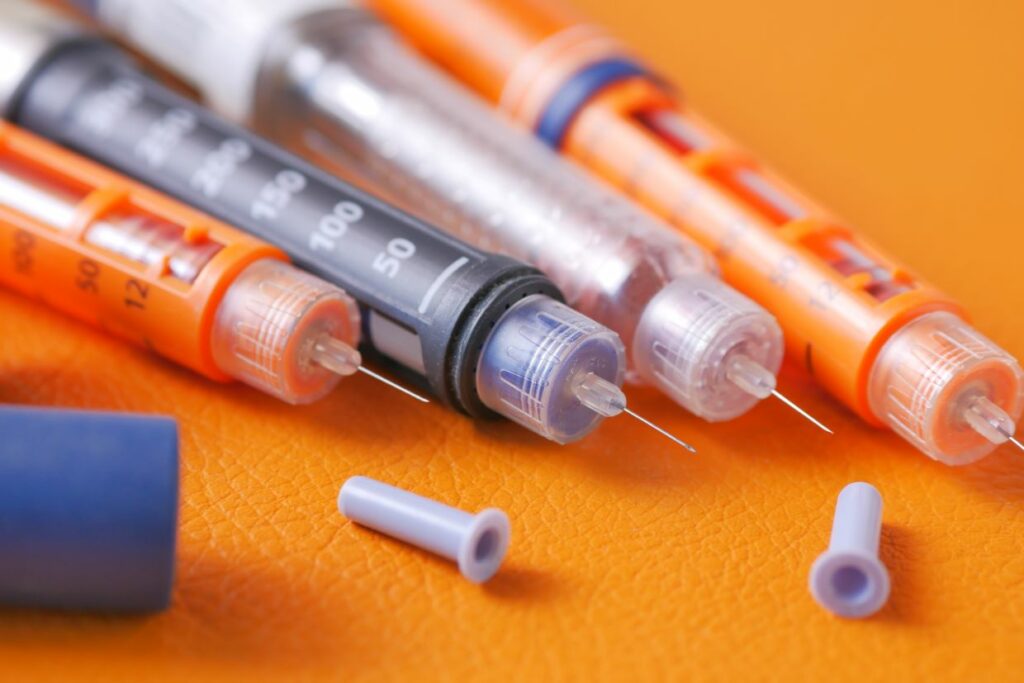
How Is Insulin Administered?
Insulin may be administered using:
Although the equipment differs, the underlying purpose is the same: delivering insulin in a way that helps maintain blood glucose within the person's recommended range.
Individualised Diabetes Management
Insulin treatment must follow the individual's prescribed type, dose and timing, as documented in their diabetes management plan.
Important: Insulin Is a High-Risk Medication
Administering the wrong insulin, an incorrect dose or insulin at an inappropriate time can cause serious harm, including severe hypoglycaemia.
Safe administration requires appropriate knowledge, careful checking and adherence to prescribed instructions.
Insulin administration should never be treated as a routine task that can be performed safely without adequate knowledge and appropriate safeguards.

What Are Subcutaneous Injections?
A subcutaneous injection delivers medication into the fatty tissue immediately beneath the skin, rather than directly into a muscle or vein.
This method allows certain medicines, including insulin, to be absorbed into the bloodstream.
Subcutaneous injections are widely used in diabetes management because insulin is generally administered into this tissue.
Common injection areas include the abdomen, thighs and buttocks, depending on the medication, equipment and healthcare professional’s instructions.
The National Diabetes Services Scheme (NDSS) emphasises that correct injection technique and appropriate site selection are important for consistent insulin absorption.
Why Injection Site Rotation Matters
Repeatedly injecting insulin into the same small area can cause changes to the fatty tissue beneath the skin.
What Is Lipohypertrophy?
One example is lipohypertrophy, which involves the development of thickened or lumpy tissue.
These changes can affect how consistently insulin is absorbed, potentially making blood glucose management more difficult.
Repeated Injections in One Area
Injecting into the same small area repeatedly can contribute to changes in the fatty tissue beneath the skin.
Rotating Injection Sites
Rotating injection sites helps reduce the risk of lipohypertrophy and supports more consistent insulin absorption.
Other Important Injection Safety Practices
Safe insulin administration involves more than choosing an injection site.
More Than Technical Details
These are not simply technical details. For someone receiving insulin injections every day, good practices can influence comfort, safety and the effectiveness of their diabetes treatment.
Appropriate site rotation, medication checks, infection prevention and accurate documentation all contribute to safe and effective insulin administration.
Recognising Hypoglycaemia and Hyperglycaemia
One of the most important aspects of diabetes awareness is understanding what happens when blood glucose levels become too low or too high.
Both situations can affect a person’s wellbeing, but they have different causes and require different responses.
Hypoglycaemia: When Blood Glucose Falls Too Low
Hypoglycaemia, commonly called a hypo, generally refers to blood glucose falling below 4.0 mmol/L.
It can occur in people using insulin or certain other diabetes medications.
Possible symptoms include shakiness, sweating, dizziness, hunger, headache, irritability, confusion and difficulty concentrating.
A severe hypo may cause seizures or unconsciousness.
For a person who is conscious and can swallow safely, the NDSS generally recommends treating a hypo promptly with 15 grams of fast-acting carbohydrate, followed by another glucose check after 10–15 minutes. Individual management plans may specify different treatment arrangements.
Never give food or drink to somebody who is unconscious, severely drowsy or unable to swallow safely.
Call Triple Zero (000) immediately for a severe hypo involving unconsciousness, seizures or an inability to swallow safely. Follow the person’s emergency plan, including the use of prescribed glucagon by someone appropriately trained and authorised.
The NDSS provides detailed guidance on recognising and responding to hypoglycaemia.
Hyperglycaemia: When Blood Glucose Becomes Too High
Hyperglycaemia occurs when blood glucose rises above the person’s recommended range.
Symptoms may include increased thirst, frequent urination, tiredness, headaches and blurred vision.
Possible causes include illness, stress, insufficient insulin or changes to the person’s usual routine.
Persistent or significant hyperglycaemia requires attention because it may lead to serious complications.
For people with type 1 diabetes, and some others who use insulin, diabetic ketoacidosis is a particular concern.
Support workers should understand the warning signs described in the participant’s diabetes management plan and know when to contact a healthcare professional or seek emergency assistance.
They should not independently alter insulin doses unless specifically authorised under an appropriate clinical plan and competency arrangements.

Understanding Diabetes Support Under the NDIS
The National Disability Insurance Scheme (NDIS) provides eligible Australians with funding for reasonable and necessary supports related to their disability. However, having diabetes does not automatically make somebody eligible for the NDIS.
Diabetes is generally managed through Australia’s mainstream healthcare system.
The distinction becomes important when a person already living with disability requires additional assistance managing diabetes because of the impact of that disability.
For example, a participant may need help checking glucose levels, following a diabetes management routine or administering prescribed medication.
Depending on their circumstances and eligibility, the NDIS may fund certain disability-related diabetes management supports.
The National Disability Insurance Agency explains that these supports can include appropriately trained support workers and training relevant to the participant’s individual needs.
Medical diagnosis, clinical treatment and medicines ordinarily remain the responsibility of the healthcare system. NDIS
Why Individual Diabetes Management Plans Matter
An effective diabetes management plan provides a clear framework for supporting someone safely.
Developed Around the Individual
Developed with appropriate healthcare professionals and the person receiving care, the plan should reflect their individual treatment requirements and circumstances.
What Should the Plan Address?
For somebody requiring assistance with insulin, the relevant documentation may address:
Clear Responsibilities Matter
The plan should identify the responsibilities of those providing support.
This is particularly important when several workers assist the same participant.
Without Clear Instructions
Differences between workers' practices and inconsistent communication can introduce unnecessary risks.
With an Individualised Plan
Clear guidance supports consistent care while allowing appropriate changes when the person's health needs evolve.
Clear instructions, defined responsibilities and effective communication help ensure diabetes support remains appropriate as individual needs change.

Why Subcutaneous Injection Training Matters in Disability Support
Administering an insulin injection involves considerably more than using an injection device. A worker needs to understand the medication being administered, the participant’s individual requirements and the risks associated with the procedure.
They must also know how to recognise complications and respond appropriately.
The NDIS Quality and Safeguards Commission identifies subcutaneous injections within its High Intensity Daily Personal Activities practice standards.
These standards establish expectations for registered NDIS providers delivering relevant high-intensity supports.
They emphasise participant involvement in planning, clinical oversight, documented medication orders, appropriate procedures and worker training specific to the participant’s needs.
Workers must also have a basic understanding of the health condition associated with the support they provide. NDIS Quality and Safeguards Commission
This distinction is particularly important for diabetes.
A support worker may understand the general principles of insulin administration but still require additional training and competency assessment before supporting a particular participant.
Different insulin preparations, injection devices, dosage arrangements and individual health conditions can affect how support must be delivered.
The Commission’s High Intensity Support Skills Descriptors also distinguish between administering medication using prescribed devices and undertaking more complex tasks involving dose calculation or measurement.
Where workers assist with calculating diabetes medication doses, the arrangements require appropriate clinical oversight and checking procedures.
Training therefore needs to address both the practical procedure and the responsibilities surrounding it.
Connecting Training With Safe, Individualised Care
Education in subcutaneous injections helps workers understand medication safety, injection techniques, infection prevention, monitoring and documentation. For organisations supporting participants who require insulin, this knowledge contributes to safer and more consistent care.
First Aid Pro offers NDIS Subcutaneous Injection Training covering injection procedures, medication safety and aspects of diabetes management relevant to disability support.
Such education forms part of broader workforce preparation. It does not replace participant-specific training, clinical supervision, competency assessment or the need to follow an authorised management plan.
Ultimately, the purpose of training is not simply to teach someone how to administer an injection. It is to help ensure that the person receiving support is treated safely, respectfully and according to their individual needs.

The Emotional and Everyday Challenges of Living With Diabetes
Diabetes management involves more than physical health. For some people, the constant attention required to monitor glucose levels, manage medication, plan meals and anticipate unexpected changes can become emotionally exhausting.
This experience is sometimes described as diabetes distress. It may involve frustration, worry, fatigue or feeling overwhelmed by the ongoing responsibilities of managing a chronic condition.
Someone who relies on other people for assistance may face additional concerns. They might worry about losing independence, having their privacy compromised or depending on unfamiliar support workers to manage important aspects of their healthcare.
Even something as routine as receiving an insulin injection can feel uncomfortable when a person has little control over when, where or how support is provided.
These concerns deserve to be taken seriously. Respectful communication, consistent support arrangements and genuine involvement in decisions can help people feel more comfortable and confident.
Support workers should also avoid making assumptions about somebody’s abilities, eating habits or commitment to managing their condition.
A person living with diabetes deserves understanding, not judgement.
World Diabetes Day provides an opportunity to challenge stigma and recognise the emotional experiences that can accompany diabetes.
Building Better Diabetes Awareness in Our Communities
Greater diabetes awareness benefits everyone, not only people living with the condition.
Awareness Is a Shared Responsibility
Family members, friends, colleagues and community organisations can all contribute to environments where people feel understood and supported.
Diabetes Is Not Always Visible
Someone may appear perfectly healthy while managing a complicated treatment routine or dealing with fluctuating glucose levels.
Others may require assistance that is not immediately obvious.
Knowledge Can Help Prevent Harm
Understanding diabetes and recognising when somebody may need assistance can help reduce confusion and potentially prevent harm.
Awareness in Disability Services
In disability services, awareness also means recognising when a support task requires additional knowledge, training or clinical guidance.
Support Workers
A worker who is uncertain about a medication instruction should feel able to seek clarification rather than proceed without confidence in the procedure.
Organisations
Organisations should foster an environment where workers can report concerns, identify changes in participants' health and access appropriate professional advice.
These practices help protect participants while supporting the people responsible for their care.
World Diabetes Day: Awareness That Makes a Difference
World Diabetes Day reminds us that diabetes is both a significant public health challenge and a deeply personal experience.
For millions of people worldwide, managing diabetes is part of everyday life.
For some, that means regular medication, glucose monitoring and adjustments to daily routines. For others, particularly those living with disability, it may also involve relying on trained support workers to assist with essential healthcare activities.
The importance of early diagnosis, appropriate treatment and reliable support cannot be overstated.
Neither can the importance of dignity, independence and individual choice.
As Australia marks World Diabetes Day on 14 November, the message extends beyond recognising symptoms or understanding insulin.
It is about ensuring people living with diabetes have access to the information, healthcare and practical assistance they need to manage their condition.
For families, carers, healthcare professionals and disability support workers, greater awareness can translate into more informed decisions, safer support and better understanding.
And for people living with diabetes, that understanding can make a meaningful difference to everyday life.
Related Reading
- World Health Organization — World Diabetes Day 2026
World Diabetes Day: Early Action on Diabetes
- Australian Institute of Health and Welfare — Diabetes: Australian Facts
Diabetes in Australia: Key Statistics and Health Impacts
- National Diabetes Services Scheme — Insulin Administration
- NDIS Quality and Safeguards Commission — High Intensity Daily Personal Activities
NDIS Practice Standards: High Intensity Daily Personal Activities
- National Disability Insurance Scheme — Disability-Related Health Supports
Frequently Asked Questions About World Diabetes Day and Diabetes Support
When is World Diabetes Day celebrated in Australia?
World Diabetes Day is observed annually on 14 November in Australia and internationally. The day raises awareness of diabetes, encourages early diagnosis and promotes access to appropriate treatment and support. The 2026 theme, Early action on diabetes, highlights the importance of recognising symptoms, improving access to care and reducing stigma.
. Do all people with diabetes need insulin injections?
No. People with type 1 diabetes require insulin because their bodies produce little or none of the hormone. People with type 2 diabetes may manage their condition through lifestyle measures, oral medications, non-insulin injectable medicines or insulin, depending on their individual needs. Treatment should always be determined by an appropriately qualified healthcare professional.
What is a subcutaneous injection in diabetes management?
A subcutaneous injection delivers medication into the fatty tissue beneath the skin. Insulin is commonly administered this way because it allows the medication to be absorbed into the bloodstream. Correct injection technique, medication identification, site rotation and safe needle disposal are important aspects of insulin administration.
Can NDIS support workers administer insulin injections?
NDIS support workers may administer insulin injections when appropriate arrangements are in place. These include an individualised support plan, documented medication instructions, relevant training, demonstrated competency and appropriate clinical oversight. Workers must understand the participant’s specific needs and follow applicable NDIS requirements and organisational procedures.
Does the NDIS fund diabetes management support?
The NDIS may fund diabetes management supports when they are related to the impact of a participant’s disability and meet relevant funding requirements. This may include assistance with glucose monitoring, medication administration or training for support workers. However, diabetes treatment and medication are generally funded through Australia’s mainstream healthcare system. Having diabetes alone does not automatically establish NDIS eligibility.