



Sharon has 21+ years of experience as a qualified Emergency Care Nurse registered with the Australian Health Practitioner Regulation Agency (APHRA) and 12+ years as a First Aid Trainer.
She takes pride in FirstAidPro making first aid training available, comprehensive and affordable to everybody.
Hyperventilation is a breathing pattern where a person breathes faster or deeper than their body requires. Although it is commonly associated with anxiety and panic attacks, hyperventilation can also occur during serious medical emergencies, including asthma attacks, allergic reactions, shock, and heart-related conditions. Understanding the causes of hyperventilation, recognising the signs and symptoms of hyperventilation, and knowing the correct first aid response can help you provide calm, effective assistance when it matters most.
Key Takeaways
- Hyperventilation occurs when a person breathes faster or deeper than normal, causing carbon dioxide levels in the blood to fall and triggering symptoms such as dizziness, tingling, and shortness of breath.
- Anxiety and panic attacks are common causes of hyperventilation, but it can also be associated with medical emergencies including asthma, allergic reactions, shock, heart problems, and diabetic complications.
- Recognising the signs and symptoms of hyperventilation early can help prevent symptoms from escalating and ensure appropriate first aid is provided.
- First aid for hyperventilation focuses on keeping the person calm, encouraging slow controlled breathing, and monitoring their condition, while seeking emergency assistance if symptoms are severe or do not improve.
- First aid training provides the confidence to respond appropriately to breathing emergencies, helping you distinguish between hyperventilation and potentially life-threatening conditions that require urgent medical care.
What Is Hyperventilation?
Breathing is something most of us rarely think about. Our bodies automatically regulate breathing rates to maintain the right balance of oxygen and carbon dioxide in the bloodstream.
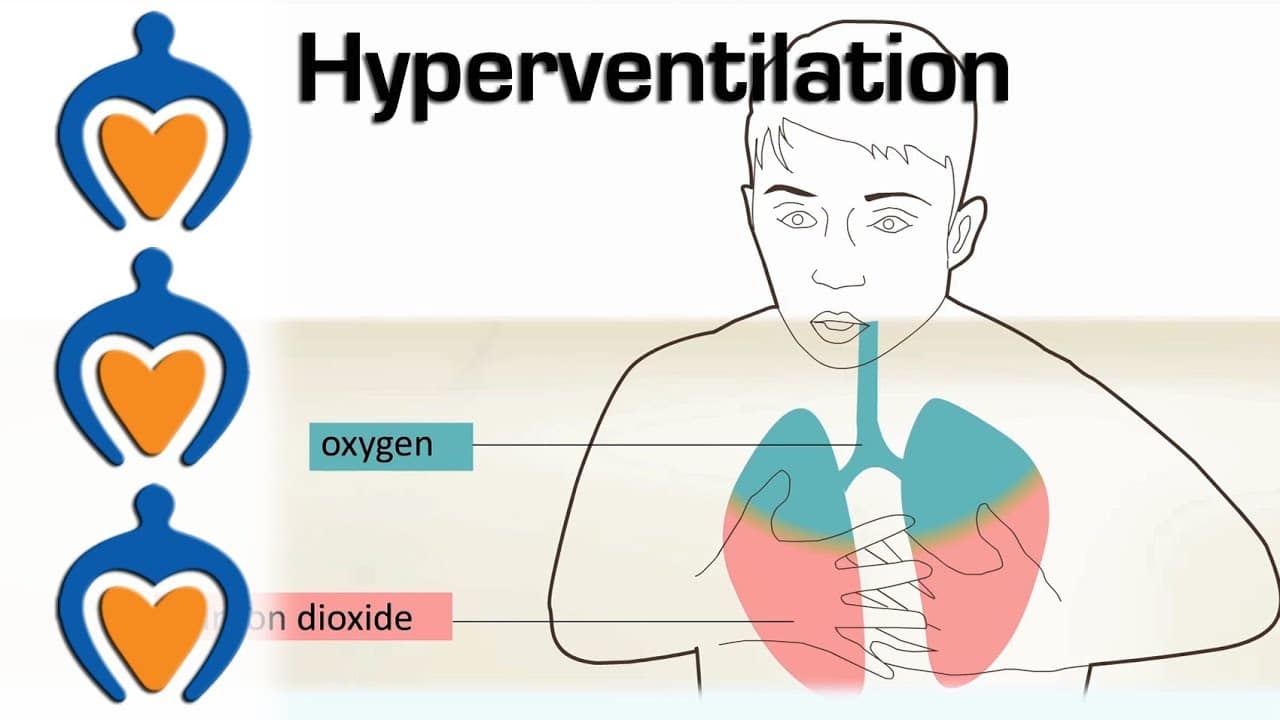
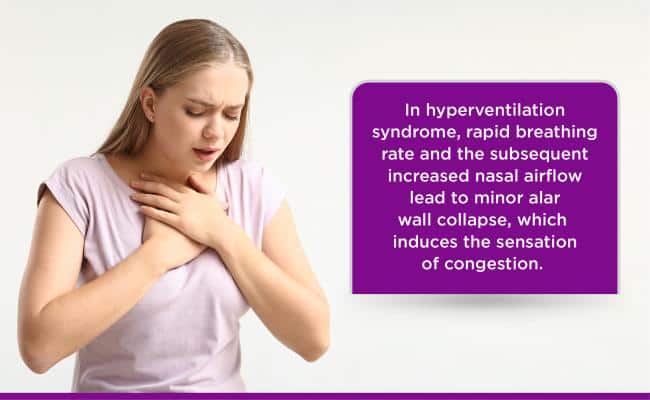
Hyperventilation occurs when breathing becomes excessively rapid, deep, or both. Contrary to what many people assume, the problem is not usually a lack of oxygen. Instead, hyperventilation causes the body to expel carbon dioxide faster than it can be replaced.
As carbon dioxide levels fall, a range of symptoms can develop. These symptoms can feel alarming and may cause the person to breathe even faster, creating a cycle that becomes increasingly difficult to control without intervention.
While hyperventilation itself is often temporary, it should never be dismissed without considering what may have triggered it.
What Causes Hyperventilation?
Many different situations can lead to hyperventilation. Some are relatively minor, while others require urgent medical attention.
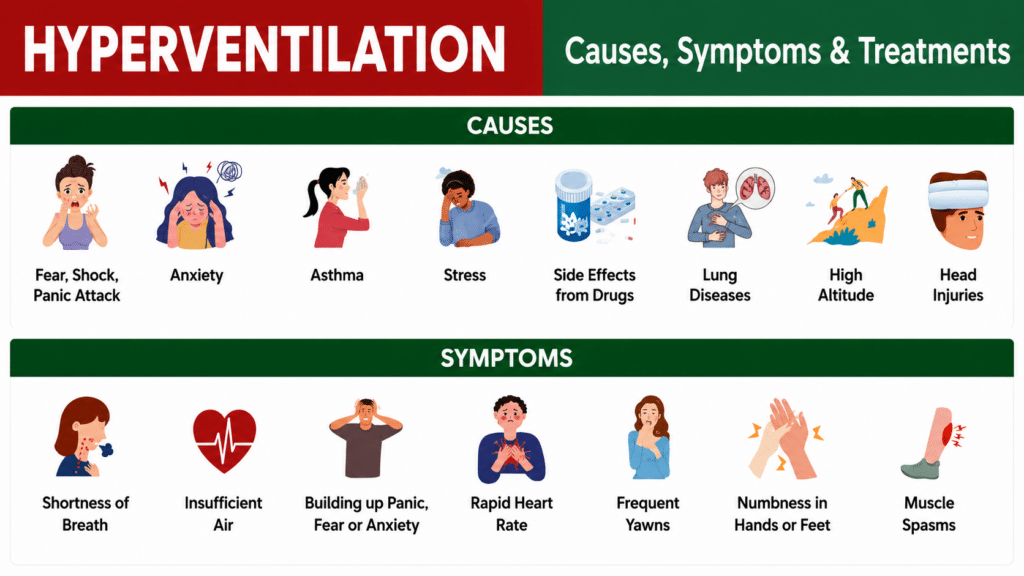
Anxiety and panic attacks are among the most common causes. During periods of intense stress or fear, the body’s natural fight-or-flight response increases breathing rate and heart rate. In some cases, breathing becomes so rapid that hyperventilation develops.
Strong emotions such as grief, anger, excitement, or emotional shock can have a similar effect.
Physical pain may also trigger rapid breathing. Someone experiencing a severe injury, fracture, burn, or other painful condition may begin hyperventilating as a response to discomfort.
However, not all hyperventilation is linked to emotional factors. Several medical conditions can also cause rapid breathing, including:
- Asthma attacks
- Severe allergic reactions (anaphylaxis)
- Respiratory infections
- Shock
- Heart conditions
- Diabetic emergencies
- High fever
- Certain medications or substances
Because hyperventilation can be a symptom of a serious underlying problem, first aiders should assess the person’s overall condition rather than assuming anxiety is the cause.
Signs and Symptoms of Hyperventilation
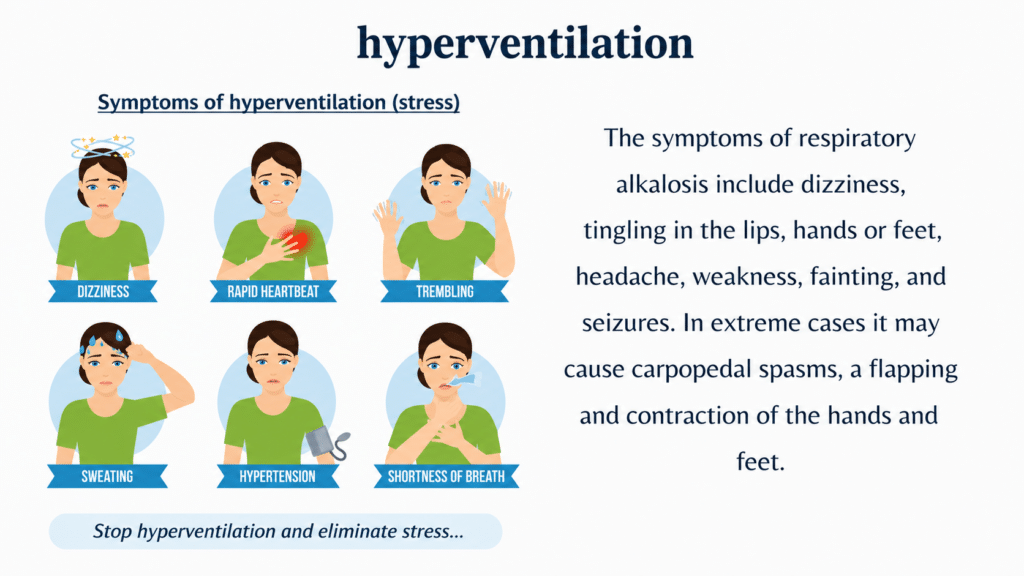
The signs and symptoms of hyperventilation can vary between individuals. Some people experience only mild discomfort, while others may feel as though they are having a medical emergency.
Rapid Breathing
Breathing may become noticeably faster than normal.
Deep Breathing
The person may take repeated deep breaths or appear unable to settle their breathing.
Shortness of Breath
They may feel as though they cannot get enough air.
Dizziness or Light-headedness
Low carbon dioxide levels can cause dizziness, faintness, or unsteadiness.
Tingling Sensations
Tingling may occur in the hands, feet, face, or around the mouth.
Chest Tightness
The person may feel tightness, pressure, or discomfort in the chest.
Dry Mouth
Rapid breathing may leave the mouth feeling dry or uncomfortable.
Blurred Vision
Some people may notice temporary changes in vision.
Increased Heart Rate
The heart may feel as though it is racing or pounding.
Anxiety or Panic
Hyperventilation can both cause and intensify feelings of panic.
Feeling Detached
The person may feel disconnected from their surroundings or unusually unreal.
Medical Emergency Feeling
Symptoms can feel frightening and may mimic more serious conditions.
In more severe cases, muscle cramps or involuntary hand contractions may occur due to changes in blood chemistry caused by low carbon dioxide levels.
These symptoms can be frightening, which is why reassurance and calm communication are important components of first aid for hyperventilation.
What is Hyperventilation Syndrome?
Is hyperventilation the same as hyperventilation syndrome?
Not exactly. Hyperventilation is the breathing pattern itself, while hyperventilation syndrome is the clinical term for repeated or persistent episodes of hyperventilation with associated symptoms, often after other causes have been excluded.
In plain terms:
- Hyperventilation = overbreathing.
- Hyperventilation syndrome = a syndrome or condition involving overbreathing plus symptoms such as dizziness, tingling, palpitations, or chest tightness.
So the terms are related, but they are not strictly the same thing.

Why Hyperventilation Can Feel So Frightening
One of the most confusing aspects of hyperventilation is that many people feel they cannot breathe properly, even though they may actually be taking in more oxygen than usual.
As carbon dioxide levels fall, blood vessels supplying the brain can temporarily narrow. This contributes to symptoms such as dizziness, tingling, and feelings of unreality.
The person may interpret these sensations as signs that something is seriously wrong. Fear increases. Breathing becomes even faster. Symptoms intensify.
This cycle can escalate quickly.
Understanding that these symptoms are often linked to changes in carbon dioxide levels can help first aiders provide reassurance while still remaining alert for signs of a more serious medical condition.
First Aid for Hyperventilation
Providing first aid for hyperventilation begins with remaining calm.
A calm first aider often helps create a calmer casualty.
If the person is conscious and responsive, encourage them to sit comfortably in a quiet area away from crowds, noise, or other stressors where possible.
Speak slowly and reassuringly.
Rather than telling the person to “relax”, which may increase frustration, encourage them to focus on slowing their breathing. Gentle coaching can help.
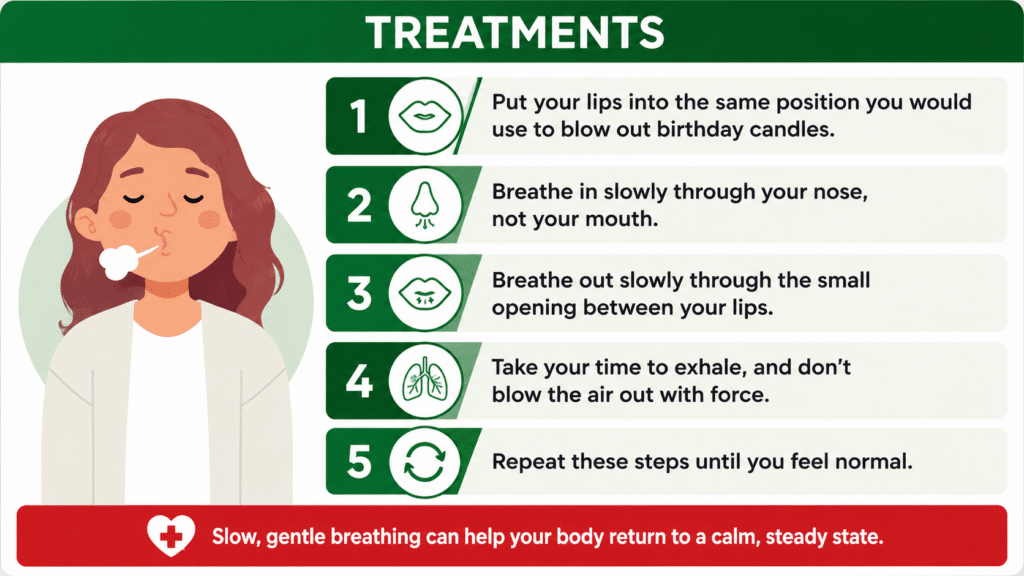
You might encourage them to:
- Breathe in slowly through the nose
- Pause briefly
- Exhale slowly through the mouth
- Focus on steady, controlled breaths
Continue monitoring their condition and observe for any signs that may suggest a more serious underlying problem.
Importantly, modern first aid guidelines generally do not recommend breathing into a paper bag. This practice was once common but may be dangerous if the person’s symptoms are actually caused by a medical condition such as asthma, a heart problem, or low oxygen levels.
If symptoms do not improve, worsen, or are accompanied by other concerning signs, seek medical assistance.
Chest pain
Loss of consciousness
Severe breathing difficulties
Blue or grey skin colouration
Symptoms of anaphylaxis
Signs of severe asthma
Suspected heart attack
Significant injury or trauma
Diabetic emergency symptoms
Seizure activity
Even when anxiety appears to be the likely cause, it is better to seek medical advice if there is any uncertainty.
A first aider’s role is not to diagnose the cause but to recognise when professional medical assessment is needed.

Hyperventilation and Panic Attacks
Panic attacks are a frequent trigger for hyperventilation.
A panic attack can develop suddenly and may create overwhelming feelings of fear, dread, or loss of control. Physical symptoms often include rapid breathing, chest tightness, trembling, sweating, dizziness, and a racing heartbeat.
Because these symptoms can resemble those of a heart attack, they should always be taken seriously.
When assisting someone experiencing a panic attack, focus on reassurance and controlled breathing techniques rather than challenging their fears or dismissing their experience.
Simple statements such as “I’m here with you” or “Let’s focus on one slow breath at a time” can be surprisingly effective.
Hyperventilation in Children
Children can also experience hyperventilation.
Triggers may include anxiety, emotional distress, pain, fear, sporting injuries, or medical conditions affecting breathing.
Children often become frightened by the unusual sensations associated with hyperventilation. This fear may cause symptoms to worsen.
When assisting a child:
- Stay calm
- Speak gently and clearly
- Move them to a quiet environment if possible
- Encourage slow breathing
- Stay with them and provide reassurance
Parents, teachers, coaches, and carers should seek medical assessment if symptoms persist or if there are concerns about the underlying cause.
Can Hyperventilation Be Prevented?
Not all cases of hyperventilation can be prevented, particularly when they are associated with illness or injury.
However, some strategies may reduce the likelihood of anxiety-related episodes.
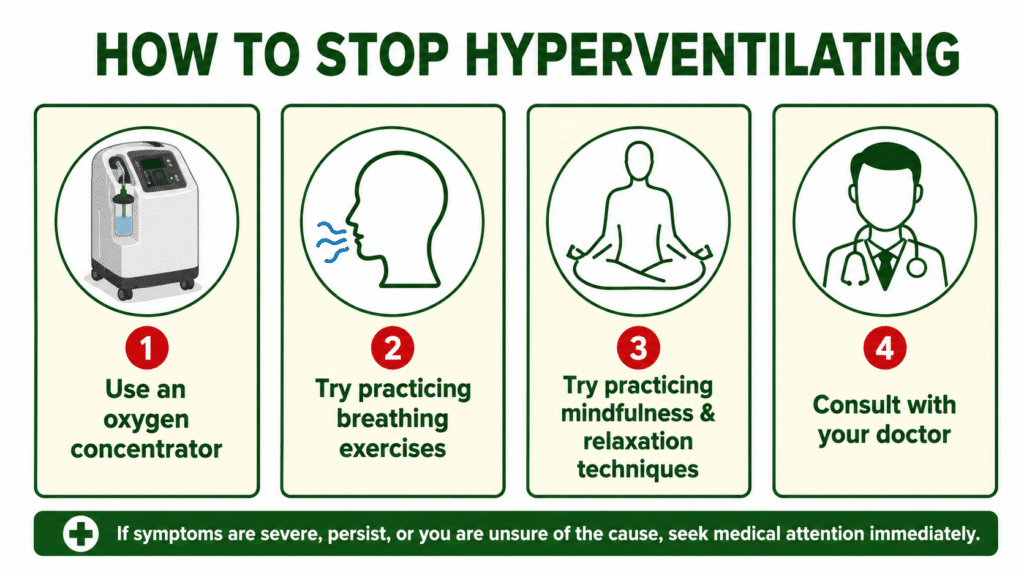
These include:
- Stress management techniques
- Regular physical activity
- Adequate sleep
- Mindfulness practices
- Breathing exercises
- Seeking professional support for anxiety disorders
For individuals with known medical conditions such as asthma, following treatment plans and carrying prescribed medications can also help reduce the risk of respiratory emergencies.

Why First Aid Training Matters
Breathing emergencies can develop quickly.
Many people assume they would know what to do if someone began hyperventilating, but emergencies often feel very different in real life than they do in theory.
First aid training helps build confidence and practical decision-making skills. Participants learn how to assess a casualty, recognise respiratory distress, identify warning signs that require urgent medical care, and respond appropriately while waiting for emergency services.
Importantly, first aid courses also help participants distinguish between conditions that may appear similar at first glance, including hyperventilation, asthma attacks, allergic reactions, shock, and cardiac emergencies.
At First Aid Pro, nationally recognised first aid courses provide practical, hands-on training designed to prepare everyday Australians for real-world emergencies. Whether you are a parent, teacher, workplace first aider, coach, or community member, first aid skills can make a meaningful difference when someone needs help.

Building Confidence Before an Emergency Happens
Hyperventilation is a common but often misunderstood breathing condition that can develop during anxiety, panic attacks, emotional distress, pain, or serious medical emergencies. While symptoms such as rapid breathing, dizziness, tingling, and chest tightness can be frightening, understanding the causes and recognising the signs and symptoms of hyperventilation can help first aiders respond effectively.
First aid for hyperventilation focuses on reassurance, encouraging slow controlled breathing, monitoring the casualty, and recognising when emergency medical assistance may be required.
Because hyperventilation can sometimes indicate a more serious underlying condition, every episode should be assessed carefully.
The skills learned through nationally accredited first aid training can help you recognise breathing emergencies, respond with confidence, and provide assistance when it matters most. First Aid Pro offers nationally recognised first aid courses designed to equip Australians with practical skills that can help save lives in workplaces, homes, schools, and communities across the country.
Related Reading
- Mayo Clinic – HYPERVENTILATION SYNDROME
- Cleveland Clinic – Hyperventilation Symptoms, Causes & Treatment
- Better Health Channel – Breathing to reduce stress
Johns Hopkins Medicine – Hyperventilation
Healthdirect – Panic attacks and panic disorder | healthdirect
Frequently Asked Questions
What is the fastest way to stop hyperventilation?
Encouraging slow, controlled breathing and providing reassurance are often the most effective first aid measures. The person should be monitored closely while underlying causes are considered.
Is hyperventilation dangerous?
Hyperventilation itself is often temporary, but it can be associated with serious medical conditions. Persistent symptoms or accompanying warning signs should be assessed by a healthcare professional.
Should someone breathe into a paper bag when hyperventilating?
No. Modern first aid advice generally discourages paper bag breathing because it may be unsafe in certain medical emergencies.
How long does hyperventilation usually last?
Episodes may last a few minutes or longer depending on the cause. Symptoms often improve once breathing returns to a normal pattern.
When should I call 000 for hyperventilation?
Call Triple Zero (000) if the person experiences chest pain, loss of consciousness, severe breathing difficulties, symptoms of anaphylaxis, signs of severe asthma, or any other serious symptoms.
Can children experience hyperventilation?
Yes. Children may hyperventilate due to anxiety, emotional distress, pain, fear, or certain medical conditions.
Is hyperventilation always caused by anxiety?
No. Although anxiety is a common cause, hyperventilation may also occur during asthma attacks, allergic reactions, shock, cardiac events, infections, and other medical emergencies.