



Sharon has 21+ years of experience as a qualified Emergency Care Nurse registered with the Australian Health Practitioner Regulation Agency (APHRA) and 12+ years as a First Aid Trainer.
She takes pride in FirstAidPro making first aid training available, comprehensive and affordable to everybody.
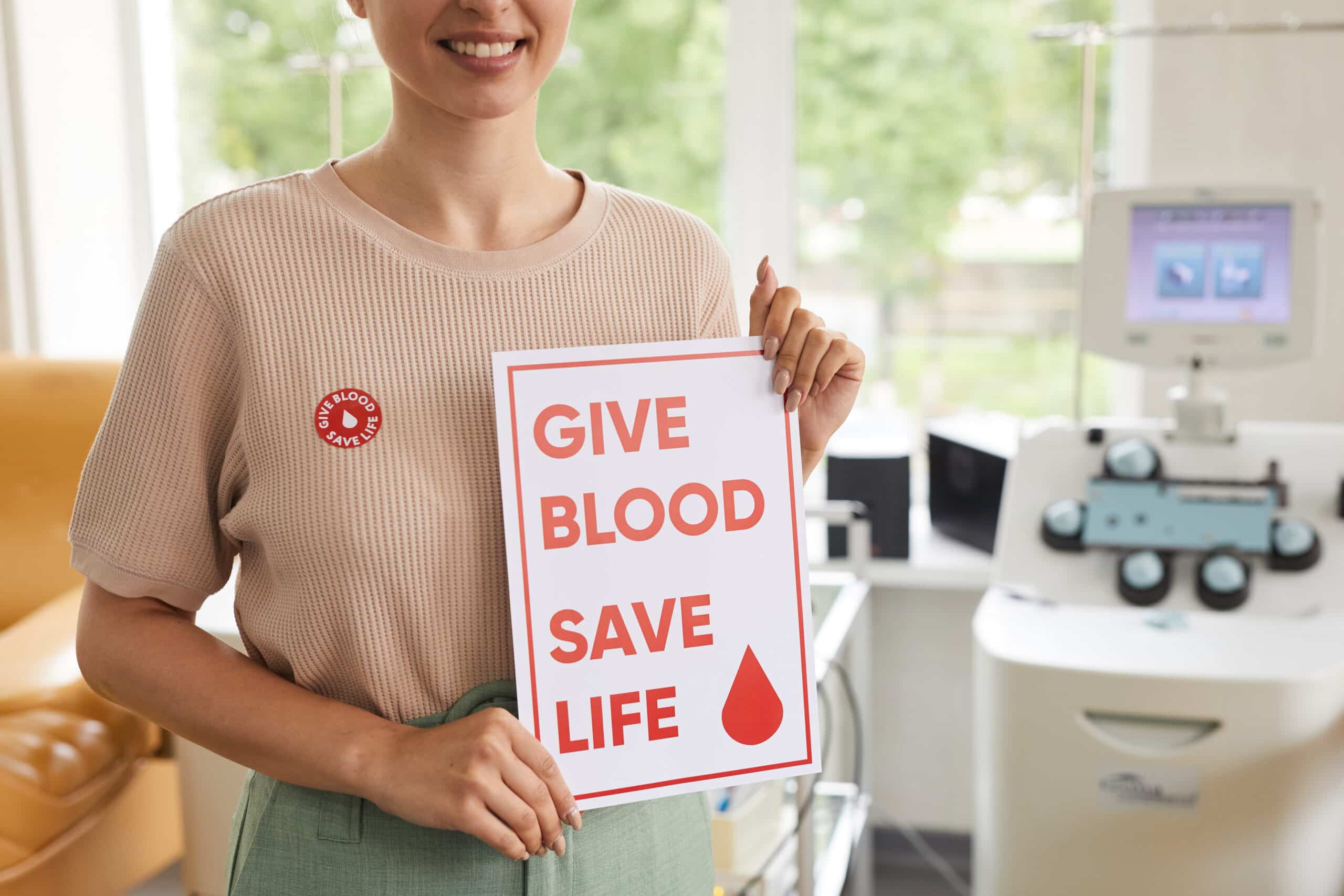
Every year on 14 June, World Blood Donor Day shines a spotlight on the people whose generosity helps save lives every day. Blood donation is essential for emergency medicine, surgery, cancer treatment, childbirth, and trauma care, yet many Australians rarely think about where that blood comes from until a crisis occurs. World Blood Donor Day 2026 is an opportunity to recognise blood donors, raise awareness about the ongoing need for donations, and understand how blood donation and first aid work together to save lives when every second counts.

What Is World Blood Donor Day and Why Does It Matter?
World Blood Donor Day is observed globally on 14 June each year to thank voluntary blood donors and encourage more people to donate blood and plasma. The day was established by the World Health Organization to recognise the critical role donors play in supporting healthcare systems around the world.
While advances in medicine continue to improve patient care, one fact remains unchanged: blood cannot be manufactured. Hospitals rely entirely on donations from ordinary people who choose to give a small amount of their time to help complete strangers.
In Australia, donated blood and blood products support thousands of patients every week. They are used in emergency departments, operating theatres, maternity wards, cancer treatment centres, and intensive care units. Without a steady supply of blood donations, many life-saving medical procedures simply could not occur.
World Blood Donor Day reminds us that behind every successful emergency surgery, trauma recovery, or complex medical treatment is a donor who made that outcome possible.

The Journey from Emergency to Recovery
Imagine a serious road accident on a suburban street.
Bystanders rush to help. Someone calls Triple Zero (000). Another person trained in first aid assesses the scene, checks for dangers, and begins assisting an injured casualty who is bleeding heavily.
The first aider applies direct pressure to the wound and continues monitoring the casualty until paramedics arrive. The ambulance team takes over, providing advanced treatment before transporting the patient to hospital.
Inside the emergency department, surgeons and trauma specialists work quickly to stop internal bleeding and repair injuries. During treatment, the patient receives blood transfusions that replace blood lost during the incident.
The casualty survives.
When people hear this type of story, attention often focuses on the first aider, the paramedics, or the surgeons. Their contributions are certainly vital. Yet there is another person involved in the outcome—someone the patient will likely never meet.
A blood donor.
The blood used during treatment may have been donated weeks earlier by someone sitting quietly in a donation chair, unaware that their donation would eventually become part of a life-saving emergency response.
This is the powerful connection between blood donation and first aid. Both are essential links in the same chain of survival.

Why Blood Is One of Australia's Most Valuable Medical Resources
Blood performs countless functions within the human body. It carries oxygen, transports nutrients, removes waste products, supports immunity, and helps regulate temperature and healing.
When significant blood loss occurs, these functions begin to fail. Without adequate blood volume, organs can no longer receive the oxygen they need to function properly. This can quickly become life-threatening.
Donated blood helps support patients experiencing:
- Major traumatic injuries
- Emergency and planned surgery
- Cancer treatment
- Serious burns
- Childbirth complications
- Blood disorders
- Organ transplants
- Chronic medical conditions requiring transfusions
Many people associate blood donation exclusively with accident victims. While trauma patients certainly benefit, a large proportion of donated blood supports people undergoing ongoing medical treatment.
This constant demand means Australia’s blood supply requires continuous replenishment. Donations cannot be stockpiled indefinitely, making regular donor participation essential.

What Severe Bleeding Teaches Us About the Importance of Blood Donation
One of the most important lessons taught in first aid courses is the seriousness of uncontrolled bleeding.
A person can lose a dangerous amount of blood surprisingly quickly. Severe blood loss may lead to shock, organ failure, unconsciousness, and death if not managed promptly.
This is why first aid training places such a strong emphasis on recognising and controlling severe bleeding.
When faced with a major bleeding emergency, a trained first aider understands the importance of acting immediately. Direct pressure is applied to the wound, emergency services are contacted, and the casualty is monitored closely while awaiting professional medical assistance.
These actions help slow blood loss and improve the casualty’s chances of survival.
However, even when bleeding is controlled successfully, some patients still require blood transfusions once they reach hospital. The blood lost during the incident must often be replaced to restore circulation and support recovery.
In this way, first aid and blood donation work hand in hand.
The first aider helps preserve life during the emergency. The donor helps support recovery afterwards.

The First Aider's Role in Saving Lives Before Help Arrives
Emergency services provide outstanding care throughout Australia, but they cannot be everywhere at once.
In many emergencies, the first person to provide assistance is not a healthcare professional. It is a family member, work colleague, neighbour, teacher, coach, or member of the public.
That reality highlights the importance of first aid education.
A person trained in first aid knows how to remain calm, assess the situation, and provide appropriate care while professional help is on the way.
Simple actions can have an enormous impact.
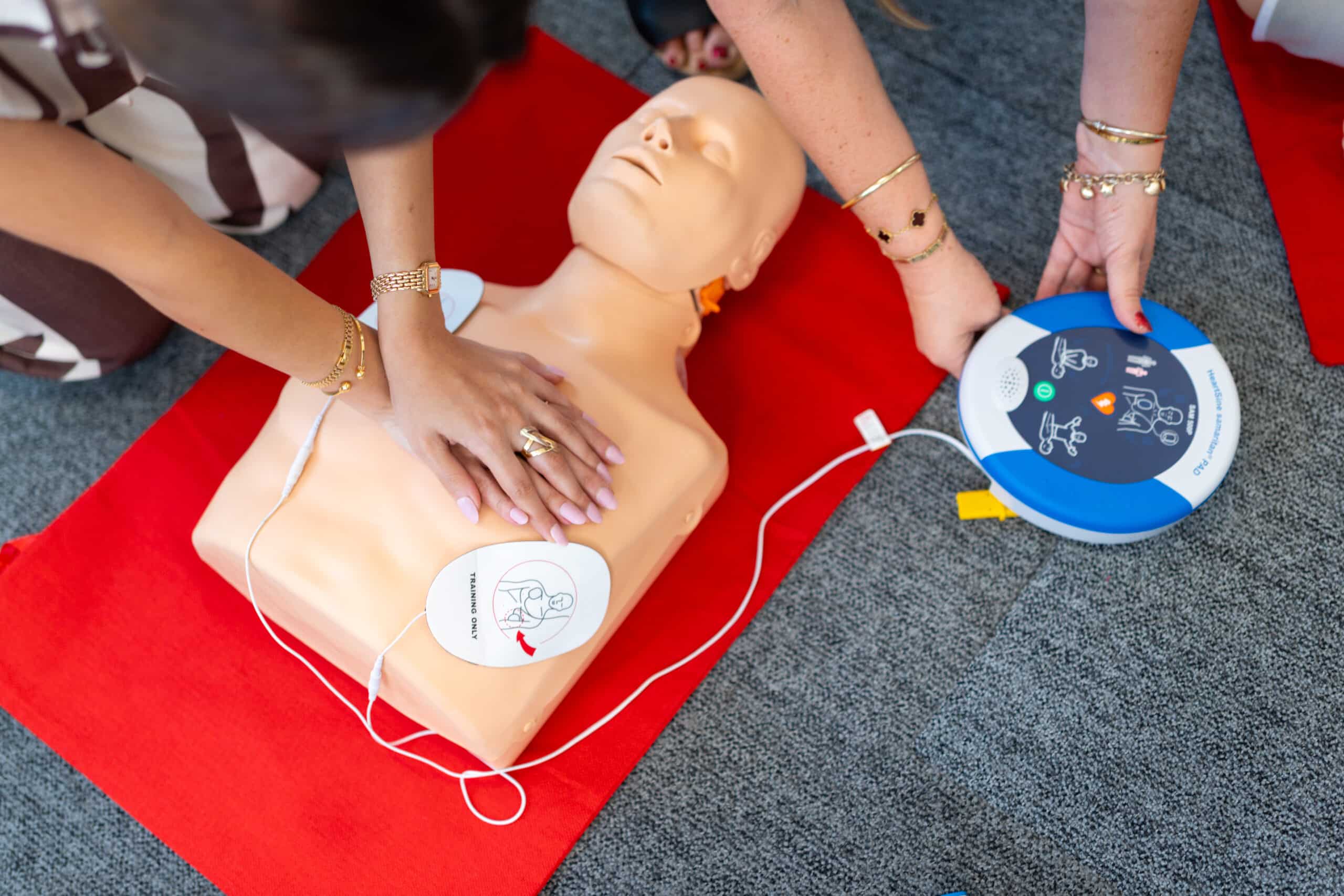
A first aider may perform CPR on someone experiencing cardiac arrest. They may use an automated external defibrillator (AED) to help restore a normal heart rhythm. They may assist a person experiencing anaphylaxis, asthma, choking, or severe bleeding.
These interventions can mean the difference between life and death.
Importantly, first aid is not about replacing healthcare professionals. It is about providing immediate support during the critical minutes before advanced care arrives.
Simple First Aid Skills That Can Make a Difference
Many life-saving interventions are easier to learn than people realise. These practical skills can help ordinary Australians respond with confidence in an emergency.
These skills empower ordinary Australians to take action confidently when someone needs help most.
At First Aid Pro, nationally accredited first aid courses are designed to equip participants with practical skills that can be applied in real-world emergencies. Learning these skills is one of the most meaningful ways a person can contribute to community safety.

Blood Donors and First Aiders Share Something Important
At first glance, blood donation and first aid may seem like very different activities.
One happens in a donation centre. The other often takes place during stressful and unpredictable emergencies.
Yet both are built on the same principle: helping another person when they need it most.
Blood donors rarely know who receives their donation. First aiders often never learn the final outcome of the emergencies they respond to. In both cases, people act because they recognise the value of helping others, even when there is no personal benefit.
This quiet sense of community responsibility is one of the reasons both blood donation and first aid training are so important.
Strong communities are built by people who are prepared to contribute.
Some people choose to donate blood. Others learn CPR. Some do both.
Regardless of how they contribute, each person helps create a safer environment for everyone around them.

Common Myths About Blood Donation
Despite the ongoing need for blood donations, several misconceptions continue to discourage some people from becoming donors.
Myth: Blood Donations Are Only Needed After Major Accidents
Serious accidents certainly create demand for blood products, but they represent only part of the picture.
Every day, hospitals use donated blood to support cancer patients, surgical patients, people with blood disorders, premature babies, mothers experiencing childbirth complications, and many others.
The need for blood exists every day of the year, not only during emergencies.
Myth: Someone Else Will Donate
Many people assume there will always be enough donors available.
The reality is that Australia’s blood supply depends on a relatively small proportion of the population donating regularly. Maintaining adequate supplies requires ongoing participation from eligible donors.
Every donation genuinely matters.
Myth: Blood Supplies Are Always Sufficient
Healthcare services work hard to maintain safe blood stocks, but demand can fluctuate throughout the year.
Public holidays, illness outbreaks, weather events, and seasonal changes can all affect donation rates.
Regular donations help maintain a stable and reliable supply.
Myth: Donating Blood Takes Too Much Time
While donating blood does require some commitment, many donors find the process straightforward and rewarding.
For many people, it becomes a practical way to contribute to the wellbeing of their community.

How Australians Can Support World Blood Donor Day 2026
World Blood Donor Day is not only about recognising existing donors. It is also about encouraging more people to become involved.
There are many ways Australians can support the campaign.
Eligible individuals may consider becoming blood or plasma donors. Others may encourage family members, friends, or colleagues to learn more about donation.
Some people choose to share educational information through social media or workplace wellbeing initiatives. Others simply take the opportunity to thank someone they know who donates regularly.
Small actions can have a meaningful impact.
Perhaps most importantly, World Blood Donor Day encourages people to think about how they can contribute to community health and safety more broadly.
For some, that contribution begins with blood donation.
For others, it begins with learning first aid.
Why Learning First Aid Is a Powerful Way to Give Back
Many people assume emergencies happen somewhere else.
The reality is that medical emergencies occur every day in homes, schools, workplaces, sporting clubs, community events, and public spaces across Australia.
Cardiac arrest, choking incidents, severe bleeding, allergic reactions, asthma attacks, and medical collapses can occur without warning.
When they do, the people nearby become the immediate responders.
This is why first aid training matters.
Knowledge creates confidence. Confidence encourages action.
Without training, many people hesitate because they are unsure what to do. With training, they are far more likely to recognise an emergency, follow a structured response process, and provide meaningful assistance while waiting for professional help.
First aid training is not simply about meeting workplace requirements. It is about being prepared for real life.
A parent may use CPR skills to help a child. A colleague may respond to a workplace emergency. A sporting coach may assist an injured player. A bystander may help a stranger experiencing a medical crisis.
The value of first aid training often becomes clear during moments nobody expects.
Build the Confidence to Act When It Matters Most
At First Aid Pro, we believe that life-saving knowledge should be accessible, practical, and relevant to everyday Australians.
Our nationally accredited first aid courses provide participants with hands-on training in essential emergency response skills, including CPR, AED use, severe bleeding management, and the DRSABCD action plan.
Whether you are completing training for work, family responsibilities, community involvement, or personal confidence, first aid education equips you with skills that can make a genuine difference.
Just as blood donors contribute to patient care long before an emergency occurs, first aiders contribute by preparing themselves before an emergency ever happens.
Preparation saves lives.
Every Link in the Chain Matters
Life-saving care is rarely one isolated action. It is a connected chain of people helping at different stages.
Every successful outcome depends on multiple people contributing at different stages of the journey. The blood donor who gives blood on a quiet weekday morning may help save the life of someone injured months later.
The first aider who attends a training course today may become the person who provides critical assistance during tomorrow's emergency. Neither individual knows exactly when their contribution will matter. Yet both play an important role.

World Blood Donor Day 2026 - saving lives rarely depends on a single person
In an emergency, effective, lifesaving response relies on a network of individuals who choose to contribute in different ways.
Blood donors help ensure hospitals have the resources needed to treat trauma patients, surgical patients, cancer patients, and countless others. First aiders provide immediate assistance during those critical moments before professional help arrives.
Together, they form part of the same life-saving chain.
This 14 June, take a moment to recognise the people who donate blood and plasma throughout Australia. Consider whether blood donation may be right for you. And think about how first aid knowledge could help you support someone during an emergency.
If you would like to build the skills and confidence needed to respond when it matters most, explore the nationally accredited first aid and CPR courses available through First Aid Pro.
Because while none of us can predict when an emergency will happen, we can choose to be prepared to help when it does.
Related Reading
- World Health Organisation – One Drop of Humanity
NSW Health Pathology – Celebrating World Blood Donor Day And The Life Saving …
Lifeblood – National Blood Donor Week 2026