



Sharon has 21+ years of experience as a qualified Emergency Care Nurse registered with the Australian Health Practitioner Regulation Agency (APHRA) and 12+ years as a First Aid Trainer.
She takes pride in FirstAidPro making first aid training available, comprehensive and affordable to everybody.
Key Takeaways
- Alcohol poisoning is a life-threatening medical emergency caused by consuming a large amount of alcohol in a short period of time.
- Symptoms of alcohol poisoning include unconsciousness, slow or irregular breathing, pale or bluish skin, seizures, and vomiting while unconscious.
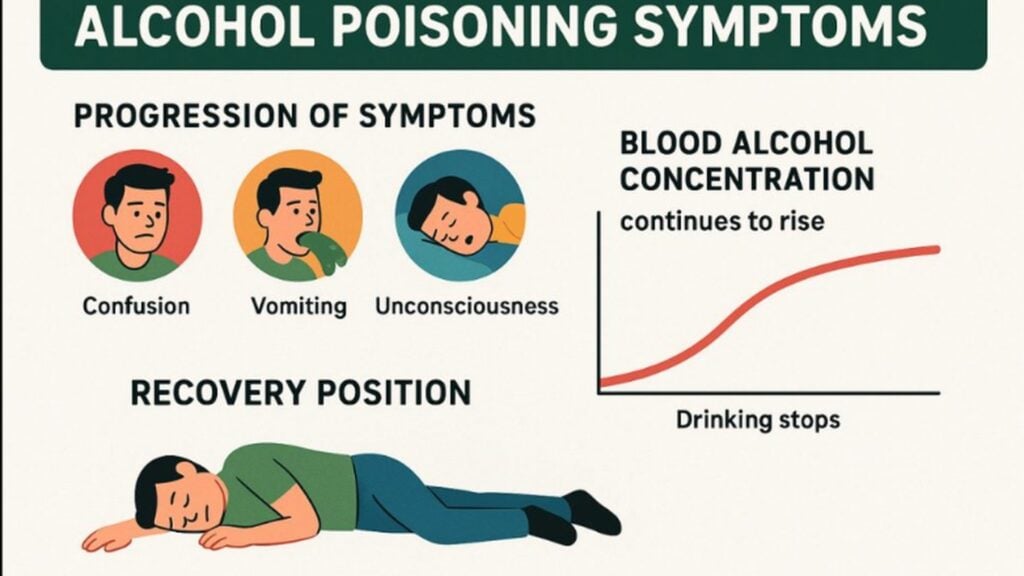
- Alcohol poisoning is NOT the same as being drunk. Blood alcohol concentration can keep rising even after a person stops drinking.
- Place an unconscious person in the recovery position and call 000 immediately. Never leave them alone.
- First aid training equips you with the knowledge and confidence to respond effectively in an alcohol-related emergency.
ENROL NOW — Nationally Recognised First Aid Courses with First Aid Pro | firstaidpro.com.au
What Is Alcohol Poisoning? Symptoms and Causes Explained
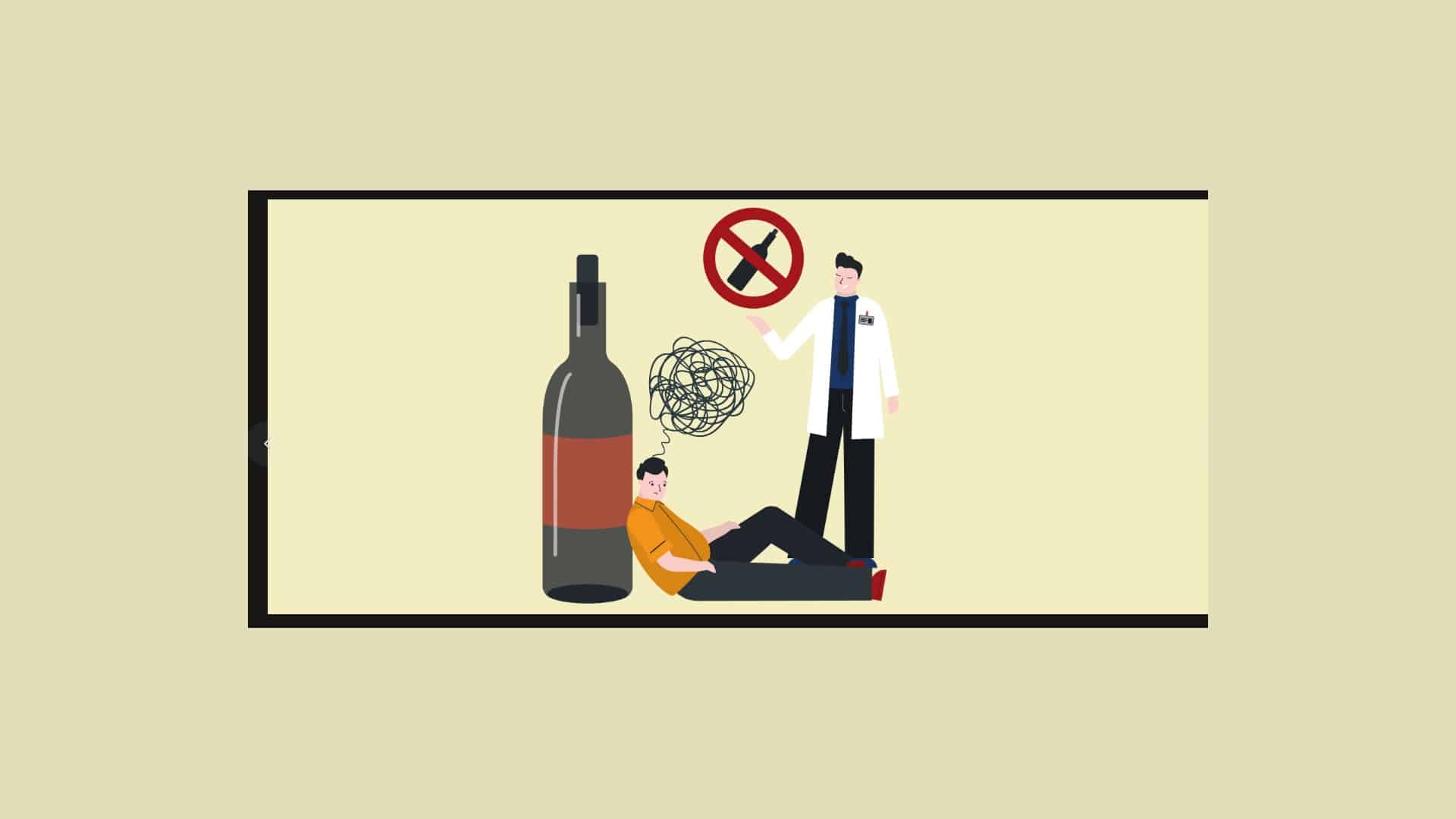
Alcohol poisoning is a serious, potentially fatal condition that occurs when a person consumes a large amount of alcohol in a short period of time, overwhelming the body’s ability to process it safely. Also known clinically as ETOH poisoning (ETOH is the chemical abbreviation for ethanol — the type of alcohol found in alcoholic drinks), it is one of the most dangerous consequences of binge drinking and excessive alcohol consumption.
When you drink alcohol, it is absorbed through the stomach lining and enters the bloodstream rapidly. The liver can only process roughly one standard drink per hour. When the amount of alcohol entering the bloodstream exceeds what the liver can manage, blood alcohol concentration (BAC) rises to toxic levels. At these levels, alcohol begins to suppress the central nervous system — slowing breathing, reducing the gag reflex, and ultimately threatening life.
According to the Australian Institute of Health and Welfare (AIHW), alcohol-related hospitalisations remain a significant public health burden in Australia, with thousands of Australians treated for alcohol overdose and related conditions each year. Understanding the effects of alcohol on your body, recognising the signs and symptoms of alcohol poisoning, and knowing how to respond can mean the difference between life and death.
Is Alcohol Poisoning the Same as Drunkenness? How Alcohol Affects Your Body
Many people assume that someone who is very drunk will simply “sleep it off.” This is one of the most dangerous misconceptions surrounding alcohol intoxication. While drunkenness and alcohol poisoning exist on the same spectrum, they are very different conditions — and confusing the two can be fatal.
When you drink alcohol, it affects your body in a progression that moves from mild intoxication through to life-threatening toxicity. The faster you drink, the faster alcohol enters the bloodstream and the less time your body has to process it safely. Importantly, BAC can continue to rise for up to 40 minutes after a person stops drinking, meaning someone who appears “just drunk” may actually be progressing towards alcohol poisoning.
TABLE 1: Blood Alcohol Concentration (BAC) Levels and Their Effects
BAC Level | Effects on the Body | Risk Level |
0.01–0.05% | Mild relaxation, slight impairment in judgement | Low |
0.06–0.10% | Reduced coordination, slurred speech, slower reaction time | Moderate |
0.11–0.19% | Significant impairment, mood swings, nausea, poor balance | High |
0.20–0.25% | Confusion, vomiting, risk of aspiration, loss of consciousness | Very High |
0.26–0.30% | Stupor, inability to stand, severely depressed breathing | Dangerous |
0.31%+ | Coma, respiratory failure, death | Life-Threatening |
One standard drink in Australia contains 10 grams of pure alcohol. The effects of alcohol vary significantly based on body weight, sex, whether there is food in your stomach, individual metabolism, and whether you are taking opioids or sedative hypnotics — which dramatically increase the danger of alcohol. Even small amounts of alcohol can cause significant impairment in some individuals.

What Are the Three Stages of Alcohol Poisoning?
Alcohol poisoning typically progresses through three stages. Recognising which stage a person has reached helps determine how urgently they need medical help.
The Three Stages of Alcohol Poisoning at a Glance
Intoxicated
- Slurred speech
- Coordination loss
- Mood changes
- Still conscious and responsive
Alcohol Poisoning
- Vomiting
- Semi-conscious
- Slow breathing
- Cold or pale skin
- Low body temperature
Life-Threatening / ETOH Poisoning
- Seizures
- Unconscious
- Breathing stopped
- Blue lips
- Cardiac arrest risk — CALL 000

Stage 1: Alcohol Intoxication Symptoms — Early Warning Signs
In the early stage, the effects of alcohol are already visible but may not yet be alarming. The person has been drinking too much and may display:
- Slurred speech and difficulty forming sentences
- Impaired coordination and unsteady walking
- Slowed thinking and poor decision-making
- Flushed skin and glassy or bloodshot eyes
- Mood changes — either euphoric, aggressive, or tearful
- Mild nausea
At this stage, the person is still responsive and conscious. However, if they continue to drink alcohol or have already consumed a large quantity, they may progress rapidly to Stage 2.
Stage 2: Serious Alcohol Poisoning Symptoms — The Danger Zone
This is the stage where alcohol poisoning becomes a genuine medical emergency. Signs and symptoms of alcohol poisoning at this level include:
- Vomiting (particularly dangerous if the gag reflex is suppressed — the person cannot protect their airway)
- Semi-consciousness or inability to be roused
- Slow, shallow, or irregular breathing (fewer than eight breaths per minute)
- Cold, clammy, pale, or bluish-tinged skin
- Low body temperature (hypothermia)
- Extreme confusion or disorientation
If someone displays these symptoms, do not wait to see if they improve. Call 000 immediately and place them in the recovery position to prevent choking on vomit.

Stage 3: Critical Signs of Life-Threatening ETOH Poisoning — Call 000 Now
In the most severe stage of alcohol poisoning, the danger of alcohol to life becomes extreme:
- Loss of consciousness with no response to stimulation
- Seizures
- Breathing that has stopped or is critically slow (fewer than six breaths per minute)
- Blue lips or fingernails (cyanosis)
- Aspiration of vomit into the lungs
- Cardiac arrest
Alcohol poisoning can be life-threatening at this stage. Every minute counts. If you think someone has alcohol poisoning at Stage 3, call 000 and begin first aid immediately.
How to Tell If Someone Has Alcohol Poisoning — Signs and Symptoms Checklist
If you suspect someone has alcohol poisoning, use the following checklist to assess them quickly. You do not need to wait for all signs to be present — even one or two of these symptoms warrants an immediate call to 000.
- The person is unconscious or cannot be woken up
- Breathing is slow, shallow, irregular — or has stopped
- Skin is pale, cold, clammy, or has a bluish tinge
- Seizures are occurring
- The person is vomiting while unconscious
- The person is not responding to voice or touch
A useful first aid tool is the AVPU scale, which assesses a person’s level of consciousness:
TABLE 2: The AVPU Consciousness Scale
Response Level | What It Means | Action Required |
A — Alert | Person is awake, talking, and aware of surroundings | Monitor closely |
V — Voice | Person only responds when spoken to loudly | Call 000 — concern for worsening |
P — Pain | Person only responds to a painful stimulus (e.g. pinching) | Call 000 immediately |
U — Unresponsive | Person does not respond to any stimulus | Call 000 — life-threatening emergency |
How to Treat Alcohol Poisoning — What to Do While You Wait for Help
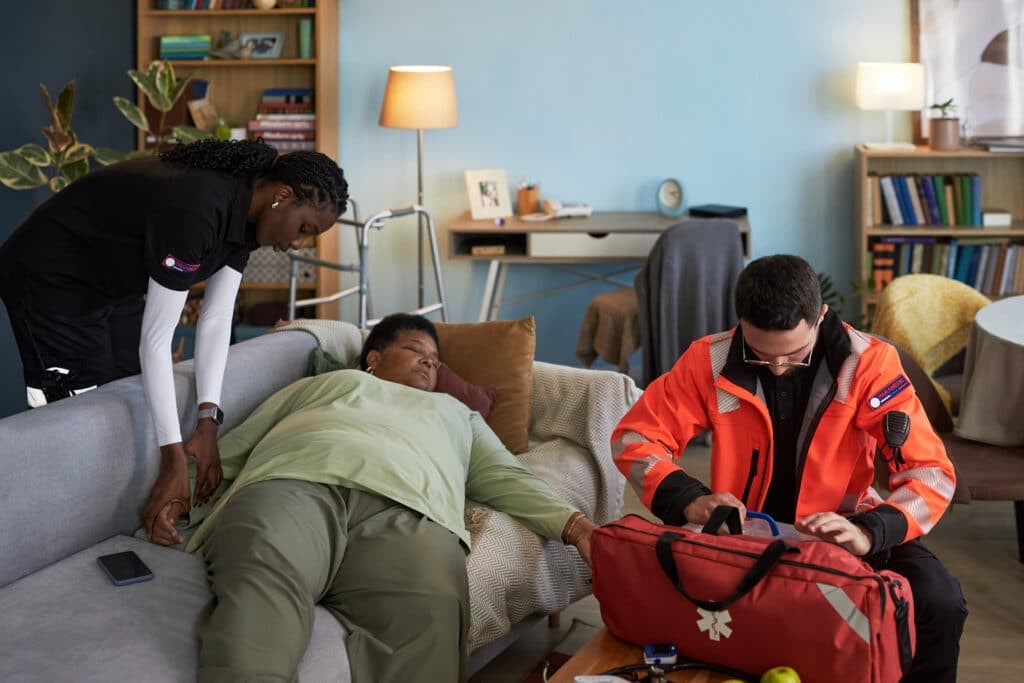
Alcohol poisoning is a serious medical emergency that cannot be managed safely at home. There is no reliable way to speed up how quickly the body processes and clears alcohol from the bloodstream. If you suspect someone has alcohol poisoning, the most important thing you can do is call 000 and begin first aid support immediately.
Step-by-Step First Aid for Alcohol Poisoning
Call 000 immediately
Do not wait to see if they improve. Tell the operator what has happened and describe the person's symptoms.
Keep the person still and safe
Do not leave them alone at any point.
Place them in the recovery position
If they are unconscious or semi-conscious, this helps prevent choking and protects their airway if they vomit.
Monitor their breathing
If they stop breathing and you are trained in CPR, begin CPR immediately.
Keep them warm
Use a blanket if available to help maintain body temperature and reduce the risk of hypothermia.
Do not give them anything to eat or drink
That includes water or coffee. There is nothing you can give someone to sober them up.

How to Put Someone in the Recovery Position to Prevent Choking
Kneel beside the person and place their nearest arm at a right angle to their body, elbow bent, palm facing upwards.
Bring their far arm across their chest and hold the back of their hand against their nearest cheek.
With your other hand, pull up their far knee so the foot is flat on the ground.
Keeping their hand against their cheek, pull the bent knee toward you so they roll onto their side.
Tilt their head back gently to keep the airway open and ensure the mouth is pointing slightly downward.
Check breathing regularly and stay with them until emergency services arrive.
What Not to Do — Common Myths That Can Make Things Worse
TABLE 3: Alcohol Poisoning Myths vs the Truth
Common Myth | The Truth |
“Let them sleep it off” | BAC can keep rising after they stop drinking. Sleeping unsupervised can result in choking on vomit or respiratory failure. |
“Give them coffee” | Coffee does not reduce BAC. It may mask drowsiness but does nothing to speed up alcohol metabolism. |
“Put them in a cold shower” | This can cause shock or hypothermia and does not lower BAC. |
“Give them food or water” | Alcohol is already in the bloodstream — food cannot absorb it at this stage. |
“Walk it off” | Exercise does not speed up alcohol metabolism and risks the person falling or injuring themselves. |
🟦 Learn life-saving first aid skills — Enrol in a Nationally Recognised First Aid Course with First Aid Pro today | firstaidpro.com.au

Who Is Most at Risk of Alcohol Poisoning in Australia?
Alcohol poisoning can affect anyone, but certain patterns of drinking alcohol and personal circumstances increase the risk of harm significantly:
TABLE 4: Risk Factors for Alcohol Poisoning
Risk Factor | Why It Increases the Risk |
Binge drinking | Consuming five or more standard drinks in a short time rapidly increases BAC to dangerous levels |
Drinking on an empty stomach | Without food in your stomach, alcohol is absorbed into the bloodstream far more quickly |
Lower body weight | Smaller body mass means a higher concentration of alcohol per unit of blood |
Young adults who drink heavily | Less experience with alcohol’s effects and a greater tendency to engage in binge drinking |
Mixing alcohol with medications | Taking opioids or sedative hypnotics alongside alcohol multiplies the depressant effects |
Pre-existing health conditions | Liver disease, diabetes, and other conditions affect how the body processes alcohol |
Older adults | A slower metabolism means alcohol is cleared from the body more slowly |
According to the Australian Department of Health, young adults aged 18–24 are most likely to engage in binge drinking and are disproportionately represented in alcohol-related emergency presentations. However, the risk of alcohol poisoning is not limited to young people — anyone who consumes more alcohol than their body can safely process is at risk.
How Much Alcohol Is Too Much? Understanding Binge Drinking and Standard Drinks
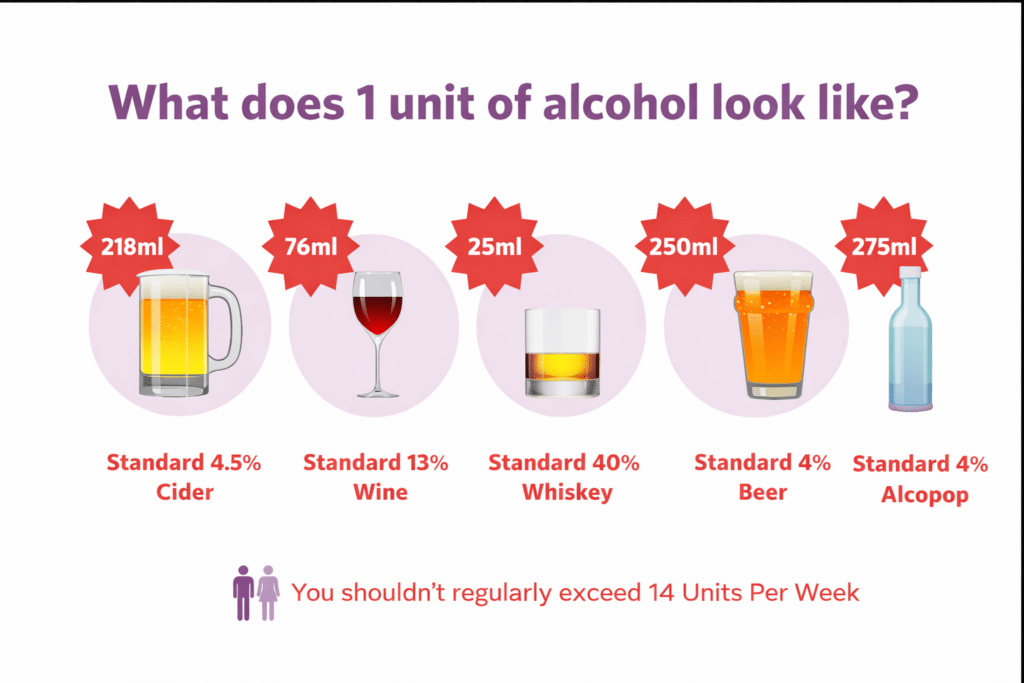
The pattern of drinking alcohol that brings blood alcohol concentration to dangerous levels most quickly is binge drinking — defined in Australia as consuming more than four standard drinks on a single occasion. The faster you drink alcohol in a short time, the higher and more rapidly your BAC will rise.
Understanding what constitutes one standard drink is essential for managing your alcohol intake. In Australia, one standard drink contains 10 grams of pure alcohol. This equates to:
- 285 ml of full-strength beer (4.8% ABV)
- 100 ml of wine (13% ABV)
- 30 ml of spirits (40% ABV)
- 375 ml of mid-strength beer (3.5% ABV)
Many commercial drinks — particularly cocktails, wine served in large glasses, and craft beers — contain significantly more than one standard drink. This makes it easy to underestimate the amount of alcohol a person has actually consumed.
The Danger of Alcohol on Your Body — Long-Term Effects of Excessive Alcohol Consumption
While this article focuses on the acute danger of alcohol poisoning, excessive alcohol consumption over time also carries serious risks. Drinking too much regularly can harm nearly every organ in the body and significantly increases the risk of a wide range of physical and mental health conditions:
- Liver disease (cirrhosis, alcoholic hepatitis, fatty liver)
- Increased risk of several cancers (mouth, throat, oesophagus, liver, breast, and bowel)
- Cardiovascular disease and high blood pressure
- Neurological damage and memory loss
- Mental health conditions including depression and anxiety
- Alcohol dependence and alcohol abuse
If you are concerned about your own or someone else’s alcohol use, the National Health and Medical Research Council (NHMRC) recommends that healthy adults drink no more than four standard drinks on any single day, and no more than 10 standard drinks per week, to reduce the long-term risk of alcohol-related harm.
Knowledge Test — How Well Do You Know Alcohol Poisoning?
Question 1: A person has stopped drinking but is becoming increasingly unresponsive. Should you leave them to sleep it off?
Question 2: What does ETOH stand for in the context of alcohol poisoning?
Question 3: Which of the following is a critical sign requiring an immediate call to 000?
Question 4: Why is the recovery position important for someone with alcohol poisoning?
Question 5: In Australia, how many grams of pure alcohol are in one standard drink?
References
Australian Institute of Health and Welfare (AIHW). (2023). Alcohol, tobacco & other drugs in Australia. AIHW, Australian Government.
National Health and Medical Research Council (NHMRC). (2020). Australian Guidelines to Reduce Health Risks from Drinking Alcohol. NHMRC, Australian Government.
Better Health Channel. (2023). Alcohol and its effects on the body. Victorian Department of Health.
Australian Resuscitation Council. (2023). Recovery Position Guidelines.
Mayo Clinic: Alcohol poisoning – Symptoms and causes
Frequently Asked Questions
What is the difference between alcohol intoxication symptoms and symptoms of alcohol poisoning?
Alcohol intoxication refers to the normal range of effects of alcohol on the body — slurred speech, impaired coordination, and mood changes. Alcohol poisoning is a far more serious condition where the level of alcohol in the bloodstream has reached toxic levels. A person with alcohol poisoning will typically be difficult or impossible to rouse, have slow or irregular breathing, cold clammy skin, and may be vomiting while unconscious. Alcohol poisoning is a medical emergency; general intoxication, while still risky, is not.
How long does alcohol poisoning last?
There is no fixed timeframe. The duration depends on the quantity of alcohol consumed, the person’s body weight and metabolism, whether food was in the stomach, and whether other substances are involved. The body absorbs alcohol at a fixed rate — roughly one standard drink per hour — and there is nothing you can do to speed this up. This is why alcohol poisoning requires medical supervision rather than waiting it out at home.
Can you die from alcohol poisoning?
Yes. Alcohol poisoning can be life-threatening and is a leading cause of alcohol-related death in Australia. Death from alcohol overdose can result from respiratory failure, aspiration of vomit, severe hypothermia, or cardiac arrest. Prompt action — calling 000 and placing the person in the recovery position — significantly improves survival outcomes.
How do I prevent alcohol poisoning at a social event?
To reduce the risk of alcohol poisoning, avoid drinking alcohol in a short period or on an empty stomach, alternate alcoholic drinks with water, count your standard drinks and stick to your limits, and avoid mixing alcohol with medications or other drugs. Look out for your friends. If you suspect someone has alcohol poisoning, do not wait — call 000 and put them in the recovery position. Knowing basic first aid is one of the most effective ways to prevent a fatal outcome.
What does the recovery position involve, and when should I use it?
The recovery position involves rolling an unconscious or semi-conscious person onto their side to keep their airway open and allow vomit to drain away from the mouth rather than being inhaled. You should use it any time a person is unconscious or unresponsive but still breathing — including in cases of alcohol poisoning. It should never replace calling 000, but it is a critical step to take while waiting for emergency services to arrive.