



Sharon has 21+ years of experience as a qualified Emergency Care Nurse registered with the Australian Health Practitioner Regulation Agency (APHRA) and 12+ years as a First Aid Trainer.
She takes pride in FirstAidPro making first aid training available, comprehensive and affordable to everybody.
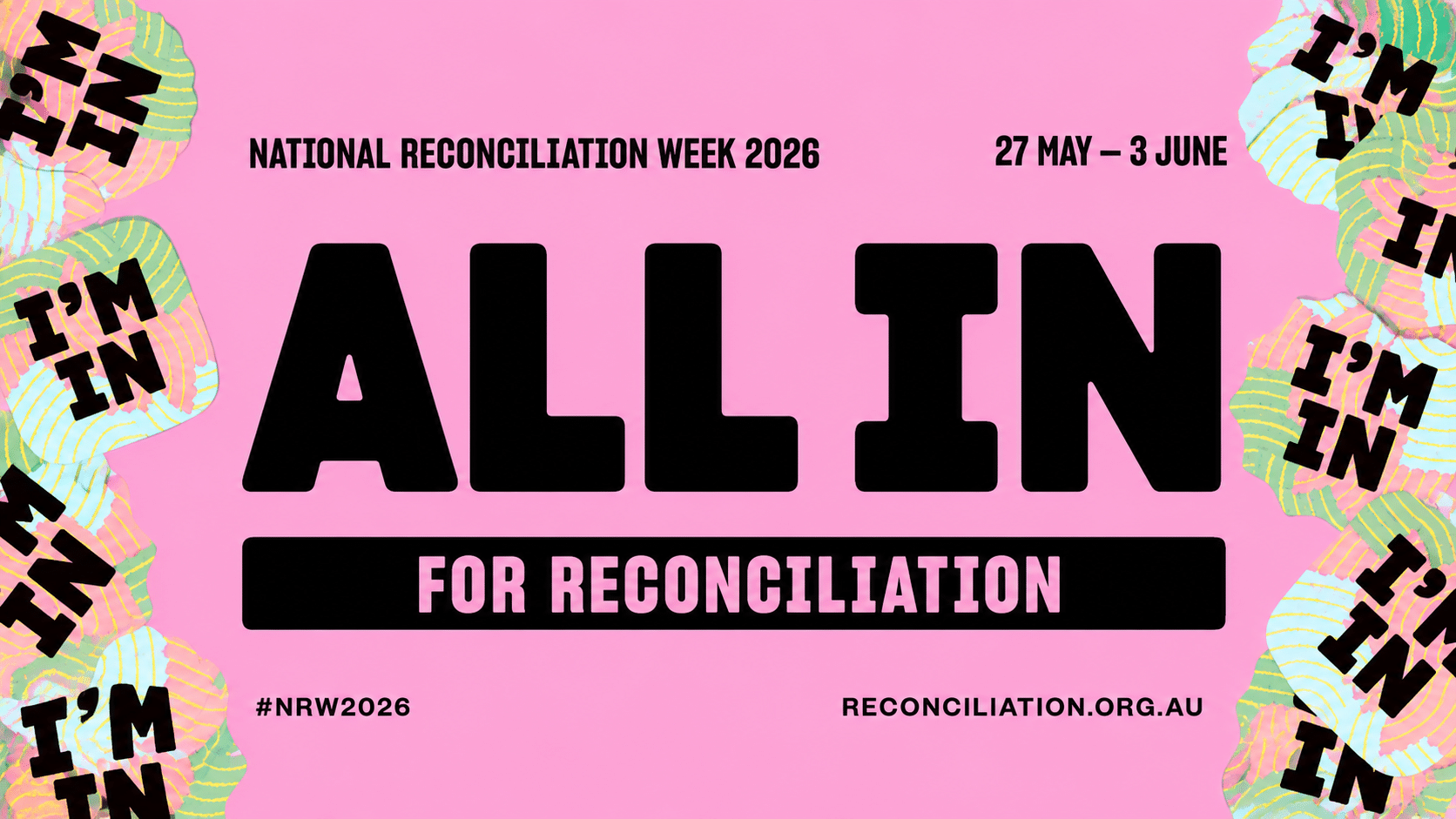
National Reconciliation Week 2026 | 27 May – 3 June
This week, Australians across the country pause to reflect, learn, and recommit. National Reconciliation Week — observed each year from 27 May to 3 June — is one of the most significant weeks on the Australian calendar. It is a time to honour the history, cultures, and contributions of Aboriginal and Torres Strait Islander peoples, and to actively strengthen the relationships between First Nations and non-Indigenous Australians.
The 2026 theme, chosen by Reconciliation Australia, captures that challenge perfectly: All In.
Understanding National Reconciliation Week
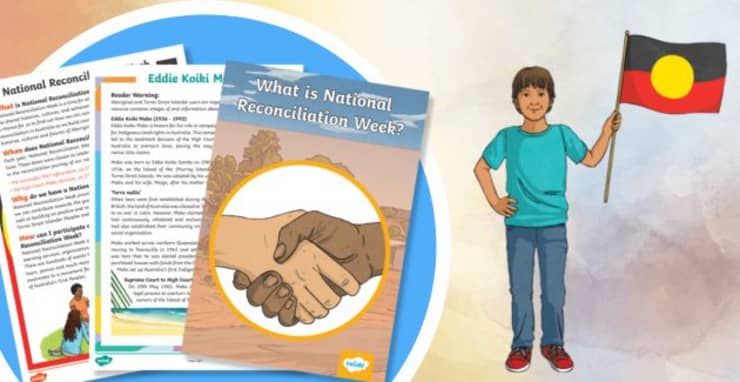
The dates themselves carry profound meaning. The 27th of May marks the anniversary of the 1967 Referendum, when more than 90 per cent of Australians voted to amend the Constitution so that Aboriginal people could be counted in the national census and the Federal Government could make laws on their behalf. It was a watershed moment — a collective acknowledgement that something had to change. Then on 3 June, we mark the anniversary of the landmark Mabo Decision, in which the High Court of Australia recognised Native Title and overturned the legal fiction of terra nullius — the false premise that this land belonged to no one before European settlement. Together, these two dates bookend a week that asks all of us to consider where we have been, where we are now, and where we are going.
What "All In" Really Means
Reconciliation Australia describes this year’s theme as a call to action — a reminder that reconciliation is not a spectator sport. It is not something that happens to us or around us. It requires active, wholehearted participation from every Australian, every day — not just during a dedicated week in May and June.
“All In” means showing up consistently. It means doing the work even when it is uncomfortable, educating yourself even when it is inconvenient, and choosing connection over indifference. It means that responsibility for reconciliation does not rest solely on the shoulders of Aboriginal and Torres Strait Islander peoples — it belongs to all of us.
For some organisations, these are fine words on a poster. For First Aid Pro, they are a reflection of who we already are — and a commitment to go further.
First Aid Pro: All In From the Beginning
At First Aid Pro, we believe that quality first aid education should be available to every Australian — regardless of where they live, what community they belong to, or what their background is. That belief is not a marketing position. It is the foundation on which this organisation was built.
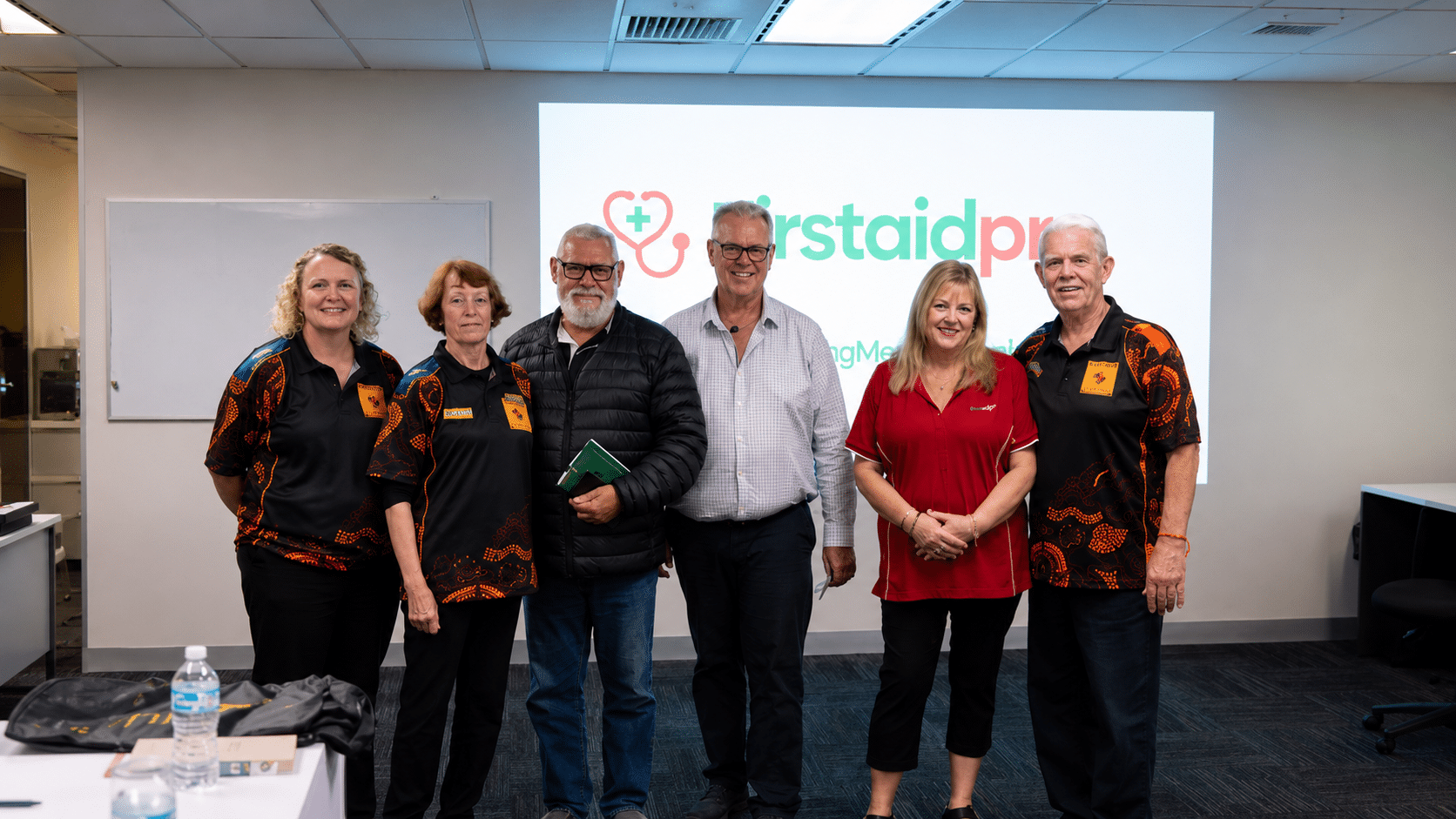
Our Founder and CEO, Sharon McCulloch, is a proud First Nations woman with family ties to a number of Indigenous communities across Australia. Her lived experience, her cultural knowledge, and her deep understanding of the barriers that many communities face in accessing quality training have shaped every aspect of how First Aid Pro operates.
When Sharon established First Aid Pro, the vision was clear: to create a training organisation that genuinely serves all sectors of Australian society. Not just corporate clients in capital cities. Not just workplaces that already have the resources to invest in safety. But also schools, remote communities, aged care facilities, sporting clubs, cultural organisations, and grassroots community groups — the full spectrum of Australian life.
That vision is what “All In” looks like in practice.
Reconciliation Is Not an Event — It Is a Practice
One of the most important things National Reconciliation Week asks us to understand is that reconciliation is not a destination. There is no finish line at which point we can declare the work done. It is a practice — something we return to, again and again, in the decisions we make, the partnerships we build, and the communities we choose to invest in.
For First Aid Pro, that practice shows up in tangible ways. It shows up in the cultural competency that underpins how we deliver our training programs. It shows up in our commitment to partnering with First Nations-led organisations rather than simply delivering to them. It shows up in the way we think about access — actively asking who is not yet in the room and what we can do to reach them.
But it also shows up in something more fundamental: the recognition that a safer Australia is one in which every community has the knowledge and skills to protect its members. First aid is not a luxury. Knowing how to respond to a cardiac arrest, a severe allergic reaction, a drowning, or a serious injury is a basic capability that every Australian deserves access to — and every workplace and community organisation has a responsibility to provide.
During National Reconciliation Week, many organisations across Australia will hold Welcome to Country ceremonies, cultural education events, storytelling workshops, and community gatherings. These are vital and meaningful. But reconciliation also lives in the everyday decisions that organisations make about who they serve, how they serve them, and who gets a seat at the table.
First Aid Pro is all in on all of it.
Why First Aid Training Matters for Community Safety
It is worth pausing on why first aid training is so directly relevant to the goals of reconciliation and community wellbeing.
Aboriginal and Torres Strait Islander communities experience significantly higher rates of chronic health conditions, injury, and preventable death than non-Indigenous Australians. Geographic isolation, historical underfunding of health services, and systemic barriers to healthcare mean that in many communities, the distance between a medical emergency and professional help can be measured in hours, not minutes. In that gap — between the emergency and the ambulance — first aid knowledge is not just useful. It can be life-saving.
When we equip community members, workers, and volunteers in these communities with quality first aid and CPR training, we are doing something meaningful. We are saying: you matter, your community matters, and you deserve the tools to protect each other. That is a form of practical reconciliation — one that translates values into action.
It is also good workplace practice. Under Work Health and Safety laws across Australia, employers have a legal obligation to ensure that adequate first aid provisions are in place for their workers. For organisations working in or with Indigenous communities, ensuring that staff are trained to a nationally recognised standard is not just a compliance matter — it is an expression of duty of care.
All In, Together
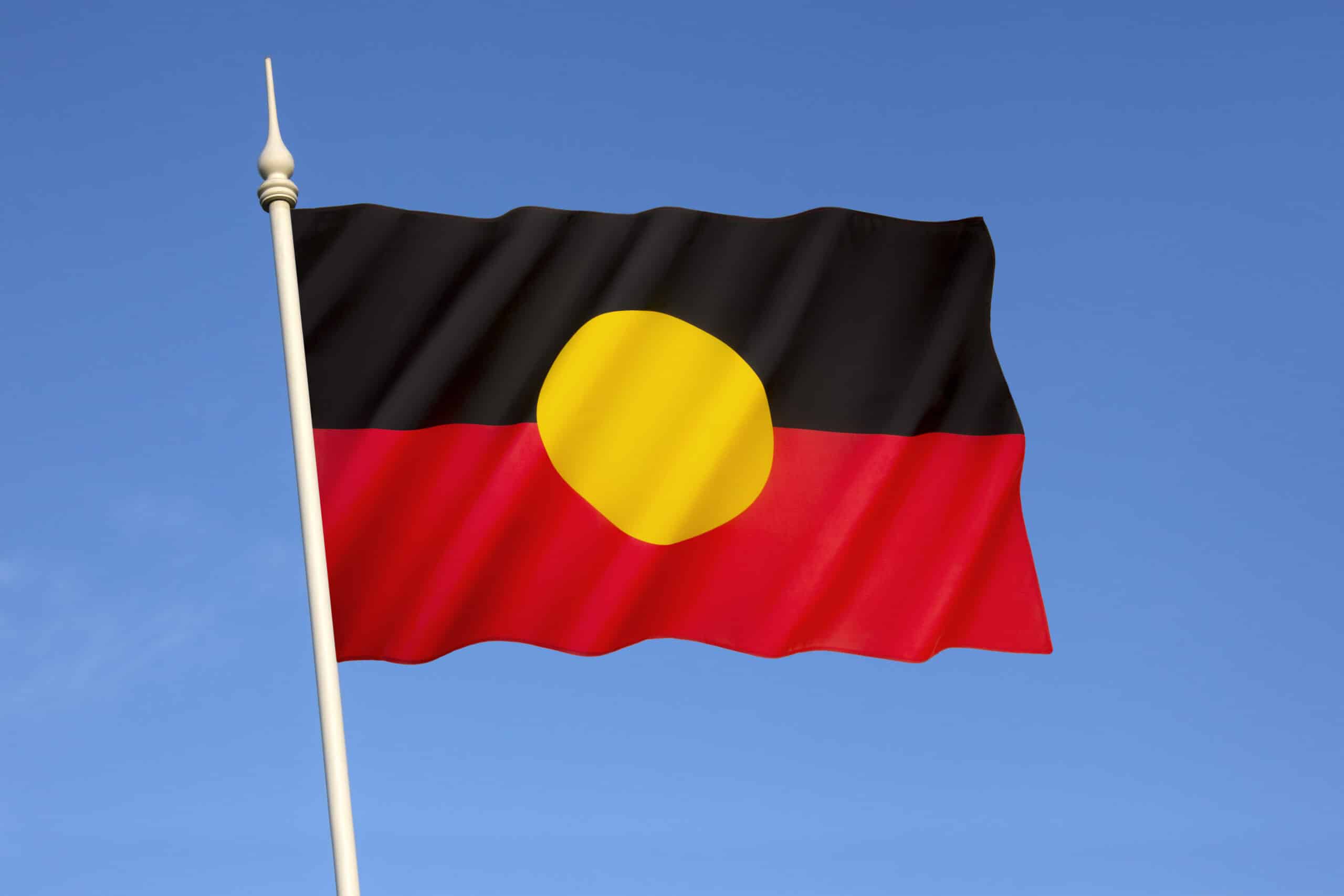
As National Reconciliation Week 2026 unfolds across the country — in schools and council chambers, in community halls and corporate boardrooms, on Country and in the cities — the theme of “All In” resonates differently for different people.
For some, it is a prompt to learn more about Australia’s history. For others, it is a call to examine the ways their organisation engages with First Nations communities. For others still, it is a reminder to show up more consistently — to move beyond good intentions and into sustained action.
For First Aid Pro, “All In” is both a reflection of our history and a commitment to our future. It is the story of a First Nations woman who built a nationally recognised training organisation with equity and access at its core. It is the story of a partnership with the Turkindi Network that is making a real difference in the communities that need it most. And it is the story of thousands of Australians — from all walks of life — who have been equipped with the skills and confidence to step up in a moment of crisis.
We are proud to be all in for reconciliation. We are proud to be all in for every Australian community. And we are proud to play our part in building a safer, more equitable country — one trained and empowered person at a time.
Take Action This Reconciliation Week
Reconciliation Australia calls on all Australians to commit — not just this week, but every week. Here at First Aid Pro, we are extending that call in a practical direction: invest in the safety of your team, your organisation, and your community by getting trained.
Our nationally accredited first aid and CPR courses are available across Australia, with flexible delivery options to suit workplaces of all sizes — including culturally tailored training for community organisations through our Turkindi partnership. Whether you are a business owner, a community leader, an educator, or simply someone who wants to be prepared, there has never been a better time to act.
Ready to get All In? Enrol in nationally accredited first aid training with First Aid Pro today: www.firstaidpro.com.au
Because the most powerful thing you can do for your community — this Reconciliation Week and every week — is to be ready when it matters most.
Related Reading
- AIATSIS – The 1967 Referendum
- AIATSIS – The Mabo Case
- Reconciliation Australia – Posters & Resources
Frequently Asked Questions
What is the purpose of National Reconciliation Week 2026?
National Reconciliation Week 2026 encourages Australians to strengthen relationships between Aboriginal and Torres Strait Islander peoples and non-Indigenous Australians through learning, respect, and meaningful action. The 2026 theme, “All In”, highlights the importance of active participation in reconciliation.
Why are the dates 27 May to 3 June significant in Australia?
The week begins on the anniversary of the 1967 Referendum and ends on the anniversary of the historic Mabo Decision. Both events represent major milestones in Australia’s reconciliation journey and the recognition of Aboriginal and Torres Strait Islander rights.
How does First Aid Pro support reconciliation?
First Aid Pro supports reconciliation through inclusive training practices, community partnerships, and collaboration with Indigenous organisations such as TURKINDI to help deliver accessible first aid and CPR education across diverse Australian communities.
Why is first aid training important for community wellbeing?
First aid training equips people with practical skills to respond confidently during emergencies such as cardiac arrest, choking, severe bleeding, burns, and anaphylaxis. These skills help create safer workplaces, stronger communities, and better emergency outcomes.
How can I get involved during National Reconciliation Week?
Australians can participate by attending community events, learning about Indigenous histories and cultures, supporting reconciliation initiatives, building respectful relationships, and taking practical actions that contribute to safer and more inclusive communities.
Reconciliation Australia provides resources to help Australians get involved during this week.