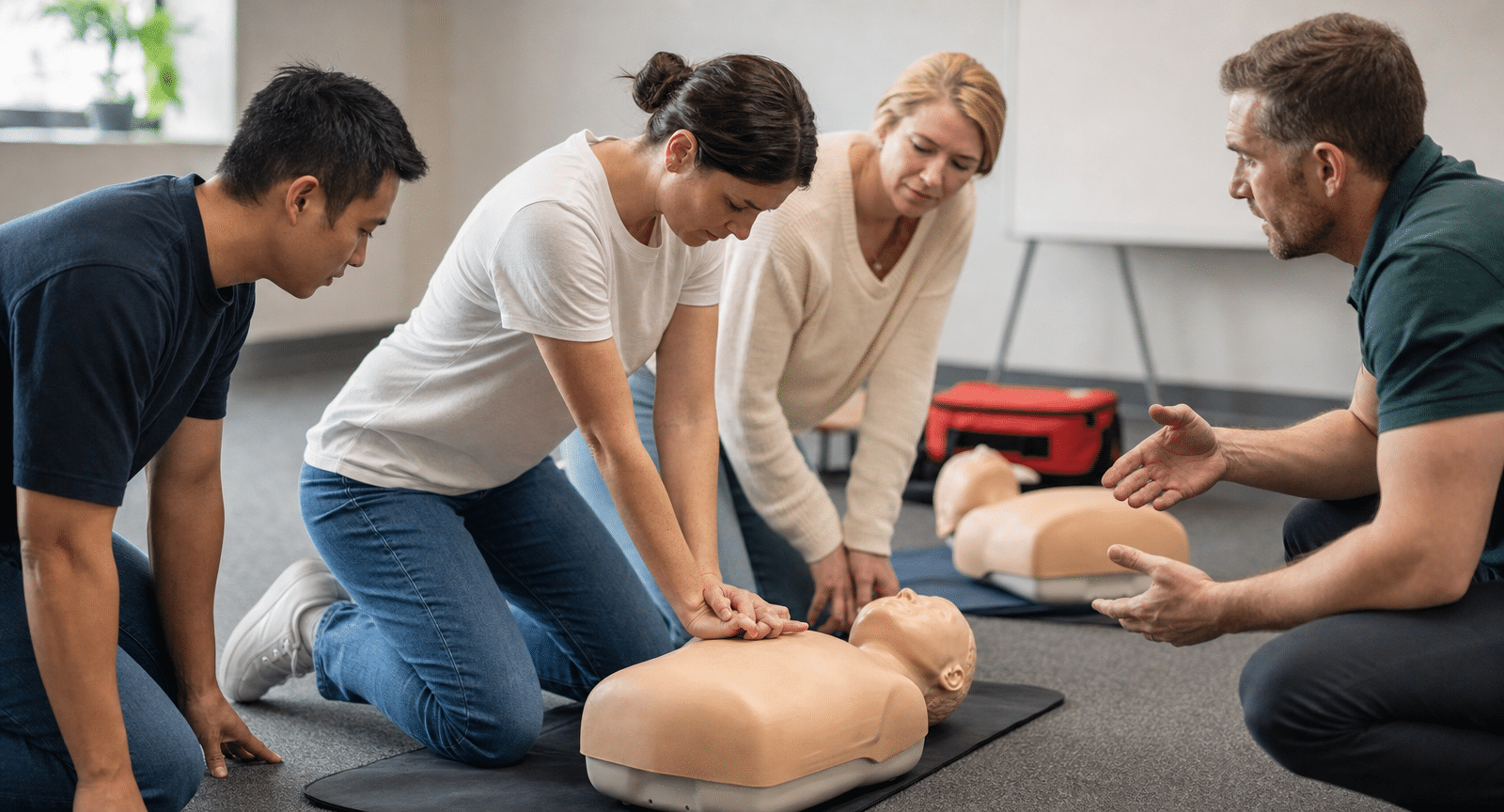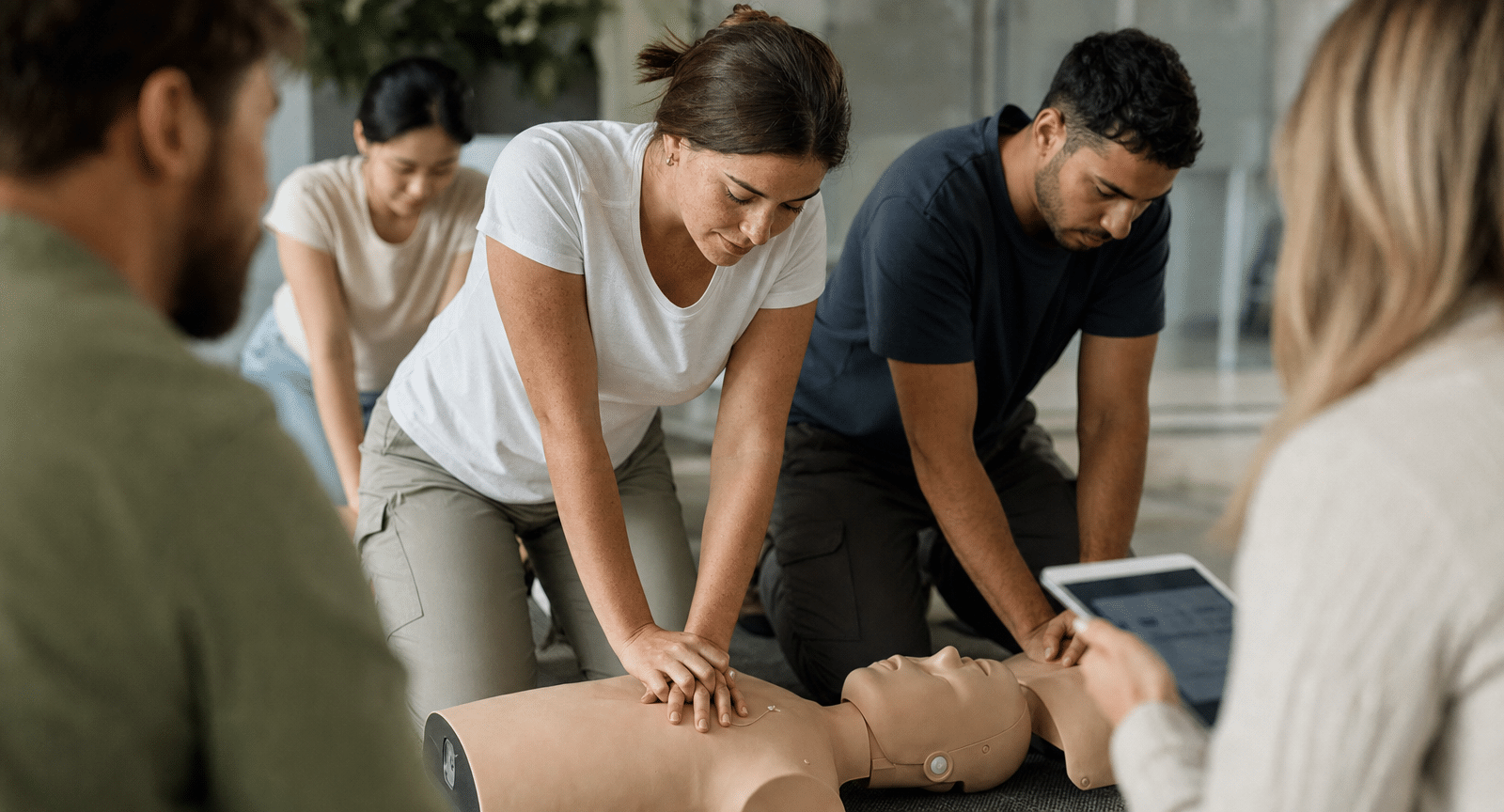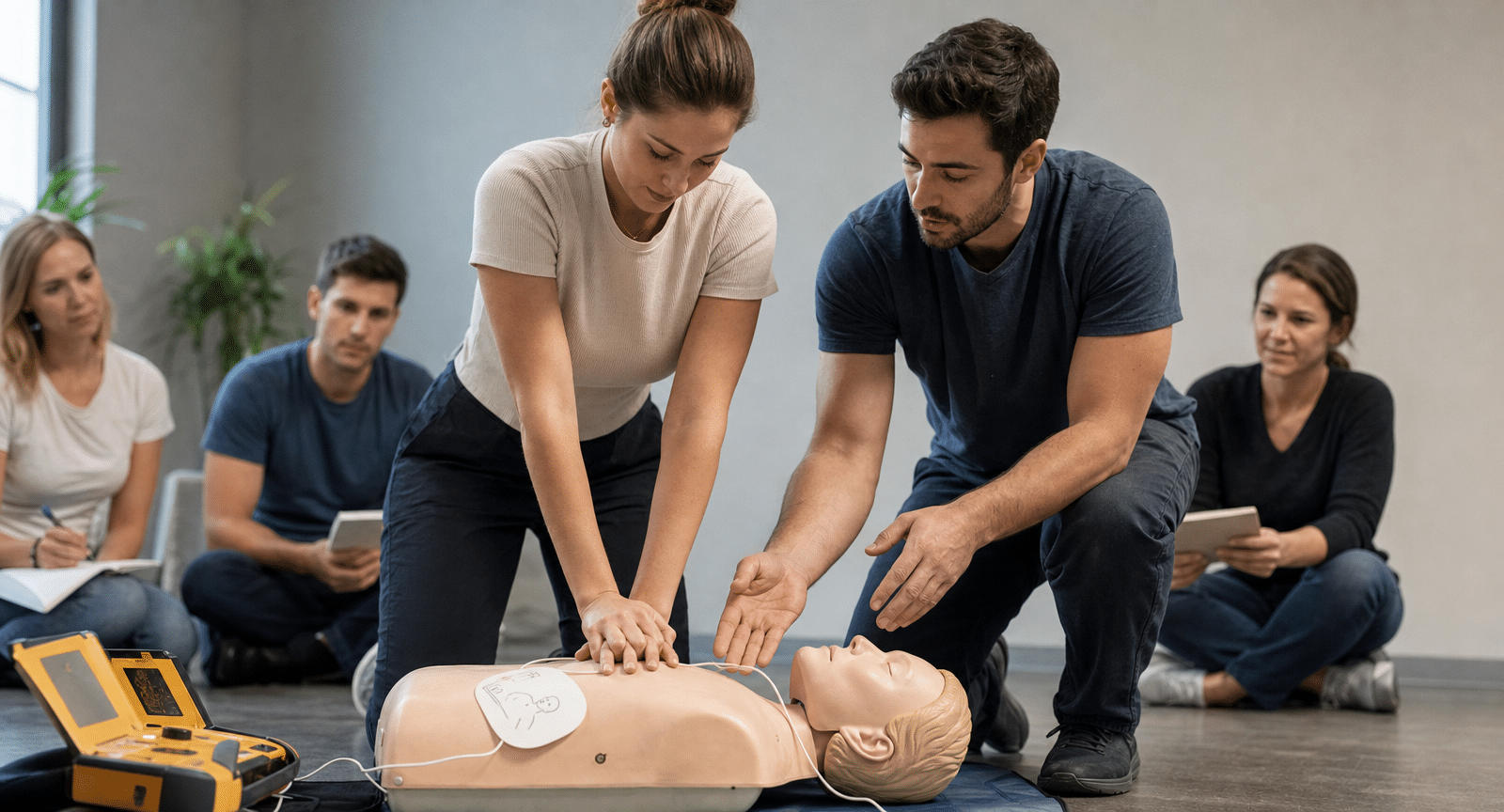





Sharon has 21+ years of experience as a qualified Emergency Care Nurse registered with the Australian Health Practitioner Regulation Agency (APHRA) and 12+ years as a First Aid Trainer.
She takes pride in FirstAidPro making first aid training available, comprehensive and affordable to everybody.
Getting your team first aid trained sounds simple enough—until you try to coordinate rosters, cover shifts, and find a date that actually works for everyone. It’s one of those tasks that keeps sliding down the to-do list, not because it’s unimportant, but because rigid training schedules rarely fit around real workplace operations.
Flexible first aid scheduling solves this by giving you options: multiple delivery formats, session times that include evenings and weekends, and the choice to train at a venue or have trainers come to you. This guide covers the delivery formats available, how to coordinate training around shifts, and practical strategies for keeping your workplace compliant without disrupting operations.
KEY TAKEAWAYS
- Flexible first aid scheduling means choosing from multiple delivery formats, session times, and training locations to fit around your workplace operations.
- Delivery options include fully face-to-face, blended learning, express refreshers, and live Zoom sessions—all leading to the same nationally accredited certification.
- Onsite group training brings accredited trainers directly to your workplace, reducing travel time and minimising disruption.
- Courses are available seven days a week, including evenings and weekends, with same-day digital certification available (conditions apply).
- Staggering certification expiry dates across your team helps maintain continuous first aid coverage.
Book a First Aid Course to find a session that works for your schedule.

What flexible first aid scheduling means for Australian workplaces
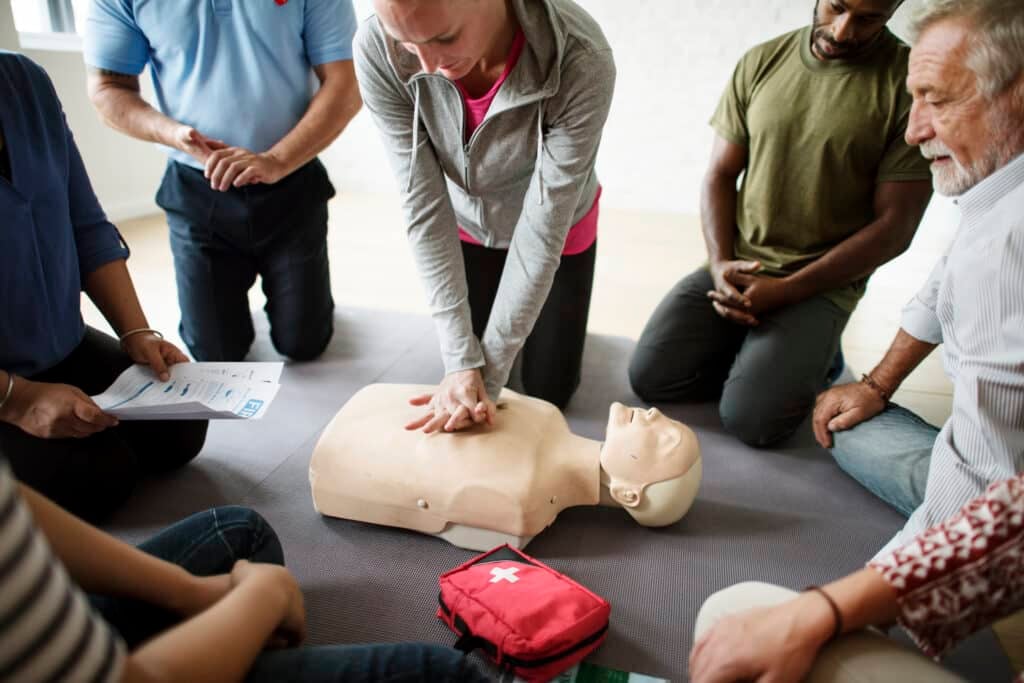
Flexible first aid scheduling is designed to accommodate busy workplaces through hybrid (blended) learning, which combines self-paced online modules with short, in-person skills sessions. Rather than a one-size-fits-all approach, you can choose how, when, and where your team completes training—whether at a public venue, at your own premises, or via live virtual classroom.
The core idea is straightforward. Complete theory components online at your own pace, then attend a shorter face-to-face practical session. This blended approach dramatically reduces time spent in the classroom while still ensuring hands-on competency.
What makes flexible scheduling genuinely useful is the combination of format flexibility and timing options. You’re not locked into a single training model or a rigid weekday schedule. Morning, afternoon, evening, and weekend sessions are typically available, and accredited trainers can come directly to your site for group bookings.
Why flexible scheduling matters when training a busy team
If you’ve ever tried to coordinate training for a team spread across shifts, sites, or departments, you’ll know the challenge. Rigid training schedules often mean pulling multiple staff offline at once, leaving gaps in coverage, or watching certifications expire because no one could find a suitable date.
The real-world consequences add up quickly:
- Shift workers and rotating rosters: Staff working nights or weekends can’t attend standard weekday sessions.
- Operational continuity: Releasing an entire team simultaneously may halt production or service delivery.
- Staggered expiry dates: When certifications lapse at different times, tracking renewals becomes a logistical headache.
- Remote or regional workers: Limited access to training venues makes attendance difficult without significant travel.
Flexible scheduling addresses each of these pain points directly. Rather than forcing your operations to fit around training, you can fit training around your operations.
Flexible first aid course delivery formats for workplaces
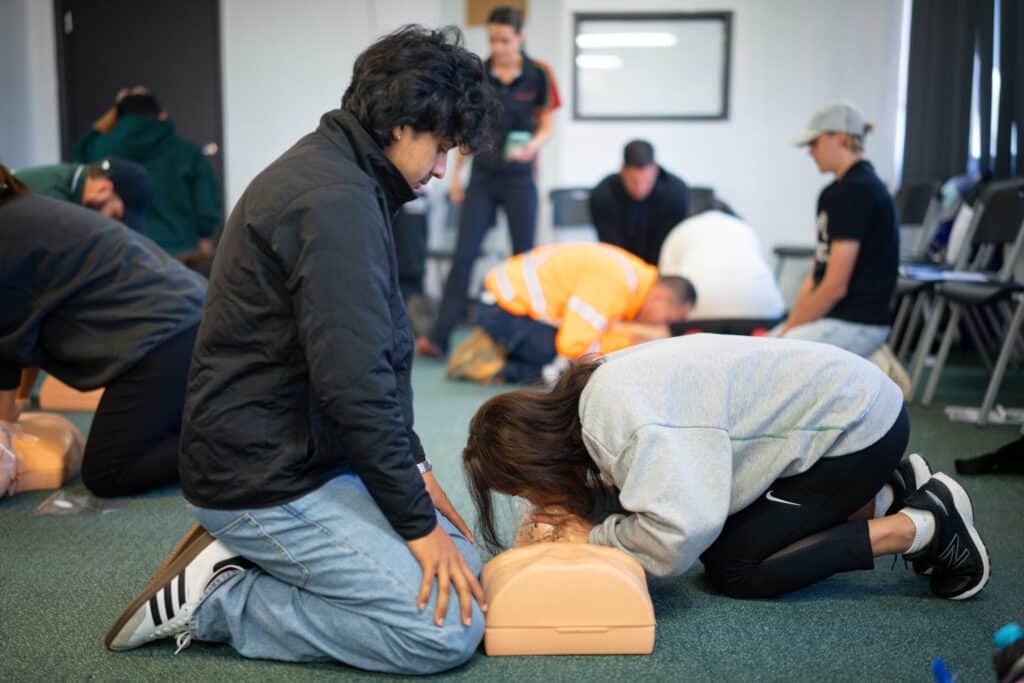
Registered Training Organisations offer multiple nationally accredited pathways to suit different workplace circumstances. Each format leads to the same recognised Statement of Attainment—the difference lies in how you get there.
Face-to-face training with no online component
Traditional classroom-based training covers all theory and practical components in a single session. You arrive, learn, practise, and leave with your certification. Typical session lengths range from 2 hours for CPR to 5–6 hours for a full First Aid course.
This format suits workplaces that prefer hands-on learning without any pre-course online work.
Blended learning with online theory and short practical
Blended learning splits the course into two parts: self-paced online theory modules completed before the session, followed by a shorter face-to-face practical assessment. This approach can reduce classroom time to 1–3 hours depending on the course.
For busy teams, blended learning means less time away from work while still maintaining the hands-on competency checks that matter in a real emergency.
Express refresher for existing first aiders
If your staff already hold current or recently expired qualifications, an express pathway offers the fastest route to renewal. Participants complete online theory, then attend a condensed practical assessment focused on demonstrating existing skills rather than learning from scratch.
This option is particularly useful when certifications are approaching expiry and you want to minimise downtime.
Live Zoom virtual classroom training
For remote workers or those who can’t attend a venue, 100% online training via Zoom provides a viable alternative. Participants join a trainer-led live session, with equipment (such as manikins) mailed to them beforehand. The practical assessment is conducted virtually under the trainer’s observation.
Format | Theory Component | Practical Component | Best For |
Face-to-face (no online) | In-class | In-class | Teams preferring all-in-one sessions |
Blended | Self-paced online | Short in-person | Minimising time away from work |
Express refresher | Self-paced online | Condensed assessment | Renewing existing certifications |
Live Zoom | Live virtual | Virtual with mailed equipment | Remote or isolated workers |

Onsite and group first aid training at your workplace
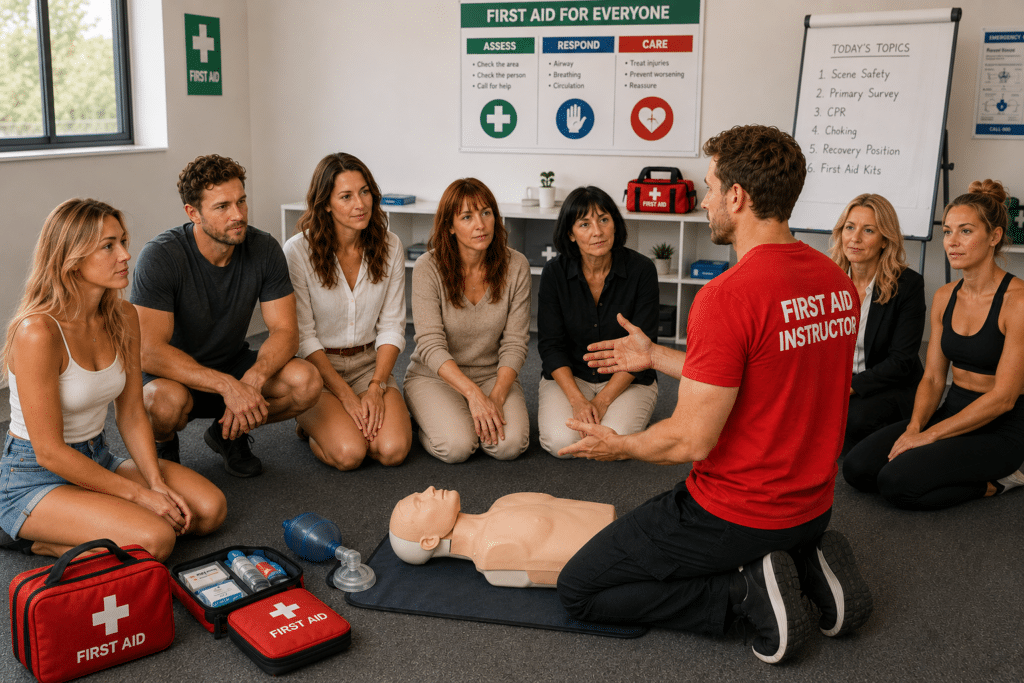
One of the most effective ways to reduce disruption is to bring training to your team rather than sending your team to training. Accredited trainers can deliver courses directly at your premises, eliminating travel time and allowing staff to return to work immediately after the session.
Onsite training offers several practical advantages:
- No travel required: Your team trains in a familiar environment without commuting to an external venue.
- Group efficiency: Train 5–24 participants in a single session, depending on the course.
- Industry-specific scenarios: Trainers can tailor practical exercises to reflect hazards relevant to your workplace.
- Equipment supplied: All training materials, manikins, and resources are provided.
If you have multiple sites or shifts, consider booking separate onsite sessions for each group. This keeps your first aid coverage continuous while ensuring everyone receives the same quality training.

Scheduling first aid training around shifts and rosters
Coordinating training across a complex roster takes planning, but flexible scheduling options make it far more manageable than you might expect.
After-hours and weekend course options
Courses are available seven days a week, including evenings and weekends. This allows staff to train outside peak operational hours—particularly useful for hospitality, retail, healthcare, and other industries where weekday availability is limited.
Multi-site and multi-shift coordination
If your workforce is spread across multiple locations or shifts, staggering training sessions ensures you’re never left without first aid coverage. Rather than booking everyone into the same session, schedule separate sessions for different shifts or sites.
This approach also helps with roster management: you can plan training around quieter periods or scheduled downtime.
Same-day Statement of Attainment for fast turnaround
Digital certificates can be issued on the same day as training (conditions apply), meaning staff return to work with valid certification immediately. There’s no waiting weeks for paperwork—your compliance records are updated straight away.
Australian workplace first aid compliance and scheduling
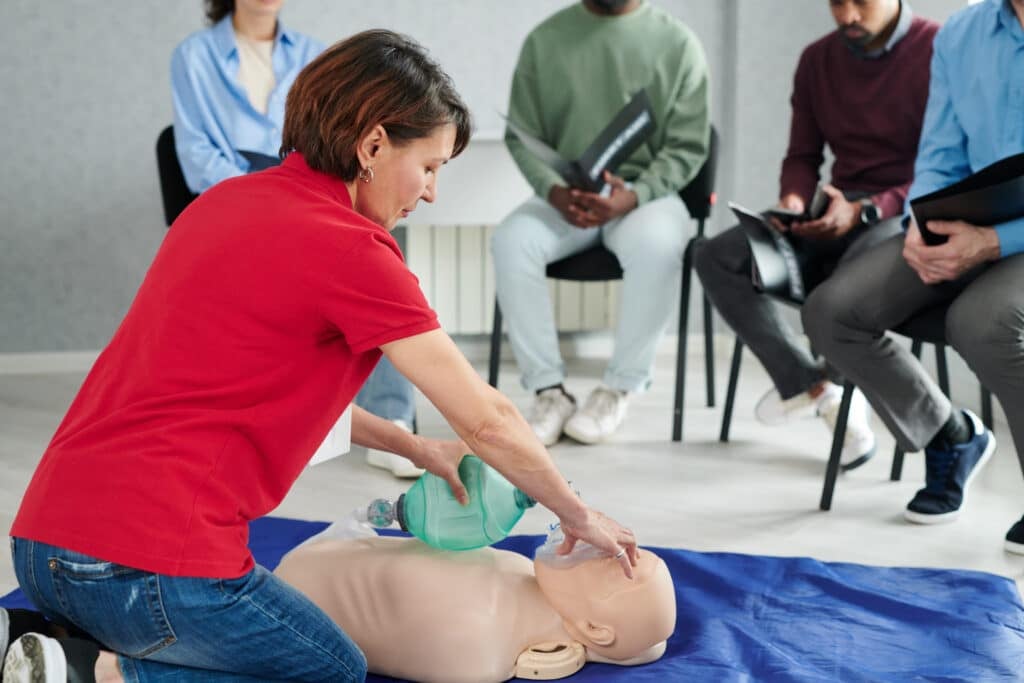
Work health and safety legislation requires Australian workplaces to have adequate first aid provisions, including trained first aiders accessible at all times. The specifics vary depending on your industry, workforce size, and the hazards present, but the underlying obligation is consistent: you’re responsible for ensuring people can receive first aid if something goes wrong.
Safe Work Australia’s First Aid in the Workplace Code of Practice outlines that employers assess their first aid requirements based on the nature of work, number of workers, and location. First aiders are expected to hold current nationally accredited qualifications—typically HLTAID011 Provide First Aid (valid for 3 years) with recommended annual CPR refreshers.
For education and care settings, ACECQA requires specific staff-to-child ratios for personnel holding HLTAID012. Flexible scheduling helps centres maintain compliance during staff turnover or when multiple certifications approach expiry simultaneously.
NDIS providers and healthcare employers often require staff to hold current first aid plus additional high-intensity support skills. Flexible delivery options—including online and onsite pathways—help meet ongoing training obligations without disrupting care schedules.
Industries that benefit most from flexible first aid scheduling
While every workplace benefits from training flexibility, some industries face unique scheduling challenges that make it particularly valuable.
Construction, mining, and trades often involve shift work, remote sites, and FIFO/DIDO rosters. Workers may be on-site for extended periods with limited access to training venues, making onsite delivery and Zoom options especially practical. Remote first aid qualifications (HLTAID013) are frequently required for isolated locations.
Healthcare, aged care, and disability support operate around the clock with rostered shifts. Releasing staff for training without affecting patient or client care requires careful coordination—and the ability to book sessions outside standard business hours.
Education, childcare, and OSHC face ACECQA compliance requirements and strict staff-to-child ratios requiring first aiders on duty at all times. Releasing educators during operating hours is often impractical, so weekend and after-hours sessions become essential.
Hospitality, retail, and corporate offices typically employ casual and part-time workforces—2.4 million casual employees nationally—across multiple locations. Flexible scheduling allows training to occur without disrupting customer service or requiring staff to attend on their days off.
Staggering first aid certification expiries across your team
One of the most common compliance headaches is having everyone’s certification expire at the same time. This typically happens when a workplace trains all their first aiders in a single session—convenient at the time, but problematic three years later when everyone requires renewal simultaneously.
A smarter approach is to deliberately stagger initial training dates. When onboarding new first aiders, schedule their training at different times throughout the year. This ensures you always have staff with current certifications, even when some are due for renewal.
- Maintain a certification register: Track all first aider qualifications and their expiry dates in a spreadsheet or HR system.
- Set renewal reminders: Schedule refresher bookings before certifications lapse—ideally 4–6 weeks ahead.
- Plan for turnover: Account for staff leaving and new hires requiring training. Build first aid certification into your onboarding process.
Spread renewals across the year: Avoid booking all renewals in the same month, even if it seems administratively simpler.
Booking flexible first aid training for your workplace
Finding a training session that fits your schedule is straightforward once you know your options. For individual bookings, you can browse a public course calendar to see available sessions at venues across Australia.
For group or onsite training, contact the RTO directly to arrange a session tailored to your workplace. You’ll typically discuss group size, preferred dates and times, delivery format, and any industry-specific requirements.
- Public courses: Browse available sessions and book individuals or small groups into scheduled classes.
- Onsite training: Request a quote for trainers to come to your workplace.
- Group bookings: Coordinate training for teams of 5–24 participants in a single session.
- Flexible timing: Choose from weekday, weekend, or after-hours sessions to suit your operations.
Book a First Aid Course to find a session that works for your team.
Frequently asked questions about flexible first aid scheduling
With express and blended formats, participants can complete online theory at their own pace and attend a practical session as short as 1–2 hours. Statements of Attainment can be issued the same day (conditions apply), so staff return to work with valid certification immediately.
Onsite group training typically requires a minimum of 5 participants, with sessions accommodating up to 24 people depending on the course and venue.
Yes. All courses delivered by a Registered Training Organisation lead to the same nationally recognised Statement of Attainment regardless of when they’re scheduled. A Saturday evening session carries the same accreditation as a Monday morning class.
Absolutely. Team members can choose the format that suits their schedule and learning preference—face-to-face, blended, express, or Zoom. All pathways lead to the same accredited certification, so your compliance records remain consistent.
Booking 2–4 weeks ahead is recommended for onsite training to allow for scheduling and logistics. Public courses are often available with shorter notice depending on availability.
The content on this website offers general insights regarding health conditions and potential treatments. It is not intended as, and should not be construed as, medical advice. If you are facing a medical emergency, dial 000 immediately and follow the guidance provided.