




Sharon has 21+ years of experience as a qualified Emergency Care Nurse registered with the Australian Health Practitioner Regulation Agency (APHRA) and 12+ years as a First Aid Trainer.
She takes pride in FirstAidPro making first aid training available, comprehensive and affordable to everybody.
National Men’s Health Week 2026 | 15 - 21 June
Every June, Men’s Health Week encourages Australians to pause and reflect on an important question: how well are we really looking after the health and wellbeing of men in our communities, workplaces, and families?
For many Australian men, conversations around health are still often delayed, avoided, or pushed aside until a problem becomes serious. Whether it is chest pain ignored during a busy work week, symptoms of stress brushed off as “just being tired,” or a reluctance to speak openly about anxiety, depression, or burnout, too many men continue to suffer in silence.
That is why Men’s Health Week matters.
It is not only about raising awareness of physical illness. It is about encouraging early action, practical education, stronger community support, and building the confidence to respond when health emergencies arise. From cardiac arrest and stroke to mental health crises and workplace incidents, first aid knowledge has an important role to play in protecting the lives and wellbeing of Australian men.
Across Australia, First Aid Pro works with workplaces, community groups, educators, and individuals to help build safer and more supportive environments through nationally recognised first aid and mental health education. These programs are not simply about compliance or certificates. They are about empowering ordinary people with the confidence and skills to recognise danger signs early, respond calmly during emergencies, and support the people around them.
As Men’s Health Week 2026 approaches, it is a valuable opportunity to talk openly about why first aid, mental health awareness, and early intervention matter so much for Australian men.
What Is Men’s Health Week?
Men’s Health Week is an annual international health awareness campaign focused on improving the physical, emotional, social, and mental wellbeing of men and boys.
In Australia, the week highlights some important realities:
- Men are statistically less likely to seek medical help early
- Men experience higher rates of preventable illness
- Men are overrepresented in workplace injuries and high-risk occupations
- Suicide remains one of the leading causes of death for Australian men under 55
- Many men still face social pressure to appear strong, resilient, or unaffected by stress
The campaign encourages Australians to challenge outdated attitudes around masculinity and health while promoting practical ways men can take better care of themselves and one another.
Importantly, Men’s Health Week is not about blame or criticism. It is about creating supportive conversations and helping men feel more comfortable taking action before small problems become major emergencies.
Why Early Action Saves Lives
One of the most important themes connected to both men’s health and first aid is early intervention.
In many emergencies, the first few minutes matter enormously. Quick recognition of symptoms and immediate action can dramatically improve outcomes.
This applies to:
- Cardiac arrest
- Heart attack
- Stroke
- Severe bleeding
- Heat stroke
- Diabetic emergencies
- Mental health crises
- Suicide risk situations
Unfortunately, many men delay seeking assistance because they hope symptoms will pass, do not want to inconvenience others, or feel pressure to “push through.”
In workplaces especially, it is common for men to minimise symptoms such as:
- Chest discomfort
- Persistent fatigue
- Dizziness
- Shortness of breath
- Severe stress
- Emotional exhaustion
But first aid education teaches people to recognise warning signs early and respond appropriately.
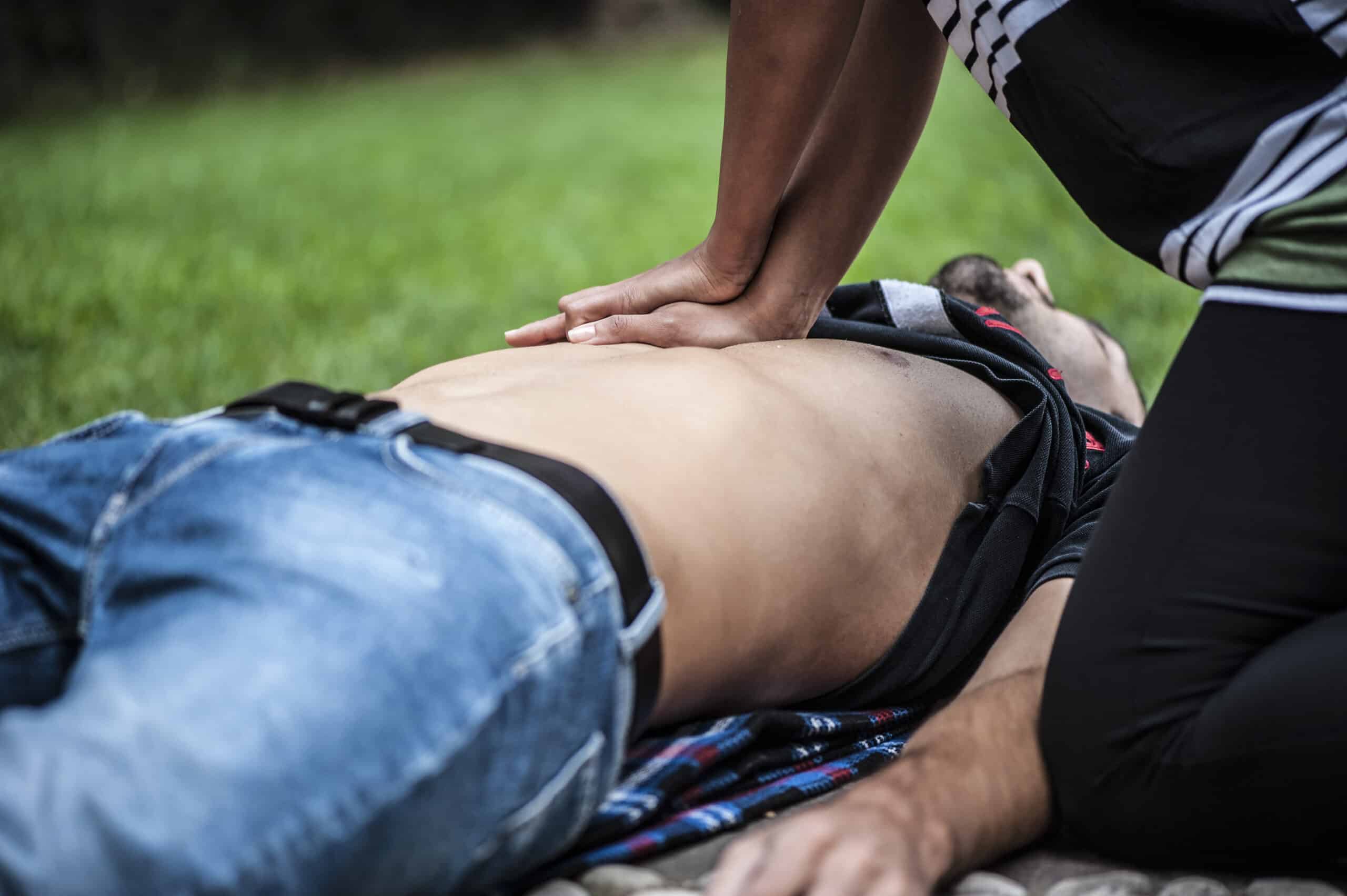
Knowing when to call Triple Zero (000), how to perform CPR, how to use an AED, or how to support someone experiencing a mental health crisis can genuinely save lives.
Men’s Physical Health Emergencies: Why First Aid Skills Matter
Many of the leading health emergencies affecting Australian men can occur suddenly and without warning.
Cardiac Arrest and Heart Emergencies
Heart disease remains one of the leading causes of death among Australian men. Cardiac arrest can happen at work, at home, at the gym, or during sporting activities.
In these situations, immediate CPR and access to an automated external defibrillator (AED) are critical.
First aid training helps people learn:
- How to recognise cardiac arrest
- How to follow the DRSABCD action plan
- How to perform effective CPR
- How to use an AED safely
- How to remain calm while waiting for emergency services
Many people are surprised to discover how frequently cardiac emergencies occur in ordinary community settings rather than hospitals.
A trained bystander can make the difference between life and death.
Stroke Recognition and FAST Action
Stroke is another serious medical emergency affecting many Australian men, particularly as they age.
Early recognition is essential because fast medical treatment can significantly reduce long-term disability.
First aid courses commonly teach the FAST assessment:
- Face drooping
- Arm weakness
- Speech difficulty
- Time to call 000
The more Australians who recognise these warning signs, the greater the chance of early medical intervention and recovery.
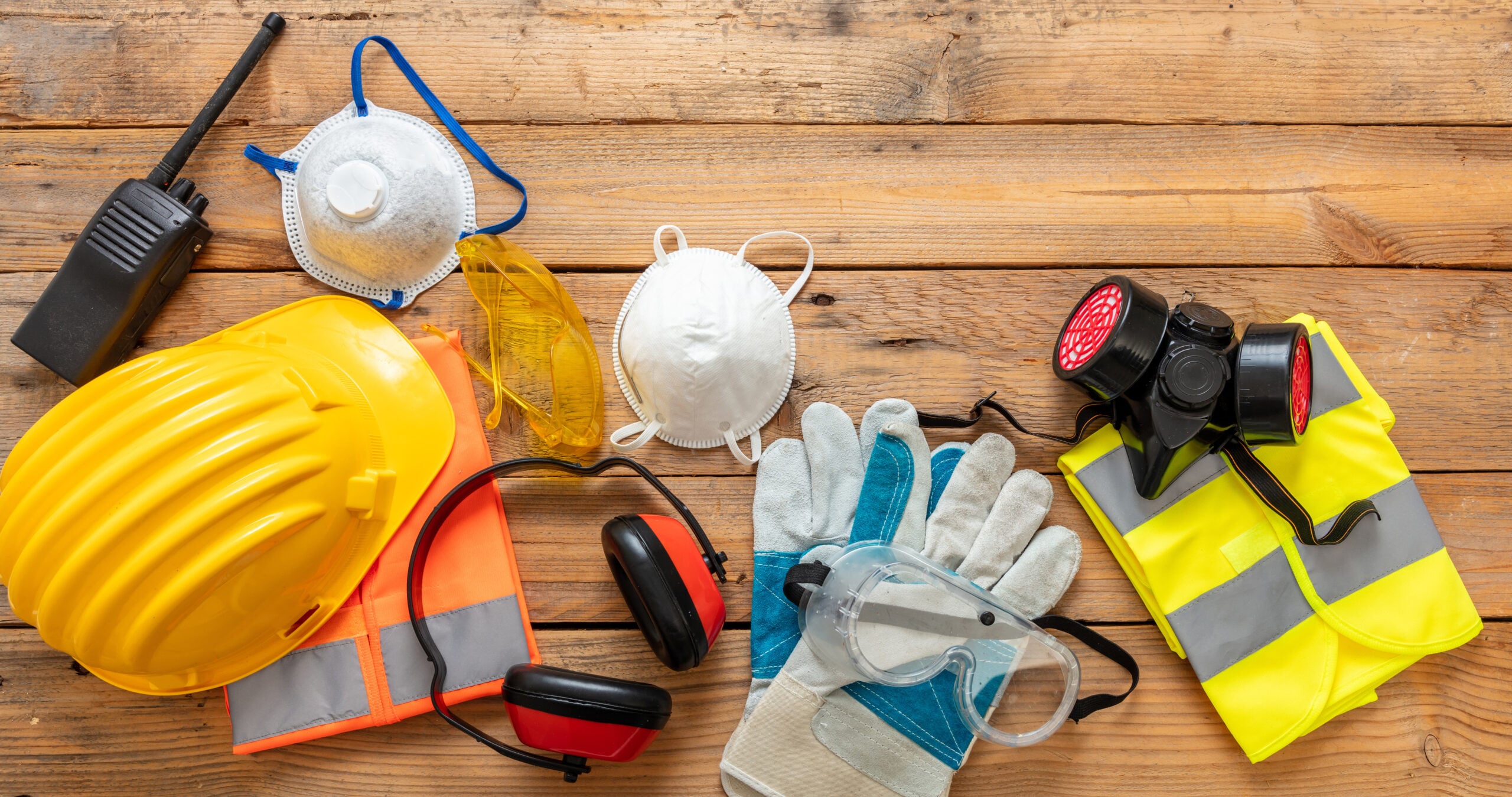
Workplace Injuries and High-Risk Industries
Australian men continue to make up a large proportion of workers in physically demanding and high-risk industries.
High-Risk Industries
- ✓Construction
- ✓Mining
- ✓Warehousing
- ✓Transport
- ✓Manufacturing
- ✓Agriculture
- ✓Electrical trades
Common Workplace Hazards
- !Falls
- !Crush injuries
- !Electrical incidents
- !Severe bleeding
- !Fractures
- !Heat illness
- !Machinery accidents
Why it matters: These risks are one reason workplace first aid training remains so important. Practical first aid skills help workers recognise emergencies early, respond with confidence, and support safer outcomes while waiting for professional medical help.
First Aid Pro works with workplaces around Australia to provide practical first aid education tailored to real workplace risks. These programs help staff develop confidence in responding quickly during emergencies while supporting broader workplace safety culture.
Importantly, first aid training also encourages teamwork, communication, and shared responsibility for wellbeing in the workplace.
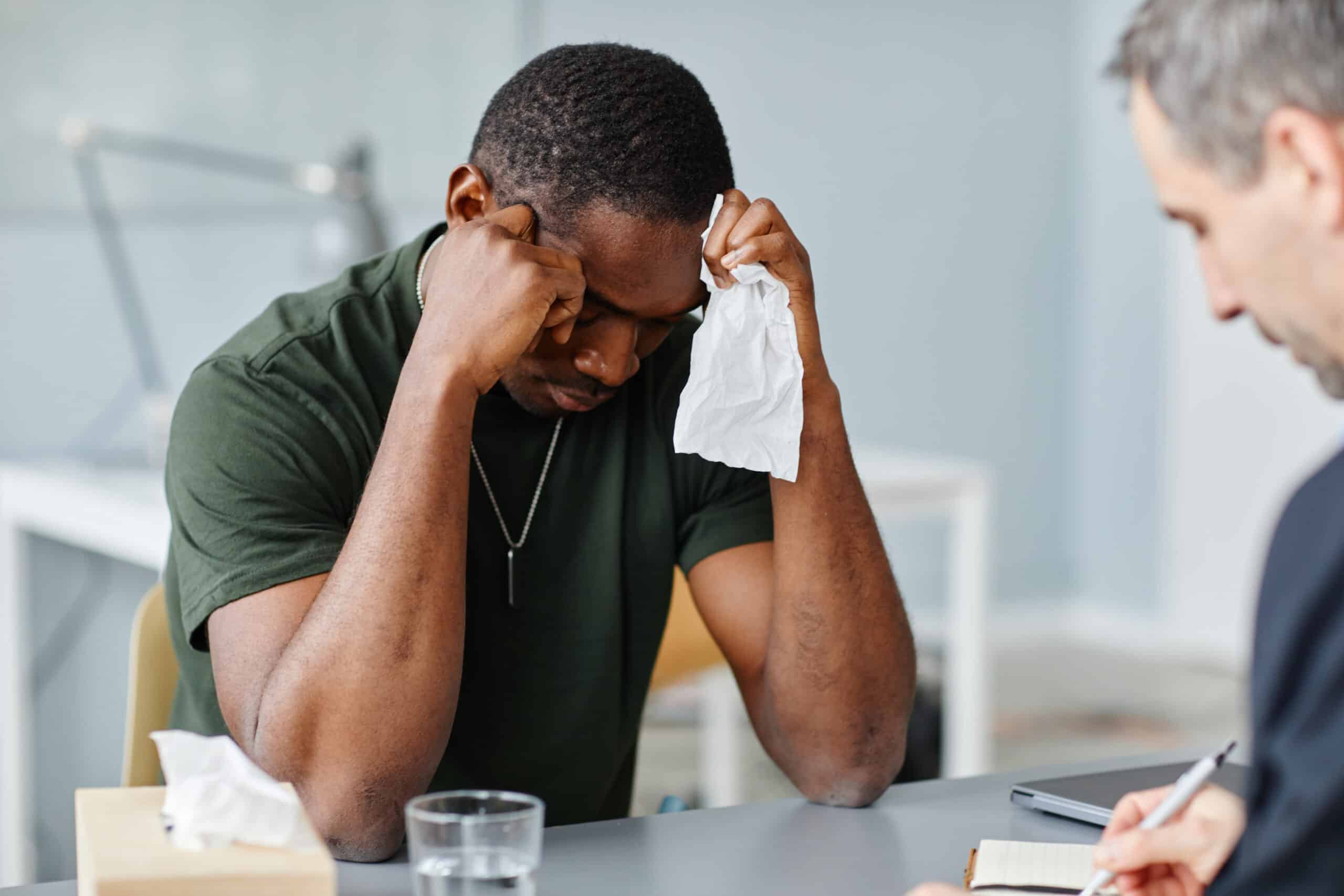
The Growing Importance of Men’s Mental Health
While physical emergencies are often visible and immediate, mental health emergencies can be quieter and harder to recognise.
Yet they are equally important.
Mental Health Challenges Affecting Australian Men May Include:
- ✓Anxiety
- ✓Depression
- ✓Burnout
- ✓Substance misuse
- ✓Social isolation
- ✓Workplace stress
- ✓Financial pressure
- ✓Trauma
- ✓Relationship breakdown
- ✓Suicidal thoughts
Why this matters: Many men still find it difficult to discuss emotional distress openly. Some worry about appearing weak or vulnerable. Others simply do not know how to ask for support.
That silence can be dangerous.
Men’s Health Week message: This is why conversations around mental health are now a major part of Men’s Health Week across Australia.
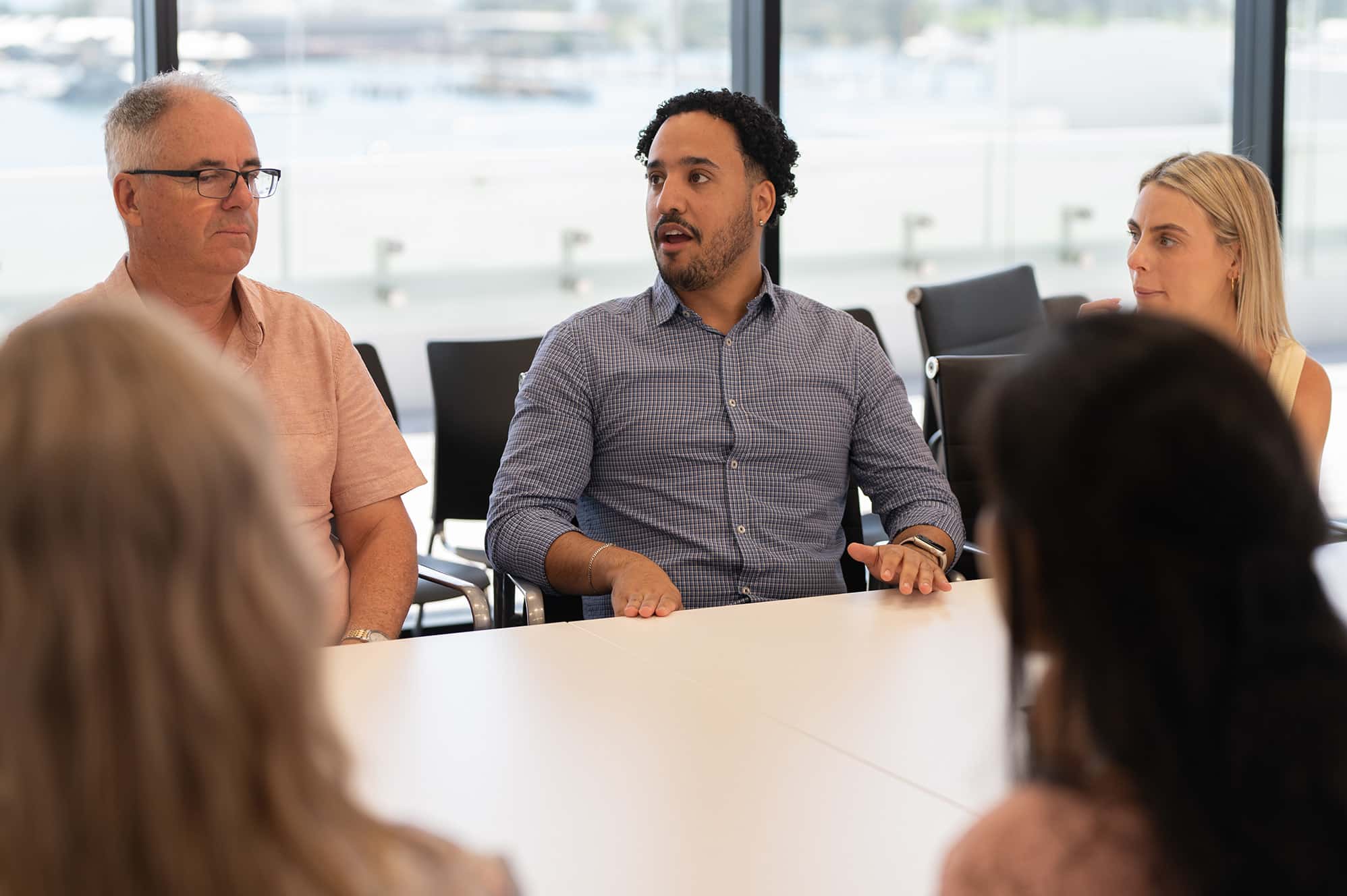
Mental Health First Aid: Building Confidence to Support Others
One of the most positive developments in recent years has been the growing awareness of Mental Health First Aid training.
Mental Health First Aid teaches people how to:
- Recognise signs of mental health struggles
- Respond calmly and safely
- Support someone experiencing a crisis
- Encourage professional help-seeking
- Reduce stigma and judgement
- Have supportive conversations
These skills are becoming increasingly valuable in workplaces, schools, sporting clubs, and community organisations.
Importantly, Mental Health First Aid is not about replacing psychologists or medical professionals. It is about helping ordinary people recognise when someone may need support and respond appropriately in the early stages.
Just as physical first aid helps stabilise someone before medical care arrives, mental health first aid helps provide early support during emotional or psychological distress.
Why Men Often Avoid Asking for Help
One of the recurring themes during Men’s Health Week is the need to challenge outdated beliefs about masculinity and help-seeking.
Messages Many Men Were Raised With
- !“Harden up”
- !“Get on with it”
- !“Don’t complain”
- !“Just deal with it yourself”
What Real Strength Often Involves
- ✓Seeking support early
- ✓Looking after mates
- ✓Speaking openly
- ✓Prioritising wellbeing
- ✓Taking responsibility for health
- ✓Supporting colleagues and family members
Important reminder: While resilience is valuable, ignoring physical or mental health warning signs is not strength.
Men’s Health Week message: Creating healthier attitudes around help-seeking is one of the most important long-term goals of Men’s Health Week.
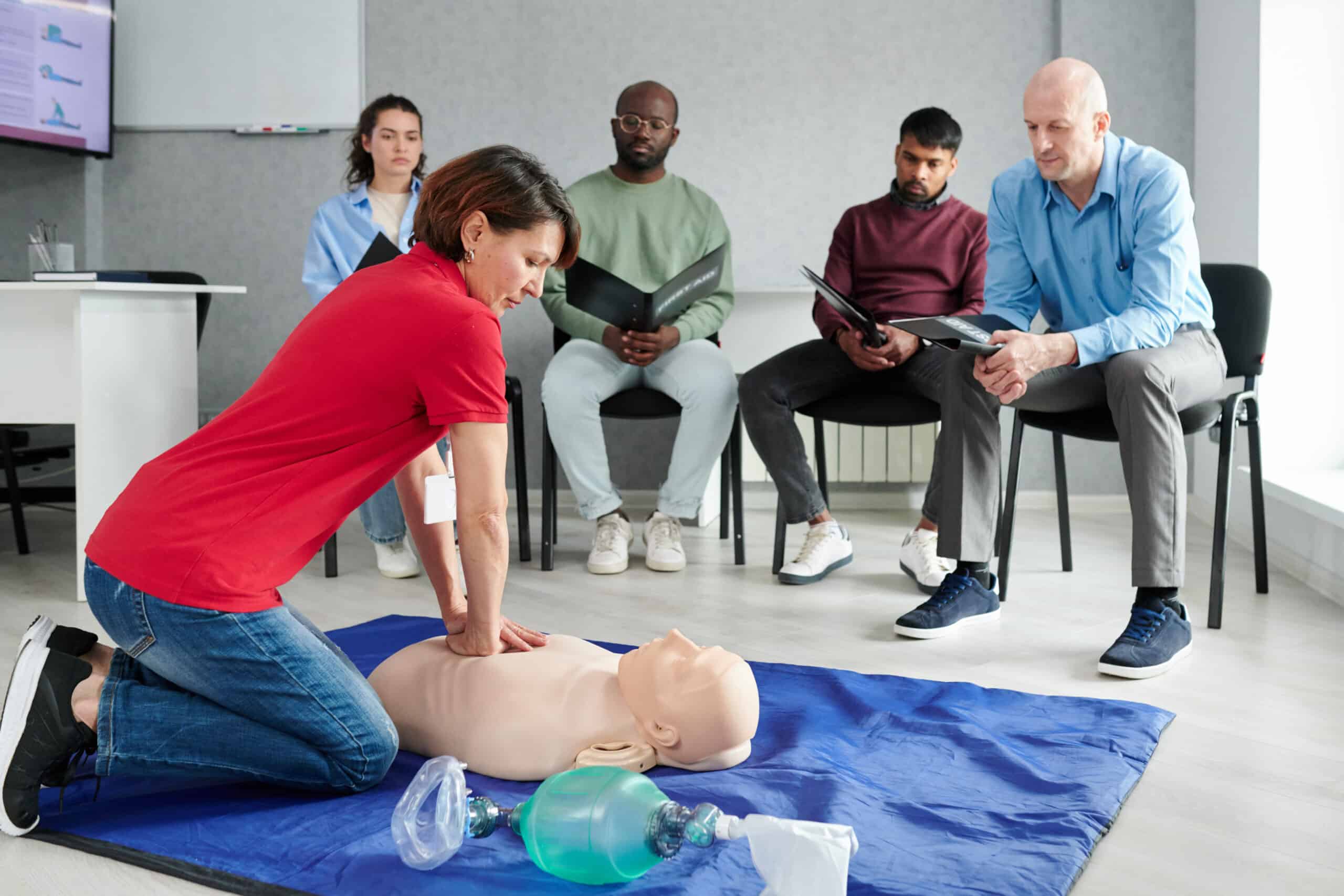
First Aid Training Creates More Than Emergency Skills
Many people think of first aid training as simply learning CPR or bandaging techniques.
In reality, quality first aid education often creates something much bigger.
It builds:
- Confidence
- Awareness
- Calm decision-making
- Leadership under pressure
- Communication skills
- Community connection
- Workplace preparedness
People who complete first aid training often report feeling more capable not only during emergencies, but also in everyday life.
They become more aware of:
- Risk factors
- Health warning signs
- Safety procedures
- Mental wellbeing
- Community responsibility
For many workplaces, first aid and mental health training also contribute to stronger team culture and psychological safety.

Community Education and Safer Workplaces
Across Australia, organisations are increasingly recognising that employee wellbeing is closely connected to productivity, morale, and long-term workplace culture.
Businesses that invest in first aid and mental health education often see benefits including:
- Increased staff confidence
- Better emergency preparedness
- Improved workplace communication
- Greater mental health awareness
- Stronger safety culture
- Reduced stigma around asking for help
First Aid Pro has worked with workplaces, schools, sporting organisations, healthcare settings, and community groups to deliver practical education that helps Australians respond effectively during emergencies.
This community-focused approach aligns closely with the broader goals of Men’s Health Week: encouraging prevention, awareness, support, and early action.

Looking After Your Mates
One of the strongest themes in Australian culture is mateship.
Men often feel more comfortable checking in on friends or workmates than talking about themselves directly. That is why peer support can play such an important role in both physical and mental health.
Sometimes the most important first aid response is simply noticing when something does not seem right.
A mate who suddenly:
- Withdraws socially
- Appears exhausted
- Becomes unusually irritable
- Talks about hopelessness
- Stops participating in normal activities
- Shows signs of severe stress
may need support far more than they let on.
Mental Health First Aid training encourages people to recognise these signs and start supportive conversations without judgement.
Even small conversations can have a significant impact.
Men’s Health in Regional and Remote Australia
Men living in regional and remote Australia often face additional health challenges, including:
- Reduced access to healthcare services
- Longer emergency response times
- Higher workplace injury risk
- Greater social isolation
- Mental health support shortages
In many remote communities, practical first aid knowledge becomes even more valuable because bystanders may need to provide care for longer periods before professional help arrives.
This is another reason community-based education remains so important to men across Australia.

Practical Steps Men Can Take This Men’s Health Week
Men’s Health Week is a useful reminder that small actions can make a meaningful difference over time.
Some Practical Steps Include:
- ✓Booking a health check with a GP
- ✓Learning CPR and first aid
- ✓Taking a Mental Health First Aid course
- ✓Checking in on friends or colleagues
- ✓Improving sleep and exercise habits
- ✓Reducing alcohol consumption
- ✓Talking openly about stress
- ✓Learning workplace emergency procedures
- ✓Becoming familiar with AED locations
- ✓Seeking support early when something feels wrong
Preparation matters: Health emergencies do not always come with warning signs.
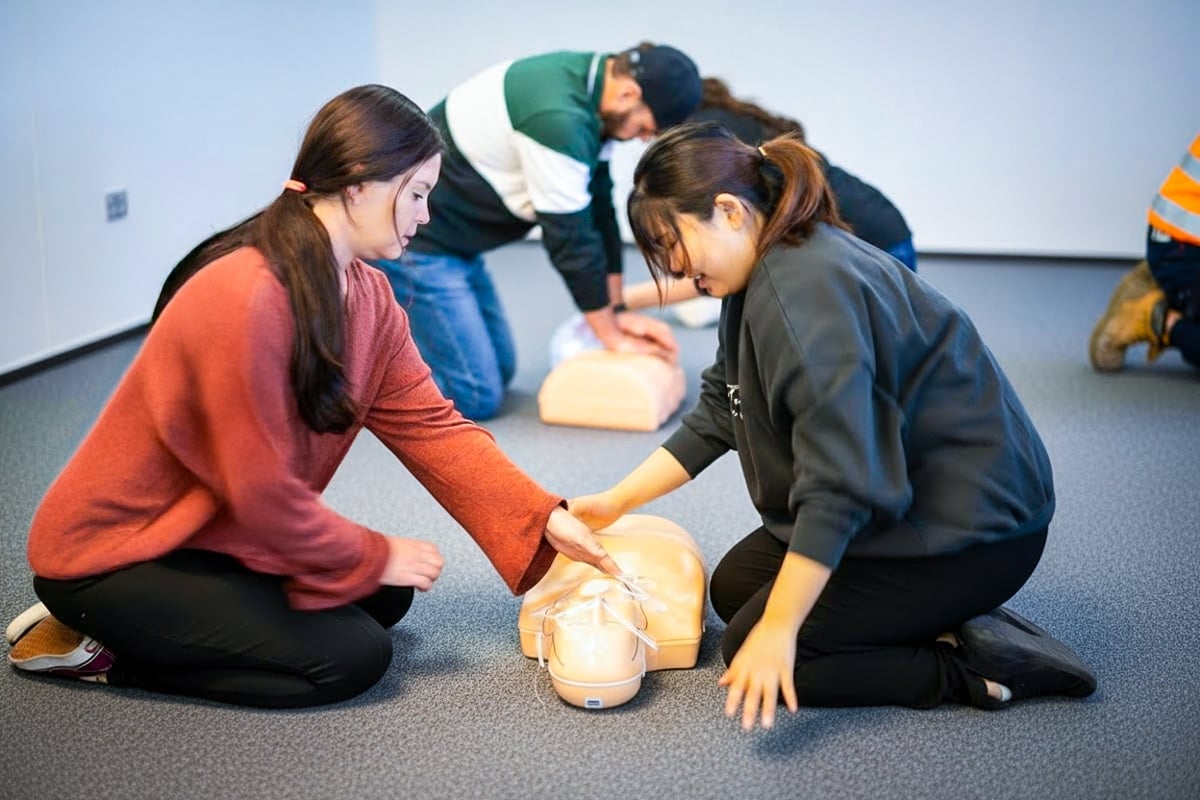
Why First Aid Education Matters for Families Too
Men’s health does not affect men alone.
When fathers, partners, brothers, sons, friends, and colleagues experience serious health problems, entire families and communities are affected.
First aid education helps families feel more prepared and empowered during emergencies. It gives people the confidence to act instead of freezing in panic.
That confidence can be life-changing.
In many situations, the person providing first aid is not a healthcare worker. It is an ordinary person who decided to learn the skills before an emergency happened.
Building a Stronger Community Through Education
At its core, Men’s Health Week is about creating healthier and more connected communities.
It is about recognising that health is not only an individual responsibility. Communities, workplaces, sporting clubs, schools, and organisations all play a role in supporting wellbeing.
Through first aid and mental health education, Australians can help create environments where:
- Seeking support is encouraged
- Emergency preparedness is prioritised
- Mental health conversations are normalised
- People look out for one another
- Early action becomes part of everyday culture
This is one of the reasons first aid training continues to hold such long-term value.
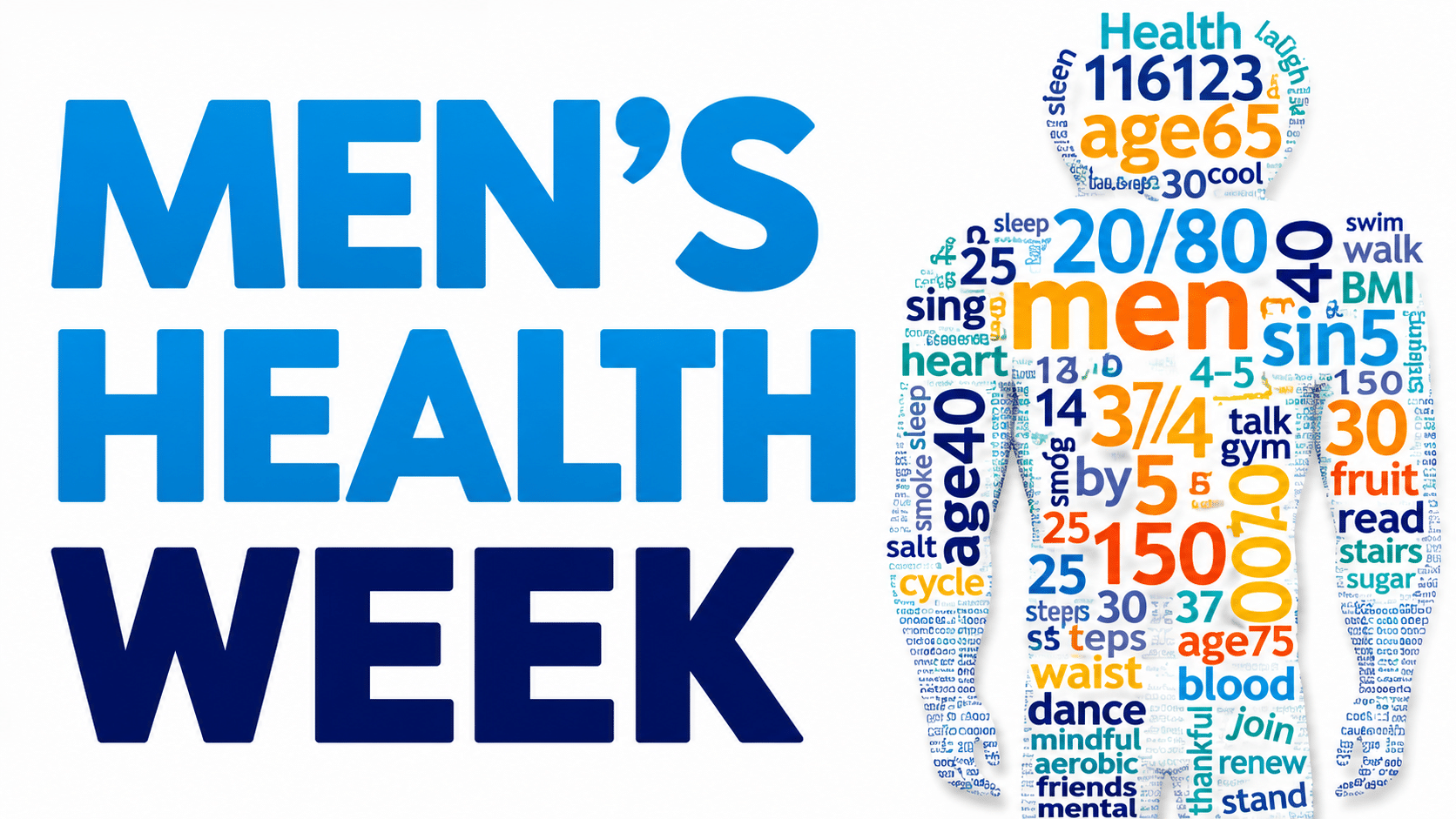
Final Thoughts On Men’s Health Week 2026
Men’s Health Week is an important reminder that good health involves far more than simply reacting when something goes wrong.
It is about prevention, awareness, connection, and having the confidence to act early.
Whether responding to cardiac arrest, recognising the signs of stroke, supporting someone through a mental health crisis, or simply checking in on a mate who seems overwhelmed, first aid knowledge empowers people to make a genuine difference.
Across homes, workplaces, and communities throughout Australia, education remains one of the most powerful tools for improving men’s health outcomes.
Through practical first aid training, CPR education, workplace emergency preparedness, and Mental Health First Aid awareness, First Aid Pro continues to support safer, healthier, and more connected Australian communities.
This Men’s Health Week, the message is simple but important: early action matters, conversations matter, and the skills to help others can save lives.
Related Reading
- Australian Men’s Health Forum – Resources
Healthy Male Australia – Resources
HealthDirect – Mental health resources for men
Frequently Asked Questions
What is Men’s Health Week in Australia?
Men’s Health Week is an annual awareness campaign that encourages Australian men to focus on their physical, mental, and emotional wellbeing. It promotes early intervention, healthy lifestyles, mental health awareness, and community support.
Why is first aid training important for men’s health?
First aid training helps people recognise emergencies early and respond confidently during situations such as cardiac arrest, stroke, severe bleeding, workplace injuries, and mental health crises. Early action can save lives.
What is Mental Health First Aid?
Mental Health First Aid teaches people how to recognise signs of mental health challenges, support someone in distress, and encourage professional help-seeking while reducing stigma around mental health conversations.
What are common men’s health emergencies in Australia?
Common health emergencies affecting Australian men include heart attack, cardiac arrest, stroke, severe workplace injuries, heat illness, mental health crises, and stress-related conditions.
How can workplaces support men’s health and wellbeing?
Workplaces can support men’s health by promoting first aid and Mental Health First Aid training, encouraging open conversations about wellbeing, improving emergency preparedness, and creating a culture where seeking help is supported and normalised.