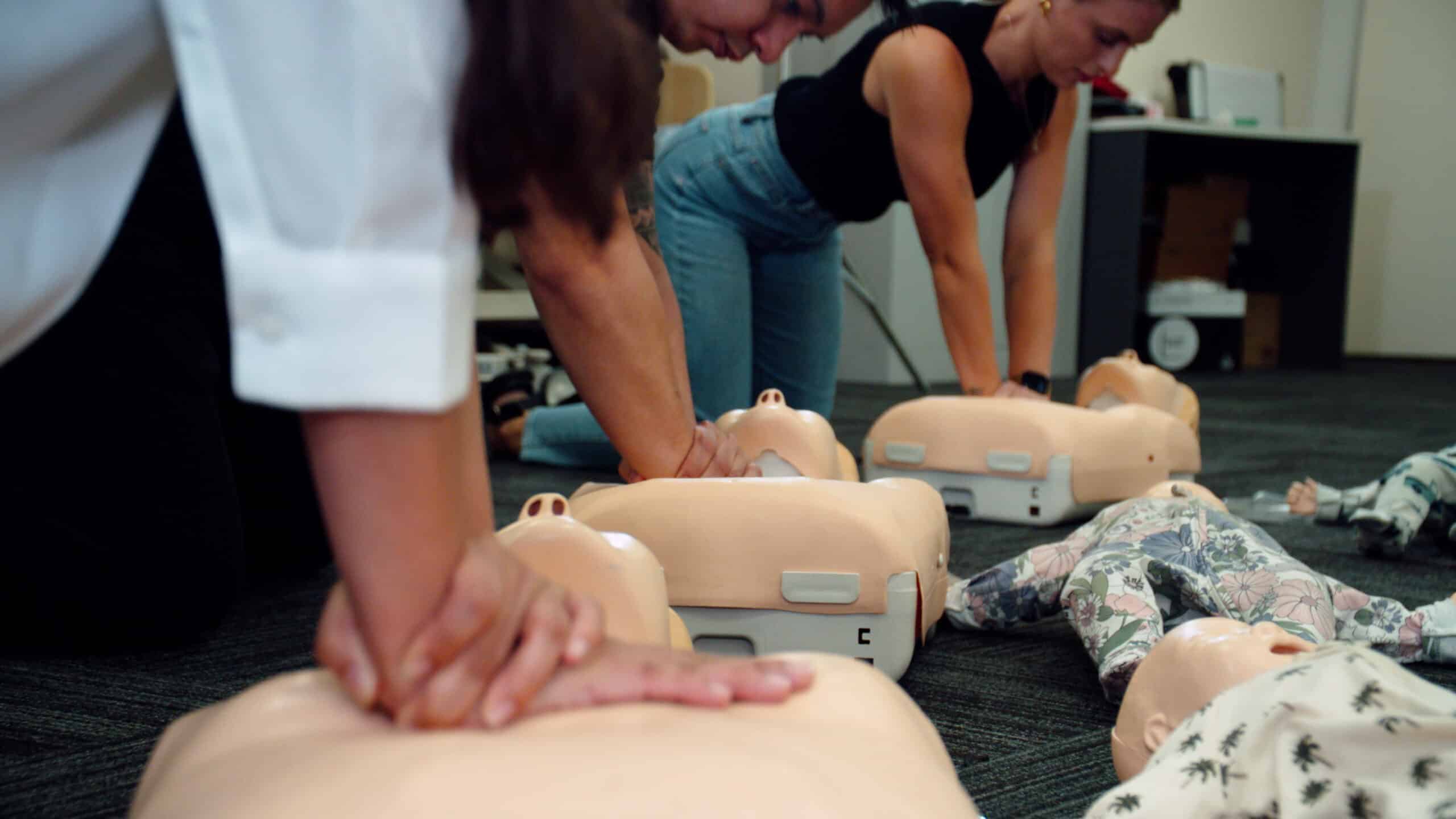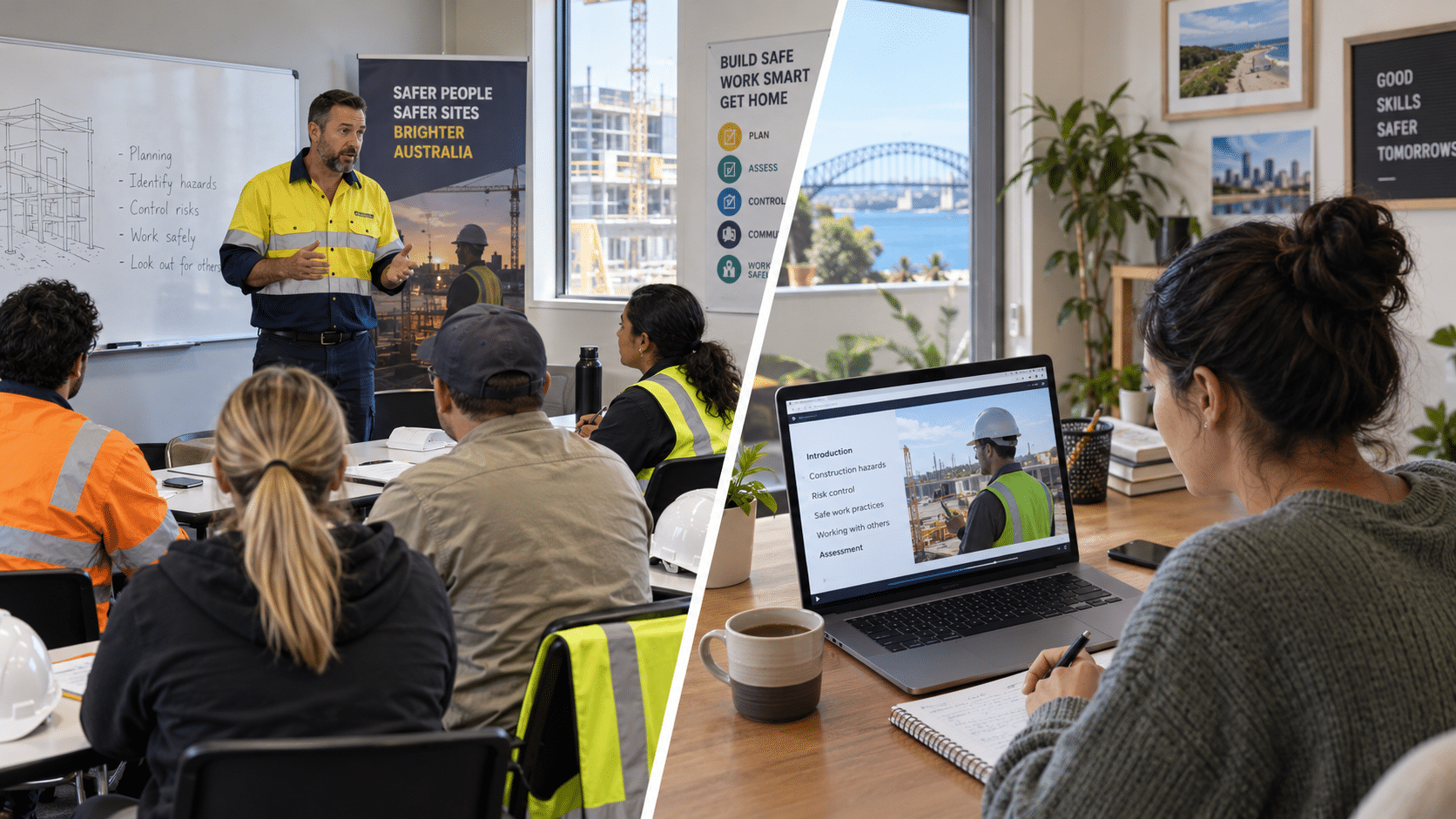





Sharon has 21+ years of experience as a qualified Emergency Care Nurse registered with the Australian Health Practitioner Regulation Agency (APHRA) and 12+ years as a First Aid Trainer.
She takes pride in FirstAidPro making first aid training available, comprehensive and affordable to everybody.
Key Takeaways
- Check the RTO first. Search the provider’s RTO code on training.gov.au and confirm HLTWHS005 Conduct Manual Tasks Safely is on its scope.
- Insist on task-specific practice. The HLTWHS005 unit on training.gov.au requires assessment of at least 3 different, role-relevant manual tasks in the workplace or a simulated environment.
- Treat training as support. Training backs up task redesign and mechanical aids. It never replaces them.
- Ask what certificate staff receive, and when. ASQA’s Integrity of Nationally Recognised Training practice guide says RTOs should issue certification within 30 calendar days of assessment.
- Plan reviews around change. The model Code sets no fixed refresher interval, so review training regularly and whenever tasks, equipment or controls change.
- Compare the total cost. Include group rates, onsite travel and rebooking terms, as well as the per-person price.
- See the checklist applied. Compare our HLTWHS005 manual handling course or explore onsite workplace training options.
Who This Checklist Is For
Choosing a manual handling training provider affects injury risk as much as your training budget. Safe Work Australia’s Key WHS Statistics put median time lost per body stressing claim at 9.5 weeks, with median compensation of $21,200 (2024-25 provisional). The same report shows body stressing caused 35.2% (51,800) of serious workers’ compensation claims in 2024-25. Health care and social assistance had the largest share of serious claims of any industry, at 20.9%.
The legal bar is specific too. The model Code (as adopted in NSW by SafeWork NSW) says a “competent person” should deliver training, and administrative controls “tend to be least effective”. This model Code of Practice: Hazardous manual tasks applies in model WHS jurisdictions. It says training must be “suitable and adequate” for the work, its risks and its controls. That duty sits in WHS Act s19 and WHS Regulation 39.
Not every course meets that bar in your workplace. I’ve spent 21+ years as an emergency care nurse and 12+ years as a first aid trainer. I’ve seen the gap between a generic lifting class and training that fits the job. This checklist is for HR and WHS managers, procurement teams, practice managers and team leaders who book manual handling training for staff. It gives you 10 checks, the question to ask for each, and where to verify the answer.
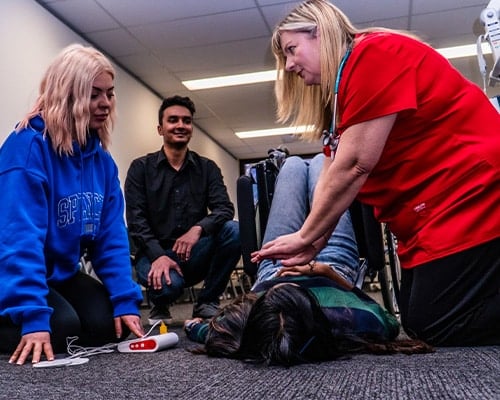
The 10-Point Checklist at a Glance
Use these 10 checks to compare any manual handling training provider before you book. You can verify most of them online.
- Nationally recognised training from a current RTO
- HLTWHS005 is on the provider’s scope
- Training is tailored to your actual workplace tasks
- Real practical assessment, not “how to lift” theory alone
- Qualified, experienced trainers
- Delivery mode that fits your team (public, blended, onsite)
- A compliant Statement of Attainment, issued promptly
- Training supports your risk controls, not replaces them
- Clear refresher and review guidance
- Transparent pricing and group options
Print this version and take it into your next supplier call.
| Check | What to ask | Where to verify |
|---|---|---|
| 1. Nationally recognised | “What is your RTO code?” | Course page, then training.gov.au |
| 2. HLTWHS005 on scope | “Is HLTWHS005 on your scope?” | Provider’s scope on training.gov.au |
| 3. Tailored to your tasks | “Which of our tasks will you use?” | Session plan or written proposal |
| 4. Practical assessment | “How much hands-on time, and how is it assessed?” | Assessment outline |
| 5. Trainers | “What industry background does our trainer have?” | Trainer profile |
| 6. Delivery mode | “Where will the practical assessment happen?” | Course page or quote |
| 7. Statement of Attainment | “When will staff receive it?” | Sample Statement of Attainment |
| 8. Risk controls | “What do you need to know about our hazards?” | Pre-training questionnaire |
| 9. Refresher guidance | “When do you recommend we review training?” | Written advice from the provider |
| 10. Pricing | “What is the total, all-inclusive cost?” | Written quote |
Why Choosing the Right Manual Handling Training Provider Matters
The law expects training that fits your work, your risks and your controls. A generic course can leave gaps that a certificate won’t fill.
In model WHS jurisdictions, the person conducting a business or undertaking (PCBU) must provide information, training and instruction that is suitable and adequate. The model Code links this to the nature of the work, the risks at the time, and the control measures you’ve put in place. It also expects a competent person to provide the training.
Training is also a lower-order control. The model Code places it within administrative controls, which it rates among the least effective because they rely on human behaviour and supervision. Use them to supplement higher-level controls, such as redesigning the task or using mechanical aids.
Victoria works differently. WorkSafe Victoria’s training guidance explains that Victorian employers’ duties sit under the OHS Act 2004 and OHS Regulations 2017. It says training can lower risk on its own only when higher-order controls aren’t reasonably practicable.
The cost of getting it wrong is real, in both lost weeks and compensation, as Safe Work Australia’s Key WHS Statistics show. Here’s my clinical view after years on emergency floors. No course or certificate makes an employer compliant by itself. The right provider helps your people work safely within the controls you’ve built.

The 10-Point Manual Handling Training Checklist Explained
Work through each check in order. Each one gives you a short answer, why it matters, a question to ask, and how to check.
1. Is the Manual Handling Course Nationally Recognised?
Choose a Registered Training Organisation (RTO) that delivers nationally recognised training. A non-accredited session can teach useful skills, but it won’t give staff a nationally recognised unit.
Under ASQA’s Integrity of Nationally Recognised Training practice guide, the Nationally Recognised Training (NRT) logo may only be used with nationally recognised training. All nationally recognised training is listed on the National Register at training.gov.au. The guide applies the 2025 Standards for RTOs.
The NRT logo on a website is a good sign, but it isn’t proof on its own. Verify the RTO code using point 2.
Ask the provider: “What is your RTO code?”
How to check: Find the RTO code and NRT logo on the course page, then confirm both on training.gov.au.
2. Check the Provider’s RTO Status and HLTWHS005 Scope on training.gov.au
Confirm the RTO is registered and that HLTWHS005 is on its scope before you book. This is the single most useful check on the list.
ASQA’s scope of registration guidance says an RTO can’t advertise, deliver or issue certification for any unit that isn’t on its scope. ASQA also confirms each provider’s scope is listed on the national register, training.gov.au.
How to check:
- Search the RTO code on training.gov.au.
- Check the registration status.
- Open the provider’s scope details.
- Find HLTWHS005 Conduct Manual Tasks Safely.
You can also work backwards. The HLTWHS005 unit on training.gov.au links to a list of RTOs approved to deliver the unit. For a worked example, read Is First Aid Pro Accredited?.
Ask the provider: “Is HLTWHS005 on your scope of registration?”
3. Is the Training Tailored to Your Workplace Tasks?
Pick a provider that builds training around your real tasks, equipment and controls. The model Code says training should cover your specific manual task risks and the measures in place to control them. It should also cover safe use of mechanical aids and how to report a problem.
HLTWHS005 applies to all workers involved in manual handling tasks. The HLTWHS005 unit on training.gov.au says assessment requires at least 3 different manual tasks relevant to the work role, following legally compliant workplace procedures.
What that looks like varies by sector:
- Aged care: resident transfers using hoists and slide sheets, as covered in our guide to manual handling in aged care.
- Warehousing: moving pallets with pallet jacks and loading trolleys.
- Childcare: lifting children, setting up cots and moving play equipment.
Ask the provider: “Which of our tasks will you use in practice and assessment?”
How to check: Send your top three hazardous tasks and look for them in the session plan.

4. Does It Include Real Practical Assessment?
Choose training where staff physically perform tasks and are assessed doing them. The HLTWHS005 unit on training.gov.au says skills must be demonstrated in the workplace or in a simulated environment that reflects workplace conditions.
Lifting technique alone isn’t enough. SafeWork NSW’s training fact sheet states that research has shown “how to lift” training is not effective in reducing injury risks. WorkSafe Victoria says an employer relying on it is not meeting its legal requirement to control hazardous manual handling risks.
Good practical training includes your equipment, realistic hazards and team communication. It also includes an assessor who watches each person complete the tasks.
Ask the provider: “How much hands-on time, and how is it assessed?”
How to check: Request the assessment outline and confirm it lists observed practical tasks.
5. Who Are the Trainers?
Look for trainers who know your industry as well as the unit. The model Code says training should be provided by a competent person.
Industry background changes the quality of the session. A trainer with clinical experience understands patient transfers and the pressure of a short-staffed shift.
Before you book, ask the provider about their trainers’ qualifications and industry experience.
Ask the provider: “What qualifications and industry background does our trainer have?”
How to check: Request a trainer profile before you confirm the booking.
6. Does the Delivery Mode Fit Your Team?
Choose the mode that suits your rosters, as long as practical tasks are assessed in person. Mode is about convenience. The outcome must still include assessed practical tasks.
Most providers offer one or more of these:
- Public class: staff join a scheduled session at a training venue.
- Blended: online theory first, then a face-to-face practical session.
- Onsite manual handling training: the trainer comes to your workplace and uses your equipment.
When you weigh an online vs face-to-face manual handling course, remember HLTWHS005 skills must be shown in a workplace or realistic simulated environment. Based on the unit’s assessment conditions on training.gov.au, a fully online course can’t show these practical skills. The theory can be online, but the practical can’t.
Ask the provider: “Where and how will the practical assessment happen?”
How to check: Confirm the course page or quote names a face-to-face practical session.

7. What Certificate Will Staff Receive, and When?
Staff should receive a Statement of Attainment for HLTWHS005, issued promptly by the RTO. The ASQA practice guide lists what every Statement of Attainment must include:
- The RTO’s name, registration code and logo
- The unit’s full title and national code
- The NRT logo
- An authorised signature
- A seal, corporate identifier or unique watermark
- ASQA’s standard statement on Statements of Attainment
The same guide says RTOs should issue certification within 30 calendar days of assessment. That’s ASQA guidance rather than a legal deadline, so ask about real turnaround times. It also tells RTOs not to print the Unique Student Identifier (USI) on certification documents.
A certificate of attendance from a non-accredited course isn’t a Statement of Attainment. Check which manual handling certificate you’re paying for.
Ask the provider: “When will staff receive their Statement of Attainment?”
How to check: Ask for a sample with personal details removed.
8. Will the Training Support Your Risk Controls?
A good provider asks about your hazards before it trains your staff. Training sits low in the hierarchy of control, so it should reinforce the controls you already have.
That means the provider should ask about your hoists, slide sheets, trolleys and safe work procedures. It should also ask how workers report problems and how you consult with them.
HLTWHS005 supports this. Its criteria include contributing to a risk management approach that reduces manual task risks. Assessment also requires a contribution to a consultation process about improving manual handling safety.
Ask the provider: “What do you need to know about our tasks and equipment before the session?”
How to check: See whether the provider sends a pre-training questionnaire or asks for your risk assessments.

9. Do They Give Clear Refresher Guidance?
Choose a provider that explains when to review training, and why. The model Code says to review your training program regularly and when work processes, systems, plant or equipment change. It doesn’t set a fixed number of months.
Victoria’s guidance differs. WorkSafe Victoria says training should happen “regularly and at least annually”, along with new starters and legislation changes. That’s regulator guidance, not a statutory expiry date.
Treat any provider claiming a national legal 12-month expiry with caution. For staff who already hold the unit, a short top-up such as our manual handling refresher course can keep skills current between reviews.
Ask the provider: “When do you recommend we review training, and on what basis?”
How to check: Ask the provider to put its refresher advice in writing.
10. Is the Pricing Transparent?
Ask for a written, all-inclusive quote before you commit. Headline prices rarely tell the full story.
Check these items:
- Per-person price compared with group rates
- Onsite travel or venue costs
- Whether online theory, practical assessment and the Statement of Attainment are included
- Rebooking, cancellation and no-show terms
Be wary of marketing that promises “no study or exams” or a guaranteed pass. HLTWHS005 requires each person to demonstrate tasks, as point 4 explains.
Ask the provider: “What is the total cost for our group, including everything?”
How to check: Compare written quotes side by side using the table below.

Red Flags to Watch for on a Training Provider’s Website
If a provider’s website shows any of these warning signs, ask more questions before you book. You can spot most of them in a quick scroll.
- No RTO code shown: you can’t verify the provider on training.gov.au.
- HLTWHS005 not on scope: the provider can’t deliver or certify the unit.
- A “certificate” with no unit code: it may be a non-accredited certificate of attendance.
- No practical component: the unit requires demonstrated tasks in a realistic setting.
- Guaranteed pass: competency is assessed, not promised.
- Claims of a legal expiry period: the model Code sets review triggers, not a fixed national interval.
- Vague pricing: missing inclusions often become extra costs later.
If a social video promises a manual handling certificate in minutes, apply the same test. Look for a current RTO, HLTWHS005 on scope and observed practical tasks.
One red flag doesn’t always mean a bad provider. It means you should ask for evidence in writing and verify it yourself.
Printable Provider Comparison Table
Use this blank scorecard to compare up to three providers side by side. Mark each cell Yes, No or Unclear, and add notes from your calls.
| Check | Provider A | Provider B | Provider C |
|---|---|---|---|
| 1. Nationally recognised (RTO code shown) | |||
| 2. HLTWHS005 on scope (verified on training.gov.au) | |||
| 3. Tailored to our tasks | |||
| 4. Practical assessment of at least 3 tasks | |||
| 5. Trainer industry background | |||
| 6. Delivery mode suits our rosters | |||
| 7. Statement of Attainment turnaround | |||
| 8. Asks about our hazards and controls | |||
| 9. Refresher advice in writing | |||
| 10. All-inclusive written quote | |||
| Total cost for our group | |||
| Notes |
A few tips for using it well:
- Verify checks 1 and 2 yourself. Don’t rely on the provider’s word alone.
- Weight the practical checks. Points 3, 4 and 8 have the most effect on how staff work after training.
- Unclear counts as No. Follow up until you get a clear answer.
How We Measure Up Against the Checklist
FirstAidPro is one example of a provider built to meet each check. Use the same scorecard on us that you’d use on anyone else.
- Checks 1 and 2: We’re a Registered Training Organisation (RTO 31124). You can search our code on training.gov.au and check our scope yourself.
- Check 3: We deliver HLTWHS005 Conduct Manual Tasks Safely primarily designed for healthcare workers, including nurses, nursing students, aged care, disability support, NDIS providers, as well as logistics, construction and office settings.
- Check 4: Participants complete practical assessments in realistic simulations. The course covers mechanical aids such as hoists, slide sheets, trolleys and pallet jacks.
- Check 5: Our course is shaped by my 21+ years as an emergency care nurse and 12+ years as a first aid trainer.
- Check 6: Our blended format pairs self-paced online theory with a 3-hour face-to-face practical session. We also offer onsite group training.
- Check 7: Certificates Issued Same Day* (T&Cs Apply), as a nationally recognised Statement of Attainment for HLTWHS005.
- Check 9: We offer an optional non-accredited 3-hour refresher for staff updating existing skills.
- Check 10: HLTWHS005 is $125, with a price-beat guarantee. Workplace onsite training comes with NO UPFRONT Fees.
We run courses 7 days a week across multiple locations in Australia, including Sydney, Melbourne, Brisbane, Adelaide and the Gold Coast. You’ll need a USI to enrol, as with any nationally recognised training.

Ready To Book Your Manual Handling Training Course?
Once you’ve checked your options, book training that fits your team. If we meet your checklist, we’d love to train your staff.
- Book a course for individuals at a public session near you.
- Book onsite training for your team, with NO UPFRONT Fees for workplace onsite training.
- Explore group and corporate training for multi-site teams and tailored industry sessions.
Certificates Issued Same Day* (T&Cs Apply). Explore our calendar & find a manual handling course near you today!
Frequently Asked Questions
Is manual handling training a legal requirement in Australia?
In model WHS jurisdictions, PCBUs must provide suitable and adequate information, training and instruction for the work, its risks and its controls (WHS Act s19 and WHS Regulation 39). In Victoria, WorkSafe Victoria explains that employers’ duties sit under the OHS Act 2004 and OHS Regulations 2017.
How do I check if a training provider is accredited?
Search the provider’s RTO code on training.gov.au. Check its registration status, then confirm HLTWHS005 is on its scope. ASQA’s scope of registration guidance says an RTO can’t advertise, deliver or certify a unit that isn’t on its scope.
Can HLTWHS005 be completed fully online?
Generally, the HLTWHS005 unit on training.gov.au requires assessment of at least 3 different manual tasks, demonstrated in the workplace or a simulated environment that reflects workplace conditions. Theory can be online, but the practical must be in person.
How often should staff redo manual handling training?
The model Code sets no fixed legal interval. It says to review training regularly and when tasks, equipment or controls change. In Victoria, WorkSafe Victoria guidance says training should happen regularly and at least annually.
How long does it take to receive a manual handling certificate?
ASQA’s Integrity of Nationally Recognised Training practice guide says RTOs should issue certification within 30 calendar days of completing assessment. It’s guidance rather than a legal mandate, and some RTOs issue Statements of Attainment on the same day.
What is the difference between a Statement of Attainment and a certificate of attendance?
A Statement of Attainment is nationally recognised. It shows the unit code and title, the RTO’s details and the NRT logo. A certificate of attendance comes from non-accredited training and doesn’t carry national recognition.
Is “how to lift” training enough?
No. SafeWork NSW says research shows “how to lift” training is not effective in reducing injury risks. WorkSafe Victoria says an employer relying on it is not meeting its legal requirement to control hazardous manual handling risks.