





Sharon has 21+ years of experience as a qualified Emergency Care Nurse registered with the Australian Health Practitioner Regulation Agency (APHRA) and 12+ years as a First Aid Trainer.
She takes pride in FirstAidPro making first aid training available, comprehensive and affordable to everybody.
World COPD Day 2026, observed on Wednesday, 18 November, raises awareness of chronic obstructive pulmonary disease (COPD), a serious lung condition that affects breathing and quality of life. Organised by the Global Initiative for Chronic Obstructive Lung Disease (GOLD), this year’s campaign focuses on ‘Early Diagnosis and Management for a Better Life’. In Australia, the occasion highlights the importance of recognising COPD symptoms, accessing appropriate treatment and ensuring people with advanced respiratory conditions receive the care and support they need. GOLD
For someone living with COPD, breathing difficulties can affect activities most people take for granted. Walking to the letterbox, preparing a meal or enjoying time outdoors may become increasingly demanding.
Yet COPD is not the same experience for everyone. Some people manage their symptoms with medication and lifestyle adjustments, while others require more specialised respiratory assistance.
Understanding these differences is an important part of improving awareness, reducing misconceptions and supporting people to live as independently as possible.
Key Takeaways
- World COPD Day 2026 falls on 18 November, highlighting early diagnosis and effective management.
- COPD is a progressive lung condition that restricts airflow and can make everyday breathing difficult.
- Early diagnosis matters, as appropriate treatment can reduce symptoms and improve quality of life.
- Some people with advanced COPD require respiratory assistance, including oxygen therapy or ventilatory support.
- Specialised NDIS ventilator support training helps disability support workers develop the knowledge needed to assist participants with complex respiratory needs.
What Is COPD and How Does It Affect Breathing?
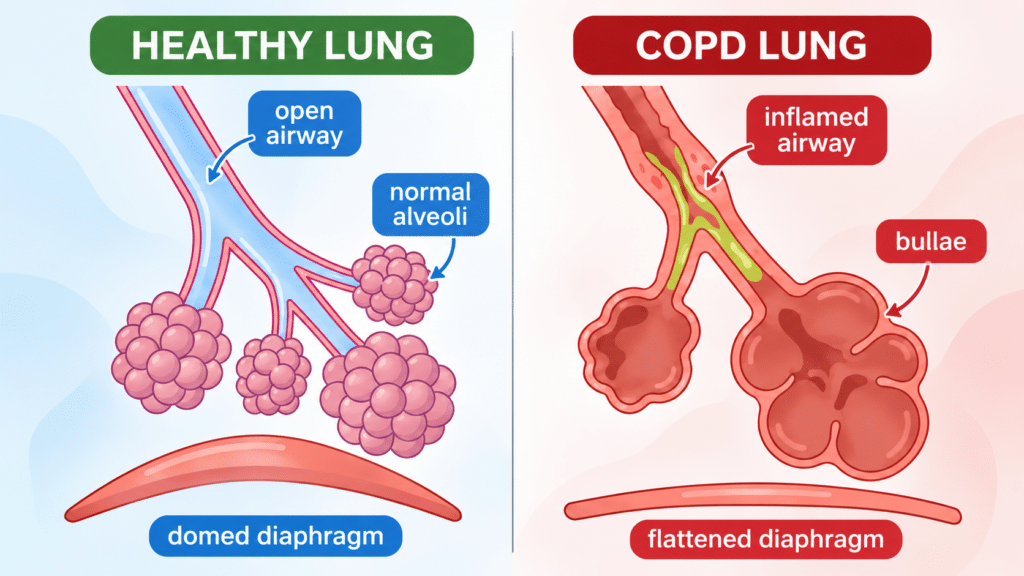
Chronic obstructive pulmonary disease is a long-term respiratory condition characterised by persistent airflow obstruction.
It develops when damage and inflammation within the lungs make it difficult for air to move freely through the airways, particularly during exhalation.
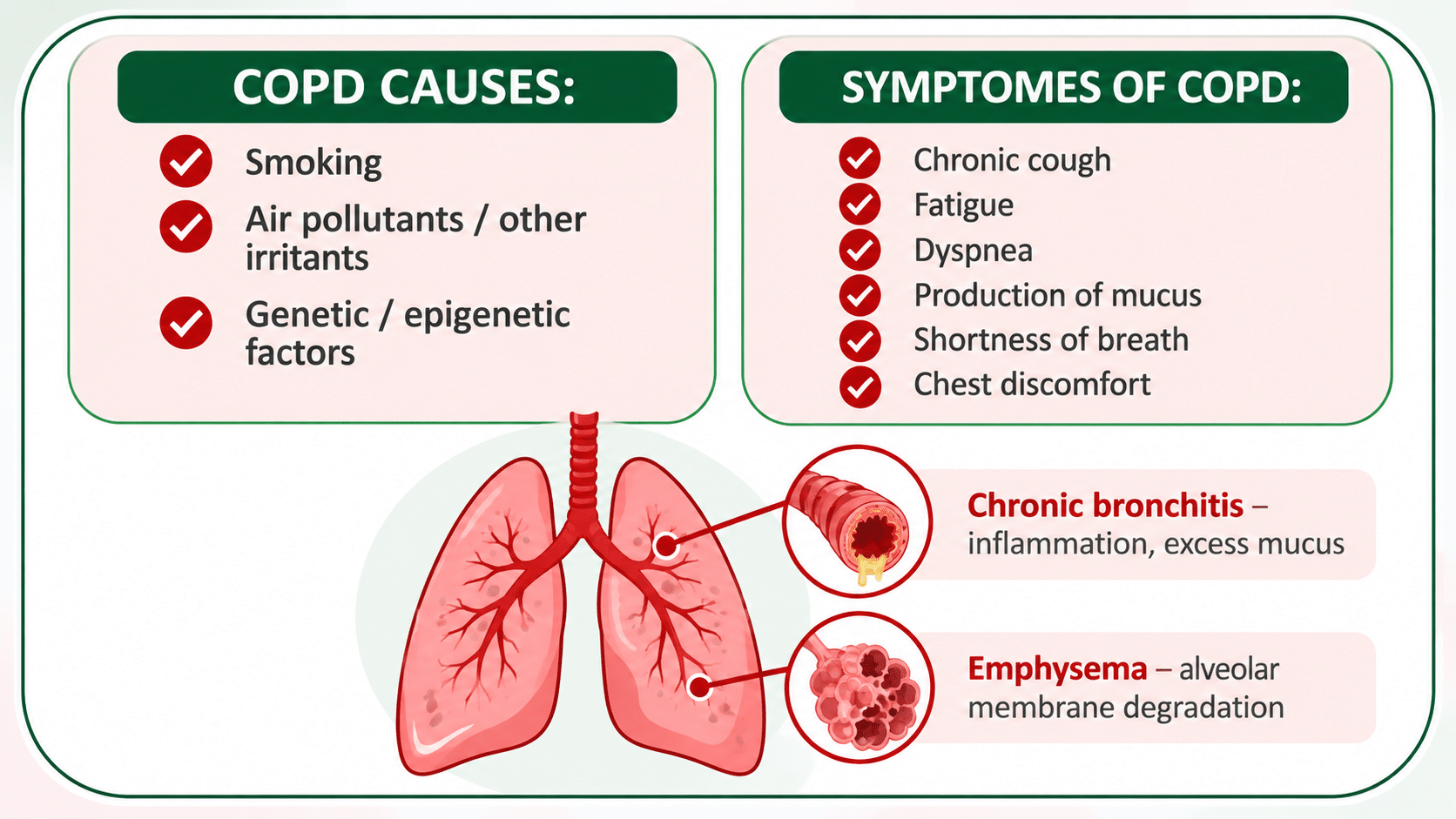
COPD commonly involves two related conditions: emphysema and chronic bronchitis.
Emphysema damages the tiny air sacs, known as alveoli, where oxygen enters the bloodstream and carbon dioxide is removed.
Chronic bronchitis involves persistent airway inflammation and increased mucus production, contributing to coughing and breathing difficulties.
These conditions frequently overlap.
Unlike temporary respiratory illnesses, COPD generally develops gradually and can worsen over time.
Although existing lung damage cannot usually be reversed, appropriate treatment can reduce symptoms, help prevent flare-ups and improve everyday functioning.
According to the World Health Organization, COPD was responsible for approximately 3.4 million deaths worldwide in 2023, making it the third leading cause of death globally.
These figures demonstrate why COPD deserves greater public attention, particularly when many people remain unaware that their breathing difficulties could indicate a chronic respiratory condition.
Recognising the Early Warning Signs of COPD
One of the challenges surrounding COPD is that its symptoms often develop slowly.
Someone who becomes breathless climbing stairs might attribute the problem to ageing, reduced fitness or being overweight.
A persistent morning cough may be dismissed as an ordinary smoker’s cough.
However, these symptoms can indicate underlying lung disease.
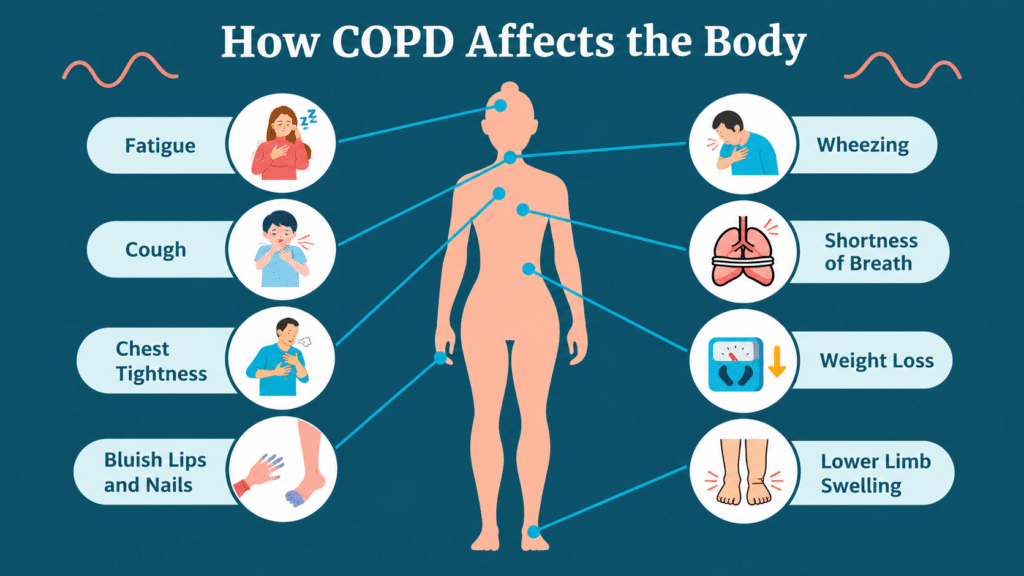
Common COPD warning signs include:
- Persistent coughing, sometimes accompanied by mucus.
- Shortness of breath during physical activity.
- Wheezing or noisy breathing.
- Frequent chest infections.
- Unusual tiredness or reduced stamina.
- Taking longer than expected to recover from respiratory infections.
As COPD progresses, breathlessness may occur during increasingly simple activities.
Someone who previously enjoyed gardening might begin avoiding it because of the physical effort involved. Others may find that showering, dressing or walking around their home requires frequent breaks.
These changes deserve medical attention rather than being accepted as an unavoidable part of getting older. Lung Foundation Australia encourages people experiencing persistent respiratory symptoms to seek medical assessment.
Importantly, COPD cannot be diagnosed reliably from symptoms alone. A lung function test called spirometry is needed to confirm persistent airflow obstruction.
What Causes COPD?
COPD develops when the lungs experience long-term damage and inflammation. Although smoking is the leading cause, several other factors can contribute to the condition.
Smoking: The Leading Cause
Smoking remains the leading cause of COPD in Australia and other high-income countries. However, COPD is not exclusively a smoking-related disease, and focusing only on smoking can overlook other important risks.
Other Factors That Can Contribute to COPD
Second-Hand Smoke
Long-term exposure to tobacco smoke from other people can contribute to lung damage, even in individuals who have never smoked themselves.
Workplace Dust and Chemical Fumes
Repeated exposure to airborne dust, fumes and other respiratory irritants can increase COPD risk. Occupational exposure may occur in construction, mining, manufacturing and agriculture.
Air Pollution
Long-term exposure to polluted air can contribute to respiratory damage. Both outdoor pollution and indoor airborne contaminants may be relevant.
Respiratory Problems Earlier in Life
Respiratory illnesses and other factors affecting lung development earlier in life may increase susceptibility to COPD in adulthood.
Inherited Genetic Conditions
A rare inherited condition called alpha-1 antitrypsin deficiency can increase the risk of developing COPD, including in people who have never smoked.
COPD Can Affect People Who Have Never Smoked
Describing COPD simply as a smoker's disease can create misconceptions about who is at risk.
These assumptions may discourage people from discussing their symptoms or seeking medical assessment.
Recognising the different causes of COPD helps encourage earlier diagnosis, greater understanding and more supportive conversations.
Why Early Diagnosis Matters on World COPD Day 2026
The theme of World COPD Day 2026 places particular emphasis on identifying COPD before significant respiratory difficulties develop.
There is good reason for this focus.
COPD frequently remains undiagnosed until symptoms begin interfering with daily activities. By that stage, some lung damage may already have occurred.
Earlier diagnosis creates opportunities to address risk factors, introduce appropriate medication and establish strategies for managing symptoms.
For people who smoke, quitting is among the most important steps for slowing further lung damage. Treatment may also include inhaled bronchodilators, pulmonary rehabilitation, vaccinations and individualised exercise recommendations.
Pulmonary rehabilitation combines supervised exercise, education and self-management strategies to help people improve their physical capacity and confidence. It can be particularly valuable for someone who has reduced their activity because they fear becoming breathless.
The objective is not simply to improve breathing measurements.
It is to help people continue participating in ordinary activities, maintaining relationships and enjoying greater independence.
This reflects the central message of World COPD Day: earlier recognition and appropriate management can make a meaningful difference to everyday life.
Understanding COPD Flare-Ups and Respiratory Emergencies
People living with COPD may experience periods when their usual respiratory symptoms suddenly become worse. Recognising these changes can help determine when additional treatment or emergency assistance is needed.
What Is a COPD Flare-Up?
A COPD flare-up, also called an exacerbation, occurs when a person's usual respiratory symptoms become noticeably worse. Some episodes can be managed through an established treatment plan, while others require urgent medical assessment or hospital treatment.
Common Signs of a COPD Flare-Up
Increased Breathlessness
Breathing becomes more difficult than usual, including during activities that are normally manageable.
More Frequent Coughing
A persistent cough may become more intense or occur more frequently.
Changes in Mucus Production
The amount, colour or thickness of mucus may change during an exacerbation.
Unusual Fatigue
The person may feel significantly more tired or struggle with activities they normally manage.
What Can Trigger a COPD Flare-Up?
Respiratory infections are common triggers. Exposure to airborne irritants can also contribute to worsening symptoms.
When Additional Treatment May Be Needed
Some COPD exacerbations can be managed by following a written treatment plan developed with a healthcare professional.
However, worsening symptoms may require prompt medical assessment, changes to prescribed treatment or hospital care.
The appropriate response depends on the severity of the symptoms and the person's individual medical circumstances.
Recognise a Respiratory Emergency
The following warning signs may indicate a serious or life-threatening deterioration:
Call immediately if someone has severe breathing difficulties, becomes unresponsive or shows signs of a life-threatening respiratory emergency.
Why a Written COPD Action Plan Matters
A written COPD action plan can help people recognise changes from their usual breathing pattern and understand when additional treatment or medical assistance is required.
The plan should be developed with a healthcare professional and reflect the person's individual condition and treatment needs.
Family members, carers and disability support workers should understand the person's usual respiratory condition and know how to respond when symptoms deteriorate.
When COPD Requires More Advanced Respiratory Support
Not everyone with COPD requires specialised breathing equipment. Many people manage their condition through medication, pulmonary rehabilitation and regular medical reviews.
However, some individuals with advanced disease develop respiratory complications that require additional support.
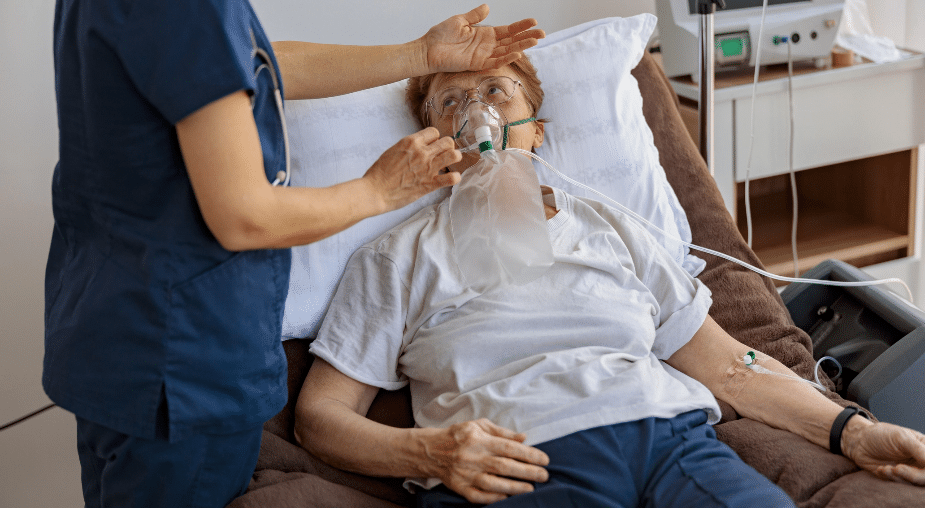
One complication is respiratory failure, which occurs when the lungs cannot maintain adequate oxygen levels, remove sufficient carbon dioxide or both. Depending on the person’s clinical condition, treatment may include supplemental oxygen or assisted ventilation.
These treatments serve different purposes.
Oxygen therapy increases the amount of oxygen available for breathing and may be prescribed for people with persistently low blood oxygen levels.
Ventilatory support assists the movement of air into and out of the lungs, helping support breathing and, where appropriate, the removal of carbon dioxide.
Some people with COPD benefit from non-invasive ventilation, particularly when their condition involves persistent carbon dioxide retention. Treatment decisions depend on specialist assessment and should never be based solely on a diagnosis of COPD.
What Is Non-Invasive Ventilation?
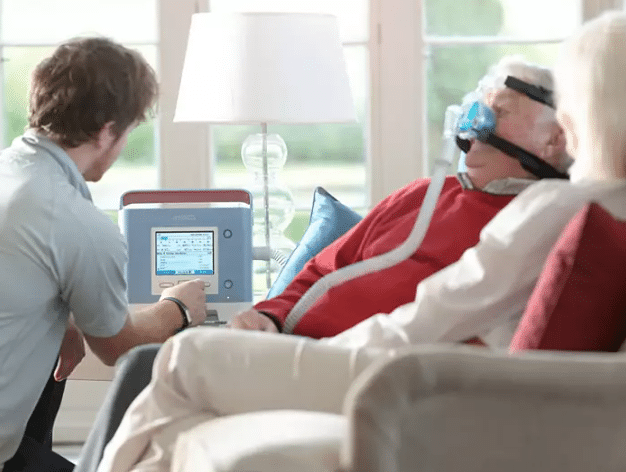
Non-invasive ventilation delivers breathing assistance through a fitted mask rather than a tube inserted into the airway.
One commonly used method is bilevel positive airway pressure, often called BiPAP. This provides different levels of air pressure during inhalation and exhalation, helping reduce the effort required to breathe.
For selected people with severe COPD and chronic respiratory failure, non-invasive ventilation may form part of ongoing treatment at home. Other patients may require invasive ventilation through a tracheostomy, although this is not a routine treatment for COPD.
The appropriate equipment, settings and monitoring arrangements must be determined by qualified healthcare professionals.
COPD, Disability and the Importance of Individualised Support
Living with a chronic respiratory condition can affect much more than physical health. Persistent breathlessness may limit employment, social activities, household responsibilities and community participation.
Some people also experience anxiety associated with breathing difficulties, particularly after a severe exacerbation or hospital admission. For those with substantial functional limitations, daily assistance may become increasingly important.
In Australia, some people with severe respiratory-related disability may be eligible for support through the National Disability Insurance Scheme (NDIS). However, COPD itself does not automatically establish NDIS eligibility. Eligibility depends on the scheme’s requirements, including the nature and permanence of a person’s impairment and its effect on everyday functioning. For eligible participants who require specialised respiratory assistance, individualised support arrangements can help them receive appropriate care in their homes and communities. This may include assistance with prescribed ventilation equipment when the support falls within the participant’s approved arrangements.
The emphasis should remain on the person’s individual needs, preferences and independence rather than simply managing their medical condition.
The Role of NDIS Ventilator Support Workers
Supporting someone who relies on a ventilator involves responsibilities beyond those associated with general personal care. Ventilation equipment may require careful preparation, monitoring and routine maintenance in accordance with the participant’s clinical support plan. Workers must also recognise equipment problems, changes in breathing and circumstances requiring urgent assistance.
The NDIS Quality and Safeguards Commission identifies ventilator management as a high-intensity daily personal activity.
Its practice standards emphasise that participants requiring ventilator management should receive support appropriate to their individual needs and the equipment they use. Workers must receive training relevant to the participant’s ventilation requirements, including how to respond to incidents and emergencies. This is particularly important because ventilators, interfaces and respiratory support arrangements can differ considerably between individuals. A worker familiar with one participant’s equipment should not automatically assume they are competent to manage another person’s ventilation system.
Training, supervision and participant-specific competency assessment are essential components of safe support.

Why Specialised Ventilator Support Training Matters
For disability support workers, understanding the practical requirements of ventilator assistance is an important part of delivering safe, respectful care.
Specialised education, including NDIS ventilator support training, can introduce workers to ventilation equipment, respiratory support principles and the responsibilities associated with high-intensity care. First Aid Pro includes tracheostomy and ventilator support within its High Intensity Support Skills training options.
However, general course participation must be distinguished from the participant-specific training and competency requirements described by the NDIS Commission. Workers must be appropriately trained in the actual equipment, procedures, risks and emergency responses relevant to the person they support.
This knowledge helps workers follow clinical instructions, recognise potential problems and communicate effectively with supervising health practitioners.
It also supports a broader principle of disability care: providing necessary assistance while respecting the participant’s choices, dignity and right to participate in decisions about their support.
Living Well With COPD: Beyond Medical Treatment
Although COPD can be a serious condition, a diagnosis does not mean someone must abandon the activities that matter to them. With appropriate management, many people continue working, travelling, exercising and participating in community life.
Regular medical reviews can help identify changes in symptoms and determine whether treatment adjustments are necessary.
Remaining physically active within individual capabilities can also help maintain strength and endurance. Other important measures include avoiding tobacco smoke, reducing exposure to respiratory irritants and keeping recommended vaccinations up to date.
Emotional wellbeing deserves attention too.
Breathlessness can be frightening, particularly for someone who has experienced repeated respiratory emergencies. Supportive conversations, appropriate mental health care and access to pulmonary rehabilitation can help people manage the emotional effects of chronic respiratory disease.
For those requiring daily assistance, reliable support workers and well-coordinated healthcare services can make a substantial difference.
Sometimes independence means performing an activity without assistance. At other times, it means having the right support available to participate safely. Both deserve recognition.
World COPD Day 2026: Awareness That Makes a Difference
World COPD Day provides an opportunity to challenge misconceptions about chronic respiratory disease. It reminds us that persistent coughing and breathlessness should not automatically be dismissed as signs of ageing or poor fitness. It also encourages greater understanding of the challenges faced by people whose respiratory conditions require ongoing medical treatment or specialised assistance.
For healthcare professionals, disability support workers, families and the wider community, awareness begins with recognising symptoms and understanding the importance of appropriate care.
The message behind World COPD Day 2026 is ultimately one of possibility.
Although COPD cannot currently be cured, earlier diagnosis, effective treatment and well-coordinated support can help people manage their symptoms and maintain a better quality of life.
And for individuals with complex respiratory needs, having knowledgeable people around them can provide something equally valuable: greater confidence, dignity and independence in everyday living.
Related Reading
- Global Initiative for Chronic Obstructive Lung Disease (GOLD) – World COPD Day 2026
Official information about World COPD Day, its 2026 theme and the importance of early diagnosis. - World Health Organization (WHO) – Chronic Obstructive Pulmonary Disease (COPD)
Evidence-based information about COPD symptoms, causes, diagnosis, treatment and global disease burden. - Lung Foundation Australia – COPD Symptoms and Flare-Ups
Australian guidance on recognising COPD symptoms, identifying exacerbations and managing breathlessness. - NDIS Quality and Safeguards Commission – High Intensity Support Skills Descriptors
Guidance outlining the knowledge, practical skills and participant-specific training expectations for ventilator support workers. - NDIS Quality and Safeguards Commission – High Intensity Daily Personal Activities Practice Standards
Regulatory guidance covering individualised ventilator management, worker training, clinical oversight and emergency planning. - First Aid Pro – High Intensity Support Skills Training
Information about First Aid Pro’s high-intensity support training options, including tracheostomy and ventilator support.
FAQs
When is World COPD Day 2026?
World COPD Day 2026 takes place on Wednesday, 18 November. This year’s theme is ‘Early Diagnosis and Management for a Better Life’, highlighting the importance of recognising COPD symptoms and accessing appropriate treatment.
What are the first signs of COPD?
Early COPD symptoms commonly include persistent coughing, increased mucus production, breathlessness during physical activity, wheezing and unusual tiredness. Anyone experiencing ongoing respiratory symptoms should seek medical assessment.
Can someone with COPD live a normal life?
Many people with COPD maintain active, fulfilling lives through appropriate medication, pulmonary rehabilitation, lifestyle adjustments and regular medical care. Individual outcomes depend on disease severity, other health conditions and treatment response.
Do people with COPD need a ventilator?
Most people with COPD do not require ventilatory support. However, some individuals with advanced disease and respiratory failure may benefit from non-invasive ventilation or other specialised respiratory assistance following medical assessment.
Why is ventilator support training important for NDIS workers?
Ventilator support training helps disability support workers understand specialised respiratory equipment, recognise potential problems and follow individual support plans. Workers must also receive participant-specific training and demonstrate the competencies required for the support they provide.