




Sharon has 21+ years of experience as a qualified Emergency Care Nurse registered with the Australian Health Practitioner Regulation Agency (APHRA) and 12+ years as a First Aid Trainer.
She takes pride in FirstAidPro making first aid training available, comprehensive and affordable to everybody.
Key Takeaways
- HLTAID009 is CPR only. You learn to recognise an emergency, how to perform Cardiopulmonary Resuscitation (CPR) on adults, children and infants, and use an AED.
- HLTAID011 is full first aid, and CPR is part of it. You also learn to manage common first aid emergencies such as bleeding, choking, asthma, anaphylaxis, fractures, shock and more.
- Time and cost: our CPR course runs 1 to 2 hours from $45. Our first aid course runs 2 to 5 hours from $97, depending on selected format.
- Renewal: the Australian Resuscitation Council (ARC) & Safe Work Australia model Code recommends a CPR refresher every year and first aid renewal every 3 years.
- The exception: education and care services have currency periods set in the National Regulations.
- Who needs which: choose HLTAID011 if you’ll be a workplace first aider. Choose HLTAID009 if your role asks for CPR only, or if you need to refresh CPR annually between first aid renewals.
- Our guide on how often to renew CPR covers refresher timing in more depth.
Which Course Do You Need? CPR Training vs First Aid
If you’re wondering about the difference between HLTAID009 and HLTAID011 courses, read on! If you’re going to be a nominated first aider at work, book a HLTAID011 Provide First Aid course. If your employer or role only asks for CPR, or you’re keeping CPR current between first aid renewals, book HLTAID009 Provide Cardiopulmonary Resuscitation (CPR). That’s the short answer.
The longer answer matters because the two courses are easy to mix up. You might book CPR training when your job needs first aid, or repeat a full first aid course when a short CPR refresher would do.
This guide is for you if you’re an individual, a job seeker, a parent or a manager choosing training for a team. We compare what each unit covers and how it’s assessed. We also cover how long each course takes, what it costs and how often to renew. You’ll finish with a simple decision guide so you can book the right course the first time.
HLTAID009 vs HLTAID011 at a Glance
Both units are nationally recognised and assessed against Australian Resuscitation Council (ARC) guidelines. The difference is scope: HLTAID009 is one skill set, while HLTAID011 is the complete first aid response with CPR built in. Use the table below for a side-by-side view.
| Feature | HLTAID009 Provide CPR | HLTAID011 Provide First Aid |
|---|---|---|
| What it covers | Recognising an emergency, CPR on adults, children and infants, AED use and incident reporting | A full first aid response to a casualty, including CPR, bleeding, choking, asthma, anaphylaxis, fractures and shock |
| Includes CPR? | Yes, CPR is the whole unit | Yes, CPR is a required performance criterion |
| Assessment | 2 minutes of CPR on an adult manikin on the floor, 2 minutes on an infant manikin, AED shock | The same CPR and AED tasks, plus managing listed conditions and at least one simulated incident |
| Duration (by format) | 2 hours face-to-face, 1.5 hours blended, 1 hour express | 5 hours face-to-face, 3 hours blended, 2 hours express |
| Cost (from) | From $45 | From $97 |
| Recommended renewal | CPR: annual refresher recommended; first aid: every 3 years recommended (SWA model Code). Employer or regulator rules may differ. | |
| Who typically needs it | Roles where your employer or licensing body asks for CPR only, and HLTAID011 holders refreshing CPR | Nominated workplace first aiders and anyone wanting broad first aid skills |
| Certificate | HLTAID009 Statement of Attainment | At First Aid Pro, statements for HLTAID009, HLTAID010 and HLTAID011 |
Prices and durations are as advertised by First Aid Pro in October 2026. They may change with daily deals, so check the course pages before you book. Certificates Issued Same Day* (T&Cs Apply).
What Is HLTAID009 Provide Cardiopulmonary Resuscitation?
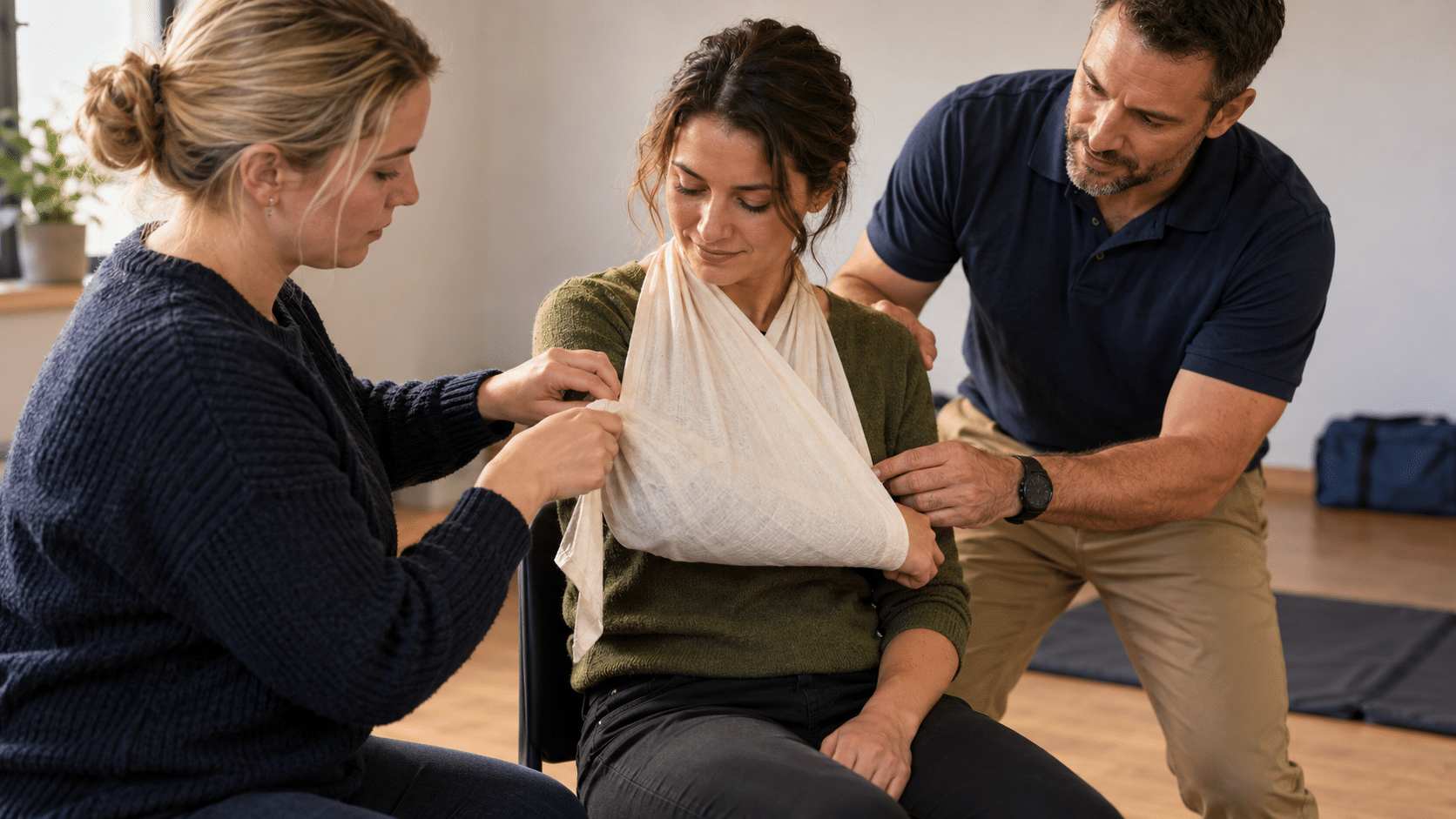
HLTAID009 is the national unit for CPR. It covers the skills and knowledge to perform CPR in line with ARC guidelines. It applies in community and workplace settings.
In an HLTAID009 course, you learn to:
- Recognise and respond to an emergency.
- Perform CPR on adults, children and infants.
- Operate an automated external defibrillator (AED) by following its prompts.
- Report the incident.
How HLTAID009 Is Assessed
The HLTAID009 assessment requirements on training.gov.au set the standard. You must perform at least 2 minutes of uninterrupted single-rescuer CPR on an adult manikin on the floor. That’s 5 cycles of compressions and breaths.
You’ll also perform 2 minutes of CPR on an infant manikin on a firm surface. Then you follow an AED’s prompts to deliver at least one shock. Because the adult manikin sits on the floor, you need to be physically able to kneel and do CPR there.
How We Deliver HLTAID009
We run HLTAID009 in several formats, so you can pick one that suits your week:
- Face-to-face (No Online): 2 hours in class, with no online workbook.
- Blended: online theory first, then a 1.5-hour practical session.
- Express: pre-class learning, then a 1-hour practical assessment.
- Zoom: a 1-hour session delivered online.
For more detail on the unit itself, read our guide to Australia’s CPR unit explained.
What Is HLTAID011 Provide First Aid?
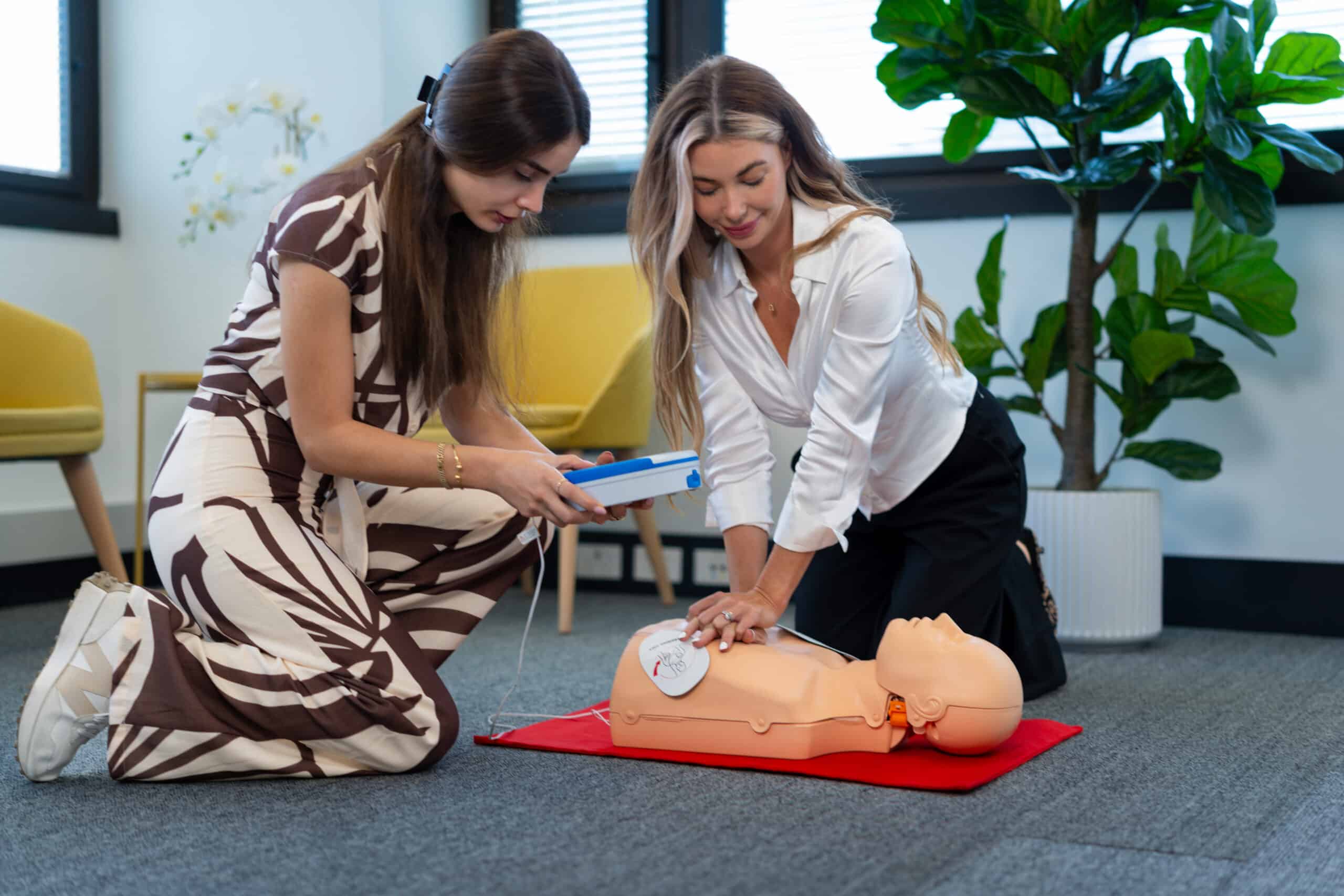
HLTAID011 is the broader unit. The HLTAID011 unit of competency describes the skills to provide a first aid response to a casualty. It follows guidelines from the ARC and other Australian national peak clinical bodies.
CPR sits inside this unit. Element 2.1 requires you to perform CPR in line with ARC guidelines. HLTAID011 replaced the older HLTAID003 Provide First Aid, and the two are not equivalent.
What HLTAID011 Adds Beyond CPR
The HLTAID011 assessment requirements include the same adult and infant CPR tasks and AED shock as HLTAID009. On top of that, you must show you can manage casualties with:
- Anaphylaxis
- Asthma
- Non-life-threatening bleeding
- Choking
- Envenomation, using pressure immobilisation
- Fractures, dislocations, sprains and strains
- Minor wounds needing cleaning and dressing
- Nosebleed
- Shock
You also respond to at least one simulated first aid incident. The knowledge content goes further again, covering conditions such as burns, diabetes, stroke and seizures.
That’s why the course takes longer. As a nurse, I’d describe CPR as the skill for the worst moment. First aid covers the far more common moments: the burn in the kitchen, the asthma attack at sport, the deep cut on a worksite.
What You Receive at First Aid Pro
At First Aid Pro, when you complete HLTAID011, we issue three Statements of Attainment: HLTAID009 Provide CPR, HLTAID010 Provide Basic Emergency Life Support and HLTAID011 Provide First Aid. This is how we package our course, so one booking covers your CPR and first aid at the same time. For a full breakdown of topics, see everything HLTAID011 covers.
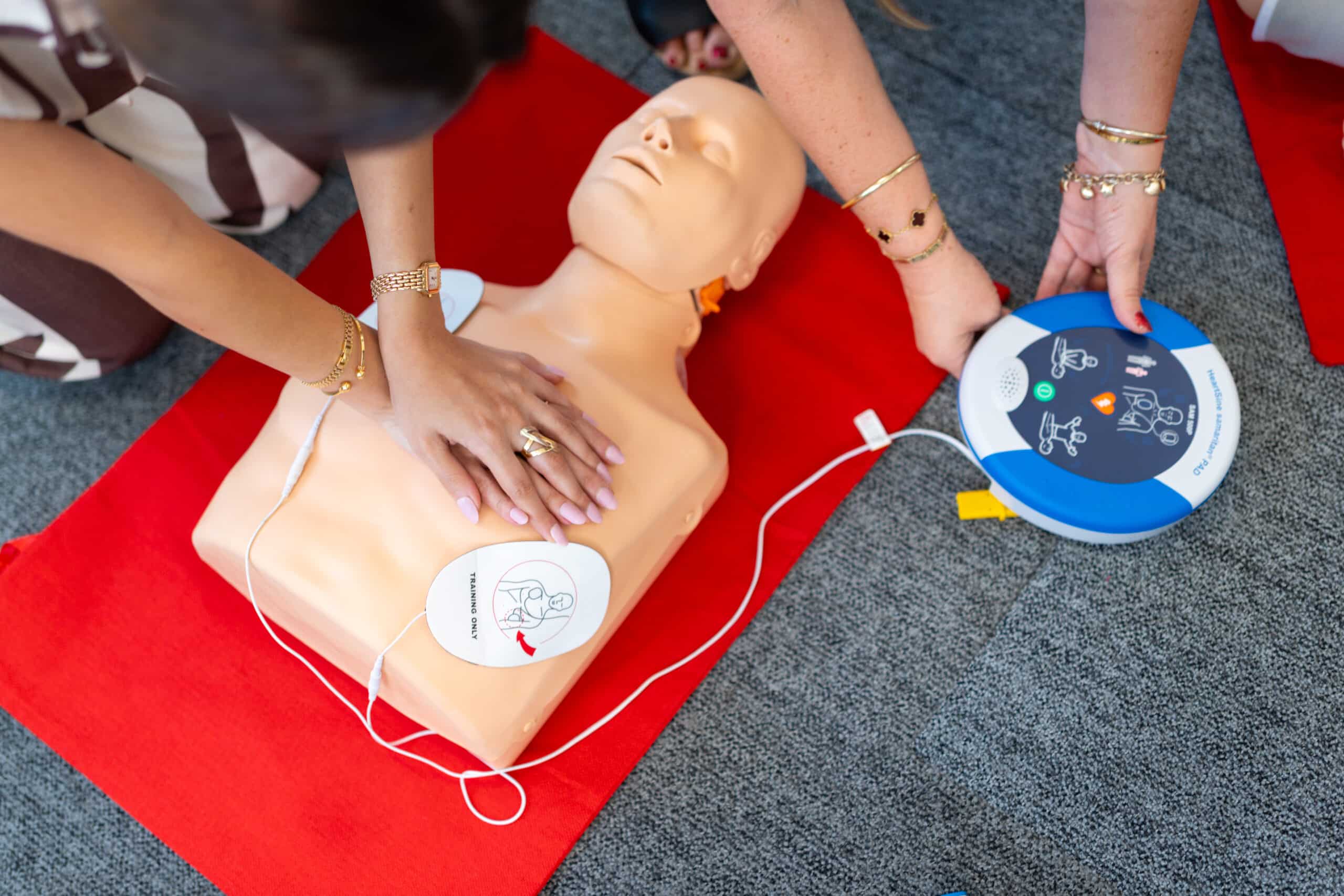
Duration and Cost Compared
Course length depends on the format you choose. The training.gov.au unit documents don’t set a course length, so each provider sets its own. Here’s how our formats compare, as advertised on our HLTAID009 course page and HLTAID011 course page:
- Face-to-face (No Online): CPR 2 hours, first aid 5 hours.
- Blended (online theory + practical): CPR 1.5 hours, first aid 3 hours.
- Express (online theory + practical – ideal for a renewal): CPR 1 hour, first aid 2 hours.
- Zoom (100% online): CPR 1 hour, first aid 2 hours.
Why First Aid Takes Longer
HLTAID011 includes every CPR task in HLTAID009. It then adds nine casualty conditions and a simulated incident. Each of those needs hands-on practice, such as applying a pressure immobilisation bandage for a snake bite.
If you’d rather not do any online work, choose face-to-face (No Online). You’ll get pre-class reading and quizzes to prepare, then complete everything in the room with our trainers. If you want less time in class, blended or express formats move the theory online beforehand.
Cost Logic: You Don’t Need Both at Once
Our CPR courses start from $45 and our first aid courses start from $97. Prices and durations are as advertised on those course pages in October 2026 and may change with daily deals. Zoom delivery is priced differently.
This is where you can save time and money. Because HLTAID011 already covers the CPR content, you don’t need to book HLTAID009 and HLTAID011 together. Book HLTAID011 once, then add a short HLTAID009 refresher in the years in between.
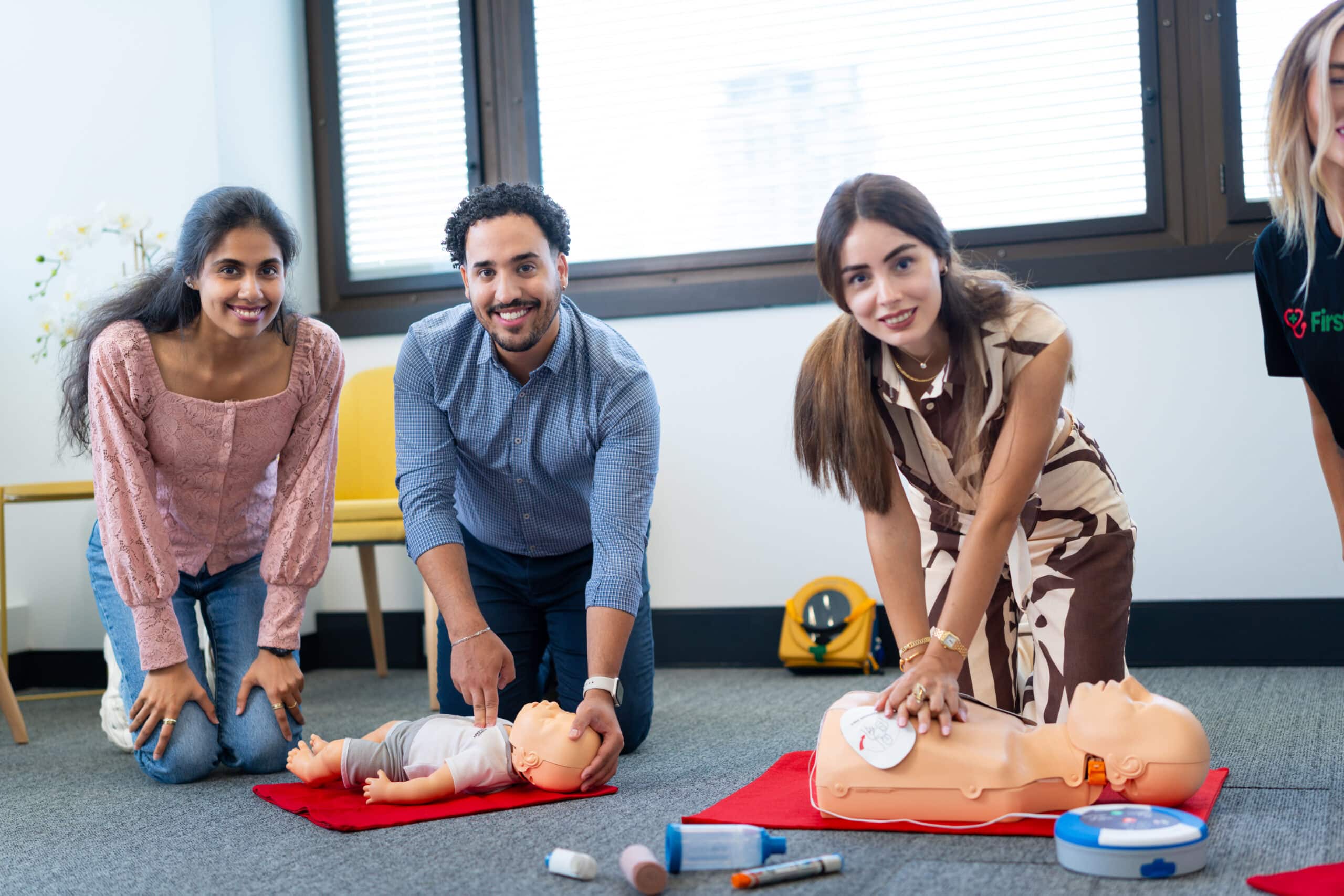
Renewal: Why CPR and First Aid Run on Different Clocks
First, a point that surprises many people: neither unit has an expiry date set in law. The unit documents on training.gov.au say refresher requirements should come from your national, state or territory WHS regulator.
What Safe Work Australia Recommends
The Safe Work Australia model Code of Practice for first aid in the workplace sets the standard most employers follow. It says CPR refresher training should be undertaken annually. First aid qualifications should be renewed every three years.
The Code uses “should” to mean a recommended course of action. So this is a recommendation, not a legal deadline. Each state and territory adopts its own version, so check your local regulator and your employer’s policy.
What ANZCOR Says About CPR Skills
The Australian and New Zealand Committee on Resuscitation (ANZCOR) explains why CPR needs more frequent attention. ANZCOR Guideline 10.1 notes that CPR skills are known to deteriorate within weeks to months.
ANZCOR states that the optimal retraining interval has not been established. It suggests more frequent manikin-based refreshers may maintain competence better than standard 12 to 24 month intervals. That suggestion rests on weak, very-low-certainty evidence.
The takeaway: a yearly refresher is the recommended minimum, and extra practice between refreshers helps.
A Practical 3-Year Cycle
Here’s a simple way to keep both skills current:
- Year 0: complete HLTAID011 Provide First Aid.
- Year 1: complete an HLTAID009 CPR refresher.
- Year 2: complete another HLTAID009 CPR refresher.
- Year 3: complete HLTAID011 again, which refreshes CPR and first aid together.
This cycle lines up with the Safe Work Australia recommendation. It also means you only sit the longer course once every three years.
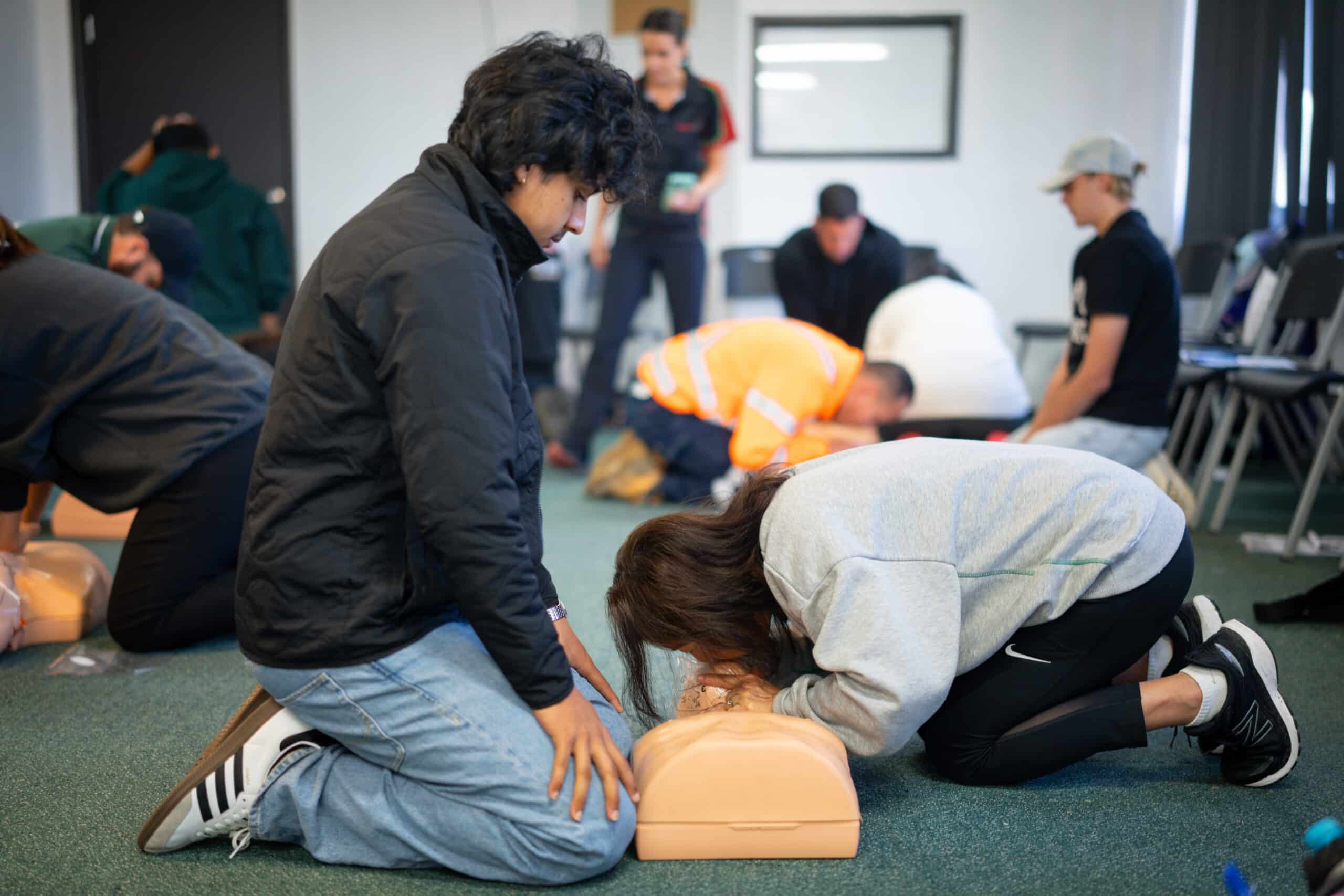
Who Needs Which Course?
The right unit depends on your role, your workplace and any industry rules. Here’s how it breaks down.
Workplace First Aiders: HLTAID011
Under WHS Regulation 42, a business must ensure an adequate number of workers are trained to administer first aid. The regulation doesn’t name a specific unit. Instead, the business must consider the nature of the work and hazards, the size and location of the workplace, and the number of workers.
The model Code recommends first aiders hold nationally recognised training from an RTO. Most workplaces choose HLTAID011 for designated first aiders. The Code also recommends these ratios:
- Low-risk workplaces (offices, shops, libraries): 1 first aider for every 50 workers.
- High-risk workplaces: 1 first aider for every 25 workers.
- High-risk workplaces without timely access to medical and ambulance services: at least 1 first aider for every 10 workers.
These ratios are recommendations, not law. Check your state or territory regulator for local rules.
CPR-Only Roles and Refresh Years: HLTAID009
HLTAID009 suits roles where your employer or licensing body asks for CPR only. It’s also the course for HLTAID011 holders refreshing CPR between full renewals. Don’t assume CPR alone meets a workplace first aider role, though; confirm with your employer or regulator.
Childcare and Education Settings: Check ACECQA Rules
In education and care services, currency periods are set in the National Regulations. According to ACECQA’s first aid qualification requirements, at least one staff member or nominated supervisor must hold a current approved first aid qualification.
From 1 October 2023, approved first aid must be completed within the previous 3 years. CPR and emergency life support training must be completed within the previous year.
HLTAID012 Provide First Aid in an Education and Care Setting is designed for this setting. Check ACECQA’s approved list by course name and code before you book. Our HLTAID012 education and care guide explains what HLTAID012 covers.

Higher-Risk and Remote Workplaces
If your role is higher-risk or remote, check with your employer whether a more advanced unit is required.
A Checklist for Managers
If you’re choosing training for a team, work through these steps:
- List your hazards, workplace size, location and number of workers.
- Check your state or territory regulator’s first aid code.
- Decide how many first aiders you need, using the recommended ratios as a guide.
- Book HLTAID011 for your nominated first aiders.
- Book HLTAID009 for staff who only need CPR, and for annual CPR refreshers.
- Record completion dates so refreshers don’t slip.
How to Choose: A 4-Question Decision Guide
Answer these four questions in order. Stop at the first one that gives you a clear answer.
- Does your employer or role specify a unit? If yes, book that exact unit. A job ad, induction pack or licence condition may name the code.
- Will you be a nominated workplace first aider? If yes, book HLTAID011. It covers CPR and the wider first aid response you’ll be expected to give.
- Do you work in education and care? If yes, check ACECQA’s approved list and look at HLTAID012 Provide First Aid in an Education and Care Setting. Remember your CPR must be within the previous year.
- Is your HLTAID011 still within 3 years, and you only need CPR refreshed? If yes, book HLTAID009. It’s shorter, costs less and keeps your CPR current.
If none of these apply and you’re training for personal confidence, either course works. HLTAID009 gives you the most critical skill in 1 to 2 hours. HLTAID011 prepares you for the everyday injuries and illnesses you might see at home, at sport or on the road.

Book Your CPR or First Aid Course Today!
Our trainers run nationally accredited CPR and first aid courses 7 days a week, with certificates issued on the same day* (T&Cs Apply). We have venues Australia-wide, including central CBD venues in Adelaide, Brisbane, Sydney, Melbourne, Hobart, Canberra, Darwin & Perth, plus regional locations.
- Book express CPR training, with pre-class learning and a 1-hour practical assessment.
- Browse all our no-online face-to-face first aid courses, and online options, including HLTAID009 Provide CPR from $45 & HLTAID011 Provide First Aid from $97.
- Choose face-to-face (No Online), blended, express or 100& online delivery.
- Have your 10-character Unique Student Identifier (USI) ready when you enrol.
Ready to get certified? Explore our locations across Australia or find a CPR or First Aid Course near you and book a course today.
Frequently Asked Questions
What is the difference between CPR and first aid?
CPR is one emergency skill: keeping blood and oxygen moving when someone is unresponsive and not breathing normally. First aid is the wider response to any injury or illness, such as bleeding, burns, asthma and anaphylaxis. In national training terms, HLTAID009 covers CPR only, while HLTAID011 covers first aid with CPR included.
Does HLTAID011 include HLTAID009?
The HLTAID011 unit on training.gov.au includes CPR as a required performance criterion, with the same CPR and AED assessment tasks as HLTAID009. At First Aid Pro, we issue HLTAID009, HLTAID010 and HLTAID011 Statements of Attainment together when you complete our HLTAID011 course. Other providers may package their courses differently, so check what you’ll receive.
How long does a CPR certificate last in Australia?
No Australian law sets an expiry date on an HLTAID009 Statement of Attainment. The Safe Work Australia model Code of Practice recommends CPR refresher training every year, and most employers follow that. In education and care services, currency periods are set in the National Regulations, which require CPR training within the previous year.
Do I need HLTAID009 if I already have HLTAID011?
Not when you first complete HLTAID011, because it already covers CPR. You’ll need HLTAID009 later, when your CPR is due for its recommended annual refresher under the Safe Work Australia model Code. It’s a shorter, lower-cost way to stay current until your first aid is due again at 3 years.
Which first aid course do I need for work?
WHS Regulation 42 requires businesses to train an adequate number of workers in first aid, but it doesn’t name a unit. Most workplaces choose HLTAID011 for nominated first aiders, following the Safe Work Australia model Code. Ask your employer which code they need, and check your state or territory regulator for local rules.
Is HLTAID011 enough for childcare?
ACECQA requires education and care services to have staff holding a current approved first aid qualification. HLTAID012 Provide First Aid in an Education and Care Setting is designed for this sector, and your CPR must be completed within the previous year.