




Sharon has 21+ years of experience as a qualified Emergency Care Nurse registered with the Australian Health Practitioner Regulation Agency (APHRA) and 12+ years as a First Aid Trainer.
She takes pride in FirstAidPro making first aid training available, comprehensive and affordable to everybody.
The White Card test is a multiple choice assessment that evaluates your knowledge of construction site safety across five core areas: WHS legislation, hazard identification, risk control, emergency procedures, and PPE requirements. It’s completed during your CPCWHS1001 training day, not as a separate exam.
If you’re wondering exactly what questions come up and how to prepare, you’re in the right place. This guide covers the topics tested, sample questions with answers, the test format, and practical tips to help you pass on your first attempt.
Key Takeaways
- The White Card test (CPCWHS1001) covers five primary categories: WHS legislation, hazard identification, PPE and signage, emergency procedures, and manual handling.
- Common questions ask about duty of care, the hierarchy of control, safety sign meanings, and correct emergency response steps.
- The assessment includes written multiple choice questions, a verbal component, and a practical PPE demonstration.
- Paying attention during face-to-face training is the most effective preparation—most people pass on their first attempt.
- After passing, you receive a Statement of Attainment and can apply for your nationally recognised White Card.
- FirstAidPro delivers SafeWork-approved White Card courses with same-day card issuance in South Australia.
What Topics Are Covered on the White Card Test
The White Card test evaluates your safety knowledge across five primary categories required for the CPCWHS1001 unit. These categories reflect the skills you’ll use daily on Australian construction sites—from understanding your legal responsibilities to spotting hazards before they cause harm.
Everything you’re tested on gets covered during your training day, so there are no surprises if you’re paying attention.
WHS Legislation and Duty of Care
Work Health and Safety (WHS) legislation sets out the legal framework protecting everyone on a construction site, with penalties as severe as up to 20 years in prison for industrial manslaughter in South Australia. Your trainer will explain how WHS laws apply to workers, supervisors, and employers.
Duty of care is a key concept you’ll encounter. It means every person on site—regardless of role—has a legal obligation to take reasonable care for their own safety and the safety of others. Questions often ask you to identify who holds responsibility in different scenarios, or what actions demonstrate duty of care.
Hazard Identification and Risk Assessment
Construction sites present a wide range of hazards, from falling objects and uneven surfaces to electrical dangers. The test checks whether you can recognise hazards and understand how to control them.
A central concept here is the hierarchy of control, which ranks risk control measures from most to least effective:
- Elimination – Remove the hazard entirely
- Substitution – Replace the hazard with something safer
- Isolation – Separate people from the hazard
- Engineering controls – Use physical barriers or equipment
- Administrative controls – Change work procedures or provide training
- PPE – Personal protective equipment as a last line of defence
You may be shown an image of a worksite and asked to identify specific hazards or select the correct control measure. Memorising this hierarchy in order is one of the most useful things you can do before your assessment.

Personal Protective Equipment and Safety Signage
PPE questions test whether you know which equipment is required for different tasks:
- Hard hat – Protects against falling objects
- High-visibility vest – Ensures machinery operators can see you
- Safety boots – Steel-capped footwear to protect feet
- Safety glasses – Shields eyes from dust and debris
- Hearing protection – Earplugs or earmuffs for noisy environments
Safety signage is equally important. You’ll be expected to recognise what different sign colours and shapes mean:
Sign Colour | Shape | Meaning |
Red | Circle with diagonal line | Prohibition (do not do this) |
Blue | Circle | Mandatory action required |
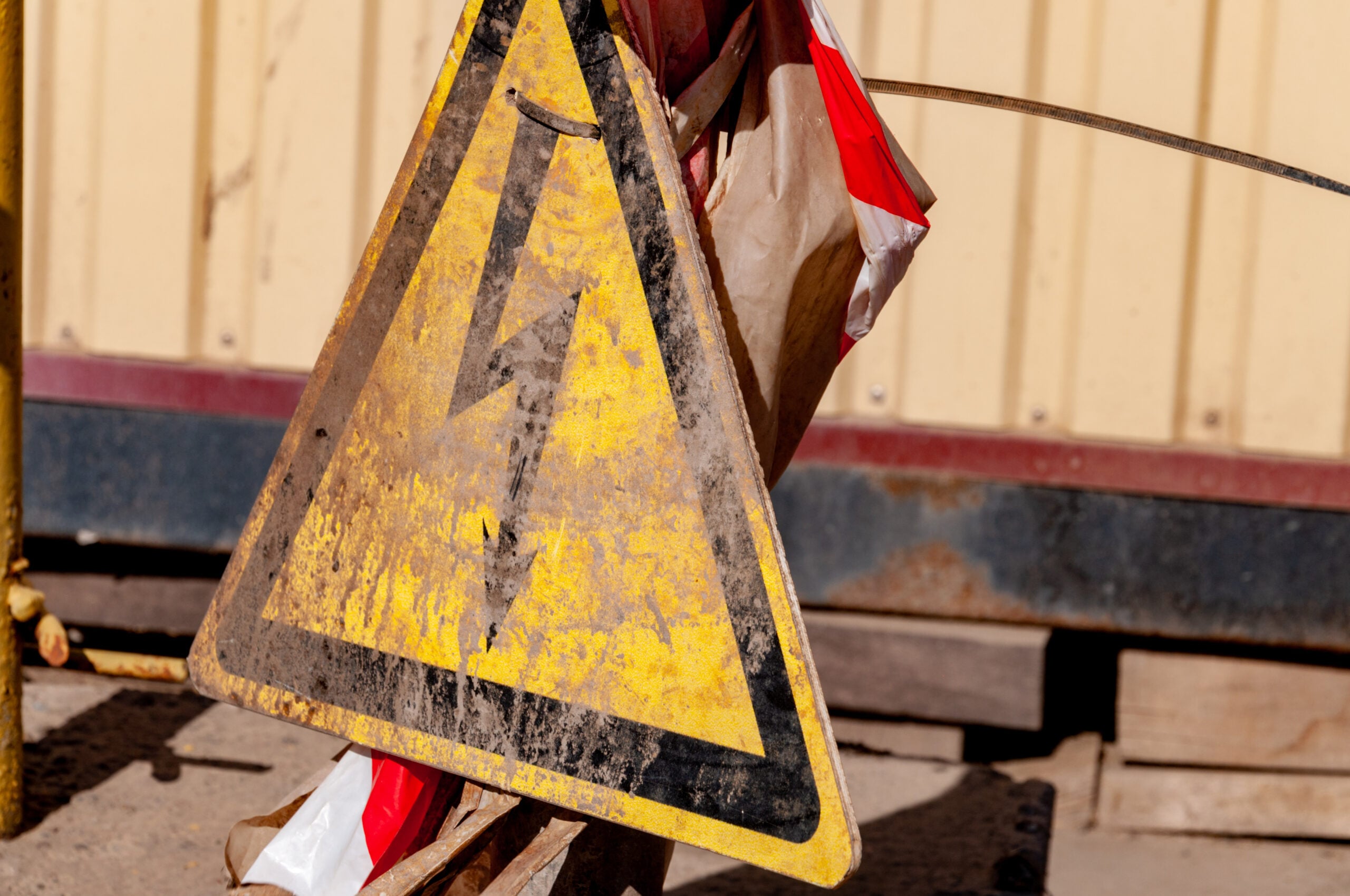
Yellow | Triangle | Warning or caution |
Green | Rectangle | Safe condition or first aid |
Emergency Procedures and Incident Reporting
The test includes questions about what to do when something goes wrong. You’ll cover evacuation procedures, assembly points, and how to respond to emergencies such as fires or injuries.
Incident reporting is another common topic. Questions may ask who you report workplace injuries to (typically your supervisor), what information to include in an incident report, and why reporting matters even for near-misses.
Manual Handling and Working at Heights
Safe lifting techniques appear regularly in White Card assessments, reflecting that body stressing accounts for 34.5% of all serious workplace claims nationally. You’ll learn about body mechanics—keeping your back straight, bending at the knees, and holding loads close to your body.
Working at heights awareness covers the basics of fall prevention, including guardrails, harnesses, and safe access equipment. While you won’t become a heights specialist from this course, you’ll understand enough to recognise unsafe practices.
Sample White Card Test Questions and Answers
Here are example questions similar to what you might encounter during your assessment.
White Card Test Format and Structure
The White Card assessment is completed during your training day, not as a separate take-home exam. Most RTOs structure the assessment in three parts:
- Written assessment: Multiple choice and short answer questions covering WHS legislation, hazard identification, emergency procedures, and PPE requirements
- Verbal assessment: Your trainer asks you to explain safety concepts in your own words
- Practical demonstration: You may be asked to identify hazards in a scenario or demonstrate correct PPE selection
The written component typically takes 30 to 45 minutes to complete. The verbal and practical components are brief and conversational.
How Hard Is the White Card Test
The White Card test is designed to confirm understanding, not to trick you. If you pay attention during the training session and engage with the material, you’ll have everything you need to pass.
Most people find the assessment straightforward. The questions directly reflect what’s covered in the course, and your trainer will clarify any concepts you’re unsure about before the assessment begins.
Tip: If you’re feeling nervous, remember that your trainer wants you to succeed. Ask questions during the session if anything is unclear.
How to Study for the White Card Test
While face-to-face training covers everything you'll be assessed on, a little preparation can boost your confidence.

Why People Fail the White Card Test and How to Avoid It
Failure is uncommon, but it does happen. Here are the most common reasons:
Skipping the pre-course reading
Pre-reading builds foundational knowledge that makes the training day easier to follow. Without it, you may struggle to keep up with new concepts.
Misreading multiple choice questions
Read each question carefully and check all options before selecting your answer. Some questions include “all of the above” options that are easy to miss if you’re rushing.
Confusing the hierarchy of control
This is one of the most commonly tested topics. Remember: elimination comes first, PPE comes last.
Underestimating the verbal assessment
The verbal component requires you to explain concepts in your own words. Simply recognising the correct answer on paper isn’t enough—you’ll want to articulate why it’s correct.
Tips to Pass the White Card Test First Time
A good night's sleep makes a noticeable difference to concentration.
Writing things down helps reinforce memory.
Clarifying a concept during training is far better than guessing during the assessment.
Even a quick five-minute review can solidify key points.
The more actively you participate, the more you'll retain.
How to Get the White Card After Passing the Test
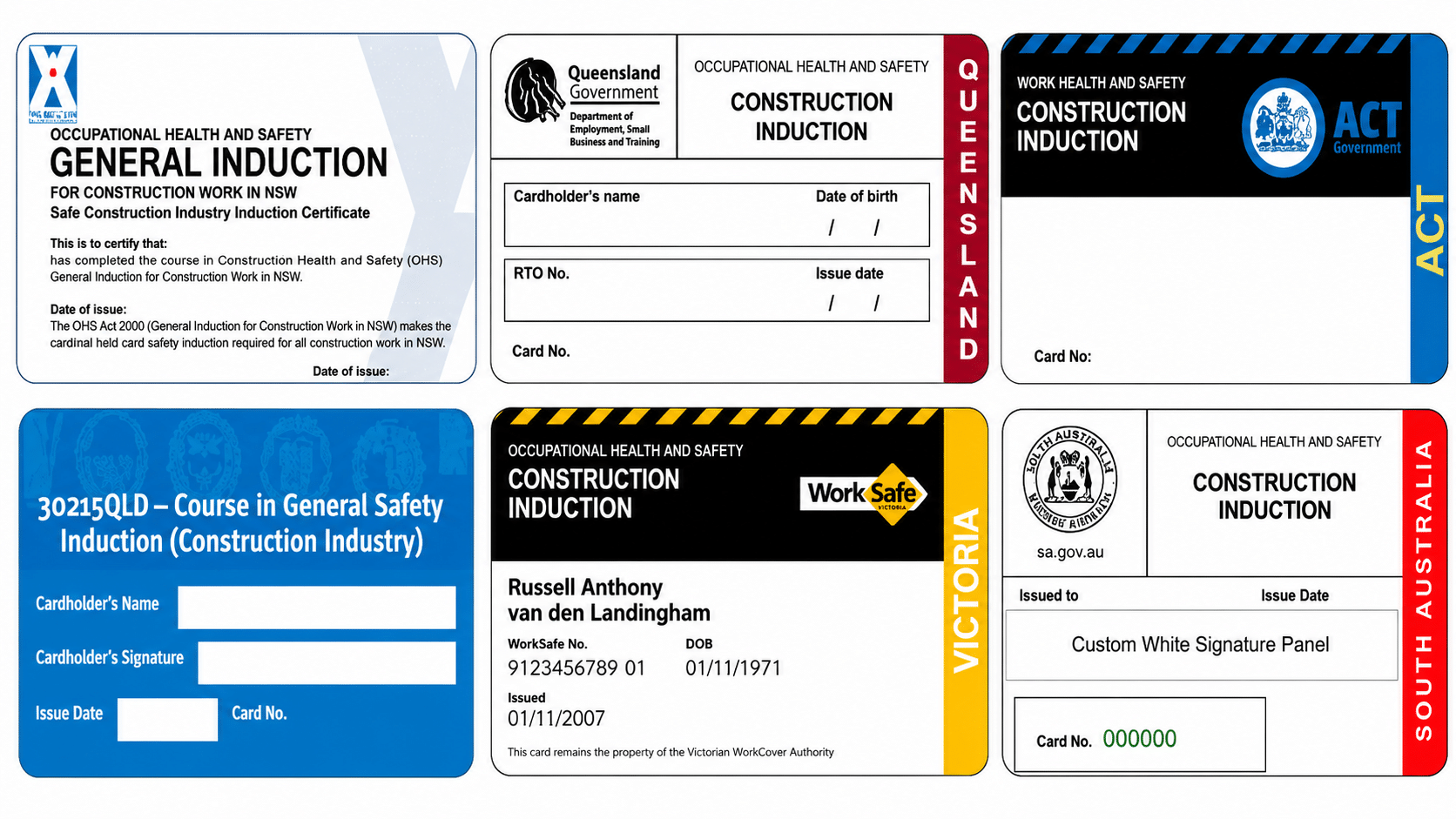
Once you successfully complete the assessment, your RTO issues a Statement of Attainment for CPCWHS1001 Prepare to Work Safely in the Construction Industry.
You then apply for your physical White Card through your state or territory’s work health and safety authority—if you need to retrieve your details later, you can find your white card number online through the relevant state portal. In South Australia, FirstAidPro issues White Cards on the same day as course completion.
The White Card is nationally recognised, meaning it’s valid for construction work in all Australian states and territories.
Who Needs to Complete a White Card Course
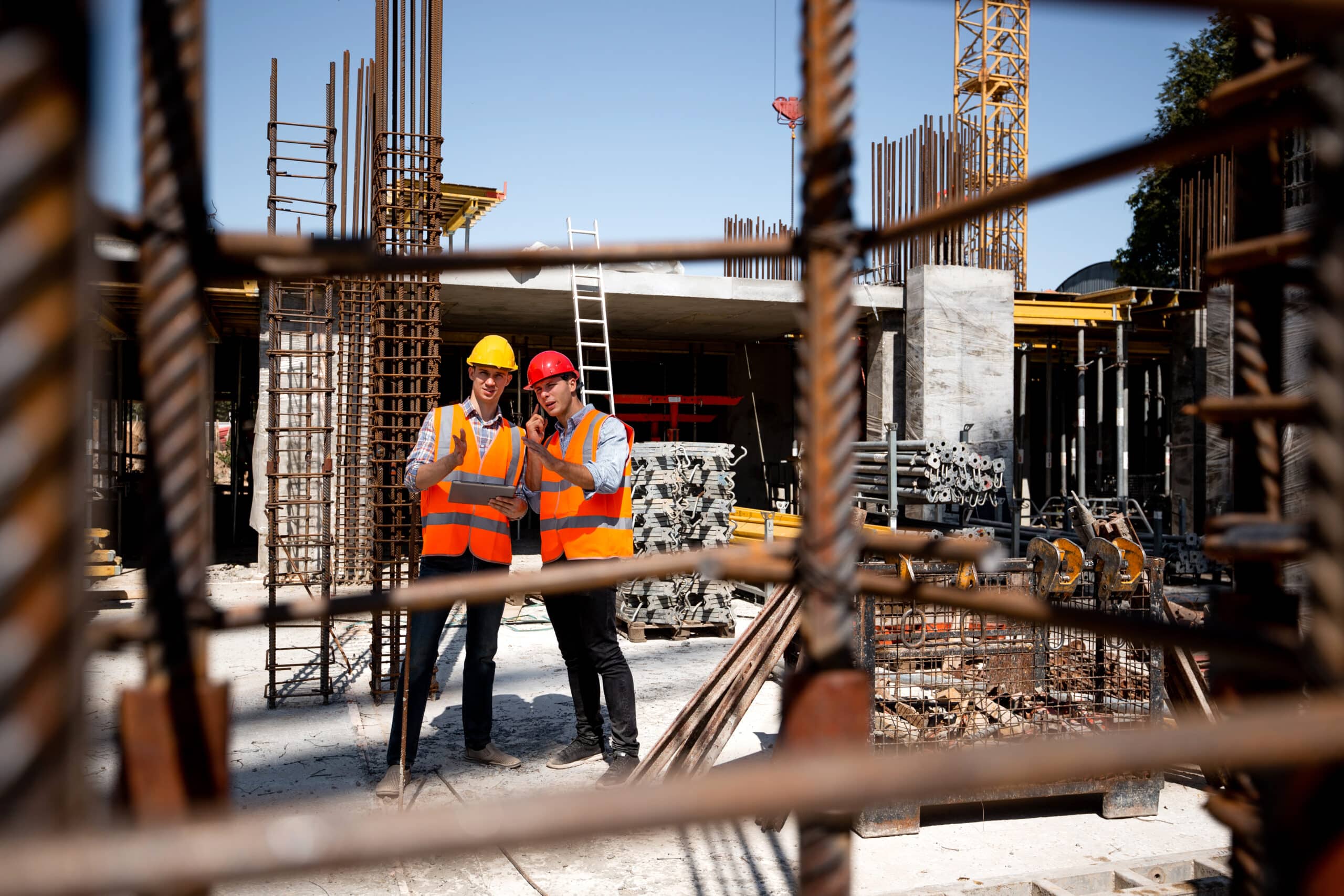
Anyone entering a construction site for work purposes requires a White Card. With the construction industry employing approximately 1.3 million people nationally, this requirement applies at significant scale:
- Labourers and trades assistants
- Apprentices in any construction trade
- Tradespeople (carpenters, electricians, plumbers)
- Site supervisors and project managers
- Plant and machinery operators
- Delivery drivers accessing construction areas
Even if you’re only visiting a site briefly, you may need a White Card to gain access if you will perform unsupervised tasks.
Online vs Face to Face White Card Test Delivery
White Card courses are available in both online and face-to-face formats:
Delivery Method | Assessment Format | Card Issuance |
Face-to-face | Written + verbal + practical | Same day (SA) |
Online | Written only | Card posted after verification |
Face-to-face training offers immediate feedback from your trainer, hands-on practice with PPE, and same-day certification in some states. FirstAidPro delivers fully face-to-face White Card courses with no online components.
Book Your White Card Course With FirstAidPro
FirstAidPro’s CPCWHS1001 White Card course is SafeWork-approved and delivered fully face-to-face over one 6-hour day. You’ll cover WHS legislation, hazard identification, emergency procedures, and PPE use with experienced construction industry trainers.
Courses run at venues across South Australia, Queensland, and the Northern Territory, with options for public sessions and onsite corporate training.
Book your White Card course today and get site-ready with nationally recognised certification.
Related Reading
SafeWork SA – Industrial manslaughter
Australian Bureau of Statistics – The nuts and bolts of the Australian Construction industry
Safe Work Australia – Key Work Health and Safety Statistics Australia 2025
National Training Register – CPCWHS1001 Prepare to Work Safely in the Construction Industry
FAQs About the White Card Test
Can you retake the White Card test if you fail?
Yes. If you don’t pass on your first attempt, your trainer will provide additional support before you reattempt the assessment. Most RTOs allow at least one resit as part of your enrolment.
Is the White Card recognised in every Australian state and territory?
Yes. The White Card (CPCWHS1001) is nationally recognised and valid for construction work across all Australian states and territories.
How much does the White Card course cost in Australia?
Course fees vary by provider and location. Check with your chosen RTO for current pricing. FirstAidPro offers CPCWHS1001 Prepare to Work Safely in the Construction Industry for $85.
Do you receive your White Card on the same day as the course?
This depends on your state and provider. In South Australia, FirstAidPro issues White Cards on the same day of successful course completion.
Does the White Card expire or require renewal?
The White Card itself does not expire. However, some employers may request refresher training to demonstrate current knowledge.