

Sharon has 21+ years of experience as a qualified Emergency Care Nurse registered with the Australian Health Practitioner Regulation Agency (APHRA) and 12+ years as a First Aid Trainer.
She takes pride in FirstAidPro making first aid training available, comprehensive and affordable to everybody.
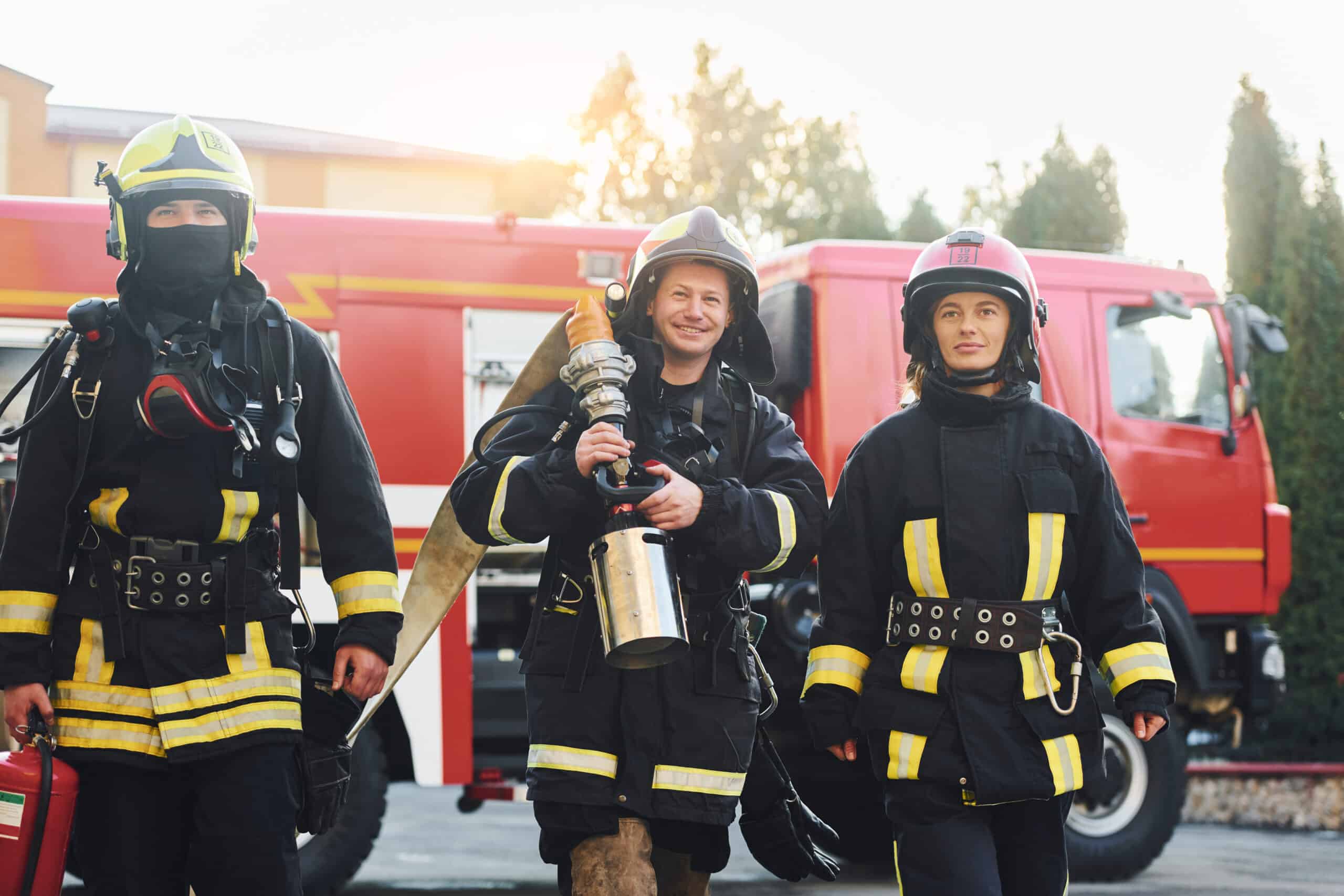
Every year on Thank a First Responder Day, Australians are encouraged to pause and say thank you to the people who respond when emergencies occur. Held on 10 June 2026, the national awareness day was established by Fortem Australia to recognise the professional and volunteer first responders who work tirelessly to keep us safe. From paramedics and firefighters to police officers, SES volunteers, and rescue personnel, these dedicated individuals support communities across Australia during some of life’s most challenging moments. Yet many emergencies are first attended not by professional emergency services, but by an ordinary person who happens to be nearby. At First Aid Pro, we are proud to train thousands of Australians each year who may one day become that critical first responder when every second counts.
What Is - Thank a First Responder Day?
Held annually in June, Thank a First Responder Day is a national initiative led by Fortem Australia that encourages Australians to express their gratitude to the emergency service workers and volunteers who protect and support communities across the country. In June 2026, Australians will once again come together on 10 June to recognise the people who attend emergencies, respond to disasters, provide medical assistance, and help keep us safe every day. The day also acknowledges the families who support first responders behind the scenes, often making significant sacrifices of their own.
Across Australia, first responders attend road accidents, medical emergencies, natural disasters, fires, rescues, and countless incidents that most of us hope never to encounter. They work in situations that are often unpredictable, physically demanding, and emotionally challenging. Whether responding to a cardiac arrest, a major bushfire, a flood emergency, or a serious workplace incident, they perform their duties with professionalism and commitment.
Most Australians will never fully appreciate the demands placed upon those who answer emergency calls every day. Yet their contribution is woven into the safety and resilience of every community.
Thank a First Responder Day reminds us that behind every emergency response vehicle is a person who has chosen a profession or volunteer role dedicated to helping others during some of the most difficult moments of their lives.
It is also a timely reminder that emergency response often begins before professional help arrives.
Who Is a First Responder?
When people hear the term “first responder”, they often think immediately of paramedics, police officers, firefighters, or rescue crews. These professionals form the backbone of Australia’s emergency response system and deserve every bit of recognition they receive.
However, the term has a broader meaning.
A first responder is simply the first person who arrives at an emergency and begins providing assistance. In many situations, that person is not wearing a uniform.
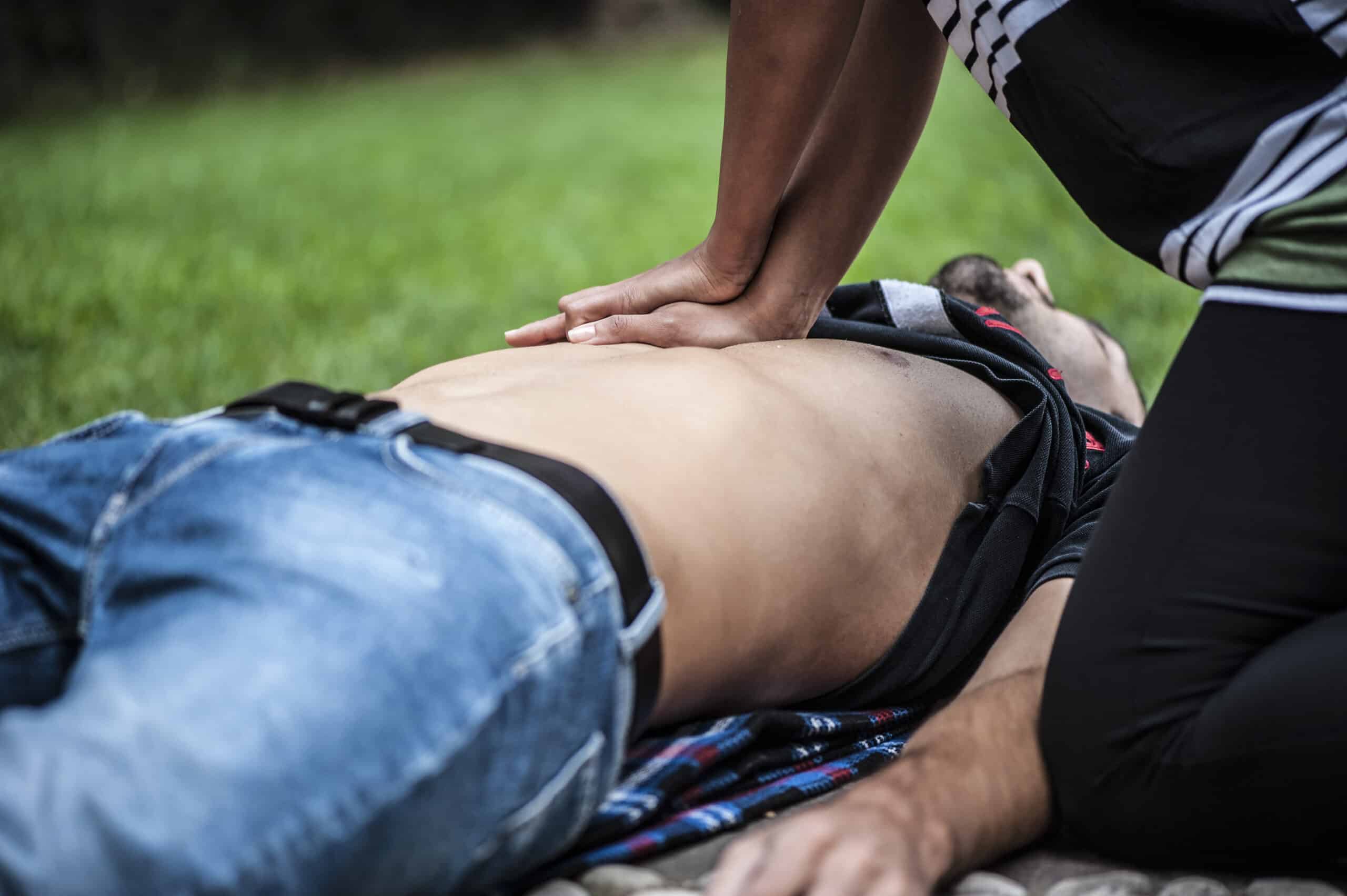
It may be a teacher responding to a playground injury. It could be a workplace first aider assisting a colleague who has collapsed. It might be a parent helping a child who is choking, or a bystander commencing CPR while waiting for an ambulance.
Emergencies rarely happen at convenient times. Cardiac arrests occur in shopping centres. Severe allergic reactions happen at sporting events. Falls, burns, and traumatic injuries can occur at work, at home, or while travelling.
In those critical first moments, the person who acts is often an ordinary member of the public.
That reality is one of the reasons first aid training remains so important. It prepares everyday Australians to recognise an emergency, remain calm, and take practical action until professional assistance arrives.
The Critical Minutes Before Help Arrives
In many emergencies, the first few minutes can significantly influence the outcome.
Consider cardiac arrest. When a person’s heart stops beating effectively, every minute without CPR and defibrillation reduces their chance of survival. Waiting passively for emergency services is simply not an option.
The same principle applies to severe bleeding, choking incidents, anaphylaxis, strokes, and many other medical emergencies. Early intervention can help preserve life, reduce complications, and improve recovery outcomes.
Professional first responders understand this reality better than anyone. They know that bystander action often makes a difference long before emergency crews arrive.
This is why Australia’s first aid training framework places such strong emphasis on practical skills. Learning how to follow the DRSABCD action plan, perform CPR, use an AED, manage bleeding, or assist a choking casualty equips people with tools they may one day need to use unexpectedly.
Every Australian who learns these skills becomes a stronger link in the community’s chain of survival.
At First Aid Pro, we see this every day. People enrol in first aid courses for workplace compliance, career requirements, or personal development. Yet the skills they gain often reach far beyond the classroom. A nationally accredited first aid qualification provides more than a certificate—it provides the confidence to act when somebody needs help most.

Saluting the First Responders We Train
Thank a First Responder Day gives us an opportunity to recognise not only professional emergency personnel but also the thousands of Australians who complete first aid training each year.
The people who attend our courses come from every walk of life.
They are teachers responsible for classrooms full of children. They are childcare educators caring for infants and toddlers. They are electricians, construction workers, office staff, healthcare workers, security officers, sports coaches, hospitality professionals, parents, grandparents, and community volunteers.
Most would never describe themselves as first responders.
Yet many of them already are.
The school teacher who administers first aid after a playground fall is a first responder.
The warehouse worker who retrieves an AED after a colleague collapses is a first responder.
The football coach who manages a suspected concussion is a first responder.
The parent who recognises anaphylaxis and administers an adrenaline auto-injector is a first responder.
These actions often take place quietly and without public recognition. There are no flashing lights, media reports, or official commendations. Yet they matter enormously.
The willingness to learn first aid reflects a commitment to helping others. It demonstrates a recognition that emergencies can happen anywhere and that preparation is always preferable to panic.
On Thank a First Responder Day, we salute every person who has invested the time to develop these life-saving skills.

Real Emergencies Don't Wait for Qualifications
One of the common misconceptions about emergency response is that help will always arrive quickly.
Australia’s emergency services are among the best in the world, but geography, traffic conditions, weather events, and incident complexity can all influence response times.
In a medical emergency, even a short wait can feel like an eternity.
Emergencies also have a habit of occurring when people least expect them. Few people begin their day anticipating that they may need to provide CPR, control severe bleeding, or assist somebody experiencing a seizure.
Yet these situations happen every day across the country.
What separates those who are able to help from those who feel helpless is often preparation.
First aid training does not eliminate stress. It does not remove the emotional impact of an emergency. What it does provide is a framework for action. Instead of freezing, trained individuals have a process to follow. They know how to assess danger, call for assistance, and prioritise care.
That confidence can be invaluable when others are looking for leadership during a crisis.
The best first responders are not necessarily the most experienced people in the room. They are often the people who have prepared themselves before the emergency occurred.
The Qualities That Make an Effective First Responder
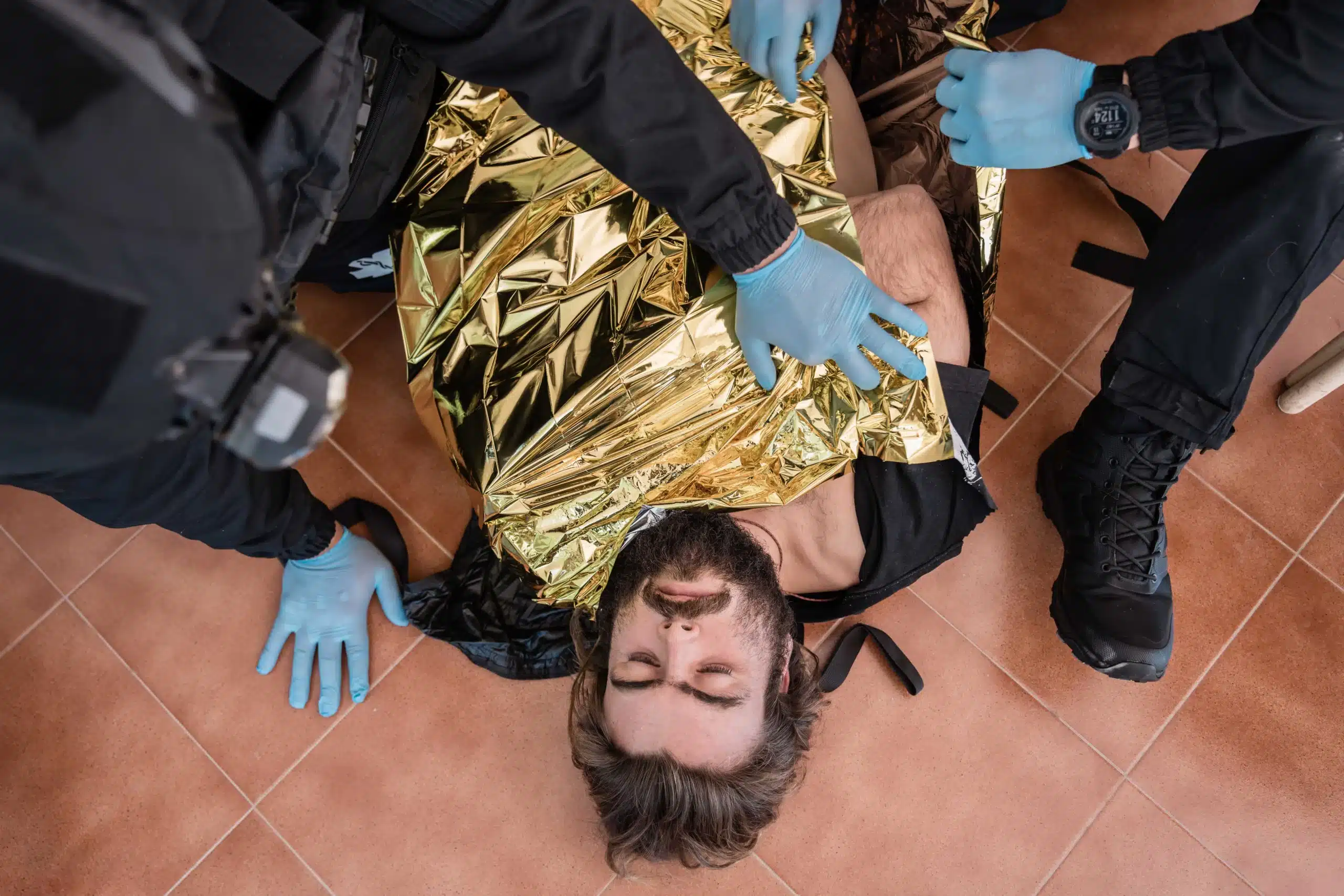
When people think about first aid training, they often focus on technical skills. CPR techniques, AED operation, bandaging, managing burns, or responding to medical emergencies are certainly important. However, some of the most valuable qualities of an effective first responder extend beyond practical procedures.
One of the most important is the ability to remain calm.
Emergencies can be chaotic. Family members may be distressed. Bystanders may be unsure what to do. The casualty may be frightened, confused, or unconscious. In these situations, a calm and methodical response helps bring order to uncertainty.
Effective first responders also communicate clearly. They can provide concise information to emergency services, reassure casualties, and coordinate assistance from others nearby.
Compassion matters as well. First aid is not simply about treating injuries. It is about caring for people. A reassuring voice, a calm presence, and a willingness to stay with someone during a frightening experience can make a significant difference.
Training helps develop these qualities. Practical scenarios, hands-on assessments, and repeated exposure to emergency response procedures allow people to become more comfortable making decisions under pressure.
At First Aid Pro, we regularly hear from past students who tell us that the greatest benefit of training was not simply learning a skill. It was gaining the confidence to use that skill when it mattered.
For those whose qualifications are due for renewal—or for those who have never undertaken formal training—there has never been a better time to develop these capabilities. A nationally accredited first aid course with First Aid Pro provides practical, hands-on training that can help prepare you for the unexpected.
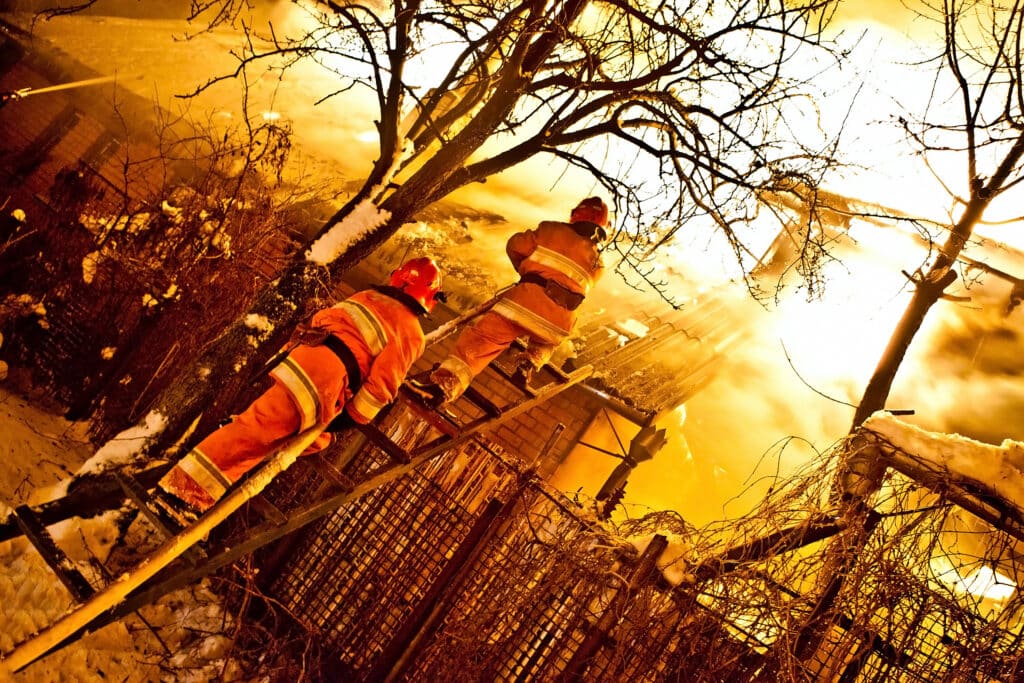
Supporting Australia's Professional First Responders
Professional first responders do extraordinary work, but they do not work alone.
Every day across Australia, community members play an important role in supporting emergency services before they arrive on scene.
When a bystander commences CPR, they help preserve a casualty’s chance of survival until paramedics arrive.
When a workplace first aider controls severe bleeding, they help stabilise the patient before advanced care becomes available.
When a parent recognises the signs of anaphylaxis and administers an adrenaline auto-injector, they provide potentially life-saving intervention during the critical early stages of an emergency.
These actions do not replace professional medical care. Rather, they complement it.
Emergency services rely upon accurate information, early intervention, and effective handovers. The actions taken during the first few minutes can provide a stronger foundation for ongoing treatment.
This partnership between emergency services and trained members of the public helps create safer communities.
Every Australian who undertakes first aid training contributes to that shared responsibility.
Why First Aid Training Is More Important Than Ever
The need for first aid knowledge has never disappeared, but several factors make it particularly relevant today.
Australia’s population continues to grow and age. Chronic health conditions remain common. Participation in sport and outdoor recreation is widespread. Workplaces continue to present a range of hazards despite ongoing improvements in safety practices.
At the same time, many Australians live, work, or travel in areas where emergency services may take time to arrive.
Whether the situation involves a cardiac arrest, a serious fall, a burn injury, a choking incident, or an allergic reaction, the need for immediate action remains unchanged.
First aid training is not only about workplace compliance or meeting regulatory requirements. It is about being prepared for real-life situations that can affect family members, friends, colleagues, customers, and complete strangers.
Many people enrol in a first aid course because their employer requires it. Others do so because they work with children or vulnerable people. Some simply want the reassurance that they will know what to do if an emergency occurs.
Whatever the motivation, the outcome is the same: more capable, more confident Australians who are better prepared to help others.
That is something worth celebrating on Thank a First Responder Day.
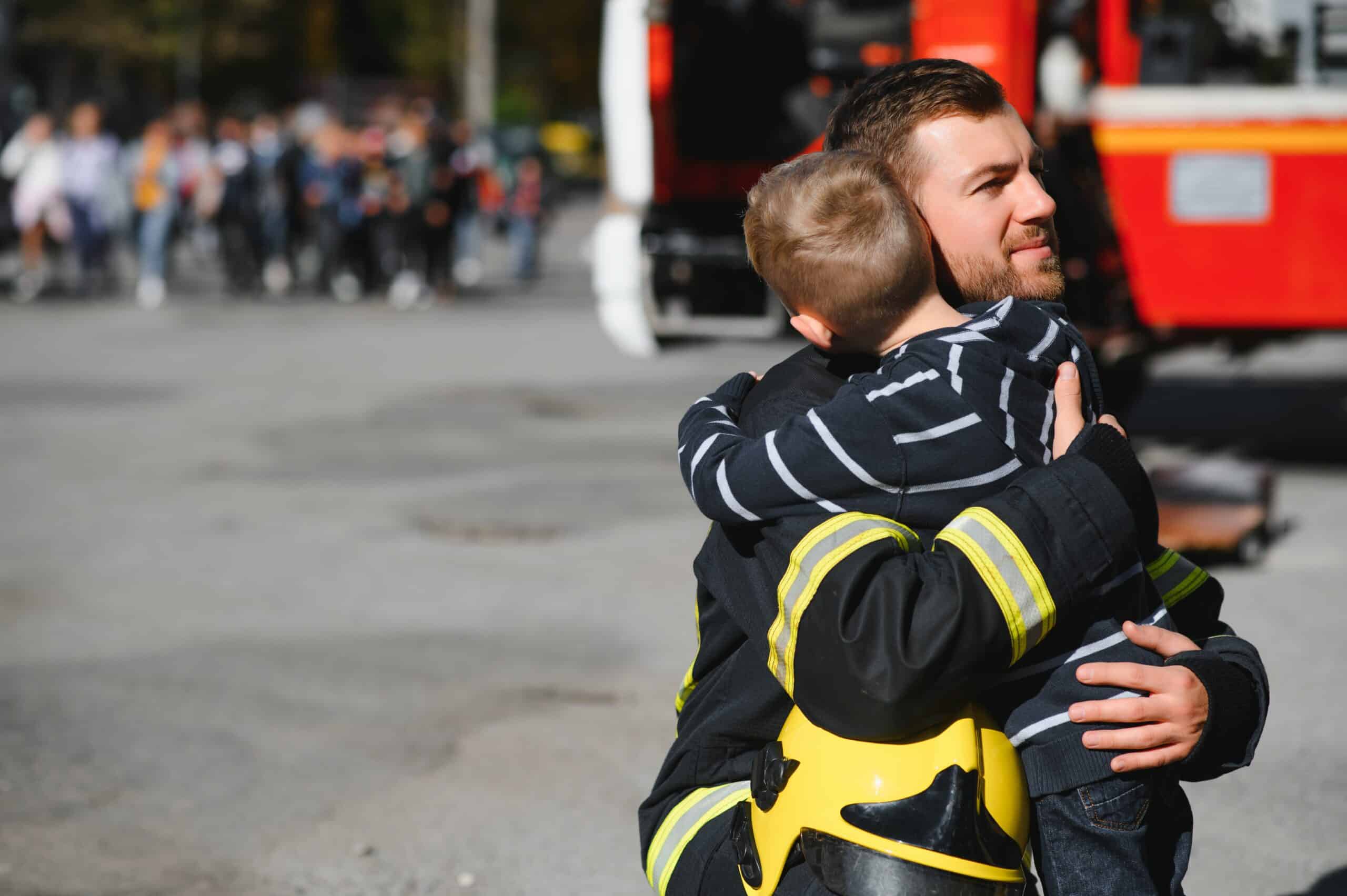
A Message of Thanks to Those Who Step Forward
On this Thank a First Responder Day, we would like to extend our sincere appreciation to all those who answer the call to help.
To the paramedics who provide emergency medical care under immense pressure.
To the firefighters who protect lives and property in dangerous conditions.
To the police officers who serve communities around the clock.
To the SES volunteers, rescue crews, and emergency service personnel who respond when Australians need them most.
Thank you.
We also acknowledge the workplace first aiders who quietly maintain their qualifications year after year. The teachers who care for students. The childcare educators who protect young children. The sports trainers who respond to injuries on the sidelines. The parents and grandparents who take the time to learn life-saving skills.
You may never think of yourself as a first responder.
Yet when someone nearby needs immediate help, you often become exactly that.
The willingness to step forward is one of the most valuable qualities a person can possess. It reflects care for others, a sense of responsibility, and a commitment to community.
These contributions are rarely recognised publicly, but they deserve recognition nonetheless.
One of the most meaningful ways to honour Australia’s first responders is to ensure more people are equipped to assist during an emergency. By enrolling in a nationally accredited first aid course with First Aid Pro, you can develop practical skills that may one day help protect a life, support a family, or assist emergency services during those critical first moments.
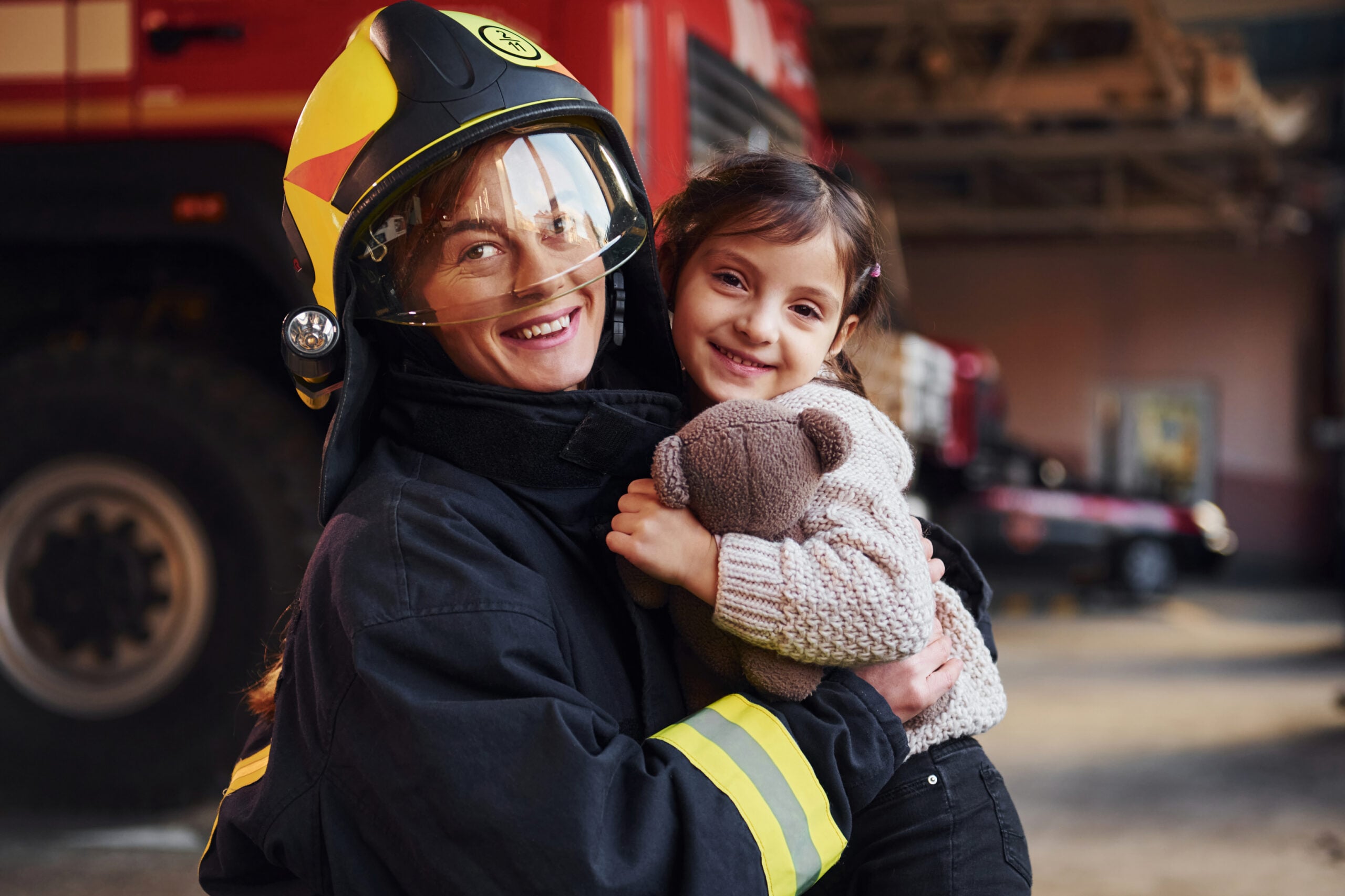
The Difference One Person Can Make
Thank a First Responder Day is ultimately about recognising people who make a difference when circumstances are at their most challenging.
For some, that means a career spent serving the community through emergency response. For others, it means being prepared to help when an unexpected situation unfolds at work, at home, or in a public place.
The common thread is not a job title.
It is the decision to act.
At First Aid Pro, we are proud to train Australians from every walk of life. We are proud of the teachers, parents, tradies, healthcare workers, office staff, volunteers, and community members who choose to develop first aid skills and maintain their confidence through ongoing training.
Many of them may never need to use those skills.
But if the day comes when somebody nearby needs urgent assistance, they will be better prepared to step forward.
This Thank a First Responder Day, we salute Australia’s professional emergency personnel and the countless everyday Australians who stand ready to help others when it matters most.
This Thank a First Responder Day on 10 June 2026, we encourage all Australians to take a moment to say thank you to the men and women who serve communities across the nation. Established by Fortem Australia, the day provides an opportunity to express our gratitude to those who keep us safe during emergencies, disasters, and times of crisis.
It is also a reminder that preparedness starts within our own communities and that every trained first aider has the potential to make a meaningful difference – because sometimes the difference between panic and action, between uncertainty and confidence, and even between life and death, comes down to one trained person being willing to respond.