




Sharon has 21+ years of experience as a qualified Emergency Care Nurse registered with the Australian Health Practitioner Regulation Agency (APHRA) and 12+ years as a First Aid Trainer.
She takes pride in FirstAidPro making first aid training available, comprehensive and affordable to everybody.
A bull ant bite or sting is one of the most painful and potentially dangerous insect bites and stings in Australia. These large, aggressive ants can both bite and sting, injecting venom that may cause intense pain, swelling, and in some cases a severe allergic reaction. Understanding how a bull ant bite or sting affects the body, recognising symptoms early, and applying correct first aid can significantly reduce risks and improve outcomes.
Key Takeaways
- A bull ant bite or sting is one of the most painful types of insect bites and stings in Australia
- Bull ants can both bite and sting, injecting venom that can cause intense pain and swelling
- Symptoms of a bull ant bite range from mild irritation to a severe allergic reaction (anaphylaxis)
- An allergic reaction to an ant bite can develop quickly and may be life-threatening
- Immediate first aid — including cleaning the bite site and applying a cold compress — helps reduce swelling and pain
- Bull ant venom can vary between ant species, meaning reactions differ between individuals
- Multiple bites or stings increase the risk of severe symptoms and complications
- Seek medical attention immediately if breathing difficulty, collapse, or widespread swelling occurs
- Prevention, awareness of ant nests, and proper footwear significantly reduce the risk of being bitten
- First aid training prepares you to respond effectively to bites and stings in real emergencies
What Is a Bull Ant Bite or Sting? Understanding This Dangerous Australian Ant
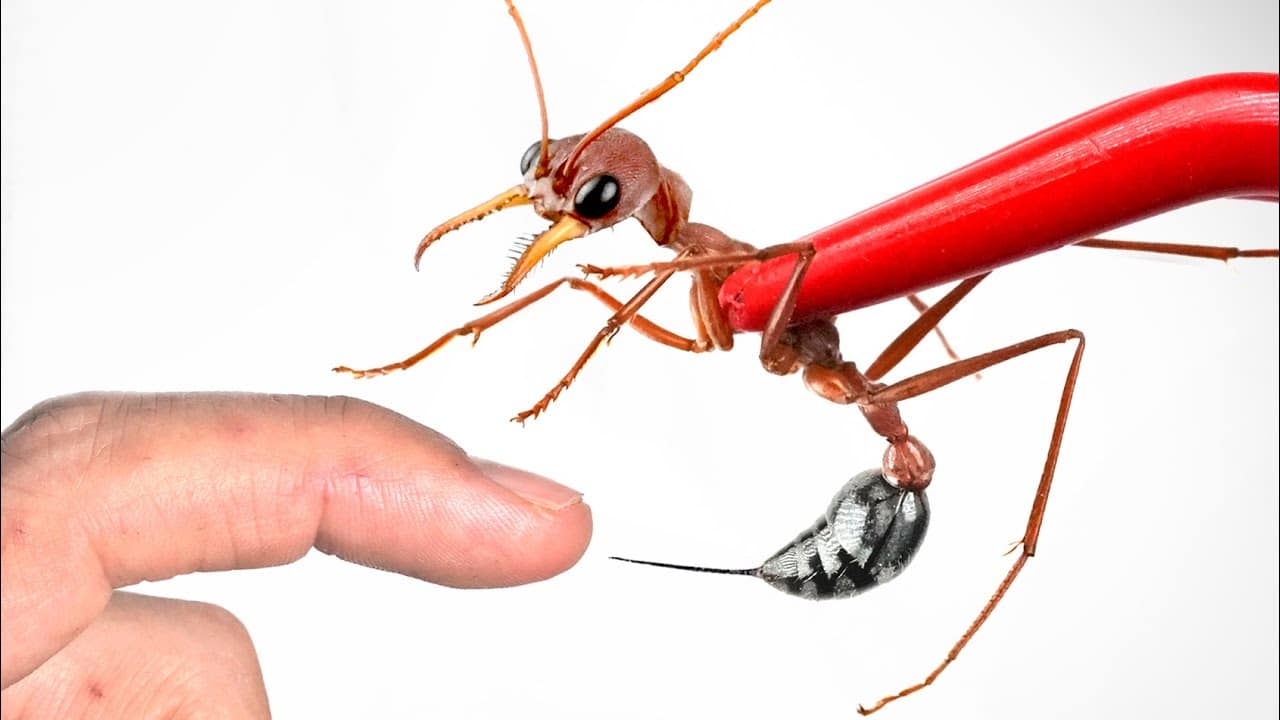
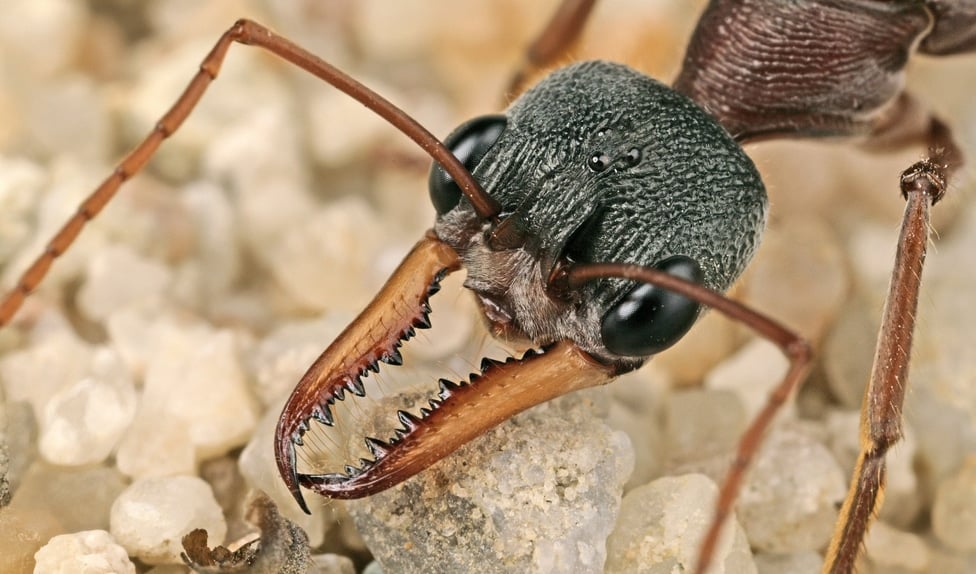
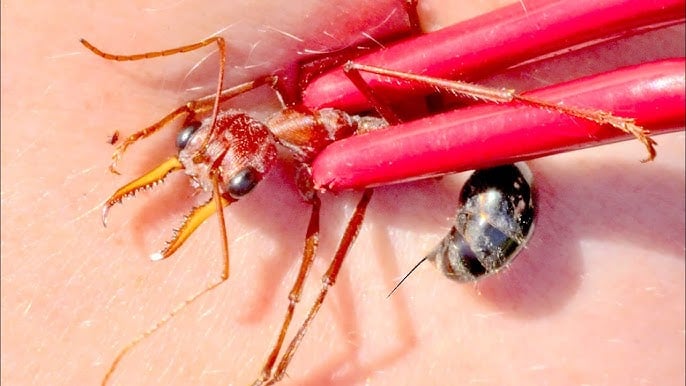
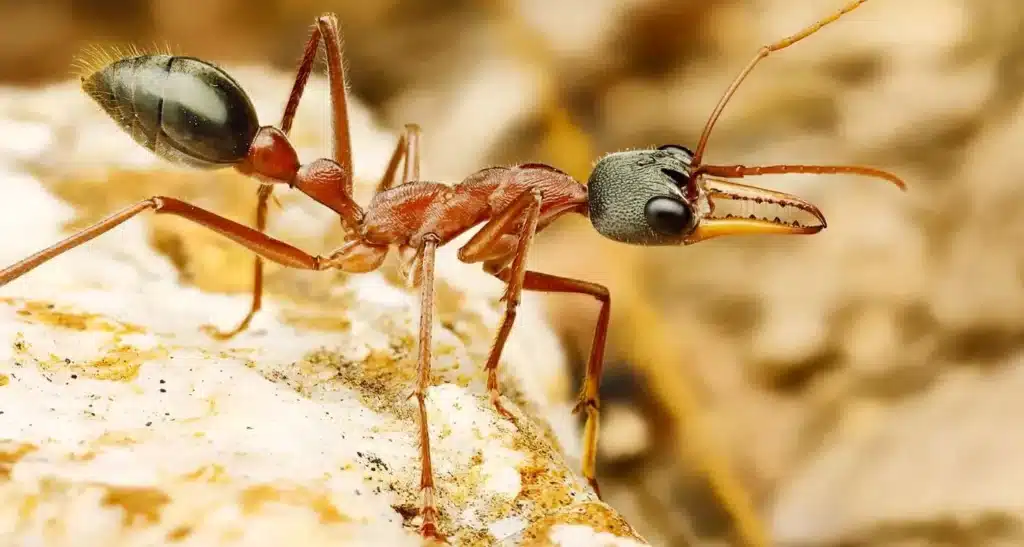
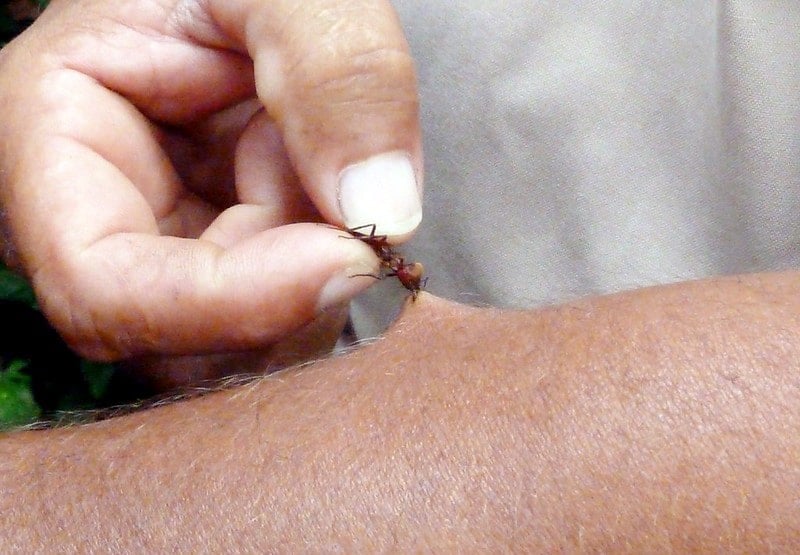
A bull ant is a large, predatory insect belonging to the Myrmecia group, often referred to as some of the most aggressive species of ants in Australia. Unlike many other insects, a bull ant can both bite and sting during a single attack. When a person is bitten by a bull ant, the ant uses its mandibles to grip the skin, allowing it to deliver a powerful sting that injects venom.
This combination of bite and sting means that bull ant bites can cause more significant symptoms than many other insect bites. The venom itself varies between ant species, such as the well-known jack jumper ant or black bull ant, but all can cause pain, swelling, and in some cases severe allergic reactions.
Bull ants are commonly found in bushland, gardens, and suburban environments across Victoria, New South Wales, Queensland, and South Australia, often nesting in soil. These ant nests can be difficult to spot, increasing the risk of accidental encounters.
Bull Ant Bite Symptoms – What Happens When You Are Bitten by a Bull Ant?
The symptoms of an ant bite can vary depending on the individual, the number of bites, and the amount of venom injected. In most cases, a bull ant bite causes immediate and intense pain, often described as sharp and burning.
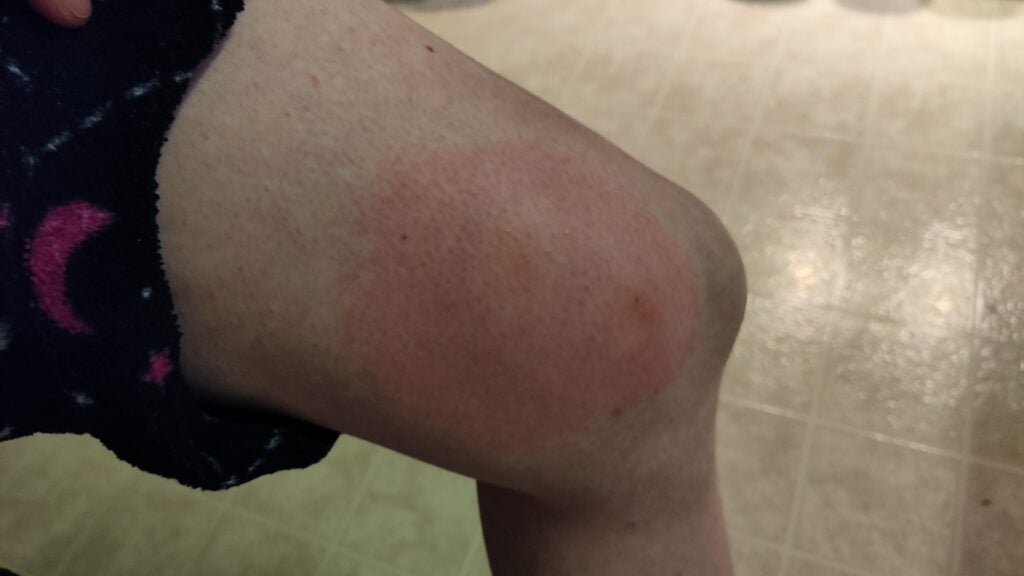
Within the first few hours, the bite area typically becomes red and swollen. This swelling and pain may persist for several hours or even days, depending on how the body reacts to the ant venom. For many people, the reaction remains localised, with inflammation around the bite site and discomfort that gradually improves.
However, some people experience more severe symptoms. The reaction to an ant bite may worsen after the first hour and can include nausea, dizziness, or widespread swelling. In cases of multiple bites, symptoms can escalate quickly as more ant venom enters the body.
Symptoms of an Ant Bite or Sting – Mild to Severe Reactions
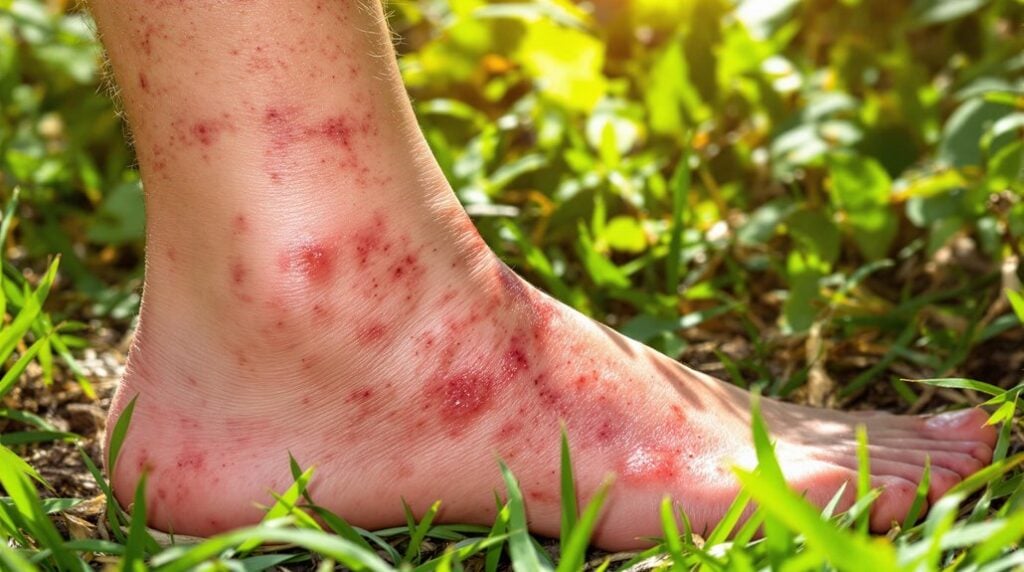
Mild symptoms of insect bites and stings include redness, itching, and swelling around the bite site. These are common reactions caused by inflammation and are usually manageable with basic first aid.
Moderate symptoms may include increasing swelling, pain that spreads beyond the immediate bite area, and discomfort that persists longer than expected. These reactions may require additional treatment to help relieve symptoms.
Severe symptoms occur when a severe allergic reaction develops. This can include difficulty breathing, swelling of the throat, rapid pulse, and collapse. These symptoms are life-threatening and require immediate emergency care.
Allergic Reaction to a Bull Ant Bite – When Bites and Stings Become Dangerous
An allergic reaction to an ant bite can occur even in people who have previously had mild reactions. Bull ants are one of the leading causes of insect-related anaphylaxis in Australia, according to the Australasian Society of Clinical Immunology and Allergy.
A severe allergic reaction happens when the immune system overreacts to the ant venom. This reaction can develop rapidly, sometimes within minutes of the sting or bite. The risk increases in individuals who are already allergic to insect stings, including bee stings or wasp stings.
Allergic reactions occur when the body releases chemicals that affect breathing, circulation, and skin. This can lead to swelling of the face or throat, difficulty breathing, and a drop in blood pressure.
If symptoms are severe, it is critical to call 000 immediately and use an adrenaline auto-injector such as an EpiPen if available.
Bull Ant Bite First Aid – What To Do After a Bite or Sting
Fast, calm action can reduce pain, limit swelling, and help slow the spread of ant venom after a bull ant bite or sting.
Move to Safety First
The first priority is always safety. Move the person away from the ant straight away to prevent further bites or stings, as bull ants can sting multiple times if they remain on or near the skin.
Wash the Bite Area Promptly
Clean the bite or sting site as soon as possible with soap and water. This helps remove any remaining ant venom from the skin and lowers the risk of infection. Prompt cleaning is especially important within the first hour after the bite.
Apply a Cold Pack or Compress
After washing the area, apply a cold pack or cold compress to help reduce swelling and pain. Cooling the site constricts blood vessels and may help slow the spread of venom. Use short intervals to avoid skin damage.
Manage Pain and Itching
Pain relief medicines such as paracetamol or ibuprofen may be used to manage discomfort. Antihistamines can help relieve itching and may reduce mild allergic reactions after a bull ant sting or bite.
Keep Watching During the First Few Hours
Monitor the person closely during the first few hours after the bite or sting. Symptoms can develop gradually, and even a reaction that seems mild at first may become more serious over time.
Do Not Ignore Signs of a Severe Allergic Reaction
If swelling spreads rapidly, breathing becomes difficult, the person feels faint, or other severe symptoms appear, seek urgent medical help immediately. Early signs of an allergic reaction should never be dismissed.
First aid reminder: Bull ant bites and stings can worsen quickly, so early care and close observation are essential.
Bull Ant Bite Treatment – Managing Pain, Swelling and Recovery
Effective treatment focuses on relieving pain, reducing swelling, and supporting safe recovery after a bull ant bite or sting.
Relieve Pain and Control Inflammation
Bull ant bite treatment centres on easing pain and controlling the inflammation caused by the bite. Ant venom can cause intense discomfort, but the right treatment can help relieve symptoms and improve comfort.
Swelling and Pain Often Peak Early
Swelling and pain often peak within the first hour and then gradually subside. Even so, some reactions may persist or worsen after the first day, so it is important to keep monitoring the affected area.
Use Simple, Supportive Measures
Applying a cold compress, keeping the affected area elevated, and avoiding scratching can all help manage symptoms. These steps reduce irritation, limit swelling, and support recovery in the first few hours and beyond.
Choose Safe, Evidence-Based Treatment
It is important to avoid unproven remedies or products that are not evidence-based. Treatment should focus on safe, recommended methods that reduce inflammation and help prevent complications.
Recovery Tip
Most mild bull ant bite symptoms improve steadily with simple care, but worsening pain, increasing swelling, or delayed recovery may mean further assessment is needed.
Important
If symptoms become severe, spread beyond the bite site, or suggest an allergic reaction, seek urgent medical advice rather than relying on home treatment alone.
Remember: Cold treatment, elevation, and close observation are practical ways to support recovery after a bull ant bite or sting.
How Long Does a Bull Ant Bite Last?
Many people ask how long an ant bite lasts. In most cases, the pain from a bull ant sting lasts several hours, while swelling may continue for one to two days. Mild symptoms typically improve within 24 hours.
However, the duration can vary depending on the amount of venom injected and individual sensitivity. Some people may experience ongoing discomfort or swelling for several days, particularly if they have a mild allergic reaction.
If symptoms worsen after the first few hours or do not improve, medical advice should be sought to rule out complications such as infection or a delayed allergic response.
Bull Ants vs Other Insect Bites and Stings – Bee, Wasp and Beyond
Bull ant bites and stings are often compared to other insect bites, including those from bees, wasps, and mosquitoes. While all insect stings can cause pain and swelling, bull ant stings are known for their intensity.
A bee sting typically occurs once, as the bee loses its stinger, while a wasp or bull ant can sting multiple times. This increases the amount of venom delivered and the severity of symptoms.
Mosquito bites usually cause mild itching and irritation, while tick bites can cause different risks, including infection or allergic responses. A snake bite, although unrelated to insects, is another example of envenomation that requires immediate medical attention.
Understanding the differences between these stings and bites helps people respond appropriately and apply the correct first aid.
Why Bull Ant Bites Can Cause Severe Allergic Reactions
Bull ant venom contains proteins that can trigger immune responses in some individuals. The amount of venom injected and the person’s sensitivity both influence the severity of the reaction.
In some cases, repeated exposure increases the risk of developing allergies to bites and stings. People who have previously been stung by a bull ant may be more likely to experience a severe reaction in the future.
This is why awareness and preparedness are essential, particularly for those who spend time outdoors or work in environments where bull ants are common.
When to Seek Medical Attention for a Bull Ant Bite or Sting
While many bull ant bites can be treated at home, there are situations where it is important to seek medical attention. If symptoms are severe, worsening, or involve breathing difficulties, emergency care is required.
Medical attention should also be sought if there is a risk of infection, particularly if the skin around the bite becomes increasingly red, warm, or swollen. Multiple bites, especially in children or older adults, also increase the risk of complications.
Preventing Bull Ant Bites and Stings in Australia
Awareness, caution, and simple outdoor habits can significantly reduce the risk of bull ant bites and stings in Australian bushland, parks, and backyards.
Watch for Ant Nests
Preventing bites and stings starts with awareness. Bull ants are highly territorial and will defend their nests aggressively, so avoiding visible ant nests and active ant areas is one of the most effective ways to reduce risk.
Take Care in Bushland Areas
Be especially cautious in bushland, parks, gardens, and other outdoor places where bull ants are commonly found. Staying alert to movement on the ground can help you avoid stepping too close to a nest.
Wear Enclosed Shoes
Wearing enclosed shoes provides an important layer of protection when walking in areas where bull ants may be active. Covered footwear reduces the chance of direct bites or stings to the feet and ankles.
Avoid Disturbing Soil or Logs
Do not disturb soil, leaf litter, tree bases, or fallen logs unnecessarily, as these areas may contain or sit near bull ant nests. Disturbance can quickly provoke a defensive attack.
If You Encounter a Bull Ant
Move away calmly and steadily rather than swatting or stamping. Sudden movements may provoke the ant and increase the likelihood of an attack or repeated stings.
Important Prevention Reminder
Bull ants can be fast and aggressive when defending their territory. Staying calm, keeping your distance, and avoiding nest areas are the safest ways to prevent bites and stings.
Stay prepared: Simple habits such as wearing enclosed shoes and watching where you step can make a big difference in avoiding bull ant injuries.
Be Prepared with First Aid Skills
Knowing how to respond to insect bites and stings can make a critical difference in an emergency.
Enrol in a nationally recognised first aid course with First Aid Pro to gain the skills and confidence to act quickly and effectively.
Conclusion – Why First Aid for Bull Ant Bites and Stings Matters
Bull ant bites and stings are a common but potentially serious hazard in Australia. While many cases result in mild symptoms, the risk of a severe allergic reaction means they should never be taken lightly. Understanding the symptoms, knowing how to apply effective first aid, and recognising when to seek medical attention are essential skills for anyone spending time outdoors.
Take the Next Step – Learn First Aid Today
Emergencies can happen anywhere, often without warning.
Enrol in a nationally recognised first aid course with First Aid Pro and be prepared to respond confidently to bites, stings, and life-threatening situations.
References
- Healthdirect Australia: Ant Stings and Bites
- Australasian Society of Clinical Immunology and Allergy (ASCIA): Allergic Reactions to Bites and Stings
- Royal Children’s Hospital (Melbourne: Allergic Reactions to Bites and Stings
- ANZCOR Guidelines: Envenomation from Tick Bites and Bee, Wasp and Ant Stings
- Skills Training College: Bull Ant Bite: First Aid For This Common Australian Pest
- Australian Bites and Stings: Download Bites and Stings App
Frequently Asked Questions
What should I do if I am bitten by a bull ant?
Move away from the ant, wash the bite with soap and water, apply a cold compress, and monitor for symptoms.
Can bull ant bites cause a severe allergic reaction?
Yes. Bull ant venom can cause severe allergic reactions, including anaphylaxis in some people.
How long do bull ant bite symptoms last?
Pain usually lasts several hours, while swelling may persist for one to two days.
Are bull ants more dangerous than bees or wasps?
Bull ants can be more aggressive and may sting multiple times, increasing the risk of severe reactions.
When should I seek medical help after a bite or sting?
Seek medical attention if symptoms are severe, worsen, or involve breathing difficulty.