


Sharon has 21+ years of experience as a qualified Emergency Care Nurse registered with the Australian Health Practitioner Regulation Agency (APHRA) and 12+ years as a First Aid Trainer.
She takes pride in FirstAidPro making first aid training available, comprehensive and affordable to everybody.
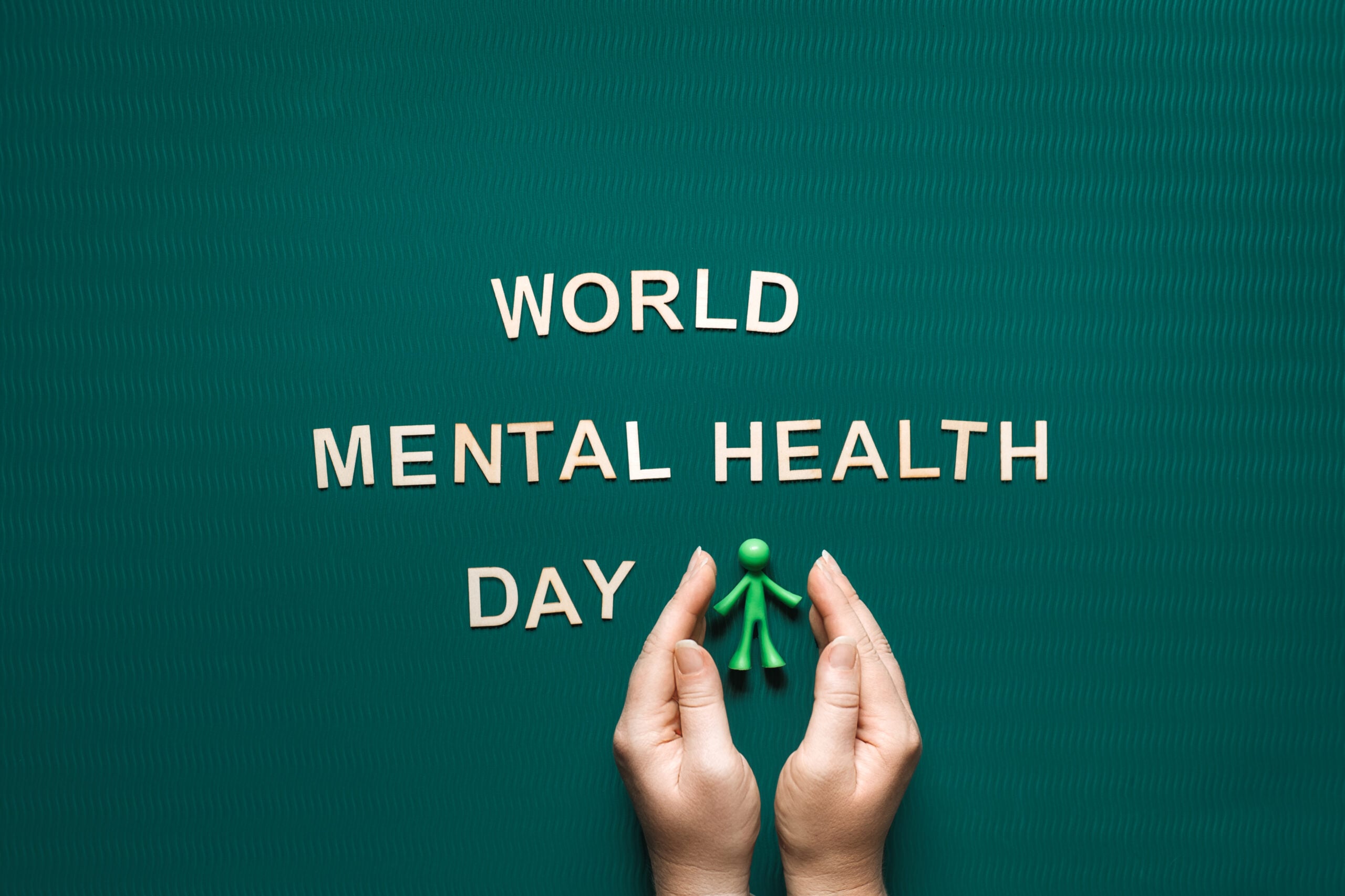
World Mental Health Day 2026 falls on 10 October, reminding us that first aid is not only about responding to physical injuries and medical emergencies. Mental Health First Aid skills can help people recognise when someone may be experiencing a mental health problem or crisis, offer appropriate initial support and encourage them to seek professional help. For an existing first aider, those skills can add another important dimension to being prepared when somebody needs help.
Most of us have a fairly clear picture of what a first aider does.
Someone collapses. A first aider checks for danger, response and breathing. Someone is bleeding heavily. The first aider acts to control the bleeding. Someone is showing signs of anaphylaxis, choking or cardiac arrest. Training gives the first aider a framework for recognising the emergency and responding.
But not every person who urgently needs support has an injury you can see.
A colleague may be experiencing overwhelming anxiety. A friend might disclose thoughts of suicide. Someone who is normally outgoing may have become increasingly withdrawn and distressed. Another person may be experiencing symptoms of psychosis or struggling with substance use.
Would you know what to say? More importantly, would you know what to do?
That is where Mental Health First Aid training can broaden the first aider’s toolkit.
Key Takeaways
- First aid can extend beyond physical emergencies. Mental health problems and crises may also require timely, informed initial support.
- Mental Health First Aid does not turn you into a therapist. It teaches you how to recognise concerns, respond appropriately and encourage professional or other suitable support.
- Mental health problems are common in Australia. ABS data shows 21.5% of Australians aged 16–85 experienced a 12-month mental disorder in 2020–2022.
- Physical and mental health first aid skills complement each other. Both are built around recognising a problem, providing initial assistance and knowing when further help is needed.
- Training matters. Structured Mental Health First Aid training gives people a practical framework rather than leaving them to improvise during a difficult conversation or crisis.

10 October Is World Mental Health Day
World Mental Health Day is observed internationally on 10 October each year. The World Health Organization describes its overall objective as raising awareness of mental health issues around the world and mobilising efforts in support of mental health.
The theme for World Mental Health Day 2026 is “Lived experiences heard: real voices, real change.” The WHO campaign emphasises the importance of meaningfully involving people with lived experience of mental health conditions in the policies, services and decisions that affect their lives.
That message also has relevance at a much more personal level.
Supporting somebody who is struggling begins with recognising that their experience matters. It means listening rather than immediately trying to fix the problem, taking concerns seriously and understanding when the person may need further support.
For people already trained in conventional first aid, World Mental Health Day is therefore a useful opportunity to ask another question:
Does your first aid toolkit prepare you for the emergencies you cannot necessarily see?
Mental Health Problems Are Not Unusual Events
Mental health difficulties are not something that happen only occasionally or to a small group of people.
The Australian Bureau of Statistics’ National Study of Mental Health and Wellbeing found that 42.9% of Australians aged 16–85 had experienced a mental disorder at some point in their lives. In 2020–2022, 21.5% — around 4.3 million people — had experienced a mental disorder during the previous 12 months.
Anxiety disorders were the most common group, affecting 17.2% of Australians aged 16–85 during that 12-month period.
Those figures help put Mental Health First Aid into perspective.
A first aider might never need to use an AED outside a training course. They may never encounter a severe burn or a snake bite. We still teach those skills because being prepared matters when an emergency occurs.
Mental health problems, meanwhile, are something many Australians will encounter personally or through a family member, friend, colleague or member of their community.
The difficulty is that the appropriate response is not always obvious.

Physical First Aid and Mental Health First Aid Have Something Important in Common
Think about what happens when you learn conventional first aid.
You are not training to become a doctor or paramedic. You learn how to recognise when something may be wrong, provide appropriate initial assistance within your level of training, obtain further help when required and support the casualty until professional care takes over.
Mental Health First Aid follows a similar principle.
Completing a Mental Health First Aid course does not qualify somebody to diagnose a mental illness, provide psychological therapy or replace a GP, psychologist, psychiatrist or other qualified health professional.
Instead, the training is designed to help a person recognise signs and symptoms of mental health problems, approach somebody they are concerned about, offer initial support and information, and encourage appropriate professional or other supports.
That distinction is important. A good first aider knows the limits of first aid. The same principle applies when supporting mental health.

What Does Mental Health First Aid Training Actually Teach?
The Standard Mental Health First Aid course developed by Mental Health First Aid Australia is a 12-hour program for adults supporting other adults.
It covers common mental health problems including depression, anxiety, psychosis and substance use problems, as well as crisis situations such as suicidal thoughts and behaviours, panic attacks, non-suicidal self-injury and traumatic events.
Participants learn an evidence-based action plan for approaching someone they are concerned about and starting a conversation. They also learn about barriers that can prevent people from seeking help, available treatments and supports, and how to provide initial assistance in a range of crisis situations.
That last point matters.
Many people want to help when someone is struggling. Good intentions, however, do not automatically tell you how to have a difficult conversation.
You may worry about saying the wrong thing. You may minimise what the person tells you because you do not recognise the warning signs. You might avoid asking an important question because it feels uncomfortable.
Training replaces some of that uncertainty with a structured approach.

The First Aider Who Notices Something Has Changed
Imagine a workplace first aider who knows how to deal with a cut hand, asthma emergency or fainting episode.
Over several weeks, they also notice that a colleague has changed.
The colleague has become withdrawn. They seem distressed and are having difficulty coping. Eventually, during a quiet conversation, the person reveals that things have become much worse.
A conventional first aid certificate provides valuable skills, but it is not designed to comprehensively teach someone how to recognise and respond to developing mental health problems.
Mental Health First Aid training addresses a different need.
The trained person can draw on a framework for approaching the situation, listening and communicating appropriately, assessing whether crisis support may be needed and encouraging the person towards professional help.
- They do not have to diagnose what is happening.
- They do not have to become the person’s counsellor.
Their role is initial support and that boundary protects both people.
Why Existing First Aiders Are Well Placed to Add Mental Health Skills
There is something particularly logical about first aiders extending their knowledge into mental health.
First aiders are already accustomed to the idea that early action matters. They learn to observe, assess, remain calm and work within a defined role.
They also understand referral.
When you provide physical first aid, the objective is not to solve the entire medical problem yourself. The most important thing you can do is recognise that the situation is serious, call Triple Zero (000), provide appropriate immediate care and stay with the casualty until help arrives.
Mental health support can require the same humility.
- You may be the person who notices.
- You may be the person somebody trusts enough to speak to.
- You may be the person who helps connect them with appropriate professional support.
That can make Mental Health First Aid a natural extension of the skills many existing first aiders already value.
When a Mental Health Situation Becomes an Emergency
Some situations require urgent action.
Mental Health First Aid training includes responding to crisis situations, including suicidal thoughts and behaviours. The purpose is not to turn the first aider into a crisis clinician, but to help them recognise the seriousness of the situation and respond within an appropriate framework.
If someone’s life is in immediate danger, call Triple Zero (000).
Just as with physical first aid, safety comes first. A mental health crisis should not be dismissed because there is no visible wound or obvious physical injury.
The response will depend on the circumstances, which is another reason structured training is valuable.
Building a More Complete First Aid Toolkit
There is no competition between physical first aid and mental health first aid.
You would not remove CPR training from your toolkit because you had learned how to support someone experiencing anxiety. Nor would knowing how to bandage a wound prepare you for a conversation with somebody experiencing suicidal thoughts.
They are different skill sets addressing different situations.
Together, however, they can produce a first aider who is better prepared for the range of circumstances in which another person may need immediate human support.
For workplaces, community organisations, sporting clubs and families, that broader capability can be particularly valuable. The person who knows how to respond when somebody collapses may also be better equipped to recognise when somebody is struggling psychologically and help them take the next step towards appropriate support.
Choosing the Right Mental Health Training
It is worth understanding that not every mental health training course is the same.
Mental Health Pro, part of the wider First Aid Pro training network, offers different pathways depending on the type of training and credential required.
Its Standard Mental Health First Aid course uses the program developed by Mental Health First Aid Australia. The Standard MHFA course runs for 12 hours and teaches adults how to recognise and respond to common mental health problems and crisis situations. Participants may also complete an assessment to become an Accredited Mental Health First Aider, with MHFAider accreditation valid for three years.
Mental Health Pro also offers the 11379NAT Course in Initial Response to a Mental Health Crisis. This is a separate, nationally accredited course delivered through First Aid Pro’s RTO and provides a nationally recognised training pathway focused on initial response to mental health crises.
The distinction is worth making: Standard Mental Health First Aid and 11379NAT are not interchangeable qualifications. Consider the purpose of your training, your workplace requirements and the credential you need when choosing between them.

World Mental Health Day 2026 Can Be More Than an Awareness Day
Awareness days are useful because they put an important subject in front of us. But awareness can only take us so far.
Knowing that mental health matters is different from knowing how to respond when the person sitting opposite you says they are not coping.
Knowing that suicide prevention matters is different from feeling prepared to respond when somebody tells you they are thinking about suicide.
And believing that people should seek help is different from knowing how to support somebody towards that help without taking over, judging them or trying to become their therapist.
That is where training has a practical role.
This World Mental Health Day on 10 October, consider what is already inside your first aid toolkit — and what may still be missing.
If you have invested the time to learn CPR, bleeding control, emergency response and other physical first aid skills, adding mental health response skills can broaden the ways you are prepared to help.
Explore the Mental Health First Aid and accredited mental health training options available through First Aid Pro and Mental Health Pro and choose the training pathway that best suits your workplace, community role or personal goals.
Because sometimes first aid begins with chest compressions.
And sometimes, it begins with recognising that somebody is struggling, sitting beside them and knowing how to start the conversation.
Related Reading
- The WHO – World Mental Health Day
- Australian Bureau of Statistics (ABS) — National Study of Mental Health and Wellbeing, 2020–2022
- Australian Institute of Health and Welfare — Australia’s Health 2026
- Mental Health Pro — 11379NAT Course in Initial Response to a Mental Health Crisis
FAQs
What is World Mental Health Day?
World Mental Health Day is held on 10 October each year. The World Health Organization describes its overall objective as raising awareness of mental health issues globally and mobilising efforts in support of mental health. The 2026 theme is “Lived experiences heard: real voices, real change.”
Is Mental Health First Aid the same as a conventional first aid course?
No. Conventional first aid courses primarily prepare participants to respond to physical injuries and medical emergencies. Mental Health First Aid focuses on recognising and providing initial support for mental health problems and crisis situations. The two skill sets can complement each other but are not substitutes for one another.
Does Mental Health First Aid training qualify me to diagnose mental illness?
No. A Mental Health First Aider does not diagnose mental health conditions or provide professional therapy. The role centres on recognising possible concerns, providing appropriate initial support and encouraging professional or other suitable help.
What does the Standard Mental Health First Aid course cover?
Standard Mental Health First Aid covers mental health problems including depression, anxiety, psychosis and substance use problems. It also addresses crisis situations including suicidal thoughts and behaviours, panic attacks, non-suicidal self-injury and traumatic events. Participants learn an evidence-based action plan for approaching and supporting someone they are concerned about.
Where can I complete Mental Health First Aid training?
First Aid Pro and Mental Health Pro both offer Mental Health First Aid training as well as the separate nationally accredited 11379NAT Course in Initial Response to a Mental Health Crisis. Check the course details before enrolling so you choose the training and credential appropriate to your needs.