



Sharon has 21+ years of experience as a qualified Emergency Care Nurse registered with the Australian Health Practitioner Regulation Agency (APHRA) and 12+ years as a First Aid Trainer.
She takes pride in FirstAidPro making first aid training available, comprehensive and affordable to everybody.
National Safe Work Month 2026 is held throughout October, giving Australian workplaces an opportunity to put work health and safety firmly back on the agenda. This year’s theme, “Safe work is for life”, is a reminder that workplace safety is not simply about getting through today without an accident. Preventing injuries, controlling physical hazards and making sure people are prepared to respond when something goes wrong can protect a worker’s health and quality of life long after the working day ends.
That message matters whether you are carrying building materials across a construction site, transferring a patient in a healthcare facility, working around electrical equipment or sitting behind a desk.
For workers in physically demanding environments, however, the consequences of poor safety practices can be immediate. Falls, hazardous manual tasks, moving equipment, electrical hazards and workplace incidents can turn an ordinary shift into an emergency.
National Safe Work Month is a good time to ask two questions: what are we doing to prevent injuries, and are we ready to respond effectively if prevention fails?
Key Takeaways
- National Safe Work Month takes place every October, with the 2026 theme “Safe work is for life”.
- Prevention comes first. Workplace hazards should be identified and risks eliminated or minimised rather than relying on first aid after somebody is injured.
- White Card training establishes an important WHS foundation for construction workers, including hazard awareness, risk controls, PPE and incident and emergency procedures.
- Hazardous manual tasks extend well beyond lifting boxes. They can involve pushing, pulling, carrying, repetitive movement, force, awkward postures and moving or supporting people.
- First aid preparedness completes the picture. Workplaces need appropriate first aid arrangements so help is available when an injury or medical emergency occurs.

Why National Safe Work Month 2026 Matters
Safe Work Australia has run National Safe Work Month every October since 2009. The campaign encourages workplaces to discuss work health and safety, review risks and take practical action to reduce work-related injury, illness and fatalities.
The figures behind that campaign are sobering.
Safe Work Australia reports that 188 Australian workers were fatally injured at work in 2024, while there were 146,700 serious workers’ compensation claims in 2023–24p — more than 400 serious claims each day.
The 2026 theme, “Safe work is for life”, looks beyond the immediate incident. A workplace injury can affect somebody’s mobility, independence, employment and life outside work long after the incident itself.
Throughout October, Safe Work Australia is exploring that idea through four weekly themes: For life, For health, For the future and For all.
For individual workers and businesses, there is an obvious practical message underneath it all: don’t wait for an accident to discover the gaps in your safety arrangements.
Workplace Safety Starts Before First Aid Is Needed
First aid is an essential part of workplace safety, but it sits towards the end of the story.
The better outcome is preventing the injury in the first place.
That means identifying hazards, assessing and controlling risks, consulting workers, providing appropriate equipment and establishing safe systems of work. It also means ensuring workers have the information, instruction, training and supervision they need for the work they perform.
Different workplaces naturally require different approaches.
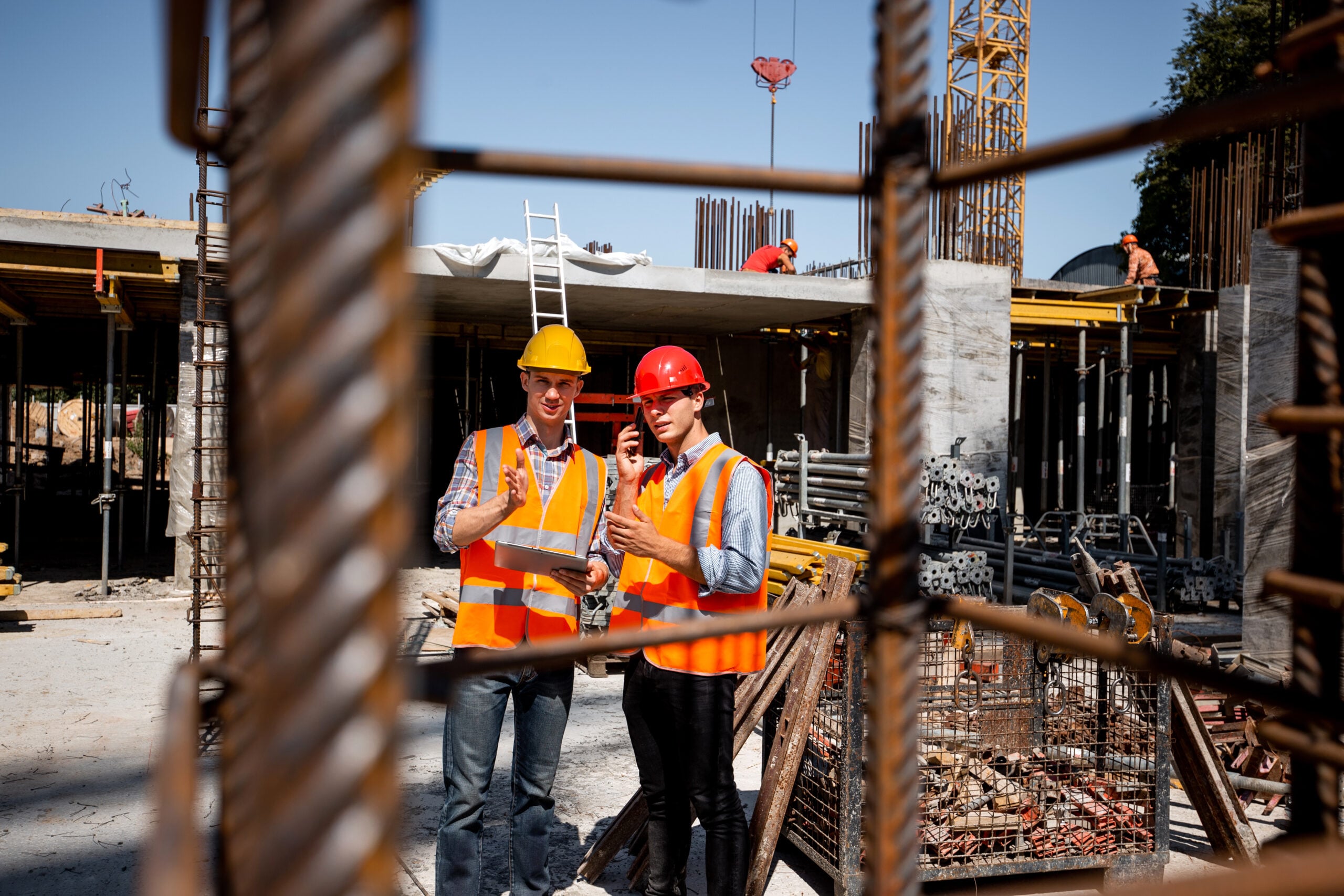
A construction site might involve mobile plant, power tools, excavations, working at heights, electricity, heavy materials and changing site conditions. Healthcare and social assistance workers can encounter very different physical demands, including transferring people, moving beds and equipment and working in awkward positions.
What connects them is the need to recognise risk before it becomes an injury. Training can support that process by giving workers practical knowledge they can apply on the job.
White Card Training: Building a Safety Foundation
For somebody entering the construction industry, one of those foundations is the White Card.
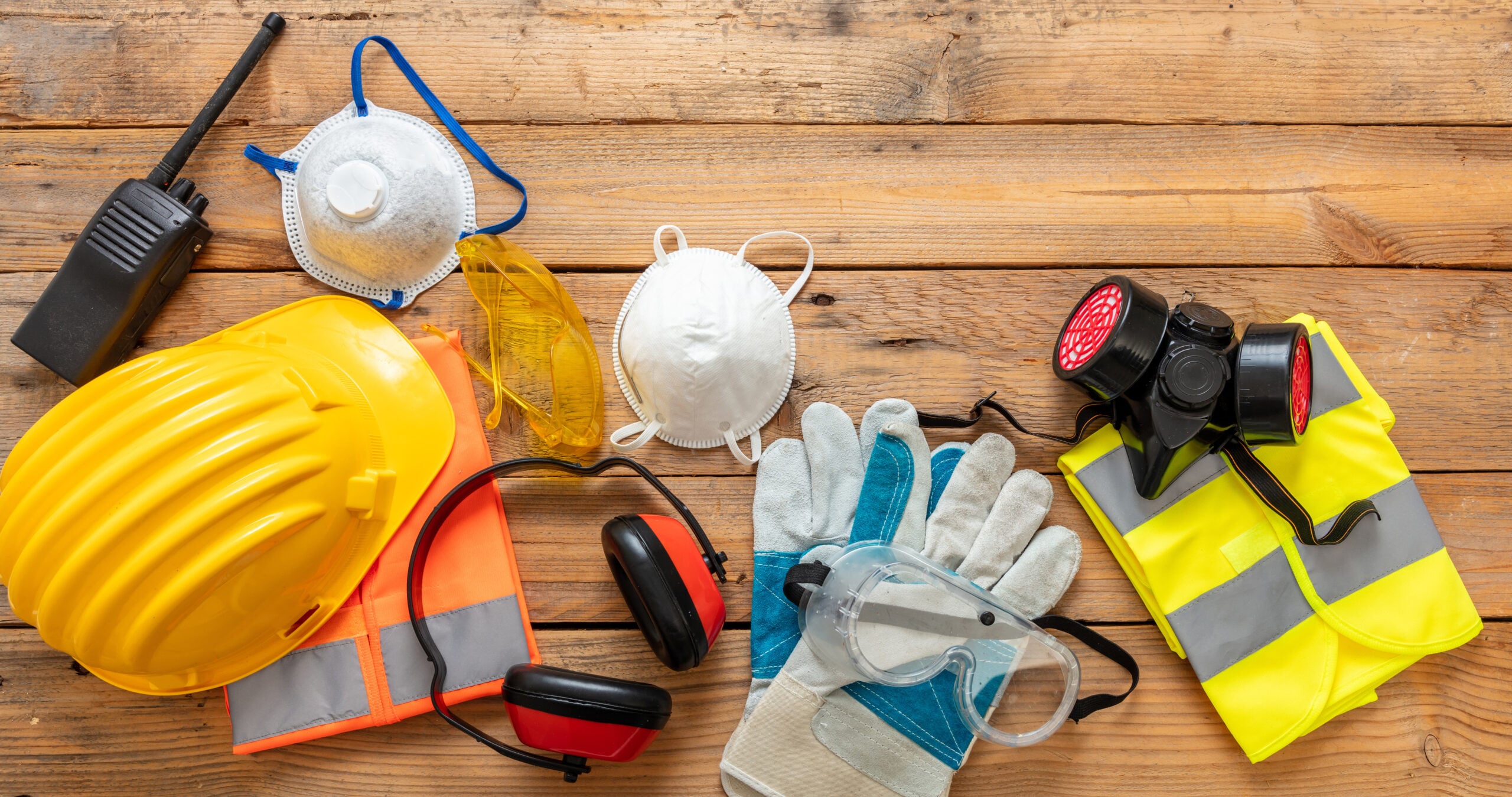
The nationally recognised unit CPCWHS1001 Prepare to work safely in the construction industry specifies the mandatory WHS training required before undertaking construction work. It covers areas including common construction hazards, basic risk controls, WHS responsibilities, safety communication, incident and emergency procedures and the correct selection and fitting of common PPE.
Importantly, the training also covers procedures for accessing first aid.
That makes sense. Construction safety isn’t divided neatly into separate boxes marked “prevention” and “emergency”. Workers need to understand hazards and how to reduce their exposure to them, while also knowing what should happen when an incident occurs.
A White Card should not be viewed as the end of workplace safety education, either. The national unit specifically anticipates site-specific induction before construction work is undertaken.
If you are planning to enter the construction industry, October is a timely opportunity to complete CPCWHS1001 White Card training with First Aid Pro and establish the WHS knowledge required before stepping onto a construction worksite. First Aid Pro provides nationally recognised White Card training, with course availability varying by location and jurisdiction.
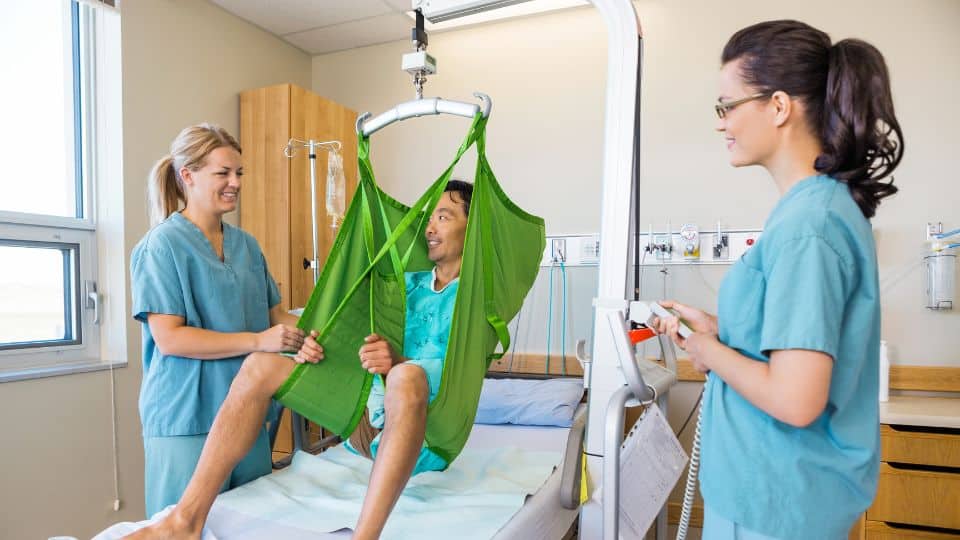
Manual Handling Is About More Than How You Lift
“Bend your knees and keep your back straight.”
For years, advice like that has reduced manual handling to the technique somebody uses when picking up a heavy box. Real workplace risk is considerably more complicated.
Safe Work Australia defines hazardous manual tasks around physical risk factors such as repetitive or sustained force, high or sudden force, repetitive movement, sustained or awkward postures and exposure to vibration. The task might involve lifting or lowering something, but it can just as easily involve pushing, pulling, carrying, moving, holding or restraining a person, animal or object.
This distinction is particularly important in healthcare, aged care and disability support.
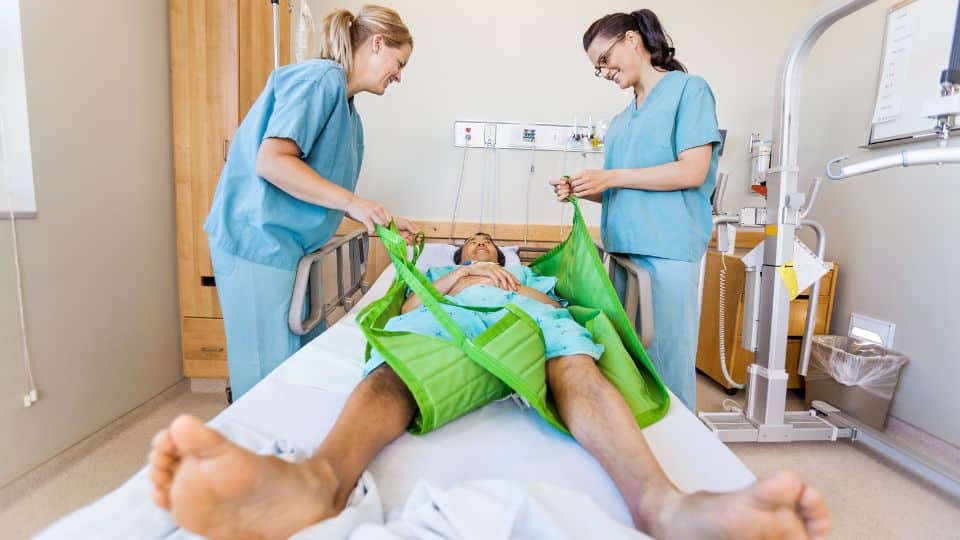
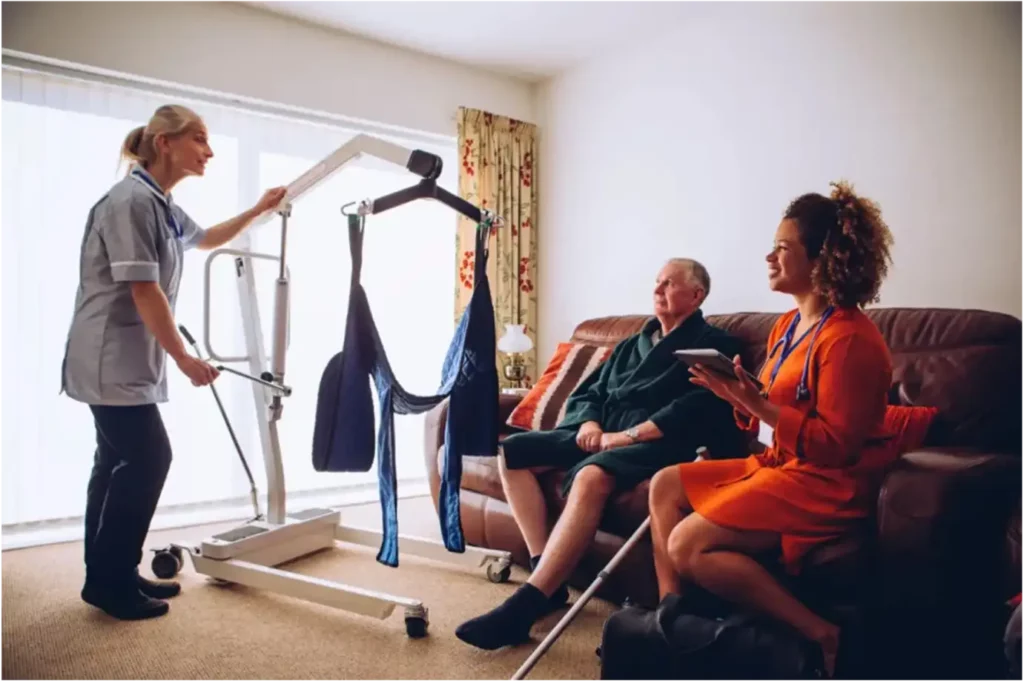
Consider a worker helping a client move up a bed, transferring someone between a bed and chair, pushing equipment or supporting a person whose movements suddenly change. Safe Work Australia identifies people handling as a hazardous manual task and notes that these activities can expose workers to awkward postures and high or sudden forces.
Good manual task safety therefore involves more than remembering a lifting technique. The work itself, equipment, environment, frequency of the task, forces involved and way the job is organised can all affect risk.
HLTWHS005 Conduct Manual Tasks Safely training provides workers with structured training in recognising hazardous manual tasks and applying safer work practices. First Aid Pro offers nationally recognised HLTWHS005 training for people working across areas including healthcare, aged care and disability support, as well as other workplaces where manual tasks form part of the job.
National Safe Work Month is an ideal prompt to look beyond how a worker performs a manual task and ask whether the task could be made safer in the first place.
When Prevention Isn't Enough, First Aid Matters
No workplace can sensibly approach safety on the assumption that an emergency will never happen.
Someone can fall. A worker can suffer a serious cut. Equipment can fail. A person can collapse from a medical emergency that has little or nothing to do with the work they were performing.
That is where first aid preparedness becomes critical.
Safe Work Australia states that workplaces must have access to first aid. First aid needs should be determined by considering factors including workplace hazards, size, location and the people at the workplace. Workplaces must have at least one first aid kit, and appropriate arrangements also include access to trained first aiders and, where required, suitable facilities.
The needs of a suburban office are clearly not identical to those of a construction site, remote worksite or healthcare facility.
Safe Work Australia’s guidance recommends that workplace first aiders hold a nationally recognised statement of attainment from a registered training organisation and undertake training regularly so their knowledge remains current.
For workers wanting to strengthen their own emergency skills this October, HLTAID011 Provide First Aid provides nationally recognised first aid training, while HLTAID009 Provide Cardiopulmonary Resuscitation focuses specifically on CPR.
First Aid Pro offers public First Aid and CPR courses at training locations around Australia, making National Safe Work Month a practical opportunity to gain these skills or update existing training.
Electrical Safety: When Seconds Can Matter
Some workplace hazards demand specialised emergency preparation. Electricity is one of them.
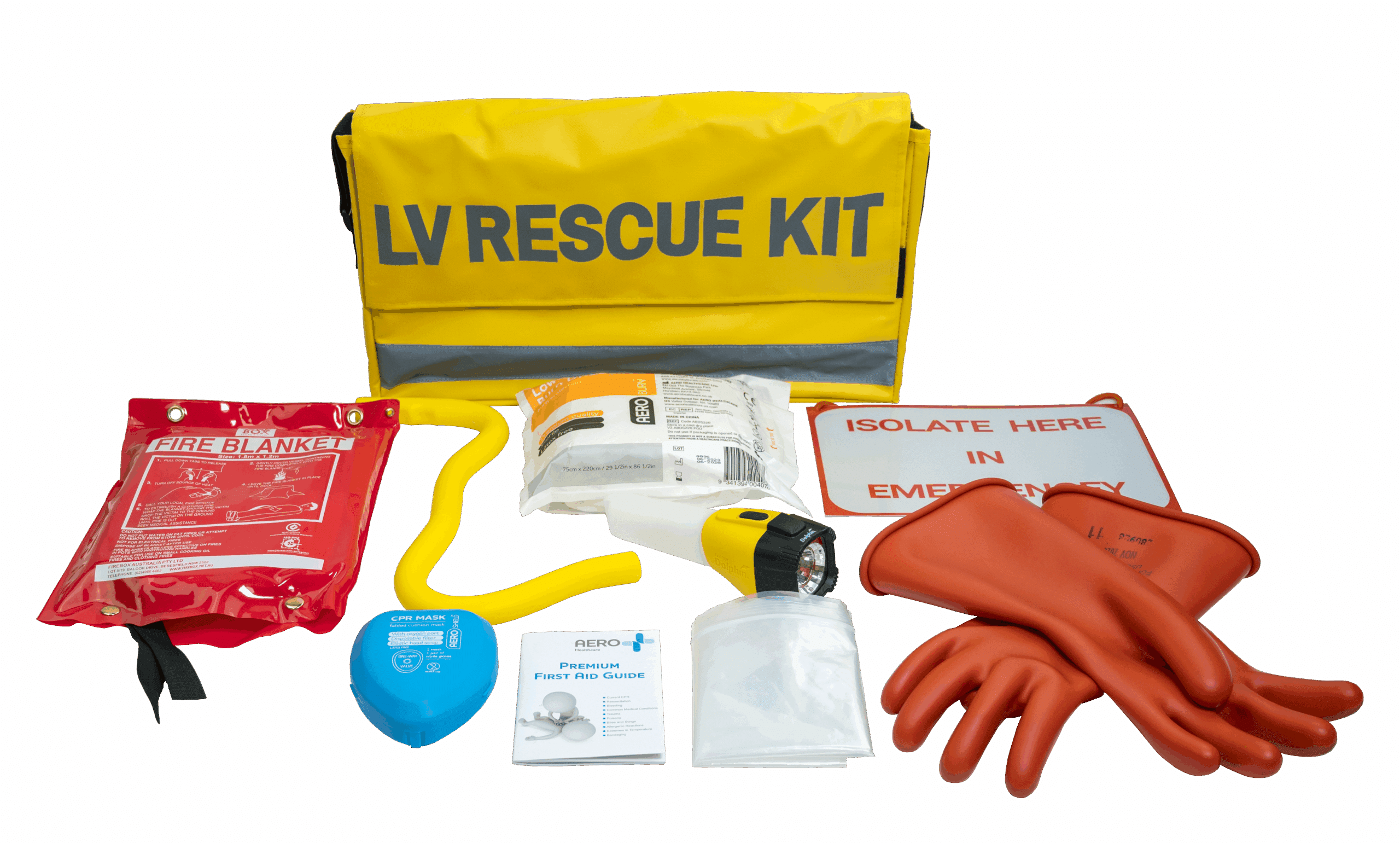
Workers performing electrical work may face circumstances where a person needs to be rescued from a live low-voltage panel. That is not a situation where an untrained person should simply rush in. The electrical hazard must be considered as part of the rescue itself.
UETDRMP018 Perform rescue from a live LV panel is designed for the specialised skills involved in low-voltage rescue. First Aid Pro offers CPR and LVR training for relevant workers, including electricians, electrical contractors, maintenance workers and facilities personnel.
Not every Australian worker requires LVR training. For workers whose role or workplace requires it, however, keeping those emergency skills current is an important part of being prepared for a potentially life-threatening electrical incident.
Construction and Care Work Look Different — But the Safety Principle Is the Same
Put a construction worker and an aged care worker side by side and their working days may appear to have very little in common.
One might be moving materials around a building site, using tools and working near mobile plant. The other may be helping people transfer, repositioning clients, pushing beds or wheelchairs and working in confined spaces around furniture and equipment.
Yet both can be exposed to physical hazards capable of causing serious injury.
The solution isn’t simply telling people to “be careful”.
Work needs to be designed and managed so hazards can be identified and risks eliminated or minimised. Workers need to understand the risks relevant to their jobs and the procedures and controls designed to protect them.
Then, because even well-managed workplaces can experience emergencies, people need to know how to get help and provide an appropriate first aid response within their level of training.
That creates a straightforward safety sequence:
Recognise the hazard. Control the risk. Perform the work safely. Be prepared if something goes wrong.
White Card, manual handling, CPR, first aid and LVR training serve different purposes. Together, they illustrate an important point raised by National Safe Work Month: workplace safety is not one skill, one certificate or one annual toolbox talk.
It is an ongoing way of approaching work.
Make October the Month You Check Your Safety Skills
National Safe Work Month does not need to mean another poster on the lunchroom wall. It can be the trigger for a practical conversation.
When did you last complete CPR training? Are your first aid skills current? Do the physical tasks you perform expose you to manual handling risks? Are you entering construction and still need your White Card? If you work around electrical equipment, are your CPR and LVR competencies appropriate for your role and workplace requirements?
Employers should consider those questions as part of their wider WHS arrangements. Individual workers can ask them too.
If you have been meaning to update your skills, National Safe Work Month 2026 is a good reason to stop putting it off.
First Aid Pro offers nationally recognised First Aid, CPR, HLTWHS005 Manual Handling, CPCWHS1001 White Card and UETDRMP018 CPR/LVR training, with public courses and workplace training options available across Australia.
Because “Safe work is for life” means more than avoiding today’s accident. It means developing safer habits, recognising risks earlier and having the skills to act when somebody genuinely needs help.
Related Reading
Safe Work Australia – Hazardous manual tasks – Code of Practice
Safe Work Australia – FIRST AID IN THE WORKPLACE Code of Practice
Safe Work Australia – National Safe Work Month
First Aid Pro – Free First Aid Charts & CPR Posters | Printable PDFs
FAQs about National Safe Work Month
What is National Safe Work Month?
National Safe Work Month is an Australian workplace health and safety campaign held every October. Safe Work Australia has run the campaign since 2009 to encourage workplaces to focus on WHS and take action to reduce work-related injuries, illnesses and fatalities.
What is the theme for National Safe Work Month 2026?
The 2026 theme is “Safe work is for life”. It highlights the importance of protecting workers not only from immediate harm but also from workplace injuries and illnesses that can affect their long-term health, lives and futures.
Do construction workers need first aid training as well as a White Card?
A White Card and first aid qualification serve different purposes. CPCWHS1001 provides the general WHS induction required before undertaking construction work, while first aid training develops skills for responding to injuries and medical emergencies. Workplace first aid requirements depend on factors including hazards, workforce size and location, so not every individual construction worker is necessarily required to hold a first aid certificate.
Who should complete manual handling training?
Manual handling training can be valuable for workers who regularly perform potentially hazardous manual tasks, including workers in healthcare, aged care, disability support, construction, warehousing and other physically demanding occupations. Workplace requirements should be based on the actual tasks and risks involved.
How often should first aid and CPR training be renewed?
Safe Work Australia’s first aid guidance says workplace first aiders should attend training regularly to keep their knowledge current. Renewal requirements can also depend on workplace policies, industry requirements and the particular unit completed. Workers should check the requirements applying to their role and workplace and ensure their training remains current.