



Sharon has 21+ years of experience as a qualified Emergency Care Nurse registered with the Australian Health Practitioner Regulation Agency (APHRA) and 12+ years as a First Aid Trainer.
She takes pride in FirstAidPro making first aid training available, comprehensive and affordable to everybody.
High intensity support refers to specialised, high-risk disability support delivered under the National Disability Insurance Scheme (NDIS) to participants with complex health or personal care needs. In Australia, NDIS high intensity support requires workers to have verified skills, training, and oversight to ensure safe, lawful, and high-quality care. This comprehensive training guide explains what is considered high intensity support, the meaning of high intensity care, key support worker skills, high intensity daily personal activities, and the high intensity support skills descriptors set by the NDIS Quality and Safeguards Commission.
Enrol in nationally recognised High Intensity Support Skills (HISS) training with First Aid Pro to build compliant, job-ready skills for complex care across the NDIS sector.

Key Takeaways
- High intensity support under the NDIS involves complex, higher-risk supports that require specific skills, training, and oversight beyond standard disability support.
- The NDIS Quality and Safeguards Commission mandates competency-based training aligned to high intensity support skills descriptors for providers and support workers delivering these supports.
- High intensity daily personal activities may appear routine but become high risk due to a participant’s condition, equipment, or clinical needs.
- Support workers must only deliver high-intensity supports they are trained and authorised to perform, following participant support plans and clinical instructions.
- Registered NDIS providers are responsible for identifying high intensity supports, tracking worker training, and ensuring ongoing supervision and refresher training.
- Nationally recognised High Intensity Support Skills (HISS) training protects participants, workers, and providers, supporting safe, compliant, and high-quality care across the NDIS sector.
Understanding High Intensity Support Skills Under the NDIS
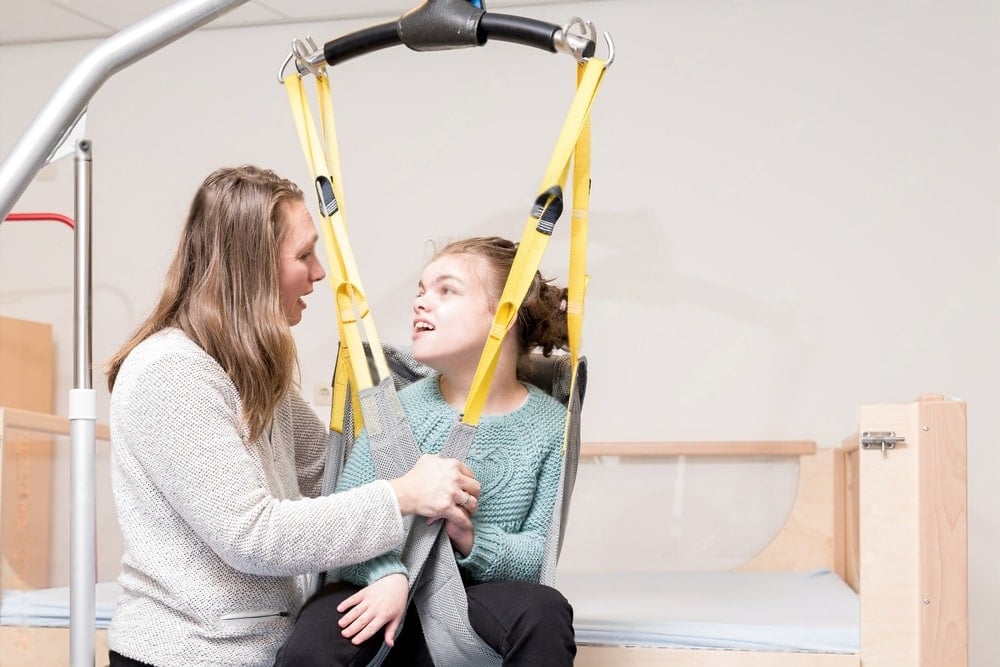
High intensity support refers to specialised assistance provided to NDIS participants who require complex health care interventions as part of their daily living. These are supports requiring specialised skills, where training of support workers is overseen by a registered nurse to ensure safe and effective care for participants with complex support needs.
Unlike standard disability support, high intensity supports involve clinical procedures that carry significant risk if performed incorrectly. These supports present some of the highest risks for participants and are intensely personal in nature, requiring workers to communicate and work closely with the participant to understand when and how to deliver supports safely
What is considered high intensity support?
Typical features include:
- Ongoing or frequent high intensity daily personal activities
- Clinical oversight or delegation from a health professional
- Detailed support plans and risk controls
- Mandatory training mapped to high intensity support skills descriptors
What is the meaning of high intensity care?
High intensity care means delivering supports that are:
- Specialised (not routine personal care)
- High risk if performed incorrectly
- Regulated by the NDIS Commission
- Training-dependent, with documented competency
Important: High intensity care does not mean “medical treatment”. Instead, it is disability support delivered within the NDIS framework, often following health-professional instructions.

NDIS High Intensity Support and the NDIS Practice Standards
The role of the NDIS Quality and Safeguards Commission & Why Practice Standards Matter
The role of the NDIS Quality and Safeguards Commission
The NDIS Commission regulates how registered NDIS providers deliver high intensity supports. The Commission requires providers to:
- Identify when supports meet NDIS high intensity thresholds
- Ensure workers complete high intensity support skills training
- Maintain evidence of training, supervision, and refresher training
- Protect participants through the NDIS Quality and Safeguards system
Why practice standards matter
The NDIS Practice Standards exist to:
- Reduce preventable harm
- Ensure consistent care across the NDIS sector
- Clarify accountability between providers, workers, and clinicians
- Protect participants receiving high intensity support
Compliance note: Failure to comply can lead to audits, sanctions, or loss of NDIS registration.

NDIS Practice Standards and Registration Requirements
Module 1: High Intensity Daily Personal Activities
To provide high intensity supports, NDIS providers must:
- Register specifically for Module 1 – Providers can only provide the high intensity daily activity supports that are set out in their certificate of registration
- Undergo certification audits – Independent auditors assess compliance with Practice Standards
- Maintain documented systems – Policies, procedures, training records, and risk assessments
- Employ appropriately trained workers – Staff with verified competencies in relevant HIDPAs
- Implement quality assurance processes – Regular reviews, incident management, continuous improvement
Key Practice Standards Requirements
Each participant is involved in the assessment and development of the plan for their support, and with their consent, the participant’s health status is subject to regular and timely review by an appropriately qualified health practitioner.
Providers must demonstrate:
- Participant-centred planning and service delivery
- Worker training overseen by qualified health practitioners
- Competency assessment before workers deliver HIDPAs independently
- Regular review and update of worker skills
- Incident management and reporting systems
- Quality improvement mechanisms
Take your NDIS career to the next level. Book your High Intensity Support Skills training with First Aid Pro today and meet NDIS Practice Standards with confidence.
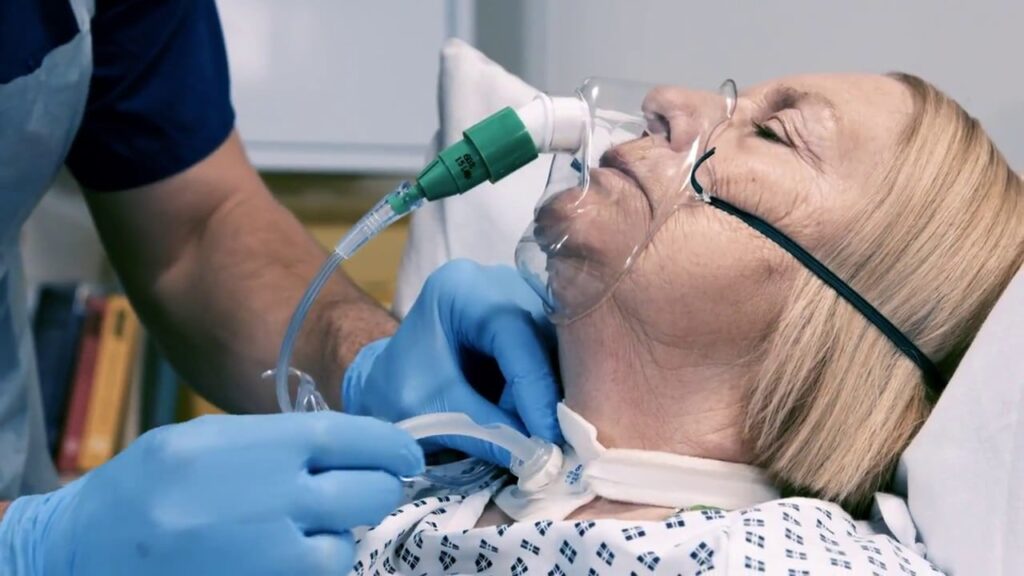
Types of High Intensity Daily Personal Activities (HIDPAs)
The NDIS Quality and Safeguards Commission identifies nine specific high intensity support areas under Module 1:
HIDPA Category | Examples of Support |
Manual evacuation, digital stimulation, stoma management | |
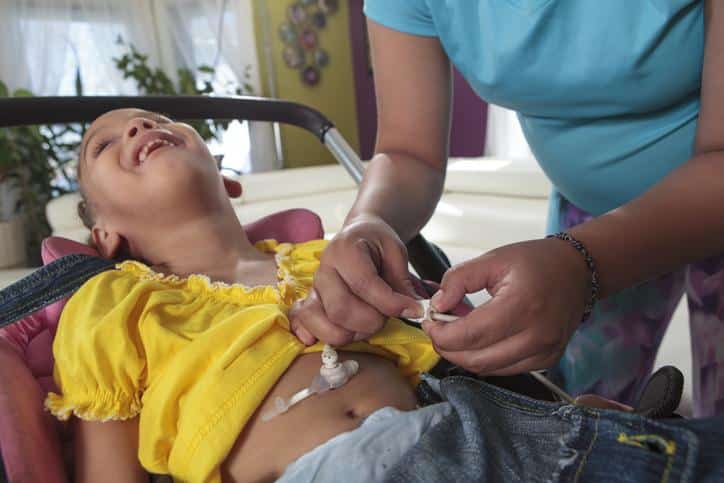
Naso-gastric tube feeding, PEG tube management, medication administration via feeding tubes | |
Modified texture diets, safe mealtime practices, aspiration risk management | |
Suctioning, stoma care, emergency management | |
Monitoring ventilation equipment, emergency response procedures | |
Intermittent catheterisation, indwelling catheter management | |
Insulin administration, medication delivery | |
Pressure injury management, dressing changes for severe wounds | |
Seizure response protocols, rescue medication administration |
What Are the Key Skills of a Support Worker Providing High Intensity Support?
Core Competencies
Support workers delivering high intensity supports must demonstrate proficiency across multiple skill domains:
1. Clinical Skills
- Proper technique for specific procedures (catheterisation, suctioning, feeding, etc.)
- Infection prevention and control measures
- Vital signs monitoring and documentation
- Emergency response protocols
2. Communication Skills
- Clear, respectful dialogue with participants
- Effective liaison with health practitioners and families
- Accurate record-keeping and incident reporting
- Understanding alternative communication methods
3. Person-Centred Practice
- Respecting participant autonomy and dignity
- Obtaining informed consent before providing support
- Adapting approaches to individual preferences
- Promoting independence wherever possible
4. Risk Management
- Recognising early warning signs of complications
- Implementing appropriate safety measures
- Responding swiftly to adverse events
- Following escalation procedures
5. Professional Standards
- Adhering to the NDIS Code of Conduct
- Maintaining confidentiality and privacy
- Engaging in continuous professional development
- Working within scope of competence

Training Pathways for High Intensity Support Skills
Initial Training Requirements
Workers should get training by an appropriately qualified health practitioner or a person who meets the expectations of the skills descriptor. Training must:
- Be specific to each participant’s needs
- Cover the particular HIDPA type and techniques required
- Include both theoretical knowledge and practical skill development
- Be delivered or overseen by registered nurses or relevant health professionals
- Include competency assessment before independent practice
Training Delivery Methods
Quality HISS training programs typically combine:
Learning Method | Purpose |
Online modules | Theoretical foundation, policies, procedures, anatomy and physiology |
Face-to-face workshops | Demonstration of techniques, hands-on practice with equipment |
Clinical simulation | Practice in controlled environments before working with participants |
Competency assessment | Practical observation by qualified health practitioners |
On-the-job supervision | Supported practice with actual participants under oversight |
Refresher Training and Competency Maintenance
Most HIDPA competencies require annual refresher training to ensure skills remain current and align with best practices, though this can vary based on the specific activity.
The NDIS Commission recommends:
- Annual competency reassessment as a minimum
- More frequent updates for high-risk procedures
- Refresher training when returning to a HIDPA after 3+ months break
- Additional training when participant needs change
- Updates when new equipment or protocols are introduced

Nationally Recognised HISS Training Options
When selecting a training provider, NDIS support workers should ensure:
Accreditation and Recognition
- Registered Training Organisation (RTO) status
- Alignment with NDIS Practice Standards and Skills Descriptors
- Recognition by the NDIS Quality and Safeguards Commission
- Acceptance by NDIS auditors nationwide
Course Quality Indicators
- Delivery by qualified health practitioners (nurses, paramedics, allied health professionals)
- Hands-on practical components with real equipment
- Individualised competency assessment
- Provision of Statement of Attainment or Certificate of Completion
- Access to ongoing support and resources
Flexible Learning Options
- Public courses at convenient locations
- Corporate on-site training for provider organisations
- Virtual/online theoretical components
- Practical assessments available Australia-wide
First Aid Pro offers comprehensive HISS training across Australia, with courses designed to meet all NDIS requirements. Their experienced health practitioner trainers deliver practical, competency-based training that prepares support workers for real-world scenarios.
Career Advancement and Salary Implications
Gaining high intensity support skills significantly enhances career prospects in the disability sector. Support workers with HISS qualifications can:
- Access a wider range of employment opportunities
- Command higher hourly rates (specialist skills attract premium pay)
- Take on more complex and rewarding roles
- Progress into coordination, training, or management positions
- Demonstrate commitment to professional excellence
The disability support sector offers competitive remuneration, with full-time averages around $60,000–$75,000 for experienced disability support workers; HISS may push mid-level to $74,000–$80,000.annually, depending on experience, qualifications, and the complexity of supports provided.
Invest in your professional development. Enrol in First Aid Pro’s nationally recognised HISS training and unlock new career opportunities in the growing NDIS sector.

Workplace Responsibilities for HISS-Qualified Workers
Documentation and Record-Keeping
Support workers must maintain accurate, timely records including:
- Daily support logs and observation charts
- Incident and near-miss reports
- Communication with health practitioners
- Equipment checks and maintenance records
- Participant preference and consent documentation
Collaboration with Health Professionals
HISS workers operate within a multidisciplinary framework:
- Following care plans developed by doctors, nurses, allied health professionals
- Reporting changes in participant condition promptly
- Seeking guidance when situations fall outside training scope
- Participating in case conferences and care reviews
- Implementing recommendations from health assessments
Ethical and Legal Obligations
All NDIS workers must:
- Uphold the NDIS Code of Conduct at all times
- Maintain participant confidentiality and privacy
- Obtain informed consent before providing support
- Respect participant dignity, culture, and preferences
- Work only within their assessed competency level
- Report any safeguarding concerns appropriately
Knowledge Quiz
Test your understanding of High Intensity Support Skills:
Question 1: What is the primary purpose of High Intensity Support Skills training?
Question 2: How often should HISS competencies typically be refreshed?
Question 3: Who should oversee HISS training delivery?
Question 4: Which module of the NDIS Practice Standards covers High Intensity Daily Personal Activities?
Question 5: What must happen before a support worker can provide HISS independently?
Question 6: Which of these is NOT a HIDPA category?
Question 7: What is the key principle underpinning all HISS delivery?
Question 8: When should additional HISS training be undertaken?
Answers: 1-b, 2-c, 3-c, 4-b, 5-c, 6-b, 7-c, 8-b
Select one answer for each question, then click “Check Answers”.

The Value of High Intensity Support Skills Training for NDIS Support Workers and Providers
High Intensity Support Skills training represents a critical pathway for NDIS support workers committed to delivering safe, effective, person-centred care to participants with complex needs. By investing in quality HISS training, support workers not only enhance their professional capabilities and career prospects but also contribute to the safety, dignity, and wellbeing of some of Australia’s most vulnerable community members.
The NDIS Practice Standards and High Intensity Support Skills Descriptors provide clear frameworks for training, competency, and ongoing professional development. Support workers who embrace these requirements demonstrate genuine commitment to excellence in disability support.
As the disability sector continues to grow and evolve, the demand for skilled, qualified, compassionate support workers will only increase. HISS training opens doors to rewarding, meaningful work where you make a tangible difference every single day.
Ready to begin your HISS training journey? First Aid Pro delivers nationally recognised, NDIS-compliant HISS training across Australia, with flexible options to suit individual learners and organisational teams. Take the first step towards advanced disability support practice and enrol today.
References
- NDIS Quality and Safeguards Commission – Practice Standards and Guidance
- NDIS Quality and Safeguards Commission. (2025). Supplementary Module: High Intensity Daily Personal Activities. https://www.ndiscommission.gov.au/rules-and-standards/ndis-practice-standards/supplementary-module-high-intensity-daily-personal
NDIS Quality and Safeguards Commission. (2024). High Intensity Support Skills Descriptors. https://www.ndiscommission.gov.au/sites/default/files/2024-09/High%20Intensity%20support%20skills%20descriptors.pdf
First Aid Pro. (2025). High Intensity Daily Personal Activities: Essential Training for NDIS Support Providers. https://www.firstaidpro.com.au/blog/high-intensity-daily-personal-activities-essential-training-for-ndis-support-providers/
Provider Plus. (2024). Navigating NDIS High-Intensity Support Services: What You Need to Know. https://www.providerplus.com.au/post/navigating-ndis-high-intensity-support-services-what-you-need-to-know
Frequently Asked Questions
What is considered high intensity support under the NDIS?
High intensity support includes complex, high-risk supports requiring specialised skills, training, and oversight, such as ventilator support or complex bowel care.
. Is high intensity support the same as clinical care?
No. High intensity support is disability support delivered within the NDIS, often following instructions from a health professional but not replacing medical care.
Do all support workers need HISS training?
Only workers delivering NDIS high intensity support require HISS training relevant to the supports they provide.
What happens if a provider delivers high intensity supports without training?
This breaches NDIS Practice Standards and may result in audits, sanctions, or loss of registration.
How often should high intensity support skills be refreshed?
Refresher training should occur regularly, based on risk, complexity, and NDIS Commission guidance.