




Sharon has 21+ years of experience as a qualified Emergency Care Nurse registered with the Australian Health Practitioner Regulation Agency (APHRA) and 12+ years as a First Aid Trainer.
She takes pride in FirstAidPro making first aid training available, comprehensive and affordable to everybody.
Early Childhood Educators’ Day 2026 falls on Wednesday, 2 September, recognising the important contribution Australia’s early childhood educators make to children’s wellbeing, learning and development. It is also a timely opportunity for early learning services to review their childcare first aid requirements, including whether appropriately trained people, emergency procedures and first aid resources are ready when a child becomes ill or injured. For many services, HLTAID012 Provide First Aid in an education and care setting is an important part of that preparedness.
Early childhood educators do work that families see every day: welcoming children in the morning, encouraging learning through play, settling tears, building confidence and helping young minds make sense of the world around them.
There is another side to the job that families may see less often. Educators are also responsible for children’s safety throughout the day, including during those unexpected moments when an ordinary day suddenly becomes a first aid emergency.
A child may choke during lunch. Someone with a known allergy could develop anaphylaxis. A fall from playground equipment could result in a head injury or fracture. An infant could become unresponsive.
Recognising educators should therefore include recognising the responsibility they carry — and making sure they have the training and workplace support to respond when something goes wrong.

Key Takeaways
- Early Childhood Educators’ Day 2026 is Wednesday, 2 September, recognising the contribution educators make to children’s wellbeing, learning and development.
- Under ACECQA, Australian education and care services have specific requirements concerning first aid qualifications, anaphylaxis management and emergency asthma management.
- HLTAID012 Provide First Aid in an education and care setting is approved by ACECQA for first aid, asthma and anaphylaxis nationally.
- Childcare first aid training addresses emergencies involving infants and children, including CPR, choking, asthma, anaphylaxis and common injuries and illnesses.
- First aid readiness involves more than certificates. Services also need suitable equipment, procedures, communication systems and trained people available when required.
What Is Early Childhood Educators’ Day?
Early Childhood Educators’ Day is an Australian initiative dedicated to recognising and celebrating educators working in early learning services. In 2026, it will be held on Wednesday, 2 September. (The Sector)
It is an opportunity for children, families, service operators and the wider community to acknowledge the influence educators have during some of the most formative years of a child’s life.
That contribution reaches far beyond organised activities and early learning programs.
Educators help children develop relationships, independence, communication skills and confidence. They notice when a child is unusually quiet. They comfort children when they are frightened or hurt. They manage allergies, medical conditions and countless everyday risks while supervising groups of active young people.
That makes children’s health and safety an inseparable part of the profession.
A morning tea or handwritten card can be a lovely way to say thank you on Early Childhood Educators’ Day. Giving educators the skills, resources and workplace systems they need to manage an emergency is another practical way of showing that their responsibilities are understood and supported.
Keeping Children Safe Is Part of the Responsibility
Children have an extraordinary talent for turning an apparently safe environment into an adventure.
They run, climb, jump and explore. Younger children investigate objects with their mouths. Food is shared around tables. Outdoor play brings the possibility of falls, bites and stings. Existing health conditions such as asthma or severe allergies can also require an immediate response.
Most days pass without a serious emergency. The difficulty is that nobody knows which day won’t.
Imagine an educator supervising lunch when a young child suddenly begins choking. Or an educator on playground duty seeing a child fall heavily and strike their head. In another service, the emergency might be an allergic reaction requiring rapid recognition and an adrenaline injector.
In a life-threatening emergency, educators may need to assess what is happening, call Triple Zero (000), begin first aid and continue caring for the child until paramedics arrive — while colleagues manage the other children and contact the family.
Those are difficult skills to improvise under pressure. They are much easier to draw upon when they have already been practised.
What Are the First Aid Requirements for Early Learning Centres?
This is an area where it is worth separating the actual regulatory requirements from some of the broad claims made about childcare first aid.
Under Regulation 136 of the Education and Care Services National Regulations, centre-based services must ensure appropriately qualified people are in attendance at all times at any place children are being educated and cared for by the service and are immediately available in an emergency.
ACECQA explains that this includes at least one staff member or nominated supervisor with a current approved first aid qualification, along with requirements for current approved anaphylaxis management and emergency asthma management training. One person can hold all three qualifications, or the requirements can be met by different people. (ACECQA)
This does not mean every educator working in every centre-based service must personally hold HLTAID012.
Family day care requirements are different.
ACECQA states that each family day care educator and family day care educator assistant must hold a current approved first aid qualification and have undertaken current approved anaphylaxis and emergency asthma management training. (ACECQA)
Services should therefore understand the requirements applying to their particular setting rather than relying on a blanket rule.
There is a practical consideration too. Meeting the minimum regulatory requirement and having enough capable people available to manage a real emergency are not necessarily the same question. Rosters, breaks, excursions, leave, staff turnover and the physical layout of a service can all affect how readily first aid assistance is available.
Where Does HLTAID012 Fit In?
HLTAID012 Provide First Aid in an education and care setting is a nationally recognised unit developed specifically for people who may need to respond to emergencies involving infants and children in education and care environments.
The National Training Register states that the unit applies to workers in education and care settings who may need to respond to first aid emergencies, including asthma and anaphylaxis. This includes early childhood workers as well as educators working with school-aged children in outside school hours care and vacation programs. (Training.gov.au)
Importantly for services considering their compliance arrangements, ACECQA lists HLTAID012 as nationally approved for first aid, asthma and anaphylaxis. (ACECQA)
For educators or services reviewing their first aid preparedness, a recognised HLTAID012 Childcare First Aid course with First Aid Pro provides training specifically directed towards emergencies that can arise in education and care environments.
Why Childcare First Aid Is Different
There is good reason for having first aid training designed around education and care settings.
Children are not simply smaller adults. Age and physical development can affect how first aid is provided, while a young child’s ability to describe symptoms or explain what happened may be limited.
The emotional side matters too.
An injured four-year-old may be frightened, crying and unable to explain where it hurts. An educator may simultaneously need to assess the child, reassure them, keep other children safe, arrange emergency assistance and communicate with colleagues and family members.
HLTAID012 therefore goes beyond learning isolated first aid techniques in giving childhood educators the confidence they need in a crisis. The nationally recognised unit includes responding to emergencies, applying appropriate first aid, communicating details of incidents and reviewing first aid responses. Its required knowledge includes first aid guidelines relevant to infants, children and adults as well as legal and workplace considerations for education and care services. (Training.gov.au)
That context matters.
The best time to learn how to respond to a distressed child is not when an emergency is already unfolding in front of you.
Emergencies Early Childhood Educators May Need to Manage
Childcare first aid training focuses on emergencies educators could realistically encounter in early learning environments.
Choking
Babies and young children eat, explore and put objects into their mouths. Educators need to recognise when choking has become an emergency and know the appropriate response.
Anaphylaxis
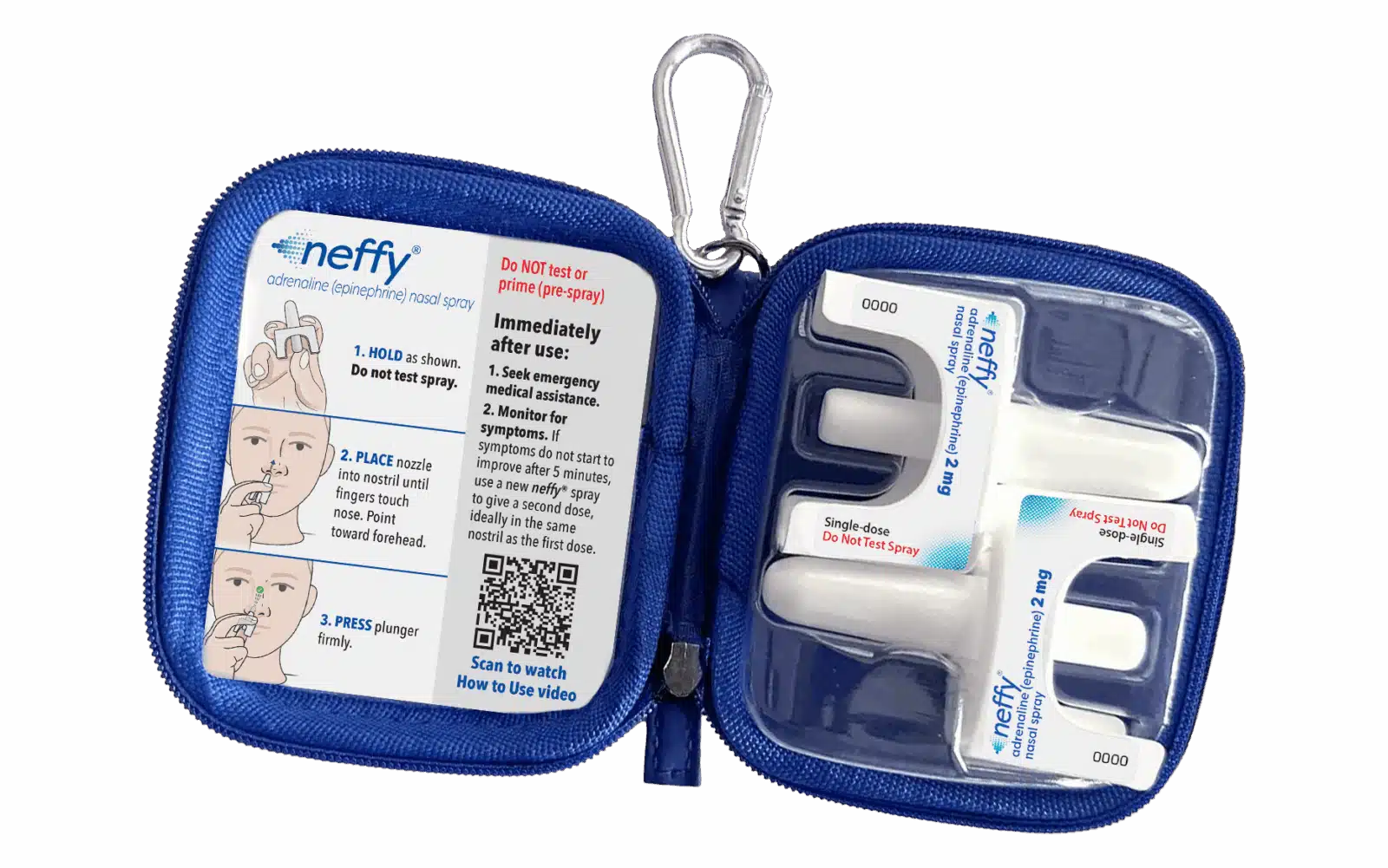
Anaphylaxis can develop rapidly after exposure to an allergen. Educators need to recognise signs of a severe allergic reaction, follow the child's emergency plan where applicable and know how an adrenaline injector is used.
Asthma
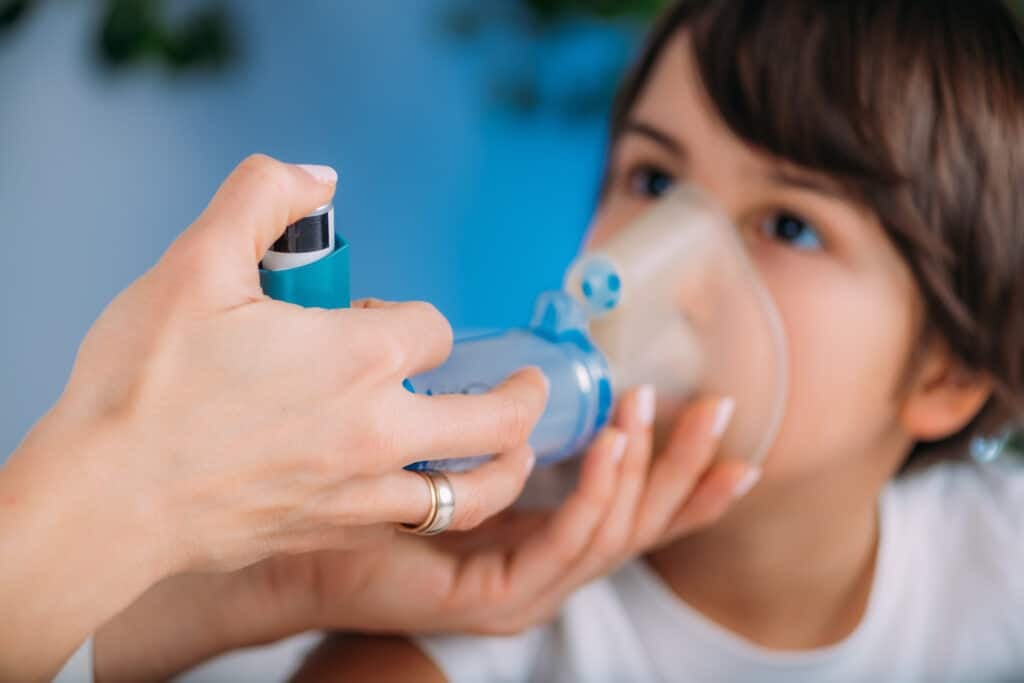
An educator may need to recognise an asthma emergency and provide appropriate first aid using the child's reliever medication and spacer where indicated.
Common Injuries
Everyday incidents can include playground falls, cuts, burns, fractures, dental injuries, bites and stings.
Medical Emergencies
Educators may also encounter seizures, diabetic emergencies, breathing difficulties, dehydration or poisoning.
The Role of First Aid
First aid is not about replacing doctors or paramedics. It is about recognising the emergency, providing appropriate immediate assistance and obtaining professional medical help when required.
Good childcare first aid training helps educators respond with practical, age-appropriate skills when an ordinary day suddenly becomes an emergency.
What Do Educators Learn in an HLTAID012 Course?
HLTAID012 provides a structured framework for responding to emergencies involving children and infants rather than relying on instinct when something goes wrong.
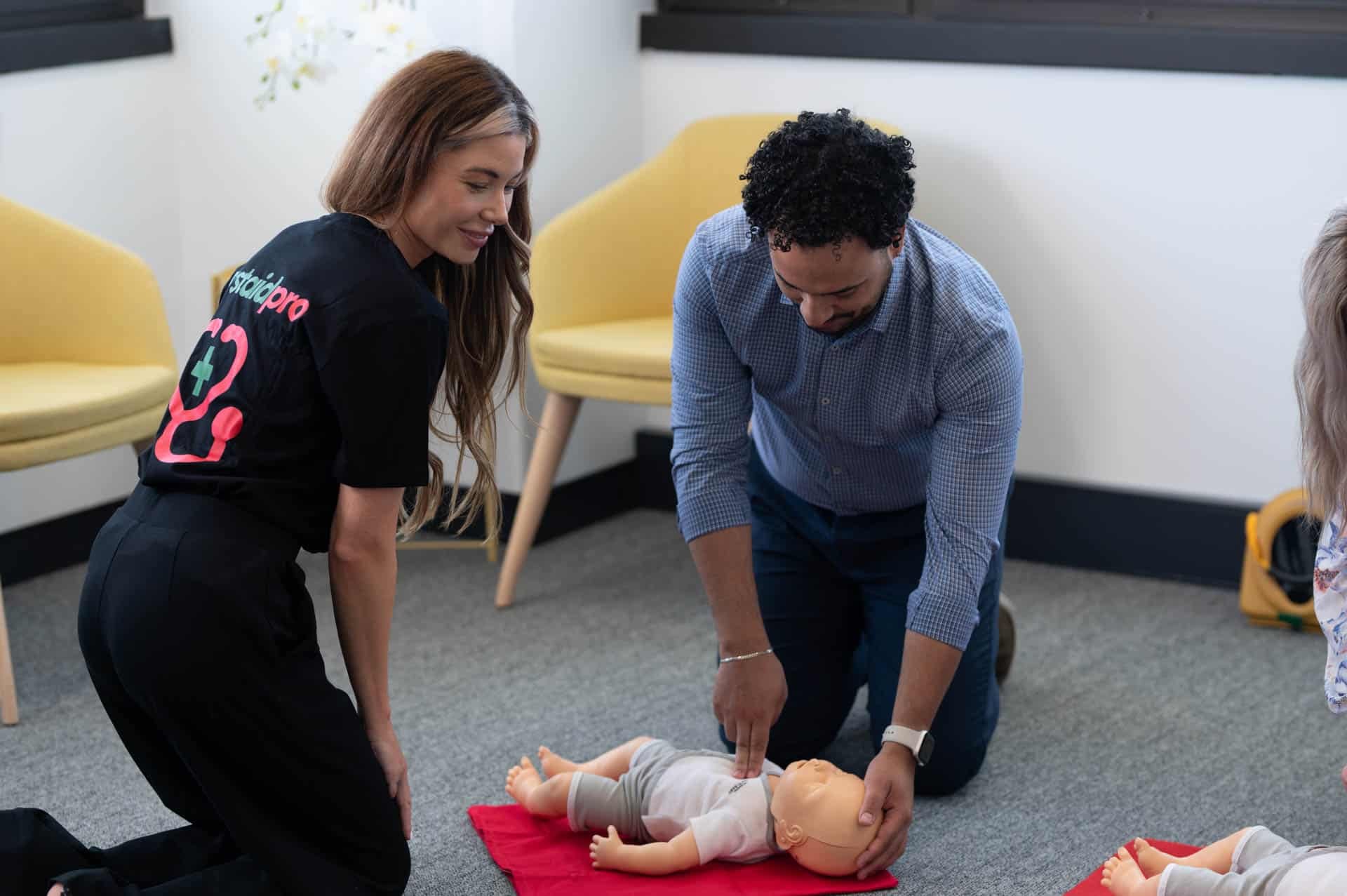
The nationally recognised unit requires participants to demonstrate practical skills, including CPR and the use of an automated external defibrillator (AED). Assessment also covers first aid responses for a range of conditions and injuries and requires simulated environments to reflect real-life situations in which those skills could be needed.
Training includes: DRSABCD, CPR, choking, asthma, anaphylaxis, wounds, burns, fractures, seizures and other medical emergencies, together with communication and incident-management responsibilities.
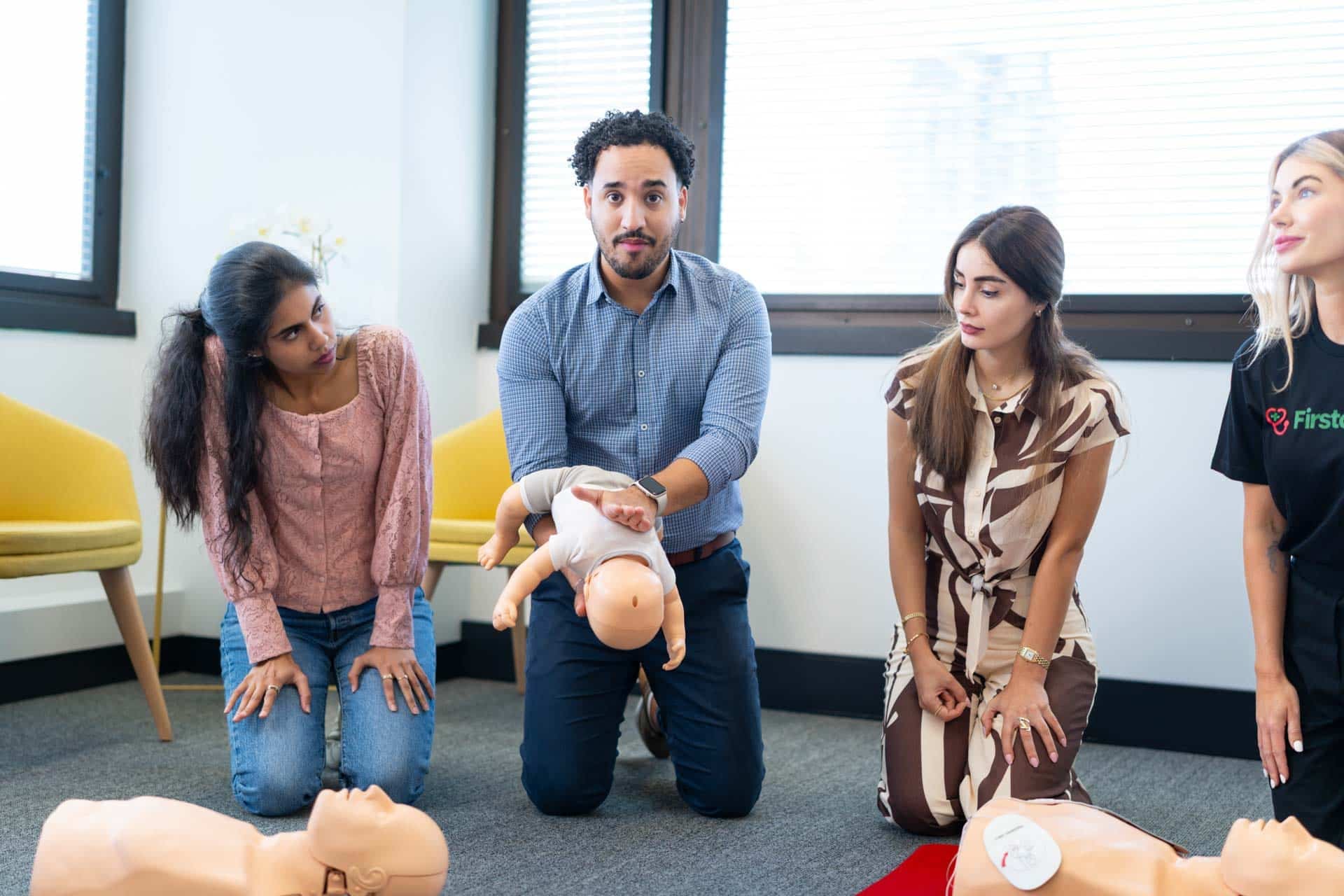
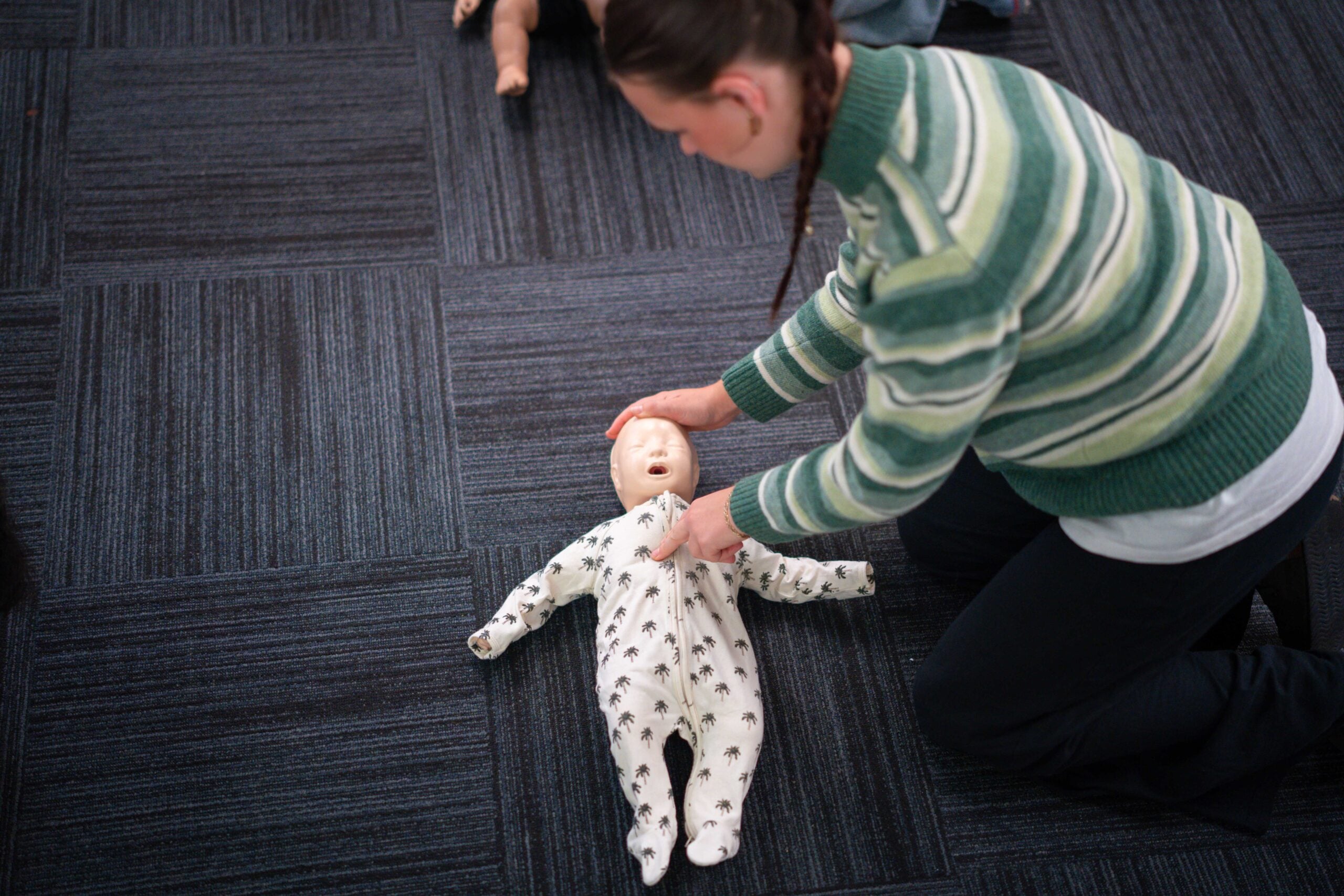
Practical training matters because reading about CPR and actually performing compressions on a manikin are very different experiences. The same applies to using an AED, responding to choking or practising how you would manage a simulated emergency while communicating clearly with others.
For educators who need to gain or renew these skills, First Aid Pro’s HLTAID012 Provide First Aid in an education and care setting course provides nationally recognised childcare-focused first aid and CPR training.
Is Having an HLTAID012 Certificate Enough?
A qualification is important, but first aid preparedness doesn’t end when the Statement of Attainment arrives.
Think about what happens after an educator recognises an emergency.
Where is the first aid kit? Can it be reached quickly? Who calls Triple Zero? Who supervises the other children? Where are children’s medical management plans kept? Can staff rapidly locate an adrenaline injector or asthma medication when required? Who contacts the child’s parents?
Safe Work Australia advises workplaces to provide access to first aid equipment, facilities and trained first aiders and to base their arrangements on the risks and characteristics of the workplace. It also recommends keeping first aid kits readily accessible and regularly maintained. (Safe Work Australia)
Education and care services operate under additional sector-specific requirements, but the broader principle is useful: first aid works as a system – a certificate provides skills. Workplace procedures make it possible to put those skills into action.
Don't Wait for an Emergency to Discover the Gaps
Early Childhood Educators’ Day provides a useful prompt for centre directors, nominated supervisors and providers to look at how first aid preparedness works in practice.
A simple review can ask whether appropriately qualified people are available throughout operating hours, whether CPR skills are current, whether first aid supplies can be accessed quickly and whether staff know the service’s emergency procedures.
It is also worth considering what happens when the normal routine changes.
What if the educator with particular first aid responsibilities is on leave? What happens during an excursion? Do new or relief staff know where emergency equipment is located? Could everyone find a child’s medical management plan quickly? Do staff understand who contacts emergency services and families after a serious incident?
Safe Work Australia notes that emergency plans should address matters such as responding to emergencies, contacting emergency services, medical assistance, communication and training workers in relevant emergency procedures. (Safe Work Australia)
A plan sitting untouched in a folder is less useful than a plan people understand.
First Aid Skills Need to Stay Current
First aid is practical knowledge, and practical skills can fade when they aren’t used.
That is particularly relevant in early childhood settings. An educator may complete CPR training and then, fortunately, not need to perform CPR for a long time. When an emergency finally occurs, however, those skills need to be available immediately.
Safe Work Australia’s Model Code of Practice recommends that first aiders undertake regular refresher training, with CPR refreshed annually and first aid qualifications renewed every three years. (Safe Work Australia)
Services should also consider their own regulatory obligations, workplace policies and any state or territory requirements when managing training currency.
Keeping a simple training register can help identify upcoming renewal dates before they become a staffing problem. It can also help services maintain appropriate coverage when educators take leave, change roles or leave the organisation.
A Practical Way to Support the Educators We Celebrate
There are plenty of good ways to recognise Early Childhood Educators’ Day.
Children can make cards. Families can write messages. Services might organise a morning tea or publicly acknowledge the contribution their educators make.
But professional support matters too.
An educator who carries responsibility for a room full of young children deserves appropriate training, clear emergency procedures, accessible first aid resources and colleagues who know what to do when an emergency occurs.
Providing that support sends an important message: we recognise the responsibility you carry, and we are prepared to invest in helping you carry it safely.
For services reviewing staff qualifications or educators who need to update their training, enrolling in a recognised Childcare First Aid course with First Aid Pro can help build practical skills for responding to emergencies involving children and infants.
Early Childhood Educators’ Day Is About More Than Saying Thank You
Early Childhood Educators’ Day 2026 is an opportunity to recognise people whose work has an enormous influence on Australian children.
Saying thank you matters. So does recognising the less visible side of the profession — the responsibility educators carry for children’s health, wellbeing and safety every day.
A first-aid-ready early learning service doesn’t rely on luck or assume somebody will know what to do. It has appropriately trained people, accessible equipment, clear procedures and arrangements that continue to work when rosters and circumstances change.
Most importantly, its educators have had the opportunity to practise the skills they may one day need for real.
This Early Childhood Educators’ Day, celebrating educators and reviewing your centre’s first aid preparedness can go hand in hand. If training is due, First Aid Pro’s HLTAID012 Childcare First Aid course offers nationally recognised training specifically relevant to education and care settings.
Related Reading
- ACECQA – First aid qualifications & training
The Sector – Early Childhood Educators’ Day 2026: recognition matters more than ever
Early Childhood Educators’ Day website
ACECQA – National Regulations
Safe Work Australia – Emergency Plans and Procedures
- First Aid Pro – What First Aid Do I Need For Childcare?
FAQs
When is Early Childhood Educators’ Day 2026?
Early Childhood Educators’ Day 2026 will be held on Wednesday, 2 September. The day recognises the contribution Australia’s early childhood educators make to children’s wellbeing, learning and development. (The Sector)
What first aid qualification do childcare educators need?
Requirements depend on the type of education and care service and the educator’s role. Regulation 136 establishes requirements relating to approved first aid qualifications, anaphylaxis management and emergency asthma management. HLTAID012 Provide First Aid in an education and care setting is nationally listed by ACECQA as approved for first aid, asthma and anaphylaxis. (ACECQA)
Does every childcare educator need HLTAID012?
Not necessarily. For centre-based services, Regulation 136 requires appropriately qualified people to be in attendance and immediately available rather than requiring every educator to personally hold HLTAID012. Family day care requirements differ: each family day care educator and educator assistant must hold the required current first aid qualification and approved asthma and anaphylaxis training. (ACECQA)
Does HLTAID012 include CPR, asthma and anaphylaxis?
Yes. HLTAID012 includes CPR as part of its competency requirements and specifically addresses responding to asthma and anaphylactic emergencies in education and care settings. ACECQA lists HLTAID012 nationally in the category covering first aid, asthma and anaphylaxis. (Training.gov.au)
How often should childcare educators renew first aid and CPR training?
Safe Work Australia’s Model Code of Practice recommends annual CPR refresher training and renewal of first aid qualifications every three years. Education and care services should also ensure they continue to meet applicable National Regulations, workplace policies and state or territory requirements. (Safe Work Australia)