



Sharon has 21+ years of experience as a qualified Emergency Care Nurse registered with the Australian Health Practitioner Regulation Agency (APHRA) and 12+ years as a First Aid Trainer.
She takes pride in FirstAidPro making first aid training available, comprehensive and affordable to everybody.
Workplace evacuation plans are structured emergency plans that help every workplace respond safely when an emergency occurs. In Australian workplaces, fire wardens play a crucial role in guiding safe evacuations, supporting emergency procedures, and protecting lives and property. This article explains how workplace emergency plans function, outlines key fire warden responsibilities, and shows why trained emergency wardens form the backbone of effective emergency response across all industries.
If you want to strengthen workplace safety and emergency preparedness, enrol your team in a nationally recognised PUAFER005 Operate as part of an emergency control organisation or, PUAFER006 Chief Fire Warden course with First Aid Pro today.

Key Takeaways
- Legally compliant workplace evacuation plans are required under Australian WHS legislation and applies to every Australian workplace.
- Fire wardens form part of the Emergency Control Organisation (ECO) and are responsible for helping to raise the alarm, coordinating evacuation procedures, and assisting to ensure everyone is accounted for at assembly points in line with the site’s emergency plan.
- Clear evacuation routes, emergency exits, and up‑to‑date emergency procedures help occupants respond safely during fires, gas leaks, medical emergencies and other foreseeable emergency scenarios.
- Regular fire drills and evacuation drills improve emergency preparedness and help ensure wardens and other workers remain familiar with their roles and responsibilities.
- Fire warden training supports work health and safety compliance by helping the workplace meet its emergency planning duties and strengthens emergency response capability across the workplace.

What Are Workplace Evacuation Plans and Why They Matter for Every Workplace
Workplace evacuation plans are documented emergency plana outlining evacuation procedures, emergency exits, alarm systems and the responsibilities of wardens and employees during an emergency. Safe Work Australia requires persons at the workplace to develop an evacuation plan that considers the nature of the emergency, the workplace layout, the number of occupants, and industry-specific risks such as bushfire exposure, construction site hazards or gas leaks.
A well-designed emergency plan does more than tell people where to go. It provides a coordinated response that reduces confusion, protects lives, supports emergency services, and ensures injured persons receive timely first aid. An effective plan aligns with AS 3745 – 2010 Planning for Emergencies in Facilities, which details evacuation procedures, warden structures, and emergency management requirements for Australian workplaces.
Legal Obligations and WHS Requirements for Emergency Planning in Australia

Under the Work Health and Safety Act 2011 and Work Health and Safety Regulations 2011, every Australian workplace must take reasonably practicable steps to prepare for emergencies. This includes:
- Developing emergency workplace plans that cover likely emergency scenarios, evacuation procedures, notifying emergency services, communication, and providing medical assistance.
- Allocating clear emergency roles and responsibilities (for example, people to coordinate evacuations and assist others in an emergency).
- Ensuring emergency exits and escape routes remain unobstructed and clearly identified at all times.
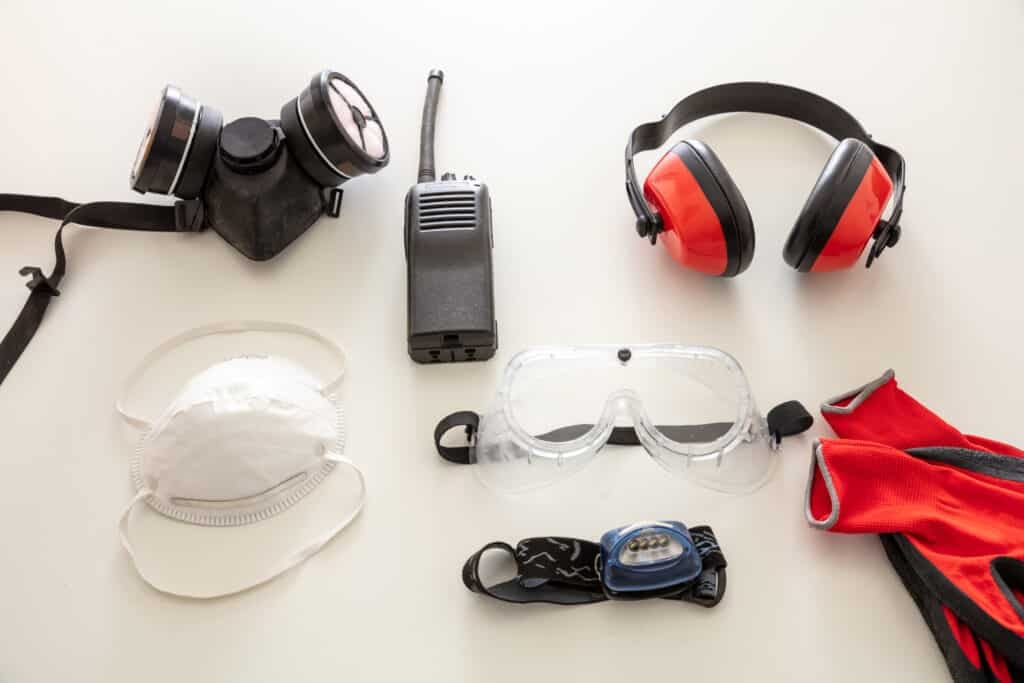
- Providing appropriate emergency equipment such as fire extinguishers, alarms and communication systems, and keeping them maintained.
- Training workers in the emergency procedures that apply to their workplace and roles.
- Regularly testing the emergency plan (for example, through evacuation drills) and reviewing it after tests or actual incidents.
Work health and safety representatives can support this process by representing workers, raising concerns about emergency risks, and taking part in consultation on the development and review of emergency procedures.
| WHS Requirement | Description |
|---|---|
| Emergency plan | Must outline emergency procedures, including evacuation, communication methods, roles and responsibilities, assembly areas, and arrangements for contacting emergency services. |
| Warden structure | Workplaces must ensure clear emergency roles and responsibilities; this is commonly implemented through fire wardens, area wardens and, where required, a chief warden, in line with AS 3745 and the site emergency plan. |
| Training | Workers with emergency roles (such as wardens) must receive training in people management, emergency response and evacuation procedures, and all workers must be instructed in the workplace emergency plan. |
| Evacuation drills | Emergency procedures must be tested regularly (for example, through evacuation drills) to ensure preparedness and to check that the plan and warden structure are effective. |
| Emergency equipment | Appropriate emergency equipment such as fire extinguishers, alarms, first aid kits and communication systems must be provided, accessible and maintained so it remains fit for purpose. |

Essential Components of Effective Workplace Emergency Plans
An effective emergency plan provides clarity for staff, visitors, contractors, and first aid officers. It also supports emergency wardens in carrying out a coordinated response.
Emergency Procedures for Fire, Medical Emergencies and Other Hazards
Emergency procedures should outline how to respond to different types of emergencies, including:
- Fire evacuation
- Gas leaks
- Hazardous chemical spills
- Bushfire threats
- Medical emergencies
- Security threats
Each procedure must clearly describe raising the alarm, alerting emergency services, initiating workplace evacuation plans and procedures, and supporting injured persons until help arrives.
Add Your Heading Text Here

Evacuation Essentials
Evacuation routes must remain free of obstruction and be clearly marked with compliant signage. Workplace evacuation maps should be displayed prominently near exit routes and show:
- Emergency exits
- Fire extinguishers
- Fire alarm points
- Assembly areas
- Location of first aid kits
- Chief warden and area warden contact points
Key Features of an Effective Evacuation Map
- Clear arrows showing evacuation routes
- Marked emergency exits
- Symbols for fire equipment
- Assembly point icon
- “You Are Here” locator
- Accessible evacuation options for mobility-impaired occupants
Assembly Areas and Muster Points
Assembly areas must be located a safe distance from the building and large enough to accommodate all occupants. Wardens are responsible for ensuring everyone is accounted for and that no one re-enters the building until emergency services give permission.
The chief warden coordinates communication with emergency services, fire and rescue personnel and, where needed, provides information about missing persons, hazards or the nature of the emergency.
Roles and Responsibilities of Fire Wardens in Workplace Emergency Evacuation

Fire wardens are responsible for supporting emergency preparedness and providing on-the-ground leadership during evacuation procedures. Fire warden responsibilities vary depending on the emergency scenario but generally include:
- Checking their designated area during evacuation
- Ensuring evacuation routes are clear
- Directing occupants to emergency exits
- Assisting vulnerable persons
- Raising the alarm
- Reporting to the chief warden
- Supporting emergency services on arrival
Wardens should be familiar with the specific requirements of their workplace, including different types of fires, high-risk environments such as construction sites, or facilities with complex layouts.
Give your team the confidence to act in the event of an emergency. Enrol in nationally recognised fire warden training or a first aid course with First Aid Pro today.
Fire Warden Training and Chief Warden Responsibilities in Australian Workplaces
Emergency Warden and Fire Warden training is essential for ensuring that emergency wardens understand their responsibilities, evacuation procedures and the emergency plan for their workplace. Australian Standards (AS 3745) require that every Emergency Control Organisation (ECO) includes wardens trained in emergency response, leadership during evacuation, and communication with emergency services.
Training covers real emergency scenarios including fire evacuation, gas leaks, medical emergencies, power failures, building alarms, hazardous spill responses and bushfire threats. Fire wardens should be familiar with the layout of their workplace, the location of emergency exits, evacuation routes, fire extinguishers and assembly points. They must also understand the nature of the emergency and be capable of making quick, safe decisions in emergency situations.

The Chief Warden’s Crucial Role During an Emergency Evacuation
The chief warden oversees the entire emergency response. Their responsibilities include:
- Coordinating the ECO and directing floor wardens and area wardens
- Determining whether evacuation procedures need to be activated
- Ensuring emergency services are contacted by dialling 000
- Managing communication through alarms, PA systems or radios
- Confirming that everyone is accounted for at the assembly area
- Ensuring no one re-enters the building until authorised
Wardens are responsible for supporting the chief warden by checking offices, rooms and work areas, guiding the evacuation, and communicating any issues such as blocked exits or an injured person needing assistance.
How Many Fire Wardens Does Every Workplace Need?
The number of wardens required depends on the size, layout and risk profile of the workplace. While there is no strict legal ratio, workplaces should appoint enough wardens to ensure a coordinated response during emergency situations.
| Workplace Type | Suggested Warden Coverage |
|---|---|
| Low-risk workplaces (offices, retail, education) | Around 1 warden per 20 employees |
| Medium-risk workplaces | Around 1 warden per 15 employees |
| High-risk workplaces (construction, manufacturing, chemical storage) | Around 1 warden per 10 employees |
| Multi-storey buildings | At least 1 floor warden per floor |
Every Australian workplace must ensure wardens are available during all shifts, meaning additional wardens may be needed to cover absences or leave.
Warden Training: Essential Knowledge and Skills
Fire warden training gives emergency wardens the knowledge and skills to manage workplace evacuation plans and procedures, communicate effectively and remain calm under pressure.
What Fire Warden Training Typically Includes
- ✔ Identifying potential hazards and emergency scenarios
- ✔ Understanding the roles and responsibilities of area wardens and the chief warden
- ✔ Safe use of fire extinguishers for different types of fires
- ✔ Alarm recognition and raising the alarm
- ✔ Directing occupants to emergency exits
- ✔ Assisting people with mobility limitations
- ✔ Coordinated response as part of the emergency control organisation
- ✔ Supporting first aid officers during medical emergencies
- ✔ Ensuring everyone is accounted for at assembly points
Training is essential for wardens because it builds safety awareness, confidence and the ability to lead others during an emergency evacuation.

Evacuation Drills and Emergency Exercises: Testing the Emergency Plan
Evacuation drills allow workplaces to test their emergency plan, identify gaps and assess whether wardens are familiar with evacuation routes and emergency procedures. Drills also help workers recognise alarms and follow instructions without hesitation.
Evacuation Drill Sequence
- ✔The alarm sounds or the chief warden initiates the drill.
- ✔Floor wardens raise the alarm and begin guiding occupants to emergency exits.
- ✔Occupants leave the building using evacuation routes, not lifts.
- ✔Wardens check offices, toilets, storerooms and communal areas.
- ✔Everyone proceeds to the assembly area and waits for further instructions.
- ✔The chief warden performs a roll call and ensures everyone is accounted for.
Post-Drill Review
- ✔Whether evacuation routes were clear
- ✔How quickly occupants responded
- ✔Whether alarms were heard
- ✔Any challenges assisting vulnerable persons
- ✔Issues with communication systems
- ✔Safety concerns needing attention
This process ensures evacuation procedures continually improve.

Raise the Alarm
Activate the fire alarm or notify the chief warden.
Initiate Evacuation Procedures
Wardens direct occupants using clearly marked evacuation routes.
Assist Others
Support injured persons or those needing mobility assistance.
Move to Emergency Exits
Never use lifts; follow exit signs to safe outdoor areas.
Reach the Assembly Point
Remain at the assembly area until the chief warden confirms all are present.
Do Not Re-enter the Building
Only emergency services can authorise re-entry.
Build a Safer Workplace with First Aid Pro
Strengthen your emergency response capabilities with nationally recognised fire warden training, first aid courses, and workplace safety programs.
Enrol your team today with First Aid Pro and improve your workplace safety.
Creating a Culture of Emergency Preparedness in Australian Workplaces
Emergency preparedness is more than having workplace evacuation plans — it requires a workplace culture that prioritises emergency response capability, WHS compliance and safety awareness.
A strong safety culture includes:
- Regular review of the emergency plan
- Annual (or more frequent) evacuation drills
- Ongoing warden training and refresher sessions
- Clear signage for emergency exits and fire equipment
- Updated evacuation maps reflecting workplace changes
- Open communication about hazards, near misses and improvements
- Collaboration with health and safety representatives
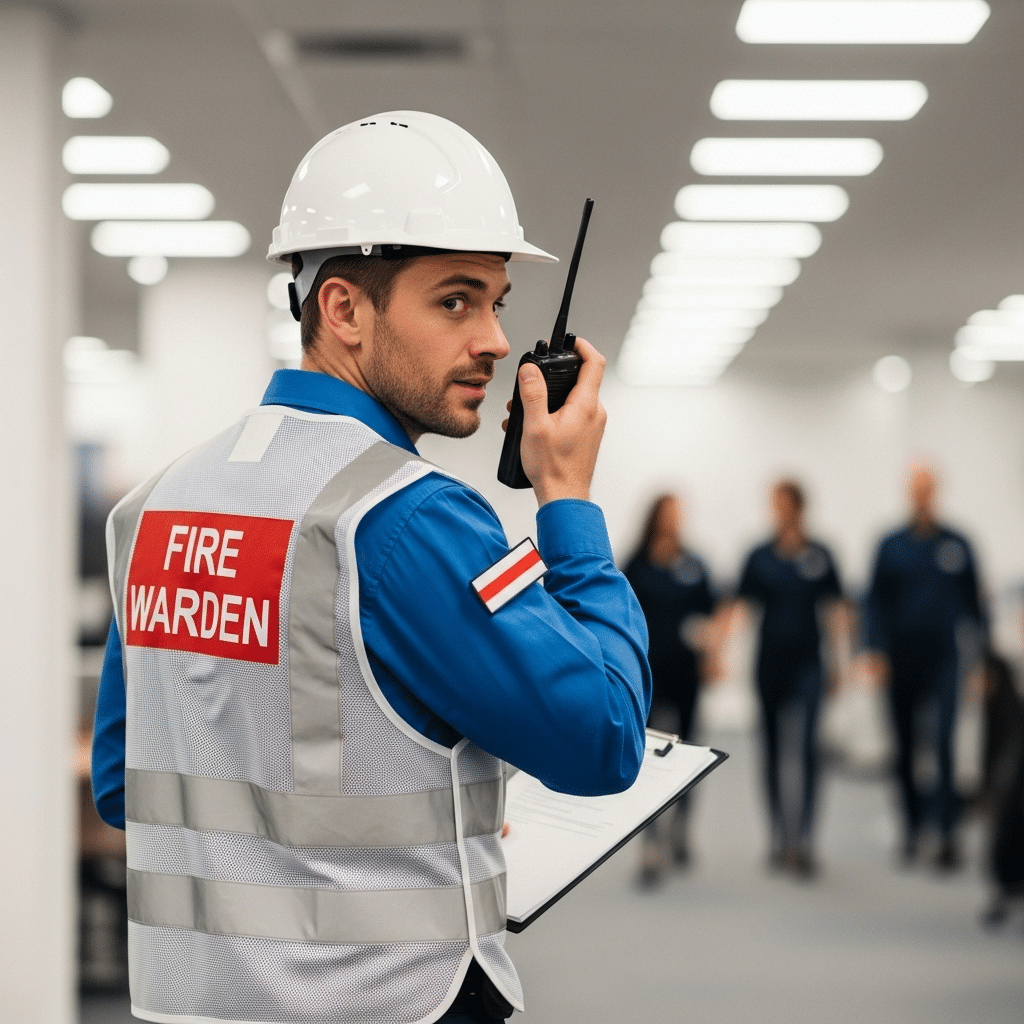
Every workplace benefits when occupants understand evacuation procedures and know who the fire wardens are. Visible warden identification — such as helmets, vests or lanyards — helps people recognise leadership during emergency situations.
A coordinated response between emergency wardens, first aid officers and emergency services ensures lives and property are protected.

Common Mistakes in Workplace Evacuation Procedures and How to Avoid Them
Even workplaces with a documented emergency plan can experience breakdowns during an evacuation if procedures are not regularly updated or practised. Common issues include:
Outdated Emergency Plans
Failure to revise the emergency plan after renovations, staff changes or new hazards can leave wardens unprepared for the nature of the emergency. Plans must reflect the current layout and specific requirements of the workplace.
Unclear Evacuation Routes
Blocked corridors, furniture in exit paths and poorly marked evacuation routes delay safe evacuations. Wardens are responsible for ensuring paths remain clear and visible at all times.
Insufficient Warden Training
Without regular emergency warden training, emergency wardens may not feel confident leading workplace emergency evacuation plans or assisting an injured person. Training ensures wardens understand their responsibilities and can respond safely.

Lack of Preparedness for Medical Emergencies
Emergency response is not limited to fire evacuation. Workplaces must also plan for medical emergencies, ensuring first aid officers are available and trained to support wardens during the event of an emergency.
Poor Communication Systems
Faulty alarms, unclear PA announcements or communication equipment failures create confusion. Regular equipment checks are essential for ensuring a coordinated response.
Workplace Evacuation Plans & Fire Warden Responsibilities Quiz
Test your understanding with this quick quiz.
Why Workplace Evacuation Plans and Skilled Fire Wardens Save Lives
Well-designed workplace evacuation plans and trained fire wardens play a crucial role in workplace safety. When an alarm sounds, wardens lead the evacuation, guide workers to emergency exits and ensure everyone arrives safely at the assembly area. Their coordinated response supports emergency services, protects lives and minimises harm during fire evacuation, gas leaks, medical emergencies and other emergency scenarios.
Every workplace must maintain clear evacuation procedures, updated emergency plans and a trained emergency control organisation. Wardens, first aid officers and health and safety representatives all contribute to emergency preparedness and a safer working environment.
Protect lives in your workplace with nationally recognised fire warden and first aid training. Enrol today with First Aid Pro and strengthen your emergency response capability.
References
- Safe Work Australia. Model Code of Practice: Managing the Work Environment and Facilities.
- Safe Work Australia. Emergency Plans and Procedures.
- Australian Standard AS 3745–2010. Planning for Emergencies in Facilities.
- Fire and Rescue NSW. Workplace Fire Safety Guidance.
- Country Fire Authority (VIC). Plan and Prepare – Bushfire Basics.
Frequently Asked Questions
A fire warden raises the alarm, initiates evacuation procedures, checks their area for remaining occupants, assists people with mobility issues, directs everyone to emergency exits and communicates with the chief warden. Fire wardens are responsible for supporting a safe and orderly evacuation.
Safe Work Australia recommends evacuation drills be practised at least annually, though high-risk workplaces benefit from more frequent drills. Drills help identify issues with evacuation routes, alarms and warden response.
A compliant evacuation plan must outline alarm procedures, communication methods, the warden structure, evacuation routes, emergency exits, first aid arrangements, contact with emergency services and assembly area instructions.
While legislation does not mandate specific warden training courses, WHS laws require workplaces to ensure wardens are trained and competent. Emergency Fire Warden training is the most effective way to meet this legal requirement.
This depends on workplace size, layout and risk. As a guide, many organisations assign one warden per 15–20 people, plus additional wardens for shift coverage, high-risk environments and multi-storey buildings.