



Sharon has 21+ years of experience as a qualified Emergency Care Nurse registered with the Australian Health Practitioner Regulation Agency (APHRA) and 12+ years as a First Aid Trainer.
She takes pride in FirstAidPro making first aid training available, comprehensive and affordable to everybody.
A white tail spider bite is a common concern in Australia, especially when people discover a painful or slow-healing spider bite and suspect they have been bitten by a white-tailed spider. White tail spiders are widespread across Australian homes, and while their bites can be uncomfortable, evidence shows they rarely cause serious harm. This guide explains how to identify a white tail spider, recognise spider bite symptoms, provide correct first aid, and understand when to seek medical advice.
Knowing how to manage spider bites and other medical emergencies is a vital life skill. You can build confidence and practical emergency response skills by enrolling in a nationally recognised first aid course with First Aid Pro.
Key Takeaways
- White tail spiders are common across Australia, particularly in southern regions, and are often found inside homes where they hunt other spiders.
- A white-tailed spider bite usually causes mild, local symptoms, such as pain, redness, itching, or swelling at the bite site.
- Australian medical evidence does not support claims that white tail spider bites cause necrosis, with studies showing most bites heal without serious complications.
- Spider bite symptoms typically appear within 24 hours and improve over several days with correct first aid and basic wound care.
- Correct first aid for a white tail spider bite includes washing the area, applying a cold pack, avoiding scratching, and monitoring for infection or worsening symptoms.
- Medical attention should be sought if symptoms persist, worsen, or signs of infection or severe allergic reaction develop, even though serious outcomes are rare.
White Tail Spider Identification in Australia
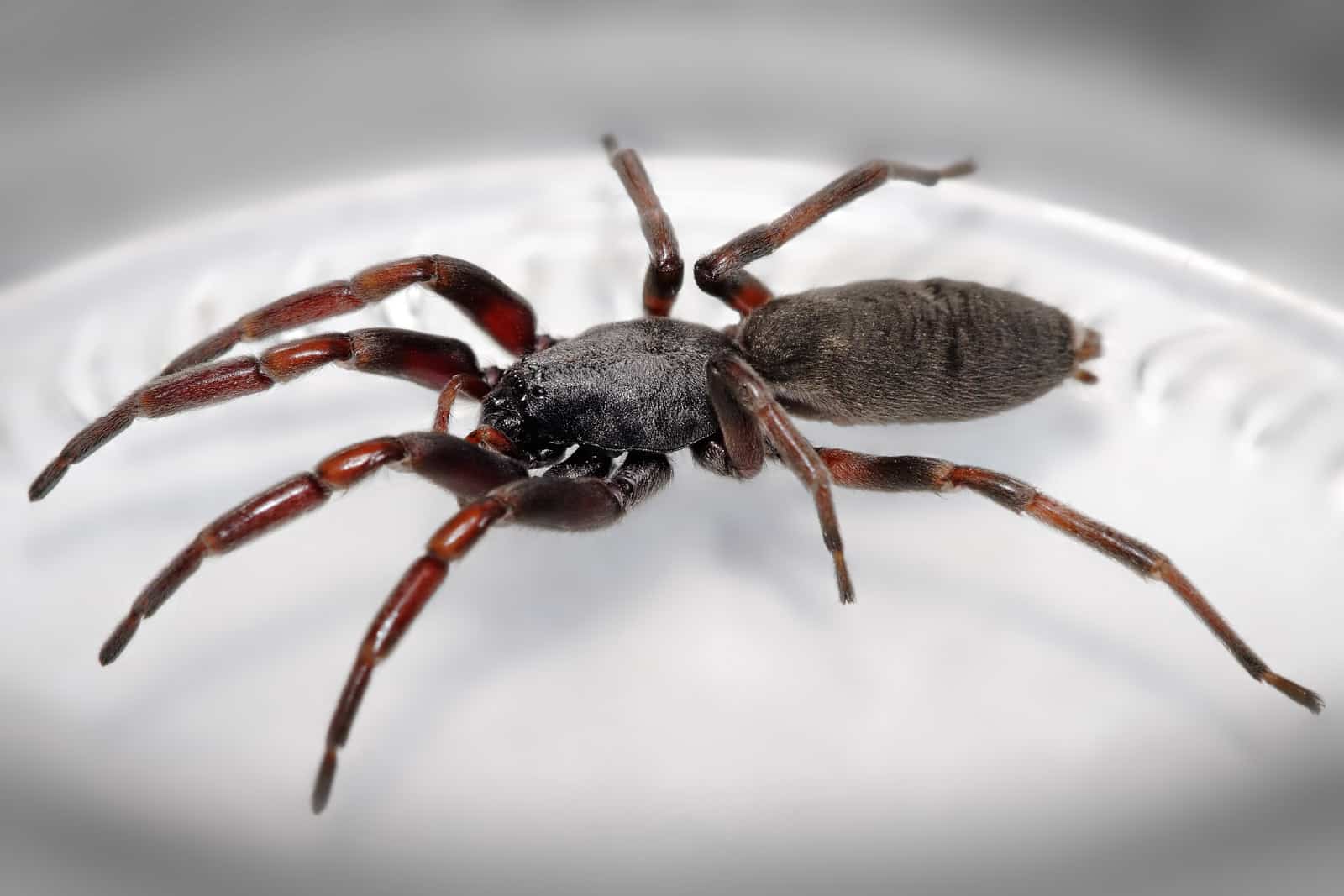
The white tail spider (Lampona species) is a common species of spider found throughout Australia, particularly in southern regions including New South Wales, South Australia, Victoria, and Western Australia. These spiders are native to Australia and are often found indoors.
White tail spiders are sometimes called white-tip spiders, white-tailed spiders, or simply white tails. They are frequently mistaken for other black spiders, including the black house spider, but there are clear identifying features.
What Does a White Tail Spider Look Like?
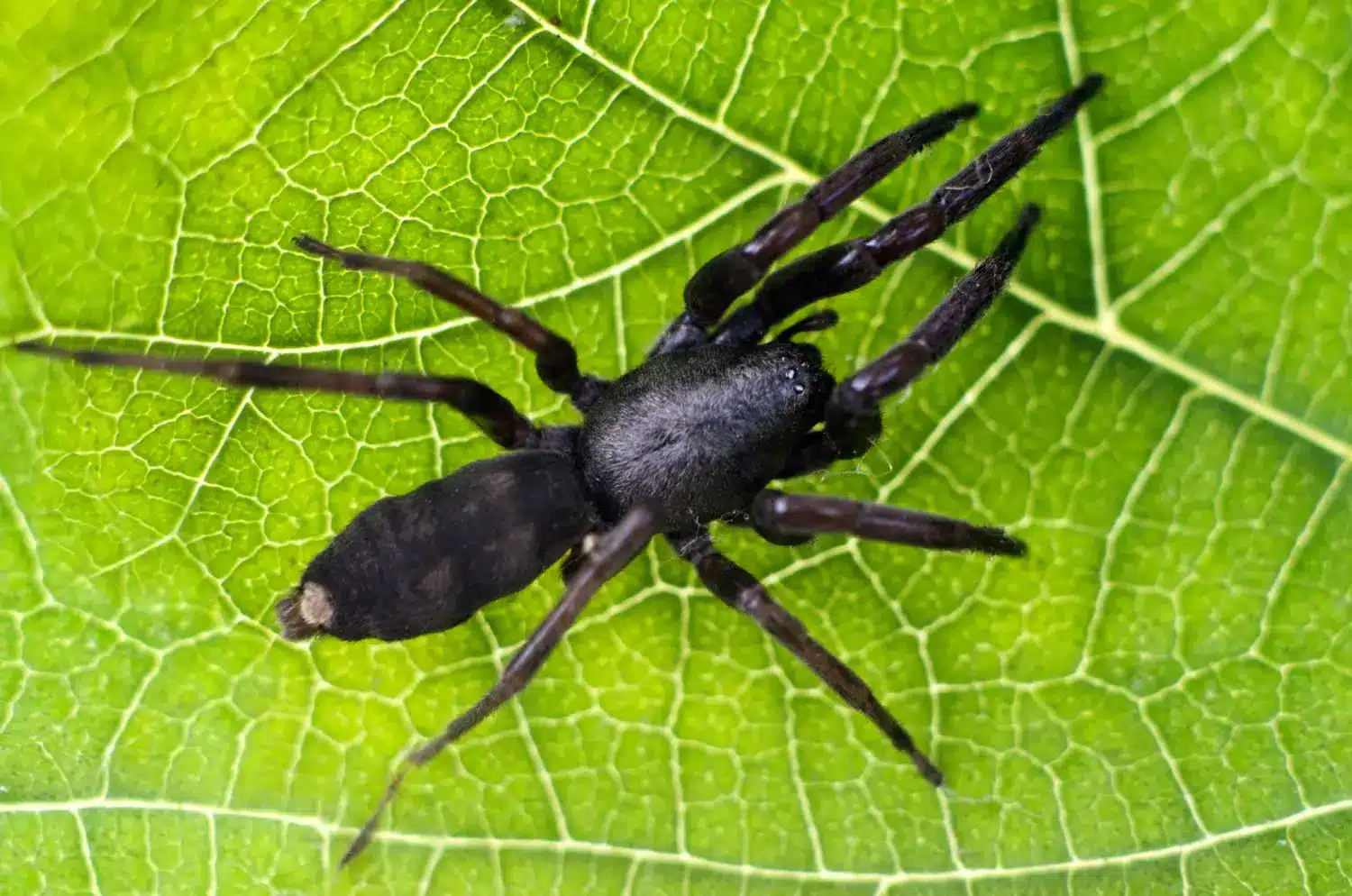
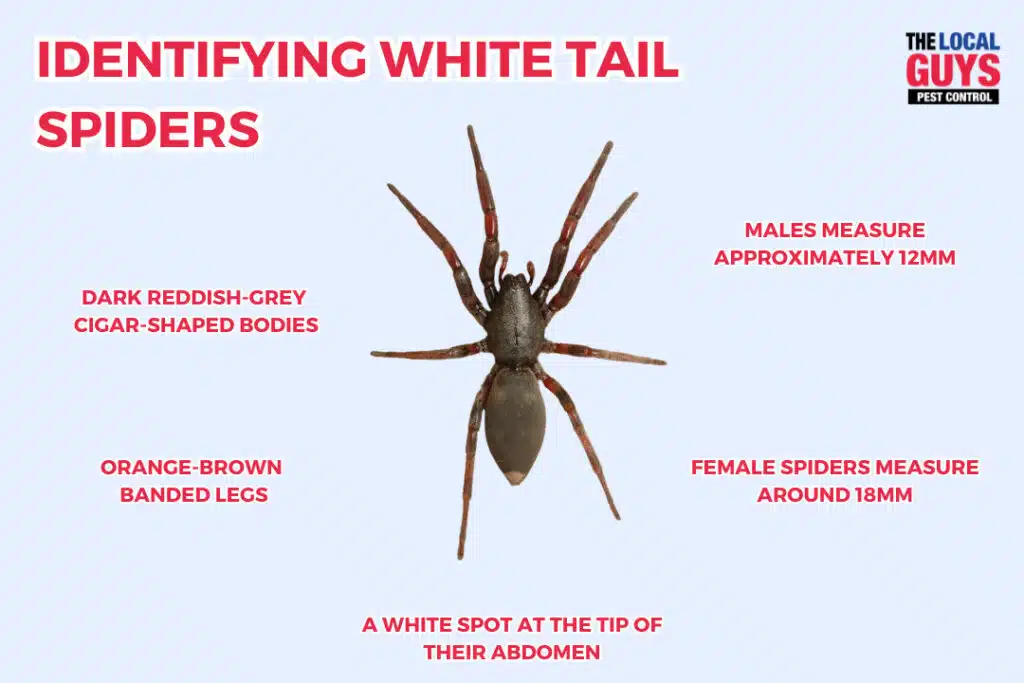
A white-tailed spider has a dark grey or black body with a distinctive white spot or white tip on the abdomen. Some species show two pairs of faint white spots near the rear of the abdomen. Adults usually measure 12–18 mm in body length, with legs extending further.
Unlike spiders that build webs, white-tail spiders do not build webs. They are active hunters and often wander at night, which is why they are often seen on walls, ceilings, or bedding.
Where White Tail Spiders Are Found
White-tailed spiders are often seen in:
- Bathrooms and bedrooms
- Laundries and wardrobes
- Inside shoes, towels, or bedding
They hunt other spiders, including black house spiders, which explains why they are often found indoors. Spider populations tend to increase during warmer months, increasing the chance of contact.

Are White Tail Spiders Dangerous?
Many Australians ask whether white-tail spiders are dangerous. While the spider has venom, evidence suggests that white-tailed spider bites are unlikely to cause severe injury.
Earlier reports linked white-tail spider bites to skin necrosis. However, modern Australian research has not supported this claim.
A well-known study of 130 definite white-tailed spider bites, published in the Medical Journal of Australia, found that:
- Most bites caused only mild symptoms
- No confirmed cases of necrosis occurred
- Symptoms were temporary and localised
This means that although a white-tail spider bite can be painful, it is unlikely to cause serious tissue damage.

White Tail Spider Bite – What Happens When You Are Bitten?
A white-tail spider bite usually occurs when the spider is trapped against the skin, such as in clothing or bedding. Bites often happen at night.
What Does a White Tail Spider Bite Feel Like?
People describe the bite as a sharp sting or pin-prick sensation. In some cases, the bite may go unnoticed at first. Symptoms often appear within 24 hours.
What Does a White Tail Spider Bite Look Like?
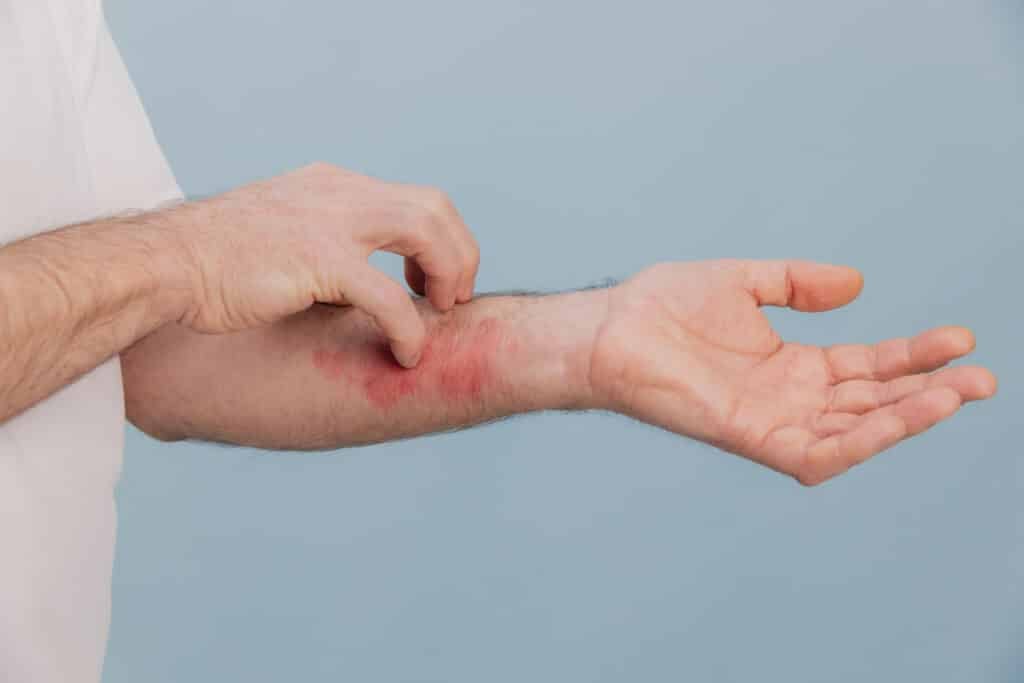
The site of the bite may show:
- A small red mark or white spot
- Mild swelling
- Skin irritation or itching
Because these signs are non-specific, spider bites are often mistaken for insect bites, infections, or allergic reactions.

Bite Symptoms of a White-Tailed Spider
Common Symptoms
Most white-tailed spider bites cause mild symptoms, including:
- Local pain and discomfort
- Redness at the bite site
- Itching or burning sensation
Less Common Symptoms
Some people may experience:
- Blistering
- Mild ulcer formation
- Slow healing of the bite site
These symptoms can be influenced by scratching, secondary infection, or individual sensitivity.
White Tail Spider Bite Necrosis – What the Evidence Says
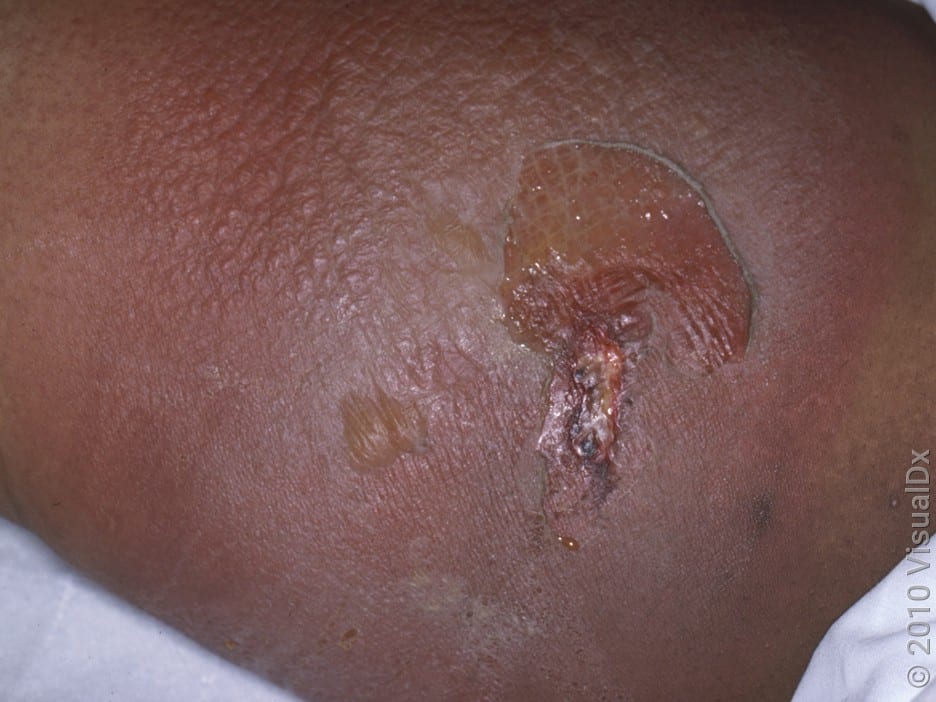
Despite persistent myths, modern clinical evidence shows that confirmed white‑tailed spider bites almost always cause mild, short‑lived local symptoms such as pain, redness and swelling, and do not directly cause necrotic “flesh‑eating” ulcers. When ulcers or significant skin breakdown occur after a suspected bite, they are usually the result of secondary bacterial infection or an unrelated skin condition, rather than a tissue‑destroying effect of the spider’s venom.
Conditions such as infected insect bites, bacterial skin infections, allergic reactions, chronic ulcers, or underlying dermatological diseases are frequently and incorrectly blamed on white‑tailed spider bites, often without a spider ever being seen. For this reason, clinicians emphasise careful assessment of other possible causes whenever a “spider bite” presents with severe, persistent or worsening skin damage.
Spider Bite Stages – How Symptoms Progress
Stage | What You May Notice |
Day 1 | Redness, mild pain, small bite mark |
Days 2–5 | Itching or tenderness, symptoms usually improve |
After 1 week | Healing in most cases |
Ongoing | If symptoms persist or worsen, seek medical attention |
If symptoms persist, worsen, or signs of infection develop, medical review is recommended.
White Tail Spider Bite First Aid and Treatment
Correct first aid helps reduce pain, infection risk, and complications.
Immediate First Aid Steps
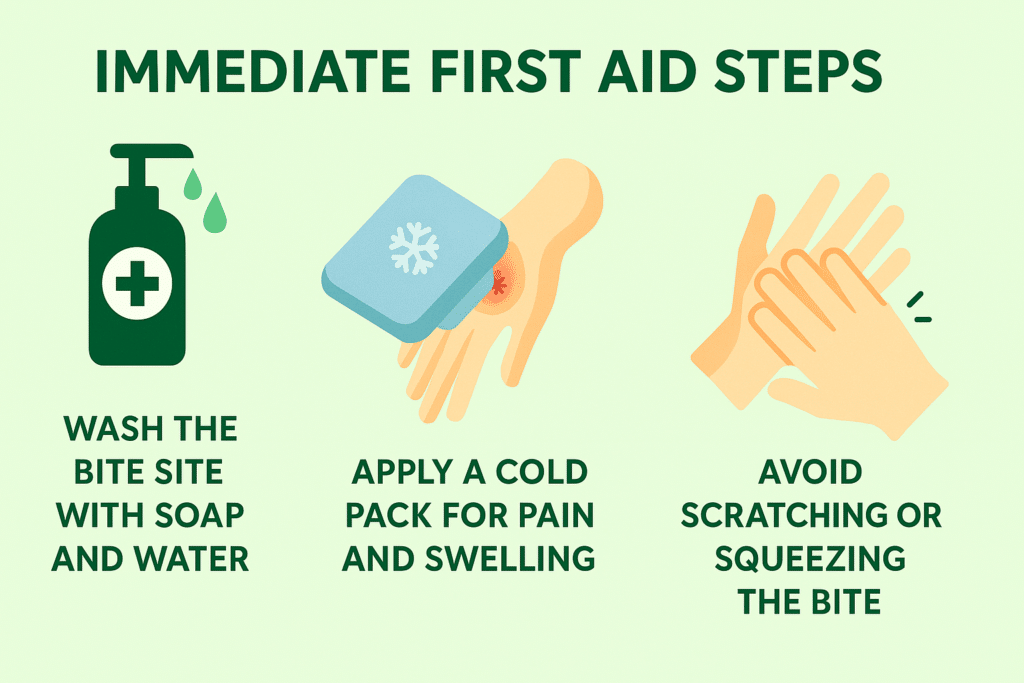
- Wash the bite site with soap and water
- Apply a cold pack for pain and swelling
- Avoid scratching or squeezing the bite
Ongoing Care
- Keep the area clean and dry
- Use simple pain relief if required
- Monitor for worsening symptoms
What Not to Do
- Do not cut or drain the bite
- Do not apply harsh chemicals
- Do not use antibiotics unless prescribed
Understanding proper first aid for spider bites, allergic reactions, and medical emergencies is best learned through hands-on training. A nationally certified first aid course with FirstAidPro teaches practical skills aligned with Australian guidelines.
When to Seek Medical Attention
You should seek medical attention if:
- Pain or swelling increases
- The bite develops signs of infection
- An ulcer worsens instead of healing
- A severe allergic reaction occurs
For signs of anaphylaxis, follow the Australian anaphylaxis treatment guideline and call 000 immediately.
White Tail Spider Bites Compared to Other Spider Bites in Australia
Spider | Risk Level | Typical Effects |
White-tailed spider | Low | Local pain, mild skin symptoms |
Redback spider | Moderate | Pain, sweating, nausea |
Funnel-web spider | High | Dangerous venom, medical emergency |
Mouse spider | Potentially dangerous | Similar risk to funnel-web |
Unlike the funnel-web spider or redback spider, white-tailed spider bites rarely require emergency treatment.
Prevent Spider Bites in the Home
Preventing spider bites in Australia focuses on reducing contact:
Shake out shoes, clothing, and bedding
Reduce clutter where spiders hide
Seal gaps and cracks around doors, windows, and skirting
Use gloves when cleaning storage areas or handling firewood
Knowledge Test – White Tail Spider Bite Safety Quiz
Choose one answer for each question, then click Check Answers.
Are white-tailed spider bites usually dangerous?
What is the first aid step for a spider bite?
When should you seek medical attention?
Do white-tailed spiders build webs?
Which spider is most dangerous in Australia?
White Tail Spider Bites – Stay Calm and Use Proper First Aid
Although a white-tailed spider bite can be painful, evidence shows it is unlikely to cause serious injury. Understanding spider bite symptoms, applying correct first aid, and knowing when to seek medical help ensures safe recovery. Education reduces fear and improves outcomes.
Being prepared for spider bites and medical emergencies starts with quality training. Enrol in a nationally recognised first aid course with First Aid Pro and gain the skills to respond calmly and correctly when it matters most.
References
- Medical Journal of Australia – Study of 130 confirmed white-tailed spider bites
- Australian Resuscitation Council guidelines: Guideline 9.4.2 – First Aid Management of Spider Bite
- NSW Health – Snake and Spider bite clinical management
- Queensland Health – First aid advice for bites and stings
- Better Health Channel: Spider Bites
Frequently Asked Questions
White tail spiders have venom, but bites are unlikely to cause serious harm.
Australian studies show no confirmed cases of necrosis directly caused by white-tailed spider venom.
Most symptoms resolve within days to a week, though mild irritation may last longer.
Clean the area with mild soap and water, apply cold, monitor symptoms, and seek medical advice if symptoms worsen.
Yes. They are found throughout Australia, especially in southern regions.