




Sharon has 21+ years of experience as a qualified Emergency Care Nurse registered with the Australian Health Practitioner Regulation Agency (APHRA) and 12+ years as a First Aid Trainer.
She takes pride in FirstAidPro making first aid training available, comprehensive and affordable to everybody.
Allergic reactions can range from mild to life-threatening, and they affect millions of Australians every year, making allergic reaction first aid vital. From food allergies to insect stings, allergic reactions are a significant health concern that requires prompt recognition and action. Understanding allergic reaction first aid is not only critical for individuals with allergies but also for anyone who may encounter an allergic emergency.
In Australia, where unique allergens such as native plants, venomous insects, and specific foods are prevalent, knowing how to respond effectively can save lives. Whether you’re a parent, teacher, or colleague, being equipped with the right skills is crucial.

Understanding Allergic Reactions
What Is an Allergic Reaction?
An allergic reaction occurs when the immune system overreacts to a foreign substance (allergen) that is usually harmless. This overreaction leads to symptoms ranging from mild discomfort to severe, life-threatening conditions such as anaphylaxis. Common allergens include certain foods, insect venom, medications, and environmental triggers like pollen or dust mites.
Common Causes of Allergic Reactions in Australia
Australia’s diverse ecosystem and lifestyle contribute to unique allergic triggers:
- Food allergies: Peanuts, shellfish, dairy, and wheat are among the most common allergens. The Australian Bureau of Statistics reports that 10% of infants and 4% of adults are affected by food allergies.
- Insect stings and bites: Australia is home to insects such as bees, wasps, and jack jumper ants, which are responsible for many venom-induced allergic reactions.
- Medications: Antibiotics like penicillin and non-steroidal anti-inflammatory drugs (NSAIDs) can cause allergic reactions in some people.
- Environmental allergens: Pollen, dust mites, and mould are common triggers, especially during Australia’s spring and summer seasons.
Types of Allergic Reactions
- Mild allergic reactions: Symptoms include itching, skin rash, watery eyes, and sneezing. These reactions are uncomfortable but generally not life-threatening.
- Severe allergic reactions (anaphylaxis): Symptoms include difficulty breathing, swelling of the face or throat, dizziness, and a sudden drop in blood pressure. Anaphylaxis is a medical emergency that requires immediate treatment.
Allergic Reaction First Aid
How to Recognise an Allergic Reaction
Recognising the symptoms of an allergic reaction quickly is vital.
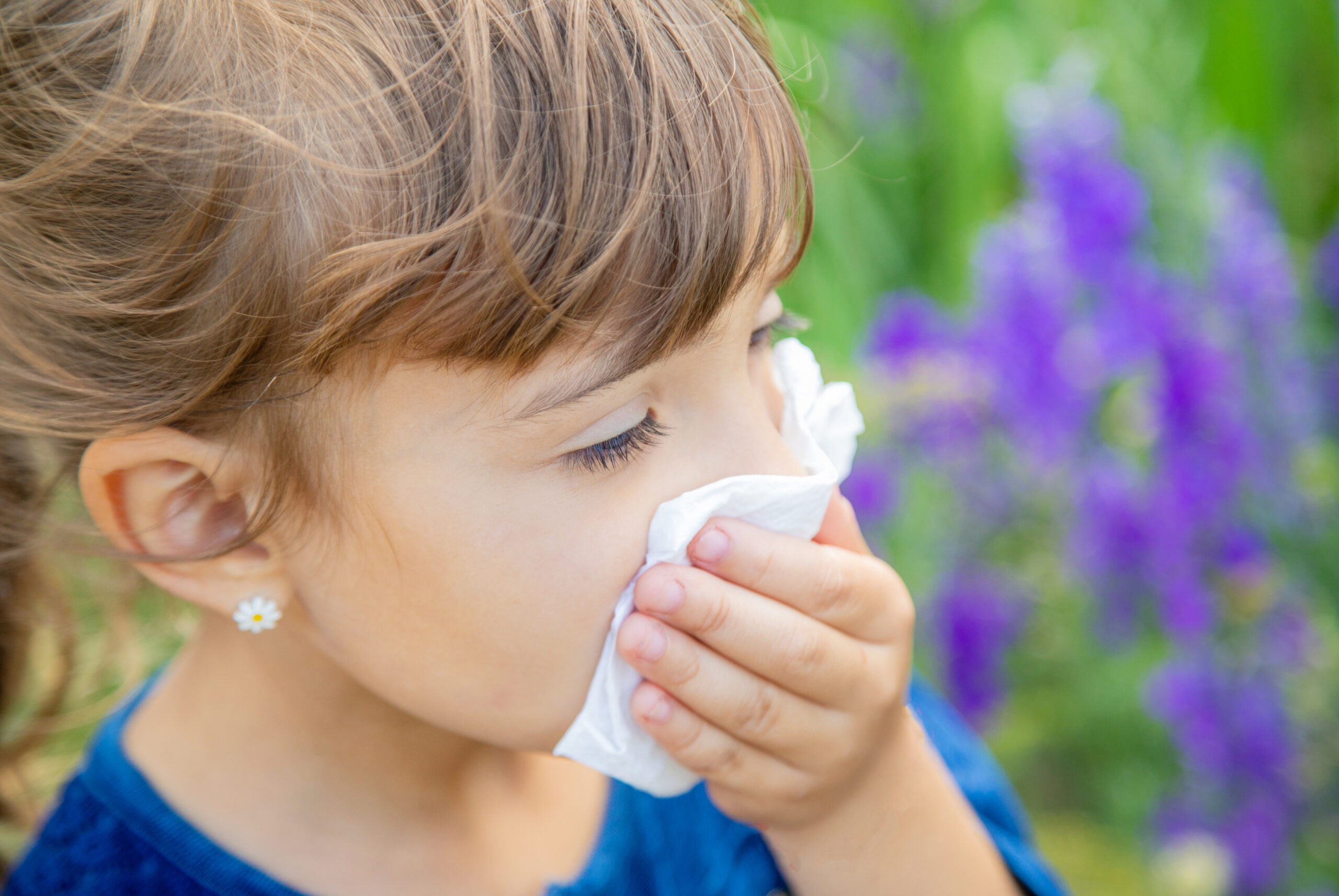
- Mild symptoms: Itchy skin, hives, redness, sneezing, or a runny nose.
- Severe symptoms (anaphylaxis): A constricted airway with wheezing, difficulty breathing, throat tightness, facial swelling, abdominal pain, vomiting, and loss of consciousness. A severe allergic reaction can escalate rapidly, so time is of the essence.
Immediate Steps to Take for a Mild Allergic Reaction
- Remove the allergen: If possible, identify and eliminate the trigger (e.g., remove the food, move away from pollen, or rinse off skin irritants).
- Administer antihistamines: Over-the-counter antihistamines can help alleviate symptoms like itching and swelling. Always check the dosage guidelines.
- Monitor the individual: Symptoms may worsen, so be vigilant for signs of anaphylaxis.
First Aid for Anaphylaxis
- Recognise the symptoms: If the person is experiencing difficulty breathing, throat swelling, or loss of consciousness, assume it is anaphylaxis.
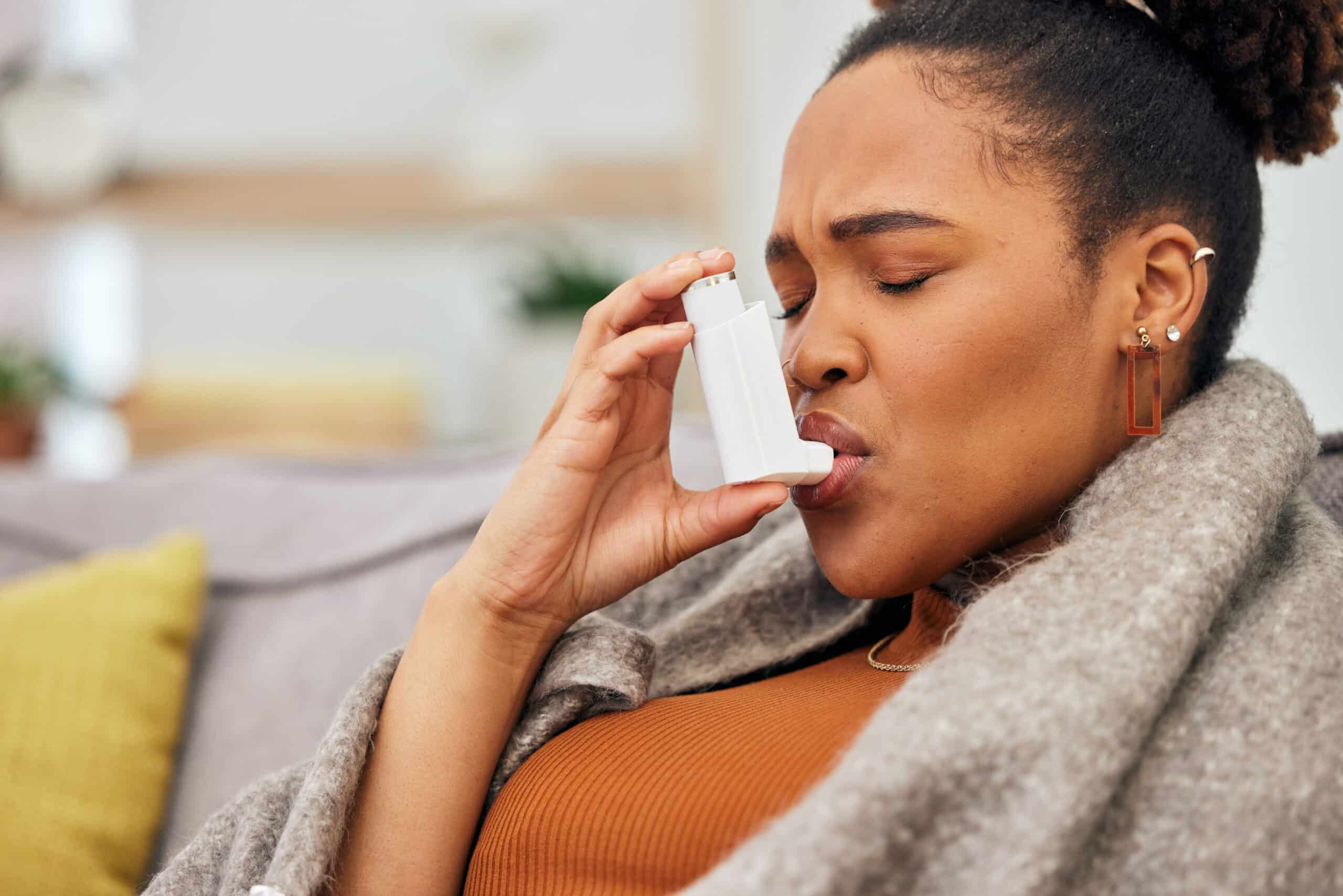
- Inject adrenaline immediately: Use an adrenaline autoinjector (EpiPen or Anapen). Follow the instructions on the device, usually by placing it against the outer thigh and pressing firmly until it clicks.
- Call triple zero (000): Inform emergency services that the person is experiencing anaphylaxis. Stay on the line for further instructions.
- Position the person: Lay them flat on their back with their legs elevated unless they are having trouble breathing, in which case they should sit upright.
- Administer CPR if necessary: If the person is unresponsive and not breathing, start CPR and continue until emergency help arrives.
Preventing Allergic Reactions
Managing Known Allergies
- Allergy action plan: Develop a personalised plan with your doctor, including emergency steps and medication instructions.
- Medical identification: Wear a medical alert bracelet or carry a card that lists your allergies and emergency contacts.
- Carry necessary medications: Always have an adrenaline autoinjector and antihistamines on hand.
Allergy-Proofing Your Home and Workplace
- Reduce allergens indoors: Use HEPA filters, regularly clean surfaces, and vacuum carpets to minimise dust mites and pollen.
- Prevent insect stings and bites: Use insect repellent, wear protective clothing, and avoid areas with high insect activity.
- Safe food preparation: Clearly label foods, avoid cross-contamination, and educate others about food allergies.
Educating Others About Allergies
- Training for family and colleagues: Teach others how to recognise allergic symptoms and use an adrenaline autoinjector.
First aid courses: Enrol in allergy-specific first aid training to boost confidence in managing emergencies.
FAQs
How can I tell the difference between a mild allergic reaction and anaphylaxis?
Mild reactions typically include itchy skin, hives, redness, sneezing, or a runny nose. These are uncomfortable but rarely dangerous. Anaphylaxis is life-threatening and involves difficulty breathing, facial or throat swelling, dizziness, drop in blood pressure, abdominal pain, vomiting, or potential loss of consciousness.
When should I use an adrenaline autoinjector (EpiPen or Anapen), and how do I use it correctly?
Use an autoinjector immediately for signs of anaphylaxis. Don’t wait—minutes matter. To use correctly: Remove safety cap, place against outer mid-thigh, press firmly until it clicks, hold for 3-10 seconds. Call triple zero (000) immediately. Position the person flat with legs elevated unless they have breathing difficulties, in which case keep them sitting upright.
What should be included in an allergy action plan for someone with severe allergies?
A basic allergy action plan should include emergency contacts, allergens to avoid, description of typical symptoms, clear instructions for both mild and severe reactions, medication details and locations, and when to call emergency services. Share this plan with family, caregivers, school staff, or colleagues and review it regularly.