



Sharon has 21+ years of experience as a qualified Emergency Care Nurse registered with the Australian Health Practitioner Regulation Agency (APHRA) and 12+ years as a First Aid Trainer.
She takes pride in FirstAidPro making first aid training available, comprehensive and affordable to everybody.
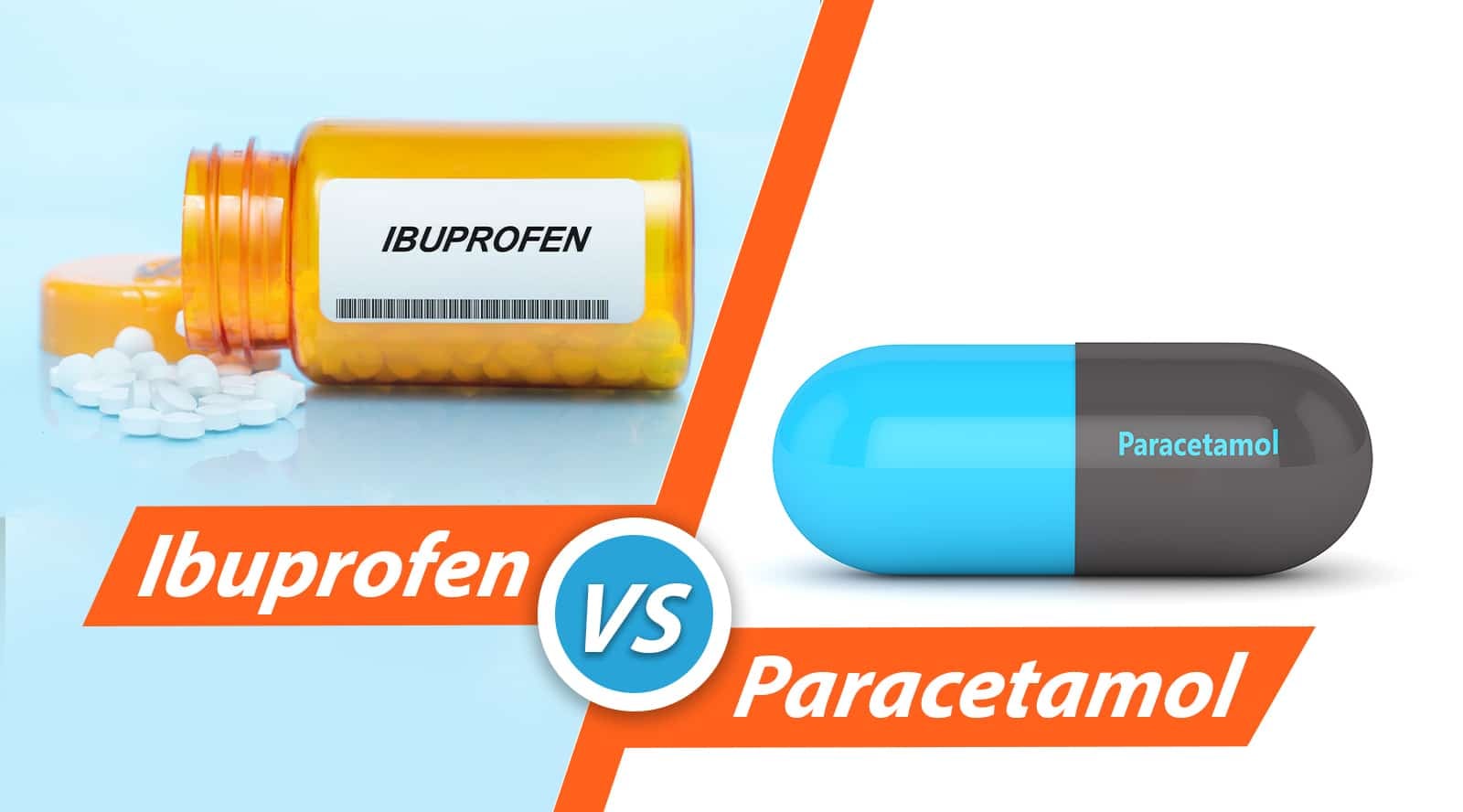
Paracetamol vs ibuprofen really depends upon what kind of pain you are dealing with. Both relieve pain and fever, but ibuprofen is often stronger for inflammatory pain, while paracetamol is gentler on the stomach and better when inflammation is minimal. Which is “better” depends on the type of pain, your medical history, and how long you plan to take it.
Paracetamol and Ibuprofen: Our most Relied Upon Pain Killers
Open almost any household medicine cupboard in Australia and you’ll likely find either ibuprofen or paracetamol — and often both. These two medications are among the most widely used over-the-counter painkillers in the world and appear on the World Health Organization’s List of Essential Medicines. Despite their everyday use, many people are unsure how they actually differ or when one is more appropriate than the other.
Because both medications reduce pain and fever, they’re often treated as interchangeable. Many Australians simply grab whichever packet of paracetamol or ibuprofen is closest on the pharmacy shelf. However, ibuprofen and paracetamol are not the same drug. They act differently in the body, are processed by different organs, and each has distinct strengths, limitations, and safety considerations. Understanding these differences can help you choose the most effective and safest option for your situation.

Key Takeaways
- Paracetamol and ibuprofen relieve pain and fever but work in different ways
- Paracetamol is generally safer for everyday pain and during pregnancy
- Ibuprofen is more effective for inflammation-related pain but has more side effects
- Both medications can be used together safely when dosed correctly
- Knowing when to use painkillers is an important first aid skill
Be Prepared Beyond Pain Relief
Pain management is only one part of emergency care. Enrol in a nationally recognised first aid course with First Aid Pro and gain the skills to respond safely to injuries, illness, and medical emergencies.

Paracetamol vs Ibuprofen: Are They the Same Thing?
Although ibuprofen and paracetamol are commonly used for similar symptoms, they are fundamentally different medications. They belong to different drug classes, are processed by different organs, and relieve pain through different biological mechanisms.
Paracetamol is primarily metabolised by the liver, while ibuprofen is broken down by the kidneys. This distinction becomes especially important for people with underlying liver or kidney conditions, as well as those taking other medications that affect these organs.
What Is Paracetamol?
Paracetamol, also known internationally as acetaminophen, is one of the most frequently used pain-relieving and fever-reducing medications worldwide. It is available over the counter, prescribed routinely by doctors, and considered safe for a broad range of people when taken at recommended doses.
While the exact way paracetamol works is not fully understood, current evidence suggests it acts on pain pathways within the central nervous system, reducing the brain’s perception of pain. It also influences the body’s temperature-regulating centre, which explains its effectiveness in lowering fever.
Paracetamol is available in tablets, capsules, liquid syrups for children, suppositories, and intravenous formulations in clinical settings. Unlike many other painkillers, it does not need to be taken with food and rarely causes stomach irritation.

Paracetamol Side Effects and Safety
One reason paracetamol is so widely recommended is its low rate of side effects when used correctly. It is generally considered safe for children, older adults, and pregnant women, making it the preferred painkiller during pregnancy.
Rare side effects have been reported, including allergic reactions, skin rashes, blood disorders, and liver inflammation, but these occur infrequently. The most serious risk associated with paracetamol is liver toxicity when doses exceed recommended limits. This can happen during a large single overdose or when slightly excessive doses are taken repeatedly over several days.
Because paracetamol is commonly included in cold and flu medications, accidental double dosing is a real risk. Always check labels carefully to ensure you are not unknowingly combining multiple paracetamol-containing products.
Anyone suspected of taking too much paracetamol should seek urgent medical advice. In Australia, the Poisons Information Centre can be contacted on 131 126, and emergency services should be called if symptoms worsen.
Is Panadol the Same as Paracetamol?
Yes. Panadol is simply a brand name for paracetamol. Other Australian brands include Panamax, Herron Paracetamol, Dymadon, and Chemist Own Paracetamol. Internationally, it may be sold as Tylenol or under other brand names.
Although packaging and tablet size may vary, the active ingredient is the same. Provided the dosage is equivalent, the pain-relieving effect will be identical regardless of brand.

What Is Ibuprofen?
Ibuprofen is often preferred as a means to reduce inflammation. It is a non-steroidal anti-inflammatory drug (NSAID). Unlike paracetamol, its mechanism of action is well understood. Ibuprofen works by reducing the production of prostaglandins — substances in the body responsible for inflammation, pain, and swelling.
Because inflammation plays a major role in certain types of pain, ibuprofen is often more effective than paracetamol for conditions such as muscle injuries, period pain, arthritis, and dental pain.
Ibuprofen is available in tablets, capsules, liquid suspensions for children over three months, and topical gels applied directly to injured areas. It is generally recommended to take ibuprofen with food or milk to minimise stomach irritation.
Ibuprofen Side Effects and Drug Interactions
While ibuprofen is effective, it carries a higher risk of side effects than paracetamol. Common issues include nausea, heartburn, headaches, dizziness, and diarrhoea. Less commonly, it can cause gastrointestinal ulcers, bleeding, raised blood pressure, and kidney stress.
Ibuprofen interacts with a wide range of medications, including blood thinners, certain blood pressure drugs, diuretics, corticosteroids, and lithium. Anyone taking regular prescription medication should consult a doctor or pharmacist before using ibuprofen.
Although ibuprofen is not classified as a blood thinner, it can slow blood clotting, which may increase bleeding risk, particularly when combined with anticoagulant medications.

Ibuprofen Overdose Risks
Overdosing on ibuprofen is less likely to be fatal than a paracetamol overdose, but it can still be serious. Mild overdose symptoms include stomach pain, nausea, dizziness, ringing in the ears, and sweating. Severe cases may involve seizures, breathing difficulties, kidney failure, low blood pressure, or coma.
If an ibuprofen overdose is suspected, medical advice should be sought immediately via the Poisons Information Centre or emergency services.
Is Nurofen Ibuprofen?
Yes. Nurofen is a popular brand of ibuprofen. Other brands available in Australia include Advil, Panafen, and Hedafen. As with paracetamol, effectiveness depends on the dose of the active ingredient, not the brand name.
The Difference Between Ibuprofen and Paracetamol
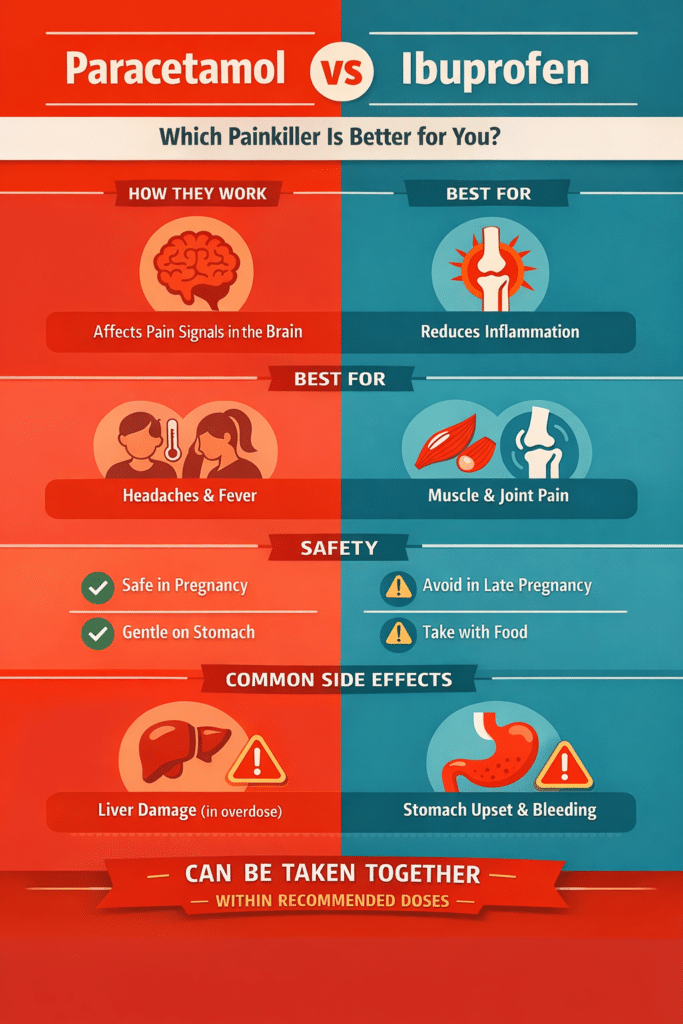
While both medications relieve pain and reduce fever, they do so in different ways and are better suited to different situations. Paracetamol is an effective all-round painkiller with minimal side effects and few drug interactions. Ibuprofen provides additional anti-inflammatory benefits but carries higher risks for certain people.
Quick Comparison Table
Feature | Paracetamol | Ibuprofen |
Drug class | Analgesic / antipyretic | NSAID |
Reduces fever | Yes | Yes |
Anti-inflammatory | No | Yes |
Stomach irritation risk | Very low | Moderate |
Safe in pregnancy | Yes (recommended) | No (avoid, especially later pregnancy) |
Best for | Headaches, fever, general pain | Muscle, joint & inflammatory pain |
Ibuprofen vs Paracetamol: Which Should You Take?
For most general aches and pains, health professionals recommend starting with paracetamol. Its safety profile makes it suitable for frequent use within recommended limits, and it does not need to be taken with food.
If paracetamol does not provide adequate relief, ibuprofen may be a better option — particularly when inflammation is involved. However, it should be taken with food and avoided or used cautiously in people with stomach, kidney, or cardiovascular conditions.
During pregnancy, paracetamol remains the safest choice. Ibuprofen is generally avoided, especially during the third trimester, due to risks to the unborn baby.
Medication knowledge matters — but knowing how to respond in an emergency matters more. Train with First Aid Pro and become a confident first aid responder when medical emmergencies occur.
Can You Take Ibuprofen and Paracetamol Together?
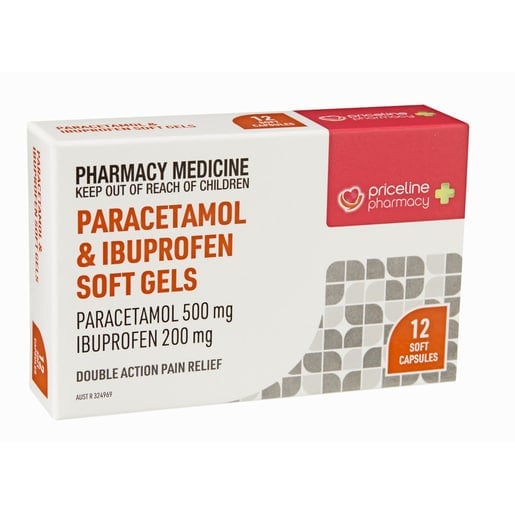
Yes. Ibuprofen and paracetamol do not interact and can be taken together safely when doses are kept within recommended limits. Using both medications at standard doses is safer than exceeding the dose of either one alone.
Some combination products contain both medications in a single tablet. Another option is to stagger doses, alternating between paracetamol and ibuprofen every few hours to maintain consistent pain control.
These medications are intended for short-term use only. If pain persists beyond a few days, medical advice should be sought.
Ibuprofen or Paracetamol for Children?
The same principles apply when choosing pain relief for children. Paracetamol is often the first choice due to its safety profile and ability to be taken without food. Ibuprofen may be more effective for inflammation-related pain and tends to work slightly faster.
Correct dosing is critical and should always be based on the child’s weight and age. Parents and carers should read labels carefully every time, as formulations vary.
Understanding Painkillers in First Aid Situations
In first aid, painkillers like ibuprofen and paracetamol can reduce pain and distress, but they must be used cautiously, within your scope, and only when clearly appropriate. Non‑pharmacological measures (rest, ice, compression, elevation, reassurance, and positioning) are usually the first‑line intervention; pharmacological options are optional and often restricted in workplace/standard‑provider guidelines.
Role of painkillers in first aid
In Australian first aid and workplace guidance, many codes of practice state that analgesics such as paracetamol and aspirin should not routinely be included in workplace first‑aid kits because of allergy risk, medical‑condition interactions, and legal/poisons‑control issues. Instead, workers who need regular pain relief are expected to carry their own medication.
Some services (e.g., event/advanced‑care responders) may use specific medications under written procedures, such as methoxyflurane (“green whistle”) for trauma‑related moderate to severe pain, and glyceryl trinitrate (GTN) for chest‑pain episodes, but these require formal training and protocols. See our article on: Pain Management in First Aid – Techniques & Safety Considerations
Key Considerations for a First Aid Practitioner
For trainers and first aid practitioners, it is important to emphasise clear clinical reasoning when discussing painkillers in a first aid context. The focus should always remain on safe assessment, non-drug care, and appropriate scope of practice.
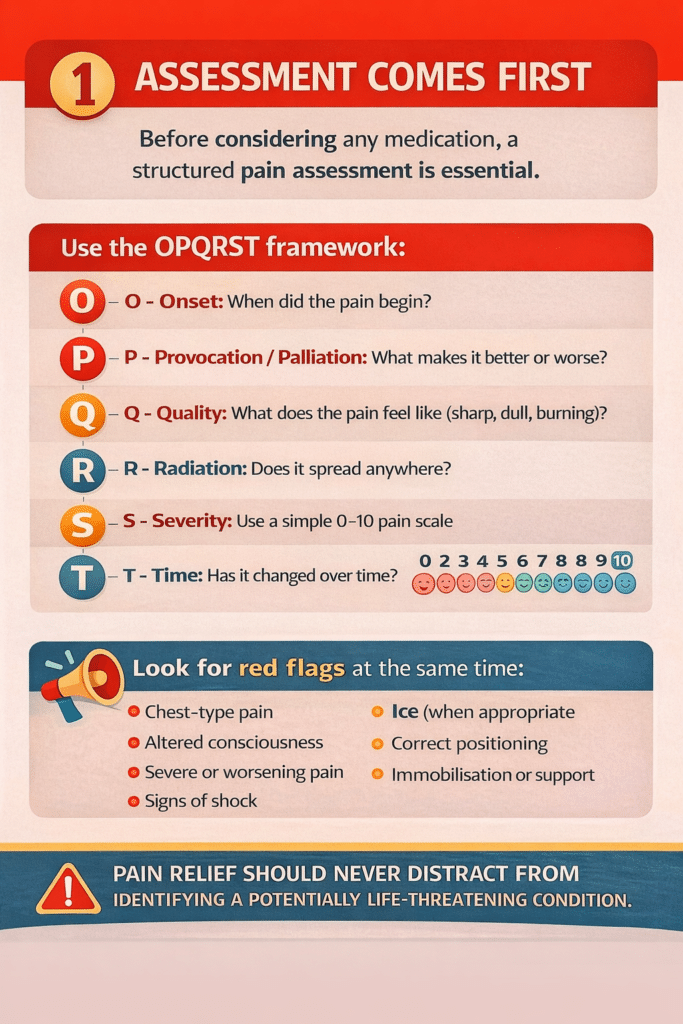
Pain Management Principles in First Aid
Non-drug care first. Medication support only when appropriate and within scope.
In most first aid situations, non-pharmacological care is the priority.
For soft tissue injuries, early management is usually more important than administering a tablet.
Use the PEACE protocol:
- PProtect
- EElevate
- AAvoid anti-inflammatories initially
- CCompress
- EEducate
This can be supported with:
- •Ice (when appropriate)
- •Correct positioning
- •Immobilisation or support
Most frontline first aid courses prioritise:
- •Calling for help
- •Reassurance
- •Basic care and monitoring
Drug administration is often outside standard first aid scope.
However, in expanded-scope roles (for example, units such as PUAEME008 – Provide Pain Management), learners may be trained to:
- •Understand how paracetamol and ibuprofen differ
- •Inflammation control
- •Kidney and stomach risks
- •Liver overdose risk
Confirm before assisting:
- ✓No known allergy or contraindication
- ✓Correct indication (e.g., simple musculoskeletal pain rather than abdominal pain of unknown cause)
- ✓Current medications and medical history
Expand your first aid skills with an accredited PUAEME008 course in Pain Management with FirstAidPro today.

| Aspect | Paracetamol in First Aid | Ibuprofen in First Aid |
|---|---|---|
| Typical use | Mild–moderate pain/fever; non-inflammatory aches. | Pain with inflammation (sprains, strains, dental/menstrual). |
| Safety strengths | Fewer stomach side-effects; broader age range. | Fast-acting; good effect on inflammation and swelling. |
| Main cautions | Liver overdose risk, especially in children, fasting, alcohol-use. | More GI/renal risk; avoid in dehydration, bleeding risk, some kidney-heart problems. |
| Dosing focus | Strict weight-based charts; avoid in infants if not trained/guided. | Max daily limits; usually with food if allowed. |
If your context is workplace first aid (Typical HLTAID/Workplace Code level), you’d normally say:
- Pain relief tablets are not part of the standard first‑aid kit and should not be supplied or pushed on a patient
- If the person says they carry their own paracetamol/ibuprofen and can swallow safely, you may help them take their own medication while documenting what was given and calling/emergency‑referral as required.
Keeping it safe and compliant
- Scope and policy
Always tie medication use to your organisation’s written procedure; many Australian codes and safe‑work authorities expect “no routine analgesics in standard first‑aid kits” unless a detailed, workplace‑specific risk assessment justifies it. - Red flags and escalation
For any pain that is very severe (7–10/10), sudden‑onset chest‑type, traumatic, or associated with distress, monitor closely and escalate to ambulance/emergency care regardless of whether a painkiller might be given later as first aid pain management.
Knowledge Quiz
Choose the best answer for each question, then select Check Answers.
1) Which painkiller has anti-inflammatory properties?
2) Which medication is safest during pregnancy?
3) Which organ primarily processes paracetamol?
4) Can ibuprofen and paracetamol be taken together safely?
5) Which medication is more likely to cause stomach irritation?
Medical Disclaimer
This content is for general information only and does not replace professional medical advice. In an emergency, call 000 immediately and follow emergency services guidance.
References
- NIH National Library of Medicine: Overview review: Comparative efficacy of oral ibuprofen and paracetamol (acetaminophen) across acute and chronic pain conditions
- First Aid Pro (RTO): Pain Management in First Aid – Techniques & Safety Considerations
- Safe Work Australia: First Aid In The Workplace: Code of Practice
- Healthdirect: Paracetamol
- The Royal Children’s Hospital Melbourne: Pain-relief medicine for children – paracetamol and ibuprofen
Frequently Asked Questions
Is ibuprofen stronger than paracetamol?
Ibuprofen is more effective for inflammation-related pain, but paracetamol is equally effective for general pain and fever.
Can I alternate ibuprofen and paracetamol?
Yes. Alternating doses can provide steady pain relief when used within recommended dosage limits.
Which is better for headaches - paracetamol vs ibuprofen?
Paracetamol is usually recommended first because of its low risk profile but Ibuprofen may help if inflammation is involved.
Is ibuprofen safe for children?
Yes, from around three months of age, provided dosing is correct and weight-based.
What should I do if I suspect an overdose of paracetamol or ibuprofen?
Contact the Poisons Information Centre on 131 126 or seek emergency medical care immediately.
Does ibuprofen reduce fever like paracetamol?
Yes. Ibuprofen can reduce fever as well as relieve pain. Like paracetamol, it lowers body temperature which it does by affecting prostaglandins involved in the body’s inflammatory response. However, paracetamol is often recommended first for fever, especially in children and during pregnancy, due to its stronger safety profile.