



Sharon has 21+ years of experience as a qualified Emergency Care Nurse registered with the Australian Health Practitioner Regulation Agency (APHRA) and 12+ years as a First Aid Trainer.
She takes pride in FirstAidPro making first aid training available, comprehensive and affordable to everybody.
A contusion is the medical term for a bruise—a common injury that occurs when blood vessels beneath the skin are damaged by blunt force trauma, causing blood to leak into surrounding tissues. Whether from a sports injury, accidental knock, or fall, contusions affect millions of Australians each year. Understanding how to properly treat a contusion wound can significantly reduce pain and swelling, prevent complications, and speed up healing time. This comprehensive guide covers everything from recognising different types of bruises to implementing effective first aid techniques and knowing when professional medical attention is necessary.
Want to be prepared for common injuries like contusions? Enrol in a nationally recognised first aid course with First Aid Pro today and gain the skills to confidently manage bruises, sprains, and other everyday injuries in your family, workplace, or community.
Key Takeaways
- Contusions are closed soft tissue injuries caused by direct blows that damage blood vessels beneath the skin
- Proper first aid to treat a contusion wound uses ice packs, compression, and elevation that can help reduce swelling and promote healing
- Most soft tissue bruises heal within 2-4 weeks, whilst bone contusions may take several weeks or longer
- Severe contusions with intense pain, significant swelling, or reduced range of motion require assessment by a healthcare professional
- Recognising warning signs of complications like compartment syndrome and myositis ossificans can prevent serious medical emergencies
What Is a Contusion? Understanding the Medical Definition
Contusion Meaning and Medical Definition
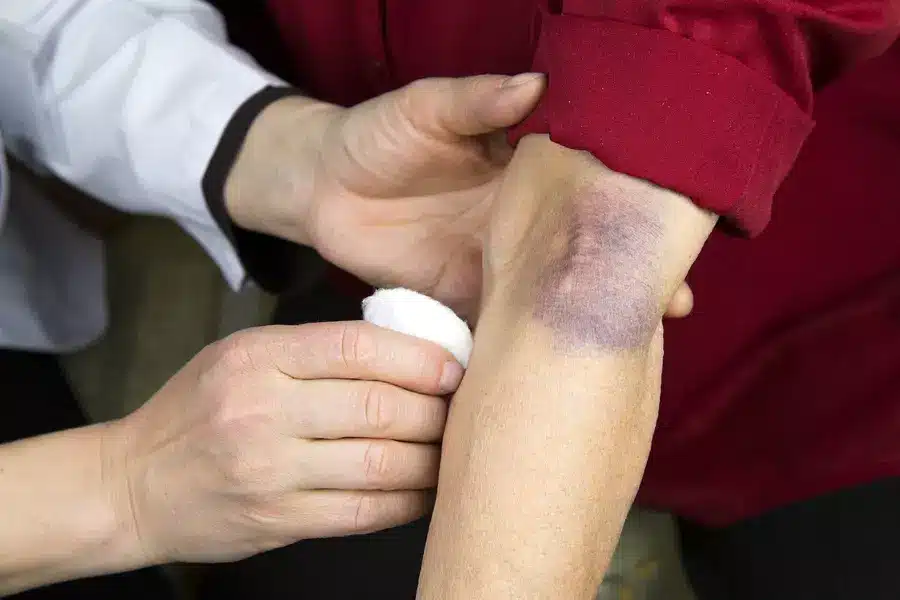
A contusion is the medical term for a bruise—an injury to the soft tissues beneath the skin caused by trauma like a direct blow, fall, or impact. When you get a bruise, the force causes blood vessels to rupture and leak blood into the surrounding tissue, resulting in the characteristic discoloured patch on the surface of the skin. Unlike an open wound, contusions don’t break the skin’s surface, making them closed injuries. The leaked blood becomes trapped in the deeper tissues, creating visible discolouration that changes colour as the body breaks down and reabsorbs the blood over time.
How Contusions Differ from Other Types of Injuries
Whilst contusions share some similarities with other common injuries, several key differences set them apart:
Injury Type | Skin Integrity | Primary Damage | Healing Time |
Contusion (Bruise) | Intact skin | Blood vessels damaged, internal bleeding | 2-4 weeks |
Sprain | Intact skin | Ligament stretching or tearing | 2-6 weeks |
Fracture | May be intact or broken | Broken bone | 6-12 weeks |
Laceration | Broken skin | Cut or tear through skin layers | 1-3 weeks |
Abrasion | Broken skin | Superficial skin scraping | 1-2 weeks |
A sprain involves damage to ligaments connecting bones, whilst a fracture indicates a broken bone. Unlike these injuries, a muscle contusion specifically affects the soft tissues without involving skeletal structures, though severe contusions can occur alongside fractures.
The Physiological Process Behind Bruising
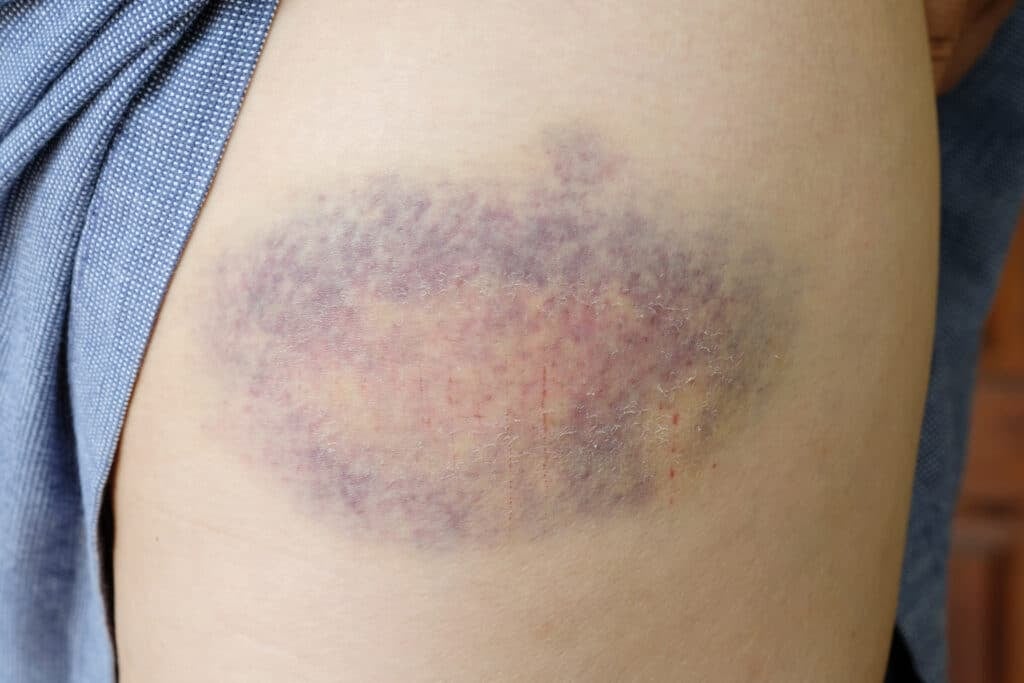
When you experience a direct blow to any part of your body, the impact crushes small blood vessels called capillaries against underlying bone or muscle tissue. This trauma causes blood to leak from the damaged vessels into the surrounding soft tissues. Initially, the bruise may appear red as fresh blood pools beneath the skin. As the body begins breaking down the haemoglobin in the leaked blood, the contusion changes colour—progressing from purple or blue to green, then yellow-brown as healing advances. This colour transformation reflects the body’s natural cleanup process and indicates healing is occurring.
Different Types of Contusions and Bruising Patterns
Soft Tissue Contusion vs Bone Bruise Contusion
A standard soft tissue contusion affects muscles, tendons, and subcutaneous fat, causing visible discolouration and tenderness. These common injuries typically heal within two to four weeks with proper first aid treatment. In contrast, a bone bruise contusion (also called bone contusion) occurs when the bone itself sustains trauma, causing bleeding and swelling within the bone’s rigid structure. Bone contusions are more serious and painful than soft tissue bruises, often requiring imaging tests like magnetic resonance imaging (MRI) for diagnosis, as they don’t appear on standard X-rays. These injuries can take several weeks or longer to fully heal.
Severity Grading of Contusions (Bruises)
Healthcare professionals classify contusions by severity to guide treatment decisions, recovery timeframes, and safe return to activity.
Grade 1 – Mild Contusion
Minor pain and swelling with a small area of discolouration. Movement is largely unaffected, and the injured area remains functional with only mild discomfort.
Grade 2 – Moderate Contusion
Noticeable pain and swelling with reduced range of motion. The bruised area is larger, and some functional limitation is present, although most activities can still be performed with caution.
Grade 3 – Severe Contusion
Intense pain and swelling with significantly limited movement. Large haematoma formation may occur, and immobilisation or extended recovery may be required due to potential complications.
Common Locations for Contusion Injuries
Recognising Contusion Symptoms and When to Seek Medical Care
Visual Signs of a Contusion Bruise
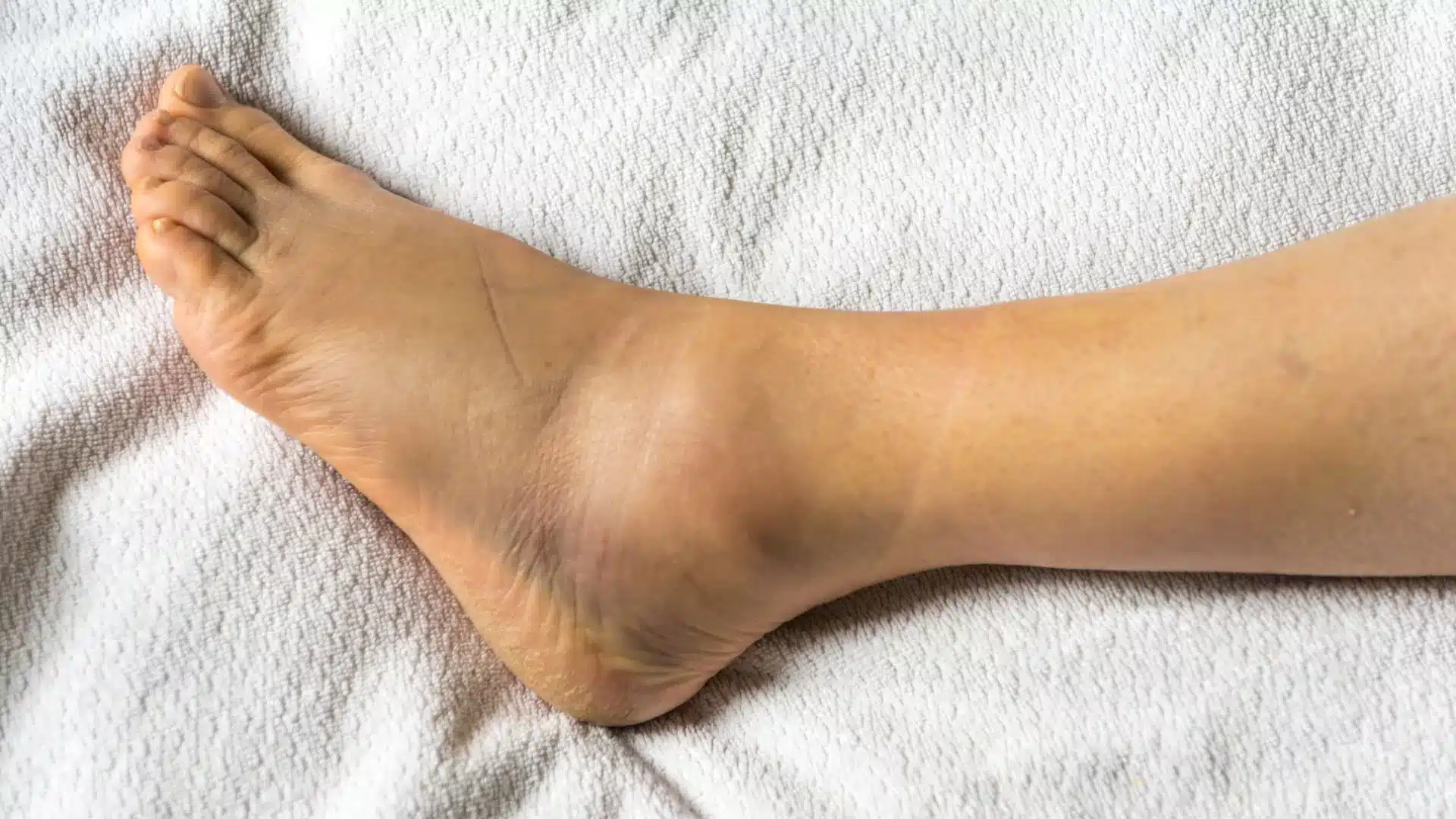
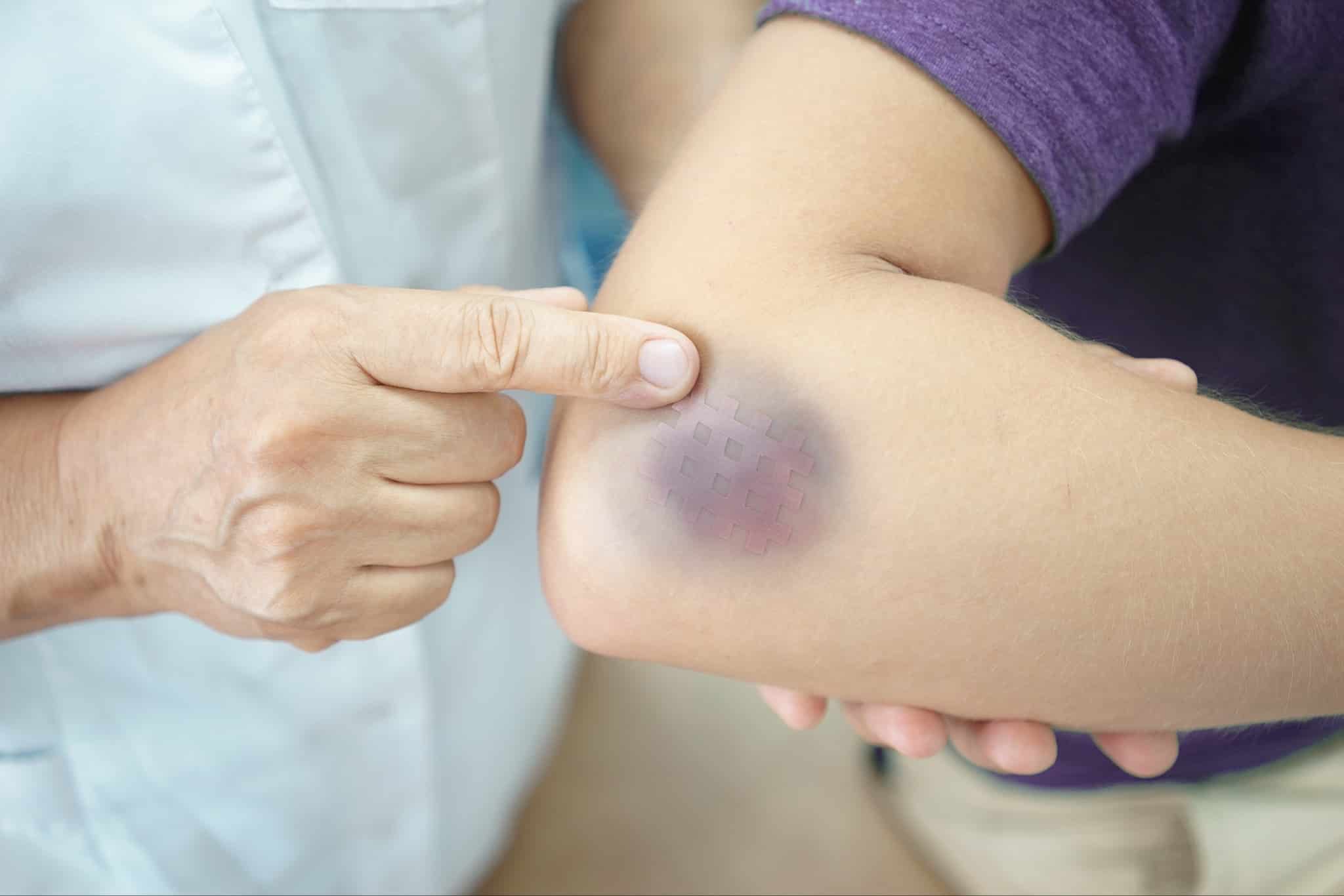
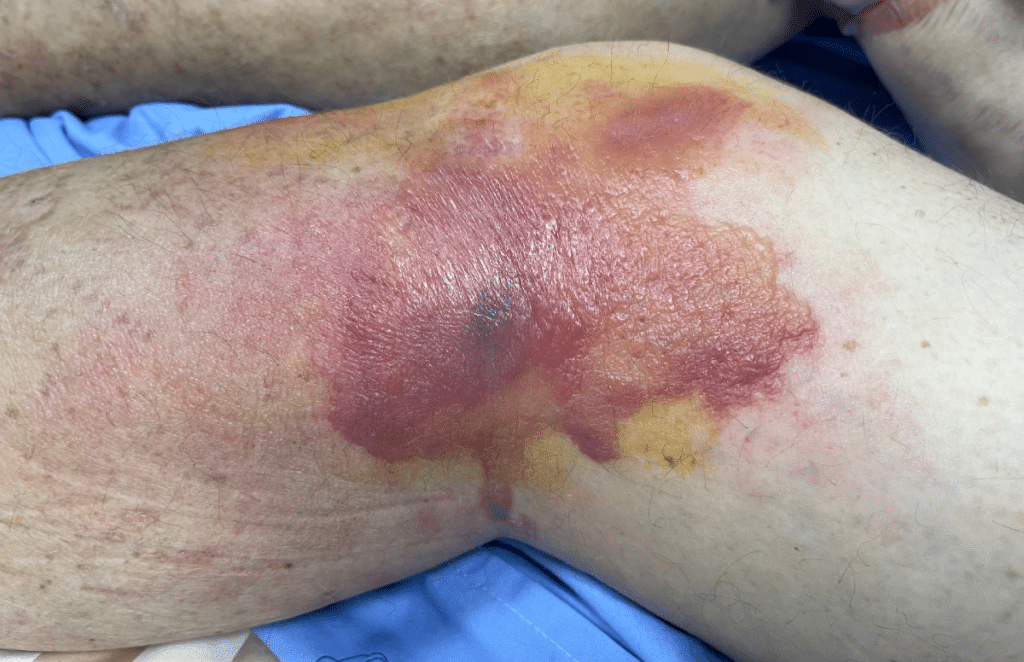
The appearance of a bruise provides valuable information about the injury’s age and severity. Fresh contusions may appear red or purple, indicating recent blood vessel damage. Over 24 to 48 hours, the colour typically deepens to dark purple or black as blood accumulates. As healing progresses, bruises transition through green (around days 5-7) and yellow-brown (days 7-14) before fading completely. The size of the discoloured area often corresponds to injury severity—larger bruises suggest more extensive tissue damage and blood vessel rupture.
Pain Levels and Functional Limitations
Pain and swelling are hallmark symptoms of contusions. Immediately after injury, you’ll typically experience sharp pain at the impact site, followed by throbbing discomfort as inflammation develops. Swelling and pain often peak within 48 hours post-injury. A muscle contusion may significantly restrict your range of motion in the affected limb, making everyday activities challenging. Gentle stretching and strengthening exercises, introduced gradually, can help restore range of motion during recovery. However, pushing through severe pain can lead to complications and delayed healing.
Red Flags That Require Immediate Medical Attention
Whilst most bruises are harmless, certain symptoms indicate a serious medical condition requiring urgent care:
- Extreme swelling that rapidly worsens
- Numbness, tingling, or loss of sensation in the injured area
- Inability to move or bear weight on the affected area
- Severe pain unrelieved by standard pain relief measures
- Suspicion of an underlying bone fracture
- Bruising without clear trauma (may indicate bleeding disorders)
- Signs of compartment syndrome: intense pain, pallor, pulselessness
- Development of myositis ossificans: hard lumps forming in the muscle
If you experience any of these warning signs, visit the emergency department or see a doctor immediately, as these may indicate a medical emergency.
How to Treat a Contusion Wound: First Aid and Immediate Care
The cornerstone of first aid to treat a contusion wound involves the RICER protocol—a proven approach to manage pain and swelling whilst promoting healing:
Rest: Stop the activity immediately and avoid using the injured area. Rest prevents further injury and allows the body’s natural healing processes to begin. Complete immobilisation isn’t always necessary for minor bruises, but limiting movement of severely bruised areas is essential.
Ice: Apply an ice pack to the affected area for 20 minutes at a time, with at least 20-minute breaks between applications. Ice therapy constricts blood vessels, helping reduce swelling and providing pain relief. Never apply ice directly to skin—wrap it in a thin towel. Continue icing for the first 48-72 hours post-injury, or throughout the acute phase.
Compression: Use a compression bandage or compression wrap to apply gentle, even pressure to the injured area. Compression helps reduce swelling by preventing excessive fluid accumulation in the tissues. Ensure the bandage isn’t too tight—you should be able to slip a finger underneath, and there should be no numbness or increased discolouration below the bandage.

Elevation: Keep the affected area elevated above the level of your heart whenever possible. Elevation uses gravity to help reduce swelling by encouraging fluid drainage away from the injured tissues. Prop up a bruised leg on cushions whilst resting, or use a sling for arm injuries.
Referral: This step simply highlights the need to seek medical attention for contusions that have severe symptoms. Extreme swelling that worsens rapidly or numbness/tingling in the area often indicates internal bleeding or nerve involvement, requiring urgent imaging or intervention. Inability to move the limb or bear weight, alongside severe unrelieved pain, suggests fractures or compartment syndrome—marked by intense pain, pallor, and pulselessness—which demands emergency surgery if untreated.
Improving your first aid knowledge saves lives. First Aid Pro offers comprehensive, nationally recognised courses that teach you exactly how to respond to contusions, fractures, and other common injuries. Book your course today and become your family’s first responder.
Pain Management Options for Contusion Bruising
Managing discomfort is important for recovery and maintaining quality of life during healing. Over-the-counter pain relief medications can be effective, but choosing the right type matters. Paracetamol is safe for most people and provides good pain relief without affecting blood clotting. Your doctor may prescribe anti-inflammatory medications (NSAIDs) like ibuprofen to address both pain and inflammation, though these should be used cautiously as they can potentially increase bleeding risk if taken too early. Always ask your doctor or healthcare professional before taking any medication, particularly if you have underlying health conditions or take other medications.
What Not to Do When Treating a Fresh Contusion
Several common mistakes can worsen contusion injuries or delay healing.
Don’t apply heat initially
Heat therapy increases blood flow, which can worsen swelling during the first 48–72 hours. Save heat for later stages of recovery.
Don’t massage the area
Early massage can increase bleeding and swelling. Wait until the acute phase passes and consult a healthcare professional.
Don’t consume alcohol
Alcohol dilates blood vessels and can increase bleeding and swelling.
Don’t continue sports or strenuous activity
This can cause further injury and potentially lead to complications.
Don’t ignore warning signs
Delaying medical assessment when symptoms suggest serious injury can have severe consequences.
Treating Bone Contusion: Special Considerations
How Bone Bruise Contusions Differ from Soft Tissue Injuries
A bone bruise contusion represents a more serious injury than standard soft tissue bruising. When trauma occurs with sufficient force, it can damage the bone’s internal structures without causing a complete fracture. Blood and fluid accumulate within the bone’s rigid structure, causing intense pain that often exceeds typical muscle contusion discomfort. Because bones have limited room for swelling, bone contusions are particularly painful and slow to heal. Unlike surface bruises visible on the skin, bone bruises typically require imaging tests such as magnetic resonance imaging for diagnosis, as standard X-rays may not reveal them unless a fracture is also present.
Long-Term Treatment Strategies for Bone Contusions
Bone contusions demand patience and modified treatment approaches. Initial treatment follows similar first aid principles—rest, ice, compression, and elevation—but recovery extends considerably longer, often taking several weeks or longer. Complete rest of the affected area is crucial, and your doctor or nurse may recommend crutches, braces, or other assistive devices to prevent weight-bearing on injured bones. Gradual return to activity must be carefully managed through physiotherapy, introducing gentle stretching followed by progressive strengthening exercises. Premature return to contact sports or high-impact activities risks permanent damage or chronic pain.

Preventing Complications with Deep Bone Bruising
Orthopaedic specialists monitor bone contusions carefully because they can lead to serious complications if mismanaged. The most concerning complications include compartment syndrome and myositis ossificans. Compartment syndrome occurs when swelling within the muscle’s rigid compartment restricts blood flow, creating a medical emergency requiring immediate surgical intervention. Myositis ossificans involve abnormal bone formation within muscle tissue following severe trauma, causing permanent hardness and restricted movement. Preventing these complications requires following medical advice precisely, avoiding premature activity resumption, and reporting any unusual symptoms to your healthcare professional immediately.
Recovery Timeline: What to Expect When Healing from a Contusion
Typical Healing Stages of Contusion Bruising
Understanding the healing progression helps set realistic expectations:
Timeline | Healing Stage | What’s Happening | Visible Changes |
0-48 hours | Acute inflammation | Blood vessels damaged, swelling peaks | Red/purple, maximum swelling |
2-5 days | Early repair | Inflammation reduces, healing begins | Purple/dark blue |
5-10 days | Active healing | Body breaks down blood, new tissue forms | Green/yellow appearance |
10-14 days | Late healing | Most blood reabsorbed, tissue repairs | Yellow/light brown, fading |
2-4 weeks | Resolution | Complete healing of soft tissue | Normal skin colour returns |
This timeline applies to uncomplicated soft tissue contusions. Bone bruises and severe contusions take considerably longer—sometimes several weeks or longer—before complete resolution.
Factors That Affect Contusion Healing Time
Multiple variables influence how quickly bruises heal. Age plays a significant role—active children and younger adults typically heal faster than older individuals due to more efficient circulation and tissue repair mechanisms. The location matters too; areas with good blood supply like the face heal quickly, whilst poorly vascularised regions take longer.
Severity is obviously crucial—minor bruises resolve in days, whilst a severe contusion requires weeks. Underlying health conditions affecting circulation or blood clotting can delay healing. Proper adherence to first aid treatment and rest recommendations significantly impacts recovery speed. Finally, nutritional status matters; adequate protein, vitamin C, and other nutrients support tissue repair and help speed up healing.
Returning to Normal Activities After a Contusion Injury
Resuming regular activities requires a graduated approach. For minor bruises with minimal functional impact, you can often continue normal daily activities with slight modifications. However, a muscle contusion affecting a major muscle group demands more cautious progression. Begin with gentle stretching once acute pain subsides, typically after the first week. As pain and swelling decrease and range of motion improves, gradually introduce light strengthening exercises under professional guidance.
Athletes should follow sport-specific rehabilitation protocols, starting with light training and progressively increasing intensity. Never return to full contact sports until you’ve regained complete range of motion, strength matches the uninjured side, and you’re pain-free during activity. Premature return risks re-injury and can lead to complications including chronic pain or scar tissue formation.

Preventing Recurring Contusion Injuries
Prevention is always preferable to treatment.
Use protective equipment
Appropriate padding, shin guards, and protective gear reduce injury risk in contact sports.
Strengthen muscles
Well-conditioned muscle groups better absorb impact forces.
Improve balance and coordination
This reduces fall risk.
Maintain bone health
Adequate calcium and vitamin D support bone strength.
Address environmental hazards
Remove tripping hazards and ensure adequate lighting.
Use proper technique
Correct form in sports and exercise minimises injury risk.
Equip yourself with life-saving skills. First Aid Pro’s nationally recognised first aid courses go beyond treating bruises—you’ll learn to manage fractures, sprains, burns, and medical emergencies with confidence. Enrol now and make a difference when it matters most.
Knowledge Test Quiz: Contusion Treatment
Test your understanding of contusion treatment. Select one answer per question, then click Check Answers.
1) What is the medical term for a bruise?
2) How long should you apply ice to a fresh contusion?
3) What does the “E” in RICE stand for?
4) Which complication requires immediate medical attention?
5) When can you apply heat to a contusion?
Treat a Contusion Wound With Correct First Aid and Referral
Understanding proper treatment for contusion injuries empowers you to respond effectively when bruises occur. Whether dealing with a minor bump or a severe contusion requiring professional care, the principles remain consistent: prompt first aid using ice, compression, and elevation can help reduce swelling and promote healing. Recognising the difference between standard soft tissue bruises and more serious injuries like bone contusions or fractures ensures appropriate care. Most contusions heal completely within a few weeks with conservative treatment, though bone bruise contusions and complications require extended recovery periods.
Remember that whilst bruises are common injuries, they shouldn’t be dismissed as trivial—particularly in active children, athletes in contact sports, or when symptoms suggest underlying serious injury. The key to optimal recovery lies in appropriate initial treatment, patience during healing, and knowing when professional medical assessment is necessary. By following evidence-based first aid protocols and avoiding activities that could cause further injury, you give your body the best chance to heal efficiently and completely.
Whether you’re treating a sports injury at home or responding to common injuries in your workplace, proper knowledge makes all the difference. Stay informed, act promptly, and don’t hesitate to seek professional guidance when needed. Your prompt and appropriate response to contusions can prevent complications, reduce recovery time, and ensure the best possible outcomes for yourself and those you care for.
References
- Healthdirect Australia. (2024). Bumps, Knocks and Bruises
- Queensland Health: Bruises
- OrthoInfo: Muscle Contusion (Bruise)
- Mayo Clinic: Bruise First Aid
- MedicineNet: How Are Contusions Treated?
Frequently Asked Questions
How long does it take for a contusion to heal completely?
Most contusions heal within 2–4 weeks with proper care. More severe injuries, including deep tissue bruises or bone contusions, may take 4–6 weeks or longer. Healing time varies with injury severity, age, and overall health. If there’s no improvement after two weeks, seek medical advice.
What’s the difference between a contusion and a haematoma?
A contusion is a bruise where blood spreads through soft tissue, causing discolouration. A haematoma is a larger, localised collection of blood that forms a raised, often painful lump and takes longer to heal. Large haematomas may require medical assessment or drainage.
Should I apply heat or ice to treat a contusion wound?
Use ice for the first 48–72 hours to reduce swelling and pain, applying it for 20 minutes at a time. After the acute phase has passed, gentle heat may be used to improve circulation and reduce stiffness. Avoid heat in the early stages, as it can worsen swelling.
Can I continue exercising with a muscle contusion?
Minor contusions may allow modified activity, but significant pain, swelling, or reduced movement requires rest. Exercising too soon can worsen injury and lead to complications. Return to activity gradually and only once pain-free with normal function restored.
When does a contusion require medical imaging?
Imaging may be needed if a fracture, bone bruise, or severe muscle injury is suspected, or if symptoms don’t improve. X-rays are used to rule out fractures, while MRI may be required for deeper tissue damage. Injuries near joints or vital areas should be medically assessed.