




Sharon has 21+ years of experience as a qualified Emergency Care Nurse registered with the Australian Health Practitioner Regulation Agency (APHRA) and 12+ years as a First Aid Trainer.
She takes pride in FirstAidPro making first aid training available, comprehensive and affordable to everybody.
Workplace emergencies can happen with little warning. Whether it is a fire, chemical spill, bomb threat, structural incident, or another unexpected event, the actions taken in the first few minutes can have a significant impact on safety outcomes. To become a certified Fire Warden in Australia, individuals typically complete a nationally recognised training course such as PUAFER005 Operate as part of an emergency control organisation. This training equips participants with the skills to assist with workplace evacuations, communicate effectively during emergencies, and fulfil Emergency Control Organisation (ECO) responsibilities in accordance with Australian Standard AS 3745-2010. If you are considering becoming a Fire Warden in Australia, understanding the role, responsibilities, and training requirements is the first step towards helping keep your workplace safe.
Key Takeaways
- Fire Wardens play a vital role in workplace emergency preparedness, evacuation and fire safety.
- A nationally recognised fire warden training course such as PUAFER005 prepares participants for Emergency Control Organisation roles.
- Fire Warden responsibilities extend beyond fire emergencies to a wide range of workplace incidents.
- Australian workplaces are expected to maintain emergency procedures and trained ECO personnel.
- Combining Fire Warden training with first aid skills can strengthen workplace emergency response capability.

What Is a Fire Warden in Australia?
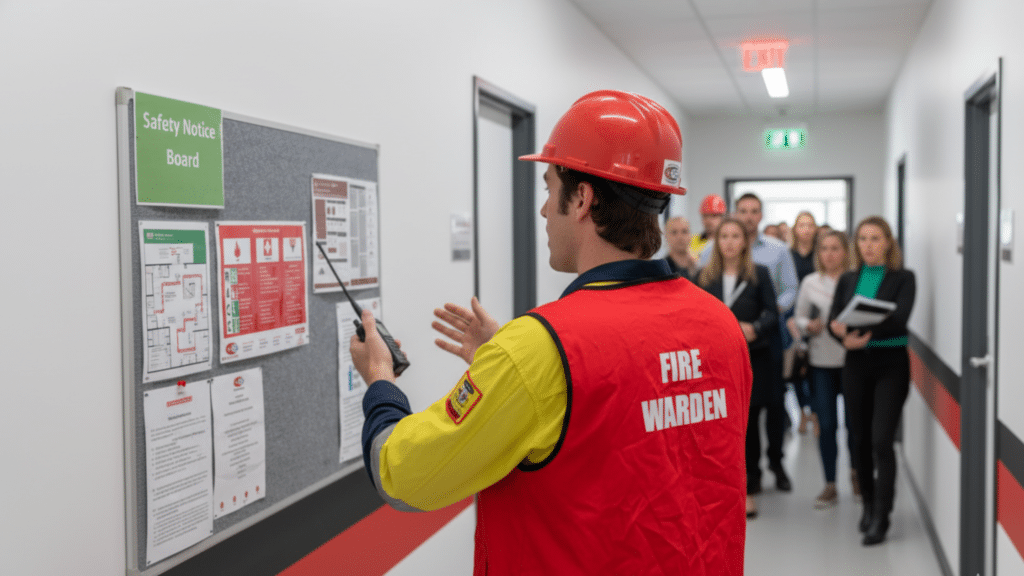
A Fire Warden is a designated member of a workplace Emergency Control Organisation (ECO) who assists in managing emergencies and helping people evacuate safely when required.
While many people associate the role solely with fire emergencies, Fire Wardens are trained to respond to a variety of situations. These may include smoke incidents, hazardous material spills, bomb threats, gas leaks, structural failures, severe weather events, and other emergencies that require an organised response.
The primary objective of a Fire Warden is to help protect people by supporting the implementation of workplace emergency procedures. Their presence helps reduce confusion, improve communication, and ensure evacuation processes occur in an orderly and efficient manner.
Why Fire Wardens Are Important in Australian Workplaces
Emergencies rarely unfold exactly as expected. Even well-maintained buildings and workplaces can experience incidents that require rapid action and clear leadership.
When alarms sound or danger becomes apparent, people often look for guidance. Without trained personnel directing the response, confusion and delays can occur. Fire Wardens help bridge this gap by providing clear instructions and coordinating evacuation activities.
Australian workplaces are expected to have appropriate emergency management and fire safety training arrangements in place. Australian Standard AS 3745-2010 Planning for Emergencies in Facilities provides guidance on emergency planning and the establishment of Emergency Control Organisations.
Having trained Fire Wardens contributes to safer workplaces and helps organisations meet their broader workplace health and safety responsibilities.
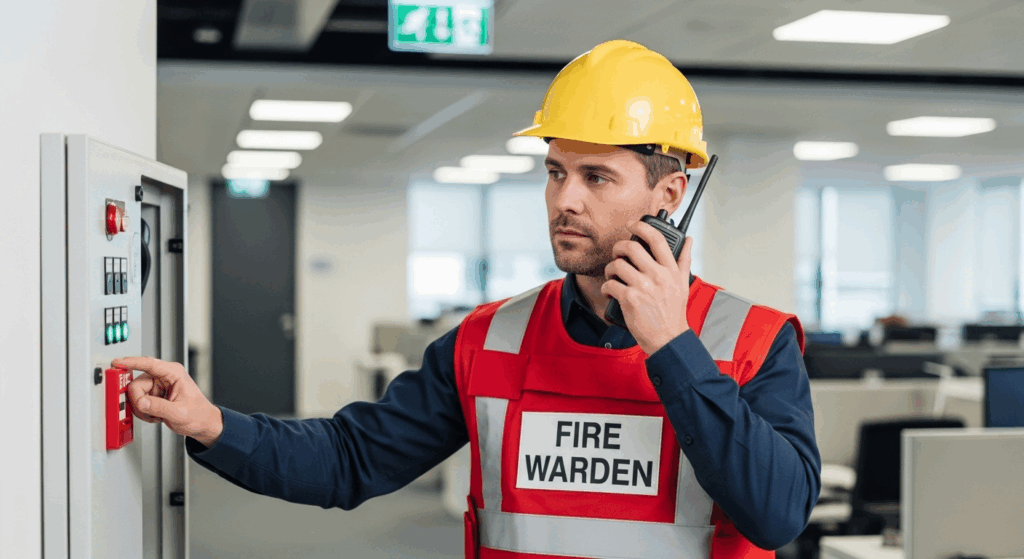
What Does a Fire Warden Do?
The role of a Fire Warden extends well beyond simply directing people towards exits.
Before an emergency occurs, Fire Wardens become familiar with workplace emergency plans, evacuation routes, assembly areas, alarm systems, communication equipment, and emergency procedures.
During an emergency, they may:
- Raise or confirm the alarm
- Direct staff, visitors, and contractors towards safe exits
- Conduct area sweeps where safe to do so
- Communicate with Chief Wardens and emergency services
- Monitor evacuation progress
- Assist in accounting for building occupants
- Employ fire safety equipment such as fire extinguishers
After an emergency, Fire Wardens may participate in debriefings, assist with reporting processes, and support post-incident reviews.
These responsibilities help ensure emergency responses remain organised and effective under pressure.
Who Can Become a Fire Warden?
Fire Warden training is relevant across many Australian industries because every workplace needs people who can help others respond calmly and safely during an emergency.
One of the key advantages of Fire Warden training is its broad workplace relevance. Fire Wardens may be appointed in small businesses, large facilities, public venues, education settings, industrial sites, and community-facing organisations.
In most cases, individuals are nominated by their employer to become part of the workplace Emergency Control Organisation. However, many people also choose to undertake training proactively to expand their workplace safety skills and professional development.
There are generally no complex prerequisites for undertaking Fire Warden training, making it accessible to employees from many different backgrounds.

Do You Need Formal Fire Warden Training?
Although workplace arrangements vary, formal training is widely recognised as the best way to prepare individuals for Emergency Control Organisation roles.
Responding effectively during an emergency requires more than good intentions. Fire Wardens need practical knowledge of emergency procedures, communication protocols, human behaviour during emergencies, and evacuation management.
Nationally recognised PUAFER005 training provides structured learning that helps participants understand their responsibilities and develop confidence in real-world scenarios.
Training also ensures a consistent approach across the workplace, helping all members of the Emergency Control Organisation work together effectively when required.
What Qualification Do You Need to Become a Certified Fire Warden?
The nationally recognised unit most commonly associated with Fire Warden training is:
PUAFER005 Operate as part of an emergency control organisation
This unit prepares participants to perform the duties of a Warden within an Emergency Control Organisation.
The training focuses on practical emergency response skills and provides participants with the knowledge required to support workplace emergency management activities.
Successful participants receive a nationally recognised Statement of Attainment, demonstrating competency in the unit.
For many workplaces, completion of PUAFER005 forms an important part of Fire Warden and Emergency Warden training requirements.
What You Will Learn During Fire Warden Training
Quality Fire Warden training combines essential emergency knowledge with practical skills that can be applied in real workplace situations.
Participants typically learn how to recognise workplace risks, follow emergency procedures, communicate clearly, support evacuations, and assist as part of an Emergency Control Organisation.
Scenario-based training helps reinforce learning by placing participants in realistic situations that require decision-making and effective communication.
This practical approach helps build confidence and prepares participants to respond appropriately during genuine emergencies.

Understanding the Emergency Control Organisation (ECO)
A key concept within Fire Warden training is the Emergency Control Organisation.
The ECO is a structured team responsible for implementing emergency procedures within a workplace or facility.
Depending on the size and complexity of the workplace, an ECO may include:
- Chief Warden
- Deputy Chief Warden
- Floor Wardens
- Area Wardens
- Communications Officers
- First Aid Officers
Each role has specific responsibilities that contribute to an organised emergency response.
Understanding how these positions interact helps Fire Wardens perform their duties effectively and maintain clear communication during incidents.
The Importance of AS 3745-2010
Australian Standard AS 3745-2010 Planning for Emergencies in Facilities provides guidance for workplace emergency planning and Emergency Control Organisations.
AS 3745-2010 is widely used by Australian organisations when developing emergency management systems, evacuation procedures, warden structures and training programs addressing areas such as:

How Long Does It Take to Become a Fire Warden?
The pathway to becoming a certified Fire Warden is relatively straightforward.
Most Fire Warden courses can be completed within a single day, although delivery formats may vary between training providers.
During the course, participants complete practical activities, emergency response scenarios, and assessments designed to demonstrate competency.
Upon successful completion, participants receive a nationally recognised Statement of Attainment for PUAFER005 Operate as part of an emergency control organisation.
This means individuals can gain valuable workplace safety skills without committing to lengthy study programs.
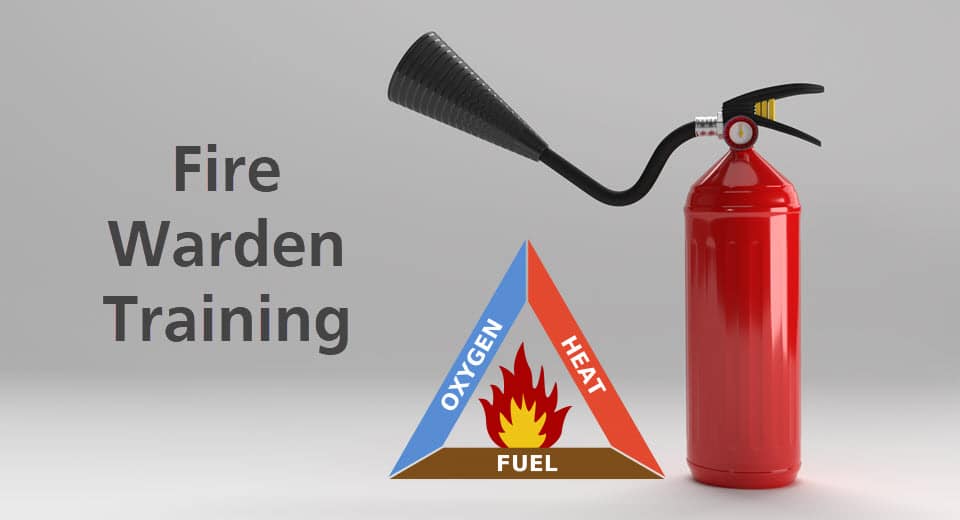
Is Fire Warden Training Mandatory in Australia?
Australian workplaces have obligations to provide safe working environments and appropriate emergency management arrangements.
The specific training requirements for Fire Wardens may vary depending on workplace risks, organisational policies, and industry expectations.
However, organisations that establish Emergency Control Organisations generally require designated personnel to receive appropriate training to fulfil their responsibilities effectively.
From a practical perspective, having trained Fire Wardens is not simply about compliance. It is about ensuring workplaces are prepared to respond effectively when emergencies occur.
A trained Fire Warden can help reduce panic, improve evacuation efficiency, and support emergency services during critical incidents.
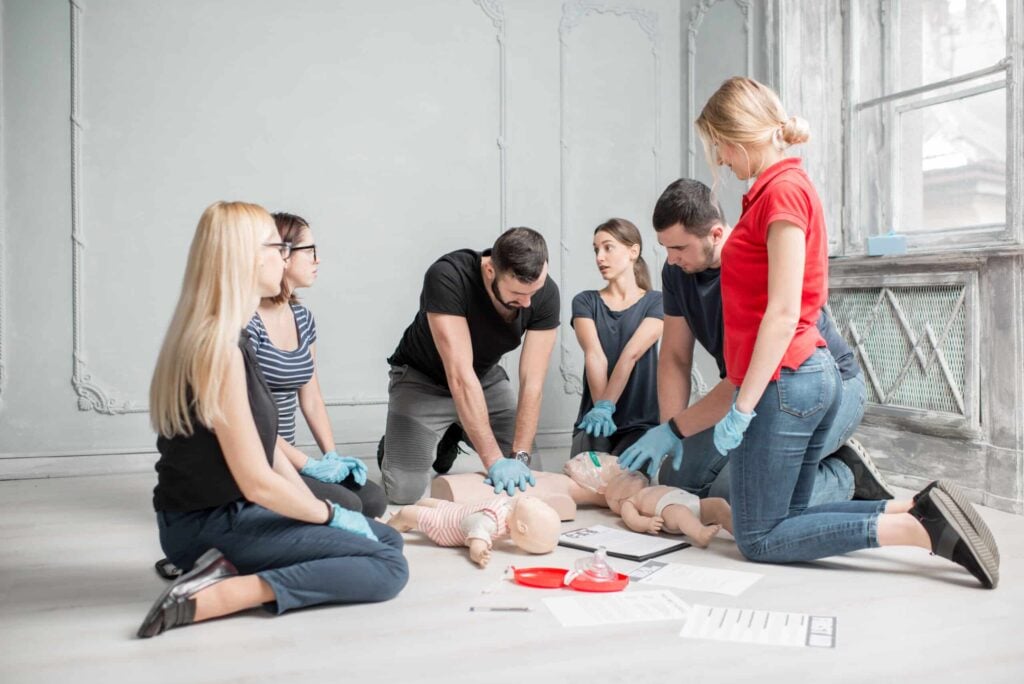
Why Fire Wardens Should Also Have First Aid Training
Many workplace emergencies involve more than evacuation procedures alone.
A fire incident may result in burns or smoke inhalation. An evacuation may involve slips, trips, falls, or medical episodes. High-stress situations can sometimes trigger cardiac events, asthma attacks, or other health emergencies.
For this reason, Fire Warden training and first aid training often complement one another exceptionally well.
A Fire Warden who also holds current first aid qualifications may be better prepared to assist while professional medical help is on the way.
At First Aid Pro, many organisations choose to combine Emergency Warden Training with nationally recognised first aid training programs to strengthen workplace emergency preparedness and improve overall safety outcomes.
Choosing the Right Fire Warden Course
Not all training experiences are equal. A quality Fire Warden course should give participants practical skills, recognised outcomes, and confidence to act during real workplace emergencies.
When selecting a Fire Warden course, look for training that is workplace-relevant, practical, and aligned with recognised Australian emergency planning standards.
The most effective courses move beyond theory and provide participants with opportunities to practise decision-making, communication, and emergency response skills in realistic situations.
This practical experience can make a significant difference when participants are called upon to act during an actual emergency.

Become a Certified Fire Warden with First Aid Pro
For Australians seeking nationally recognised Emergency Warden and Fire Warden training, First Aid Pro delivers practical, workplace-focused training designed to build confidence and competence.
The nationally recognised PUAFER005 Operate as part of an emergency control organisation course equips participants with the knowledge and skills required to function effectively within an Emergency Control Organisation.
Delivered by experienced professionals and supported by practical learning activities, the course prepares participants to assist with workplace evacuations, communicate during emergencies, and contribute to safer workplace environments.
Many organisations also choose to strengthen their emergency preparedness by enrolling team members in nationally accredited first aid and CPR courses through First Aid Pro, creating a more capable and resilient workplace response team.
Becoming a Certified Fire Warden in Australia: A Valuable Investment in Workplace Safety
Becoming a certified Fire Warden in Australia is about far more than satisfying a workplace requirement. It is about developing the skills and confidence to help protect colleagues, visitors, customers, and contractors when emergencies occur.
From understanding evacuation procedures and communication protocols to supporting Emergency Control Organisation activities, Fire Wardens play an important role in workplace safety.
Through nationally recognised training such as PUAFER005 Operate as part of an emergency control organisation, individuals can gain practical skills that contribute to safer workplaces and more effective emergency responses.
Whether you have been nominated by your employer or are looking to strengthen your own workplace safety credentials, Fire Warden training is an investment in preparedness, confidence, and the wellbeing of those around you.
Related Reading
- Safe Work Australia – Emergency plans and workplace emergency preparedness guidance.
- Standards Australia – AS 3745-2010 Planning for Emergencies in Facilities
- Training.gov.au – PUAFER005 Operate as part of an emergency control organisation
- First Aid Pro – Fire Warden vs Chief Fire Warden – Key Differences in Roles & Training
Frequently Asked Questions
What is a Fire Warden in Australia?
A Fire Warden is a trained member of a workplace Emergency Control Organisation who assists with emergency response activities and evacuations.
What qualification do I need to become a Fire Warden?
Most workplaces use the nationally recognised unit PUAFER005 Operate as part of an emergency control organisation for Fire Warden training.
How long does Fire Warden training take?
Many Fire Warden courses can be completed in a single day, depending on the training provider and delivery format.
Is Fire Warden training nationally recognised?
Yes. Successful completion of PUAFER005 results in a nationally recognised Statement of Attainment.
Should Fire Wardens also complete first aid training?
Yes. First aid skills complement Fire Warden responsibilities and can improve workplace emergency preparedness.