



Sharon has 21+ years of experience as a qualified Emergency Care Nurse registered with the Australian Health Practitioner Regulation Agency (APHRA) and 12+ years as a First Aid Trainer.
She takes pride in FirstAidPro making first aid training available, comprehensive and affordable to everybody.
A heart attack occurs when the blood flow to the heart muscle is suddenly blocked, causing damage that worsens with every passing minute. Understanding heart attack symptoms in women is vital because women often experience warning signs that differ from men, meaning symptoms of a heart attack can be easily missed or mistaken for fatigue, stress, or indigestion. This article explains the warning signs, how to recognise early heart attack symptoms, and the essential actions that save lives.
If you want the confidence to respond to medical emergencies, enrol in a nationally recognised First Aid Pro course—your skills could save a life.
Key Takeaways
- Heart attack symptoms in women often differ from the classic “crushing chest pain” commonly portrayed in men.
- Women may experience shortness of breath, nausea, jaw or back pain, unexplained fatigue, or general discomfort that can come and go.
- Recognising early warning signs of heart attack symptoms and calling Triple Zero (000) immediately is the most effective action to save a life.
- Women are more likely to experience subtle or atypical symptoms, increasing the risk of delayed treatment.
- Understanding the signs of a heart attack in women can significantly improve detection, response, and long-term health outcomes.
What Is a Heart Attack?
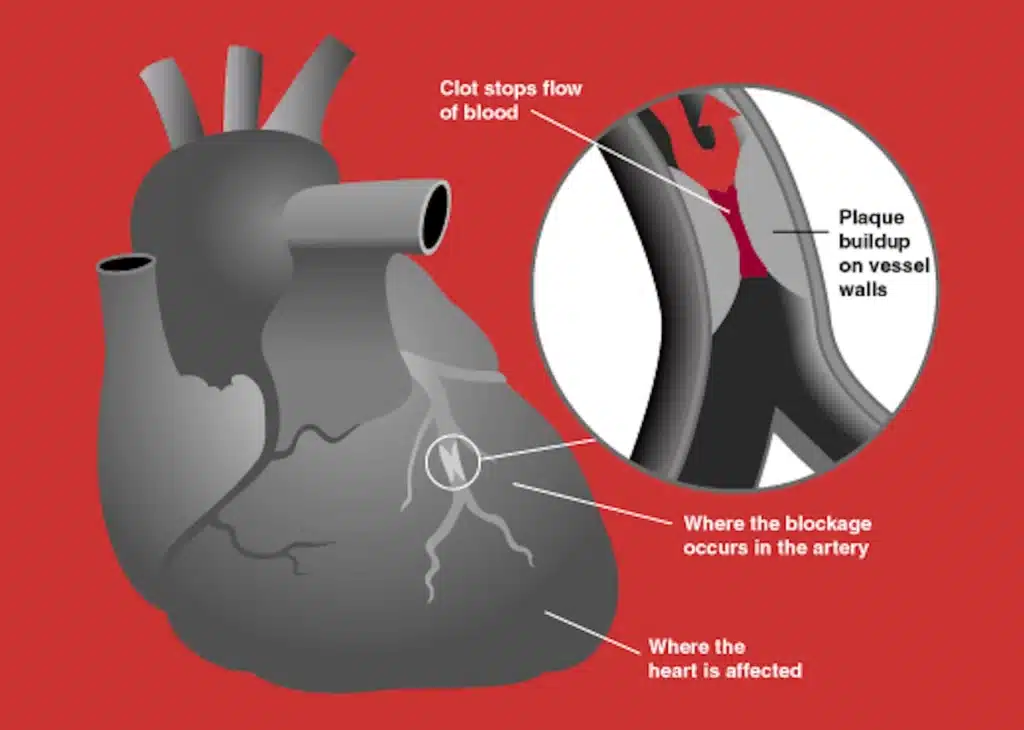
A heart attack (myocardial infarction) happens when one of the coronary arteries becomes blocked, reducing the blood supply to the heart muscle. Without immediate treatment, the heart muscle is damaged by lack of oxygen and weakened blood flow. A heart attack is a medical emergency that can progress into cardiac arrest if not treated urgently.
Heart Attack vs Cardiac Arrest
Condition | What Happens | Key Feature | Your Response |
Heart Attack | Blood flow to the heart muscle is blocked | Person is usually awake but unwell | Call Triple Zero (000), monitor closely, follow first aid |
Cardiac Arrest | The heart stops pumping completely | Person is unresponsive, not breathing normally | Start CPR immediately and use an AED |
Both conditions are life-threatening, and every second counts.
Heart Attack Symptoms in Women – What Makes Them Different?
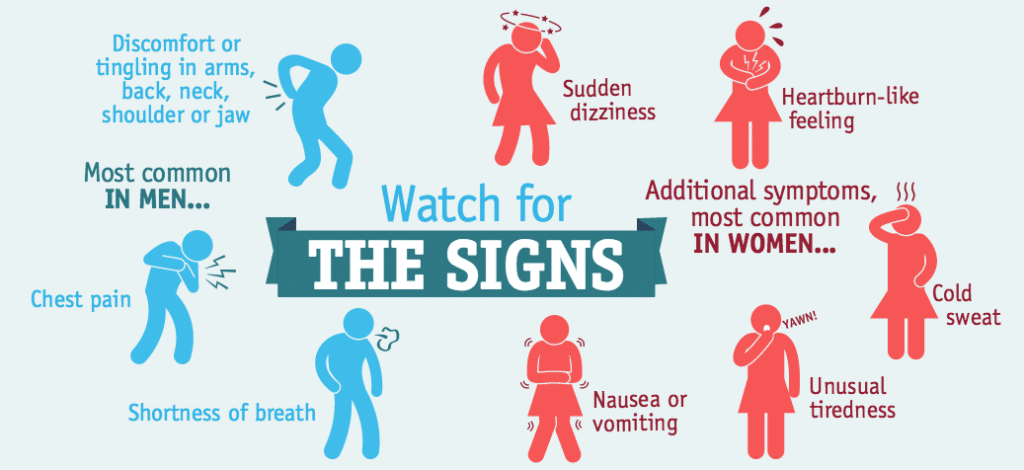
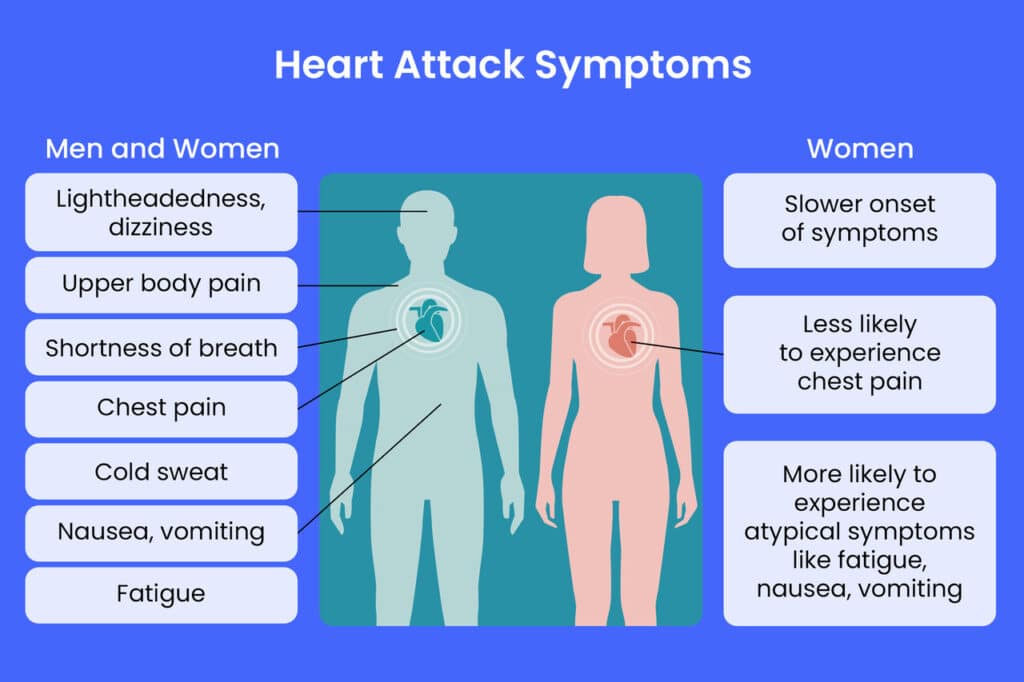
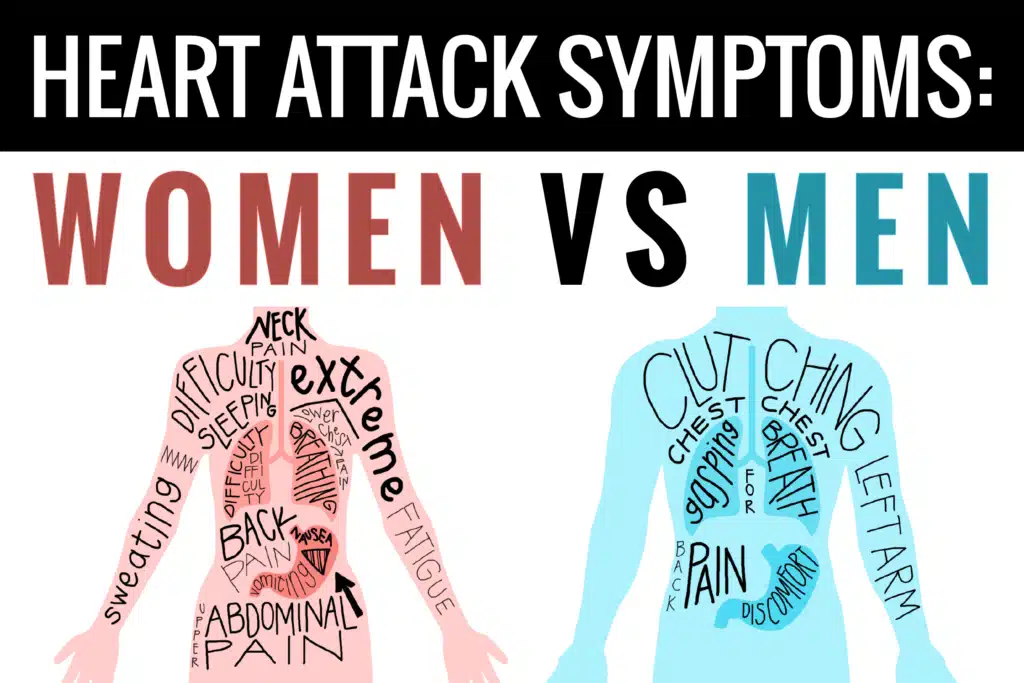
While chest pain is still a common heart attack symptom in women, many women experience less typical signs of a heart attack. These may be subtle, fluctuate, or present as general discomfort rather than obvious pain.
Women may dismiss heart attack symptoms, push through fatigue, or assume their discomfort is unrelated to the heart. This delay contributes to more severe heart damage and poorer outcomes. Recognising heart attack symptoms in women early is essential.
Chest Pain or Chest Pressure
Chest pain is a common heart attack symptom, but women often describe it as:
- tightness
- uncomfortable pressure
- fullness rather than sharp pain
It may come and go or feel more like heaviness than sharp discomfort.
Shortness of Breath and Difficulty Breathing
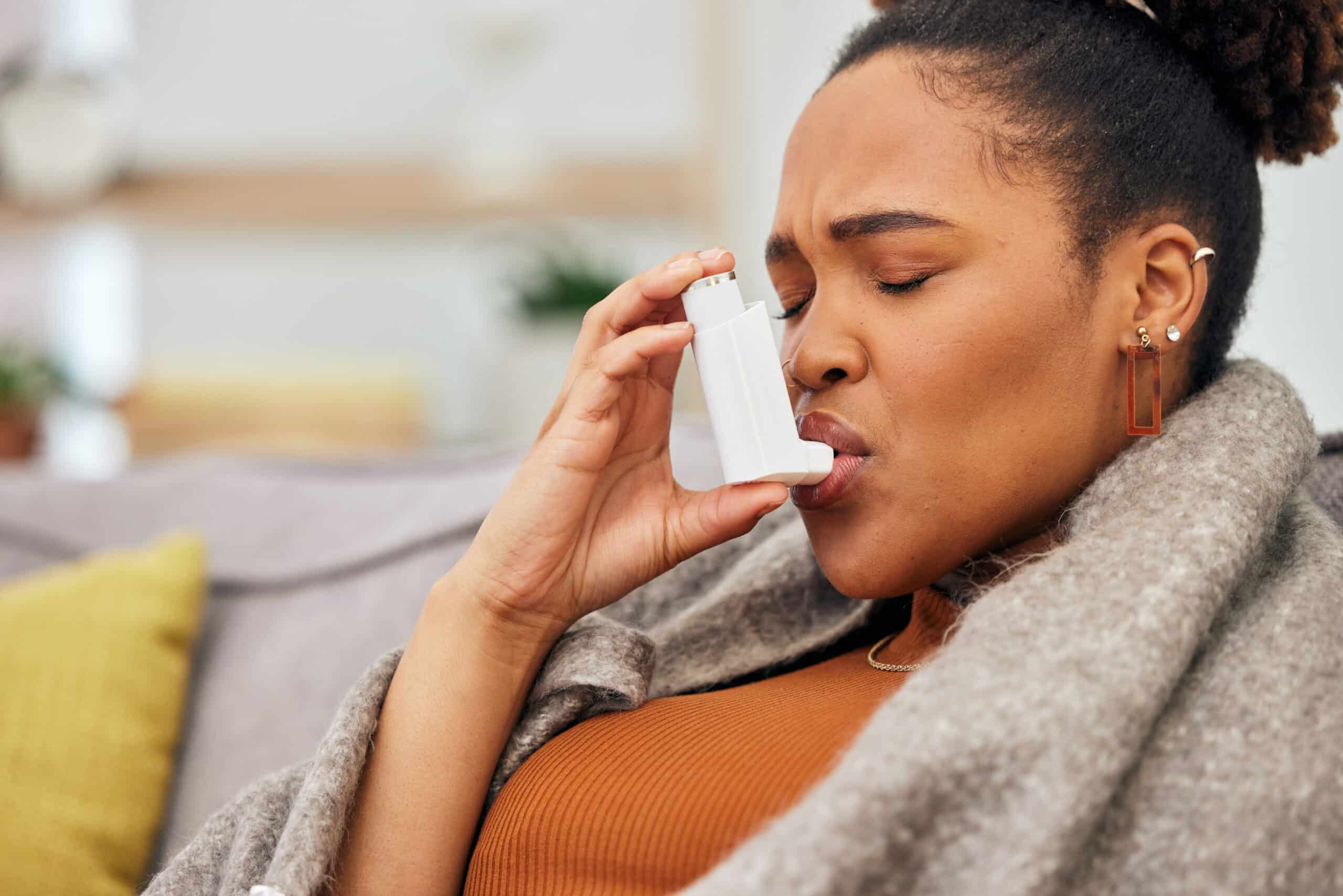
Shortness of breath can appear with or without chest pain.
Women may feel:
- unable to take a full breath
- breathless after minimal activity
- sudden difficulty breathing while resting
This is a major warning sign of a heart attack.

Jaw, Neck, Shoulder and Back Pain
Women frequently report radiating pain, including:
- jaw discomfort
- neck tightness
- deep upper back pain
- discomfort in one or both shoulders
These symptoms occur because the nerves supplying the heart also supply nearby regions.
Nausea, Indigestion and Stomach Pain
Indigestion-like symptoms are commonly misinterpreted.
Women experiencing a heart attack often feel:
- nausea
- vomiting
- stomach cramps
- pressure high in the abdomen
Dizziness, Light-headedness and Sudden Weakness
Reduced blood flow to the heart muscle can trigger dizziness, sudden weakness, or an almost fainting sensation.
Early Warning Signs: Pre– Heart Attack Symptoms in Women
Some women experience symptoms days or weeks before a major cardiac event. These early warning signs of a heart attack are important to recognise.
Unexplained or Extreme Fatigue
A significant percentage of women report fatigue that seems out of proportion to their daily activity.
This can occur even when resting.
Persistent Sleep Disturbances
Difficulty sleeping, waking with shortness of breath, or unexplained night-time discomfort may indicate strain on your heart.
Anxiety, Unease or a Sense Something Is Wrong
Some women report a persistent internal warning that something feels “off”.
While not always cardiac, it is a sign worth discussing with a GP.
How Heart Attack Symptoms in Women Differ From Men’s
Although women and men share many symptoms of a heart attack, women are more likely to experience atypical signs.
Simple Comparison Table
Symptom | Men | Women |
Chest pain | Common, central, crushing | Present but often less intense or diffuse |
Shortness of breath | Common | Very common; may be first symptom |
Upper body pain | Often left arm | Jaw, back, shoulders, arms |
Nausea | Less common | More common |
Fatigue | Less reported | Highly reported before attack |
Women also have a higher risk of “silent” heart attacks, where symptoms are so mild that they go unnoticed.
What To Do if You Suspect a Heart Attack – Call Triple Zero

If someone is experiencing signs of a heart attack, act immediately.
Do not wait to see if symptoms improve.
Call Triple Zero (000) Immediately
Emergency services can begin lifesaving treatment en route.
Early medical care reduces heart muscle damage.
Keep the Person Resting
Help them sit comfortably, usually upright, and keep them calm. This reduces strain on the heart.
Ask About Aspirin
Emergency medical staff may advise the person to take aspirin. Do not give aspirin unless directed by a health professional.
Prepare for Cardiac Arrest
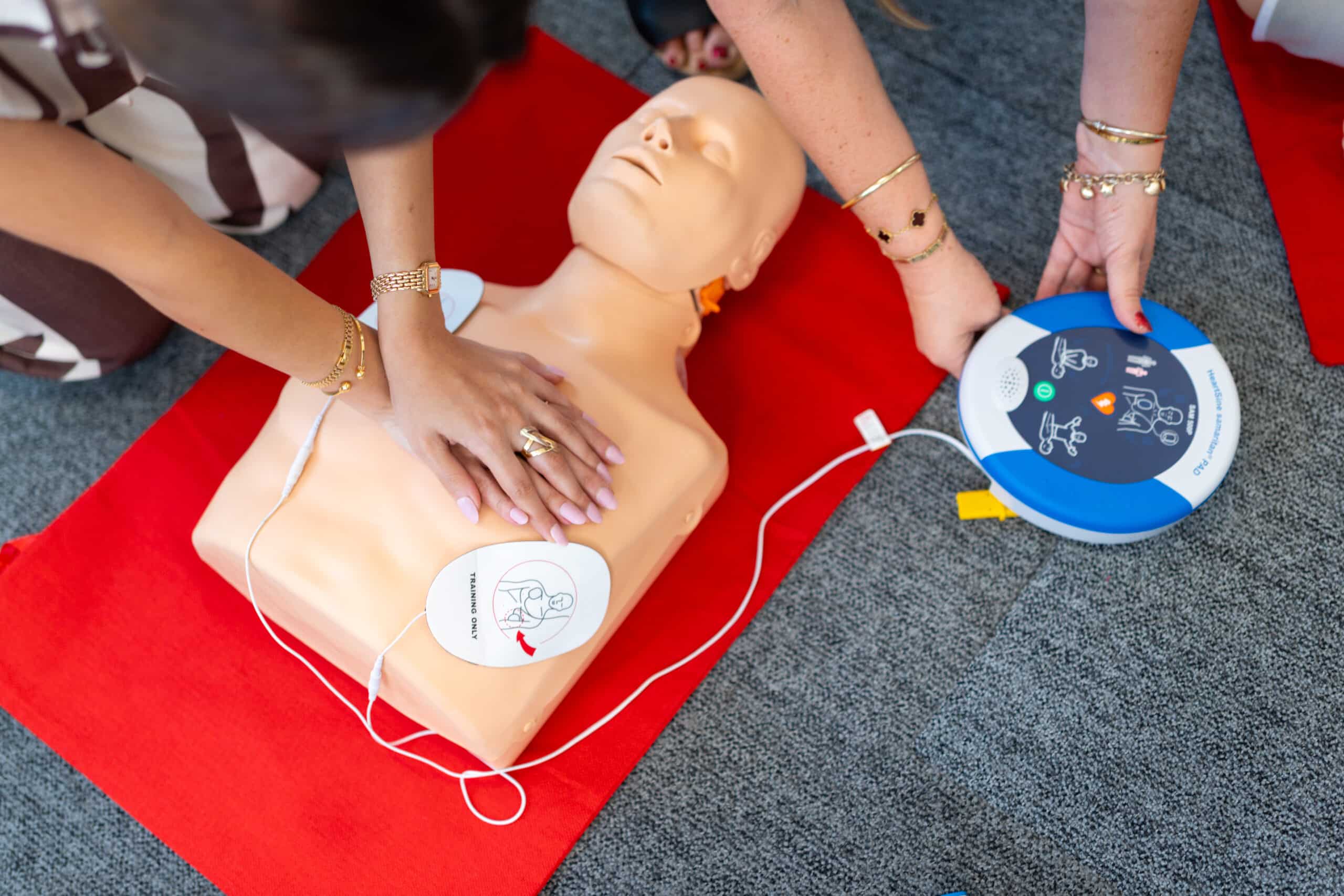
If the person becomes unresponsive or stops breathing normally, start CPR immediately and use an AED if available.
If you have never learnt CPR or want to refresh your skills, enrol in a First Aid Pro CPR course to learn how to save a life.
Why Women Delay Seeking Help
Delayed treatment during a heart attack can lead to greater heart damage and poorer recovery.
Risk Factors for Heart Attack in Women
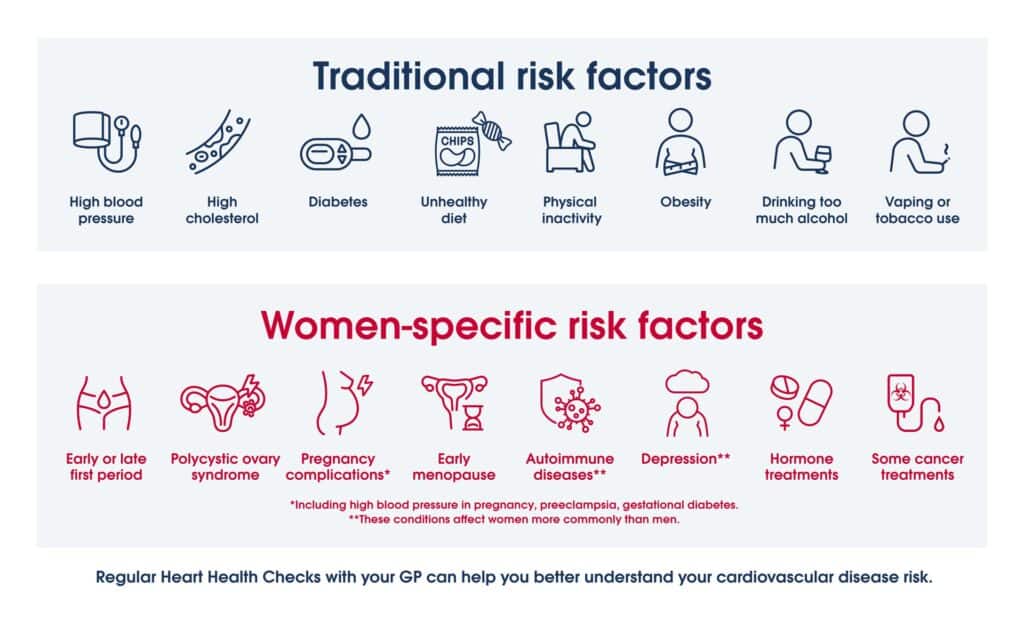
Several medical, lifestyle, and hormonal factors increase a woman’s likelihood of experiencing a heart attack.
- High blood pressure
- High cholesterol
- Diabetes
- Obesity
How a Heart Attack Happens
A heart attack occurs when blood flow to the heart muscle is suddenly blocked, causing rapid and sometimes permanent damage.
Prevent a Heart Attack – Heart Health Strategies
Improving heart health helps prevent a heart attack and reduces long-term cardiovascular risk.
Regular Heart Health Checks
Speak to your GP for a Heart Health Check to review blood pressure, cholesterol levels, blood sugar and cholesterol levels, family history, and lifestyle risks.
Healthy Lifestyle Choices
- Maintain regular physical activity
- Follow a heart-healthy diet
- Reduce stress
- Quit smoking
Small changes can significantly increase your chance of preventing heart disease.
Learn CPR and First Aid
Knowing how to respond to a medical emergency improves survival.
Enrol in a nationally recognised First Aid Pro course to build confidence and practical lifesaving skills.
Knowledge Test: Heart Attack Symptoms in Women
Awareness Saves Lives
Understanding the symptoms and warning signs of a heart attack in women is one of the most powerful tools for preventing serious complications and death. Women often experience different symptoms of a heart attack than men, meaning early recognition is essential. By learning to identify chest pressure, shortness of breath, back or jaw pain, nausea, and unexplained fatigue, you can respond quickly and confidently.
To build practical skills that save lives, enrol in a nationally recognised first aid course with First Aid Pro and learn CPR, emergency response, and vital first aid techniques.
References
- Symptom presentation of women with acute coronary syndromes: myth vs reality – John G Canto 1, Robert J Goldberg, Mary M Hand, Robert O Bonow, George Sopko, Carl J Pepine, Terry Long
- Heart Foundation Australia – Heart attack symptoms and risk factors
- Royal Australian College of General Practitioners – Cardiovascular Risks
- National Heart, Lung, and Blood Institute – Understanding myocardial infarction
Frequently Asked Questions
Yes. Many women experience subtle warning signs such as shortness of breath, nausea, jaw pain or fatigue rather than strong chest pain.
Shortness of breath, chest discomfort and extreme fatigue are among the most common, though symptoms vary widely.
They may last minutes or come and go. In all cases of suspected heart attack, call Triple Zero (000) immediately.
Yes. While risk increases with age, younger women can still experience heart attacks, especially if they have underlying risk factors.
Only take aspirin if a health professional or emergency services instruct you to do so.