



Sharon has 21+ years of experience as a qualified Emergency Care Nurse registered with the Australian Health Practitioner Regulation Agency (APHRA) and 12+ years as a First Aid Trainer.
She takes pride in FirstAidPro making first aid training available, comprehensive and affordable to everybody.
CPR, asthma and anaphylaxis training equips healthcare workers and educators with essential skills to respond effectively to life-threatening medical emergencies in the workplace. In Australia, where approximately one in nine people live with asthma and severe allergic reactions affect thousands annually, this combined training ensures compliance with legal obligations while providing the knowledge and skills needed to save lives. This comprehensive guide explores why integrated first aid training in CPR, asthma management and anaphylaxis response has become critical for Australian professionals working in healthcare, education, fitness and hospitality sectors.
Ready to gain life-saving skills? Enrol in First Aid Pro’s nationally recognised CPR, Asthma and Anaphylaxis Training Course today and receive four accredited certifications in one convenient training session.

Key Takeaways
- Combined CPR asthma and anaphylaxis training provides comprehensive emergency response skills preparing you for interconnected real-world scenarios
- Healthcare workers and educators face the highest need for these life-saving skills due to regular exposure to vulnerable populations and regulatory requirements
- Immediate action saves lives: 40% better survival rates with prompt CPR, 50% fewer hospitalisations with proper asthma first aid
- Four nationally recognised certifications in one course offers exceptional value, meeting multiple compliance requirements efficiently
- Practical, hands-on training builds confidence to respond effectively when seconds count, using real training devices and scenario-based learning
- Annual CPR refresher training is essential to maintain competency and ensure techniques align with current Australian Resuscitation Council guidelines
Understanding the Critical Need for Combined CPR Asthma and Anaphylaxis Training
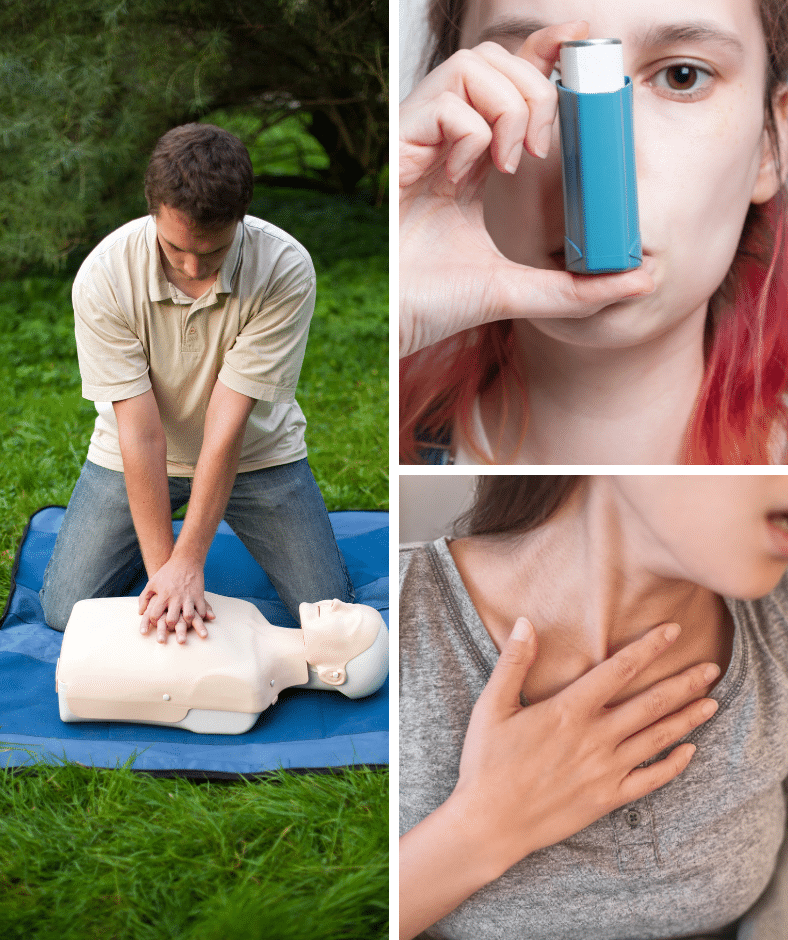
Medical emergencies don’t occur in isolation, and neither should your first aid training. The integration of cardiopulmonary resuscitation, asthma management and anaphylaxis response creates a comprehensive approach to workplace health and safety that reflects real-world emergency scenarios.
When someone experiences cardiac arrest, they may also have underlying respiratory conditions. An asthma attack can rapidly escalate into a life-threatening situation requiring immediate intervention. An anaphylactic reaction can compromise the airway and lead to cardiac arrest if not managed promptly. Understanding how these emergencies interconnect enables first aiders to respond more effectively under pressure.
Why Australian Workplaces Need This Training
Australia’s regulatory framework recognises the importance of comprehensive first aid training. The Australian Resuscitation Council guidelines, ACECQA requirements for education and care services, and Safe Work Australia recommendations all emphasise the need for workers to possess practical first aid skills that extend beyond basic CPR training.
Statistics paint a compelling picture:
- Asthma affects approximately 2.7 million Australians
- Food-induced anaphylaxis hospitalisations have increased by 350% over the past two decades
- Immediate CPR can increase cardiac arrest survival rates by more than 40%
- Prompt asthma first aid can potentially halve the risk of hospitalisation
These figures underscore why combined CPR asthma and anaphylaxis training for emergency response has become essential rather than optional for Australian workplaces.

The Healthcare Sector: Where Every Second Counts
Healthcare workers encounter medical emergencies daily, making comprehensive first aid training not just a compliance requirement but a professional necessity. From registered nurses to NDIS support workers, healthcare professionals must maintain current certification in critical emergency response skills.
Meeting Healthcare Industry Standards
Healthcare settings present unique challenges where staff must manage multiple patients, often with complex medical histories. A patient experiencing an asthma attack may have cardiac complications. Another might suffer an anaphylactic reaction to medication. Healthcare workers need the skills and knowledge to perform CPR, manage airways, use inhalers and adrenaline auto-injectors (EpiPens), and coordinate with emergency medical services seamlessly.
The CPR Asthma and Anaphylaxis training course equips healthcare professionals to:
- Recognise early warning signs of respiratory distress
- Implement appropriate emergency first aid protocols
- Use medical equipment correctly under pressure
- Document incidents in accordance with Australian healthcare standards
- Communicate effectively with emergency responders and medical help

Real-World Healthcare Scenarios
Consider a support worker visiting a client’s home who witnesses them collapse after taking medication. They notice swelling around the face and difficulty breathing—classic signs of an anaphylactic reaction. With proper anaphylaxis training, the worker can identify the symptoms, locate and administer the client’s EpiPen, call for medical help, and monitor the client’s condition while waiting for paramedics.
Or picture a nurse in an aged care facility who discovers a resident unconscious in their room. Their accredited first aid training kicks in: check for responsiveness, assess breathing, commence CPR if needed, use the facility’s automated external defibrillator (AED), and coordinate the emergency response whilst maintaining the resident’s dignity and following proper protocols.
These scenarios illustrate why healthcare workers need training that covers the full spectrum of potential emergencies rather than isolated skills.
Healthcare Role | Key Training Benefits | Compliance Requirements |
Registered Nurses | Enhanced patient safety protocols, advanced emergency response | Annual CPR refresher training recommended |
Support Workers | Confident response to client emergencies, proper equipment use | |
NDIS Providers | Risk management strategies, individualised care planning | Asthma and anaphylaxis training for care workers |
Aged Care Staff | Managing complex medical histories, dignity in emergency care |

Education and Care Services: Protecting Australia's Children
For educators and childcare workers, understanding asthma and anaphylaxis management isn’t just good practice—it’s a legal requirement. Australian children’s education and care quality standards mandate that services have adequate numbers of educators with current approved first aid qualifications, including asthma and anaphylaxis training.
ACECQA Requirements and Beyond
The Australian Children’s Education and Care Quality Authority (ACECQA) requires education and care services to ensure children’s safety through proper risk management and emergency response capabilities. This includes having staff trained in providing first aid, managing asthma risks, and responding to anaphylactic emergencies.
Every childcare centre, preschool and school must have educators who can:
- Implement asthma action plans and asthma management plans specific to each child
- Recognise the difference between mild allergic reactions and anaphylaxis
- Administer asthma medication through inhalers and spacers correctly
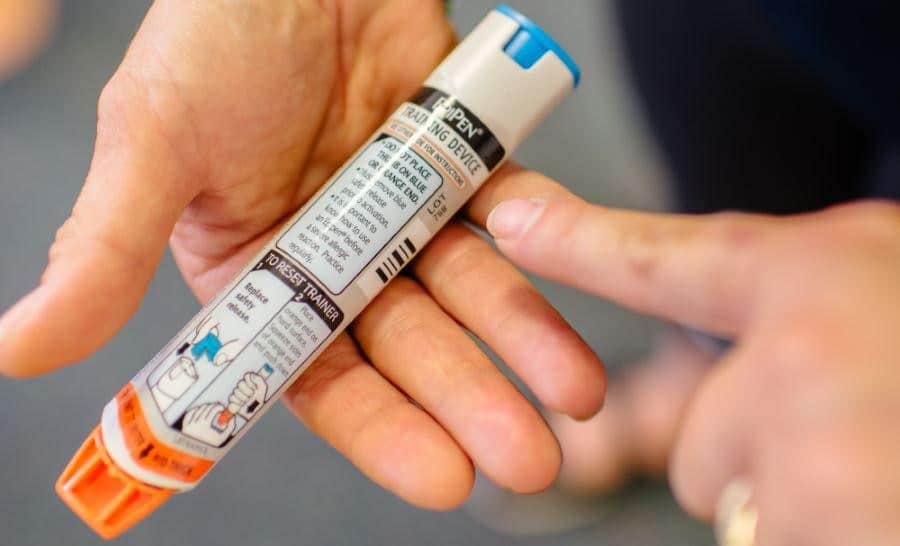
- Use adrenaline auto-injectors (EpiPens) without hesitation
- Perform CPR on infants, children and adults
- Coordinate emergency responses while maintaining supervision of other children
The Reality of Allergies and Asthma in Schools
Asthma is a chronic respiratory condition affecting approximately one in nine Australian children. In any given classroom, multiple students likely have asthma management plans. Similarly, food allergies and the risk of anaphylaxis have become increasingly common in educational settings.
An asthma attack can escalate quickly. A child might initially show mild symptoms—coughing, slight wheeze, minor breathing difficulty—but within minutes progress to severe respiratory distress requiring immediate intervention. The 4x4x4 asthma first aid protocol taught in accredited training provides a clear, step-by-step emergency response framework that educators can apply confidently.
Anaphylaxis is a severe, potentially life-threatening allergic reaction that can occur within minutes of exposure to an allergen. In schools, common triggers include:
- Foods (peanuts, tree nuts, eggs, dairy, shellfish)
- Insect stings (bees, wasps)
- Medications
- Latex
When anaphylaxis occurs, the difference between life and death often depends on how quickly an educator can recognise symptoms and administer an EpiPen. This training ensures that educators don’t hesitate in critical moments.
Protect the children in your care. Book your place in a First Aid Pro CPR Asthma and Anaphylaxis training course and gain the confidence to respond effectively when emergencies arise.

Creating Safer Learning Environments
Beyond emergency response, CPR asthma and anaphylaxis training teaches educators to develop risk minimisation strategies. This includes:
- Understanding asthma triggers in the work environment (dust, physical activity, cold air, strong odours)
- Creating allergen-aware classrooms and implementing food policies
- Maintaining and storing asthma equipment and emergency medications properly
- Conducting regular risk assessments
- Communicating with parents about children’s medical needs
- Training relief staff and volunteers in emergency procedures

Fitness Industry: Managing High-Risk Scenarios
Fitness professionals work in environments where cardiac emergencies, asthma attacks triggered by physical exertion, and allergic reactions can occur without warning. AUSactive, Australia’s peak fitness industry body, recognises the importance of comprehensive first aid training for all fitness instructors.
Why Fitness Settings Require Specialised Training
Gyms, health clubs, personal training studios and outdoor fitness environments present unique risks. Participants push their physical limits, often in hot conditions, which can trigger asthma symptoms. Pre-existing cardiac conditions may only become apparent during intense exercise. Protein supplements and pre-workout formulas can cause unexpected allergic reactions in susceptible individuals.
A fitness instructor with comprehensive training in first aid can:
- Recognise early signs of cardiac distress during exercise
- Manage exercise-induced asthma attacks effectively
- Respond to anaphylactic reactions from supplements or insect stings during outdoor sessions
- Perform CPR in accordance with Australian Resuscitation Council guidelines
- Use AEDs located in fitness facilities
- Balance emergency response with duty of care to other participants
CPR asthma and anaphylaxis training covers practical scenarios fitness professionals encounter: the participant who collapses during a high-intensity class, the client having an asthma attack during outdoor training, or the gym member experiencing chest pain on the treadmill.

Hospitality Providers: Food Safety and Customer Wellbeing
Restaurants, cafes, hotels and catering services have legal obligations under the Food Standards Code to manage food allergy risks. With food-induced anaphylaxis on the rise, hospitality workers need more than awareness—they need practical first aid skills.
Meeting FSANZ Compliance Requirements
Food Standards Australia New Zealand (FSANZ) regulations require food businesses to identify and manage food allergen risks. When anaphylaxis emergencies occur, staff must respond immediately while emergency medical services are en route.
Hospitality providers benefit from this combined CPR asthma and anaphylaxis training by:
- Understanding cross-contamination risks and allergen management
- Recognising symptoms of allergic reactions versus anaphylaxis
- Responding appropriately when customers experience medical emergencies
- Maintaining workplace asthma awareness for staff with respiratory conditions
- Creating comprehensive emergency response protocols
- Building customer confidence in their safety practices
A waiter who notices a diner developing facial swelling and difficulty breathing after their meal can identify anaphylaxis, ask about auto-injectors, administer the EpiPen if needed, call emergency services, and provide accurate information to paramedics—potentially saving the customer’s life.

What the CPR Asthma and Anaphylaxis Training Course Covers: Essential Skills for Real Emergencies
First Aid Pro’s nationally recognised training provides comprehensive coverage across three critical emergency types. The course equips participants with both theoretical knowledge and practical skills through face-to-face training sessions that emphasise hands-on experience.
CPR Training: Following Australian Resuscitation Council Guidelines
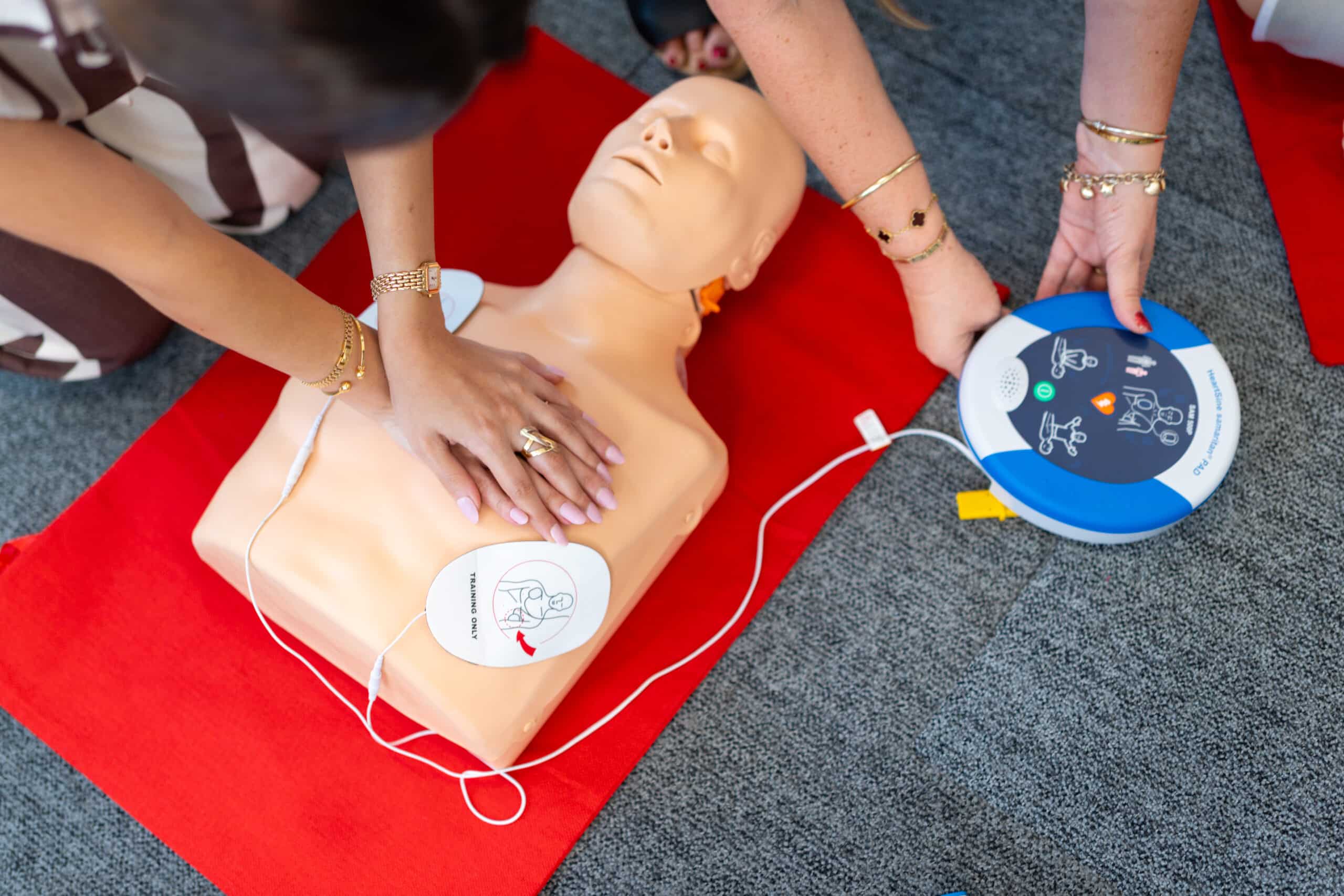
The HLTAID009 Provide Cardiopulmonary Resuscitation component teaches participants to:
- Recognise signs of cardiac arrest
- Perform effective chest compressions for adults, children and infants
- Deliver appropriate rescue breaths
- Use automated external defibrillators (AEDs) correctly
- Manage unconscious casualties safely
- Understand legal responsibilities when providing first aid
This CPR course ensures participants can respond confidently to cardiac emergencies in workplace settings, understanding that immediate action significantly improves survival outcomes.

Understanding Asthma Management in Emergencies
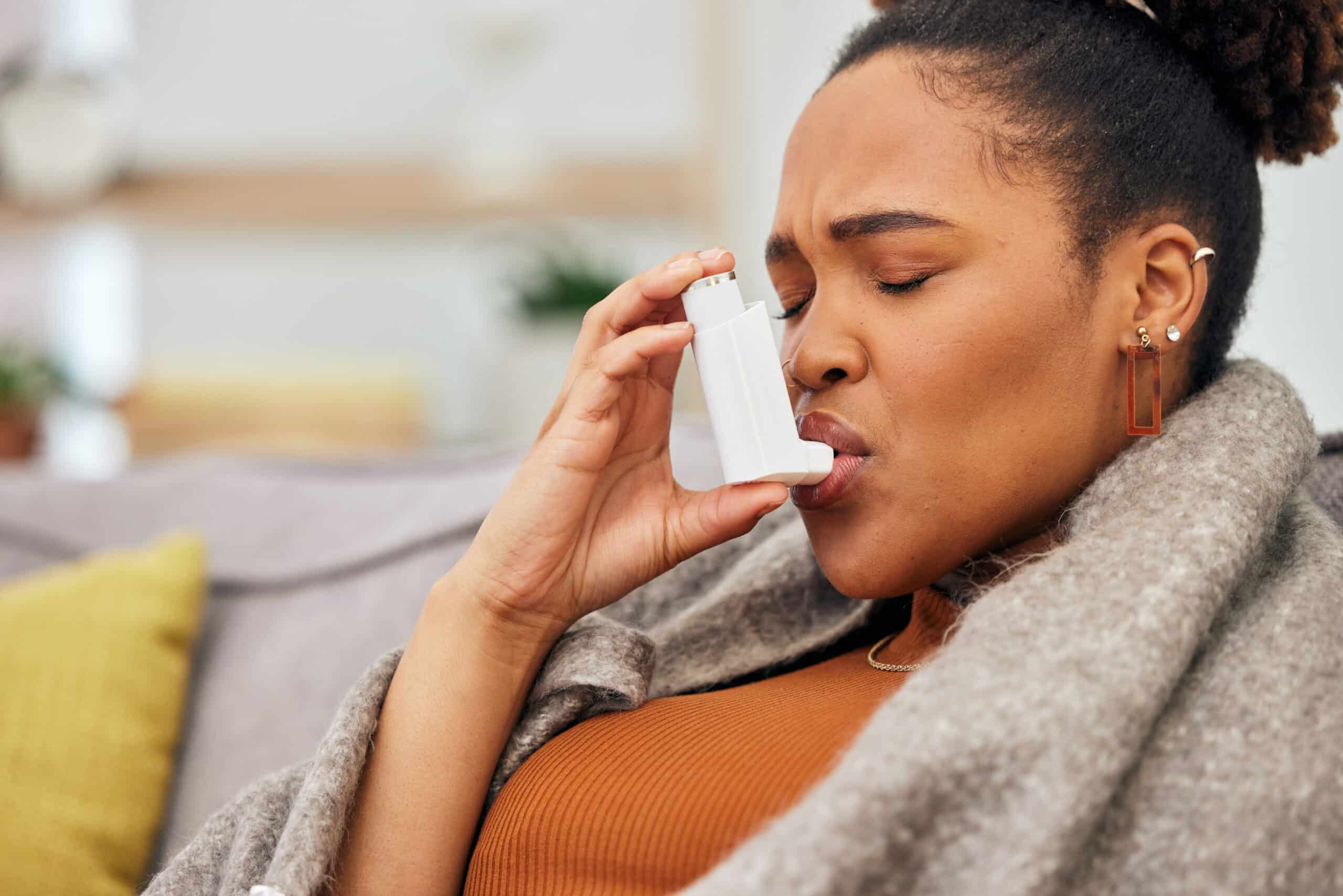
The VU22927 component focuses on workplace asthma management, teaching participants to:
- Identify common asthma triggers and symptoms
- Implement the 4x4x4 asthma first aid protocol effectively
- Use asthma medication and inhalers with spacers correctly
- Recognise when an asthma attack requires emergency medical intervention
- Follow and contribute to asthma action plans and risk management strategies
- Maintain asthma first aid kits appropriately
Training also covers the difference between mild asthma symptoms and severe asthma attacks, ensuring appropriate escalation of emergency response when needed.
Anaphylaxis Training: Rapid Response to Severe Allergic Reactions
The anaphylaxis component (VU23090 and VU23091) provides essential skills in:
- Recognising the signs and symptoms of anaphylaxis quickly
- Distinguishing between mild allergic reactions and anaphylactic emergencies
- Administering adrenaline auto-injectors (EpiPens) correctly using training devices
- Following anaphylaxis action plans in education and care settings
- Implementing emergency procedures and calling for medical help
- Developing risk minimisation and risk management strategies
Participants practice with training devices to build confidence in using EpiPens during actual emergencies, when stress levels are high and every second matters.
Emergency Type | Recognition Signs | First Aid Response | When to Call 000 |
Cardiac Arrest | Unresponsive, not breathing normally | Begin CPR immediately, use AED | Immediately |
Severe Asthma Attack | Cannot speak sentences, blue lips, no improvement with reliever | 4x4x4 protocol, call ambulance if no improvement | After 4 minutes without improvement |
Anaphylaxis | Difficulty breathing, swelling, skin changes, collapse | Administer EpiPen, lie person flat | Immediately after EpiPen |
Don’t wait for an emergency to wish you’d trained. Secure your certification with First Aid Pro’s comprehensive CPR Asthma and Anaphylaxis training course and be prepared when it matters most.
The Value of Integrated Training: More Than the Sum of Its Parts
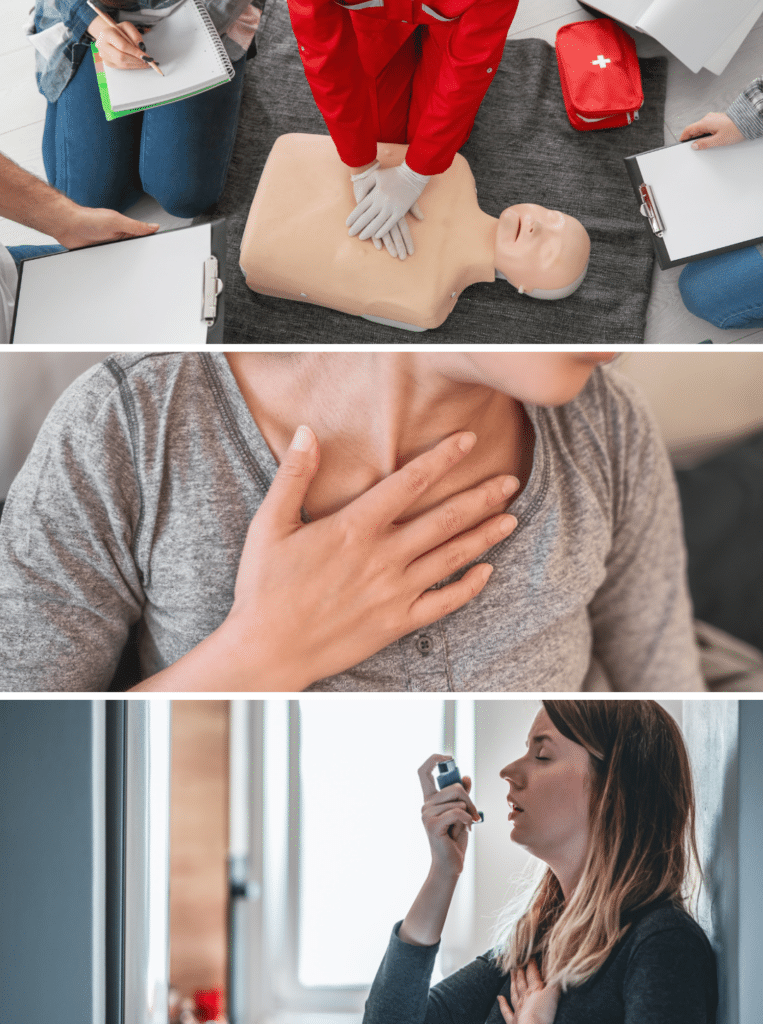
While you could complete separate courses for CPR asthma and anaphylaxis training, the integrated approach offers significant advantages. Combined training in first aid creates a more cohesive understanding of how these emergencies relate and how responses may overlap.
Time and Cost Efficiency
First Aid Pro’s combined course delivers four nationally recognised certifications:
- HLTAID009 Provide Cardiopulmonary Resuscitation
- VU22927 Manage Asthma Risks and Emergencies in the Workplace
- VU23090 Provide First Aid Management of Anaphylaxis
- VU23091 Develop Risk Minimisation and Risk Management Strategies for Anaphylaxis
Participants complete all components via online pre-course learning and a 3-hour face-to-face assessment session, rather than attending multiple separate courses. This training ensures compliance with various industry requirements while saving both time and money.
Compliance, Certification and Refresher Training
Successful completion of this course results in a statement of attainment for each unit, providing nationally recognised certification that satisfies regulatory requirements across multiple industries. However, first aid skills deteriorate without practice, making refresher training essential.
Certification Validity Periods
- CPR certification (HLTAID009): Requires annual renewal
- Asthma and anaphylaxis certifications: Recommended renewal every three years
- First aid certificate (HLTAID011 Provide First Aid): Recommended renewal every three years
Many workplaces, particularly in education and care and healthcare, require more frequent refresher training to ensure staff maintain competency. Regular emergency response training helps embed proper techniques, updates participants on any changes to guidelines, and builds confidence through repeated practice.

Meeting Your Legal Obligations
Training ensures compliance with legal requirements across various Australian frameworks:
- Work Health and Safety Act requirements for workplace first aid
- Education and Care Services National Regulations
- Australian Children’s Education and Care Quality Authority standards
- Industry-specific requirements e.g. (AUSactive, and healthcare regulations)
Employers have a duty of care to provide safe work environments, which includes ensuring adequate numbers of trained first aiders are available during operational hours.
Knowledge Quiz
Test your understanding of CPR, asthma and anaphylaxis first aid.
References
- Australian Resuscitation Council (ARC). (2024). ANZCOR Guideline 8: Guidelines for Cardiopulmonary Resuscitation.
- Australian Children’s Education and Care Quality Authority (ACECQA). (2024). First Aid Requirements for Education and Care Services.
- Australasian Society of Clinical Immunology and Allergy (ASCIA). (2024). Anaphylaxis Emergency Management.
- Safe Work Australia. (2024). First Aid in the Workplace: Code of Practice.
- National Asthma Council Australia. (2024). Australian Asthma Handbook.
- Food Standards Australia New Zealand (FSANZ). (2024). Allergen Labelling for Businesses
AUSactive. (2024). Industry Standards for Fitness Professionals.
Frequently Asked Questions
How long does the CPR Asthma and Anaphylaxis training course take?
How long does the CPR Asthma and Anaphylaxis training course take?
The course involves pre-course online learning followed by a 3-hour face-to-face training / assessment session. This blended approach allows participants to complete theoretical components at their own pace before attending practical skills training.
Is this training suitable if I've never done first aid before?
Yes, absolutely. The CPR asthma and anaphylaxis training course requires no prior first aid experience. The course equips beginners with essential skills through clear instruction, demonstrations and hands-on practice with training devices. Trainers ensure all participants achieve competency before certification.
Will this training meet ACECQA requirements for childcare workers?
Yes, successful completion of this course satisfies ACECQA requirements for approved first aid qualifications in education and care services, including specific asthma and anaphylaxis management training mandated for childcare educators.
Do fitness instructors need anaphylaxis training as well as CPR?
While AUSactive specifically recommends CPR training for all fitness professionals, comprehensive first aid training including anaphylaxis management is increasingly important. Participants may experience allergic reactions to supplements, protein powders or insect stings during outdoor training sessions, making anaphylaxis training valuable for fitness industry professionals.
How much does the combined course cost compared to separate courses?
First Aid Pro’s combined CPR Asthma and Anaphylaxis course costs $119 for all four certifications. Taking these as separate courses would cost significantly more in both fees and time, making the integrated training both economical and efficient for meeting multiple compliance requirements simultaneously.