



Sharon has 21+ years of experience as a qualified Emergency Care Nurse registered with the Australian Health Practitioner Regulation Agency (APHRA) and 12+ years as a First Aid Trainer.
She takes pride in FirstAidPro making first aid training available, comprehensive and affordable to everybody.
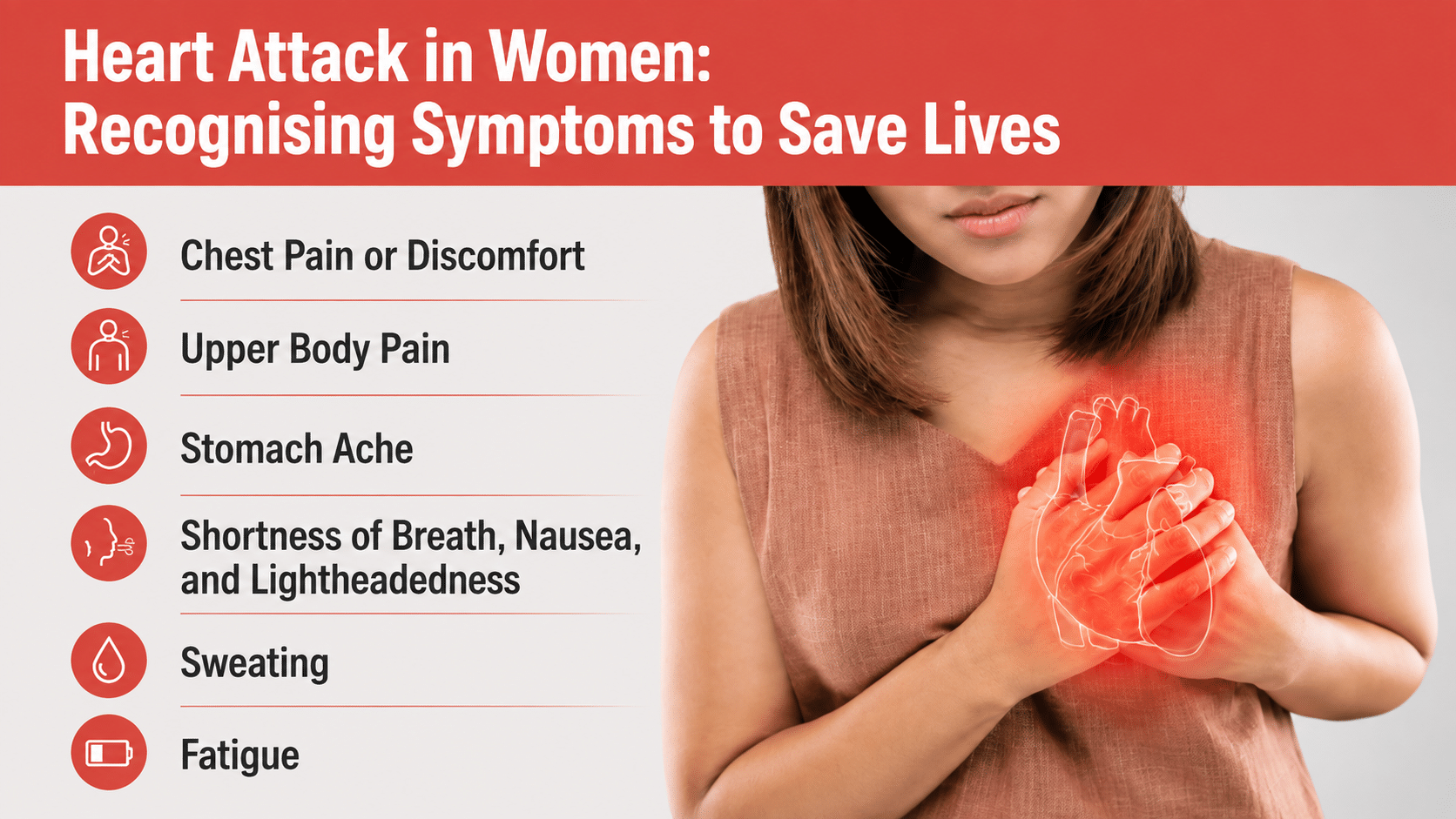
Jean Hailes Women’s Health Week 2026, running from 7–11 September, is a timely reminder that recognising changes in your health can sometimes be lifesaving. This is particularly important with heart attacks. Chest pain remains the most common heart attack symptom in both women and men, but women can also experience less readily recognised warning signs such as shortness of breath, nausea, dizziness, unusual fatigue, or pain in the jaw, shoulder or back. Knowing these signs — and knowing when to call Triple Zero (000) — can help turn awareness into action.
Run by Jean Hailes for Women’s Health, Women’s Health Week is Australia’s largest event dedicated to the health and wellbeing of women, girls and gender-diverse people. The theme for 2026 is “do it anyway”, encouraging small, realistic steps towards better health. (Jean Hailes)
Learning to recognise an emergency is one of those practical steps. So is knowing what to do next.
Key Takeaways
- Chest pain or discomfort is the most common heart attack symptom in women and men, but women can also experience symptoms that do not involve chest pain.
- Shortness of breath, nausea, dizziness, sweating, fatigue and pain in the jaw, shoulder or back can be warning signs of a heart attack.
- Don’t wait for symptoms to become dramatic. If you suspect a heart attack, prompt medical attention can be critical.
- First aid and CPR training can prepare you to respond if someone becomes seriously ill, unresponsive or stops breathing normally.
- Women’s Health Week is a useful prompt to act early, whether that means booking a health check, paying attention to persistent symptoms or learning first aid.
Women’s Health Week 2026 Is About Taking Action
Since beginning in 2012, Jean Hailes Women’s Health Week has created an opportunity to talk more openly about health issues affecting women throughout their lives.
In 2026, the campaign runs from Monday 7 September to Friday 11 September, with the “do it anyway” theme focusing on achievable steps towards better health. Daily topics include nutrition, movement, rest, mental wellbeing and social connection. (Jean Hailes)
There is something refreshingly practical about that message.
Health advice can sometimes feel like another long list of things we are supposed to do perfectly. Eat perfectly. Exercise every day. Sleep eight uninterrupted hours. Never feel stressed.
Real life rarely cooperates.
Small actions still count. Making a GP appointment you have been postponing counts. Asking about your blood pressure or cholesterol counts. Talking about your mental wellbeing counts. Learning CPR counts.
And learning the warning signs of a heart attack certainly counts.
Do Women Have Different Heart Attack Symptoms?
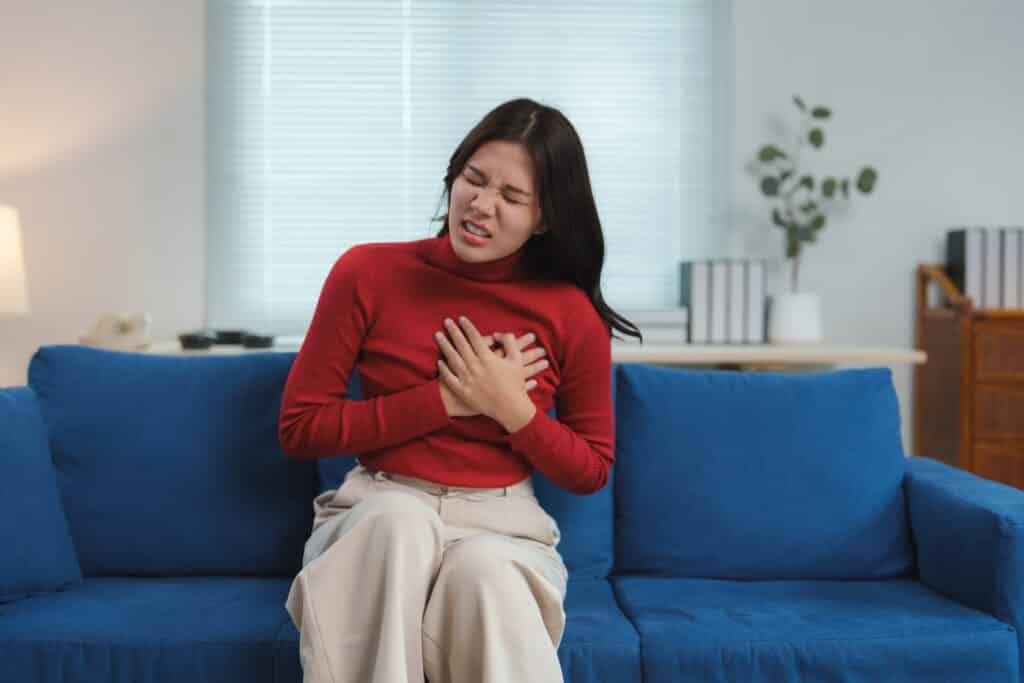
There is a persistent idea that heart attacks in women look completely different from heart attacks in men. That is an oversimplification.
According to the Heart Foundation, chest pain is the most common heart attack symptom affecting both women and men. However, women can also experience non-chest-pain symptoms, and women under 50 are more likely to present with these symptoms. (Heart Foundation)
That distinction matters.
If we expect every heart attack to look like someone suddenly clutching their chest and collapsing, we may miss an emergency that presents differently.
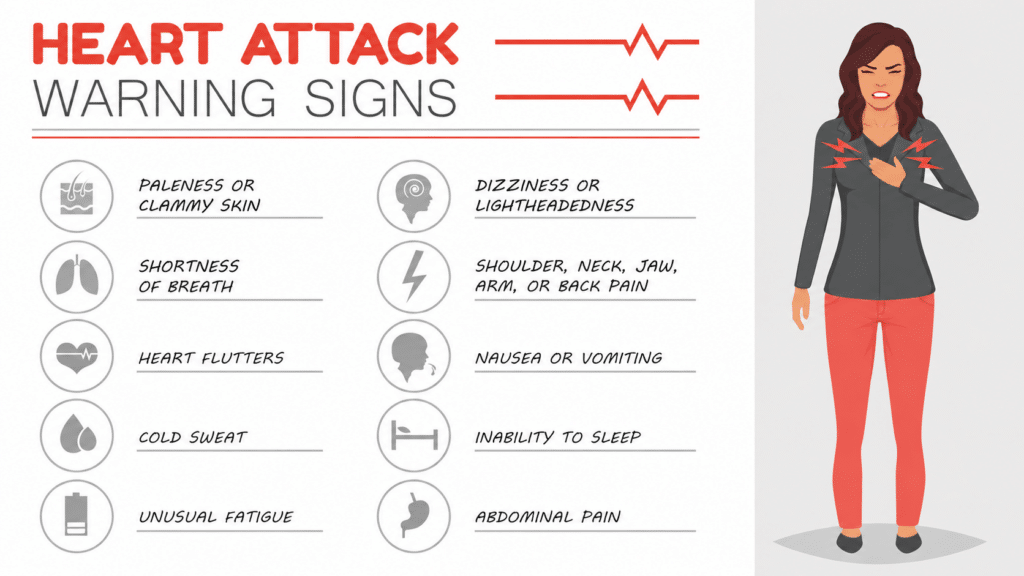
A woman experiencing a heart attack may have chest pain, pressure, heaviness, tightness or discomfort. But possible warning signs can also include:
- pain or discomfort in the arm, shoulder, neck, jaw or back
- shortness of breath or difficulty breathing
- nausea or vomiting
- dizziness or light-headedness
- sweating
- indigestion-like symptoms
- unusual or extreme fatigue.
A person may experience several symptoms or only one.
The important message isn’t that women have a completely separate set of heart attack symptoms. It is that heart attacks do not always follow the textbook picture people expect.
Why Can Heart Attacks in Women Be Missed?
One problem is awareness.
The Heart Foundation reports that women experiencing heart attacks can take longer than men to present to hospital for treatment, with low awareness of heart attack symptoms and heart disease risk contributing to delays. (Heart Foundation)
Some symptoms can also be easy to explain away.
Fatigue might be blamed on a bad night’s sleep. Nausea might be put down to something eaten earlier. Back or shoulder discomfort might be blamed on work, exercise or lifting. Breathlessness may initially seem like anxiety or simply being unfit.
None of those symptoms automatically means someone is having a heart attack. They have many possible causes.
The danger comes from assuming they cannot be related to the heart.
When symptoms are unusual, severe, worsening or accompanied by other warning signs, it is safer to take them seriously rather than trying to make the diagnosis yourself.
Know Your Heart Disease Risk Factors
Recognising an emergency matters, but Women’s Health Week is also an opportunity to think about prevention and early detection.
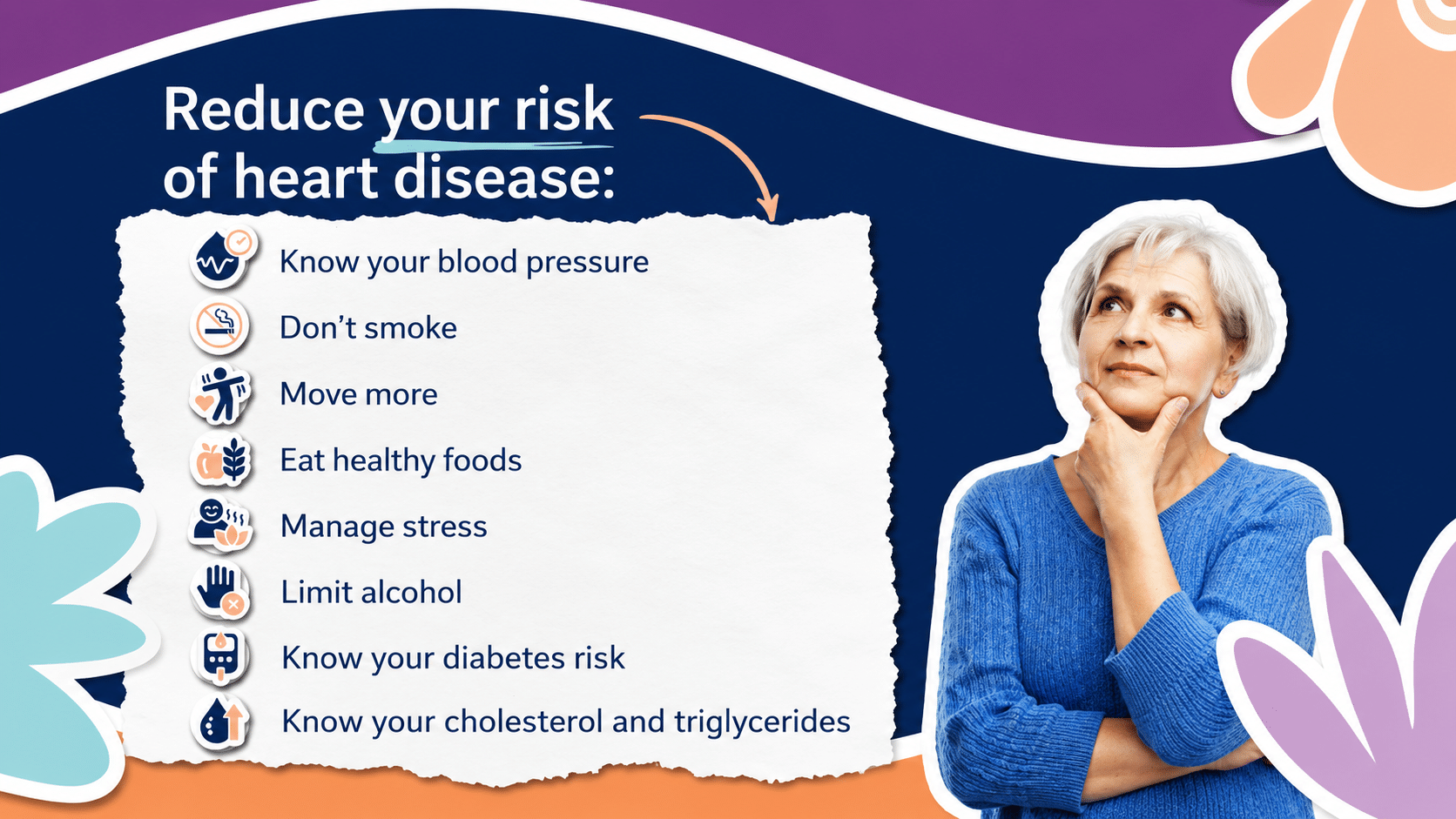
Many established cardiovascular disease risk factors affect women and men, including smoking, physical inactivity, high blood pressure, high cholesterol, diabetes and excess body weight.
Women can also have additional factors influencing cardiovascular risk at different stages of life. The Heart Foundation identifies factors including some pregnancy complications, early menopause, polycystic ovary syndrome (PCOS), autoimmune diseases and some cancer treatments. (Heart Foundation)
This doesn’t mean having one of these factors means a heart attack is inevitable. It means individual cardiovascular risk is worth discussing with an appropriate health professional.
The Heart Foundation recommends that women aged 45 and over, and Aboriginal and/or Torres Strait Islander women aged 30 and over, speak with their GP about their risk of heart attack and stroke and having a Heart Health Check.
Women’s Health Week could be the reminder that gets that conversation into the diary.
What Should You Do If You Suspect a Heart Attack?
This is where health awareness and first aid meet.
If someone develops symptoms that could indicate a heart attack, don’t spend valuable time trying to prove whether it is one.
Australian and New Zealand Committee on Resuscitation (ANZCOR) guidance recommends encouraging the person to stop what they are doing and rest in a comfortable position. If they have been prescribed medication for episodes of angina, such as a tablet or oral spray, a first aider can assist them to take it as directed. (ANZCOR)
ANZCOR advises sending for an ambulance if symptoms are severe, become worse quickly or last longer than 10 minutes. Follow the ambulance call-taker’s instructions and stay with the person until paramedics or an onsite resuscitation team take over.
The Heart Foundation takes a particularly clear approach to suspected heart attack warning signs: call Triple Zero (000) right away.
Don’t encourage the person to drive themselves to hospital.
A trained first aider can continue monitoring the person’s condition while waiting for professional medical help and be prepared if it deteriorates.
What If the Person Becomes Unresponsive?
A suspected heart attack can progress to cardiac arrest.
If the person becomes unresponsive and is not breathing normally, the situation has changed dramatically. ANZCOR advises commencing resuscitation according to the Basic Life Support approach. If practical, an AED should also be located and brought to the person. (ANZCOR)
This is why learning CPR is valuable even if you never think of yourself as a “first aider”.
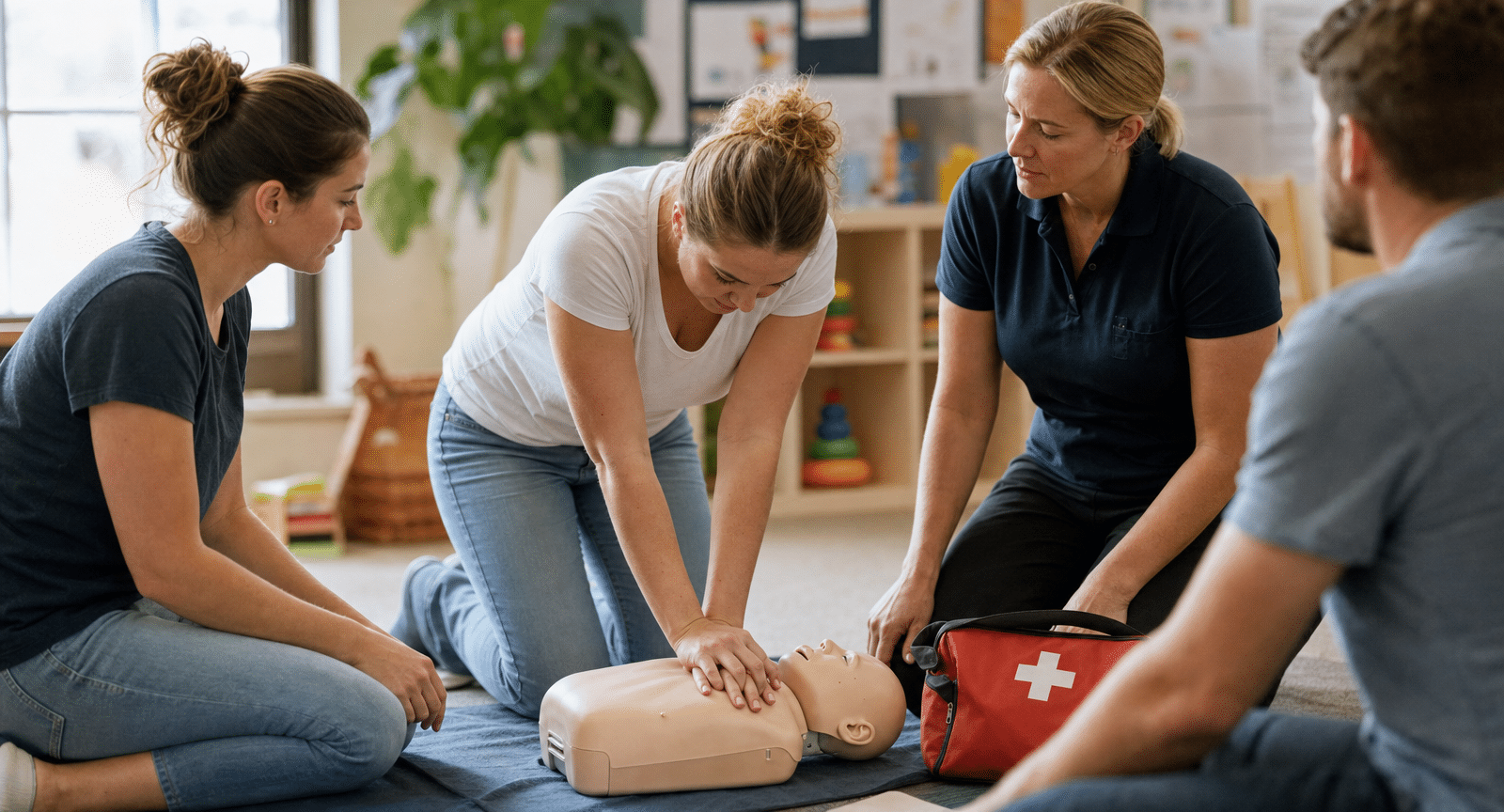
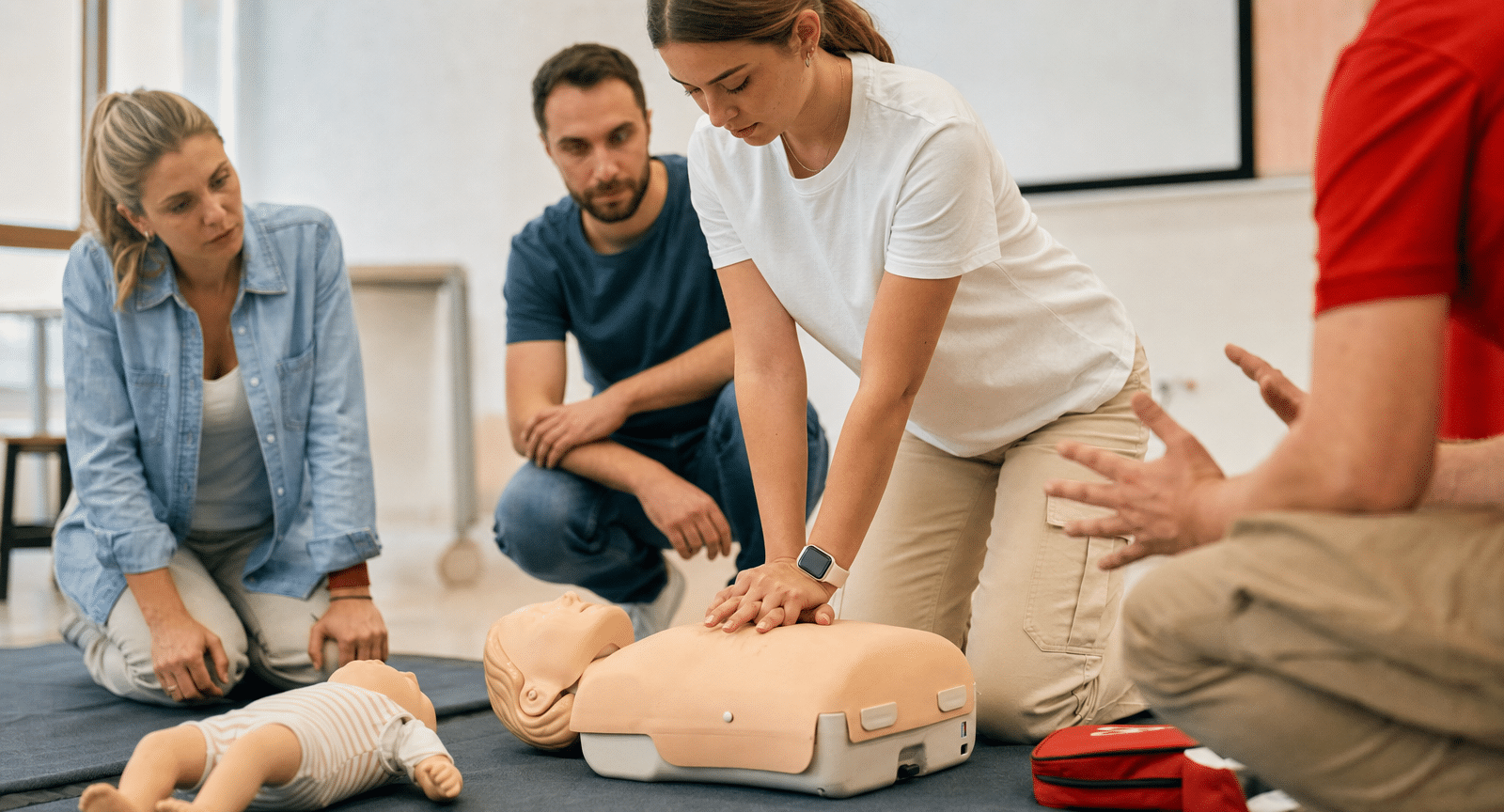
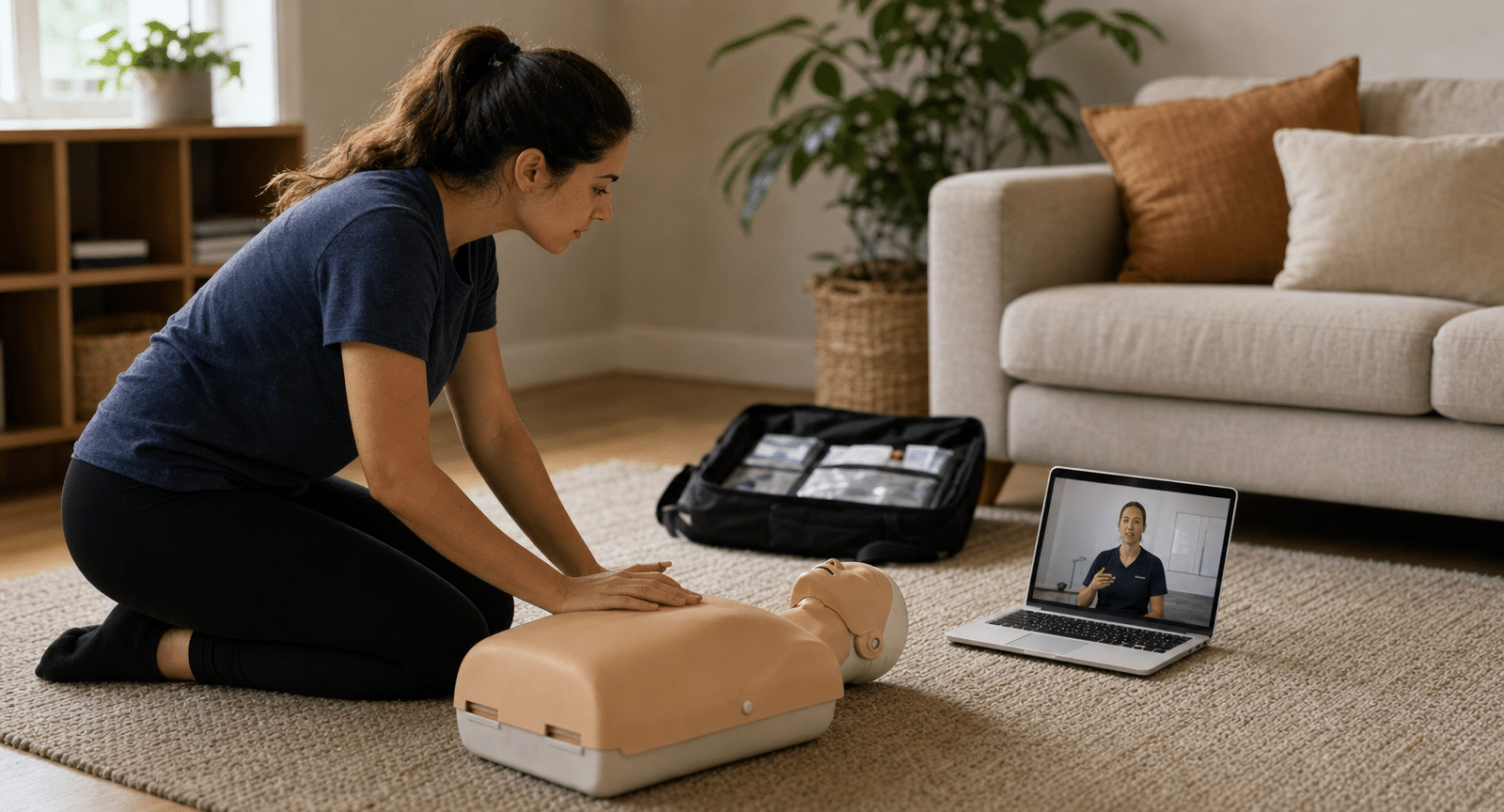
First Aid Pro’s HLTAID009 Provide Cardiopulmonary Resuscitation training develops practical CPR and AED skills for responding when a person is unresponsive and not breathing normally. First Aid Pro’s HLTAID011 Provide First Aid provides broader first aid training and includes HLTAID009 CPR.
You cannot predict where a cardiac arrest will happen or who will be standing nearby when it does. Training gives ordinary people a practical framework for responding when those first few minutes suddenly matter.
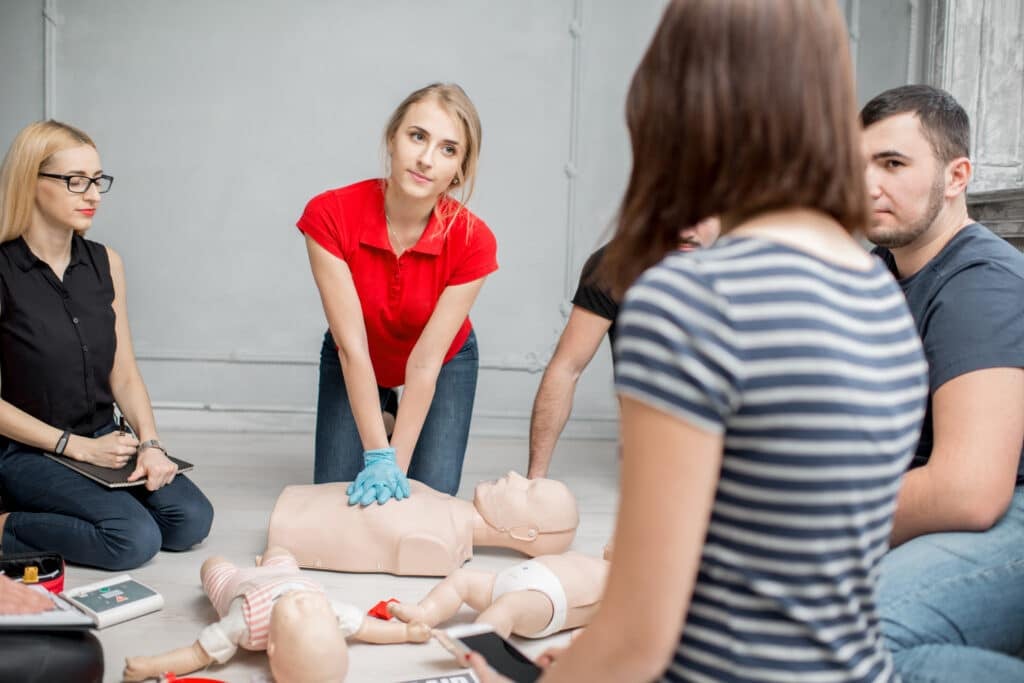
First Aid Training Is About Recognising When Something Is Wrong
First aid is sometimes imagined as a collection of techniques: bandaging a wound, treating a burn or performing CPR.
Those skills matter, but there is another skill sitting underneath them — recognition.
You need to recognise that someone is seriously unwell before you can respond appropriately.
That principle applies to heart attacks, stroke, anaphylaxis, asthma emergencies, choking and many other situations covered in first aid training.
The goal isn’t to turn a first aider into a doctor. It is to help them recognise an emergency, provide appropriate initial care within the scope of first aid and get professional help when it is needed.
For someone who wants broader emergency skills, HLTAID011 Provide First Aid covers CPR along with responses to a range of injuries and medical emergencies.
That makes learning first aid a particularly fitting action during Women’s Health Week: you are learning skills that could help you respond to an emergency involving a colleague, friend, parent, partner, child or stranger.

Don't Forget Mental Wellbeing
Women’s Health Week deliberately looks beyond individual diseases. One of its five 2026 themes, “To breathe”, is dedicated to mental health and the factors that can affect wellbeing throughout life. (Jean Hailes)
That deserves attention alongside physical health.
Stress, poor sleep, caring responsibilities, work pressures, relationship difficulties and major life changes can all affect how someone feels and functions. Mental wellbeing is also relevant to heart health: the Heart Foundation includes looking after mental health among its heart-healthy recommendations. (Heart Foundation)
Just as physical first aid training can make it easier to respond to a medical emergency, mental health education can make difficult conversations feel less daunting.
You don’t need to diagnose somebody’s mental health condition to notice that they are struggling, listen without judgement and encourage appropriate professional support.
For workplaces and individuals wanting to develop those skills, First Aid Pro also offers mental health training alongside nationally recognised first aid and CPR courses.
Early Detection Often Starts With Paying Attention
Not every health concern is an emergency, and not every symptom requires an ambulance. But Women’s Health Week provides a useful reminder not to continually push health concerns to the bottom of the list.
Jean Hailes provides health information across areas including periods, endometriosis, persistent pelvic pain, menopause, sleep, bladder and bowel health, bone health, heart health and age-appropriate health checks. (Jean Hailes)
The practical message is simple: pay attention to changes.
If something is persistent, unusual or worrying, seek appropriate medical advice rather than relying on internet searches or waiting indefinitely for it to disappear.
Keep recommended health checks up to date. Know relevant family and personal medical history. Talk to your healthcare professional about risk factors that apply to you.
Early action doesn’t require panic. It requires paying attention.
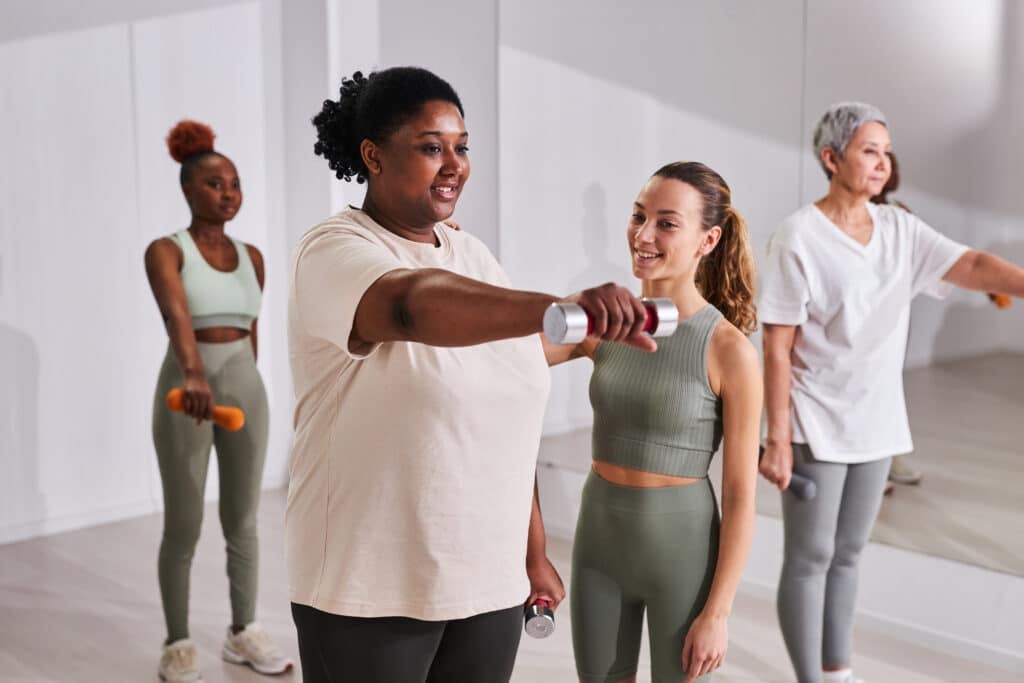
Make “Do It Anyway” Something Practical
The 2026 Women’s Health Week message doesn’t ask for perfection. It encourages action.
So choose something achievable.
Book the appointment you’ve been putting off. Ask your GP about your cardiovascular risk. Take the walk even if you only have 15 minutes. Talk to someone if your mental health has been suffering. Learn the warning signs of a heart attack.
Or spend a few hours learning first aid and CPR.
A First Aid Pro first aid course can provide practical training in responding to medical emergencies, while HLTAID009 CPR training focuses on the resuscitation skills needed when someone is unresponsive and not breathing normally.
Hopefully, those are skills you never have to use.
But if someone you care about suddenly needs them, knowing what to do could make those first critical minutes very different.
Related Reading
- Jean Hailes For Women’s Health – Women’s Health Week 2026
- Heart Foundation – Cardiovascular disease risk factors and heart attack warning signs in women
FAQs
When is Jean Hailes Women’s Health Week 2026?
Jean Hailes Women’s Health Week 2026 runs from Monday 7 September to Friday 11 September. The campaign is run by Jean Hailes for Women’s Health and is Australia’s largest event dedicated to the health and wellbeing of women, girls and gender-diverse people. (Jean Hailes)
What is the theme for Women’s Health Week 2026?
The 2026 theme is “do it anyway”. It encourages women to take small, realistic steps towards their health rather than waiting for perfect circumstances. The week’s daily themes cover nutrition, movement, rest, mental wellbeing and connection. (Jean Hailes)
Are heart attack symptoms different in women?
Not necessarily. Chest pain is the most common heart attack symptom in both women and men. However, women can also experience non-chest-pain warning signs, including shortness of breath, nausea or vomiting, dizziness, sweating, fatigue and pain or discomfort in the jaw, shoulder or back. (Heart Foundation)
What should I do if I think someone is having a heart attack?
Treat suspected heart attack symptoms seriously. Encourage the person to stop activity and rest, and seek emergency medical assistance. The Heart Foundation advises calling Triple Zero (000) right away when warning signs of a heart attack occur. Stay with the person, follow the call-taker’s instructions and be prepared to provide CPR if they become unresponsive and stop breathing normally. (ANZCOR)
Which first aid course teaches CPR and emergency response skills?
HLTAID011 Provide First Aid provides broader first aid training and includes HLTAID009 Provide Cardiopulmonary Resuscitation. HLTAID009 can also be completed as CPR-focused training. These courses provide practical training for recognising and responding to emergencies, including CPR and AED use.