


Sharon has 21+ years of experience as a qualified Emergency Care Nurse registered with the Australian Health Practitioner Regulation Agency (APHRA) and 12+ years as a First Aid Trainer.
She takes pride in FirstAidPro making first aid training available, comprehensive and affordable to everybody.
What is National Tradesmen Day?
National Tradesmen Day 2026 falls on 18 September and is a timely reminder that Australian tradies need more than good tools and PPE to stay prepared on the job. A properly stocked first aid kit, quick access to emergency assistance and practical first aid training can make an important difference when cuts, burns, eye injuries, falls or more serious emergencies happen on site.
National Tradesmen Day began in the United States, so you probably won’t find it marked on too many Australian smoko-room calendars. But the idea behind it travels well.
Electricians, carpenters, plumbers, builders, concreters, mechanics, landscapers and other skilled trades keep homes, businesses and infrastructure running. They also work in environments where sharp tools, machinery, electricity, heat, heights, heavy materials and changing site conditions can create genuine injury risks.
So, rather than celebrating National Tradesmen Day with another novelty stubby holder, let’s talk about something that could actually prove useful: first aid preparedness.
Key Takeaways
- A tradie’s work vehicle should have an accessible, well-maintained first aid kit suited to the hazards of the work being performed.
- Construction is considered a high-risk workplace, making effective first aid arrangements particularly important.
- Cuts, bleeding, burns, eye injuries, fractures, electrical incidents and heat-related illness are among the emergencies tradies may encounter.
- A first aid kit needs regular checking and restocking — particularly after something has been used.
- First aid training turns equipment into practical capability, helping workers recognise emergencies and provide appropriate assistance until professional help arrives.
Your Ute Is More Than Transport
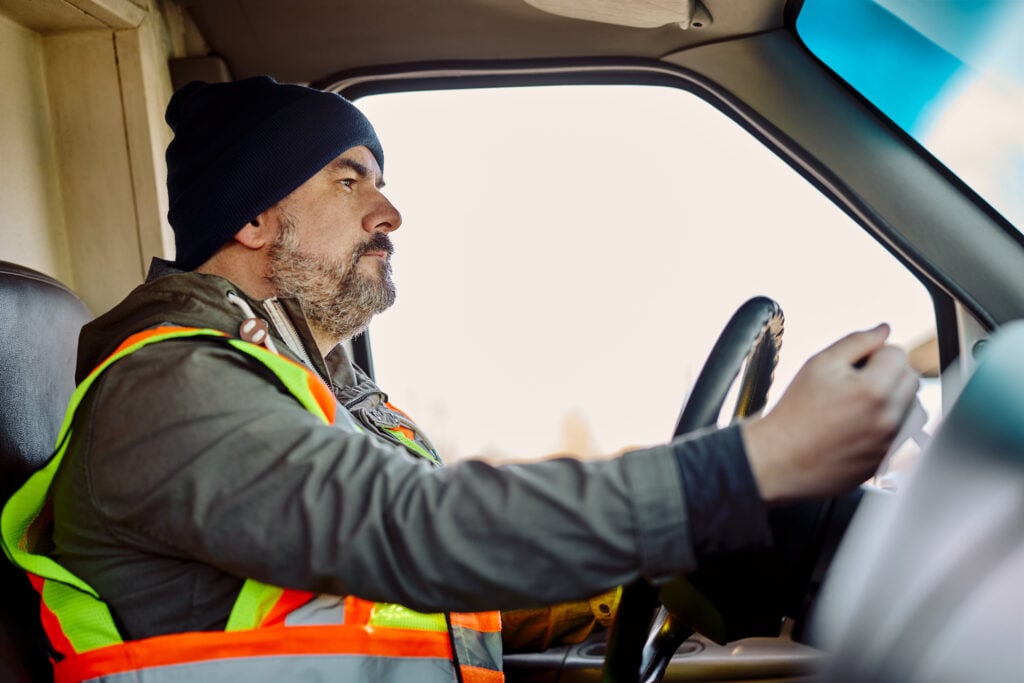
For many tradies, the ute or van is effectively a mobile workshop. It carries tools, PPE, batteries, fixings, cables, spare parts and probably a collection of items nobody quite remembers putting there.
It should also carry appropriate first aid equipment.
Safe Work Australia advises that workplace first aid arrangements should be determined through a risk assessment considering factors including the hazards present, the size and location of the workplace and the people who may be there.
Importantly for mobile workers, first aid kits should also be kept inside work vehicles when workers travel as part of their job.
That makes particular sense for trades.
A tradie may begin the morning at a residential renovation, spend the afternoon quoting a job on the other side of town and finish the day somewhere completely different. Relying on somebody else’s first aid kit being available at every location isn’t much of a plan.
Having suitable first aid supplies in the vehicle means they travel with you.
What Belongs in a Tradie's Ute First Aid Kit?
There isn't a single universal first aid kit that perfectly suits every trade. The right contents depend on the work being done and the hazards workers may face.
An electrician working on commercial sites faces different hazards from a landscaper working outdoors, while a carpenter, roofer or plumber may need to consider another combination of risks.
The contents of a ute first aid kit should therefore reflect the workplace risk assessment.
A workplace first aid kit may include:
- Adhesive dressings in different sizes
- Sterile wound dressings
- Sterile gauze pieces
- Non-adherent wound dressings
- Roller and crepe bandages
- Triangular bandages
- Disposable gloves
- Saline
- An eye pad
- Wound-cleaning materials
- Scissors
- Adhesive tape
- A resuscitation face shield or mask
- An emergency rescue blanket
- First aid instructions
Some worksites may need more. Additional equipment can be appropriate where particular hazards have been identified. For example, workplaces involving hot surfaces or fire may require suitable burn treatment supplies.
The important point isn't to buy the biggest green box you can find and throw it behind the driver's seat.
Don't Let the First Aid Kit Become an Archaeological Exhibit
There is another problem with vehicle first aid kits: people forget about them.
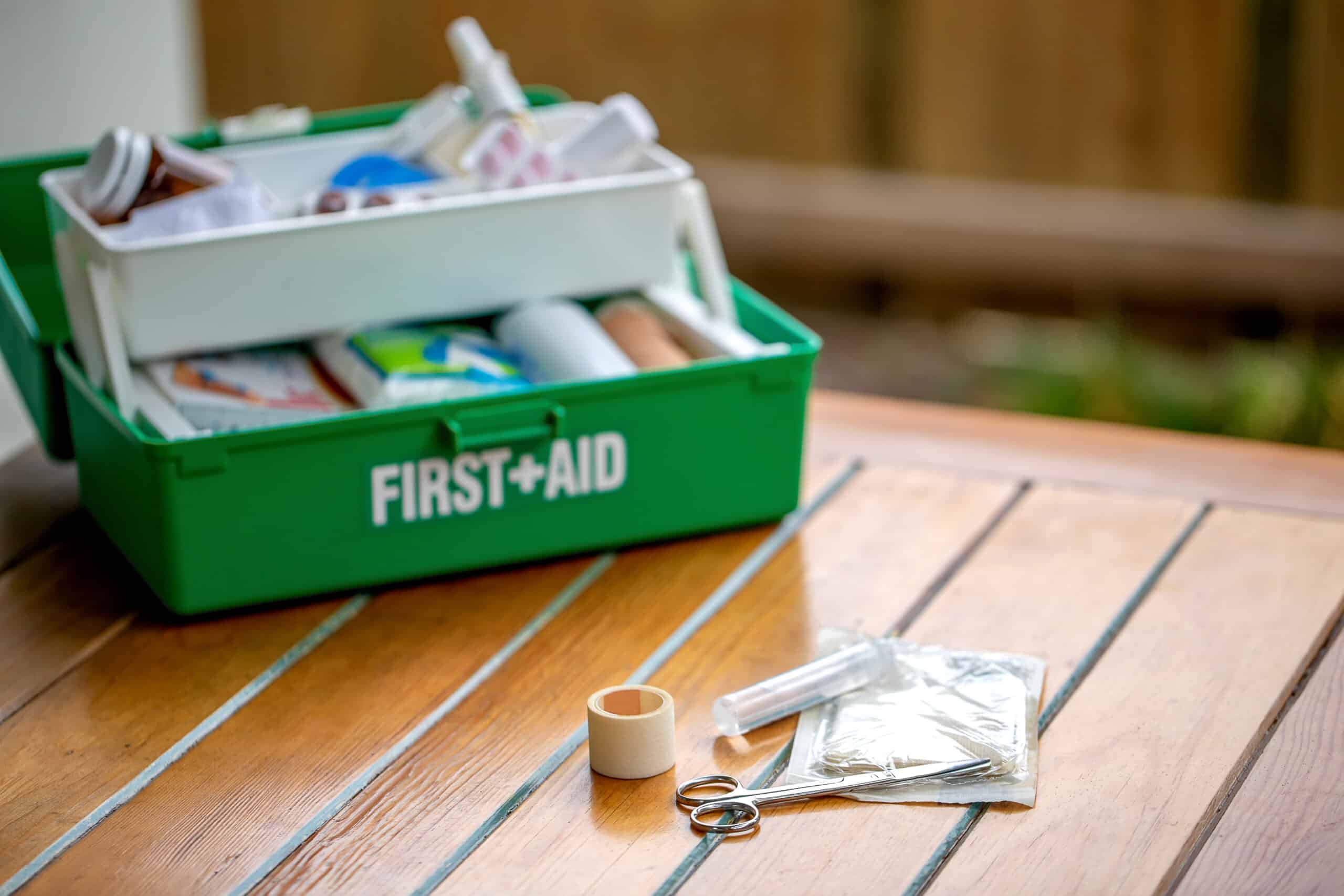
A box bought three years ago may still look perfectly respectable from the outside. Inside could be missing dressings, damaged packaging, expired items or the empty wrapper from the bandage somebody used last summer.
First aid kits should be maintained and checked regularly. Used items need to be replaced, sterile products should remain sealed and items should be within their expiry dates and in usable condition.
It is worth making kit checks part of an existing workplace routine.
If vehicles undergo regular servicing, safety inspections or equipment checks, first aid kit inspection can be added to the schedule.
After the kit is used, don’t leave restocking until “later”. Later has a habit of becoming the exact day somebody needs what is missing.
Common On-Site Injuries: Would You Know What to Do?
Construction and trade environments can contain numerous hazards, even where good safety systems are in place.
First aid doesn’t replace hazard controls, safe work procedures, PPE or proper supervision. Prevention remains the priority.
But incidents can still happen. The question then becomes: does somebody nearby know what to do next?

Cuts and Serious Bleeding
Sharp sheet metal, blades, broken materials, power tools and other equipment can cause wounds ranging from relatively minor cuts to severe bleeding.
Minor wounds and life-threatening haemorrhage are obviously very different emergencies.
A trained first aider needs to be able to assess the situation, protect themselves from exposure to blood, provide appropriate first aid and recognise when emergency medical assistance is required.
Severe bleeding can become life-threatening quickly.
This is one reason a first aid kit needs suitable dressings and gloves — and why simply owning those supplies isn’t enough. When somebody is badly injured, that isn’t the ideal moment to start reading the packet.
Eye Injuries
Anyone who has spent time around drilling, grinding, cutting, sanding or demolition knows how easily particles can become airborne.
Safety glasses and other appropriate eye protection are essential preventative measures, but eye incidents can still occur.
Dust, fragments, chemicals and other substances may affect the eye, and some eye injuries require urgent medical attention.
A first aider needs to understand that different eye emergencies may require different responses. An embedded object, for example, should not simply be pulled out because it looks removable.
Having suitable eye first aid supplies available is useful. Knowing how to assess the situation without making the injury worse is better.

Burns
Tradies can encounter heat, flames, hot equipment, chemicals and electricity.
Burn first aid is an area where old myths can be surprisingly persistent. Butter, creams and whatever somebody’s uncle swears worked in 1987 are not substitutes for recognised first aid procedures.
Burns need to be assessed and managed according to their cause and severity, and serious burns require medical attention.
Where burns are a foreseeable workplace hazard, the first aid kit and workplace arrangements should reflect that risk.
Falls, Fractures and Crush Injuries
Construction work frequently involves ladders, scaffolding, elevated surfaces, excavations, heavy equipment and building materials.
A fall doesn’t have to be spectacular to cause significant injury.
A casualty may have a fracture, spinal injury, head injury or internal injury even when there is little obvious damage from the outside.
Similarly, crush incidents involving equipment or materials can be extremely serious.
First aid training helps workers assess what has happened, recognise warning signs, avoid unnecessary movement of a casualty and call for emergency assistance when required.
Sometimes good first aid means doing less rather than more. Trying to get an injured mate back onto their feet because they insist they’re “right” isn’t necessarily helping.

Electrical Emergencies Demand Caution
Electricians aren’t the only tradies who work around electrical hazards.
Power tools, temporary electrical supplies, damaged cables, equipment faults and existing wiring can potentially expose workers to electrical incidents.
The first priority is safety.
A rescuer must not become another casualty by approaching a situation where the electrical hazard remains present.
Once it is safe to approach, the casualty may require assessment and potentially CPR and use of an automated external defibrillator (AED) if they are unresponsive and not breathing normally.
Electrical incidents can also cause burns and other injuries that may not be immediately obvious. Knowing how to respond begins with knowing how to recognise the danger.
If you are an electrical worker that regularly works around live panels, First Aid Pro offers the nationally recognised UETDRMP018 Perform Rescue From A Live Low Voltage Panel. This course also includes HLTAID009 provide cardiopulmonary resuscitation.
Working in the Australian Heat
For many Australian tradies, hot-weather work isn’t an occasional inconvenience. It can be part of the job for months at a time.
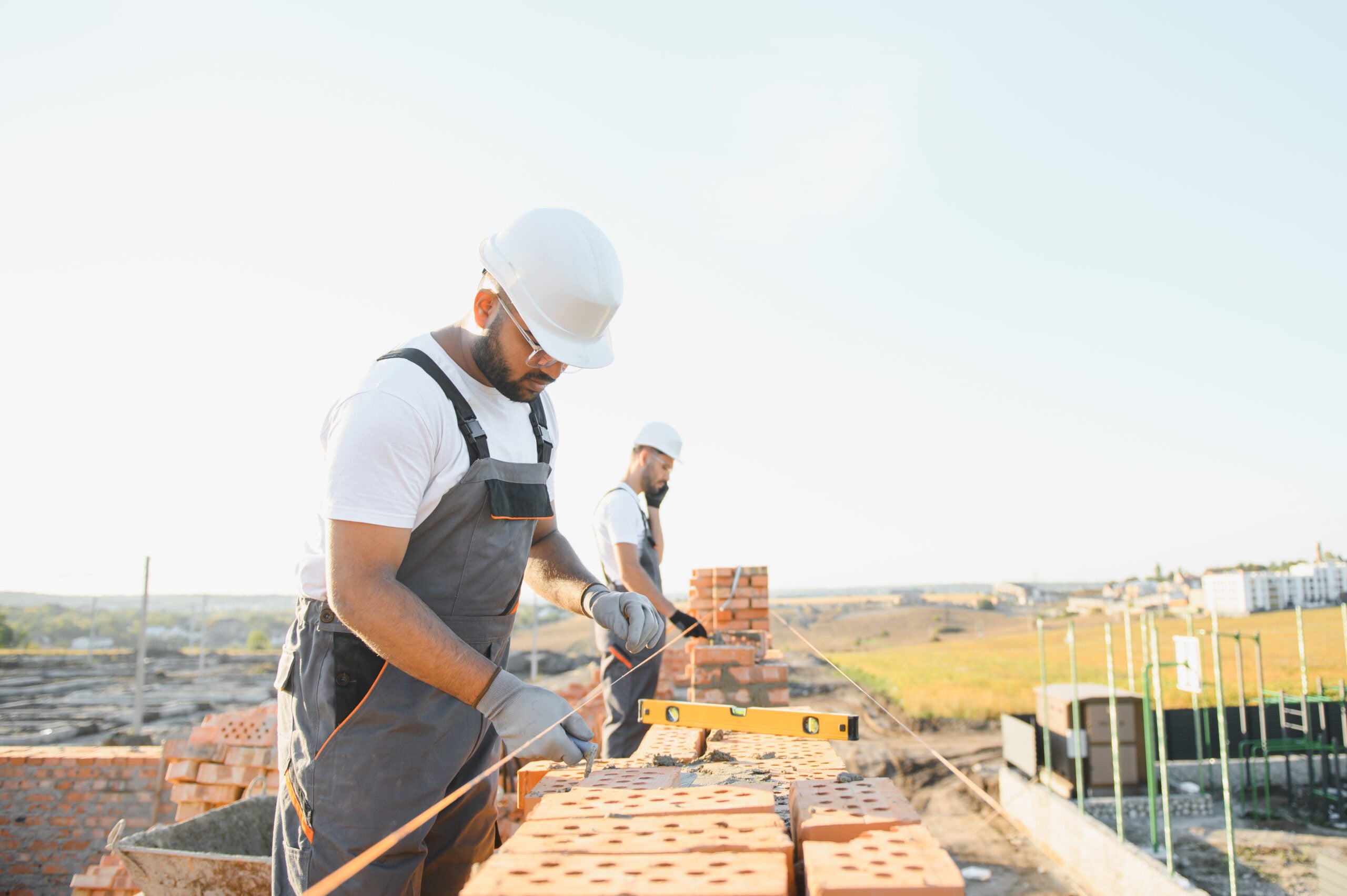
Roofers, landscapers, builders, road workers and other outdoor trades may spend long periods exposed to heat, direct sunlight and physically demanding conditions.
Heat-related illness can range from relatively mild symptoms through to a medical emergency.
Workers and supervisors should be able to recognise when somebody is becoming unwell rather than dismissing the signs as simply being hot after a hard morning.
Heat risk should primarily be managed through appropriate workplace controls. First aid sits behind those controls as part of the response if somebody does become ill. Recognising deterioration and getting appropriate help can be particularly important when a worker develops signs of severe heat illness.
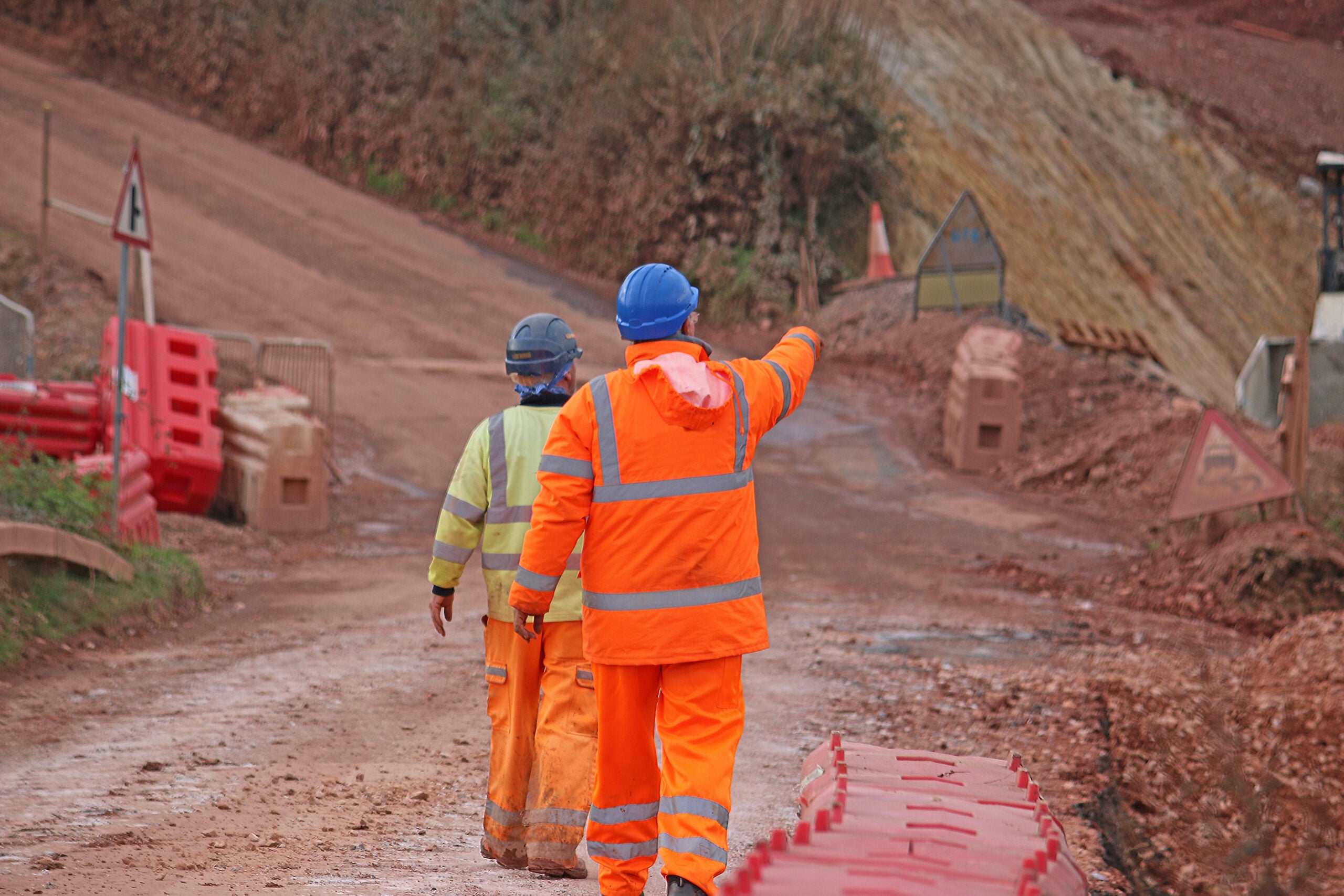
What If You're Working Somewhere Remote?
Not every trade job is ten minutes from an emergency department.
Australian workers can find themselves on farms, rural properties, remote construction projects, isolated roads and worksites where emergency services may take longer to reach them.
That changes the first aid equation.
Safe Work Australia notes that emergencies can become more serious in remote or isolated work when nobody is readily available to provide first aid or call for assistance.
Workplaces need ways for workers to access emergency assistance and appropriate emergency plans. The risk assessment may also identify a need for additional first aid equipment or training.
For the individual tradie, it reinforces a simple point: the further you are from help, the more important preparation becomes. A first aid kit, reliable communication and people who know what to do are not optional extras when the nearest assistance is a long way away.
Don’t wait for an emergency to leave you stranded, enrol in a HLTAID013 Provide First Aid in Remote or Isolated Site course with First Aid Pro today!

The First Aid Kit Is Only Half the Story
Imagine opening a toolbox containing every piece of equipment a qualified electrician needs. Would owning that toolbox make you an electrician?
Of course not. The same principle applies to first aid.
A well-stocked kit provides resources. Training provides the knowledge and practical skills needed to use appropriate equipment and respond to an emergency.
HLTAID011 Provide First Aid covers recognising and assessing an emergency, ensuring safety, seeking assistance from emergency services, providing appropriate first aid, performing CPR and communicating incident details.
That combination is particularly relevant to trade environments because emergencies rarely arrive with convenient labels.
A worker might fall from a ladder and be unresponsive. Someone could suffer a serious cut while using equipment. A colleague might suddenly collapse for a reason completely unrelated to the work being performed.
The first aider needs to assess what is happening and decide what needs to happen next.
CPR Is a Skill Worth Having on Site
Some workplace emergencies have nothing to do with tools, machinery or construction hazards. A person can suffer a cardiac arrest anywhere.
If someone is unresponsive and not breathing normally, CPR and access to an AED become critical parts of the emergency response.
HLTAID009 Provide Cardiopulmonary Resuscitation focuses specifically on CPR skills, including performing CPR and using an AED in accordance with Australian Resuscitation Council guidelines.
For tradies, supervisors and site managers, maintaining current CPR skills can therefore be valuable even if the workplace has an excellent safety record. First aid preparedness isn’t based on expecting something to go wrong. It’s about being capable of responding if it does.
Workplace First Aid Is Bigger Than One Green Box
Effective workplace first aid is not simply about having a kit on the wall. It is about making sure people can access the right equipment, trained help and emergency support when it is needed.
Put a green kit on the wall.
Tick the box.
Move on.
Workplace first aid needs to go further than that.
Australian workplace first aid arrangements are broader than a simple compliance exercise.
Businesses need to consider access to first aid equipment, facilities and trained first aiders based on the circumstances of the workplace.
Construction is recognised as a high-risk work environment, so first aid arrangements should reflect the hazards and realities of work on site.
Good First Aid Arrangements Need More Than Equipment
- Suitable first aid equipment that workers can access quickly
- Appropriate first aid facilities where the workplace requires them
- Enough trained first aiders for the workplace and its risks
- Workers who know where first aid equipment is located
- Clear procedures for getting help during an emergency
- Arrangements suited to the size, location and hazards of the workplace
The Right Arrangement Depends on the Workplace
Large Construction Site
On a larger site, first aid arrangements might include clearly identified first aiders, accessible first aid equipment and designated first aid facilities.
Small or Mobile Trade Business
For workers moving between jobs, appropriate arrangements might include suitable first aid kits in work vehicles, clear emergency procedures and enough workers with appropriate first aid training.
The exact arrangements may differ. The principle doesn’t:
First aid needs to work in the workplace you actually have, not the workplace described in a generic checklist.
Make National Tradesmen Day a Useful Reminder
National Tradesmen Day may have started overseas, but 18 September is a good opportunity for Australian trade businesses to check whether their first aid arrangements are genuinely ready for the job.
Instead of simply posting a photo of the crew on social media, use the day to look at the practical things that could matter if someone is injured or becomes unwell at work.
A Simple First Aid Check for 18 September
- Open the first aid kit and check what is actually inside.
- Replace anything that has been used, damaged or expired.
- Think about the hazards your workers regularly encounter.
- Check that first aid equipment is easy to locate and access.
- Make sure workers know how to get emergency assistance.
- Ask when your first aiders last completed their training.
Put First Aid Training on the Tools List
Tradies take pride in knowing their work. A good carpenter understands timber. A good electrician understands electrical systems. A good plumber understands exactly why the “five-minute job” somebody attempted at home has now flooded half the kitchen.
First aid is another practical skill worth having.
Completing HLTAID011 Provide First Aid with a recognised training provider gives participants the opportunity to develop and demonstrate skills for responding to a range of emergencies, including CPR.
For workers who need to maintain their CPR competency, HLTAID009 Provide Cardiopulmonary Resuscitation provides focused CPR and AED training.
First Aid Pro provides nationally recognised first aid and CPR training at locations around Australia, giving tradies, employers and work crews a practical way to keep their emergency response skills current.
National Tradesmen Day is about recognising the people who build, repair, install and maintain the things Australians rely on every day.
Looking after those workers should be part of the celebration.
Keep the tools maintained. Wear the right PPE. Manage the hazards. Keep the ute first aid kit stocked. And make sure somebody knows how to use it when it counts.
Related Reading
- Training.gov.au – HLTAID011 Provide First Aid
- Safe Work Australia – First Aid
FAQs
Should a tradie keep a first aid kit in their ute?
Yes, where a vehicle is used for work, having suitable first aid equipment readily accessible is an important part of workplace first aid preparedness. Safe Work Australia specifically advises keeping first aid kits inside work vehicles where workers travel for their job. The contents should reflect the hazards identified through the workplace risk assessment.
What should be in a tradie's first aid kit?
A kit should contain suitable basic first aid supplies such as dressings, bandages, gloves, saline, wound-care items, scissors, tape and a resuscitation barrier. Additional supplies may be required depending on workplace hazards. A trade involving heat or fire, for example, may need additional burn treatment equipment. Businesses should determine their requirements through a first aid risk assessment and applicable WHS guidance.
How often should a workplace first aid kit be checked?
First aid kits should be checked regularly and after use. Missing items should be replaced, sterile packaging should remain intact and products should be checked for deterioration and expiry dates. Safe Work Australia’s model Code of Practice recommends that an unused kit be checked at least once every 12 months, although more frequent checks may be appropriate for busy or higher-risk workplaces.
What first aid course is suitable for tradies?
HLTAID011 Provide First Aid is a nationally recognised unit covering a broad range of first aid responses as well as CPR. HLTAID009 Provide Cardiopulmonary Resuscitation focuses specifically on CPR and AED skills. The appropriate training for a particular worker should reflect their workplace requirements, responsibilities and identified risks.
Why is first aid training important on construction sites?
Construction is considered a high-risk work environment, and workers may be exposed to hazards capable of causing serious injuries. First aid training helps designated first aiders recognise and assess emergencies, provide appropriate immediate assistance, perform CPR when required and communicate effectively with emergency services. It complements — rather than replaces — the workplace measures used to prevent injuries in the first place.